
Initiating Your First Basic Turns
How-to shift weight to steer your skis effectively in either direction
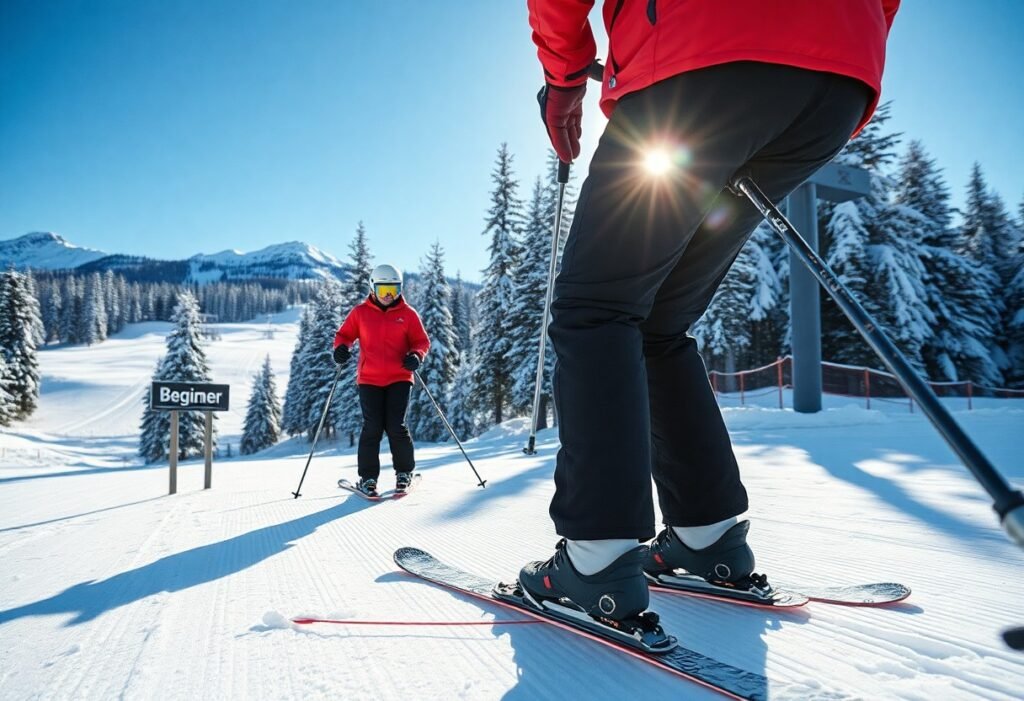
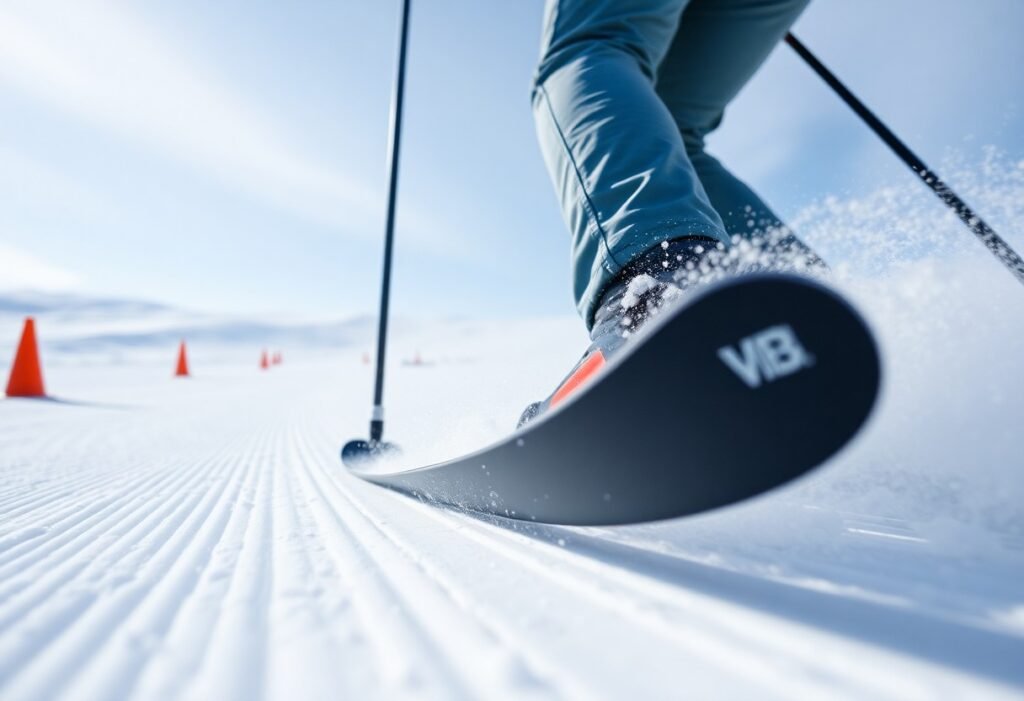
Shift your weight onto the outside ski, bend ankles and knees and pressure the front to initiate the turn. Keep shoulders down the fall line and apply edge pressure with the outside ski. Thou practice gentle weight transfers to steer smoothly.
- Edge pressure
- Outside ski
- Weight transfer
Professional tips for smooth turn completion and speed management
Control your upper body and finish each turn by rolling ankles and flattening edges, using short carves to shed speed. Focus on progressive pressure release to avoid catching an edge and sustain smooth exits. Thou refine timing with small adjustments.
- Edge release
- Speed check
- Upper body alignment
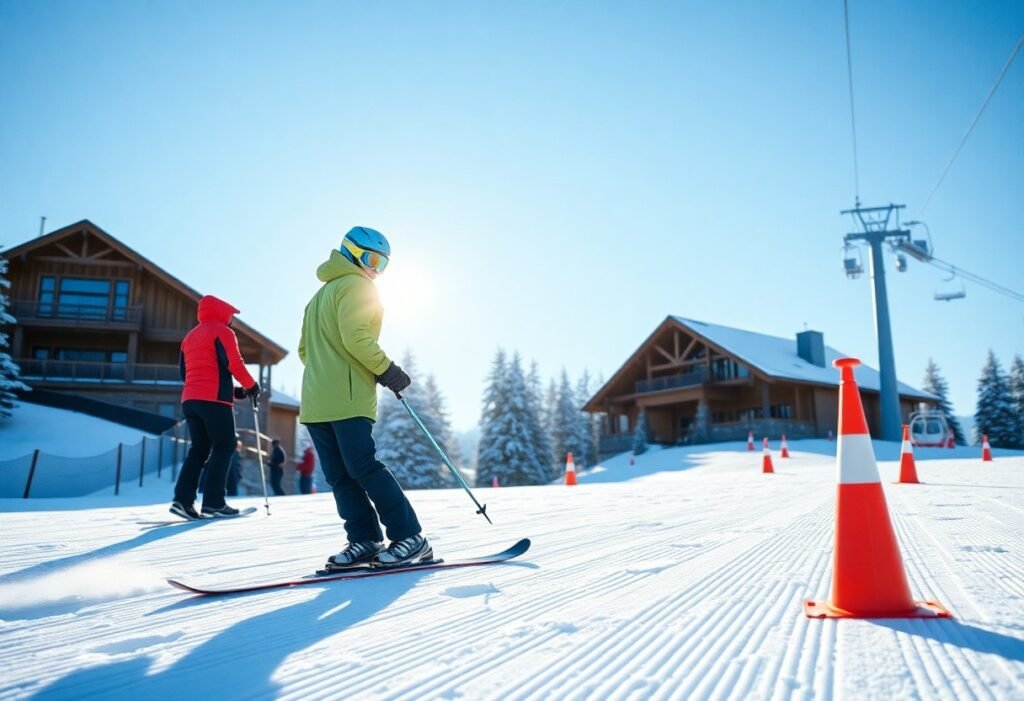
Practice linking short and medium turns to control pace, deliberately releasing the edges near the fall line to scrub speed. Maintain a forward stance and keep hands ahead to preserve balance; avoid leaning back which increases fall risk. Thou repeat drills on gentle slopes until timing feels natural.
- Edge release
- Stance
- Drills
Refinement and Edge Control Techniques
Factors influencing ski edge engagement for beginner skiers
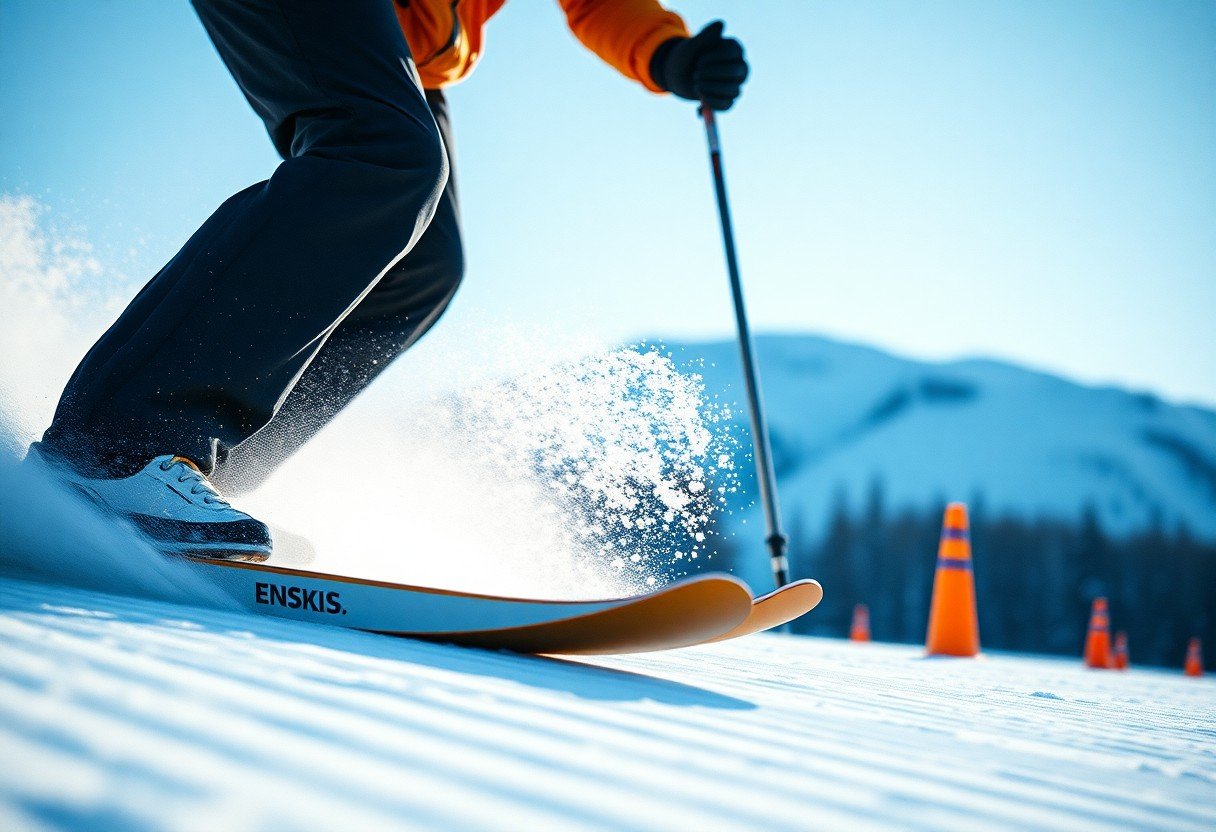
Edge control comes from stance, speed and pressure distribution; you must manage weight and tilt for precise engagement.
- Stance width
- Edge angle
- Fore-aft pressure
This focus helps you avoid skidding and develop reliable carving responses.
How-to utilize ankle pressure for more precise directional changes
Apply subtle ankle roll and fore-aft pressure to steer skis; you create quicker, cleaner turns while keeping knees soft and centered. Excessive ankle force causes loss of balance, so use micro-adjustments and feel the edges bite. This trains more accurate, controlled directional changes.
Place your shins against the boot cuff and practice gentle ankle tilts while edging; you shift pressure from inside to outside ski to change arc without twisting hips. Use short drills on a shallow slope, focus on incremental ankle movement, and avoid leaning back-too much rearward weight reduces edge grip and increases fall risk.
To wrap up
With this in mind you should keep weight centered, use rounded turns to bleed speed, apply consistent edge pressure to hold a controlled skid, and look uphill to initiate safe stops; practice on gentle slopes until you build confidence and timing.
FAQ
Q: What is the easiest stop for a beginner learning alpine skiing?
A: The snowplow (wedge) stop is the easiest and safest option for beginners. Stand with knees slightly bent, skis forming a V with tips together and tails apart, and push the heels outward to create inside-edge contact with the snow. Apply steady pressure on the inside edges of both skis to scrub speed; increasing the wedge angle increases braking force. Keep weight slightly forward over the boots and eyes looking downhill to maintain balance while slowing to a controlled stop.
Q: How do I turn while using the wedge (snowplow) technique?
A: Turn initiation comes from shifting more weight onto the downhill ski and steering the skis with your feet. Start a turn by closing the wedge slightly on the uphill ski and increasing pressure on the downhill ski while pointing your knees and hips toward the fall line of the turn. Use small leg rotation and edge tilt rather than twisting your shoulders; a gentle head-and-eye lead toward the new direction helps set the line. Finish the turn by balancing pressure evenly and then reshape the wedge for speed control if needed.
Q: When and how should I progress from wedge turns to parallel turns?
A: Progress when you can control speed and make consistent wedge turns on gentle slopes. Reduce the wedge gradually by bringing the tails closer together during the turn, and practice steering each ski independently so the skis track more parallel through the arc. Try single-ski exercises where you keep one ski slightly lifted or parallel for short stretches, then alternate sides. Practice linking short radius turns on mellow terrain before attempting fully parallel carved turns.
Q: What common beginner mistakes affect stopping and turning, and how do I fix them?
A: Leaning back, stiff legs, and looking down are common errors that reduce control. Shift weight forward slightly into the boots and flex ankles and knees to absorb terrain and maintain edge contact. Keep upper body quiet and facing downhill while the legs do the turning; look ahead in the intended direction to help guide turns. Avoid letting skis cross or point too far inward; maintain a balanced, slightly wider-than-hip stance to keep stability.
Q: What drills help practice stops and turns safely on beginner slopes?
A: Start with straight glides and practice the full snowplow stop repeatedly on a gentle slope until you can control speed and stop reliably. Use J-turns: descend in a shallow wedge, tip the downhill ski to arc a short turn, then reform the wedge to stop or slow. Side-slip practice on a gentle traverse builds edge feel without full turning, and follow-the-leader down a beginner run helps with rhythm and line choice. Always wear a helmet, pick uncrowded, gentle terrain, and progress drills only after consistent successful repetitions.