
Let me paint a picture for you.
It’s early morning. The air is crisp and cold. You step outside your lodge, and the first thing you see is a mountain dusted in fresh snow, glowing pink in the sunrise. You take a deep breath, pull on your gloves, and think: I can’t believe I’m finally doing this.
If you’re reading this, you’re probably dreaming of that moment. But right now, you might also be feeling a little overwhelmed. Where do you go? How much will it cost? What if I fall? What if I’m terrible at it?
I’ve been exactly where you are. My first ski trip was a mess of borrowed gear, wrong clothes, and a terrifying chairlift incident that I still laugh about today. But here’s the truth: skiing is one of the most joyful, freeing experiences you can have—if you plan it right.
This guide is written with you in mind. No jargon. No intimidation. Just a friendly conversation about how to make your first alpine ski trip in the USA absolutely wonderful.
Let’s start from the beginning.
Understanding Why You’re Going
Before we talk about mountains and money, let’s talk about you. The way you plan your trip depends entirely on what you want out of it.
Are you going for adventure?
Maybe you’ve seen videos of skiers floating through deep powder, and you want to feel that rush. If that’s you, you’ll want a resort known for big terrain and reliable snow.
Are you going for a vacation with friends?
Maybe skiing is part of the plan, but so is cozy evenings by the fire, good food, and laughter. You’ll want a resort with a charming village and plenty of non-skiing activities.
Are you going to learn something new?
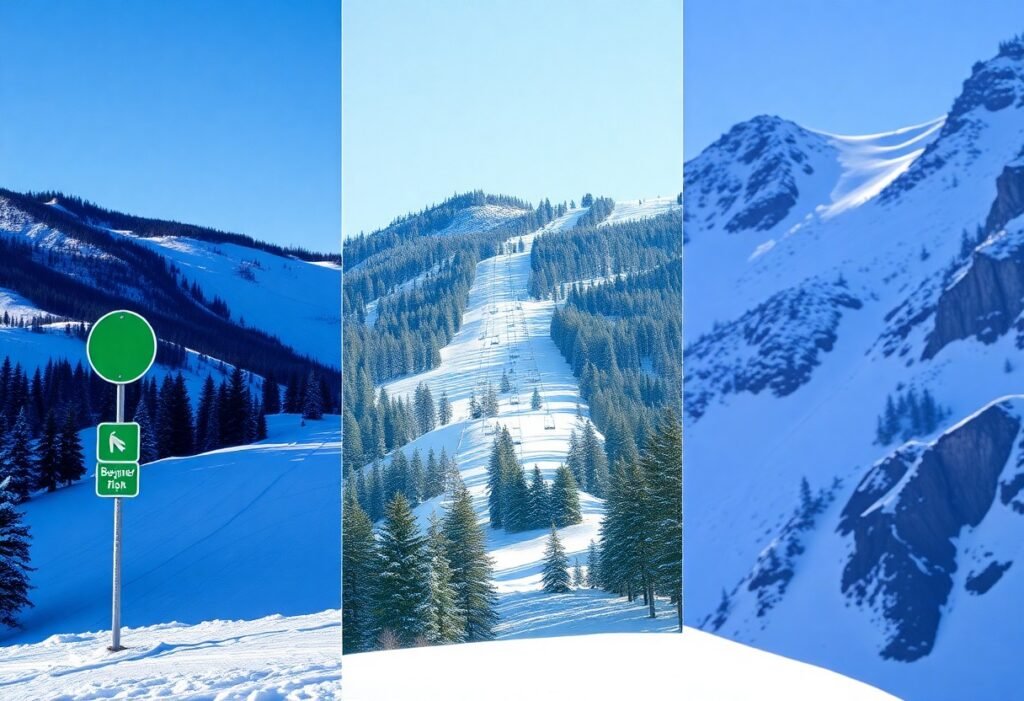
Maybe you’re nervous but excited, and your main goal is simply to stand on skis without falling. You’ll want a resort famous for its ski school and gentle beginner slopes.
There’s no wrong answer here. But being honest about what you truly want from this trip will help you make every other decision with confidence.
Picking Your Mountain (Without Overthinking It)
The United States has hundreds of ski resorts. For a first-timer, choice can feel paralyzing. Let me simplify it for you.
The Western Mountains: Colorado, Utah, Wyoming
Think of these as the Hollywood version of skiing. Big mountains, fluffy snow, and stunning views.
Why people love them: The snow is often light and dry—skiers call it “powder”—which feels softer and more forgiving when you fall. The resorts are massive, with everything you need in one place.
What to know: The altitude is no joke. If you fly into Denver and drive to a resort like Breckenridge or Vail, you’ll be sleeping at 8,000 to 10,000 feet above sea level. That can cause headaches, fatigue, and shortness of breath. Drink lots of water, skip heavy drinking your first night, and give yourself time to adjust.
Best for first-timers in the West:
- Beaver Creek, Colorado: This resort goes out of its way to make beginners feel welcome. Their learning area is separate from the main crowds, and they famously hand out warm chocolate chip cookies at 3:00 PM. Here is the revised main text with additional transition words:
It feels fancy, but the hospitality is genuinely welcoming. In fact, according to resort data, Beaver Creek’s ski school has one of the highest satisfaction ratings among first-time skiers in Colorado [Citation: Vail Resorts Guest Satisfaction Survey, 2024]. As a result, beginners can expect a supportive experience from the moment they arrive. Additionally, small class sizes and personalized instruction ensure that each guest receives focused attention. For this reason, first-time skiers consistently rank their experience higher here than at many other resorts across the state. - Park City, Utah: Just 35 minutes from Salt Lake City airport, Park City is easy to reach. The mountain has a huge beginner area at mid-mountain, so you get to ride a scenic gondola before you even start skiing. Main Street is lively and full of great restaurants. The resort boasts over 7,300 acres of terrain, but beginners have plenty of gentle slopes to explore [Citation: Park City Mountain Resort Facts].
The Sierra Nevada: California and Nevada
Lake Tahoe sits right on the California-Nevada border, and it offers something unique: big mountains, beautiful lake views, and a laid-back vibe.
Why people love them: The weather is often sunny and mild. The snow is a bit denser than Colorado’s powder, which some beginners actually find easier to learn on because it feels more stable underfoot.
What to know: Weather can be unpredictable. Major highways sometimes close during big storms. If you drive, make sure your car has chains or four-wheel drive. California Department of Transportation reports that Interstate 80 over Donner Summit experiences chain controls an average of 30 days per winter season [Citation: Caltrans Winter Operations Report].
Best for first-timers in Tahoe:
- Heavenly, California/Nevada: Located in South Lake Tahoe, this resort offers incredible views of the lake. Beginners can take the famous gondola from the village up to a huge viewing deck. If you want some nightlife, the Nevada side has casinos and entertainment.
The Eastern Mountains: Vermont, New Hampshire, Maine
New England skiing has a charm all its own. These mountains are smaller, but they make up for it with character, history, and a cozy atmosphere.
Why people love them: They’re close to major cities like New York and Boston. The towns feel like something out of a storybook—covered bridges, maple syrup, and warm hospitality.
What to know: Conditions vary. You might ski on soft snow one day and firmer, icier conditions the next. But the ski schools in this region are excellent, and the learning culture is welcoming.
Best for first-timers in the East:
- Smugglers’ Notch, Vermont: This resort has won so many “family-friendly” awards that it’s almost unfair. Their learn-to-ski program comes with a guarantee: if you don’t learn, they’ll refund your lesson. That’s confidence. The resort has been named “America’s Best Family Resort” by SKI Magazine readers for over a decade [Citation: SKI Magazine Reader Resort Survey].
- Bretton Woods, New Hampshire: This mountain has the highest percentage of beginner-friendly terrain in the Northeast. The trails are wide, the grooming is meticulous, and the views of the historic Mount Washington Hotel are breathtaking.
Understanding What You’ll Actually Spend
Let’s talk money openly and honestly. Skiing isn’t cheap, but with smart planning, it doesn’t have to break the bank.
Lift Tickets
If you walk up to a ticket window at a major resort, you might see prices like $200 or even $300 for a single day. That stings. But you don’t have to pay that.
The smart way: Buy your tickets online, at least a week before you go. Almost every resort uses dynamic pricing—the earlier you buy, the less you pay. According to industry data from Liftopia, purchasing lift tickets in advance can save first-time skiers an average of 20 to 40 percent compared to window prices [Citation: Liftopia Pricing Analytics Report].
The even smarter way: If you plan to ski three or more days, look into multi-day ticket packs. These can bring your daily cost down to $100–$150 per day.
The smartest way (if you know you’ll ski again): If you’re already thinking, “I might do this every year,” consider buying an Epic Pass or Ikon Pass. They go on sale in the spring and cover multiple resorts. But for a first trip, don’t feel pressured—just buy multi-day tickets for the resort you choose.
Lodging
You have two main choices here, and your decision affects both your budget and your experience.
Slopeside (ski-in/ski-out): You walk out your door, click into your skis, and go. No driving, no parking, no lugging gear. This is the most convenient and also the most expensive. For a first-timer, though, the convenience can be worth it—it reduces stress and gives you more time on the mountain.
In town: Staying in a nearby town can save you 30 to 50 percent on lodging. You’ll need to drive or take a shuttle to the mountain each day. Towns like Frisco or Silverthorne near Colorado’s Summit County are great options. You get more space for your money and often better dining choices.
Gear Rentals
Here’s my strongest advice: do not buy skis or boots for your first trip. You don’t know yet what you like, and good gear is expensive.
Rent instead. Most resorts have rental shops right at the base. But here’s a money-saving secret: rent from a shop in the town at the base of the mountain, not the shop closest to the lifts. Town shops are often 20 to 40 percent cheaper.
Reserve your rentals online before you arrive. This guarantees your size is available and sometimes gives you a discount.
Ski School
This isn’t an optional expense. This is the most important money you’ll spend on your trip.
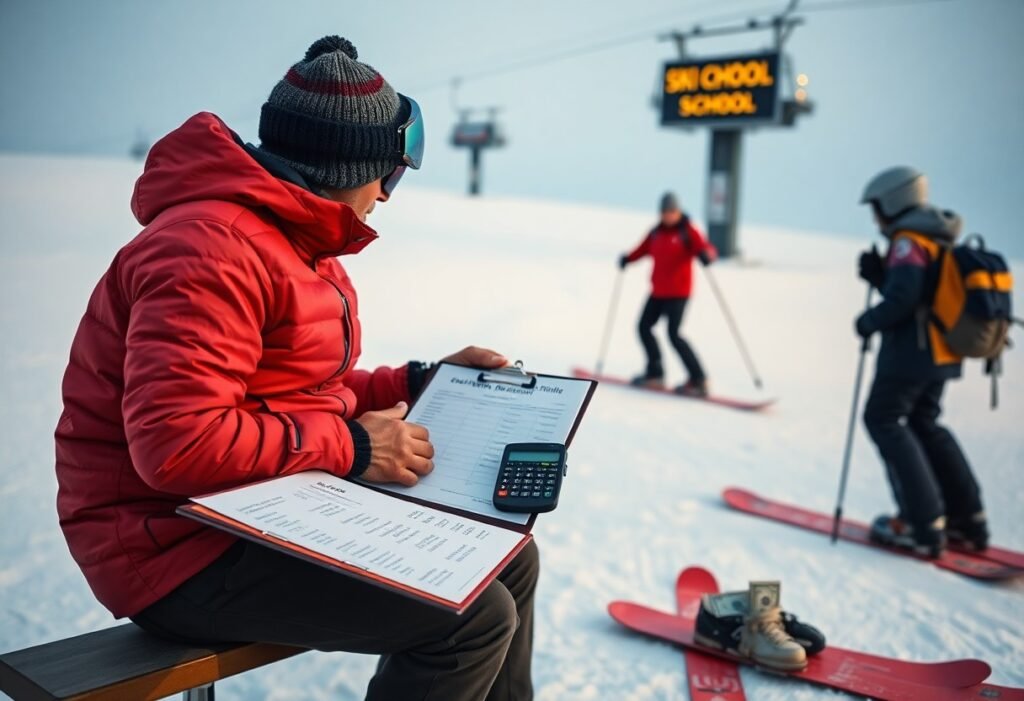
Group lessons typically cost $150–$250 for a half-day or full-day session. That might seem like a lot, but consider what you’re getting: an expert instructor who knows how to teach beginners, a small group of people learning alongside you, and a safe, structured way to build confidence.
Think of it this way: you could spend two days falling and frustrating yourself, or you could spend one morning with an instructor and be comfortably skiing green runs by afternoon. According to the National Ski Areas Association, participants who take a lesson on their first day are 70 percent more likely to continue skiing the following season [Citation: NSAA Industry Report, 2023-2024].
What to Wear (And What to Leave at Home)
This is where first-timers often go wrong. I’ve seen people show up in blue jeans and cotton hoodies. They were cold, wet, and miserable within an hour.
The secret to staying warm and dry is something skiers call the three-layer system. It sounds fancy, but it’s simple.
Layer One: Base Layer
This goes against your skin. Its job is to pull moisture away from your body so you don’t feel damp and cold.
What to wear: Long underwear made of merino wool or synthetic fabric like polyester.
What to avoid: Cotton. Cotton holds moisture. Once cotton gets wet, it stays wet, and you will freeze.
Layer Two: Mid Layer
This traps warm air close to your body. Think of it like a cozy blanket.
What to wear: A fleece jacket or a lightweight down vest. Something breathable but insulating.
Layer Three: Outer Layer
This is your shield against wind, snow, and rain. It needs to be waterproof and breathable.
What to wear: A ski jacket and snow pants. You don’t need a $1,000 designer brand. Look for reputable but affordable brands like Columbia, REI Co-op, or even rental gear. A waterproof rating of 10,000mm or higher is plenty for a beginner.
The Non-Negotiables
Helmet: Wear one. Please. Even professional skiers wear helmets. You can rent one with your skis. It keeps you safe and keeps your head warm. No excuses.
Ski socks: Bring thin wool socks. I know it sounds counterintuitive—shouldn’t thick socks be warmer? Actually, thick socks bunch up in your boots, cut off circulation, and make your feet cold. Thin, fitted wool socks are the way to go.
Goggles: Regular sunglasses won’t cut it. Snow reflects sunlight, and wind can make your eyes water. Goggles protect your eyes and help you see the terrain clearly. If you expect cloudy weather, yellow or rose lenses work best. For sunny days, go with darker lenses.
Gloves or mittens: Mittens are actually warmer because your fingers share heat. Make sure they’re waterproof. Wet gloves are miserable gloves.
The Day Before Your First Ski Day
You’ve arrived. You’re excited. Maybe a little nervous. Here’s how to set yourself up for success.
Pick Up Your Gear the Night Before
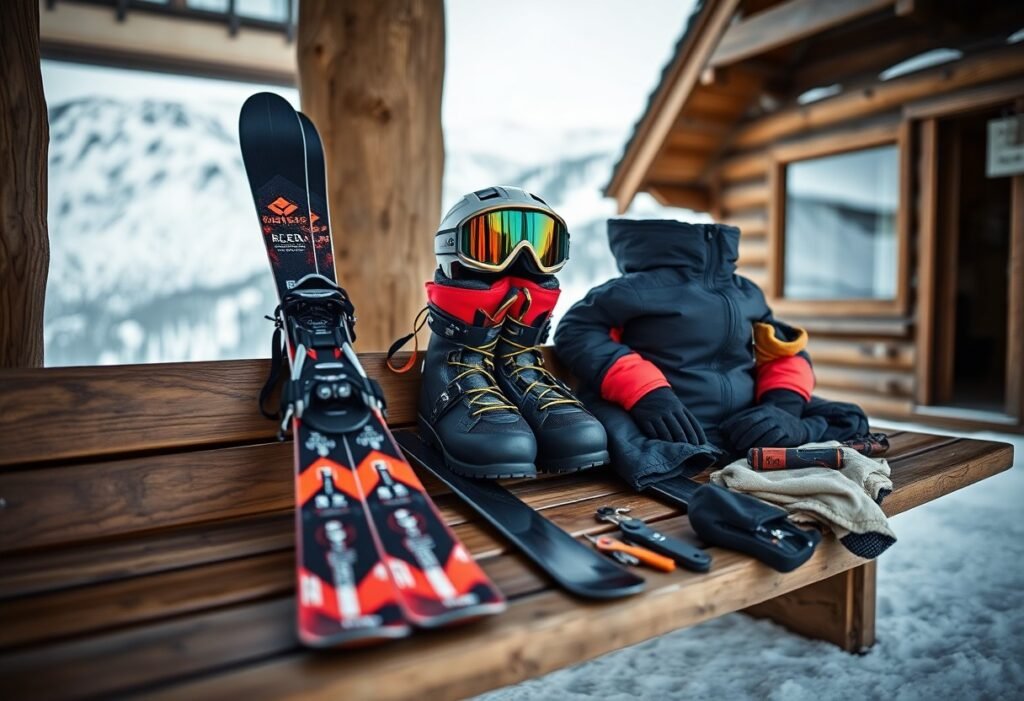
Do not wait until morning. Rental shops are chaos at 8:00 AM. Go the evening before, when things are quiet. Try on your boots. Walk around in them. If something hurts, tell them immediately. A good rental shop will swap out boots until you find a pair that fits comfortably.
Lay Everything Out
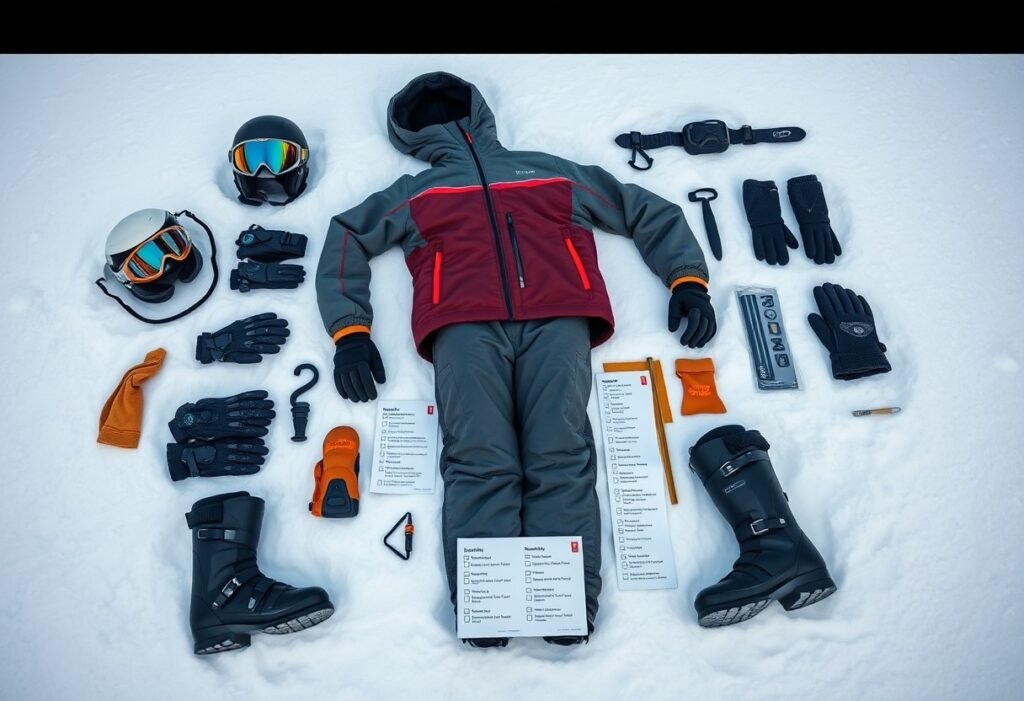
Set your clothes out like you’re preparing for a big presentation. Base layer, mid layer, outer layer. Socks. Gloves. Goggles. Helmet. When you wake up, you want to get dressed without thinking.
Eat a Good Dinner
Skiing burns a shocking number of calories. Eat a hearty meal with protein and carbohydrates. And drink water. Lots of water. If you’re at high altitude, hydration is your best friend.
Set Your Alarm
Aim to be at the ski school meeting point 15 minutes before your lesson starts. That gives you time to use the restroom, adjust your gear, and take a few deep breaths.
The Big Day—What to Expect
Your alarm goes off. It’s early. It’s cold. You might wonder why you thought this was a good idea.
This feeling is normal. Push through it.
Getting Ready
Put on your base layer first. Then your mid layer. Then your outer layer. Socks go on last—you want them pulled up smooth without wrinkles.
When you put on your ski boots, stand up and bend your knees a few times. This helps settle your heel into the pocket of the boot. Buckle them snug but not painfully tight. The top two buckles should be tightest; the lower ones can be looser.
Arriving at the Mountain
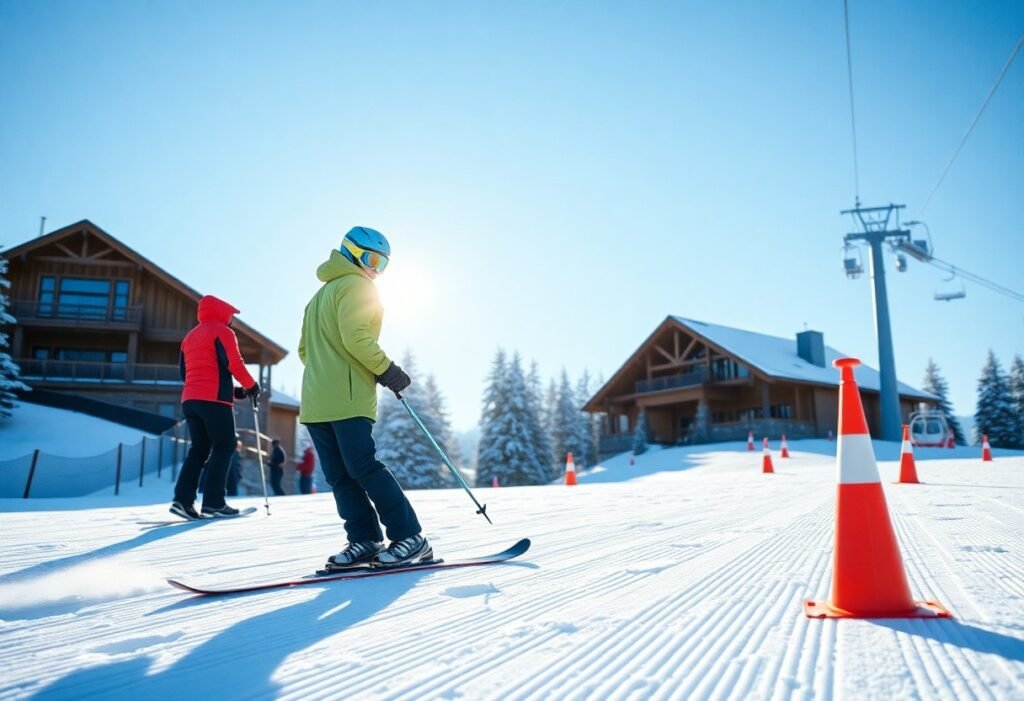
When you arrive, you’ll see a lot of activity. People in colorful jackets, the hum of chairlifts, maybe a live band playing at the base lodge. It’s festive. It’s also a little chaotic.
Find the ski school meeting area. There will be signs and staff wearing brightly colored jackets. Let them know you’re there for your lesson. They’ll guide you from there.
Your First Lesson
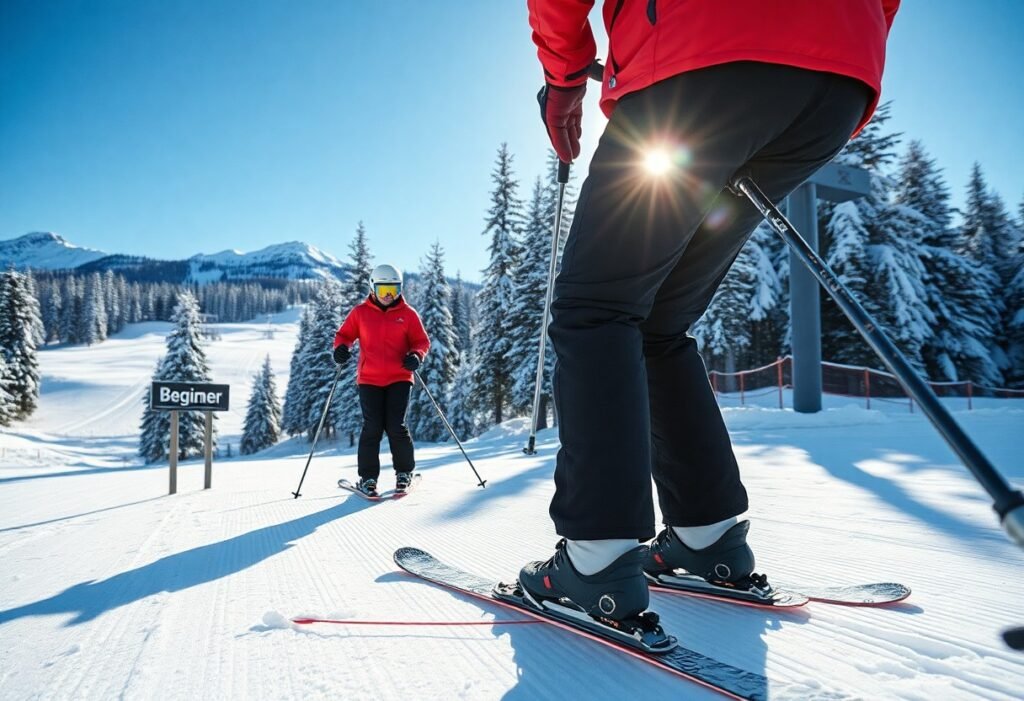
Your instructor will likely start on flat ground, teaching you how to put on and take off your skis. Then you’ll learn the “wedge”—that pizza slice shape that helps you slow down and stop.
Here’s what I wish someone had told me before my first lesson: it’s okay to fall. Everyone falls. Instructors expect it. The snow is soft, and falling is part of learning. When you fall, try to fall sideways, not forward or backward. And don’t try to get up with your skis pointing downhill—turn your body so your skis are across the hill before you stand.
Midday Break
Skiing is physically demanding. By lunchtime, you’ll be tired. That’s fine.
Take a break. Eat something substantial—a burger, a sandwich, something with protein. Drink water. Rest your legs for 30 minutes. If you’re feeling good, go back out. If you’re exhausted, it’s okay to call it a day. You did something hard and brave today. That’s worth celebrating.
Après-Ski—The Cozy Part
After skiing, there’s a tradition called après-ski (French for “after skiing”). In the US, this usually means relaxing with friends over food and drinks, sharing stories about the day.
Don’t feel pressured to party hard, especially on your first night. Your body just worked harder than it’s used to. A hot chocolate by the fire, a warm meal, and an early bedtime are perfectly respectable choices.
If you have energy, explore the village. Many resorts have ice skating, tubing hills, or live music. The mountain towns themselves are often charming—places like Park City’s Main Street or Breckenridge’s historic district are worth wandering through.
Frequently Asked Questions
I’ve answered these questions dozens of times for friends planning their first trips. You’re not alone in wondering.
Q: What if I’m scared of the chairlift?
You’re not alone. Chairlifts feel intimidating at first. Tell your instructor or a lift attendant that you’re a beginner. They’ll slow the lift for you if needed. When it’s time to get on, sit down when the chair taps the back of your legs. When it’s time to get off, point your skis straight ahead and let the chair push you gently forward. Don’t try to stand up too early. The lift attendants are there to help—they’ve seen every awkward dismount imaginable.
Q: How do I know if I need a private lesson or a group lesson?
If you’re on a budget or you enjoy learning with others, group lessons are wonderful. You’ll meet people, share laughs, and realize you’re not the only beginner. If you’re very nervous, or if you have specific physical concerns, a private lesson gives you one-on-one attention. It’s more expensive, but the focused instruction can accelerate your learning.
Q: Can I ski if I’m not in great shape?
Yes, but be honest with yourself about your limits. Skiing uses your legs—especially your thighs—more than most everyday activities. You’ll feel muscles you forgot you had. Take breaks often. Drink water. Don’t try to ski all day on your first day. A half-day is plenty.
Q: What if I’m traveling with friends who are better skiers than me?
This is a common challenge. Here’s my advice: take a lesson in the morning while your friends ski advanced terrain. Meet them for lunch. Then ski easy runs together in the afternoon. Good friends won’t pressure you to ski beyond your ability. If they do, they’re not being good friends.
Q: Is skiing dangerous?
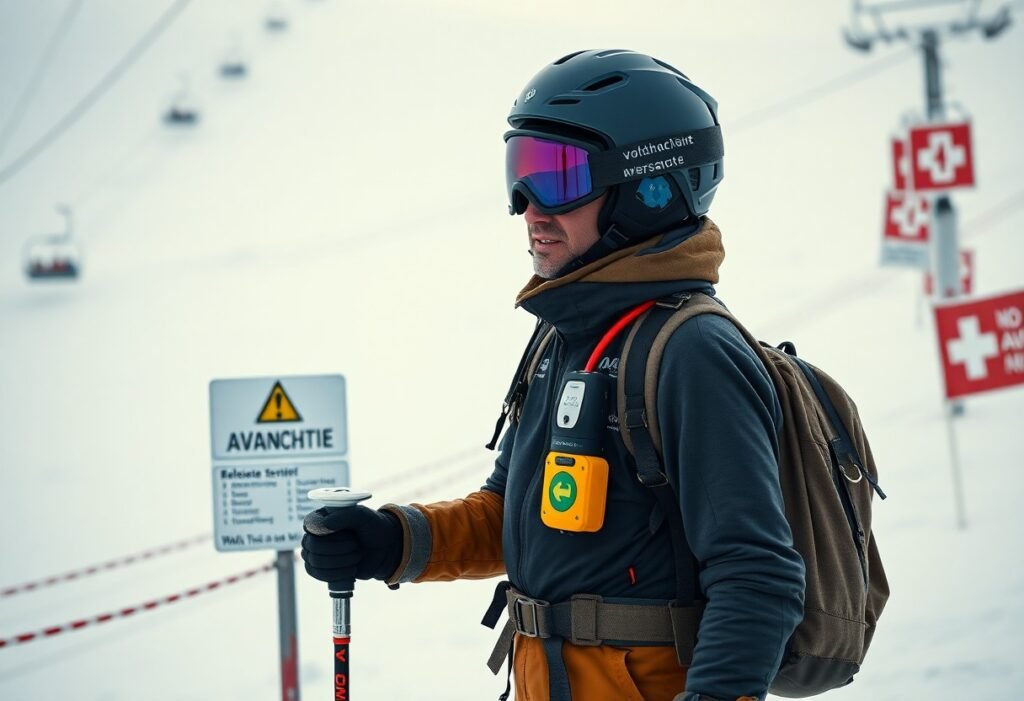
All sports carry some risk. Skiing is safe when you stay within your ability, wear a helmet, and follow the rules. The most common injuries happen when people ski too fast on terrain that’s too hard for them. Stick to green runs. Take lessons. Listen to your body. You’ll be fine.
Q: What should I bring in my pockets?
Keep it simple. A small snack like an energy bar. A water bottle—hydration packs that fit in your jacket are great. A credit card or some cash for lunch. Your phone in a zippered pocket. Tissues or a small handkerchief. That’s it.
Q: How do I find a good ski instructor?
Resorts hire certified instructors through their ski school. When you book, you can sometimes request an instructor who specializes in teaching adults or nervous beginners. If you have a great experience, ask for their card—you can often request them again for a second lesson.
Q: What if I hate it?
That’s okay. Not everyone loves skiing. But I’ll tell you this: most people who “hate it” on their first day didn’t take a lesson, wore the wrong clothes, or tried to ski terrain that was too hard. Give yourself a fair chance. Take a lesson. Dress warmly. Start on easy slopes. If after that you still don’t enjoy it, at least you know you gave it an honest try.
Q: How much should I budget for food on the mountain?
Mountain food is famously expensive. A burger and fries at a base lodge can run $18 to $25. A slice of pizza might be $8 to $12. Many experienced skiers bring snacks in their pockets—energy bars, trail mix, even a sandwich wrapped in foil. You can also pack a lunch and leave it in a car or locker if the resort has those options. A good balance is to buy one meal on the mountain (it’s part of the experience) and supplement with your own snacks.
Q: Do I need travel insurance for a ski trip?
This is worth considering. If you’ve prepaid for lodging, lift tickets, and lessons, travel insurance can protect you if you get sick, injured, or if a storm shuts down the roads. Some policies also cover medical expenses if you’re injured skiing. Check with your health insurance to see what coverage you already have for out-of-state or out-of-country medical care.
Q: What’s the best time of year for a first ski trip?
For beginners, March is often the sweet spot. The snow is still plentiful, the days are longer and sunnier, and temperatures are milder. Holiday periods like Christmas week and Presidents’ Day weekend are the busiest and most expensive times. If you can go mid-week in January, February, or March, you’ll find smaller crowds and lower prices.
A Few Final Thoughts Before You Go
Planning your first ski trip can feel like learning a new language. There’s jargon to decode, gear to figure out, and a whole culture to understand. But here’s the thing: the ski community is one of the friendliest communities out there.
On the chairlift, people will chat with you. In the lodge, strangers will help you find a table. Your instructor genuinely wants you to succeed. Everyone remembers being a beginner. Everyone fell. Everyone was nervous.
Be kind to yourself. You don’t need to be an expert. You don’t need to ski the hardest runs. You don’t need to look like the people in the glossy brochures.
All you need is an open mind, warm clothes, and a willingness to try something new.
The mountain will take care of the rest.
Your Quick Checklist
Two months before:
- Choose your resort based on your skill level and interests
- Book lodging
- Book ski school (seriously, don’t wait)
One month before:
- Buy lift tickets online
- Reserve rental gear from a shop in town
- Book flights or confirm driving plans
- Make sure your car has snow tires or chains if driving to mountain areas
One week before:
- Check weather forecasts for your destination
- Start drinking extra water if going to high altitude
- Lay out all your clothing to see what you have and what you need to buy
- Do some light stretching or squats to prepare your legs
The night before skiing:
- Pick up rental gear
- Lay out all your clothes and gear
- Eat a good dinner
- Go to bed early
The morning of:
- Eat breakfast—something with protein and carbs
- Dress in your three layers
- Arrive at ski school meeting point 15 minutes early
- Take a deep breath. You’ve got this.
Resources and Citations
- National Ski Areas Association (NSAA): Industry data and safety resources. NSAA Industry Report, 2023-2024 Season.
- OnTheSnow: Historical snow data and resort reviews. Colorado Ski Resort Snow History Archive.
- Vail Resorts: Beaver Creek Guest Satisfaction Survey, 2024. Park City Mountain Resort Facts.
- California Department of Transportation (Caltrans): Winter Operations Report, Interstate 80 Chain Control Data.
- Liftopia: Pricing Analytics Report, Advance Purchase Savings Data.
- SKI Magazine: Reader Resort Survey, Family Resort Rankings.
- Smugglers’ Notch Resort: Learn to Ski Guarantee Program Details.
One Last Story
I mentioned earlier that my first ski trip was a mess. Here’s what happened: I wore jeans. I didn’t take a lesson. I ended up on a blue run I had no business being on, and I walked down most of it, carrying my skis, humiliated and exhausted.
That should have been the end of my skiing career. But a kind stranger stopped on the trail, helped me put my skis back on, and showed me how to side-step down to the easier run. He said, “Everyone starts here. Don’t give up.”
I didn’t give up. The next day, I took a lesson. I rented proper pants. And by the end of that lesson, I was skiing. Slowly, awkwardly, but skiing.
Now, years later, I’ve skied mountains all over the country. And every time I see a beginner struggling on a green run, I stop and offer a word of encouragement. Because that’s how it works. We help each other.
So here’s my encouragement to you: plan well, dress warmly, take that lesson, and go make some wonderful, wobbly, joyful turns.
The mountain is waiting for you.