
With peak snow from December to March, you should plan trips in mid-January-February for the deepest powder and reliable lifts, but expect higher avalanche risk in steep backcountry and excellent spring corn skiing by April at lower elevations.
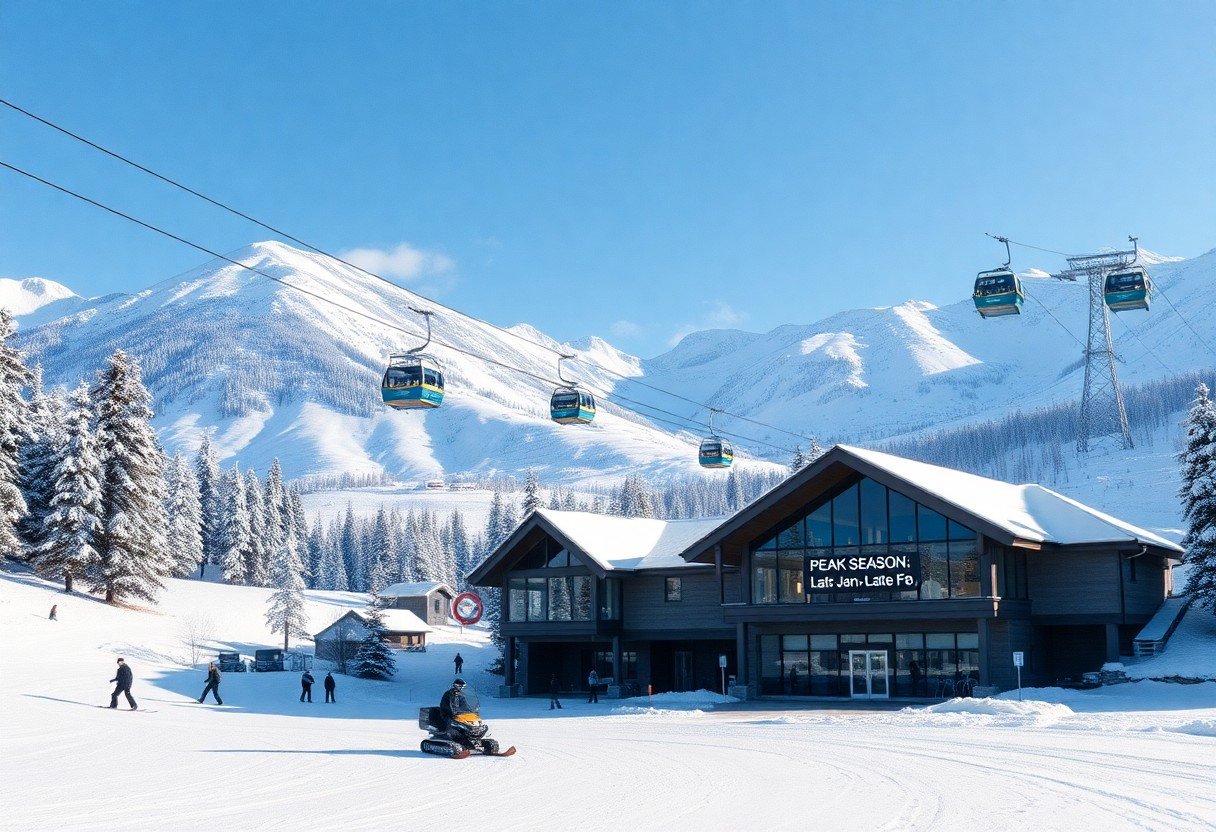
Peak Season: Late January to Late February
Optimal Base Depth and Consistent Sub-Freezing Temperatures
Snowpack often exceeds 100-150 cm during this window, so you benefit from a deep, skiable base and consistent sub‑freezing temperatures that preserve powder; be prepared for icy refreeze on shaded runs at night.
Peak Season Conditions & Recommendations
| Condition | What you should do |
|---|---|
| Deep base | Expect long season coverage; target advanced terrain and sidecountry |
| Sub‑freezing temps | Layer for cold and use colder wax to maintain glide |
| Holiday crowds | Book lodging and lift tickets early; arrive at first chair |
Navigating Holiday Crowds and President’s Day Peak Demand
Expect holiday weekends and President’s Day to produce long lift lines and crowded parking, so you should secure reservations and aim for early or late-day sessions to avoid peak congestion.
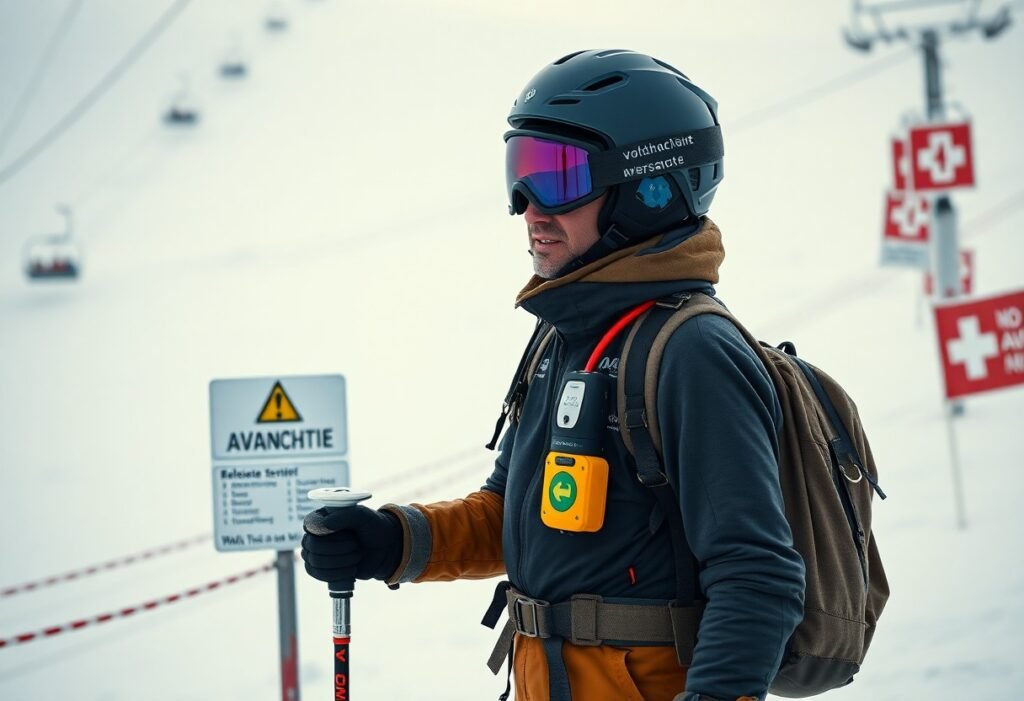
You can reduce stress by choosing midweek dates or smaller resorts, arriving before lifts open, and using shuttle options; if you plan backcountry travel after big storms, carry beacon, shovel, and probe and consult avalanche forecasts to address avalanche risk, while still enjoying prime powder pockets between storms.
Spring Skiing: March and April Corn Snow
Spring delivers that coveted corn-skiing window in March and April, where you’ll enjoy soft, fast afternoon corn but face hard, icy mornings; time your laps for warm sun and watch for rapid warming that can increase wet-snow slide risk.
The Sun-Drenched Slopes of the High Sierras
High Sierras receive intense sun that softens slopes by midday, giving you long, enjoyable runs on creamy corn, though shaded couloirs can stay icy and catch you off-guard.
Understanding the Freeze-Thaw Cycle and “Corn” Snow
Freeze-thaw cycles create clean, glidey corn that rewards patient skiers; early firmness forces you to use sharper edges and controlled turns to avoid slips.
During morning freezes ice crystals lock into a hard crust, then midday melt rounds grains into sorbet-like corn; you should adjust wax, favor softer turn arcs in warm slush, and steer clear of steep, sun-exposed terrain during rapid warming because wet-snow avalanches and heavy wet slides become more likely.
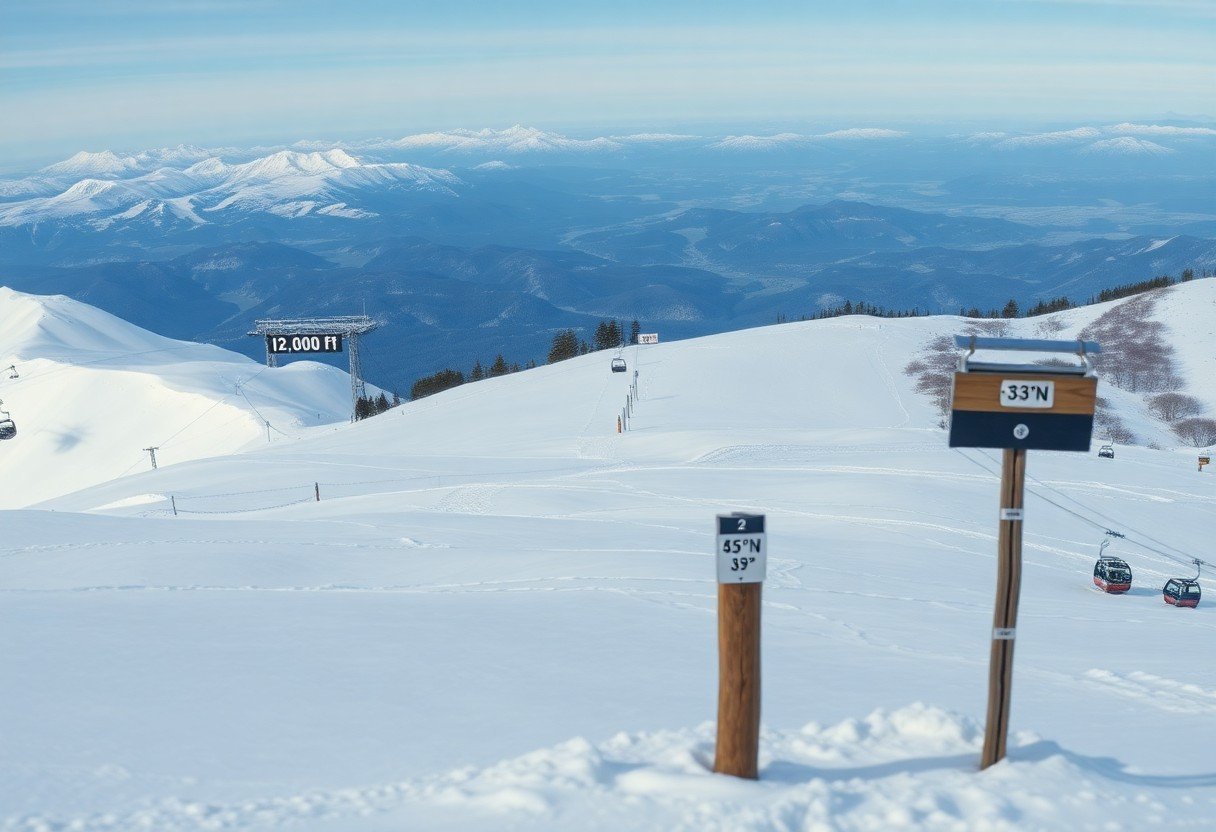
The Impact of Altitude and Latitude on Season Length
Altitude determines snowpack depth and longevity while latitude controls sunlight and average temperatures, so you rely on higher elevations for the longest seasons and on northern ranges for later spring skiing; for planning, consult A Guide to Skiing North America All Year to time your trips.
Why High-Elevation Resorts Offer Guaranteed Coverage
Resorts above 9,000 feet give you reliable snow through spring because colder nights preserve base depth and slow melt, extending lift-served terrain into late season.
North-Facing Aspect and the Importance of Tree Cover Longevity
Shade from north-facing slopes and dense tree cover helps you keep a long-lasting base by reducing solar melt and wind scouring, preserving quality late-season turns.
Tree canopy buffers snow from sun and wind, so you find softer spring corn and sheltered runs while open north aspects hold firm; you should still monitor for persistent weak layers and increased avalanche risk where steep, wind-loaded ribs intersect forest gaps.
Strategic Planning: Mid-Week and Late-Season Value
Planning mid-week trips and late-season windows lets you score fresher corduroy, fewer lines, and lower prices; you should aim for early spring storms and weekday mornings to maximize powder access while watching for variable spring conditions.
Strategies for Avoiding Lift Lines and Crowded Groomers
Weekdays let you ride gaps between school holiday spikes, so you should target first lifts and storm-clear mornings to avoid lines; keep an eye on patroller alerts because crowd collisions and icy afternoons increase risk.
Economic Benefits of Late-Season Lodging and Lift Tickets
Savings are biggest late in the season when resorts drop rates and hotels compete; you can often find substantial discounts, flexible packages, and easier upgrades if you book mid-week.
During late-season you should compare package dates, bundle lift tickets with lodging, and watch resort newsletters for flash sales; this often reduces your total trip cost and lets you reallocate savings toward lessons or equipment, while accounting for soft snow and variable lift schedules in your planning.
Summing up
So you should plan alpine skiing in the USA from December through March for the best snow and conditions, favoring higher-elevation resorts for late-season powder and mid-winter storms while checking local forecasts and lift openings.
FAQ
Q: When is the best time of year for alpine skiing in the USA?
A: The core ski season for most U.S. resorts runs from early December through late March, with peak snowpack and frequent storms in January and February. High-elevation resorts can open as early as November and remain skiable into April or May during strong snow years. Low-elevation and East Coast areas often have shorter windows and more variable conditions, so check resort opening reports before planning. Holiday weeks around Christmas, New Year and Presidents’ Day typically have the most crowds and full terrain.
Q: How does the best time vary by region across the United States?
A: Western mountain ranges such as the Rockies, Sierra Nevada and Cascades usually offer the longest and snowiest seasons, thanks to higher elevations and more consistent winter storm tracks. Colorado and Utah often see deep mid-winter powder from December through March, while the Sierra (Tahoe, Mammoth) receives large storms but also periodic dry stretches; Mammoth commonly extends into late spring. New England resorts tend to rely more on cold snaps and snowmaking, making January and February the most reliable months for decent coverage there. Alaska and some Pacific Northwest locations can provide exceptional late-season skiing, but access and conditions vary widely.
Q: What are the trade-offs between early-season and late-season skiing?
A: Peak demand occurs during major school holiday periods. Mid-December through early January sees the highest crowds. MLK weekend, Presidents’ Day weekend, and winter school breaks also draw large numbers. Lift ticket prices rise significantly during these windows. Lodging inventories fill completely well in advance.
Midweek travel outside holiday windows offers better value. Prices are lower and lifts remain quieter. Early-season openings before the holidays provide discounts. Late-season periods after spring break also feature fewer people and package deals.
Booking early for holiday periods is essential. This remains the best way to secure lodging. It also guarantees your preferred travel dates.
Q: How do crowds and prices change throughout the ski season?
A: Peak demand occurs during school holidays: mid-December through early January, MLK weekend, Presidents’ Day weekend and mid-winter school breaks, leading to higher lift ticket prices and full lodging inventories. Midweek travel outside holiday windows usually yields lower prices and quieter lifts. Early-season openings before the holidays and late-season periods after spring break commonly have discounts, package deals and fewer people on slopes. Booking early for holiday periods remains the best way to secure lodging and preferred travel dates.
Q: What time of season should I choose for specific conditions like powder, groomers or spring sun?
A:For frequent fresh powder, target mid-winter from January through February. The interior West sees the strongest storm systems during this period. Cold air also preserves snow quality at higher elevations.
For hard-packed, well-groomed slopes ideal for carving, plan for late January through early March. Grooming crews have consistent coverage during this window. This provides optimal conditions for edge control and precision turns.
For sunny spring skiing with softer corn snow and milder temperatures, choose March into April. Many high-elevation resorts offer the best mix of warmth and remaining coverage. Corn snow develops from overnight melt-freeze cycles, creating smooth, forgiving surfaces.
For backcountry powder trips, monitor long-range forecasts carefully. Choose regions with recent heavy snowfall and stable avalanche conditions. Check daily avalanche bulletins from local forecast centers. Confirm your group has proper safety gear including beacons, probes, and shovels.