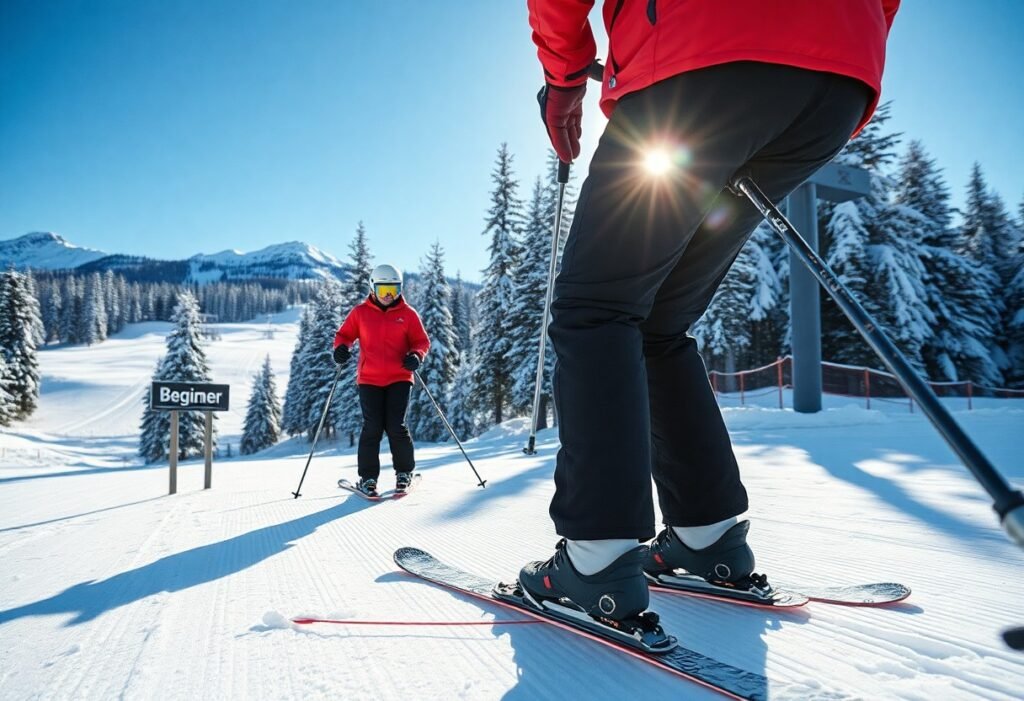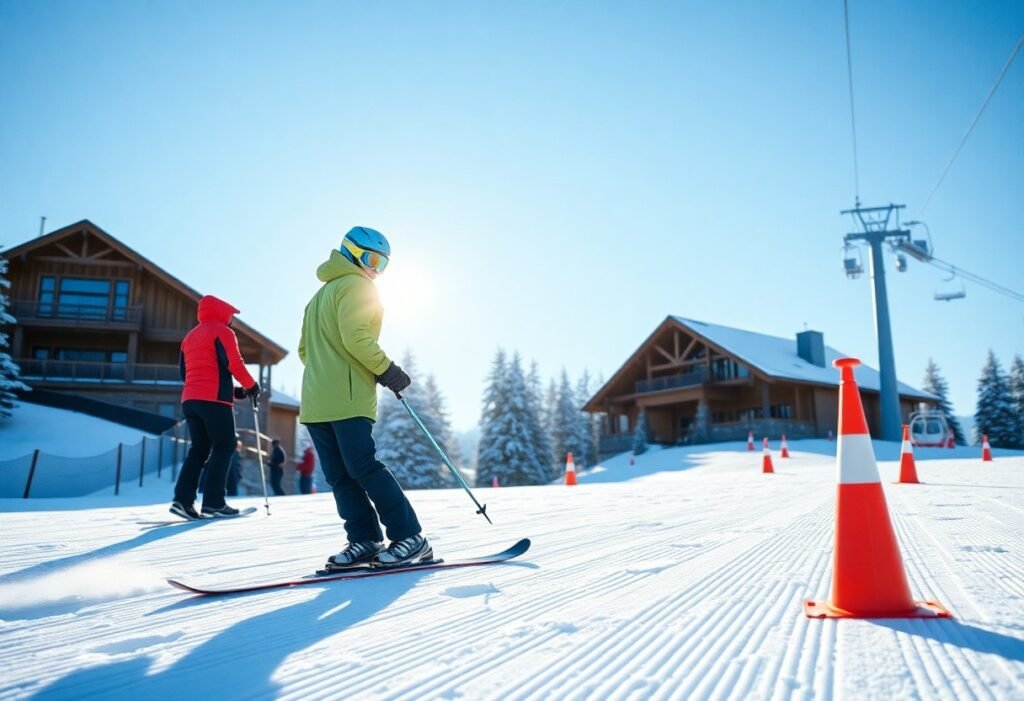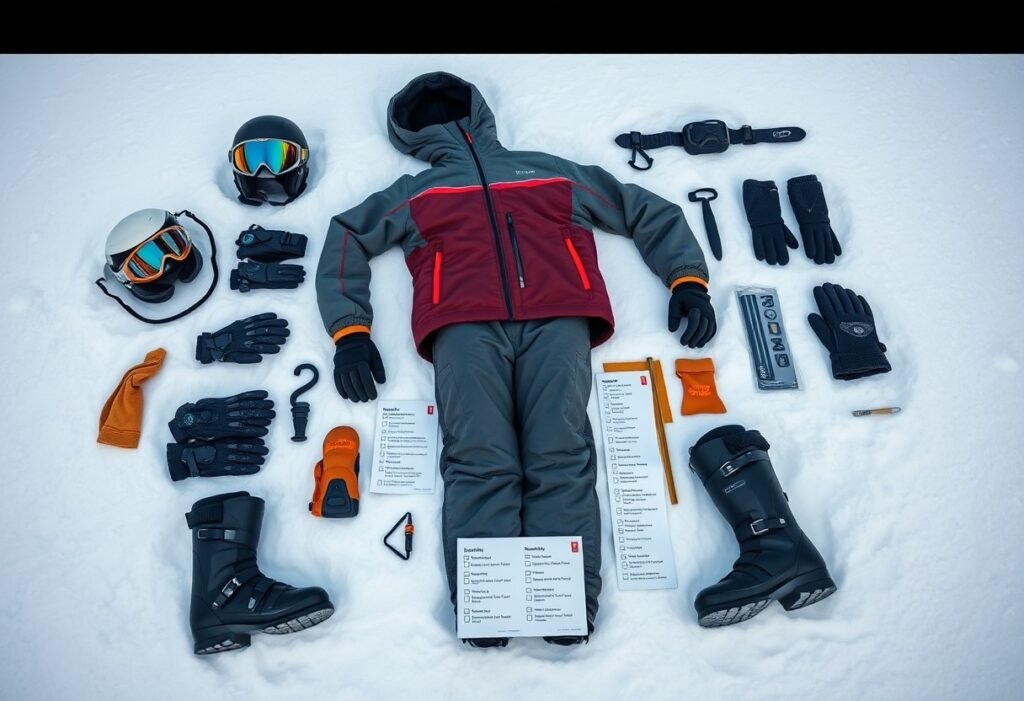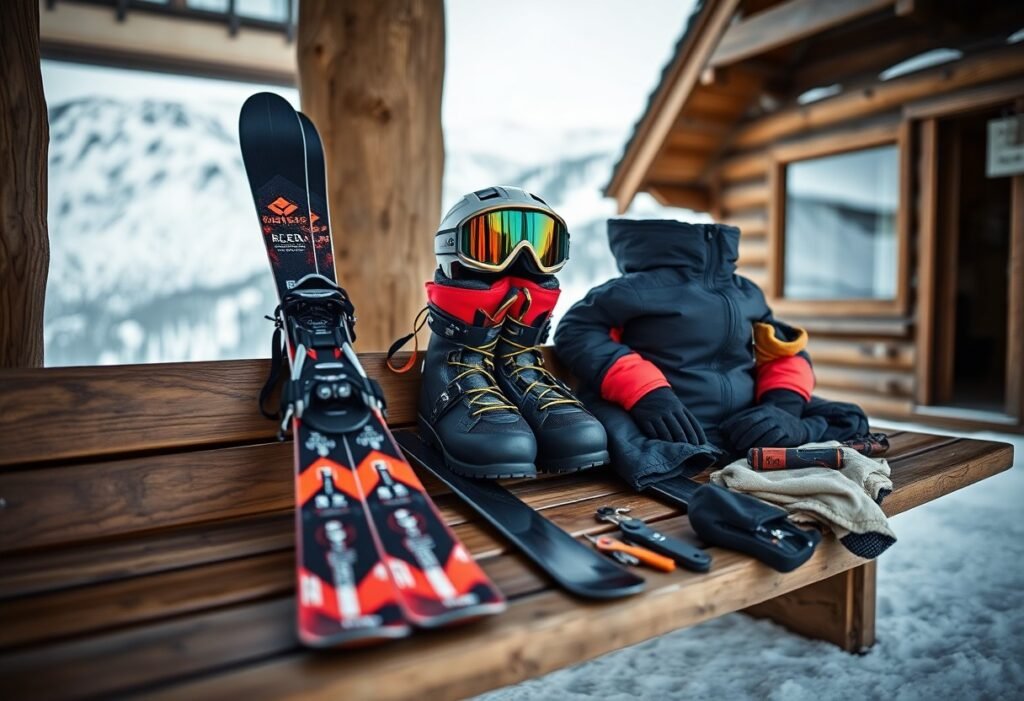

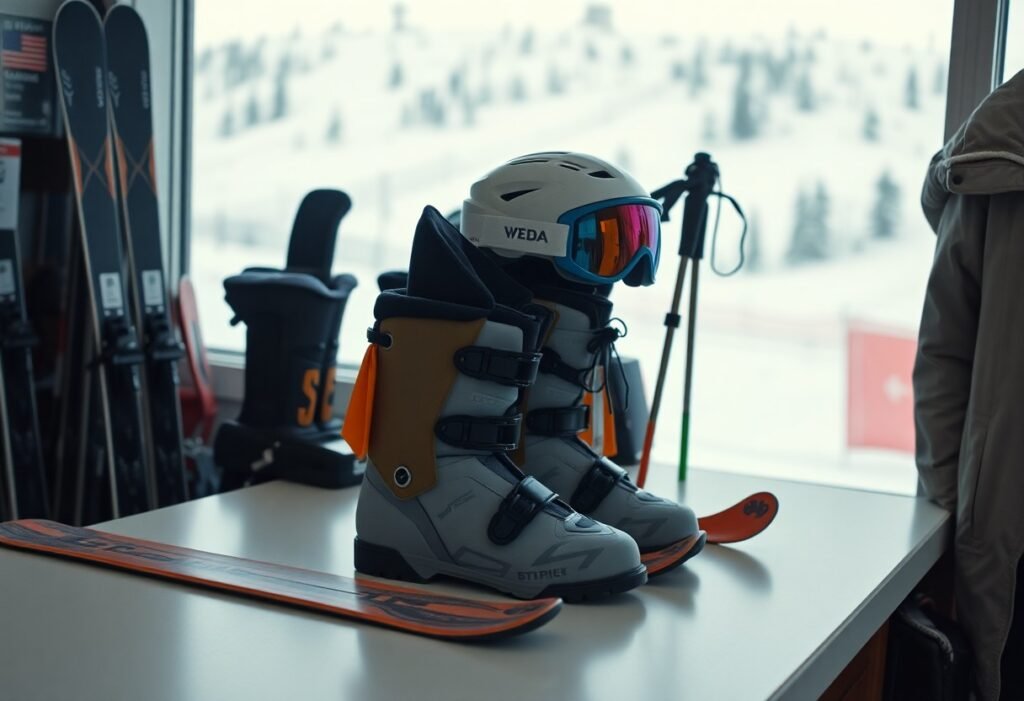
Just know you can find safe, reliable gear without overspending: prioritize a helmet and well-fitted boots, avoid frayed bindings that raise injury risk, and hunt for affordable, high-quality packages to get the best value.
Essential Hardgoods: Skis, Boots, and Bindings
Selecting Forgiving Entry-Level All-Mountain Skis
Choose entry-level all-mountain skis with softer flex, moderate waist (80-95mm), and early rise rocker so you can turn easily and build confidence. Favor forgiving shapes over race profiles; stiff race skis raise your fall and injury risk while forgiving skis let you progress faster.
Prioritizing Fit: Finding Value in Beginner-Specific Boots
Look for beginner-specific boots with a wider last, softer flex, and heat-moldable liners so you get comfort and control. Insist on a professional fitting because poorly fitted boots can cause pain and increase injury risk, and affordable models from major brands often deliver the best value.
Make sure the shell fits your foot with about a finger’s width behind the toes and no heel lift; aim for a last around 100-104mm and a flex rating in the 50-90 range based on your weight and ability. Work with a bootfitter for cuff alignment and liner molding, and only buy used shells that match your foot shape to avoid long-term control issues.
Understanding Integrated Binding Systems for Safety
Check integrated binding systems for beginner gear since they often simplify mounting, lower weight, and come pre-matched to the ski. Have a tech set DIN values to your weight and ability because incorrect release settings or poor mounting can cause serious knee injuries.
Pair skis and bindings that match your boot sole length and brake width, choose bindings with clear DIN ranges and ISO release standards, and schedule professional mounting plus periodic checks. Replace bindings showing cracks, corrosion, or those over ten years old to prevent release failure and high-risk injuries.
Critical Protective Equipment
You should prioritize a well-fitting helmet with MIPS or equivalent rotational protection, a certified back protector for aggressive runs, and durable, impact-rated gloves; pair these with reinforced pants or wrist guards if you ride the park. Check community suggestions like Any recs for affordable and effective skiing clothes brand in …
Safety Standards: Identifying Affordable MIPS-Equipped Helmets
Look for helmets meeting ASTM/CE standards that include MIPS, a snug fit system, and a clear replacement-after-impact policy; budget models from reputable makers can still offer certified impact and rotational protection without expensive extras.
Optical Clarity: High-Value Goggles for Variable Light Conditions
Pick goggles with interchangeable lenses, dependable anti-fog coatings, and a wide field of view to maintain clear vision across flat light and bright sun; those features beat flashy branding when you’re learning.
Goggles should match lens VLT to conditions: low-VLT for bright days and high-VLT or yellow/rose tints for flat light. You want a secure seal, good ventilation, and an easy swap system so you can carry a spare lens. Prioritize anti-fog, scratch resistance, and helmet compatibility; optical clarity directly reduces your risk of missing hazards.
The Layering System: Staying Warm for Less
Layering lets you mix affordable pieces so you can stay warm without overspending; choose a moisture-managing base, an insulating mid, and a protective shell to reduce the need for one expensive jacket, while avoiding wet layers that can cause hypothermia.
The Three-Layer System: Base, Mid, and Shell Essentials
Base layers should wick sweat, mids provide loft and warmth, and shells block wind and snow; buy one quality base, an affordable fleece mid, and a budget shell to cover most conditions, prioritizing moisture control and fit.
Waterproofing and Breathability: Deciphering Budget Ratings
Check labels for two numbers: waterproof (mm) and breathability (g/m²/24h); for resort days aim for around 5,000-10,000 mm waterproof and 5,000-10,000 g breathability on budget shells to balance protection and cost.
Ratings refer to hydrostatic head (mm) and moisture-vapor transmission (g); lower-cost gear commonly sits in the 5,000-10,000 mm and 5,000-15,000 g range-suitable for most beginner resort use. Look for taped seams and a durable water-repellent (DWR) finish, since failed waterproofing lets moisture in and reduces warmth, and you should reapply DWR when wetting out.
Synthetic vs. Down: Making the Cost-Effective Insulation Choice
Compare synthetic and down by wet performance and weight: choose synthetic if you ski in damp conditions or want easier care, or pick down for superior warmth-to-weight when you can protect it from moisture.
Insulation type affects warmth, packability, and maintenance: down’s warmth depends on fill power and excels when dry, but it loses loft when wet unless treated with a water-resistant finish; synthetic retains insulation when damp, dries faster, and usually costs less. For beginners, prioritize a synthetic mid or jacket for rainy days and consider treated down or layering down under a shell if you want lighter warmth on cold, dry days. Inspect zippers and seam sealing to avoid heat loss and extend gear life.
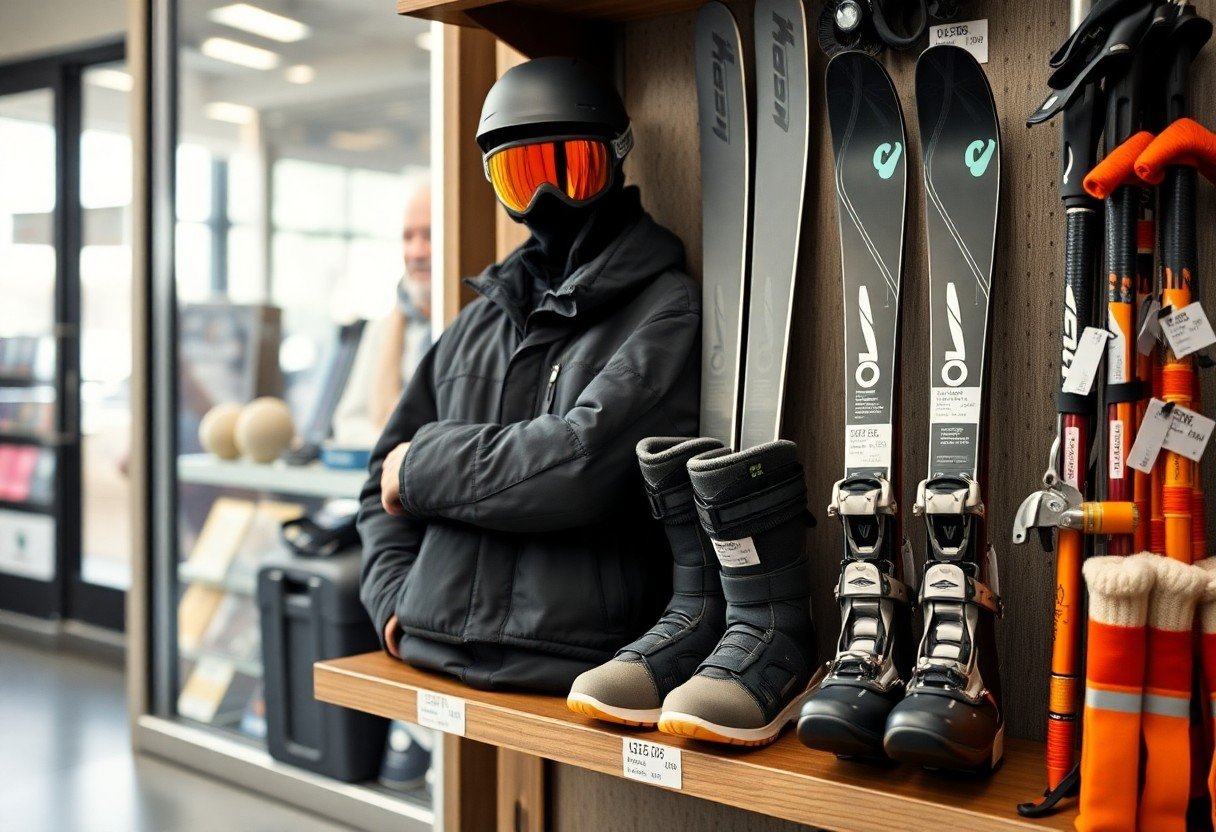
Essential Accessories for Comfort and Safety
Selecting High-Dexterity Waterproof Gloves and Mittens
Choose high-dexterity, waterproof gloves or mittens with a breathable membrane and touchscreen fingertips so you can handle zippers and poles; select a long gauntlet and adjustable wrist to keep snow out and avoid cold-related injury if they become wet.
Technical Ski Socks: The Key to Thermal Regulation and Comfort
Wear technical ski socks made from merino or synthetic blends that wick moisture, provide targeted cushioning, and prevent blisters; a proper fit preserves circulation and reduces frostbite risk on long cold days.
Pair thin merino-blend or synthetic socks with optional liners to balance insulation and dexterity; look for anatomical left/right design and zoned padding over the shin and footbed. Avoid cotton-cotton retains moisture and increases hypothermia risk. Wash cold, skip fabric softener, and keep at least two pairs so you can change into dry socks mid-day.
Maximizing Your Investment Through Maintenance
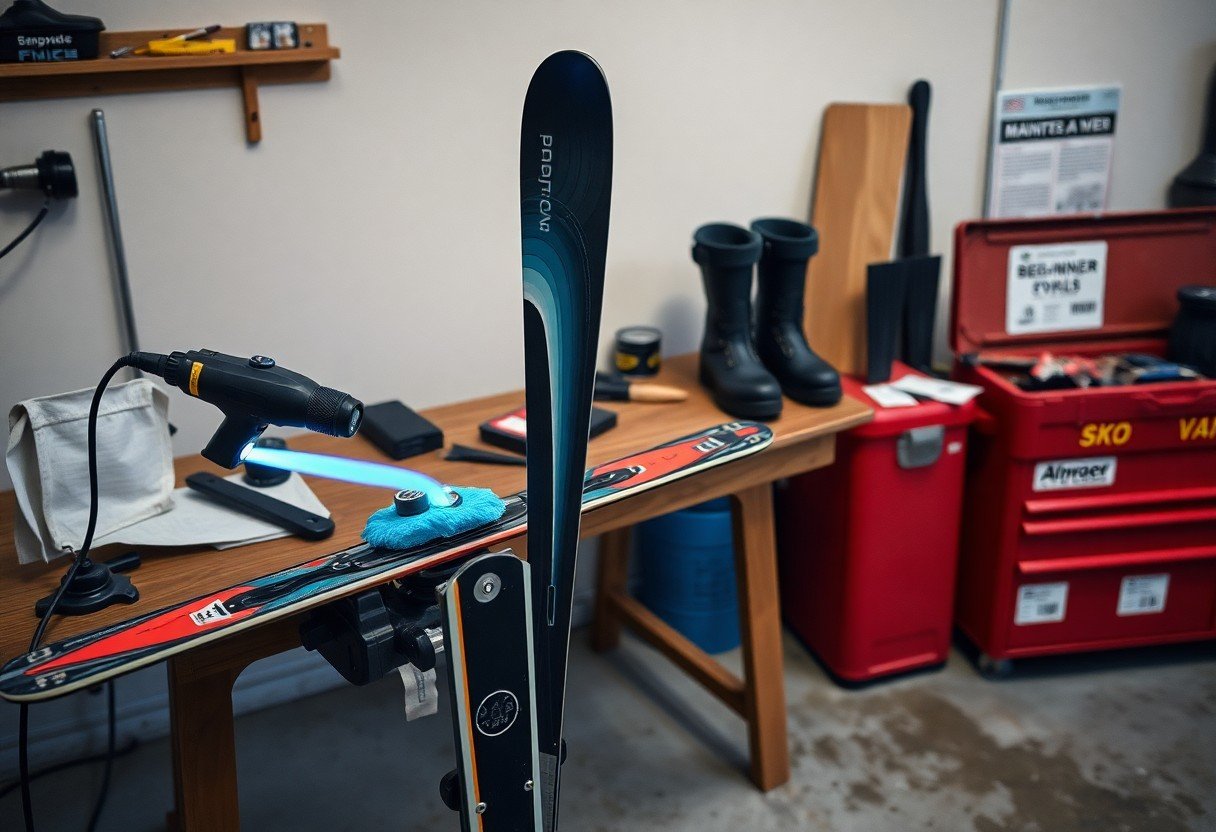
You can stretch the life of budget skis and boots by keeping edges sharp, bases waxed, bindings checked, and liners dry; this reduces repairs and prevents rust, poor performance, and injury, saving you money season after season.
Essential DIY Maintenance: Waxing and Edge Care for Longevity
Regular waxings and edge touch-ups keep your skis fast and predictable; you should use an inexpensive iron, base cleaner, and a fine file to remove burrs, avoiding over-heating the base which can cause permanent damage.
Proper Off-Season Storage and Gear Preservation Techniques
Store boots buckled in a cool, dry place, skis slightly separated and clipped together with a strap to keep camber; protect bases from UV and avoid damp areas to prevent mold and rust.
Keep skis cleaned, dried, and given a generous storage wax coat to seal bases; you should wipe bindings and metal parts dry and apply a light film of silicone spray to prevent rust. Dry boots thoroughly, remove footbeds to air out, and close buckles lightly to maintain shape-store gear in breathable bags with silica packs away from sunlight to avoid UV damage and mold.
Conclusion
Now you should assemble a budget-friendly beginner ski kit by prioritizing properly fitted boots, simple durable skis, and a certified helmet; rent high-end bindings or jackets until you progress, compare warranties, and shop seasonal sales to get reliable gear without overspending.
FAQ
Q: How much should I budget for beginner ski gear in the USA?
A: Expect to spend between $250 and $900 if you buy entry-level gear new, and $50-$150 for a single-day rental or $150-$400 for a multi-day rental package. Typical new-purchase breakdown: skis with bindings $200-$400 (package deals common), boots $100-$250, helmet $30-$120, goggles $20-$80, jacket and pants combined $100-$350 (budget options available), gloves $20-$60, poles $15-$40, base layers and socks $30-$100. Buying used can cut costs 30-60% but factor in a professional binding check and possible boot refit. Seasonal sales and demo-day discounts can lower those new-purchase numbers substantially.
Q: Should a beginner rent or buy gear?
A: If you plan fewer than 5-7 ski days the first season, renting saves money and lets you test different setups. Buying makes sense when you expect regular skiing, want a consistent boot fit, or prefer having gear on short notice. Rentals provide convenience and professional mounting/tuning; buying offers long-term savings and hygiene for boots. Consider a hybrid approach: rent skis for the first outings while investing in a properly fitted pair of boots when you know your size and stance preferences.
Q: What budget-friendly brands and items should beginners look for?
A: Look at entry-level lines from well-known makers such as Salomon, Rossignol, K2, Atomic, and Head for skis and bindings; those brands often appear in affordable package deals at specialty and big-box retailers. For boots, consider models with a forgiving fit and lower flex rating (flex index ~60-90) from the same brands or Dalbello and Nordica. Helmets and goggles from Smith, Giro, and Anon provide budget options with good protection and visibility. Buy hard goods (skis, boots, bindings) from reputable stores that will mount and adjust bindings to your DIN setting, and buy clothing from outlets or past-season sales to save money.
Q: How do I choose the right ski length, boot size, and binding setup as a beginner?
A: Choose ski length roughly between chin and the top of the head for most beginners, with shorter skis easier to control; shorter still if you are light or learning turn mechanics. Fit ski boots snugly with little heel lift; toes should brush the front with slight wiggle at rest, and try boots with ski socks during a fitting session. Select a softer flex for comfort and forgiveness. Have a certified technician mount and set bindings using your weight, height, age, boot sole length, and ability level to determine the correct DIN release setting. Test standing and flexing in the rental shop or store to ensure comfort and proper alignment.
Q: Where are the best places to buy affordable gear in the USA and how to spot good used deals?
A: Buy new at REI, Backcountry, Evo, Christy Sports, Ski Barn, and local ski shops for warranties and professional service; watch for end-of-season sales, holiday promotions, and open-box discounts. For used gear, check local ski swaps, Play It Again Sports, Facebook Marketplace, Craigslist, and dedicated ski resale sites. Inspect used skis for deep core shots or delamination, check bindings for service history and mounting holes, and never buy used boots without trying them on; a proper boot fitter can tell if shells can be heat-molded or modified. Always have used skis and bindings inspected and bindings tested by a ski technician before first use.