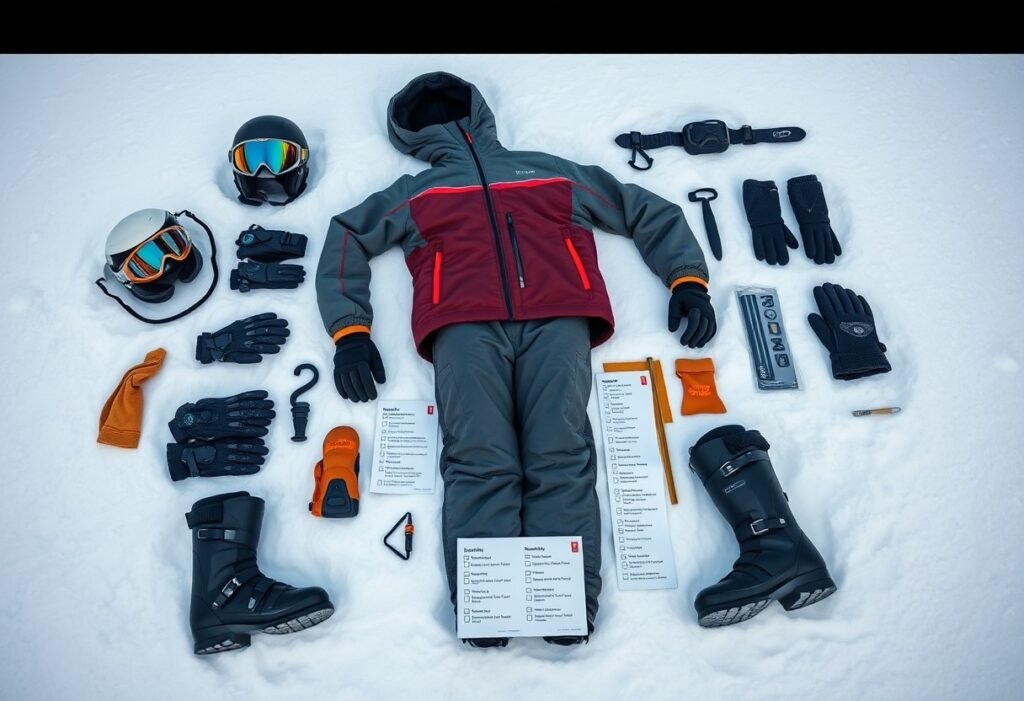

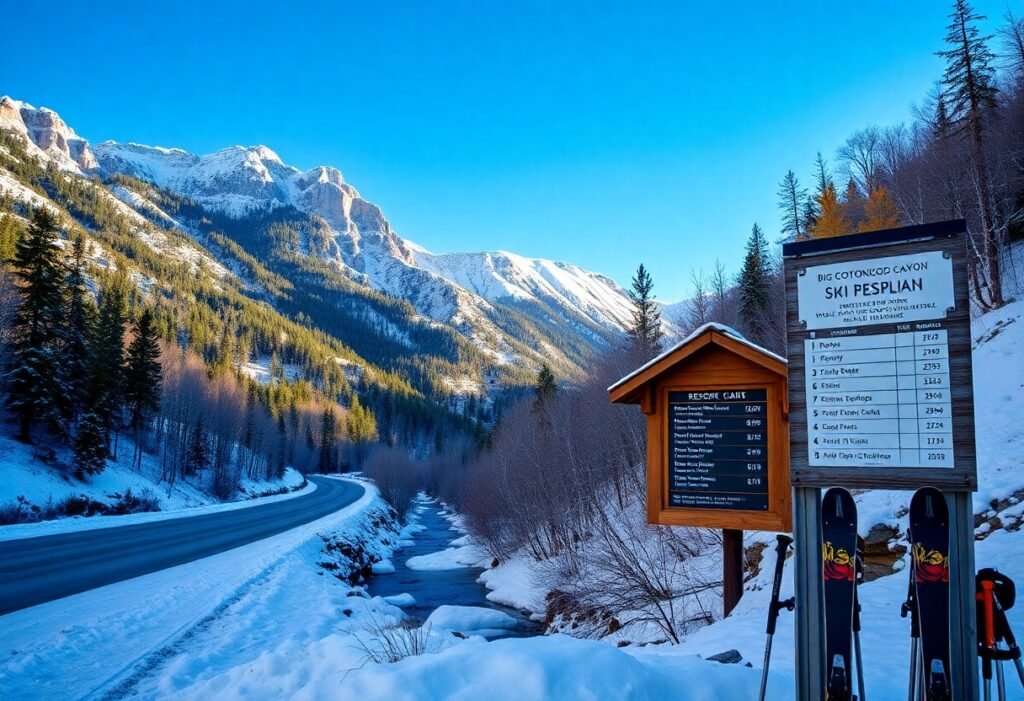
Alpine Utah delivers world-class skiing; you evaluate resorts by deep powder, varied terrain, and avalanche risk. You choose resorts with lift access and groomed runs, but respect steep backcountry hazards and local safety protocols.
Little Cottonwood Canyon: The Epicenter of Powder
Little Cottonwood Canyon gives you immediate access to some of Utah’s deepest powder and steepest, most technical lines, but it also demands respect for its avalanche-prone, cliff-strewn terrain and rapidly changing conditions if you want to ski safely and boldly.
Alta Ski Area: A Tradition of Skier-Only Terrain
Alta offers you a proud tradition of skier-only terrain, with consistent light, dry powder, tight trees and long cruisers that reward strong technique; expect skier-centric operations and shorter lift lines.
Snowbird: High-Altitude Chutes and Technical Descents
Snowbird challenges you with high-altitude chutes, exposed ridgelines and sustained pitches-steep technical descents that suit experts and demand careful route-finding and awareness of objective hazards.
You can ride the tram to access massive alpine bowls and classic lines off Hidden Peak, where long, sustained pitches, wind-scoured snow and tight chutes test your skill and stamina; the resort runs regular avalanche mitigation, but you still face sections of serious exposure that often justify hiring a guide or exercising conservative line choices.
Big Cottonwood Canyon: Authentic Mountain Experiences
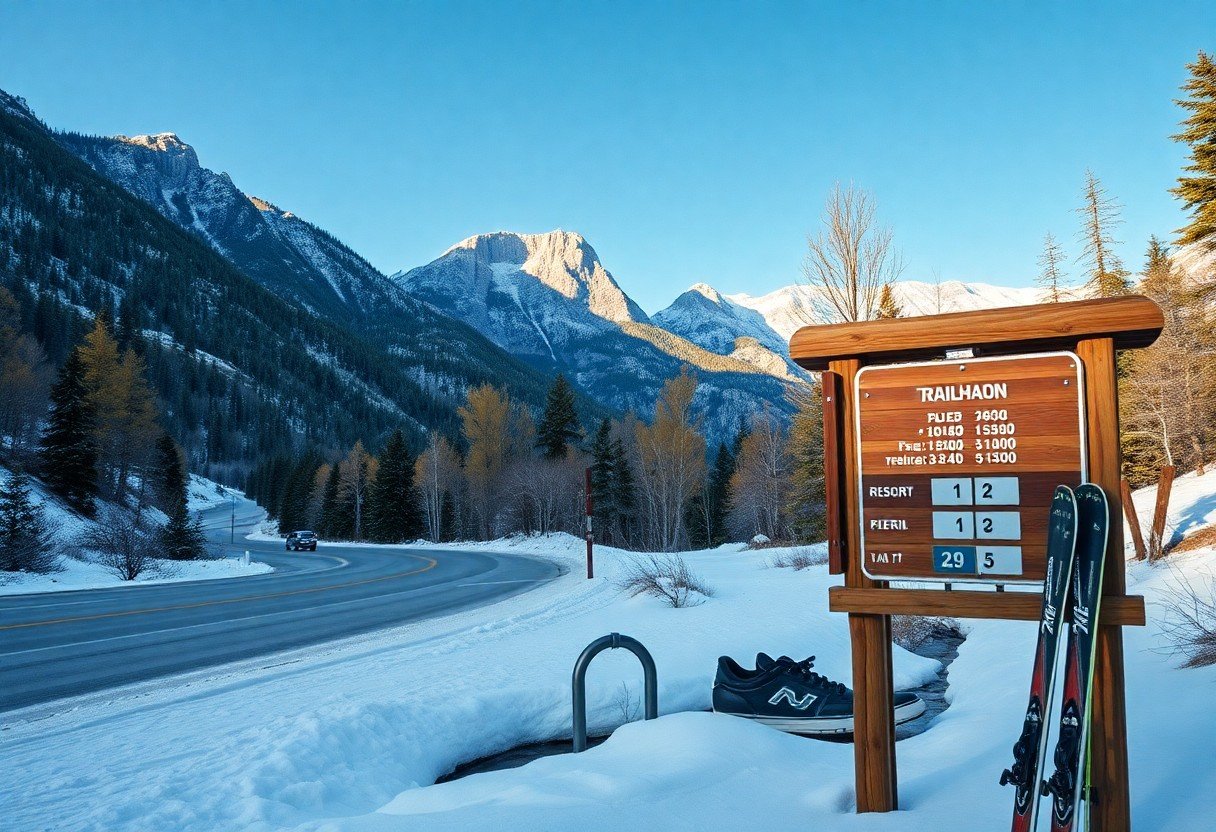
Canyon terrain in Big Cottonwood delivers authentic mountain experiences with tight tree runs, steep chutes, and quick access from Salt Lake City; you should expect variable snow and regular avalanche-control closures, while the close proximity to town makes it ideal for full days on the hill.
Brighton Resort: The Local Hub for Natural Jibs and Night Skiing
Brighton gives you abundant natural jibs tucked in the trees and a lively park scene; night skiing extends your laps, though you should watch for icy morning conditions around the lift lines.
Solitude Mountain Resort: Finding Tranquility in Honeycomb Canyon
Solitude offers you quieter slopes, long tree runs in Honeycomb Canyon, and short lift lines; expect a relaxed vibe and technical off-piste sections that can carry avalanche risk if you venture out of bounds.
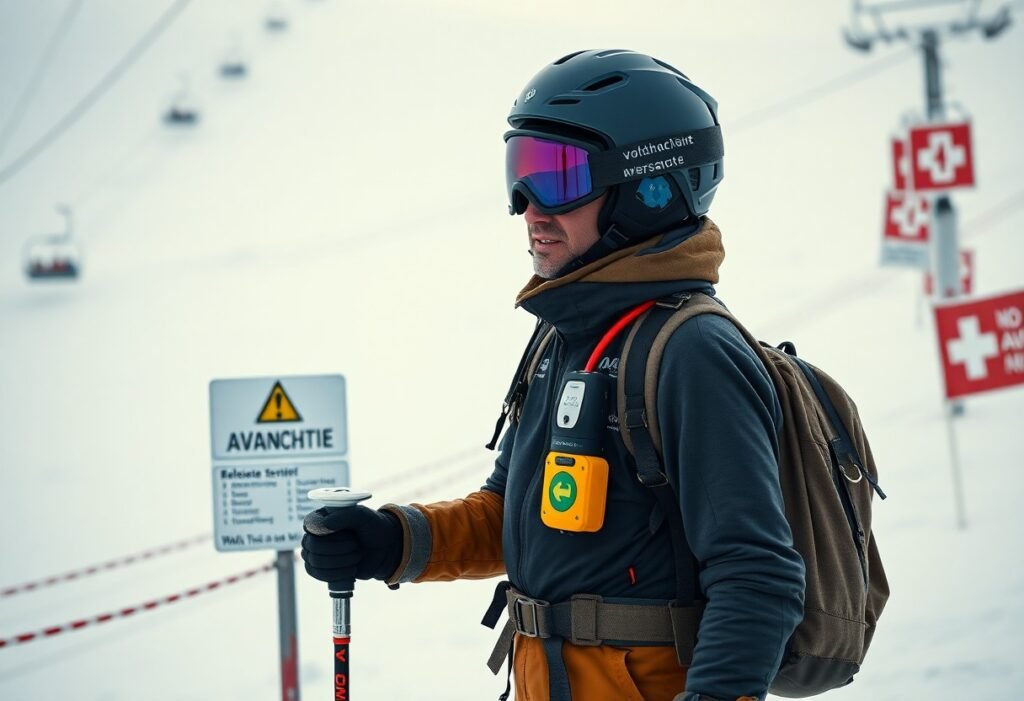
Honeycomb rewards you with classic tree skiing and varied aspects, but you must check ski patrol bulletins and respect avalanche advisories; when storms stack up, expect limited emergency access and steep gullies, so carry a beacon and ride with a partner for backcountry excursions.
Park City: The Intersection of Luxury and Scale
Park City blends vast terrain with high-end service. You can ski extensive runs by day. Enjoy luxury lodging and fine dining by night. Expect heavy holiday crowds and occasional long lift lines. These factors can affect your daily plans.
Park City Mountain: Navigating the Largest Skiable Acreage in the U.S.
Spanning more than 7,300 skiable acres, you’ll find terrain for every level, extensive lift access and remote zones-be cautious of steep bowls and variable conditions off groomers.
Deer Valley Resort: Five-Star Amenities and Pristine Grooming
Operated as a ski-only resort, you enjoy impeccable grooming, attentive service and shorter lift lines, but pay a premium and face limited daily tickets during peak periods.
When you choose Deer Valley, you get concierge ski valets, gourmet on-mountain dining and consistently meticulously groomed runs that favor intermediates and comfort-focused advanced skiers; plan ahead because limited-ticket policies and high-season demand mean popular dates sell out, and you should exercise caution on the resort’s occasional steep, narrow chutes that demand solid technique.
Northern Utah and Beyond: Escaping the Crowds
Northern Utah rewards you with quieter slopes and easy drives to outlying resorts where you can avoid the busiest peaks; check the roundup that shows how regional options stack up-Utah ski resorts make USA Today’s top 10 list-and always watch for variable conditions and avalanche-prone zones.
Snowbasin Resort: World-Class Infrastructure and Olympic History
Snowbasin gives you fast lifts, Olympic-caliber runs, and polished base facilities so you can focus on big groomers and long cruisers; expect strong winds on exposed summits and high speeds on steeper pitches.
Powder Mountain: Massive Acreage and Low-Density Skiing
Powder Mountain grants you over 8,600 acres with intentionally low lift capacity to preserve solitude, but limited groomed runs and extensive gladed terrain mean you must respect backcountry avalanche hazards.
Expansive terrain at Powder Mountain lets you chase untouched powder and explore vast tree skiing; you’ll often access lines via shuttle, cat, or guided peak trips, and the trade-off for solitude is a thinner lift network and variable snowpack that increases avalanche risk, so carry proper rescue gear and consider local guides for the steepest, most technical descents.
Key Metrics for Comparing Utah Resorts
| Metric | What you should check |
|---|---|
| Average Annual Snowfall | Compare resort averages by elevation and timing to judge powder reliability. |
| Vertical Drop & Elevation | Match vertical feet and summit elevation to the type of runs you prefer. |
| Lift/Uphill Capacity | Review lift types, throughput (PPH), and downtime to estimate wait times and uphill capacity. |
| Trail Mix | Check percentages of beginner/intermediate/expert terrain to fit your party’s skill mix. |
| Terrain Parks & Backcountry Access | Confirm park size/features and backcountry gate controls if you seek advanced terrain. |
| Snowmaking Coverage | Look at percent of terrain with snowmaking to anticipate early/late-season conditions. |
| Access & Parking | Assess drive time, shuttle options, and parking capacity for peak days. |
| Family Amenities & Safety | Evaluate ski-school capacity, childcare, and patrol activity for safer family days. |
Average Annual Snowfall and Regional Micro-Climates
Snowfall varies dramatically across Utah; you should compare resort averages by elevation and storm patterns to assess powder reliability and the presence of avalanche-prone aspects that affect safety.
Evaluation of Lift Infrastructure and Uphill Capacity
Lift networks define how much time you spend skiing versus waiting; inspect chair types, throughput figures, and historical downtime to estimate uphill capacity and likely lift-line delays.
Chairlift composition matters: you should note high-speed quads, gondolas, hybrids, and surface lifts, compare reported passengers-per-hour to peak skier counts, review maintenance and outage histories, and study lift placement relative to key runs-overcrowding at chokepoints directly increases both wait times and injury risk.
Family-Friendly Facilities vs. Expert-Only Terrain
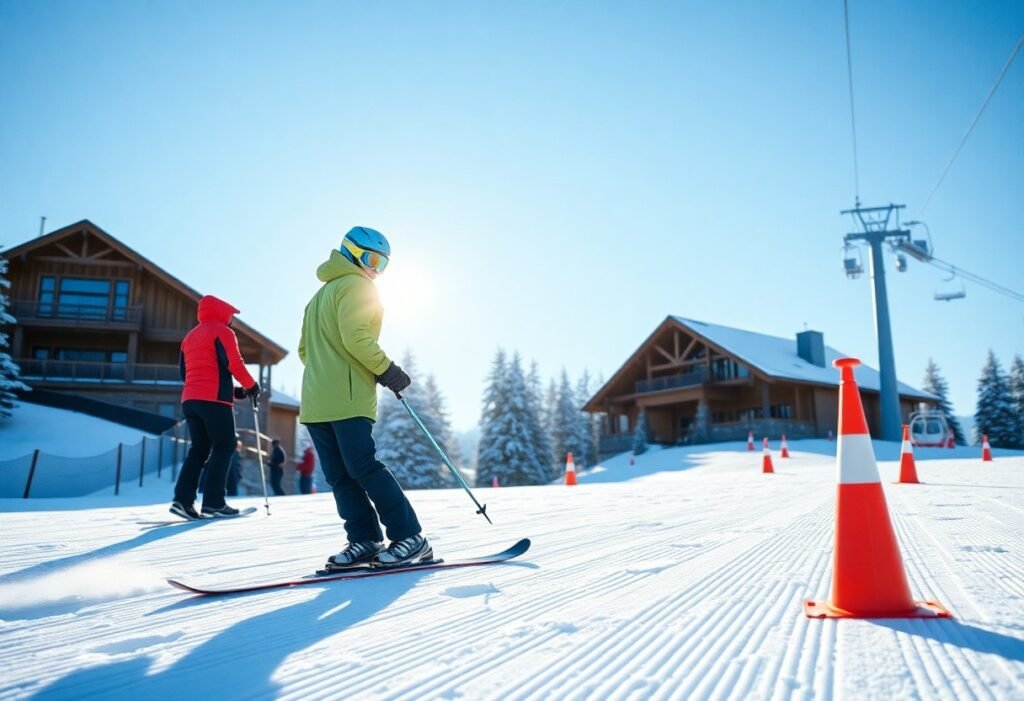
Families will want beginner zones, on-mountain childcare, and gentle groomers; you should verify ski-school capacity and family amenities versus resorts that offer extensive expert-only chutes which raise injury and separation risk.
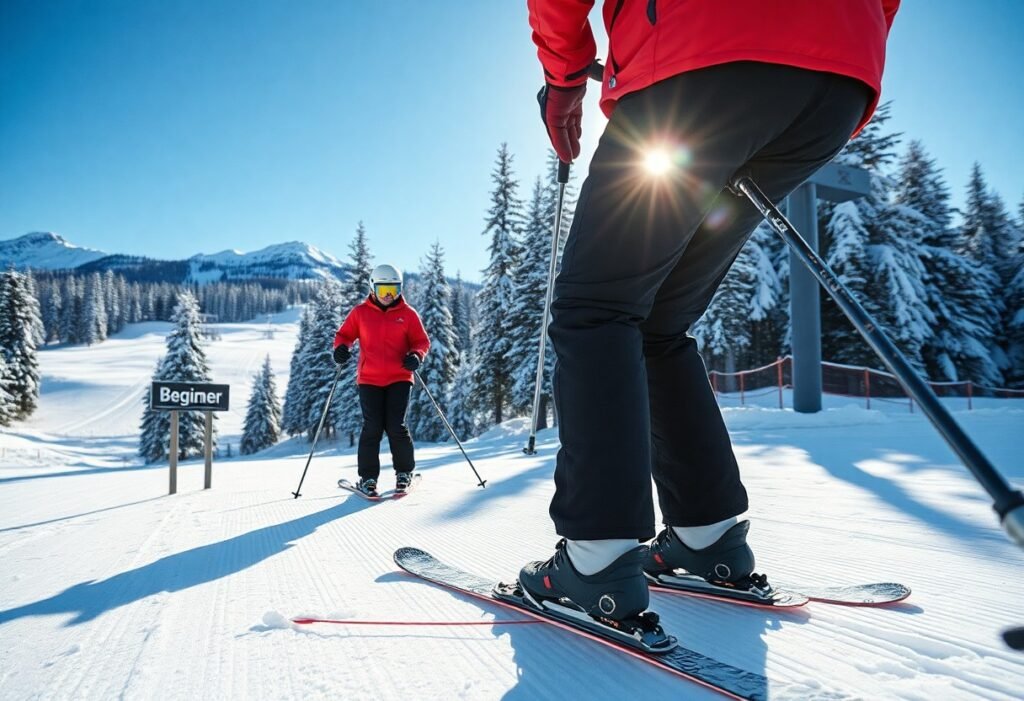
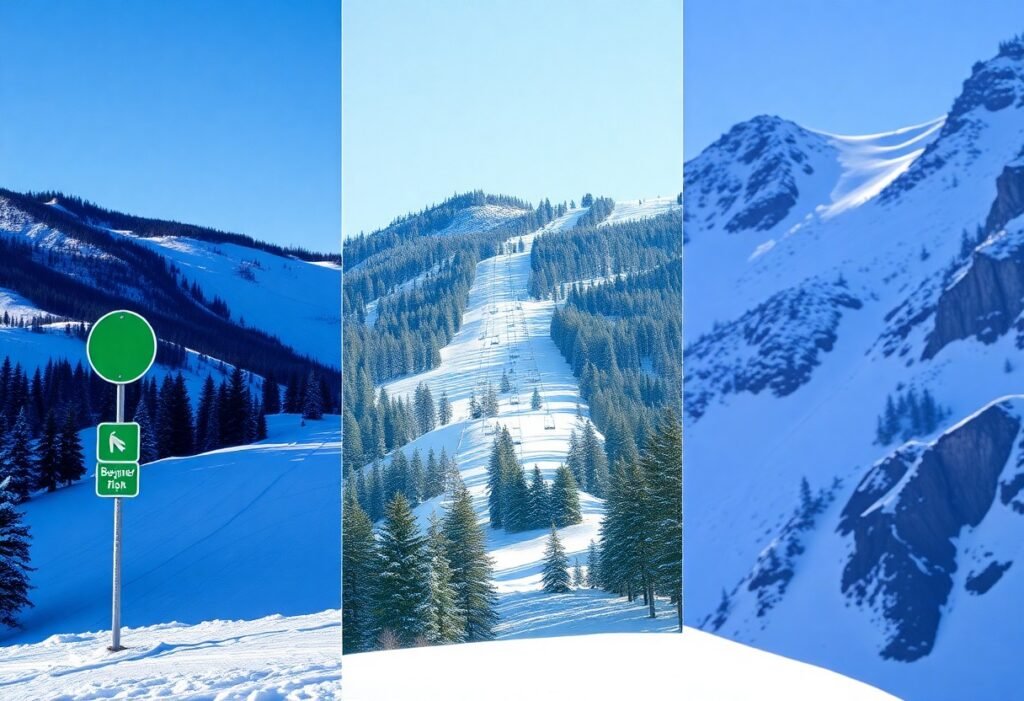
Terrain configuration influences progression: you should prefer resorts with contiguous learning areas, dedicated low-angle lifts, and visible signage for beginners, while experts should confirm direct lift access to steep chutes and gladed lines; check patrol presence and helmet rules as key safety measures.
Strategic Planning for the Ultimate Utah Trip
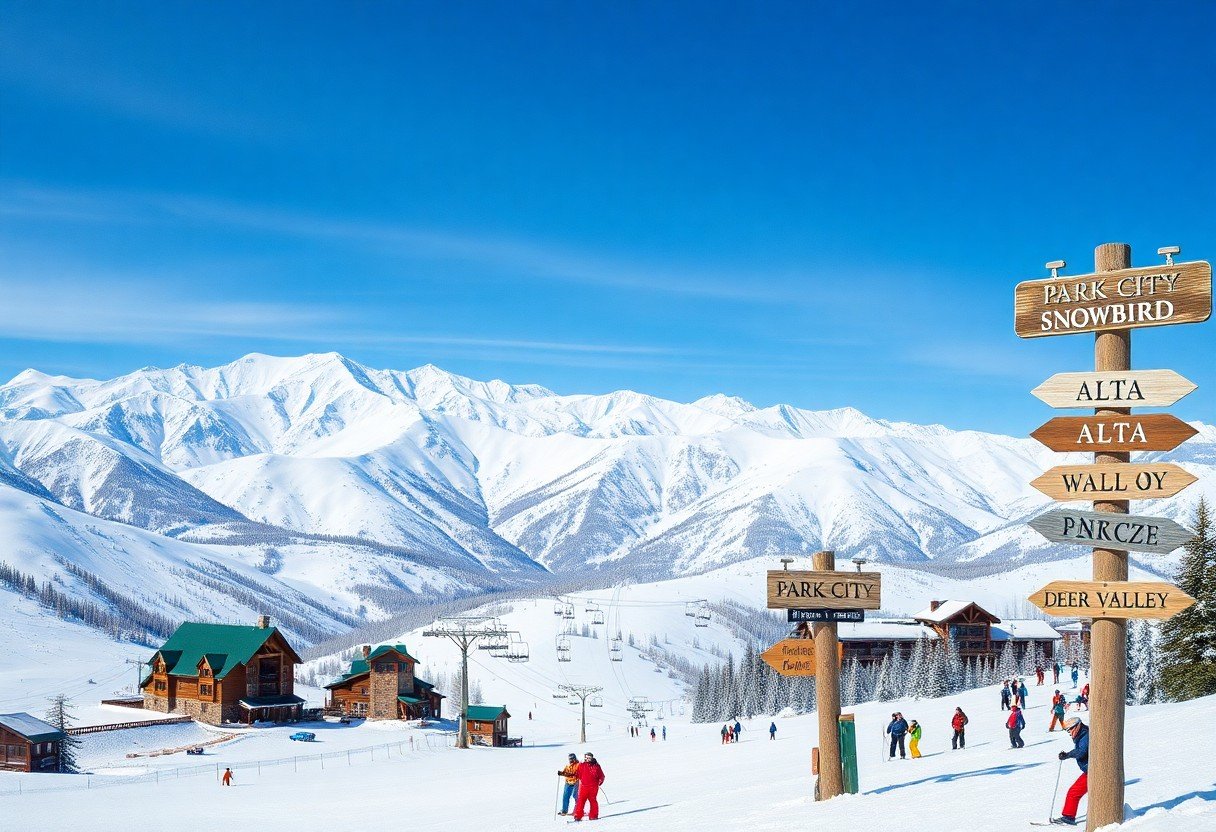
Plan your trip around peak snowfall windows and weekday lift tickets to enjoy the best conditions and shorter lines. You should prioritize resorts by terrain, proximity, and lodging; book accommodations early and monitor avalanche forecasts since backcountry routes can be dangerous in heavy snow.
Maximizing Value with Multi-Resort Pass Options
Compare pass options-Ikon, Epic and regional cards-so you can save up to 40% on multi-resort access and focus days at the mountains that match your skill set and timing.
Transportation Logistics: From SLC International to the Slopes
Expect a 20-60 minute transfer from SLC International to most resorts; shuttles, rentals, and private services run frequently, but winter roads can be hazardous-carry chains or select a provider that supplies them.
Consider timing to avoid peak arrival and departure periods; you will face heavy Friday afternoon and Sunday evening traffic. You can save time by booking an airport shuttle or early rental pickup; Park City is about 35 minutes, Snowbird roughly 40-45 minutes, and Alta around 45-55 minutes from SLC. Carry chains and check DOT reports when storms approach.
Summing up
You should match resort strengths to your priorities: Alta and Snowbird for deep powder and advanced runs, Park City for vast terrain and access, Deer Valley for top-tier grooming and service; all deliver exceptional snow, varied terrain, and lodging options to suit most skiers.
FAQ
Q: Which Utah resorts offer the best alpine terrain?
A: Snowbird and Alta deliver the steepest, most continuous alpine runs and extensive off-piste terrain that advanced skiers prize. Park City Mountain provides the largest contiguous ski area with a broad mix of long cruisers, glades, and steeps that suit every level. Deer Valley focuses on impeccably groomed alpine slopes and short approaches to lift-served fall-line runs, making it a top pick for skiers who prefer firm, corduroy-style skiing. Brighton and Solitude offer lift-accessed alpine terrain with quick transitions from groomers to tree skiing and fewer lift lines on average.
Q: Which resorts are best for advanced and expert skiers?
A: Snowbird and Alta rank highest for advanced experts because of sustained vertical, steep chutes, and big, wind-blown powder fields that create technical, committed alpine lines. Park City has several expert faces and hike-to chutes plus extensive inbounds steeps that challenge experienced skiers. Deer Valley contains advanced groomed fall-line routes and controlled, high-quality terrain that appeals to expert skiers who prefer aggressive carving over extreme off-piste objectives. Local guiding services and mountain patrol at these resorts support safe exploration of advanced alpine zones.
Q: Which resorts are most family- and beginner-friendly?
A: Deer Valley offers top-tier beginner terrain, small, confidence-building runs, and highly rated ski school programs that simplify early alpine progression for kids and adults. Park City has an abundance of gentle learning areas, progressive green runs, and large resort services such as childcare and family dining. Brighton features affordable lift ticket options and approachable slopes with easy transitions to intermediate terrain, which helps families grow skills together. Solitude combines quiet slopes and focused instruction that reduce stress for new alpine skiers.
Q: How do snowfall totals and vertical drops compare among the top Utah resorts?
A: Snowbird and Alta typically receive the deepest winter snowfall, commonly in the high hundreds of inches, creating consistent powder alpine conditions through the season. Park City and Deer Valley usually record lower but still substantial snowfall, producing a mix of powder days and well-maintained groomers. Vertical drop at Snowbird and Park City ranks among the largest in the state, delivering long alpine runs that appeal to fast skiers; Deer Valley and Alta offer slightly shorter verticals but concentrate on fall-line and steep pitch quality. Check current season statistics from each resort for precise figures and conditions.
Q: Which resort offers the best combination of value and accessibility from Salt Lake City?
A: Park City delivers strong value for visitors seeking large alpine terrain with a short drive from Salt Lake City and extensive lodging and dining options that suit multiple budgets. Resorts in Little Cottonwood Canyon, including Snowbird and Alta, are very accessible by car or canyon shuttle from the airport and provide premium alpine conditions that justify higher ticket prices on powder days. Brighton and Solitude tend to offer lower weekday lift prices and fewer crowds, which increases value for skiers willing to trade après-ski options for more slope time. Seasonal pass deals, advance ticket discounts, and midweek skiing remain the most reliable ways to reduce overall alpine trip costs.