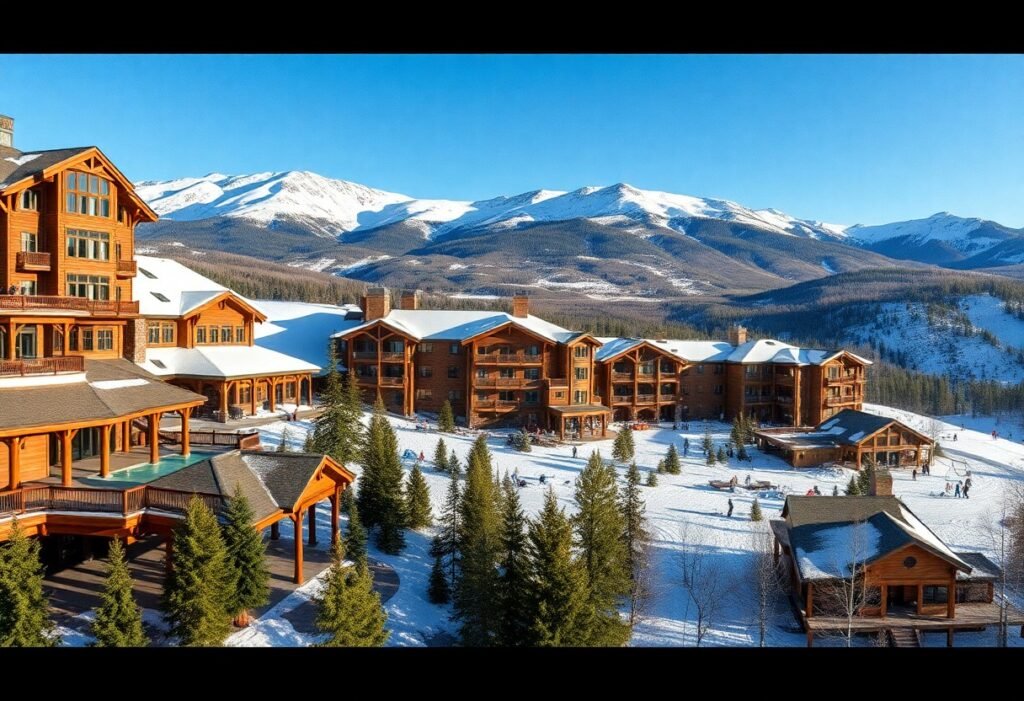

Resorts in the U.S. offer varied terrain so you can pick runs by ability; you should seek resorts with skill-appropriate trails, avoid steep, avalanche-prone expert chutes, and favor those with consistent powder and reliable lifts for the best experience.
Evaluating Resort Infrastructure and Snow Quality
Understanding Slope Grading and Trail Difficulty Standards
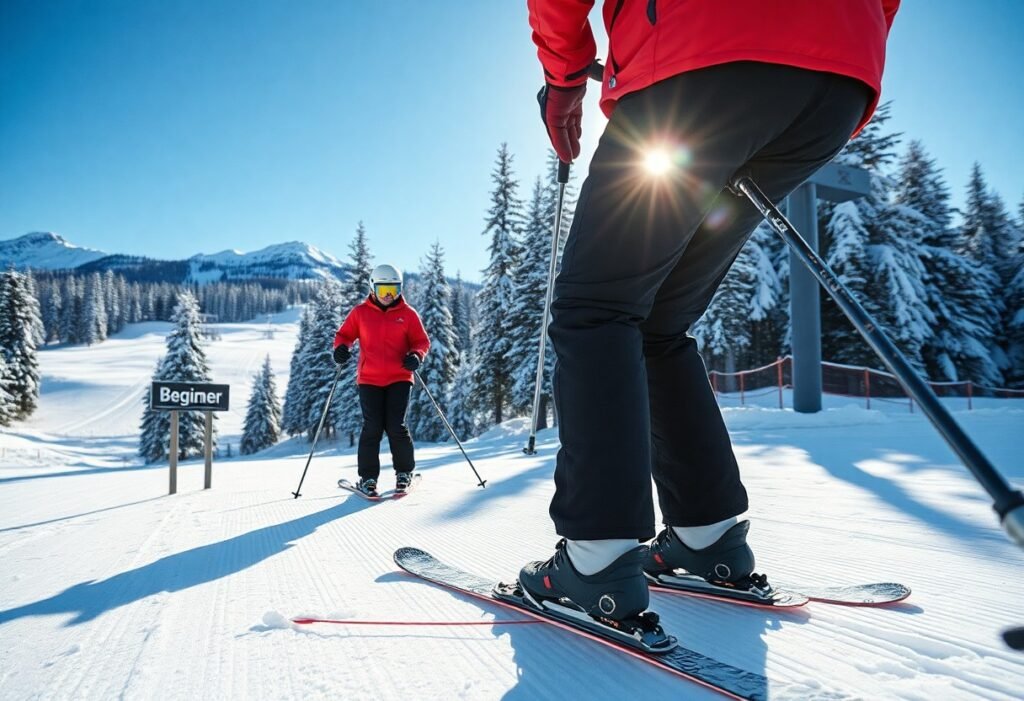
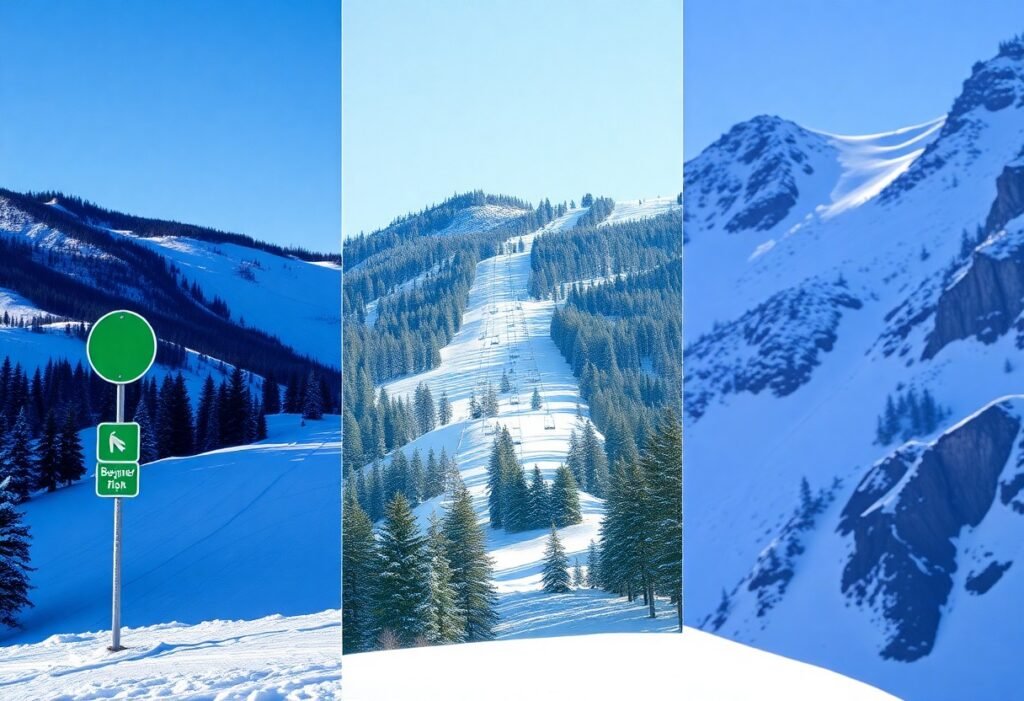
Slope grading follows widely used symbols-green, blue, black-and you should match runs to your ability; check for consistent signage, clear difficulty maps, and groomed beginner zones. Black diamonds often conceal steep drops and technical hazards you must respect.
The Role of Elevation and Annual Snowfall in Terrain Reliability
Higher base and summit elevations increase the chance of consistent powder, and you should check average annual snowfall and snowmaking capacity; low totals mean exposed rocks and short seasons that can limit advanced terrain access.
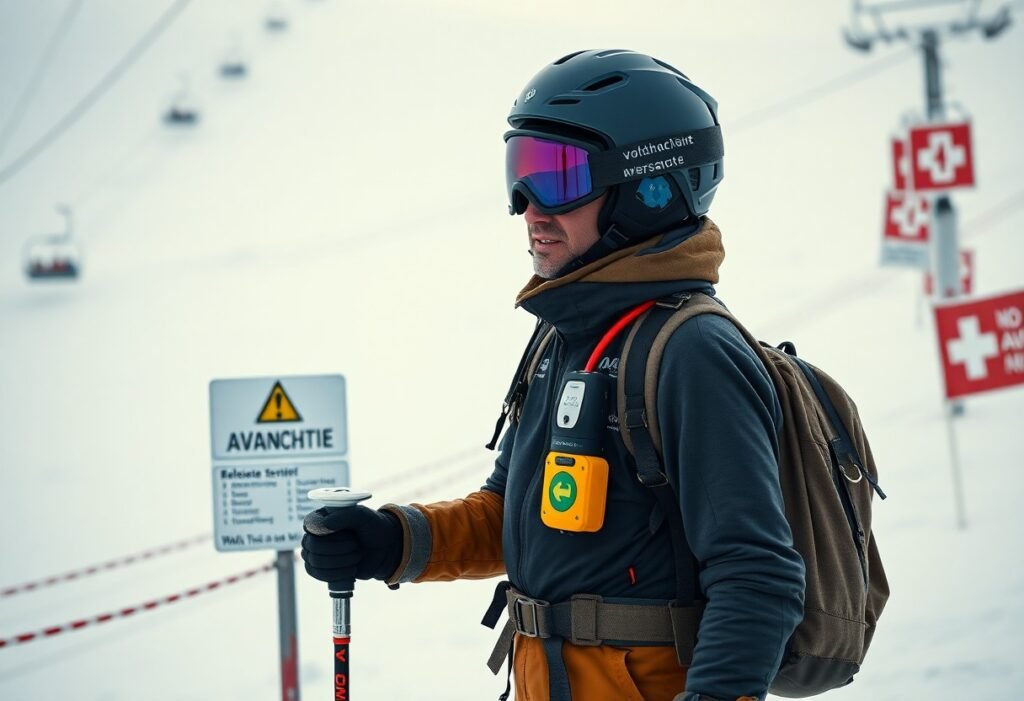
Altitude influences temperature and snow density, so the higher you ski the colder and often lighter powder, but increased wind can cause scouring and wind slabs. You should review summit versus base elevations and tree line, since treeless slopes expose you to harsher conditions. Sea-influenced resorts produce denser, wetter snow that consolidates faster, while inland ranges offer lighter, longer-lasting powder. Check local avalanche forecasts and snowpack reports before tackling steep terrain, because avalanche-prone slopes require conservative choices and proper rescue gear.
Top Choices for Intermediate Cruisers and Skill Development
Vail Mountain: Expansive Groomed Terrain and Front Side Variety
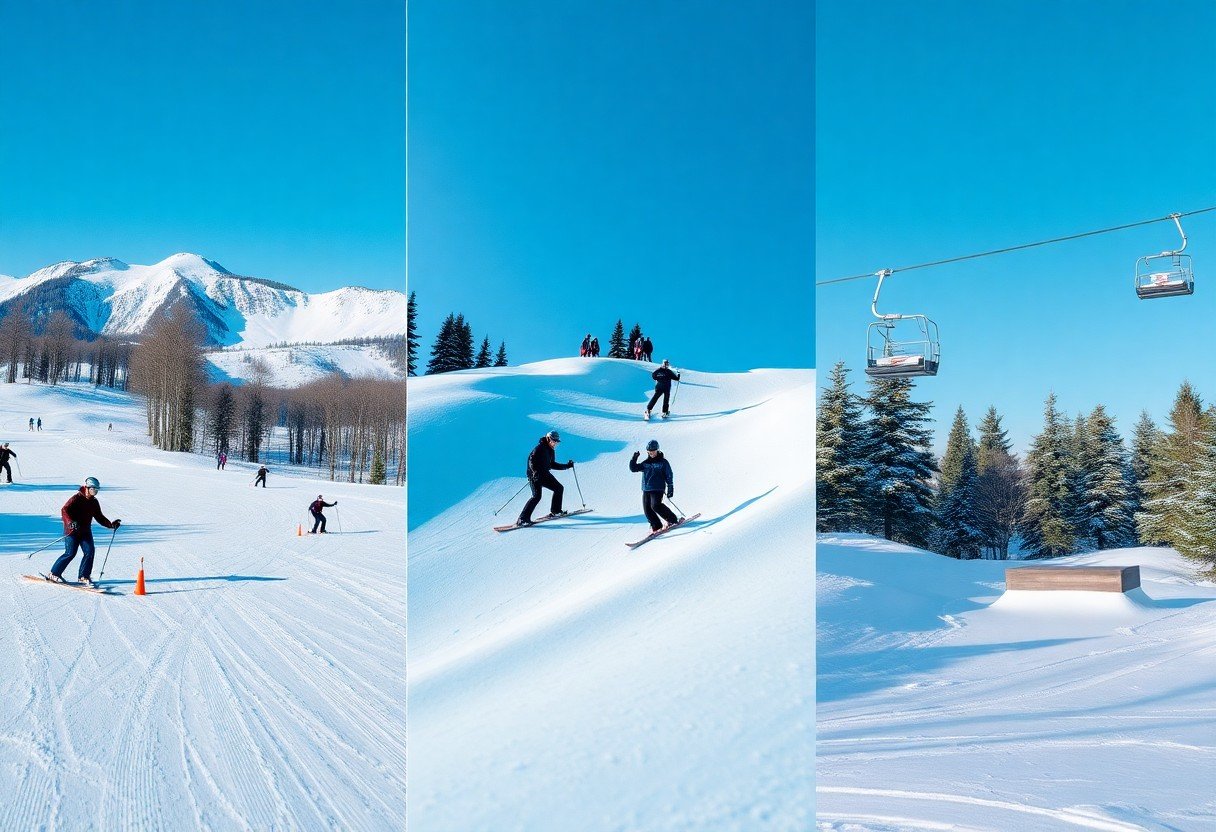
Vail gives you endless groomers and varied cruisers to refine technique; wide, forgiving runs are ideal for carving and speed control, but crowded lift lines on peak days can slow progression.
Deer Valley: Meticulously Maintained Corduroy and Skier-Only Exclusivity
Deer Valley treats you to impeccably groomed corduroy and quieter slopes thanks to the skier-only policy; smooth surfaces speed learning while limited uphill access keeps crowds manageable.
Expect Deer Valley to accelerate your technique with consistent corduroy, targeted blue runs, and top-tier instructors; because you can focus on edge control and rhythm without snowboard traffic, you’ll progress quickly. Be aware that steep pitches and narrower upper gullies require respect-exposed, technical sections can be challenging-and holiday lift lines still appear.
Breckenridge: High-Altitude Cruising and Intermediate Progression
Breckenridge rewards you with long blue cruisers above tree line and accessible terrain for drills; high altitude boosts speed and exposure, so hydrate to avoid altitude effects.
Higher on Breckenridge you can practice carving on sustained blues from Peaks 7 and 8, use gentle fall-line pitches for speed control, and hop to mellow bumps as you progress; the summit tops 12,000 feet, so thin air can sap your stamina. You should pace sessions, hydrate, and consider shorter runs until acclimated. Lift access lets you repeat laps, but watch for sun-exposed ice and sudden storms-ice and rapid weather shifts increase risk.
Specialists in Technical Glades and Backcountry Access
You encounter resorts here that demand precise technique, avalanche awareness and route-finding skills; expect exposed chutes, guide-required zones and gate-access backcountry that reward experienced, confident skiers.
Silverton Mountain: Pure Big Mountain Experience for the Hardcore Elite
Silverton offers single-lift, permit-only skiing focused on extreme terrain; you must go with a guide and carry avalanche gear to tackle steep couloirs and variable, exposed snow.
Jay Peak: Superior Tree Skiing and the Eastern Glade Experience
Jay Peak delivers tight, lift-access tree runs and prolific lake-effect snowfall; you should expect dense glades, sudden visibility drops and hidden obstacles that test quick reflexes.
Beyond the in-bounds glad networks, you can explore short backcountry approaches and lift-accessed chutes; with heavy lake-effect snow coverage comes inconsistent stability, so carry a beacon, probe and shovel and consider a guide for complex routes to mitigate avalanche and obstacle risk.
To wrap up
From above you can match resorts to your skill-gentle slopes and lessons for beginners, wide cruisers and varied terrain for intermediates, and steep chutes and technical zones for experts, ensuring you choose the best alpine ski resort in the USA for your ability.
FAQ
Q: Which alpine ski resorts are best for beginners?
A: Breckenridge (CO) tops the list for beginners because of expansive, gentle groomers, an excellent ski school, and numerous green runs close to the base area. Park City (UT) offers long, forgiving cruisers and a large beginner program with easy lift access to greens. Northstar California Resort provides dedicated learning zones, magic carpets, and terrain designed for first-timers and families. Keystone (CO) has wide, mellow slopes and extensive night-skiing hours that give learners more practice time. Copper Mountain (CO) separates terrain by difficulty, so beginners can progress without crossing into faster skier traffic.
Q: Where should intermediate skiers go to find the best mix of blue runs and variety?
A: Vail (CO) delivers a massive network of groomed cruisers and intermediate-rated back bowls that keep progression interesting. Deer Valley (UT) focuses on groomed, perfectly maintained blues and high-end guest services that appeal to intermediates wanting comfort with challenge. Big Sky (MT) provides long pitchy blues and diverse terrain that helps intermediates step up to steeper runs. Park City (UT) combines high-volume intermediary trails with terrain parks and varied exposures. Copper Mountain (CO) offers natural progression between green, blue, and black terrain, letting intermediates push limits within a single mountain.
Q: What are the top resorts for advanced and expert alpine skiers?
A: Jackson Hole (WY) is a classic expert destination with sustained steep faces, technical chutes, and in-bounds big-mountain terrain. Alta and Snowbird (UT) rank high for steep, sustained bowls, chutes, and deep powder opportunities in high-elevation terrain. Palisades Tahoe (CA) features long, steep fall-line runs, tight chutes, and cliffs that test advanced skiers. Telluride (CO) presents steep, remote-access lines and complex terrain requiring strong skiing skills. Big Sky (MT) offers extensive expert runs and big vertical descents that appeal to aggressive skiers seeking long, committing lines.
Q: Which resorts work best for mixed-ability groups wanting good lift access and terrain progression?
A: Vail (CO) suits mixed groups because of its huge variety of groomers, intermediate zones, and high-capacity gondolas that keep parties together. Park City (UT) connects diverse terrain and has easy transit to adjacent lifts, helping mixed-ability groups split and regroup. Breckenridge (CO) places beginner, intermediate, and advanced terrain within short ride times of each other and has strong ski-school options for newcomers. Northstar (CA) emphasizes family-friendly amenities and has easily reachable greens alongside longer blues. Keystone (CO) offers terrain spread across multiple peaks with dedicated beginner areas and night skiing that benefits groups with differing schedules.
Q: How should I choose a resort based on snow type, elevation, and season timing?
A: Choose high-elevation Western resorts like Snowbird, Alta, Jackson Hole, and Big Sky for reliable early-season coverage and prolonged spring conditions because higher altitude preserves snow longer. Expect Utah and Wyoming resorts to deliver light, dry powder that suits powder-focused skiers, while Pacific Coast resorts such as Palisades Tahoe and Mammoth typically produce denser, heavier snow. Pick eastern resorts like Stowe or Sugarloaf for shorter season windows and a higher chance of variable, icier conditions; those locations require attention to grooming and temperature swings. Check seasonal snow reports, recent snowfall totals, and base depth before booking to match on-mountain conditions to your preferred skiing style.