
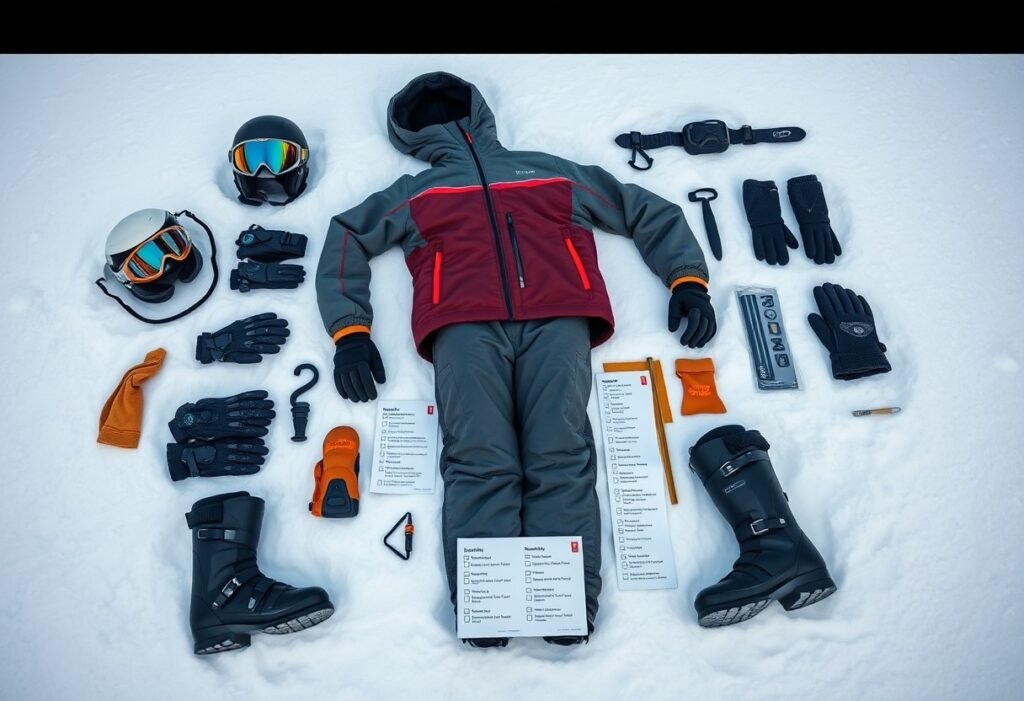
Don’t let bad clothing ruin your ski vacation. Whether you’re a weekend warrior or a first-timer, knowing what to wear alpine skiing is crucial for peak performance and safety. Here is our complete alpine skiing clothing checklist to keep you warm from the chairlift to the chalet.
The Three-Layering System Fundamentals
Moisture-Wicking Base Layers for Temperature Regulation
Choose base layers that move sweat away from your skin-merino wool or synthetic blends outperform cotton; avoid cotton because it soaks up moisture and chills you.
Base Layer Quick Guide
| Material | Why it matters |
|---|---|
| Merino wool | Natural warmth, odor resistance, excellent moisture control |
| Synthetic (polyester) | Dries fast, durable, great for high-output days |
| Cotton | Not recommended: holds water and causes rapid cooling |
Insulating Mid-Layers for Heat Retention
Aim for mid-layers that trap heat while letting moisture escape-fleece or lightweight down add warmth without heavy bulk and keep you agile on the slopes.
Layer mid-layers by pairing a breathable fleece or synthetic jacket for active skiing with a compressible down or synthetic puffy for lift rides and breaks; you should pick synthetics when wet conditions are possible because down loses loft when wet, and always check fit so you can move and layer comfortably.
Waterproof and Windproof Outer Shells
Pick an outer shell that offers a high waterproof rating, taped seams, and a helmet-compatible hood; look for pit zips to dump heat during long runs and a snow skirt to block intrusion.
Protect yourself with a shell that balances waterproofing (measured in mm) and breathability (g/m²); choose fabrics like Gore‑Tex or similar membranes, ensure seams are sealed, and maintain the DWR coating-these features stop moisture and wind while letting your sweat escape so you don’t get chilled during descents.
Protecting the Extremities
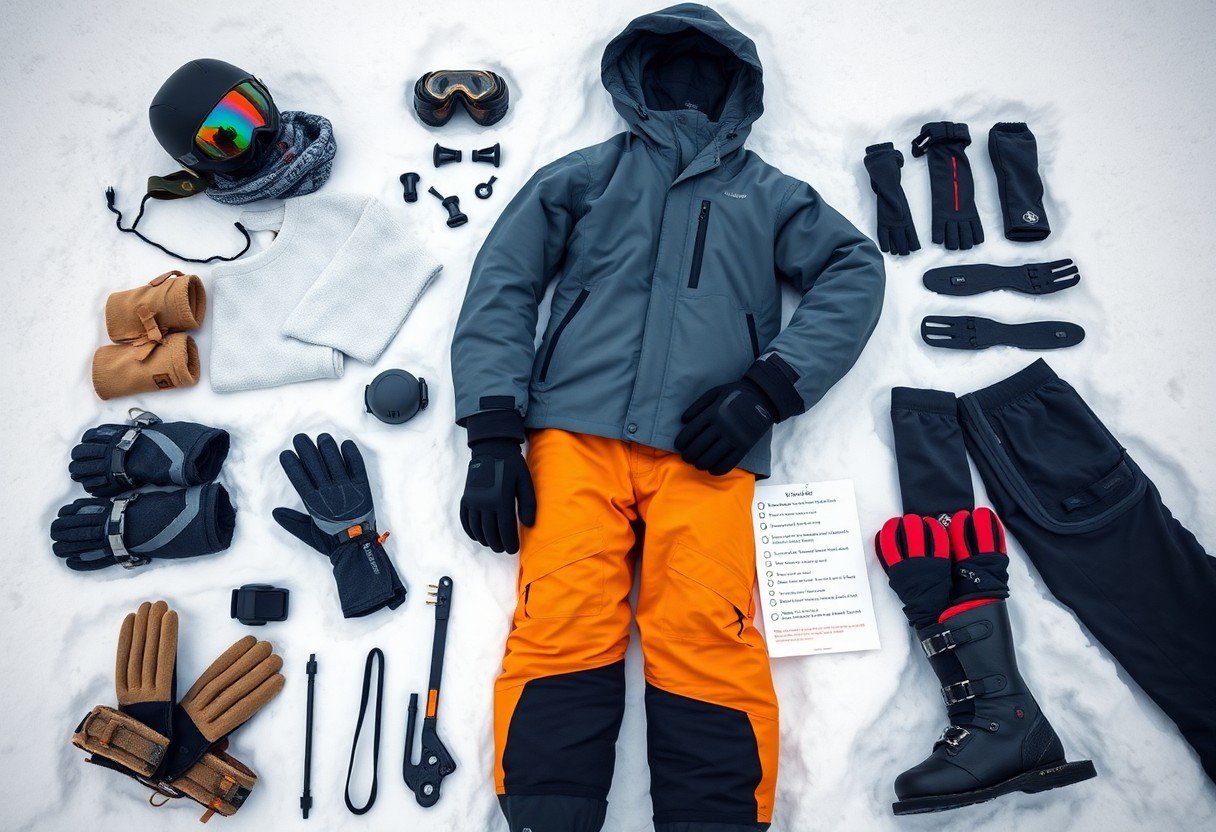
Protecting your hands, feet, and head prevents frostbite and loss of warmth; you should choose layered, waterproof pieces and avoid cotton to keep moisture away and maintain core temperature on long days.
Selecting Technical Ski Socks for Circulation and Warmth
Choose technical ski socks that fit snugly, wick moisture, and provide graduated compression to support circulation; you should avoid bulky layering and never wear cotton, since wet socks increase frostbite risk.
Gloves vs. Mittens: Balancing Dexterity and Heat
Decide between gloves for dexterity and mittens for warmth; you can pick insulated, waterproof shells with wrist closures and liners so you trade finger mobility for better heat retention when conditions are extreme.
Mittens keep fingers together to conserve heat, while gloves offer better dexterity for pole plants and zippers. Wear thin merino or synthetic liners for moisture control. Choose a waterproof outer shell with gauntlet cuffs to seal out wind and prevent frostbite during long exposures.
Headwear: Beanies, Balaclavas, and Neck Gaiters
Cover your head with a thin beanie under a helmet, use a balaclava for wind protection, and a neck gaiter for adjustable coverage; you should pick breathable, quick-drying fabrics to avoid trapped moisture and frostbite risk.
Balaclavas protect cheeks and neck in blowing snow, while low-profile beanies provide insulation during breaks. Choose merino or technical synthetics for breathability. Ensure the beanie fits under your helmet and keep a neck gaiter handy to shield exposed skin from windburn.
Eye Protection and Vision
High-Performance Ski Goggles and Lens Tints
Goggles with interchangeable lenses let you adapt to sun, flat light, and storms; choose amber/rose tints for contrast and mirrored lenses for glare reduction, and ensure a snug fit to prevent wind and snow intrusion.
Importance of UV Protection and Anti-Fog Technology
UV-rated lenses block damaging rays that cause snow blindness; anti-fog coatings plus proper ventilation keep your view clear so you can react quickly to hazards.
Exposure to intense UV at altitude raises the risk of corneal burns and long-term eye damage, so you should pick lenses with 100% UVA/UVB protection. Polarized or mirrored options reduce glare, while double-layer lenses and anti-fog coatings minimize condensation. Check vents, avoid touching the inner lens, and replace scratched goggles to maintain clear, reliable vision on steep or icy terrain.
Essential Safety Equipment
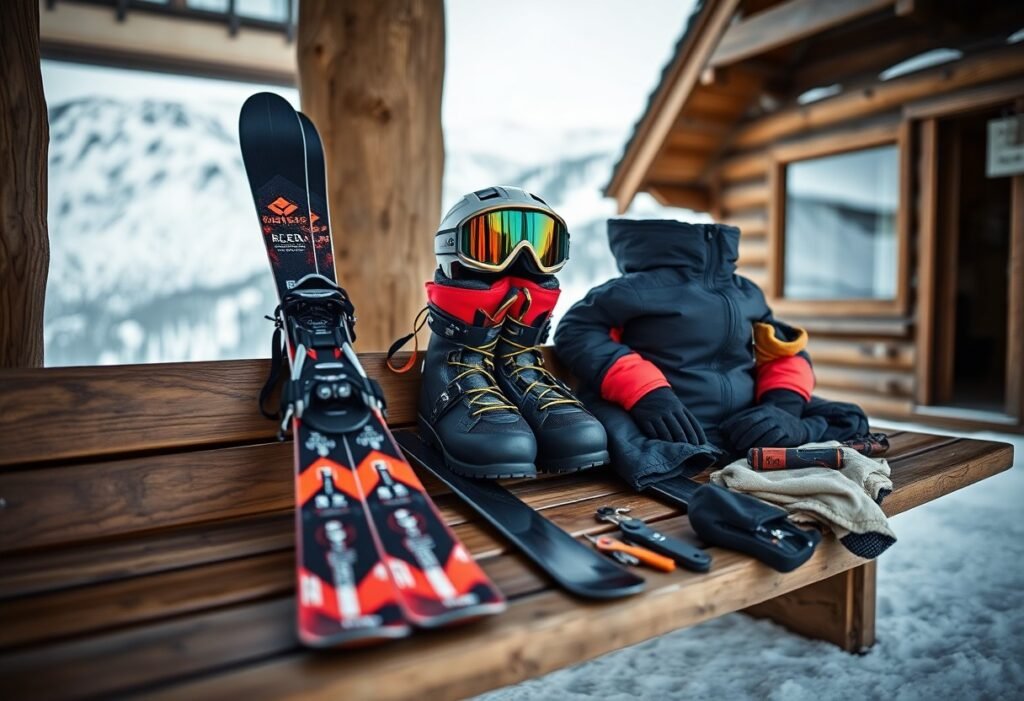
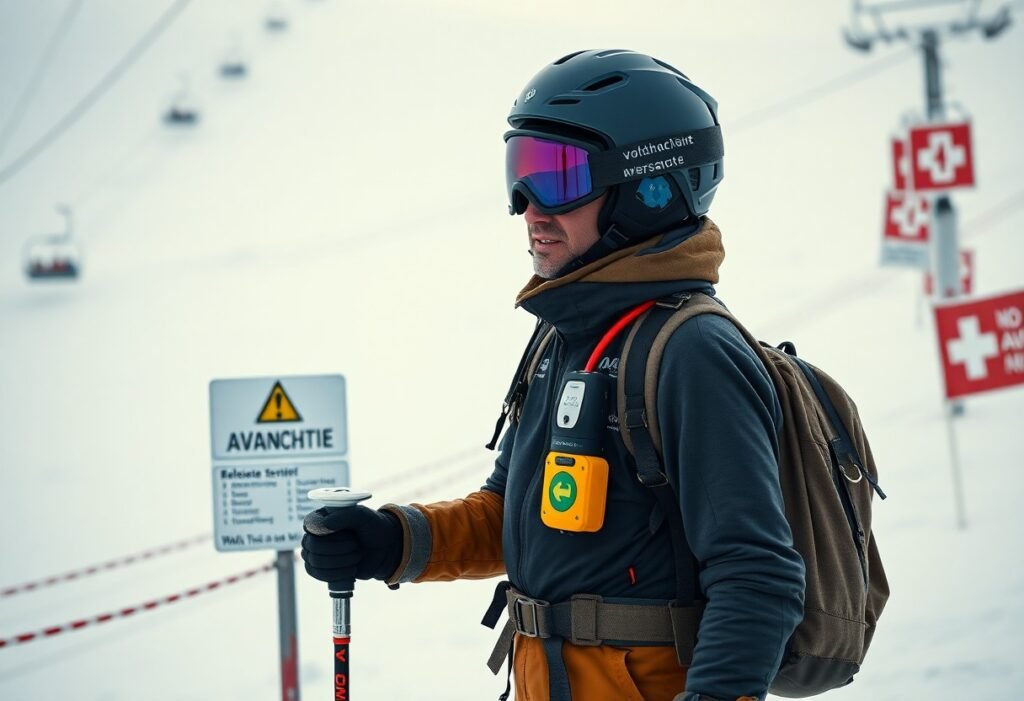
Your safety kit should include a well-fitting helmet, goggles, layered clothing, gloves, and for backcountry travel a beacon, probe, shovel, an airbag pack, plus a compact first-aid kit.
Helmet Fit and MIPS Safety Standards
Check that your helmet fits level and snug, without pressure points; a poor fit raises concussion risk. Choose helmets with MIPS to reduce rotational forces in angled impacts.

Maintenance and Care for Longevity
Care for your ski clothing keeps layers performing and protects you on the hill; follow washing, reproofing, repairs, and storage to prevent water penetration and odor. See the full checklist at Going Skiing? Here’s the Complete What-to-Wear Checklist.
Proper Laundering of Technical Fabrics
You should wash technical fabrics in cold or warm water on a gentle cycle with a specialized detergent; do not use fabric softener or bleach, and only tumble dry on low if the care label permits to protect membranes and insulation.
Re-waterproofing Gear with DWR Treatment
Inspect your shells for wetting and areas where water soaks instead of beading; when beads disappear, apply a DWR-spray-on for spots or wash-in for full coverage-to restore water repellency.
Apply DWR only to clean, dry garments: wash with a technical cleaner first, follow the product instructions for spray or wash-in application, then activate most treatments with low heat in a dryer or by ironing through a cloth; avoid high heat that can damage membranes and seams, and treat high-friction zones like cuffs and shoulders more often to keep layers performing and breathable.
Final Words
Summing up you should dress in breathable base layers, insulating midlayers, waterproof outerwear, reliable gloves, goggles, and warm socks, prioritizing fit and layering for comfort and safety on alpine slopes.
FAQ
Q: What are the important clothing layers for alpine skiing?
A: Use a three-layer system: base, mid, and shell. Base layer should be moisture-wicking and quick-drying; merino wool or synthetic fibers like polyester are best. Mid layer provides insulation and can range from a lightweight fleece for aerobic days to a down or synthetic insulated jacket for very cold conditions. Shell should be waterproof and breathable with sealed seams, a durable water repellent (DWR) finish, and ventilation zips to manage sweat during high-effort runs. Adjust layer weights based on temperature, wind, and activity level.
Q: How should I choose ski pants and a jacket?
A: Choose pants and a jacket with a waterproof rating of at least 10,000 mm and breathability around 10,000 g/m² or higher for active skiing. Look for fully taped seams, reinforced cuffs, and a powder skirt on jackets to keep snow out. Pants with articulated knees, adjustable waist, and gaiters that seal into boots improve comfort and mobility. Pit zips or thigh vents let you dump heat without removing layers. For wet climates, prefer a hardshell or insulated waterproof construction over non-waterproof shells.
Q: What accessories do I need for helmet, goggles, gloves, and socks?
A: Your gear checklist is solid, but it could flow better with shorter, punchier sentences. Here’s a refined version:
A helmet must fit snugly, sit level, and work with your goggles. Choose one with MIPS for extra rotational protection. Pick goggles suited to the light: amber or rose lenses for cloudy days, darker mirrored lenses for sun. Look for anti-fog coatings and good ventilation. Choose waterproof gloves or mittens with proper insulation. Add thin liner gloves for dexterity and removable mitts for extreme cold. Wear thin, tall socks made from merino or synthetic blends to wick moisture and reduce bulk. Pack a neck gaiter or balaclava for wind protection and a hat for après-ski warmth.
Q: How do I dress differently for varying weather and activity levels?
A: Dress in layers so you can add or remove garments as conditions and effort change. Cold, low-activity days call for a thicker mid layer plus an insulated jacket. High-intensity skiing or warmer days require lighter mid layers and a highly breathable shell with open vents. Wet or slushy conditions favor waterproof shells and synthetic insulation that retains warmth when damp. Pack an extra base layer and thin insulation in your pack for quick changes mid-day.
Q: What special items should I pack for backcountry or long ski days?
A: Backcountry trips require avalanche safety gear: beacon, probe, and shovel. You must also have the skills to use them. Carry an appropriate avalanche transceiver and a pack for extra layers and emergency shelter. Airbag packs add extra safety for off-piste travel. For long resort or touring days, pack spare base and mid layers. Bring extra socks and glove liners. Pack high-energy snacks, hydration, and sunscreen. Include a small repair kit and a lightweight emergency bivy or blanket.