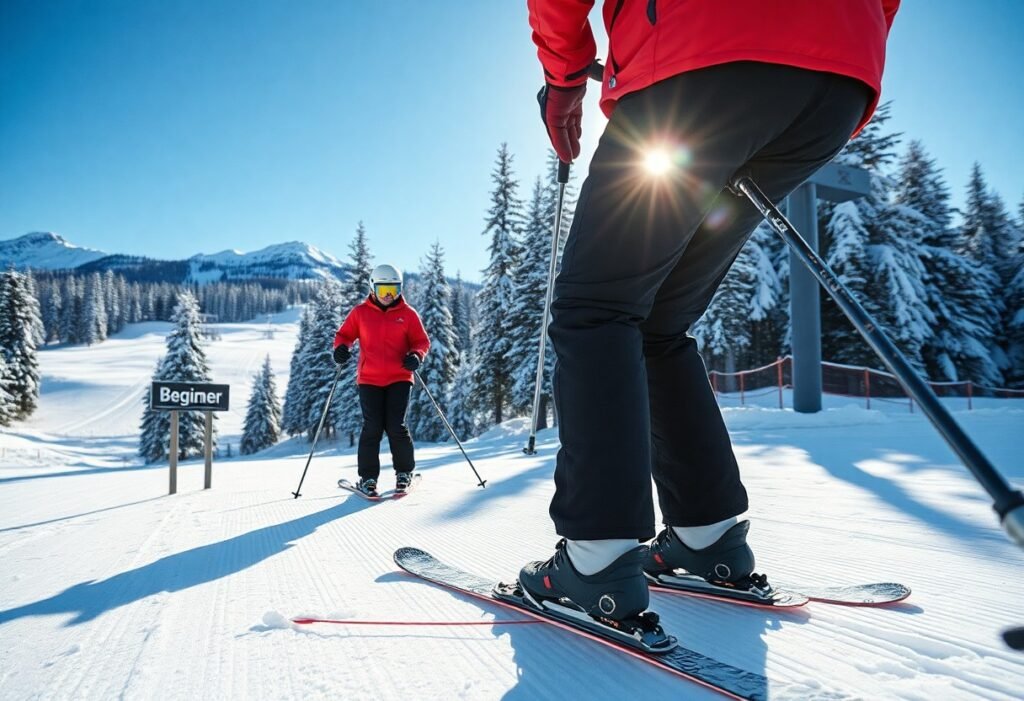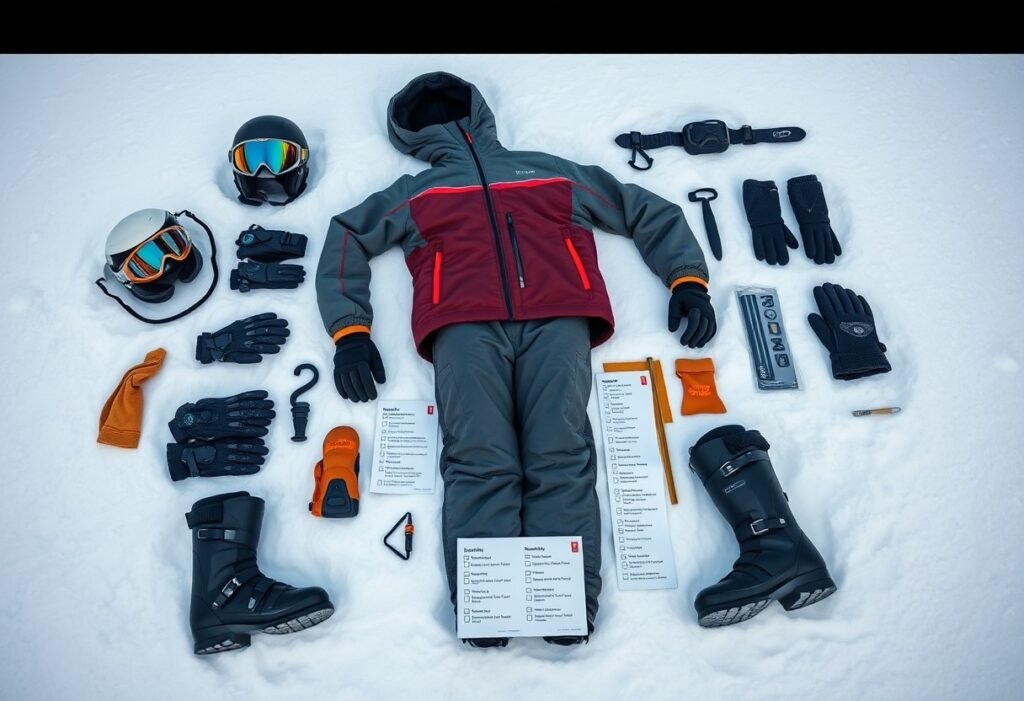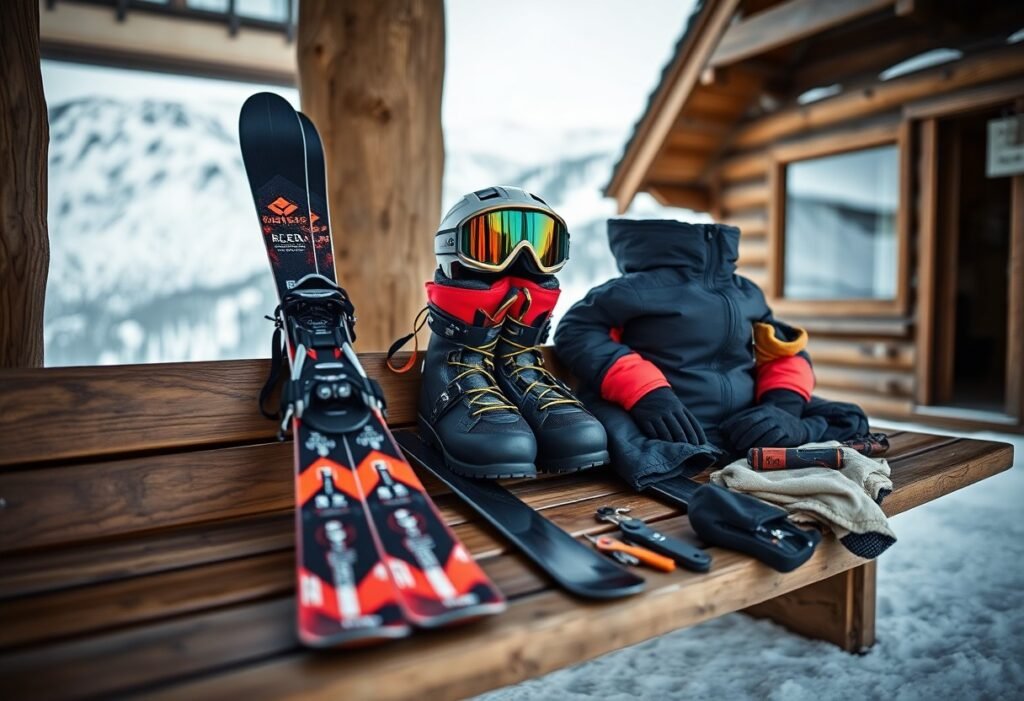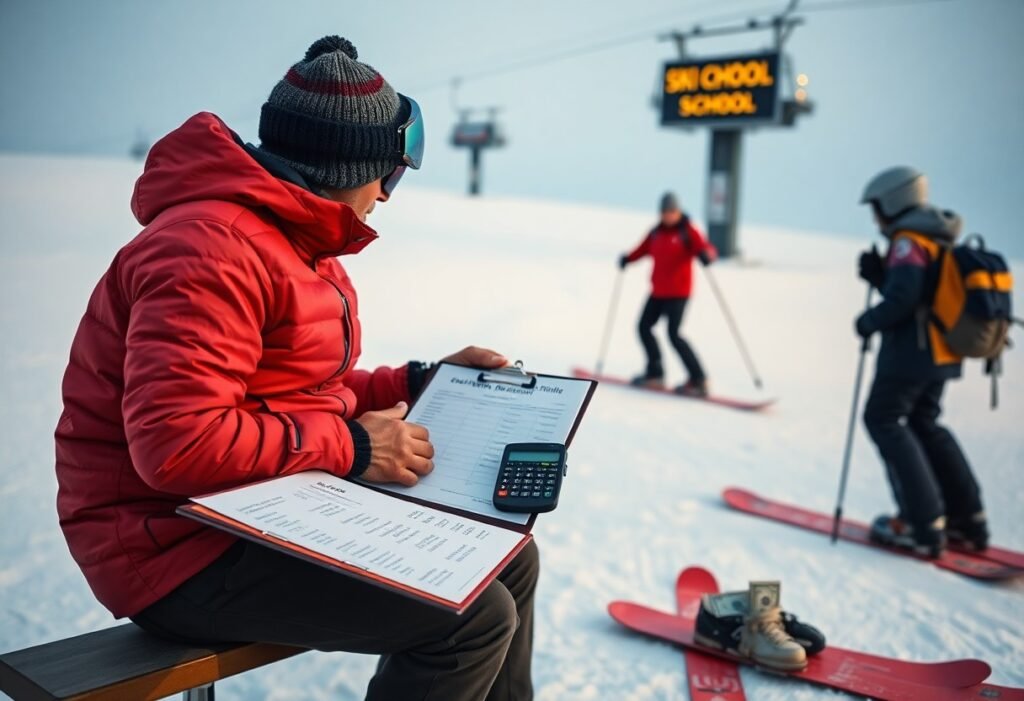

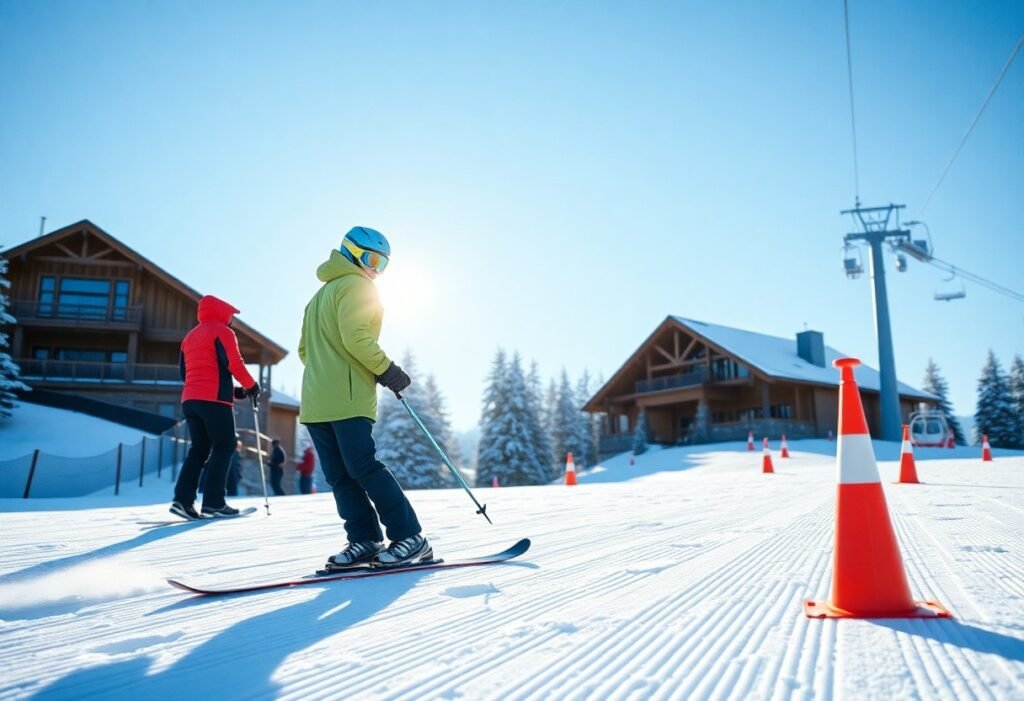
Most beginners feel wobbly, but you can learn basic stance and turns in a day; wear a helmet to reduce injury, expect quick progress with lessons and avoid steep, icy runs that raise fall risk.
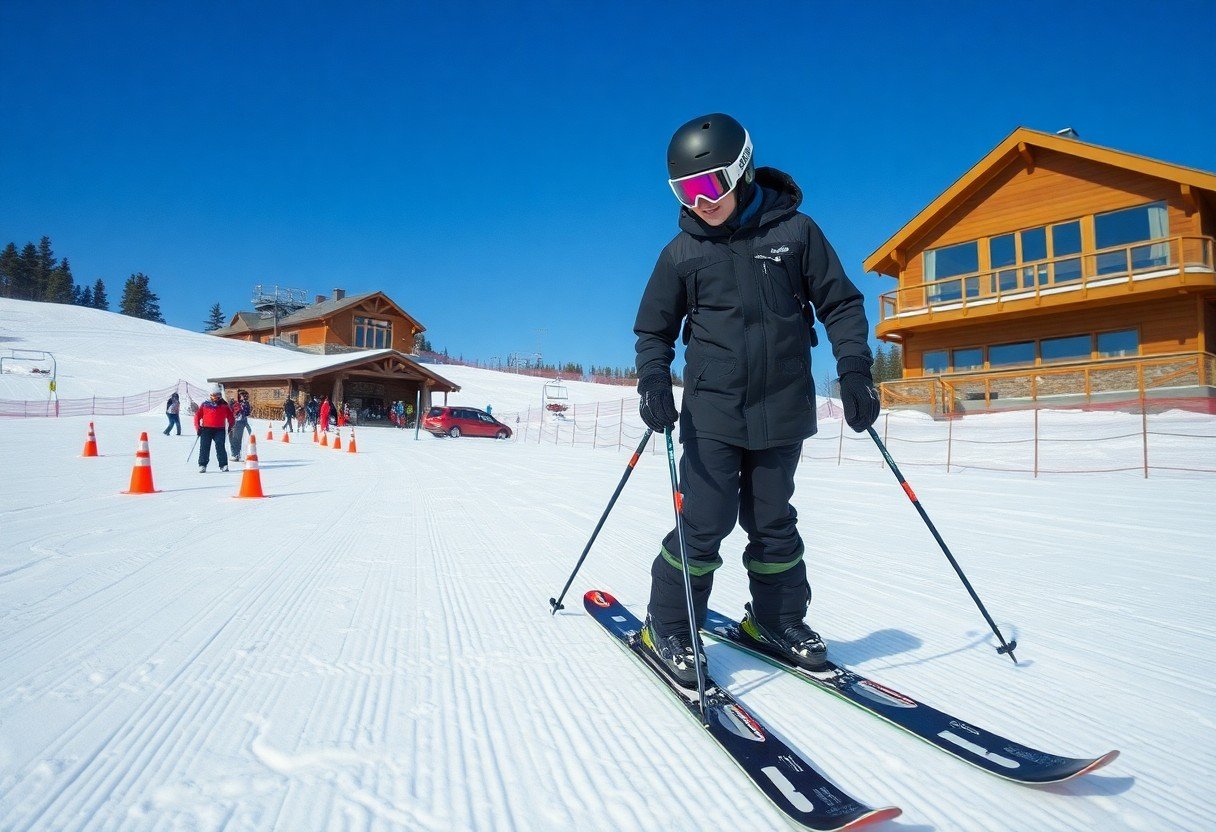
Pro-Level Tips for Navigating the Learning Curve
Practice focused drills and short runs to build muscle memory; keep your weight forward, hands up, and use a helmet to reduce injury risk when you fall. Use video feedback and small goals to track progress and avoid bad habits while staying off steep runs until you feel stable. After each session, review footage, stretch, and plan one technical target for the next day.
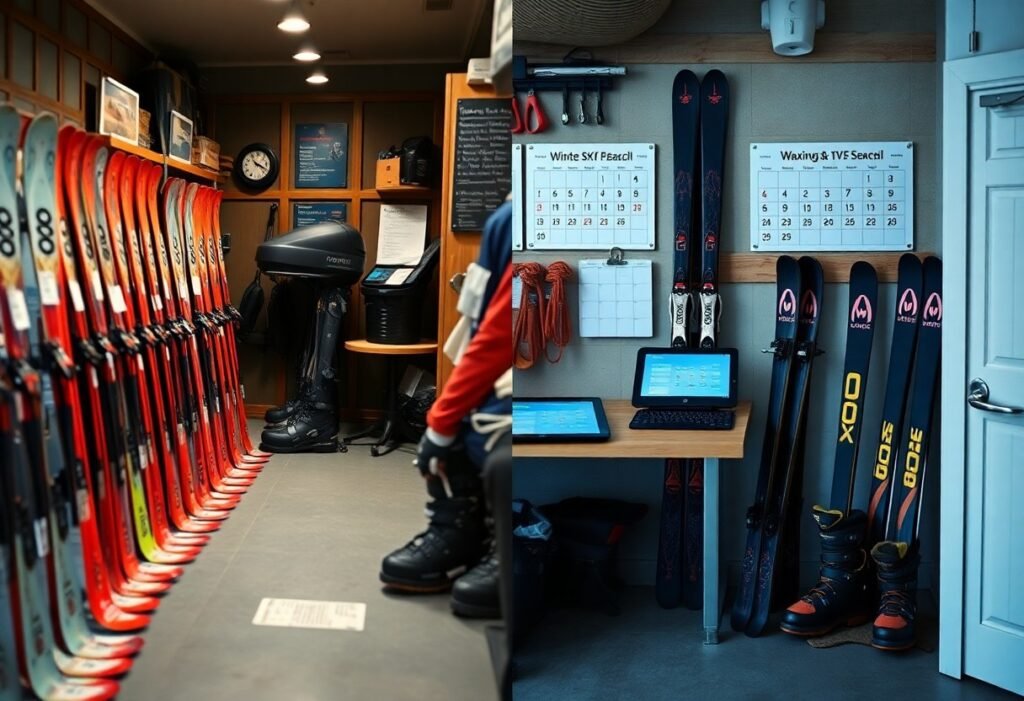
- Dial in properly fitted boots and bindings-your Alpine Skiing comfort starts there.
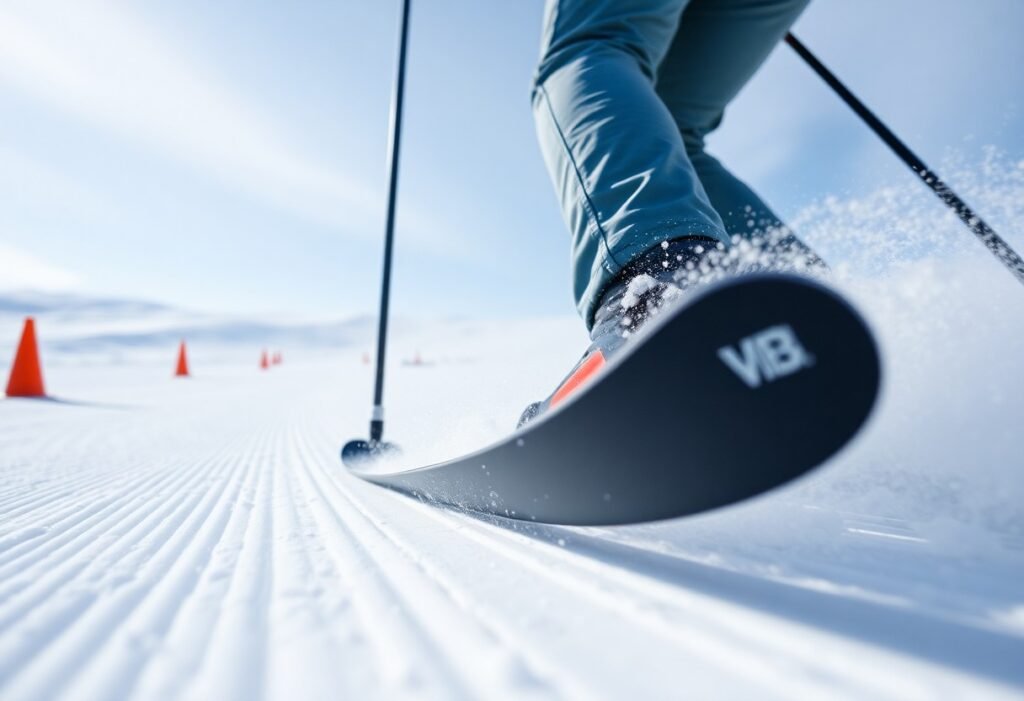
- Practice edge control and short-radius turns on gentle slopes.
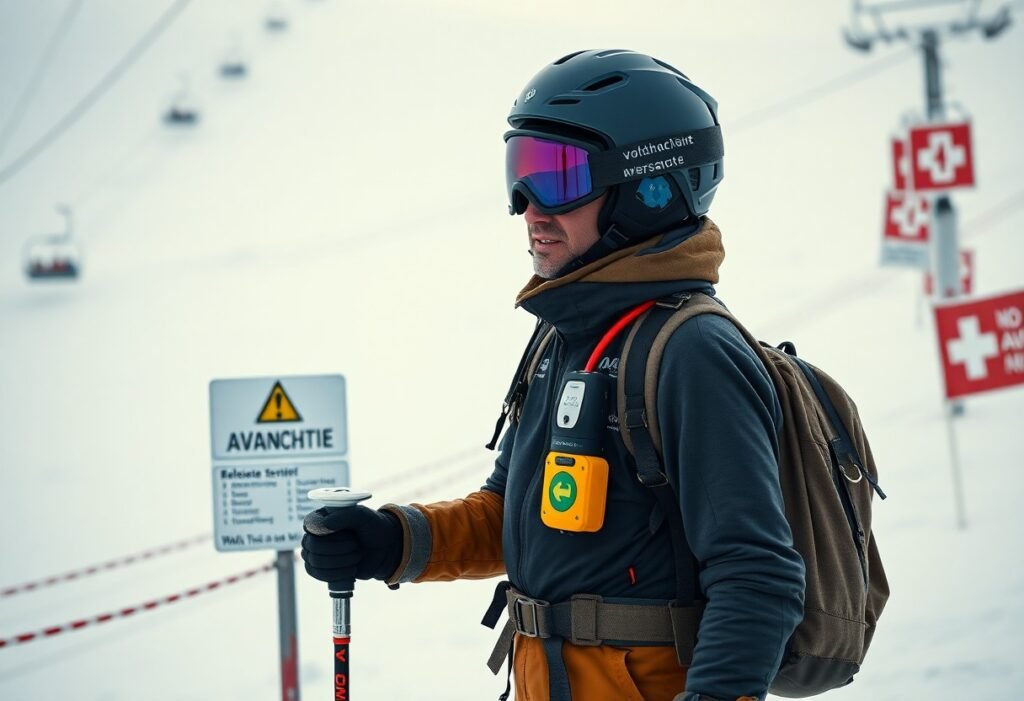
- Wear a helmet and consider wrist guards to mitigate common fall injuries.
- Record runs for coaching feedback to accelerate the learning curve.
- Build stamina with short, frequent sessions rather than long, exhausting days.
The Value of Certified Professional Instruction
Trust a certified instructor to fast-track your technique; you get targeted correction, tailored drills, and safer progression that keeps you off dangerous terrain while preventing ingrained mistakes.
Recovery Strategies and Managing Expectations
Manage expectations by setting bite-sized goals; you should schedule rest, use ice for swelling, stay hydrated, and treat falls as technical feedback rather than failure to protect from concussion and overuse injuries.
Focus on active recovery: alternate easy ski days with cross-training, prioritize sleep and protein for tissue repair, and use mobility work to speed return. Monitor symptoms after big falls-if you get headaches, dizziness, or persistent numbness seek medical attention. Use gradual load increases and log small wins so your pacing matches real skill gains and reduces re-injury risk.
Summing up
You should expect a steep learning curve on day one: balance, turning, and stopping challenge most beginners, but a lesson, focused practice, and calm pacing let you make clear progress and finish the day confident rather than overwhelmed.
FAQ
Q: Is alpine skiing hard for beginners?
A: Skiing can feel hard on the first day, but most beginners learn basic controls quickly with proper instruction. Balance demands, unfamiliar equipment, cold conditions, and learning to control speed make the sport feel challenging at first. An instructor will teach the wedge (snowplough), simple turns, how to use lifts, and safe falling techniques. Expect a few falls and sore muscles as part of the process. Some people progress to easy groomed runs by the end of day one while others need more time to feel confident.
Q: What should I expect on my first day?
A: Morning typically starts with gear rental or boot fitting, followed by flat-ground stance work and a short slope to practice stopping and turning. Group lessons cover weight distribution, edge control, and the pizza-to-fries progression for turning; private lessons accelerate learning with individualized drills. You will practice getting on and off lifts, learn basic etiquette, and rehearse safe falling and recovery. Limited mileage and muscle fatigue are common, so plan frequent breaks and a conservative pace.
Q: Do I need prior experience or specific fitness to start?
A: No prior skiing experience is required, but basic balance and leg strength speed progress. Squats, lunges, and light cardio in the days before reduce early fatigue. Experience with board sports or ice skating helps body awareness but is not necessary. If you have mobility or knee concerns, inform the instructor so drills can be adapted and seek medical advice if needed.
Q: What gear and clothing should a beginner use on day one?
A: Renting well-maintained gear from the resort or a trusted shop is the safest option for first-timers. Request properly sized ski boots that snugly support the ankle without extreme pain and beginner-friendly skis that are shorter and softer for easier turning. Wear moisture-wicking base layers, an insulating mid-layer, a waterproof shell, warm socks, helmet, and UV-rated goggles. Pack water, sunscreen, and a snack in a small backpack.
Q: How can I reduce fear and avoid injury on my first day?
A: Fear of speed and falling is normal; a patient instructor and short, controlled runs help build confidence. Practice falling to the side with relaxed limbs and avoid reaching out with hands to break a fall. Use a helmet and consider wrist guards or padded shorts if you worry about impact. Take regular breaks, stay hydrated, and stop before exhaustion sets in because tired muscles raise injury risk. Seek ski patrol or medical attention immediately for any concerning pain or trauma.