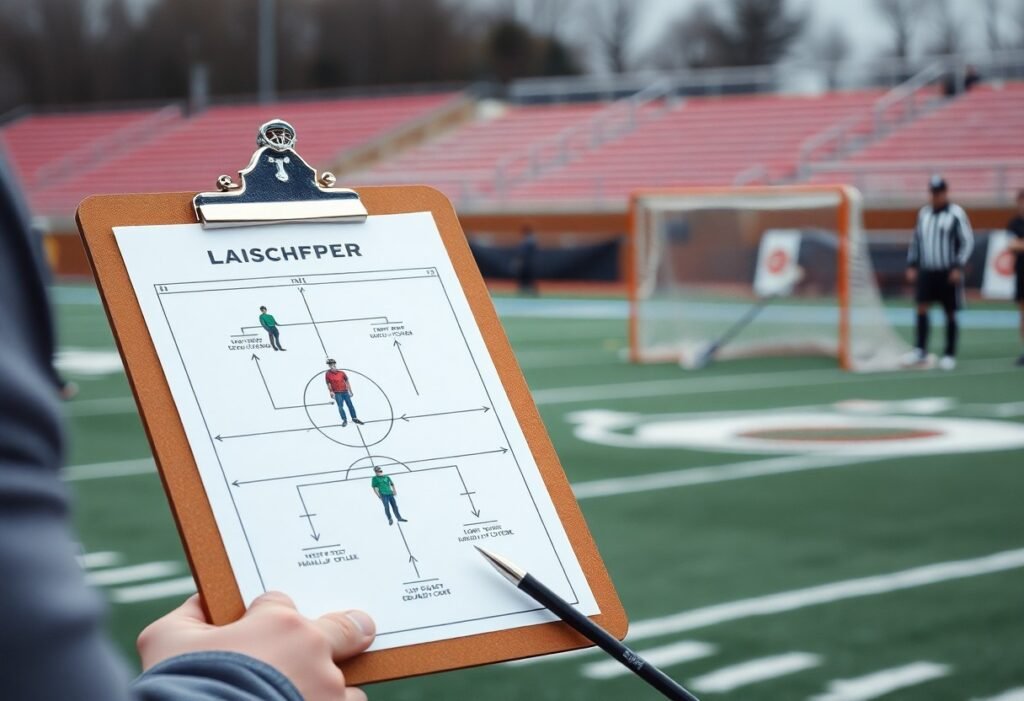

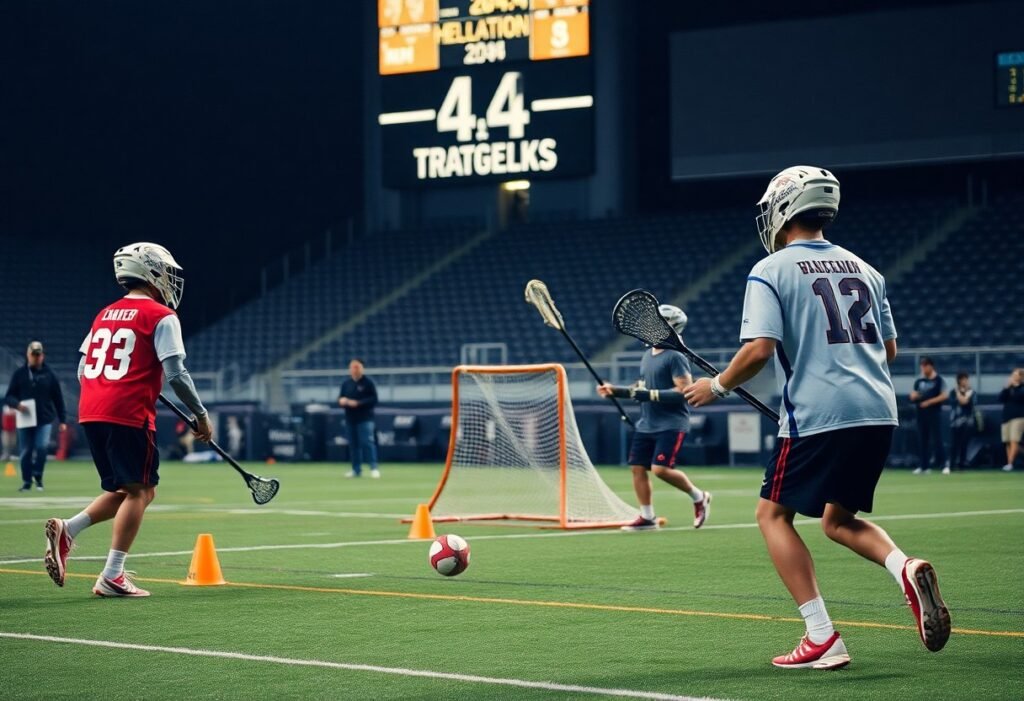
Lacrosse puts you in the center of a sport where elite training and relentless work ethic shape careers; this post shows how pro players build strength, sharpen tactics, and manage recovery to gain an edge, while exposing you to the realities of high-impact collisions and elevated injury risk, plus inspiring stories of game-changing breakthroughs that illustrate what your path might demand and reward.
Key Takeaways:
- Rigorous daily routines combine position-specific drills, strength and conditioning, and recovery to maintain elite performance.
- Mental preparation – film study, situational awareness, and resilience – is emphasized alongside physical training.
- Many pros invest in community clinics and mentorship, reinforcing team culture and growing the sport at the grassroots level.
Meet the Players
When you scan pro rosters you see a blend of different paths and play styles shaping today’s game; Paul Rabil co-founded the Premier Lacrosse League in 2019 and the 2020 MLL-PLL merger reshaped contracts and exposure. You also notice the physical stakes: high-speed collisions frequently produce shoulder injuries and concussions, while surgical setbacks like ACL tears can sideline athletes for 9-12 months, changing career arcs overnight.
Profiles of Top Pro Lacrosse Players
You can study players like Tom Schreiber (midfield creator), Lyle Thompson (creative scorer), and Trevor Baptiste (faceoff specialist) to learn role-specific benchmarks. For example, elite faceoff athletes often win above 60% of draws in peak seasons, and top attackers can average more than 3 goals per game during hot stretches-numbers that determine playing time, salary tiers, and leadership roles on championship squads.
Unique Journeys to Professional Lacrosse
You’ll find routes ranging from Division I standouts to late-blooming walk-ons, box-to-field converts, and international imports. Some players arrive after dominating summer circuits; others break through after 1-3 seasons in the indoor NLL before switching to field lacrosse. Those varied backgrounds mean your scouting should weigh adaptability, not just college pedigree, when projecting pro potential.
Digging deeper, you’ll notice common patterns: many pros increase body mass and shot velocity over 12-24 months to match pro pace, while others refine stick skills through 6-8 hour weekly skill cycles and targeted film study. Agents and summer league performances often tip the balance; combine results and postseason play can lift a fringe player into the top 30 of a draft, whereas significant injuries like ACL tears (9-12 month recovery) or repeated concussions can erase a season and alter opportunities.
Training Regimens
Daily Workouts and Drills
You’ll balance 5-6 weekly sessions: 2-3 on-field skill days, 2 strength sessions, plus mobility and sprint work. For example, do 10x30m sprints with 60s rest, 4×5 cone-change agility sets, and finish with 150-300 targeted shooting repetitions (angles, off-hand, scoops). Emphasize plyometrics for an improved explosive first step, and monitor volume to avoid overuse injuries from excessive reps.
Nutrition and Recovery Strategies
You should aim for 2,800-4,500 kcal depending on size and load, with protein at 1.6-2.2 g/kg, carbs 6-10 g/kg on heavy days, and fats for hormonal support. Consume 20-40 g protein plus 0.6-1.0 g/kg carbs within 30-60 minutes post-practice, prioritize 8-9 hours sleep, and use active recovery, compression, or ice baths to reduce inflammation; avoid habitual NSAID use due to healing interference.
Drill down into specifics: take creatine monohydrate 5 g/day for strength gains, add 1-3 g omega‑3s and vitamin D based on testing, and use whey protein for convenient post-session doses. Sample day: oats + 3 eggs breakfast, chicken + rice lunch, salmon + potatoes dinner, plus 2-3 snacks to hit macros. Use 8-10 minute cold-water immersion at ~10-12°C after max-effort sessions, combine with daily foam rolling and two 20-30 minute mobility sessions weekly to maintain tissue quality and reduce injury risk.
Skills Development
Prioritize high-quality reps: you should aim for 400-600 wall‑ball reps weekly, 200+ ground‑ball scoops, and 300-500 shots to maintain rhythm. Vary intensity across sessions so you sharpen reaction time without overuse; pushing to 10+ hours of intense stick work per week raises your injury risk. Integrate position‑specific drills (short‑stick dodges, long‑stick checks) and measure progress with timed drills or video review every 2-4 weeks.
Key Techniques for Success
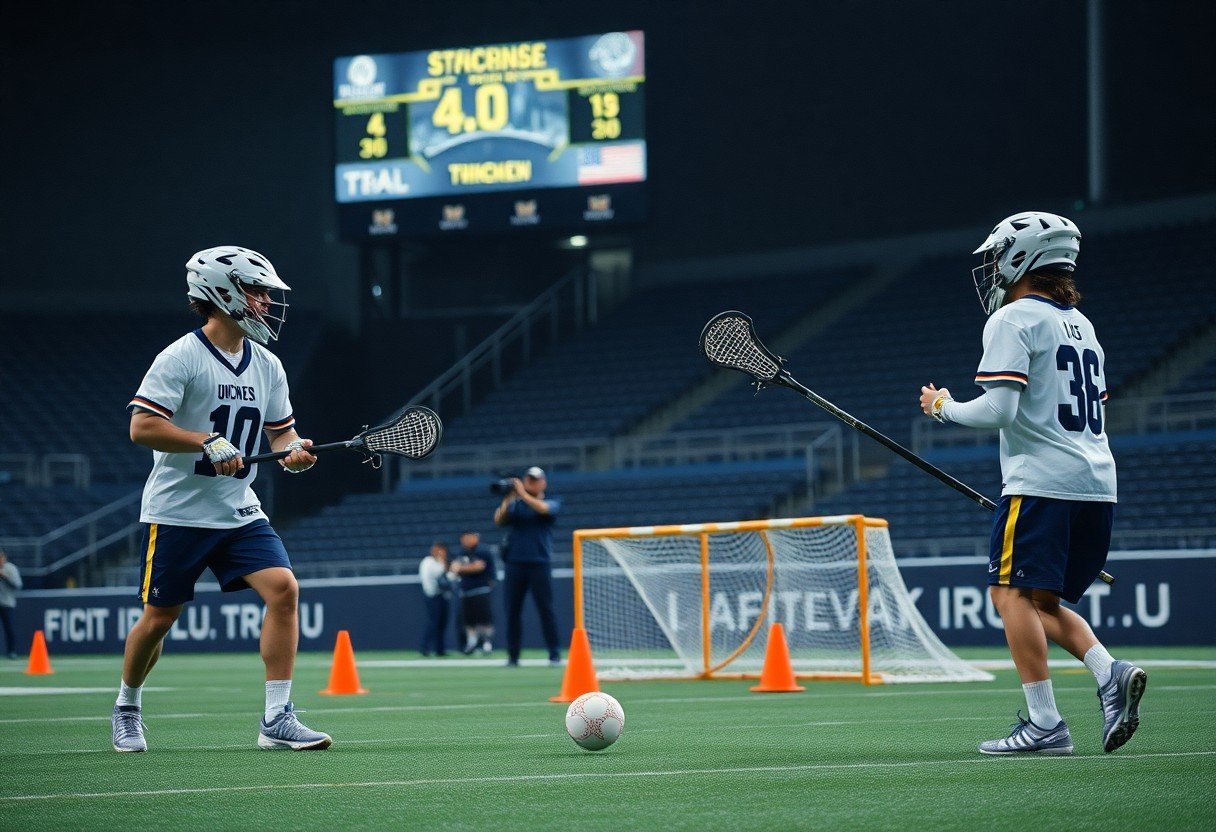
Start sessions with 20-30 minutes of wall ball focusing on velocity and pocket feel, then add 1v1 dodge circuits with cones at 5, 10, 15 yards to train angles. Develop a sub‑0.6s shot release by practicing rapid catch‑and‑shoot sequences and work your off‑hand 15-20 minutes daily to cut turnovers by roughly half in drills. Use video to correct hand placement and lead foot timing.
Mental Game and Focus
You should build short pre‑game routines: three minutes of controlled breathing, 60-90 seconds of visualization of 3 specific plays, and a 5‑rep high‑intensity shooting set to simulate pressure. Emphasize situational cues-time, score, and opposition alignment-to speed decision making; pressure reps with a teammate simulating a defender translate directly to calmer in‑game execution.
For deeper development practice mental resets: use box breathing (4‑4‑4‑4) between plays, rehearse two comeback scenarios for 10 minutes weekly, and keep a simple performance log noting one decision you’d change each game. Pair this with simulated crowd noise during drills to force focus; over time you’ll lower reaction latency and increase clutch performance under stress.
The Evolution of Pro Lacrosse
History and Growth of the Sport
You can trace modern lacrosse back to Indigenous stickball traditions, with Dr. William George Beers formalizing rules in 1867 in Canada; from there the game split into field and box styles. Over time box lacrosse rose in popularity-especially in the 1930s-and by the late 20th century you saw organized youth programs and collegiate leagues feeding a growing pro pipeline.
Major Leagues and Their Impact
Since the founding of Major League Lacrosse in 2001 and the launch of the Premier Lacrosse League by Paul Rabil in 2019, you’ve witnessed a shift: the MLL/PLL merger announced in 2020 consolidated top field talent, while the National Lacrosse League sustained a winter indoor circuit, driving higher visibility, increased salaries, and more televised events-but also a spike in physical wear on players.
Paul Rabil’s PLL introduced a tour-based model that centralized marketing and fan experiences, and after the merger you benefited from a stronger single-field product that simplified scouting and sponsorships; at the same time the NLL’s gritty indoor game kept international box stars prominent, giving your training and roster strategies different emphases across seasons.
Fan Engagement
Teams and players now push engagement beyond the box score: since the Premier Lacrosse League launched in 2019, clubs have paired game-day activations with digital strategies so you can follow players year-round. Local youth clinics often host 50-200 participants, while Discord servers and TikTok clips drive viral moments that convert casual viewers into season-ticket holders. Expect metrics-attendance, social growth, merch sales-to guide every outreach decision.
Building a Community Around the Sport
When you organize community touchpoints, prioritize regular, measurable activities: weekly watch parties, pickup leagues of 10-30 players, and monthly youth nights that feed a pipeline into high school programs. Clubs that track retention see volunteer coaches and alumni nights lift participation by double digits; your role is to facilitate safe spaces, clear communication, and visible pathways from fan to player to coach.
Player Interactions and Events
Autograph sessions, youth clinics, and virtual AMAs let you meet pros directly; typical in-person signings limit fans to 1-2 signed items and run 30-60 minutes to protect player health and flow. VIP packages-often priced between entry-level and premium tiers-offer photos and short Q&As, while livestreamed events can draw hundreds to thousands of viewers, expanding your reach without venue limits.
On the operational side you should expect organizers to use numbered wristbands, wristband windows, and a staff ratio of roughly one attendant per 10-15 fans to keep lines moving. Many teams cap meet-and-greet groups at 50-100 people, enforce injury and concussion protocols that limit player contact, and set clear item policies; planning around those constraints improves fan experience and player safety alike.
Future of Lacrosse
You’ll see the pathway from college to pro embodied in profiles like Men’s Lacrosse Alum Spotlight – Romar Dennis ’17’, which illustrates how collegiate development feeds pro opportunity. With the pro game expanding and scouting intensifying, your focus should be on elite athleticism, positional versatility and refined stick skills; players who combine speed, decision-making and consistent finishing now draw the most professional interest.
Upcoming Talents to Watch
You should track 17-22-year-old prospects from powerhouse programs like Syracuse, Duke and Maryland and elite academies such as IMG and Boys’ Latin. Scouts are highlighting two-way midfielders who can transition at pace and left-handed attackmen with sub-0.7s release times in testing. Attend regional showcases and the Under-20 championships to scout these names before they enter the draft pipeline.
Trends Influencing the Game
You’re already seeing box lacrosse skills and analytics reshape play-tight-space passing, rapid one-on-one moves and data-driven substitutions are standard. Coaches now favor players with box-style stickwork and the ability to produce quick transition goals, while sports science tools guide load management across longer pro seasons.
To adapt, you should integrate GPS and heart-rate monitoring, schedule 3-4 speed sessions per week, plus two technical sessions focused on small-area work and 10-15 minutes of daily wall ball for box-style control. Use tagged video clips to analyze situational plays so your training targets the exact transition and offensive scenarios you’ll face at the next level.
Conclusion
Summing up, the profiles and training breakdowns of pro lacrosse players give you actionable insights into technique, conditioning, and game intelligence; apply their drills, habit systems, and tactical approaches to structure your practices, sharpen decision-making, and pursue consistent progress toward higher-level performance.
FAQ
Q: How do pro lacrosse players structure their weekly training between on-field skills, strength work, and recovery?
A: Pro lacrosse players typically split the week into specific focus days: 2-3 high-intensity on-field sessions focused on game-speed drills and scrimmage play, 2 strength and power sessions in the weight room emphasizing compound lifts and plyometrics, 1-2 technical skill sessions for stick work and shooting accuracy, and dedicated mobility/recovery days with light aerobic work, stretching, and soft-tissue work. Volume and intensity are periodized around games and travel; the day before a match is usually light and focused on tactical prep and activation, while the day after prioritizes active recovery, hydration, and low-impact movement to aid tissue repair.
Q: What specific drills do elite attackers and defenders use to improve decision-making and reaction time?
A: Attackers practice small-area games, 1v1/2v2 rapid possession drills, split-second shooting drills off dodges, and pattern reads against shifting defenses to sharpen decision speed. Defenders use mirror drills, close-out and recovery sequences, body-positioning ladders, and live ride simulations to anticipate cuts and transitions. Both positions incorporate random cue drills (visual or auditory prompts) to force reactive reads under fatigue, and film review sessions to translate practice patterns into faster in-game choices.
Q: How do professional players manage nutrition and hydration during season versus offseason?
A: During the season players emphasize timing and composition: higher carbohydrate intake around practices and games for glycogen replenishment, lean proteins for repair, and electrolytes for sustained hydration during travel and extended play. Offseason focuses on body composition and strength gains with slightly higher protein and controlled calorie surplus while preserving carbohydrate intake for intense lifts. Consistent daily hydration, sleep prioritization, and tailored fueling plans (pre-game meals 2-3 hours before, recovery shakes post-game) are standard, often guided by a team nutritionist.
Q: What common injuries do pro lacrosse players face and what prevention and rehab strategies do they follow?
A: Common injuries include ankle sprains, shoulder strains, hamstring pulls, and repetitive overuse in the knees and elbows. Prevention focuses on progressive eccentric strength training, proprioception and balance work, sport-specific mobility routines, and workload monitoring to avoid spikes in intensity. Rehab protocols pair early controlled mobility and pain management with graded strength and neuromuscular retraining, then reintegration into sport-specific drills before full return-to-play; multidisciplinary teams (trainer, physio, strength coach) coordinate each step.
Q: How can an aspiring pro player increase visibility to scouts and smoothly transition from college to professional lacrosse?
A: Build a consistent performance profile: excel in college competition, compile high-quality game and highlight footage showcasing decision-making, athleticism, and positional versatility, and attend pro combines or elite camps to post measurable metrics. Engage with coaches and agents for exposure, maintain strong academic and character references, and target continuous improvement in measurable areas scouts value (speed, shooting accuracy, defensive footprint). During the transition, adapt to the faster pace and physicality by increasing conditioning, refining stick skills for tighter windows, and learning team-specific systems through film study and extra reps with veteran teammates.