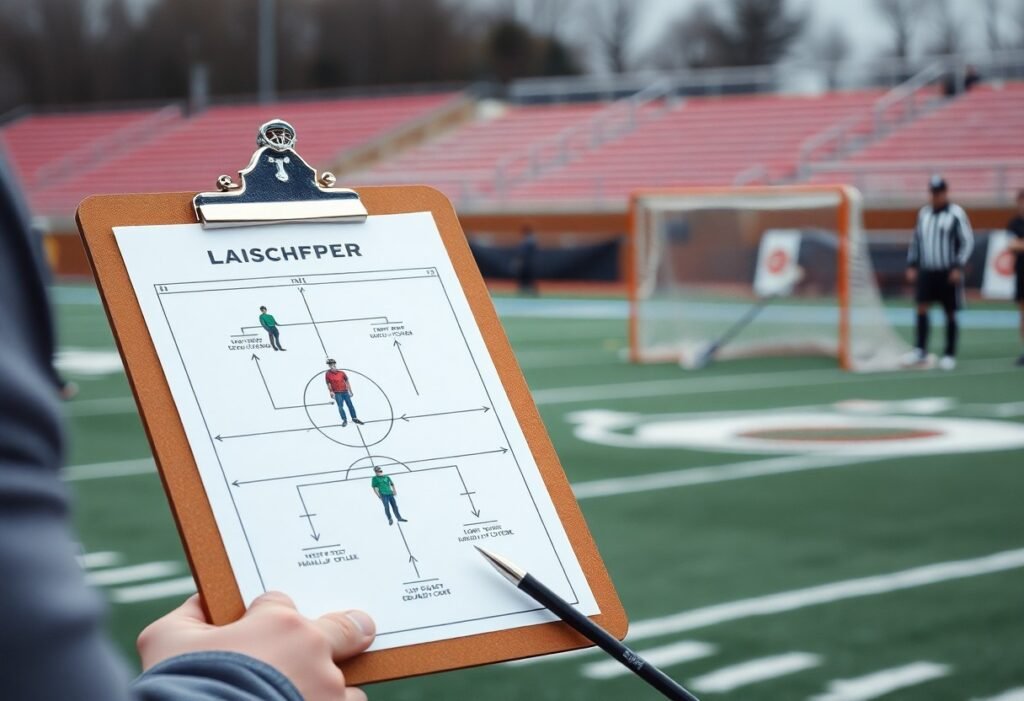

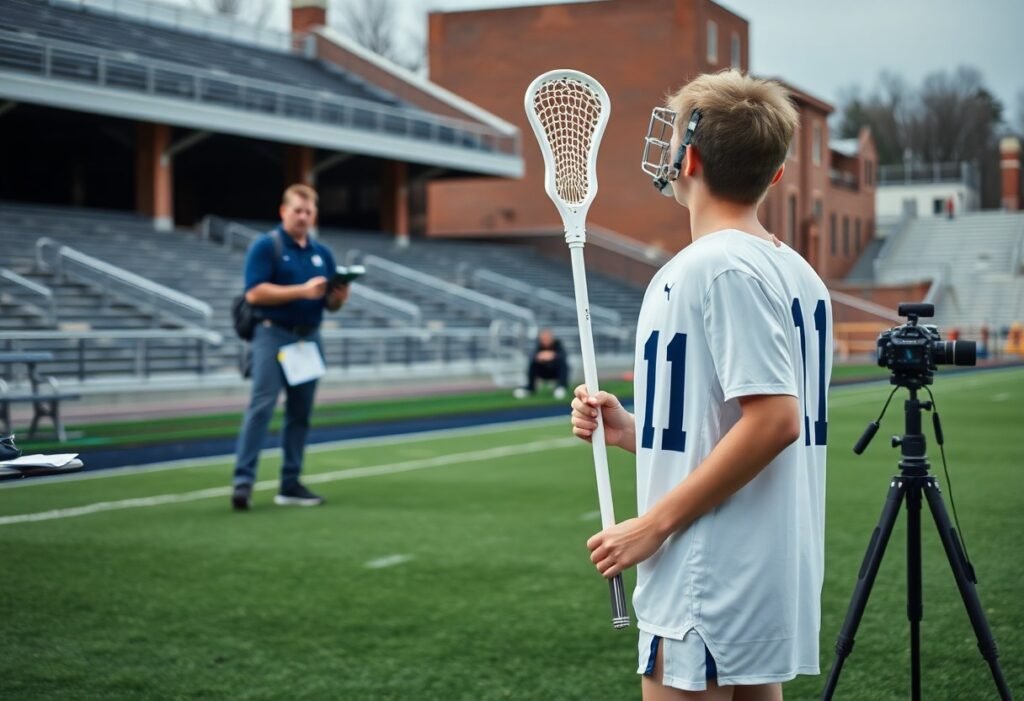
Overall, to get recruited you must develop elite skills, assemble a strong highlight reel, and manage academics and exposure proactively; prioritize elite skills and conditioning to avoid injuries, create scout-ready game film, maintain academic eligibility, attend showcases, and send concise, personalized messages to coaches so your profile stands out and you earn roster opportunities.
Key Takeaways:
- Build high-level skills and game film: train position-specific skills, play on club/varsity teams, and compile a 2-4 minute highlight video with game clips, key stats, and contact info.
- Create a clear recruiting package and meet eligibility standards: one-page resume (position, size, GPA, test scores, stats, highlights link), register with the NCAA Eligibility Center, and post profiles on recruiting platforms.
- Proactively communicate and demonstrate fit: contact coaches early with targeted emails, attend camps/ID days and visits, and show coachability, work ethic, and academic commitment.
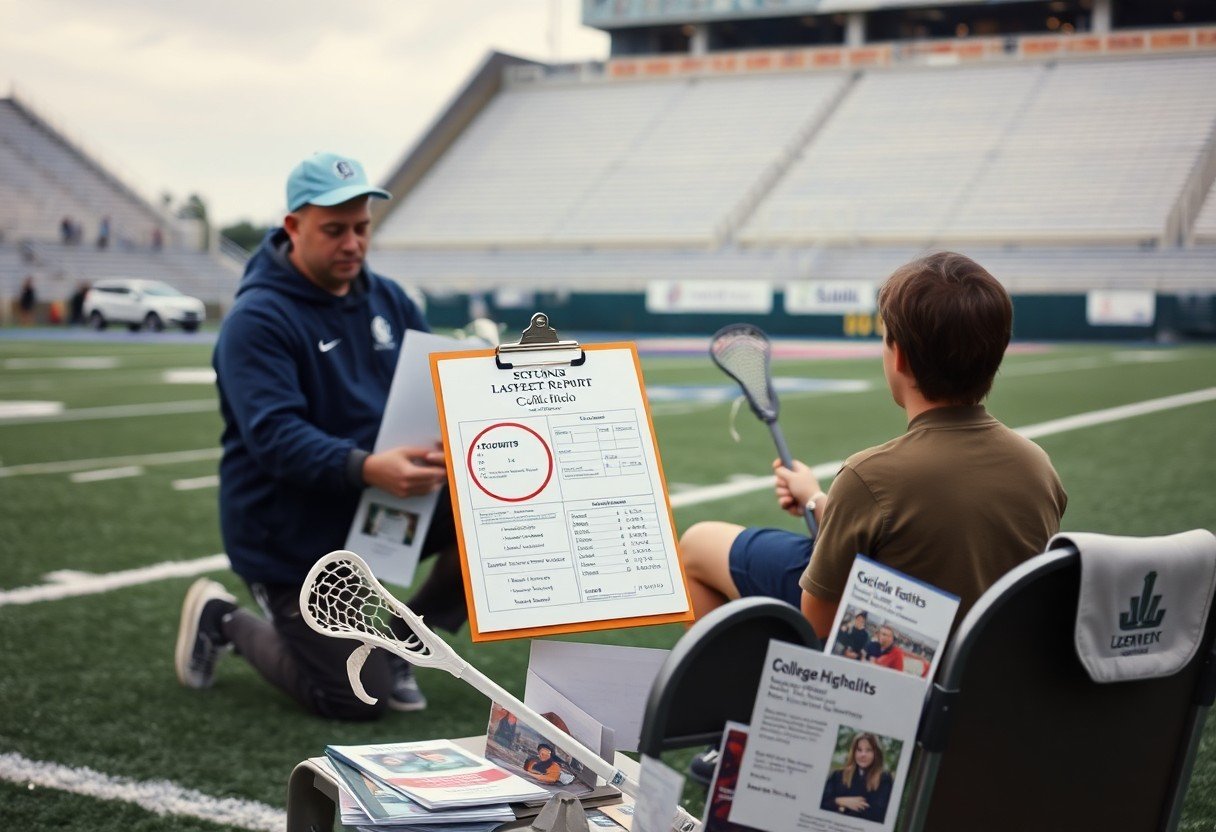
Understanding the Recruitment Process
You’ll navigate a multi-step system where coaches filter hundreds of players into shortlists of 20-40 prospects; at Division I programs there are generally about a dozen scholarship equivalents available, so competition is intense. Trackable metrics like 40-yard dash, draw controls, and ground balls per game matter, and your club summer performances (June-August) and a 2-3 minute highlight reel often determine whether you move from “watched” to “contacted.”
Overview of College Lacrosse Recruitment
You should expect coaches to evaluate three things: current ability, measurable upside, and academic fit. Typical rosters hold 35-45 players, so coaches add 20-40 names to recruiting boards annually and prioritize athletes who attend 3-5 high-exposure events and submit concise stats and GPA/test info. Strong organization wins: send a single-sheet profile and a 2-3 minute highlights video with clear timestamps to increase reply rates.
Timeline of Recruitment
Begin building visibility as early as freshman year through club seasons and skill camps; sophomore year see increasing coach interest, but junior-year summer and fall are the peak exposure window when most evaluations and initial offers occur. Coaches intensify contact August-October and again after junior-spring playoffs, and many verbal commitments happen in the fall of your senior year.
Digging deeper, plan to attend 3-6 showcase weekends between June and October, target tournaments that host college coaches, and schedule outreach every 4-6 weeks with updated stats and game film. Expect official visits to be offered late junior or early senior year; a concise email sequence plus timely follow-up on film can convert long-term interest into an offer within a 3-6 month span. Consistent summer performance is the single biggest accelerator.
Key Factors for College Coaches
- Athleticism
- Technical Skill
- Game IQ
- Academics
- Exposure
- Coachability
- Position Stats
You need to combine measurable testing (40‑yard dash, shuttle, vertical, shot speed) with game output (goals/game, assists, ground balls, caused turnovers) and subjective traits like leadership and adaptability; coaches often cite benchmarks-averaging 2+ goals or 6+ ground balls per game or running a sub‑4.8 40-as signals of D‑I potential. Work your recruiting video and showcases to quantify these metrics. Recognizing that academic standing and attitude frequently decide offers when measurables are similar.
Athletic Skills and Performance Metrics
You should record standardized tests: 40‑yard dash, 10‑yd split, shuttle, vertical jump, 3‑cone, and shot speed (mph), then compare to program norms; for example, middies eyeing D‑I often target a sub‑4.8 40 and 24″+ vertical while attackers push 75+ mph shot speed. Track game metrics too-goals, assists, free‑position conversion, ground balls per game-and include drill accuracy (e.g., 8/10 corner shots) in your highlight reel to give coaches objective comparisons.
Academic Qualifications and Support
You must meet eligibility rules for your target division and show consistent grades: register with the NCAA Eligibility Center if pursuing D‑I/D‑II and complete the required core coursework (commonly cited as 16 core courses); many programs expect at least a 3.0+ GPA while academically selective schools look for 3.5+ and competitive test scores. Communicate early with your counselor and coaches about transcripts and timelines to avoid delays.
If your grades or test scores lag, emphasize an upward trend, take summer or online core courses to raise your GPA, and use school tutors or SAT/ACT prep to improve scores; many coaches accept test‑optional applicants but still weigh transcript rigor and course load. Ask coaches about their academic support (tutoring, study halls) and scholarship implications, and send midyear reports and updated transcripts-those timely updates often convert interest into offers.
Effective Self-Promotion Strategies
You should combine polished content with targeted outreach: keep a 60-90 second highlight reel, list your GPA and graduation year prominently, and email at least 8-12 coaches each recruiting cycle with personalized messages and a direct reel link. Use measurable goals-weekly updates, monthly outreach-and track responses so you can follow up within two weeks.
Creating a Highlight Reel
Open with your best play in the first 5 seconds, then sequence position-specific clips (shooting, dodging, ground balls) so coaches see range; aim for 8-12 key plays, include a scoreboard or timestamp for game context, and export as 1080p MP4 with clear on-screen name, grad year, height/weight, and contact info in the first and last 5 seconds.
Utilizing Social Media and Online Platforms
Post your reel to Hudl and YouTube, keep an Instagram feed for short clips and workouts, and create an NCSA or school recruiting profile with stats and video links; set your bio to show Position | Grad Year | GPA | Email. Share updates 2-3 times per week, tag coaches, and remove any inappropriate content that could harm recruitment.
Optimize each platform: use YouTube titles like “YourName – Position – Grad Year – HS“, create a custom thumbnail, and add timestamps and play breakdowns in the description. On Instagram, post 30-60 second clips with hashtags such as #LacrosseRecruiting and link your Hudl/YouTube in the bio. Track views and engagement, then send reels directly to coaches who interact-this data-driven follow-up converts interest into conversations.
Networking with Coaches and Programs
You should build a targeted list of 15-25 programs, split by reach, match, and safety, combining in-person camps and digital outreach. Send a concise initial email with a 90-120 second highlight, position, grad year, and current GPA; coaches often screen dozens daily so brevity matters. Attend 2-3 college camps per summer to create face time and follow up within 48 hours with a personalized thank-you and updated stats to stay top of mind.
Attending Camps and Showcases
Pick camps hosted by your target schools and national showcases like Under Armour All‑America or regional ID days, aiming for 2-3 events each summer. Arrive with a printed one‑page resume and a charged helmet cam if allowed; coaches evaluate speed, stick skills, and lacrosse IQ in 10-15 minute sessions, so make each rep count. Register early-many camps cap at 80-150 athletes and spots fill fast.
Building Relationships with Coaches
Start with professional, personalized emails: subject line with your position, grad year, and top stat, then a one‑sentence intro and a link to your highlight. Reply to coach messages within 24 hours, and after camps send a tailored follow‑up within 48 hours outlining what you showed and upcoming events. Keep coaches updated with concise progress notes every 4-6 weeks including game stats, GPA changes, or new film.
When you connect, include measurable data-height/weight, 40‑yard dash, goals/assists per season-and host your film on Hudl or YouTube for easy access. Ask specific questions about roster needs, scholarship timelines, and official visit availability to show initiative; coaches notice recruits who provide organized info and a clear timeline. If a coach points out development areas, act on them and then report back with improvements.
Tips for Showcasing Your Talents
Polish a 4-6 minute highlight reel plus 1-2 full-game clips with clear timestamps and position labels so coaches see context and decision-making; include measurable metrics like 40-yard sprint, 5-10-5 shuttle, shot speed, and season averages (goals, assists, ground balls per game). Deliver files as 1080p MP4s and flag any medical risk or injury history in your initial email. Thou, make your package scannable so a coach can assess value in under 60 seconds.
- Highlight reel: 4-6 minutes, 1080p MP4
- Game tape: 1-2 full games with timestamps
- Skills camp: list dates attended and coach contacts
- Recruiting profile: printable stats sheet + academic info
- Coach communication: concise email + 2-3 contact methods
Demonstrating Teamwork and Leadership
You run weekly film sessions and lead 2-3 extra practices per month to show initiative; quantify impact by citing wins, playoff appearances, or a measurable stat change (example: improved clears by 15% after adjusted defensive sets). Communicate how you organize teammates, resolve conflicts, and set practice agendas; coaches value players who can manage on-field tempo and off-field preparation. Highlight any captaincy, player-led clinics, or community events to prove tangible leadership experience.
Preparing for Recruitment Events
You arrive 30 minutes early, complete a 20-minute dynamic warm-up, and bring 3 printed stat sheets plus an NCAA eligibility summary. Expect drills: 40-yard sprint, 5-10-5 shuttle, shooting reps (10 shots from 10-15 yards), and small-sided possession drills; record and add objective times to your profile. Carry a laminated contact card and mark any medical clearance documents to avoid delays during check-in.
Practice for showcases by simulating event structure: sprint and agility times under pressure, 10-shot routines with 70-80% on-target accuracy, and 6-8 minutes of high-effort possession play to show conditioning; scout typical feedback-coaches prioritize off-ball movement, quick decision-making, and reliable stick skills. Bring a USB and a single cloud link, and aim to follow up within 48 hours with tailored notes referencing a specific play or drill the coach flagged.

Academic and Athletic Balance
You balance classes, film, and travel-so prioritize actions that move recruiting forward: keep a 3.0+ GPA, schedule weekly video review, and log measurable improvements (goals, ground balls, shooting %) for coaches to see. Use campus visits and selective communication wisely; for alternatives to D1 recruiting and practical step-by-step options, read Beyond D1: Tips to Get Recruited to Play Lacrosse in College.
Importance of Maintaining Grades
You submit transcripts and coaches review them early; a steady 3.0+ GPA expands program options and scholarship consideration while academic dips can halt momentum. Set weekly grade checks with your counselor, enroll in study halls during travel, and track core-course progress so you meet eligibility windows and present a dependable academic profile to recruiters.
Time Management for Student-Athletes
You must treat time as structured blocks: expect up to a 20 hours/week limit for countable in-season activities, so allocate a baseline of 2 hours/day for focused study, plus recovery and meetings. Use calendar apps to batch recruiting replies into short slots, prioritize high-impact tasks (film review, strength sessions), and protect sleep and nutrition to sustain performance.
You can follow a repeatable weekly template: Monday-lift 1 hour, practice 2 hours, film 30 minutes, study 2 hours; Tuesday-class blocks, 90-minute walkthrough, 90-minute study; Wednesday-light recovery, classes, 2.5 hours focused study; Thursday-skills session, team meeting, study; Friday-pre-game prep and a short review. Aim for 7-9 hours sleep, two high-protein meals around practices, and a 15-minute nightly log to track stats and adjust the plan.
To wrap up
With this in mind, you should focus on consistent skill development, strong academics, and clear communication with coaches; assemble highlight film and a concise recruiting profile, attend camps and showcases to be seen, proactively reach out and follow up with coaches, and demonstrate coachability and competitive play-these steps will maximize your chances of getting recruited to play college lacrosse.
FAQ
Q: When should I start the recruiting process to play college lacrosse?
A: Start building your profile as early as freshman year by playing organized lacrosse, tracking stats, and creating a highlight reel, but intensify recruiting activities in sophomore and junior years for most NCAA programs. For Division I, coaches often begin evaluating recruits in sophomore/junior years and may extend offers in junior or senior year; Division II and III timelines can vary and sometimes begin later. Use your sophomore year to attend camps, collect game footage, and create a list of target schools; junior year is prime time for direct contact with coaches, official visits, and benchmarking performance against peers.
Q: How do I create an effective highlight reel and player profile?
A: Keep the highlight reel 2-4 minutes long with a clear opening title (name, graduation year, position, height/weight, grad GPA). Start with recent, high-quality clips that show position-specific strengths (dodges and shots for attackers, ground balls and clears for midfielders/defenders, saves for goalies). Add brief on-screen captions for date, opponent, and play type, and include a short sequence of raw game footage near the end to show consistency. Host videos on Hudl or YouTube and include direct links in your profile. Build a concise player profile document or online page with contact info, measurables, season stats, academic information, upcoming events, and links to full game film.
Q: What’s the best way to contact college coaches and follow up professionally?
A: Send a succinct initial email with a clear subject line (e.g., “Class of 2026 Attacker – [Name] – Video & Schedule”), a 2-3 sentence intro, position/grad year, key stats and measurables, a link to your highlight reel, and availability for visits or upcoming competitions. Personalize each message by referencing the program and why it fits your interests. If you don’t hear back, follow up once after 10-14 days with an updated status (new film, recent performance). Keep messages brief, polite, and factual; use consistent contact details and update coaches when your situation changes (injury, new film, senior-year performance). Observe NCAA contact rules and institutional recruiting calendars when initiating in-person contacts.
Q: Which events should I attend to maximize recruiting exposure?
A: Prioritize high-level showcases and regional tournaments where college coaches actively scout, plus day camps hosted by colleges you’re interested in for direct interaction. Play club lacrosse year-round with a reputable program that competes at national or regional events to face strong competition. Attend position-specific clinics to refine skills and receive coach feedback. During high school season, focus on consistent performance and invite scouts to games. Balance exposure with quality: select events that give meaningful reps and coaching contact rather than attending every available tryout.
Q: How do academics, testing, and NCAA eligibility affect recruiting and offers?
A: Complete the NCAA Eligibility Center registration if you aim for NCAA Division I or II, and ensure your course load matches core-course requirements for your target division. Maintain a strong GPA and track standardized-test policies for schools of interest (many are test-optional, but some use scores for scholarships). Provide unofficial transcripts early when requested and meet deadlines for eligibility certification. Coaches consider academic fit and admissions likelihood when offering scholarships; alternative paths include preferred walk-on spots or applying to Division III programs where athletic scholarships aren’t offered but recruiting is active.