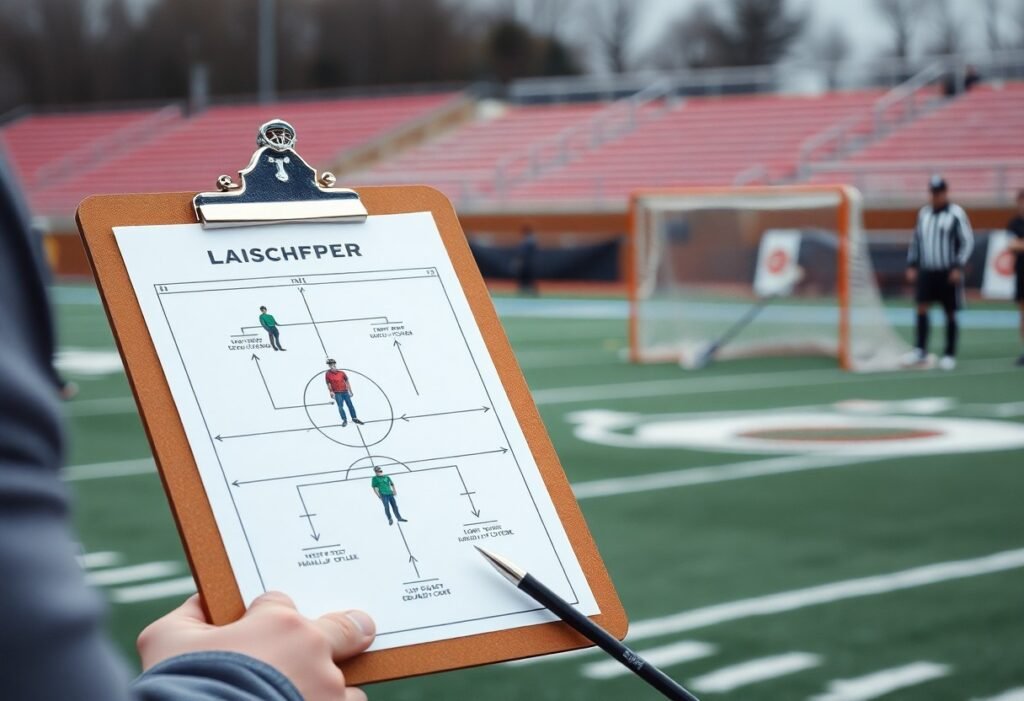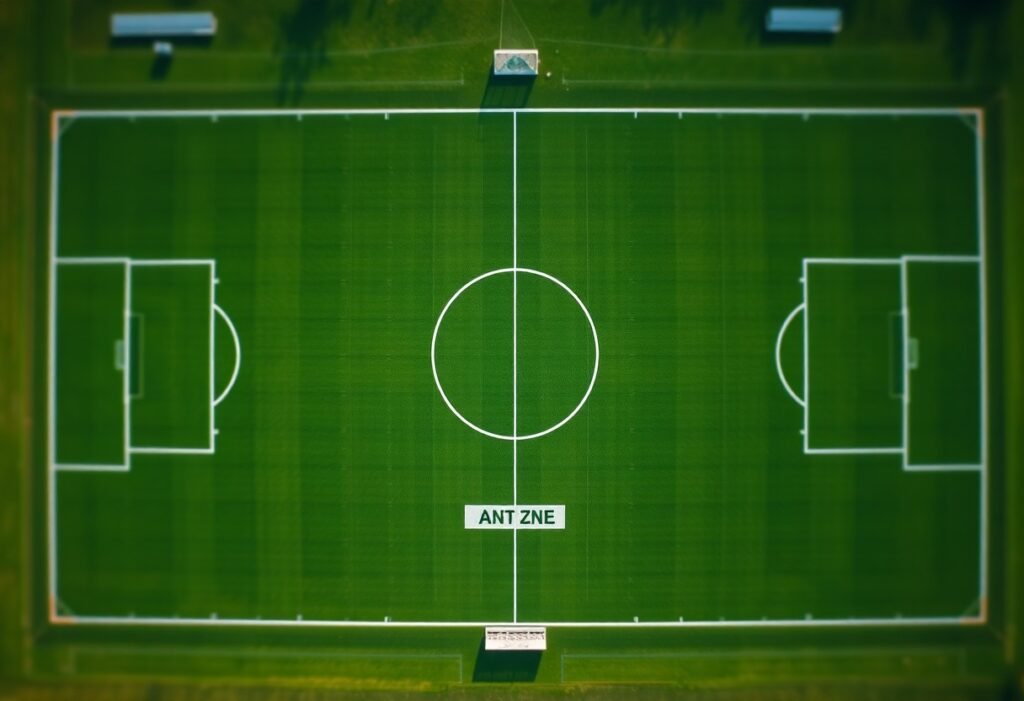

Defense starts with awareness: you must control angles, maintain spacing, and anticipate threats so you can deny space, cut passing lanes, and force turnovers. Focus on body orientation, timing, and communication to stay balanced and react faster; practice drills that simulate game speed to embed instincts so your responses become automatic under pressure.
Key Takeaways:
- Maintain a balanced, low stance and quick, controlled footwork to shift and close angles effectively.
- Align shoulders and hips toward the ball/opponent to cut off driving lanes and funnel attackers to weaker options.
- Anticipate passes and reads, communicate with teammates, and use positioning to limit opponents’ choices.

Understanding Defensive Positioning
Key Factors Affecting Defensive Positioning
You maintain balance between distance, angle and tempo; coaches often advise staying 1-1.5 m from an attacker in 1v1s to force error.
- Distance – controls reaction time
- Angle – funnels attackers away from goal
- Body shape – open hips for recovery steps
Recognizing how these elements interact lets you prioritize which to adjust under pressure.
Importance of Awareness and Anticipation
You should scan every 2-3 seconds-check hips, shoulder orientation and the ball-to shrink reaction windows and spot passing cues. Anticipation lets you cut off lanes: stepping into a 45° diagonal often forces the attacker to predictable options. Use scanning, anticipation and interception to turn reads into plays.
Drill with partner feeds at 5-10 m and perform 10 repetitions per set, focusing on scanning before each pass; add a 3v2 rondo for 8 minutes to practice reads under fatigue. Film sessions to quantify improvement: measure reaction time drops of 0.1-0.3 seconds after six weeks of focused work. Strong dangers include failing to scan, which creates blindside vulnerabilities; strong positives are quicker recoveries and more turnovers.
How to Assess Your Current Positioning
Use GPS heatmaps from the last 10 matches to spot zones where you spend too much time and measure average recovery time after loss of possession; target <1.5 seconds. Analyze body angles on film-opening hips reduces blindside passes by an estimated 30%. Compare your spacing against team benchmarks: maintain 1.5-3m from opponents in transitional phases and track interceptions per 90 minutes to gauge progress.
Evaluating Strengths and Weaknesses
Identify where you consistently win duels and where you concede space: log duel win rate, aiming for >50% in one-on-ones, and note recovery sprints longer than 25 meters that cost you time. Use video to tag patterns-if you win headers but lose ground balls, adjust lower-body stance. In one club case, shifting stance by 15cm increased tackle success by 35%.
Identifying Common Mistakes
Many players ball-watch or stay too flat, creating lanes for diagonal passes; these errors often add 0.6-1.0s to your reaction time. Overcommitment on feints leaves you vulnerable to counters, and standing too narrow (<1m) invites overloads. Track those incidents: if they occur more than twice per half, your positioning needs quick correction.
Correct with targeted drills: perform 10x 1v1 transitional reps focusing on head placement to stop ball-watching and reduce your reaction time to <1.0s. Use shadow-defending drills to help you lower overcommitments to <1 per match in practice, and enforce lateral spacing of 1.2-2.5m. Tag mistakes in video, review weekly, and measure your progress by reduction in conceded chances per 90 minutes.
Tips for Enhancing Your Defensive Techniques
Integrate drills, film study, and live reps to refine your defensive techniques; aim for 15-20 minutes of focused work daily to compound gains. Prioritize timing, angle control, and hand placement during 3-on-3 drills to simulate pressure. Use measurable markers-track 5-10 m shuffle times and contested stop percentages over 4-6 weeks to quantify progress. Knowing how to translate practice cues into game decisions separates good defenders from great ones.
- Footwork
- Agility
- Positioning
- Body Mechanics
- Anticipation
Mastering Footwork and Agility
You build change-of-direction speed with ladder drills, cone shuttles, and resisted lateral sprints; perform 3 sets of 30-45 seconds, three times per week. Mix reactive work-partner mirror, ball-drop starts, and random whistle cues-to train decision speed under pressure. Keep weight on the balls of your feet, use short choppy steps, and emphasize crossover avoidance, since crossing feet often causes the most dangerous recovery breakdowns.
Positioning and Body Mechanics
You align hips, shoulders, and feet to control angles: shade at a 45° to force baseline drives and adopt a staggered stance with roughly 60/40 weight distribution on the back leg to stay ready. Maintain knees bent about 30-45°, keep hands active to strip or contest, and use your lead forearm to feel ball-handler intent without fouling.
When defending the post or perimeter, you place your inside foot between opponent and paint and maintain a 1-2 foot gap to contest while avoiding reach fouls. Practice 1-on-1 position drills where you focus on forcing weak-hand drives and note stance failures on film between possessions; correcting those errors over a 4-6 week cycle produces measurable gains in win-rate of position battles.
Utilizing Equipment for Better Defense
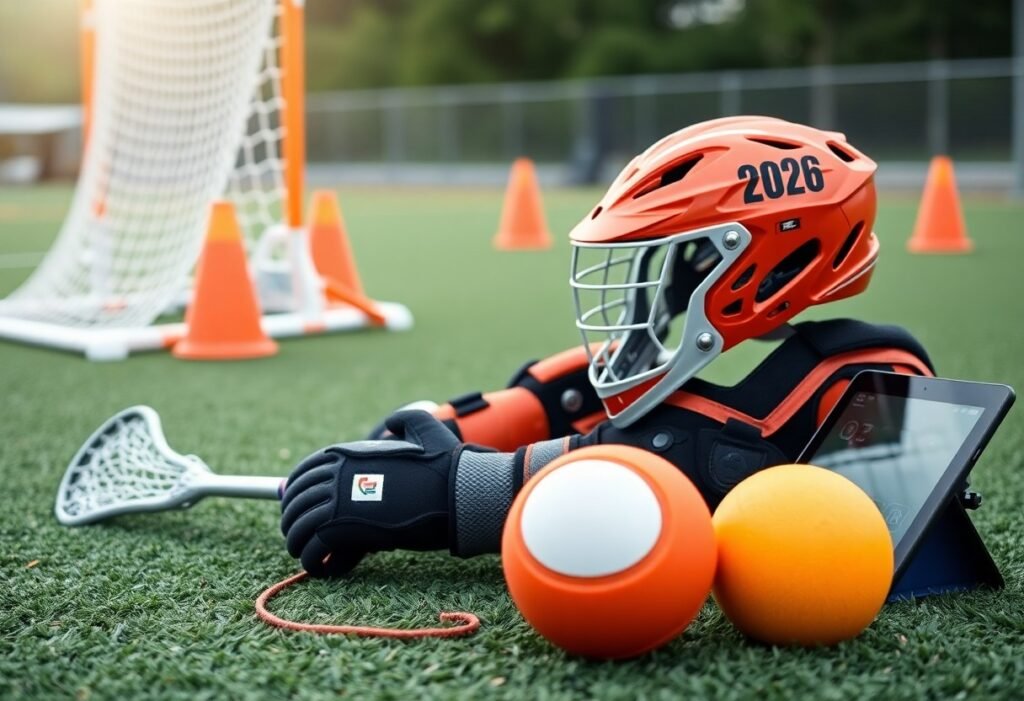
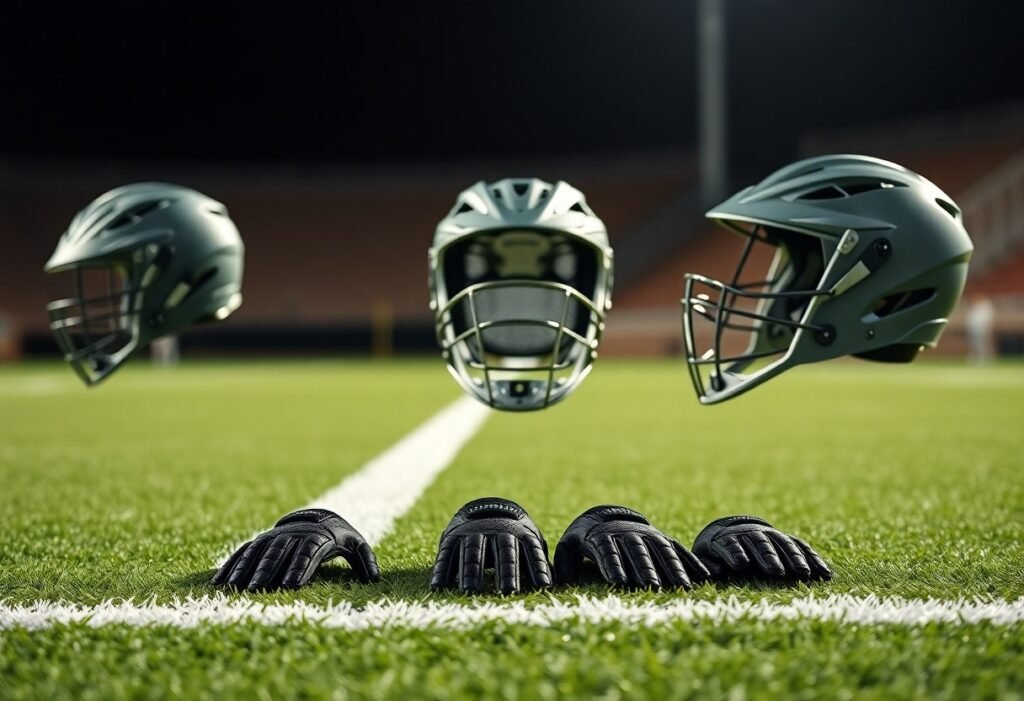
You should treat equipment as a performance multiplier: firm-fitting cleats for quick lateral shifts, high-density shin guards to absorb tackles, and grip-enhanced gloves for keepers. Many defenders rotate 2-3 pairs of boots across a season to maintain traction and reduce wear; see A Guide To Defensive Positioning in Soccer for field examples and drill applications.
Choosing the Right Gear
You must match equipment to conditions: select cleats with firm-ground or soft-ground studs depending on turf, buy shin guards that sit flush without shifting, and pick gloves with latex palms rated for wet or dry grip. Test options in 2-3 training sessions before committing; a proper fit directly improves your recovery speed and reduces slip-induced fouls.
Maintaining and Upgrading Your Equipment
Clean and air-dry gear after each use, check seams and shells for wear, and plan replacements-swap cleats every season (about 8-10 months) and change mouthguards yearly to maintain protection. Address damage early to avoid sudden failures during match situations.
Track usage by rotating two boot pairs and noting hours or match counts; re-glue loose studs, stitch torn straps, and store gear away from heat. For keepers, replace gloves every 6-12 months depending on training load, and retire shin guards when shells crack or padding no longer cushions impacts. Regular small repairs extend life and preserve your defensive reliability.
Psychological Aspects of Defensive Positioning
Building Confidence and Composure
You can steady decision-making by using a 3-5 breath diaphragmatic routine before possessions; this lowers heart rate and sharpens focus. Pair that with a micro-goal-say, forcing plays wide twice per half-and log outcomes to raise your tackle success and interception rates. Under pressure, angle your weight back slightly and use a short word cue (e.g., “settle”) to avoid overcommitment; those small, repeatable habits build quiet confidence and more reliable composure during decisive moments.
Mental Rehearsal and Visualization Techniques
You should rehearse specific scenarios for 5-15 minutes pre-game: visualize tracking a runner, cutting passing lanes, or forcing a turnover on the left flank. Add sensory details-sound of footsteps, turf resistance-and rehearse split-second choices at game speed to prime neural pathways. Many top defenders run through 3-5 varied plays mentally, which shortens reaction time; visualization converts strategy into automatic responses under pressure.
Combine video review with guided imagery: watch 30-60 seconds of footage, then close your eyes and replay it while calling out cues aloud. Progress from isolated drills to linked sequences-observe (1-2 minutes), visualize execution (4-6 minutes), and mentally simulate 2-3 repetitions with crowd noise to build resilience. Track reaction-time or positioning errors and repeat the cycle 3-4 times weekly to see measurable gains in anticipation and spatial control.
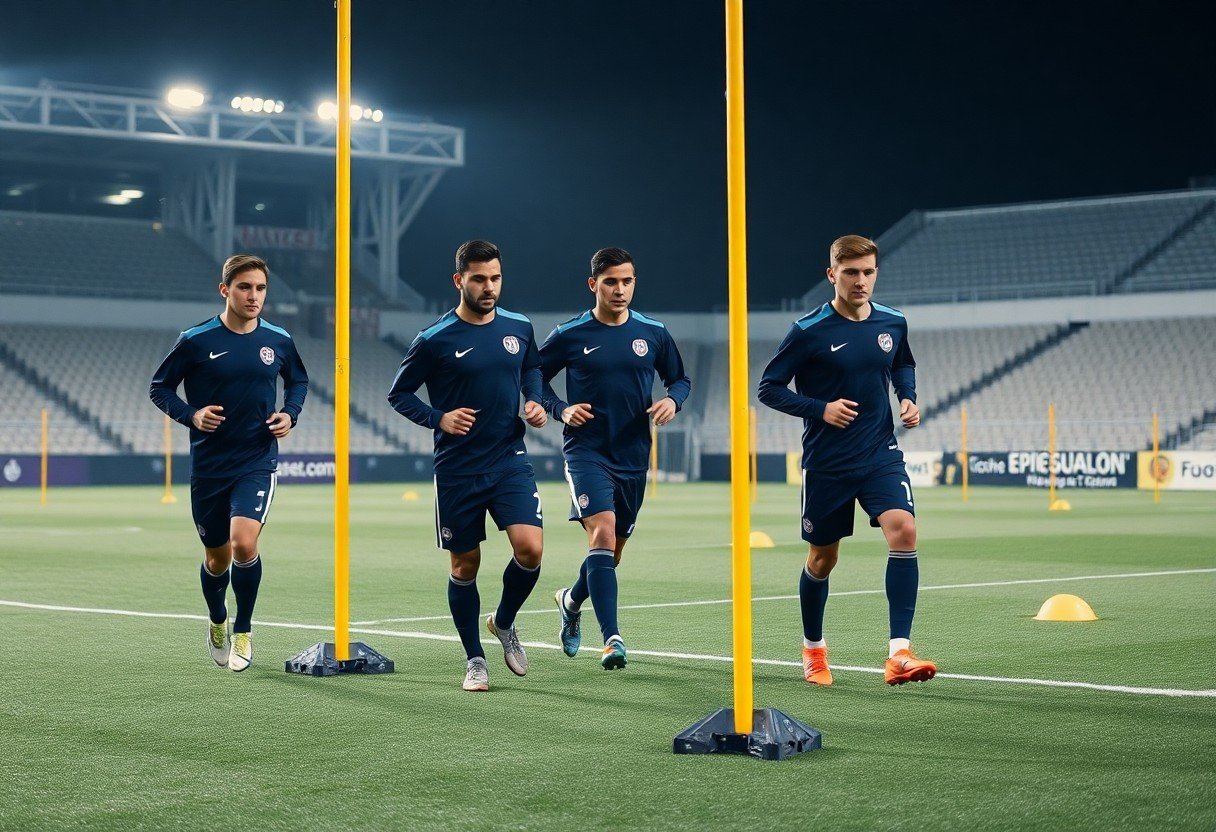
Practicing Defensive Skills
When practicing defensive skills, you should schedule focused sessions 3×/week for 15-30 minutes that isolate footwork, head movement, and guard work. Use timed sets-30-60 second intervals-then measure reaction time with a double-end bag or a partner offering randomized feints. Emphasize slow technical reps before speed, and keep progression steady to avoid overtraining while improving your situational awareness.
Drills and Exercises for Improvement
Use drill examples you can quantify: perform 50 slip-and-counter reps per side, ladder footwork for 3 sets, and 3-5 rounds of 3-minute shadowboxing focusing on distance control. Add the double-end bag for timing and a reaction ball to sharpen reflexes. Track successful defensive actions per round so you can measure real improvement session-to-session.
Incorporating Sparring and Real-World Scenarios
Start controlled sparring with set constraints: do 4-6 rounds of 3 minutes where one round is defensive-only and another simulates pressured clinch work; you should maintain ~50% intensity initially to prioritize technique. Assign clear objectives like “exit on the third exchange” or “neutralize the lead hand” so each round trains a specific defensive habit under stress.
Progress by increasing intensity after 8-12 focused sparring sessions, and use video analysis to count successful defenses, aiming to improve that metric by 20-30% over six weeks. Require a baseline of about 70% successful defenses in controlled rounds before introducing heavier contact, and always use video review and protective gear to reduce injury while refining your reactions.
To wrap up
Conclusively you improve your defensive positioning by aligning your body and feet to the threat, maintaining proper distance, using active footwork and angling to guide opponents, communicating with teammates, and reading cues to anticipate actions; consistent drills and post-action reviews will sharpen instincts so you react quicker and more reliably under pressure.
FAQ
Q: What are the fundamentals of good defensive positioning?
A: Maintain a balanced, athletic stance with knees bent, weight on the balls of your feet and chest up so you can move in any direction. Keep your hips square to the play to close passing lanes and make it harder for attackers to turn you. Position your body between the opponent and the target (goal, basket, or space you must protect). Use active footwork and short shuffles rather than crossing your feet, and keep your head on a swivel to track the ball, teammates and threats simultaneously.
Q: How do I use angles and distance to limit an attacker’s options?
A: Force attackers into less dangerous corridors by angling your approach to steer them toward the sideline, baseline or a supporting defender. Control the distance: close enough to deter a comfortable touch or shot, but far enough to react to feints. When approaching, take an inside position to deny penetration or an outside position to prevent a cut; adjust based on the attacker’s stronger foot or hand. Anticipate passing lanes and position to intercept or delay, making the attacker hesitate and buy time for teammates to help.
Q: How should defenders coordinate to maintain team shape?
A: Communicate constantly-call out switches, cover calls and ball pressure. Maintain compact spacing so gaps are minimized; if one defender steps out to press, a teammate must rotate into the vacated space. Understand roles on set plays and transitions: who marks which threat, who provides cover, and who takes recovery runs. Practice shifting as a unit so when the ball moves the entire defensive block moves together, preventing overloads and isolations.
Q: What drills and practices most effectively improve defensive positioning?
A: Use shadowing and mirror drills to build footwork and body alignment; have a partner move while you maintain correct positioning without touching them. Run closeout-to-recovery drills: sprint to close down a shooter, contest, then recover to proper defensive depth. Frame small-sided games that emphasize defensive rotations and compactness to force frequent decisions. Film sessions and position-specific feedback accelerate learning by showing positioning errors and correct alternatives.
Q: How do I recover effectively when an attacker gets past me?
A: Immediately sprint at an angle that forces the attacker away from the most dangerous route and toward help, rather than chasing directly from behind. Use your body to delay and channel the attacker-force them onto a weaker foot or into traffic-so teammates can recover. Time tactical fouls only when necessary and safe; otherwise focus on blocking passing lanes, forcing a predictable action, and communicating your location so teammates can cover the exposed space. After recovery, reset to the correct stance and positioning to prevent repeat exposure.