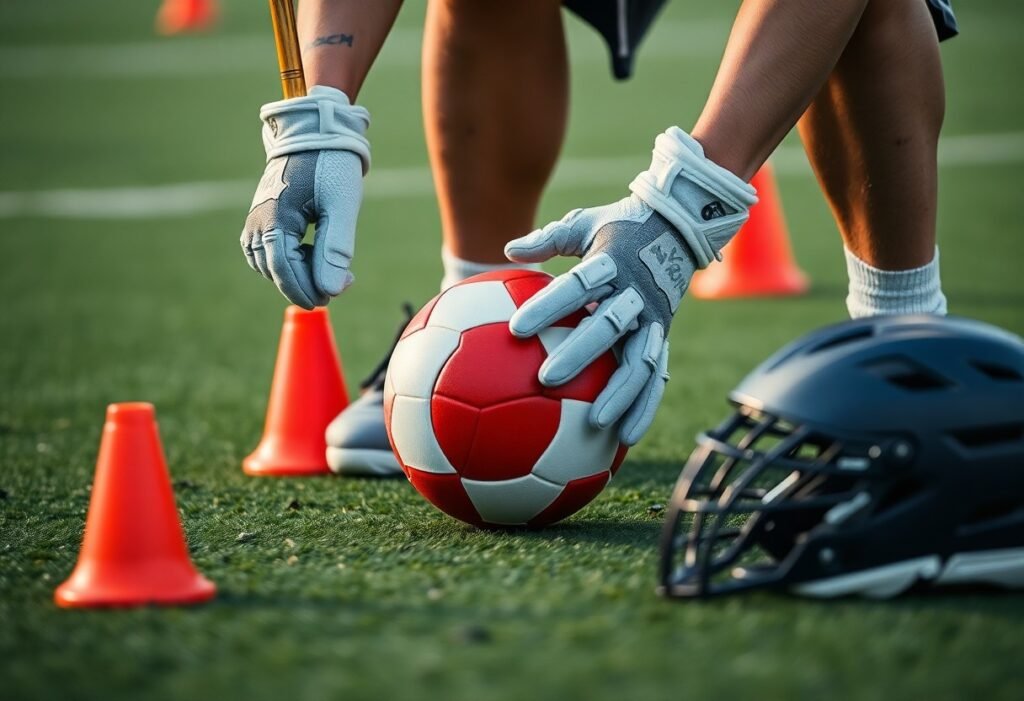

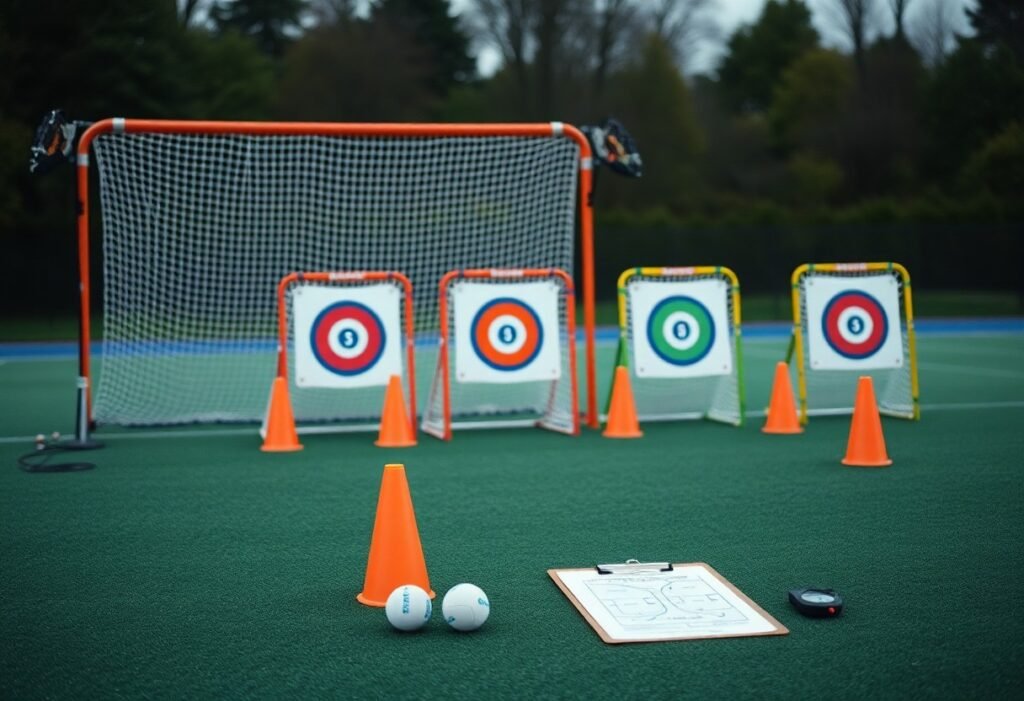
There’s more to accurate shooting than power; you build it through consistent mechanics, deliberate practice, and smart target selection. Focus on your grip, plant foot, and follow-through while aiming small and keeping your eyes on the goal. Drill shooting from game-like angles, practice quick release, and use feedback to refine technique. Prioritize safe shot placement to avoid injuring defenders or teammates and measure progress so your accuracy improves under pressure.
Key Takeaways:
- Develop consistent mechanics: refine grip, stance, weight transfer and follow-through to produce a repeatable, balanced shot.
- Practice targeted reps: shoot at small targets from varied angles and distances, include on-the-move and quick-release drills to build accuracy under game conditions.
- Use feedback and progressive training: film shots for technical tweaks, get coach input, then increase speed and pressure while maintaining aim.
Understanding Shooting Mechanics
You coordinate feet, hips, shoulders and hands to produce a repeatable shot; when you sync that chain you convert leg drive into velocity and accuracy, with many collegiate shots exceeding 60 mph. Focus on a consistent grip, a quick release and a compact follow-through. Practicing at game distances of 10-20 yards and timing releases under half a second trains the neuromuscular pattern you need. Prioritize hip and leg drive and avoid overreliance on arm strength that reduces power and increases turnover.
Key Elements of a Successful Shot
You must manage five elements: grip placement, pocket depth, footwork, hip rotation and release point. For example, practice shooting from 10, 15 and 20 yards to simulate close, midrange and outside opportunities. Drill a top-hand near the throat of the stick and a quick bottom-hand slide at release to shorten your motion. Coaches often time releases-aim for a sub-0.5s catch-to-release on fast breaks to beat goalies and increase scoring chances.
Importance of Body Positioning
You generate most power by transferring weight from back to front foot and snapping hips toward the target; a front foot planted at about a 30-45° angle opens your hips while keeping shoulders square improves accuracy. Maintain a slight knee bend to absorb contact and prevent high, lofted shots. Emphasize a compact torso rotation so your pass or shot stays controlled and repeatable under pressure, with hip snap as the primary power source.
You can fine-tune positioning with specific cues and drills: use a 3-step approach (receive, two strides, plant) from 10-15 yards to ingrain weight transfer and a 45° lead-foot alignment. If your shots tend to sail, check for a backward lean or a dropped elbow; both cause high misses. Also monitor injury risk-overrotation and poor lumbar bracing increase lower-back strain-so train core bracing and limit max-effort reps to avoid breakdowns late in games.
Tips to Enhance Shooting Accuracy
Refine your footwork, stick angle, and release point to reduce variability in shooting accuracy, and target compact, repeatable mechanics in every rep. Any focused repetition-such as you doing 3 sets of 60 shots from 8-12 yards aimed at the top corners-builds dependable muscle memory.
- Hand-eye coordination: wall ball, reaction drills, 3×60 catches
- Shot mechanics: consistent pocket, compact release, weight transfer
- Targeting: track makes per 25 shots, aim for 10-12″ windows
Focusing on Hand-Eye Coordination
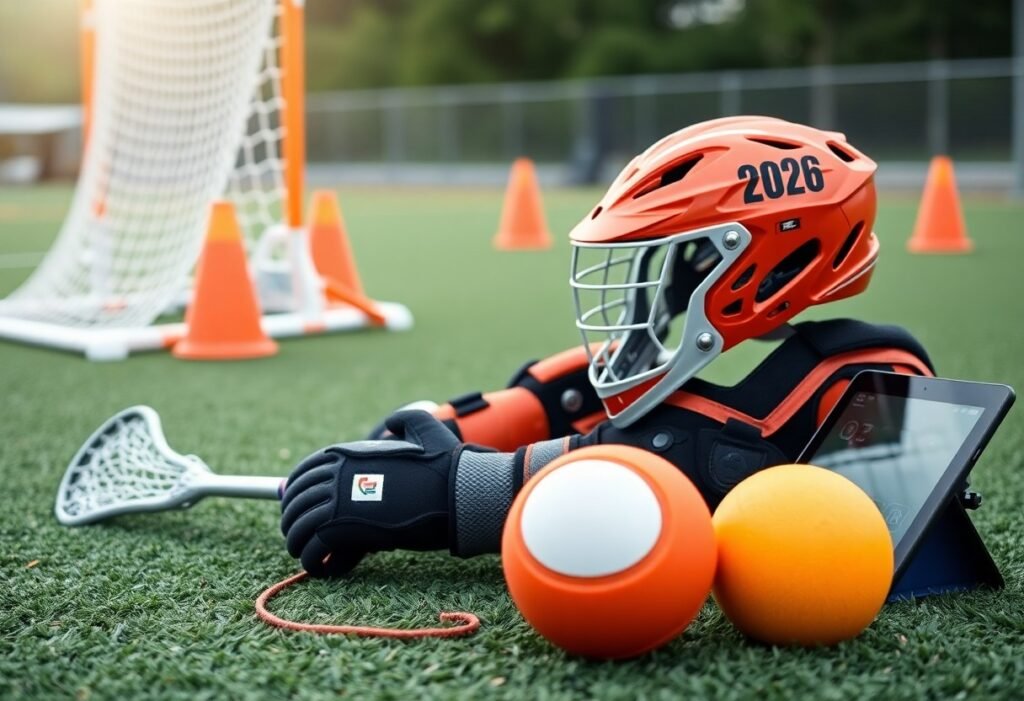
Train your reaction speed with wall-ball routines and partner drop drills, doing sets like 200 catches across three intervals to strengthen timing. Use a reaction ball, vision-training apps, and 30-second rapid-catch sprints to sharpen hand-eye coordination, so you deliver cleaner releases when defenders close the lane.
Practicing with Purpose
Set measurable goals each session: 30-45 minutes with four focused drills, tracking makes per 25 shots and pushing for a weekly improvement of about 5%. Vary release angles, add a defender or goalie, and train at ~80% intensity so reps transfer to game speed.
Begin with a 10-minute dynamic warm-up and five minutes of wall ball, then progress from stationary work (e.g., 50 reps at 8 yards) to on-the-run finishes and off-balance shots against a simulated defender. Film bursts of 25-shot sequences to analyze release point and accuracy, include a goalkeeper at least twice weekly, and log results so you can increase difficulty by 5-10% every two weeks while maintaining proper recovery and technique.
Factors Affecting Shooting Performance
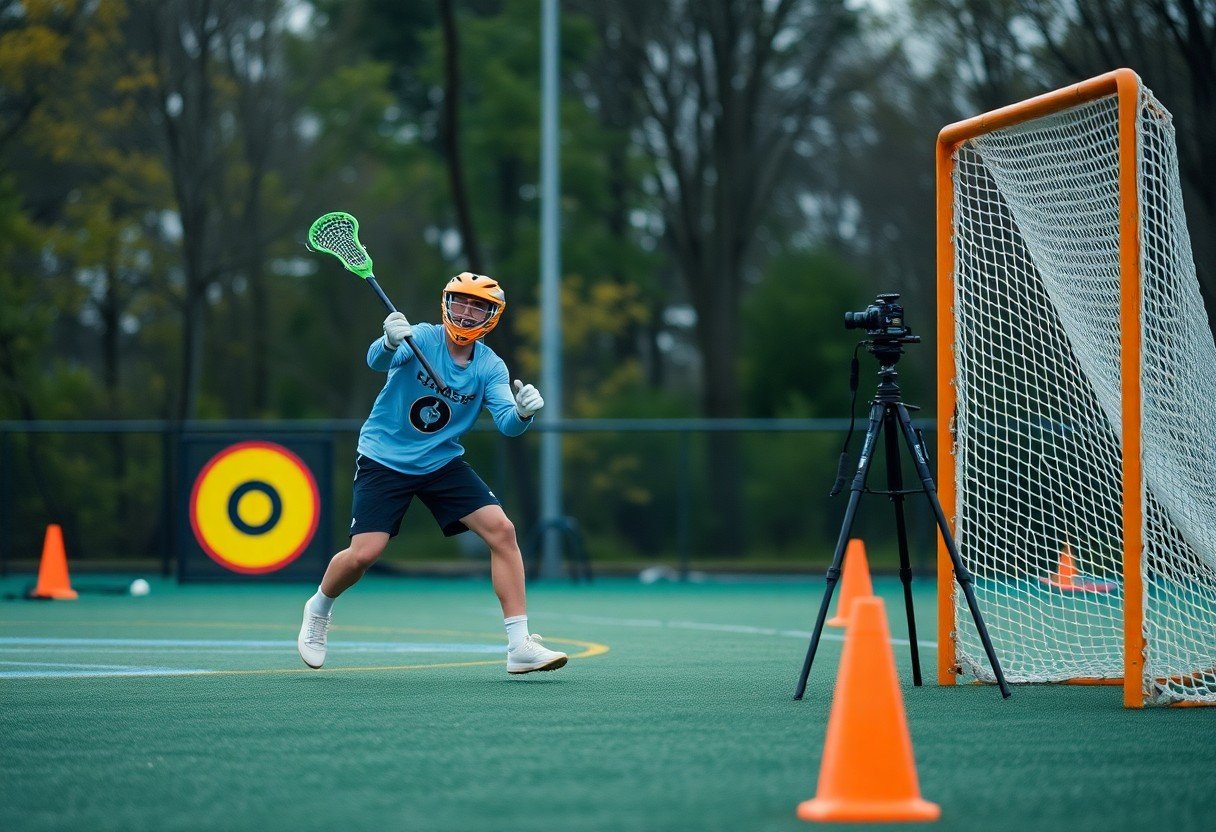
In games, your shooting depends on accuracy, shot speed and release; you must adapt to defender pressure, stick deflections, and angles. Practice drills like 5-spot rapid-fire, 10-shot under-pressure sets with a goalkeeper, and measured-speed work (aim for 80-100 mph for top attackers) to improve muscle memory. Use resources such as Master Lacrosse Shooting Techniques with Athletes Untapped for drill progressions. The. Focused repetition transfers to games.
- Shot placement – target corners under pressure
- Release timing – beat the close defender by 0.2-0.4s
- Goalie reads – watch shoulder/stance cues
Environmental Considerations
You must adjust for wind, lighting, and surface: crosswinds over 10 mph can push the ball feet off-line, while wet turf reduces stick grip and increases slip risk. Practice on natural and artificial fields and rehearse low, hard shots when rain is present. In high-altitude venues expect a ~5-10% increase in carry; change your aim and power accordingly to maintain accuracy.
Mental and Physical Readiness
You need a focused warm-up: 10-15 minutes of dynamic movement, plus 20-30 quick-stick repetitions to raise heart rate and sharpen reaction time. Aim for 7-9 hours of sleep and stay within 1-2% of hydration to avoid performance drops. Use breathing routines to control nerves and simulate 3-5 second decision windows in practice so your mechanics hold under pressure.
You should structure physical prep with 2-3 weekly strength sessions emphasizing hips, core, and posterior chain to increase shot power; include medicine-ball rotational throws (3×8-10) and single-leg stability work. Add 1-2 plyometric days for explosive hip extension and finish workouts with 30-shot fatigue sets to mimic fourth-quarter conditions. The reduced technique under fatigue raises shoulder and elbow injury risk if you skip proper recovery.
Drills for Improving Shooting Accuracy
Target Practice Techniques
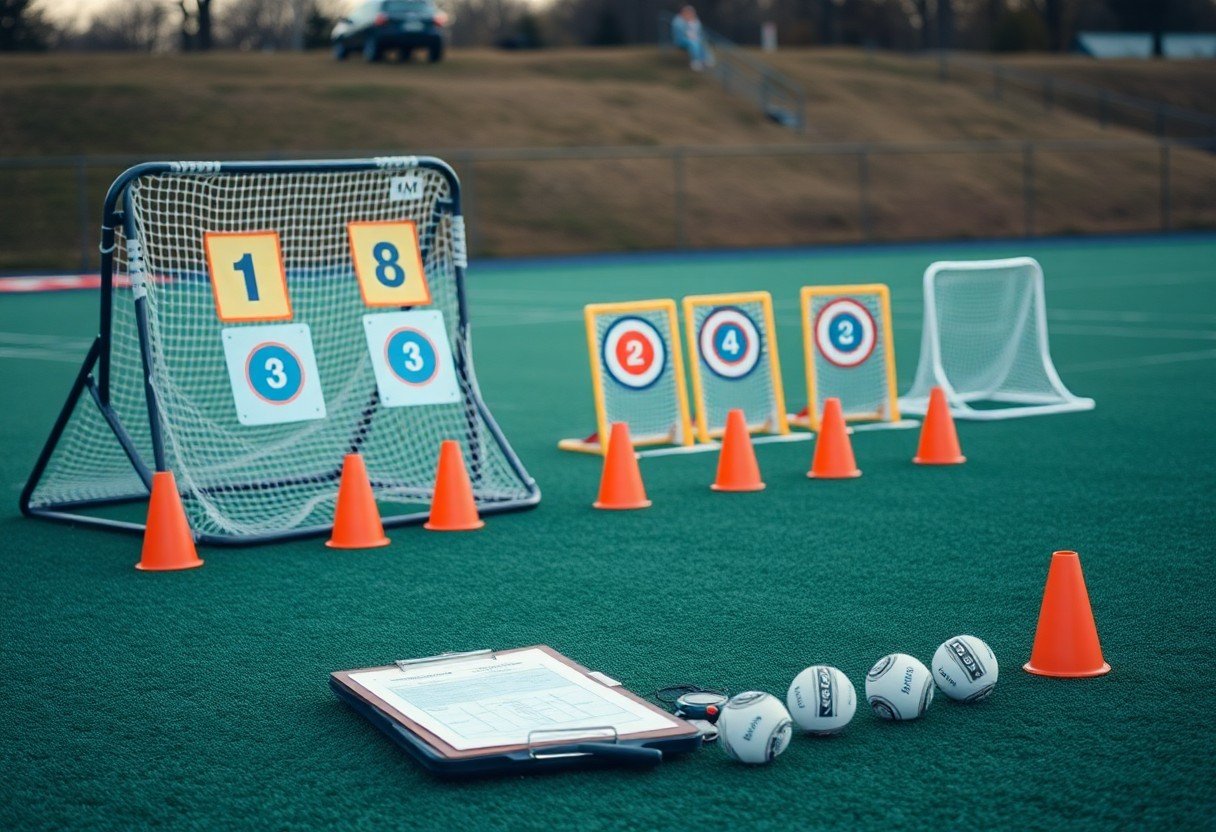
Set up five targets (top corners, low corners, five-hole, short-side) and have you cycle through them, taking 50 shots per target from 8, 12, and 18 yards to train range variability. Alternate your dominant and off-hand every 10 shots, and use a rebounder or live goalie for unpredictable bounces. Focus on repeatable mechanics; poor technique across 200+ weekly reps can cause shoulder strain, while focused target work yields measurable accuracy gains within weeks.
Incorporating Game Scenarios
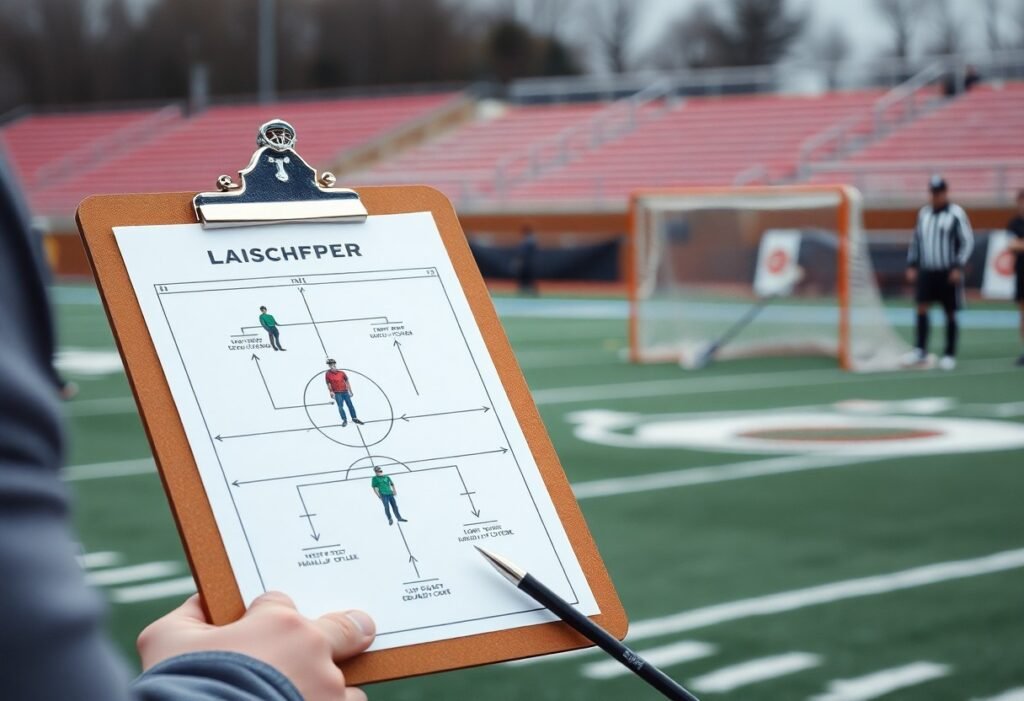
Simulate pressure by running 3-on-2 breaks, dodge-and-shoot wing reps, and five-second shot-clock sequences so you take at least 30 live shots per session against active defenders. Vary pass speed and include pump fakes, step-backs, and off-balance releases to mirror match conditions. Developing quick reads and release under stress helps; practicing at game tempo shortens your decision time and raises in-game conversion.
Progress complexity each week: begin with controlled 1v1 finishes, add a second defender, then run half-field 6v6 sequences with set plays. Track shot percentage by zone and average release time, aiming for three sessions weekly with 100-200 quality reps. Use video for technical fixes and prioritize rest-overtraining increases injury risk-so you sustain gains without downtime.
Analyzing Performance and Adjustments
When you analyze shooting, quantify everything: log 200 shots weekly with location, shot speed and on-target rate, then break errors into categories (footwork, grip, release). Use baseline tests – 50 shots from 10 yards, 30 from 15 – to spot trends and set a measurable goal like a 10-15% accuracy gain in four weeks. If low-line shots dominate misses, adjust release height and hip rotation by 30-45° and retest.
Video Analysis Techniques
Record at least two angles: a sideline at 60 fps and a diagonal behind the goal to capture release and body alignment. Slow-motion at 0.25x reveals a release time around 0.4-0.6s for elite players; compare your timing to reduce telegraphing. Use apps like Hudl or Coach’s Eye to draw vectors for stick path and hips, annotate frames where foot plant is off by 10-20 cm, then create a clip library of 10 corrected reps for muscle memory.
Seeking Feedback and Coaching
Ask a coach or experienced teammate for targeted feedback: three specific points-mechanics, decision-making, and consistency-with video-backed examples. Schedule at least two 30-minute review sessions per week, combining live drills and annotated clips. Prioritize a coach who gives measurable drills and homework; weekly metrics tracking forces accountability and speeds correction.
Start with a baseline: shoot 50 shots from 10 yards and 50 from 15, logging on-target count, average shot speed and miss patterns. Use that data to set a specific target – for example, raise 10-yard accuracy to 80% in six weeks – and build weekly homework: three practice days with one coached review, 5-spot shooting (5 reps per spot), 30 contested reps, and wrist/forearm strength work twice weekly. During reviews, have the coach tag 3 correction points and assign a measurable drill; retest every two weeks to confirm improvement.
Summing up
The fastest way to improve your shooting accuracy is to practice deliberate technique, focusing on grip, footwork, and release mechanics. Combine targeted drills, consistent repetition, video review, and strength and balance work to correct errors. Vary angles and practice under pressure, set measurable goals, and track your progress so you can adjust sessions and sustain steady improvement.
FAQ
Q: What fundamental mechanics most directly affect shooting accuracy in lacrosse?
A: Accuracy comes from consistent hand placement, a stable base, and coordinated body rotation. Keep your top hand near the throat of the stick for directional control and the bottom hand low for power. Plant your lead foot toward the target, transfer weight from back to front foot, and rotate hips and shoulders in a single, fluid motion so the stick follows the same path every shot. Aim with your eyes and head aligned on the intended target while maintaining a compact, repeatable release point.
Q: How should I position my hands, feet, and hips for the most accurate shot?
A: Grip the stick with a relaxed but firm hold: top hand near the shaft’s throat and bottom hand several inches from the butt end, allowing quick adjustments. Feet should be shoulder-width with the lead foot pointed toward the target and the rear foot providing balance. Drop your hips slightly and coil your torso; initiate the shot by uncoiling the hips, then the torso, then the arms. Finish with a controlled follow-through toward the target to keep the shot on line.
Q: Which drills build reliable shooting accuracy for both stationary and on-the-move situations?
A: Use spot shooting (place targets in each corner and alternate shots from set distances), wall rebound drills (aim for small targets to improve hand-eye and release trajectory), and stationary quick-release practice (catch, one-touch shot). For on-the-run accuracy, practice cradling into a controlled stride, planting the lead foot, and shooting in rhythm from slow to full speed. Add game-like elements: shoot after dodges, off a pick, and with a defender closing out to train timing and composure.
Q: How do I adjust my shot when facing a moving goalie or pressure from defenders?
A: Read the goalie’s set-up-if they push for the high corner, change elevation or aim low and quick. Use a quicker release by shortening the wind-up, and disguise your shot by hiding the ball until the last moment. Aim for smaller targets such as the five-hole or the top corners when the goalie over-commits. When pressured, prioritize a clean, compact motion and a faster but controlled release rather than extra power.
Q: How can I track improvement and make accuracy gains sustainable over time?
A: Set measurable goals (hit 8 of 10 corner targets from 10 yards, increase weak-hand makes by 30% in six weeks) and log results each session. Use progressive overload: increase distance, add a defender, or shorten decision time as accuracy improves. Film your shots to check mechanics, practice consistently with focused reps, vary drills to simulate game fatigue, and practice weak-hand shots daily. Regular evaluation and deliberate practice of identified weaknesses will produce steady, sustainable gains.