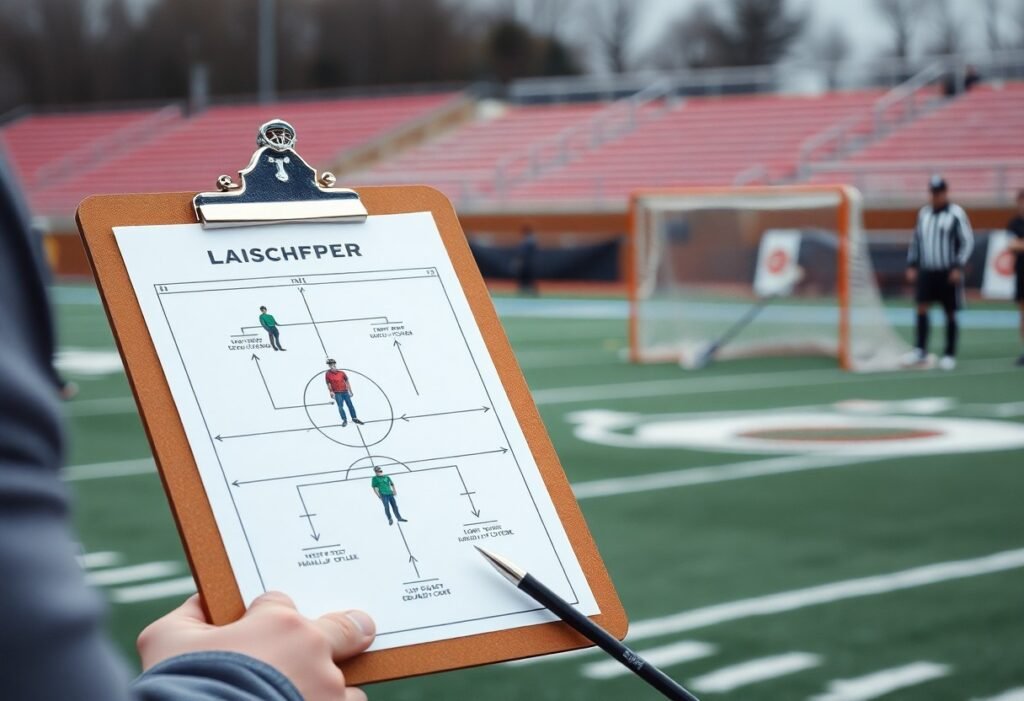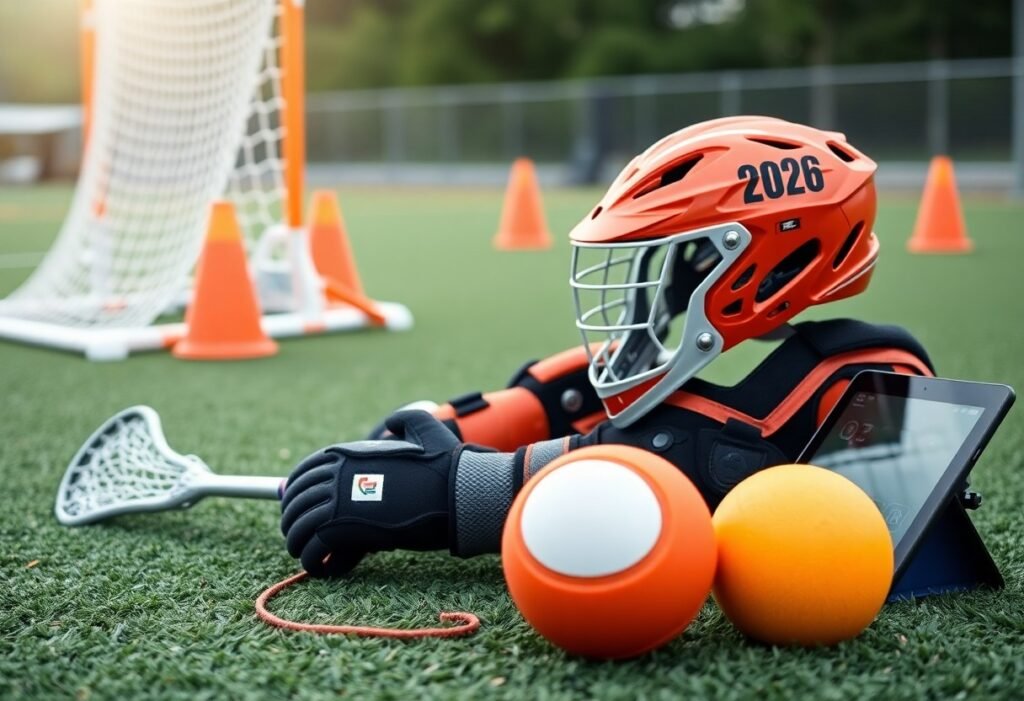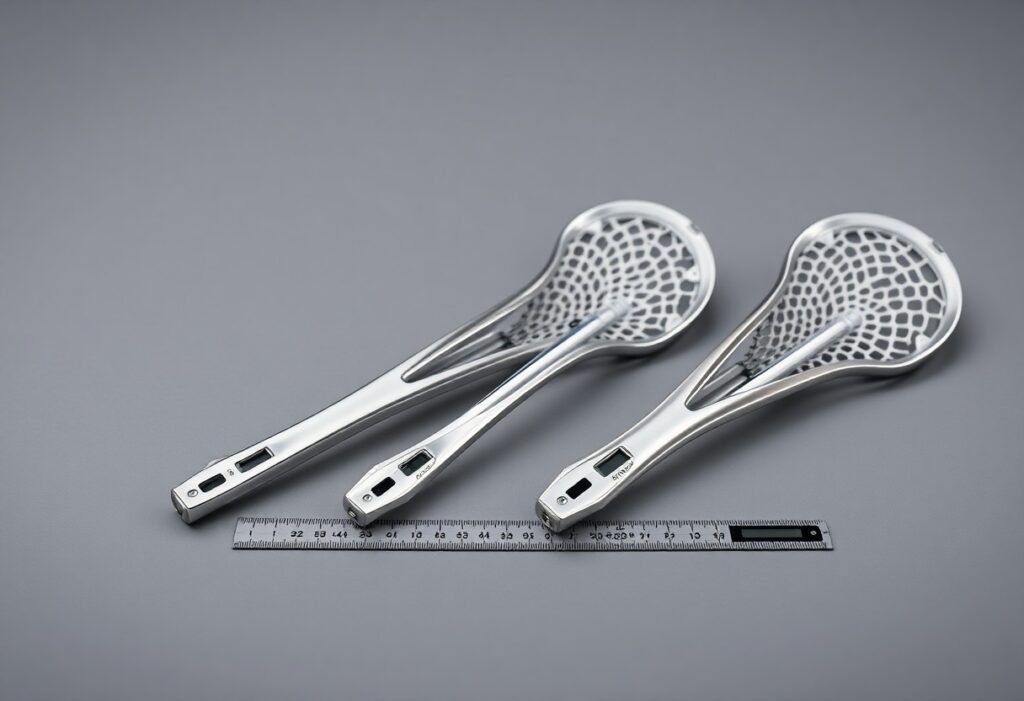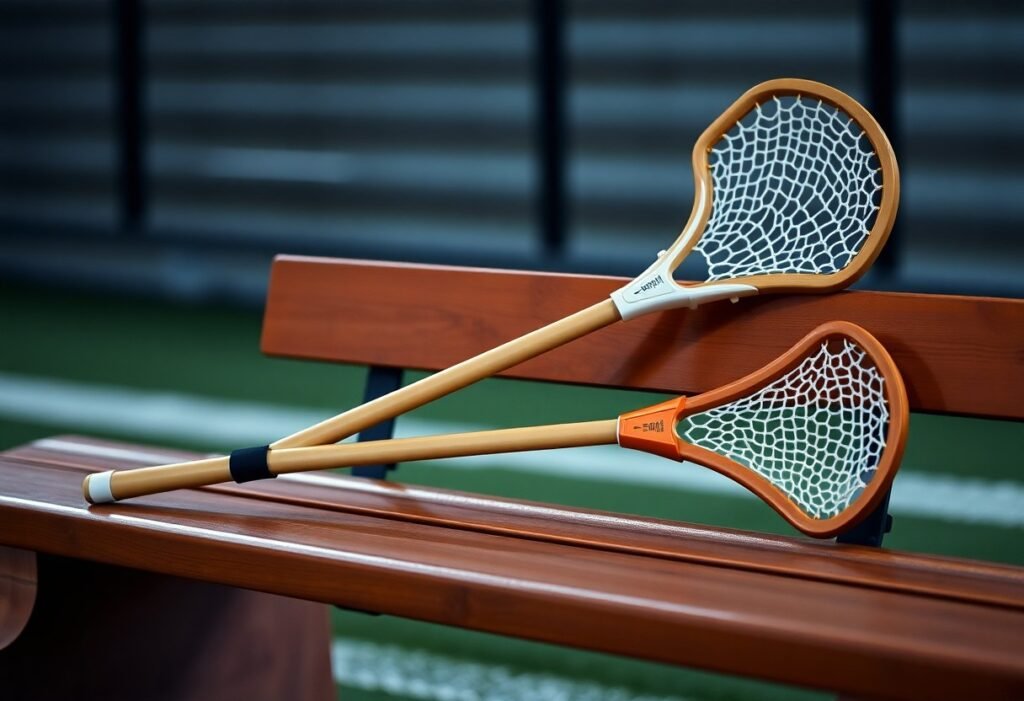

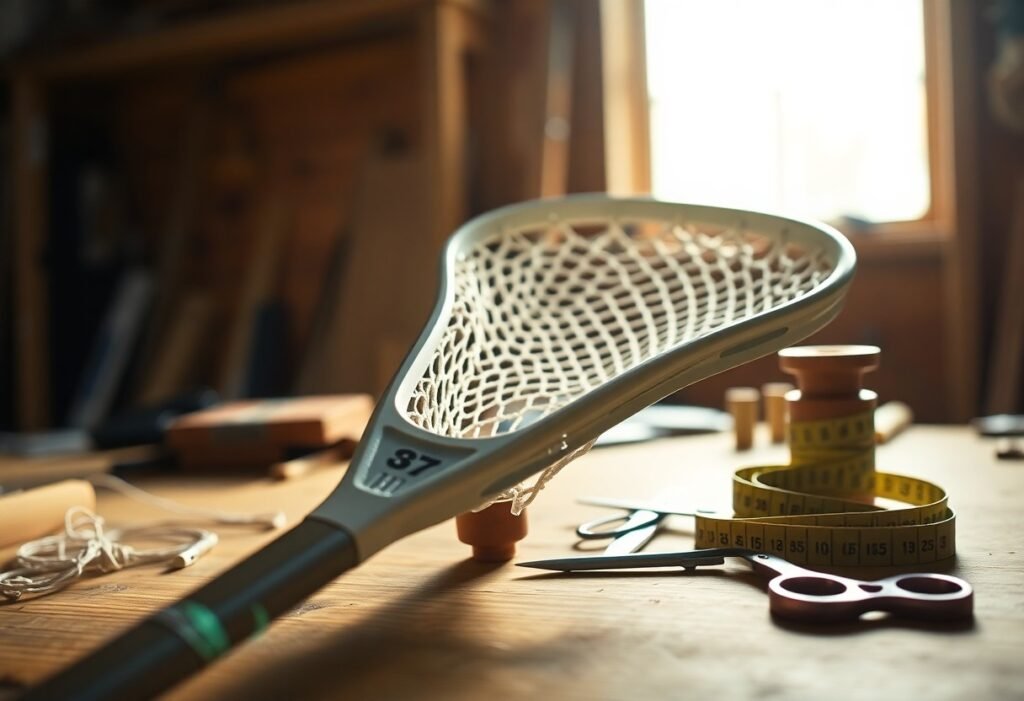
Most players skip simple upkeep, but if you want consistent performance you must inspect and care for your head: check string tension regularly, replace frayed mesh, and reshape the pocket after heavy use. Maintain sidewalls, shooters, and knots so your release stays true; worn strings can fail mid-game, causing injury or turnovers. With routine cleaning and proper stringing techniques, you’ll extend stick life and improve accuracy.
Key Takeaways:
- Inspect and adjust stringing regularly: tighten loose knots, replace frayed strings, and keep proper tuck/pocket tension to preserve consistency and legal depth.
- Maintain pocket shape and depth: use a ball to form the pocket, avoid excessive heat or soaking, and re-string when the pocket stretches or loses hold.
- Care for mesh, head, and shaft: wash mesh gently and air-dry, replace stretched mesh, protect the head from impacts and high heat, and check the shaft for dents or loose hardware.
Understanding Your Lacrosse Stick
You should know shaft length (attack: 30-36 in; midfield: 40-42 in; defense: 52-72 in) and head shape: wider for catching, narrower for ball control. Mesh type (soft vs hard) and pocket depth directly affect release and accuracy. Inspect for cracks in the shaft, frayed mesh, or loose sidewalls-these defects degrade performance and can fail mid-play.
Components of a Lacrosse Stick
Your stick combines shaft, head, mesh, sidewalls, shooting strings, and a pocket. Shafts come in aluminum, composite, or scandium and heads vary in scoop, throat, and flex. Mesh options include traditional woven or single-piece nylon; diamond pattern and tension (tighter = quicker release) alter hold. Also check the butt cap and end plug-missing parts change balance and handling.
Importance of Proper Maintenance
You preserve consistency and safety when you maintain stringing and pockets; pro players inspect sticks before each game and often restring once or twice per season depending on wear. Regular tuning keeps your release point stable and improves accuracy, while neglected stringing leads to unpredictable passes and higher risk of on-field failure.
Actionable steps include tightening shooting strings to refine your channel, reweaving loose sidewalls, replacing frayed top strings, and swapping out stretched mesh-use waxed lacrosse cord, a needle, and pliers. Check pocket depth against your league before competition and carry spare strings; many club players add 3-6 months of usable life by performing monthly spot checks and small repairs.
How to String Your Lacrosse Stick
Choosing the Right Stringing Material
You should match mesh and string type to your play: use 10- or 12-diamond polyester mesh for a balanced release, 14-diamond soft mesh for more hold, and hard mesh for quick snaps. Pick shooters and top strings in waxed nylon or polyester cord (commonly 1.5-2.0 mm); leather/runners add feel but can stretch. Pro players often run 2 shooting strings for consistency and 3-6 sidewall knots for stability.
Material vs Use
| Material | Best Use |
|---|---|
| 10-12 diamond polyester mesh | Balanced hold and quick release |
| 14 diamond soft mesh | More cradle hold, slower release |
| Waxed nylon/polyester strings (1.5-2.0 mm) | Shooting/top strings, resists slipping |
| Leather runners | Enhanced feel, will stretch over time |
Step-by-Step Stringing Process
Begin by aligning mesh to the head and pre-stretching it; attach the top string evenly across the first 2-3 holes, then weave sidewalls through 4-8 holes per side to set channel shape. Add 1-4 shooting strings-spacing higher for more hold, lower for a quicker release-then tighten knots progressively to avoid warping the head. Avoid over-tightening, which can deform the scoop and ruin performance.
Stringing Steps vs Tip
| Step | Tip |
|---|---|
| Top string | Use even tension across 2-3 top holes to set initial pocket |
| Sidewalls | Weave symmetrically; 4-6 sidewall knots per side gives stable channel |
| Shooting strings | 1-4 strings: higher = hold, lower = speed |
| Final tensioning | Tighten gradually and test with ball to set pocket depth |
When fine-tuning, you can swap a middle shooting string for a tighter, thinner cord (0.8-1.2 mm) to increase snap, or loosen a top-sidewall knot to deepen the pocket slightly; many college-level players adjust by 1-2 mm of tension during practice. Use secure knots like a double half-hitch or interlock for long-term stability, and recheck after 5-10 sessions since new mesh commonly stretches.
Adjustment vs Effect
| Adjustment | Effect |
|---|---|
| Raise shooting strings | More hold, slower release |
| Lower shooting strings | Quicker release, less ball retention |
| Tighten sidewalls | Sharper channel, more accuracy |
| Loosen top string slightly | Deeper pocket, better cradle control |
Tips for Maintaining Your Pocket
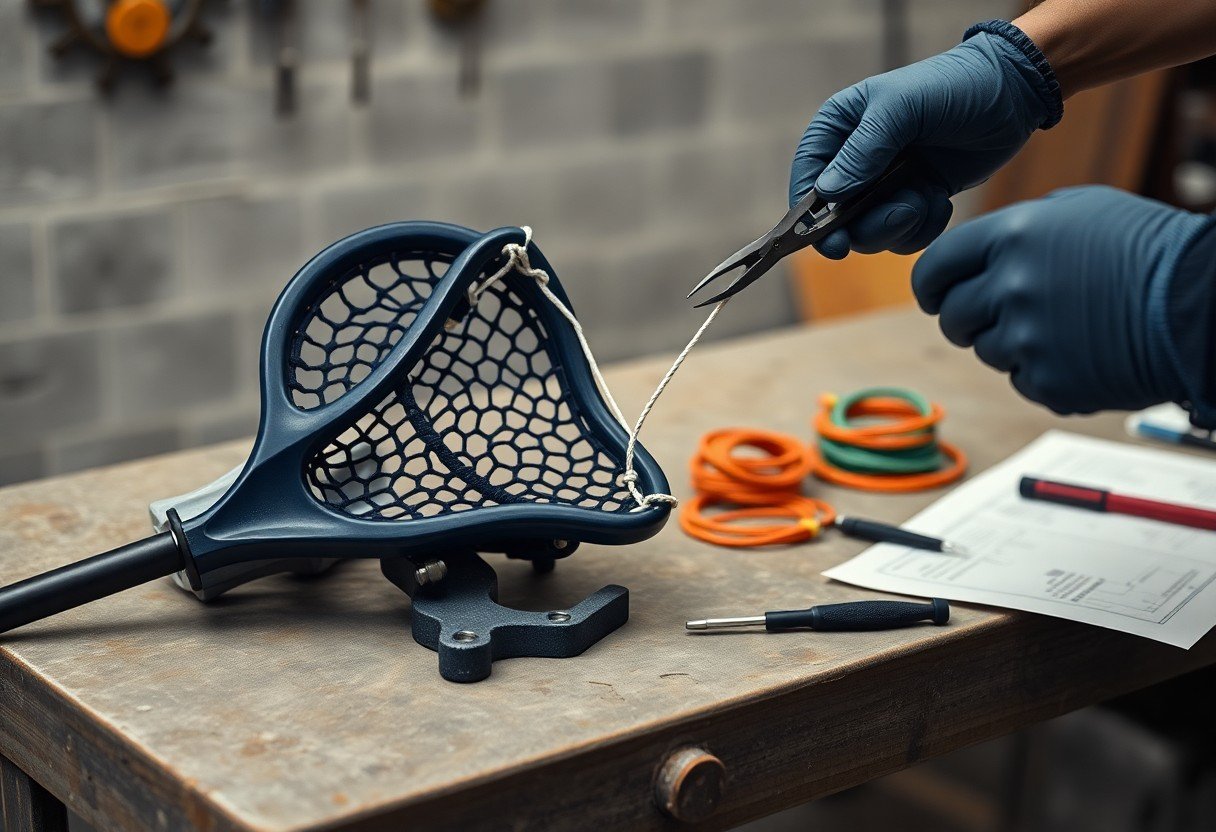
Inspect your pocket weekly: check for frayed stringing, loose knots, and shifting mesh. Replace worn sidewall strings and retie knots promptly to avoid mid-game failures; replace worn sidewall strings and adjust shooting strings in 1/4-1/2 inch increments to fine-tune release and hold. Avoid letting the pocket deepen past your head’s legal limits since frayed strings can snap and cost possession. This WLAX Women’s Pocket Maintenance guide offers model-specific repair tips.
- Tighten top stringing to raise the ball for quicker releases.
- Loosen lower knots to deepen the pocket for better carry during cradles.
- Move shooting strings 1/4-1/2″ to adjust release point.
- Replace frayed sidewall and bottom strings before they fail in-game.
- Break in new mesh with 50-100 controlled throws to stabilize shape.
Importance of Pocket Depth
You need consistent pocket depth because it directly affects hold, release, and legality; aim for roughly 1-2 finger widths behind the scoop for a balanced mid pocket. Attackers may prefer about 1/4″ deeper for extra carry, while defenders keep it shallower for quicker checks. Small changes of 1/4″ can noticeably alter ball retention and release timing during fast plays.
Adjusting the Pocket for Performance
Start by moving the shooting strings 1/4-1/2″ toward or away from the scoop: closer gives a quicker release, lower gives more hold for controlled shots. Tighten top stringing to raise the ball and loosen bottom knots to soften the cradle; then test with 20 throws to confirm consistency across passes and shots.
For attacking play, shift shooting strings ~1/2″ toward the scoop and add a shallow bottom channel to lock the ball during dodge moves; for faceoffs or defensive roles, raise the top string by one notch and tighten sidewalls to reduce unwanted ball movement. Use incremental adjustments-no more than 1/4″ each step-and record outcomes (accuracy, release time, turnovers) over 30 reps to quantify the effect before finalizing.
Caring for Your Mesh
Cleaning and Conditioning Mesh
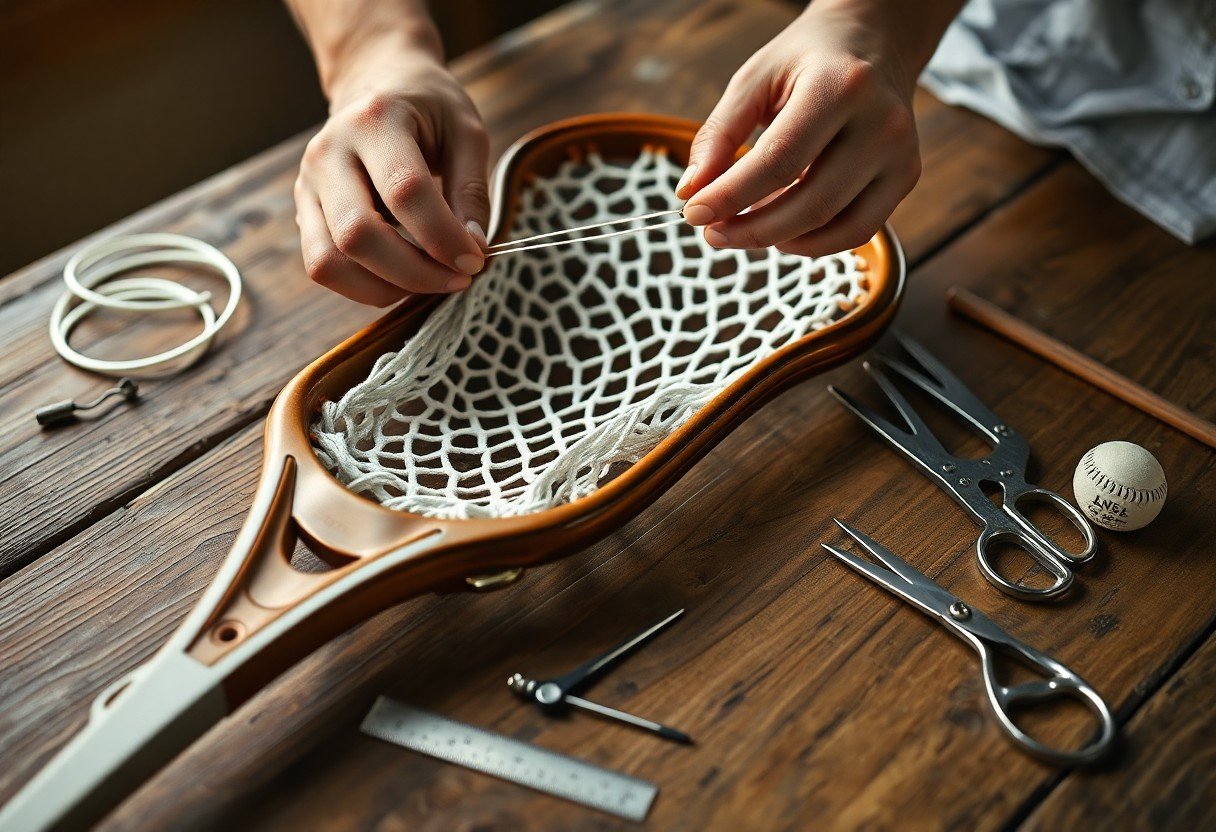
You should clean mesh after muddy games or every 4-6 weeks: soak in lukewarm water for 5-10 minutes with mild soap, gently scrub with a soft brush, then rinse thoroughly. Avoid bleach or hot water which can weaken fibers-never use bleach or hot water. Air-dry away from direct heat for about 24 hours. For older synthetic mesh, a light silicone spray can restore suppleness and repel water without altering pocket shape.
Repairing and Replacing Mesh
If you notice stretched diamonds larger than 1/4 inch (≈6 mm), persistent sagging, or frayed edges, it’s time for you to repair or replace. Minor tears and single broken diamonds can be patched with waxed nylon and a needle; extensive structural damage calls for full replacement. Replacement mesh typically costs $10-$30 and comes in soft, semi-soft, and hard options that change hold and release.
You remove sidewall knots and the top string to slide out old mesh, align the new mesh so the center diamond sits under the scoop, then secure the top string before re-lacing sidewalls with waxed nylon (1.25-1.5 mm). Tighten sidewalls incrementally to set pocket depth, test with 200-300 wall-ball reps to break in, and check knot security after the first practice to avoid loosened strings.
Factors Affecting Stick Performance
Your stick’s feel and function depend on head geometry, shaft material, mesh type, pocket depth, and string tension. Composite shafts are often lighter by several ounces versus aluminum, while different head shapes change release angle by degrees; mesh choice (hard vs soft) alters hold and backhand control. Deeper pockets increase hold by a few finger-widths but can slow release. Any adjustments to string tension, pocket depth, or mesh type will change shot speed, accuracy, and handling.
- Stringing
- Mesh
- Shaft material
- Head shape
Weather Conditions
High humidity (above 60%) and rain make mesh absorb water, adding weight and increasing sag by several millimeters to over 1 cm after prolonged exposure; freezing temperatures below 32°F (0°C) can stiffen or crack older mesh and leather, while heat and sun (above ~90°F/32°C) accelerate UV degradation. You should dry your stick after wet games, rotate heads between sessions, and inspect hardware for rust if you play near salt air.
Playing Style
If you play attack and need quick releases, you’ll prefer a shallow pocket (~1-2 finger widths) and tighter top-string for minimal whip; midfielders often use a balanced 2-3 finger channel for cradle and passing, while long-stick defenders choose deeper pockets (~3-4 finger widths) for secure checks and holds. You’ll find mesh hardness and sidewall patterns directly influence accuracy and hold during checks.
For setup, tighten the top string slightly for shooters to reduce whip, loosen a middle channel for dodgers who need hold, and use a reinforced bottom string if you play defense to prevent over-stretching; expect a new mesh to break in over roughly 2-10 hours of wall ball or a few games depending on mesh type. You should also log changes-note knot positions and tension-so you can reproduce the feel that matches your role.
Common Mistakes to Avoid
You often see the same errors: over-tightening strings, ignoring frayed mesh, uneven pocket depth, and using the wrong mesh for your position. If you play several times a week, expect to replace mesh every 1-2 seasons, and check knots after each heavy practice. Small issues-loose sidewalls, shifted shooting strings, or a scooped pocket-compound quickly, so spot-check your head for irregularities and fix them before they affect throws or get worse.
Over-tightening Strings
When you pull sidewalls or shooting strings too tight you risk a warped head and snapped mesh strands, which kill feel and accuracy. Let the shooting string have about 1/4-1/2 inch of give under finger pressure so the ball seats but still releases cleanly. Many players who overtighten notice poorer checks and more broken knots within weeks, so tighten gradually and test with several catches and shots.
Ignoring Signs of Wear
Frayed knots, thinning mesh diamonds, discoloration, and inconsistent release are clear signals you can’t ignore; most mesh shows wear after 1-2 seasons of regular play. You should inspect your head weekly during the season, and if you see whitish fuzz, split strands, or shifting pocket shape, plan a repair or replacement-continuing to play increases the chance of mid-game failure and degraded performance.
When you inspect more closely, look for specific failure modes: sidewall knots that have loosened by 1-2 wraps, shooting strings with grooves from the ball, or mesh with stretched diamonds. Re-tie sidewalls with consistent tension (typically 5-8 tight wraps), replace shooting strings after visible wear or every 6-12 months for frequent players, and keep spare strings in your bag to avoid sudden pocket collapse during games.
Summing up
So, you should inspect and tighten your strings regularly, reshape and break in the pocket to maintain consistent ball control, and replace worn mesh before it frays to avoid performance loss. Clean and dry your head after wet conditions, use proper knots and recommended materials, and store your stick away from extreme heat to preserve shape. Consistent maintenance extends life and keeps your play predictable.
FAQ
Q: How often should I inspect and restring my lacrosse stick?
A: Inspect before every season and after heavy use: check for frayed or stretched mesh, slipping sidewall knots, worn shooting strings, and an inconsistent release or hold. Light recreational players may inspect every 3-6 months; frequent players should check monthly. Restring whenever knots slip, diamonds pull out of alignment, the pocket loses consistent shape, or you see visible fraying that could lead to breakage.
Q: What are the basic steps and tools for restringing a head or repairing sidewall knots?
A: Basic tools: lacing needle, waxed polyester or nylon string, scissors, lighter or heat source to melt synthetic ends, and a spare mesh if replacing it. Steps: remove damaged string(s), thread new top string and secure to the scoop, align mesh diamonds symmetrically, run sidewall strings through the head holes with even tension, set pocket depth as you tighten, and finish with secure knots tucked down. Test by catching and shooting, then re-tension knots as needed.
Q: How should I clean and dry mesh, shooting strings, and the head without damaging them?
A: Rinse mesh and head with warm water and mild soap to remove dirt and sweat; scrub gently with a soft brush. Rinse thoroughly and air dry in shade on a rack or hang by the throat-avoid direct sunlight, car trunks, heaters, or dryers. For leather components use a leather cleaner/conditioner recommended for sports gear. Do not tune or retighten strings while they are wet; allow them to fully dry first since wet strings will shrink and change tension.
Q: What’s the safest way to break in a new mesh pocket or reshape an old one?
A: Use natural play (throwing and catching) to form the pocket. Accelerate the process by placing a ball in the pocket and securing it overnight with straps or tape so the ball presses into the mesh. Lightly dampening synthetic mesh before shaping can help, but avoid soaking the head or leather components. Repeated shots and scooping will refine the pocket; make small tension adjustments to shooting strings and sidewalls until release and hold feel consistent.
Q: How do I protect my stick from environmental damage and extend string/mesh life?
A: Store sticks at room temperature out of direct sunlight and away from car trunks or radiators. Keep sticks dry-air out gear bags after practice and remove balls from pockets during storage to avoid permanent deformation. Avoid prolonged exposure to extreme cold or heat which can weaken synthetic fibers and plastic heads. Carry a small repair kit (needle, spare string, scissors, lighter) and address minor frays or loose knots promptly to prevent larger failures.