

Over the past decade you’ve seen cornhole evolve into a skill-driven sport; to sharpen your game and study elite strategy, follow players who combine consistency, tactical acumen and composure under pressure. Track those who face high-stakes tournaments and adapt shot selection mid-match, and watch rising stars whose precision and shot variety can transform your approach and tournament prep.
Key Takeaways:
- Watching top players demonstrates advanced shot selection, consistency techniques, and in-match adjustments that speed skill development.
- Follow their livestreams and social channels for match breakdowns, practice routines, gear choices, and strategy discussions.
- Engage with fan communities to find drills, local event info, and behind-the-scenes insights into training and competition.
History of Professional Cornhole
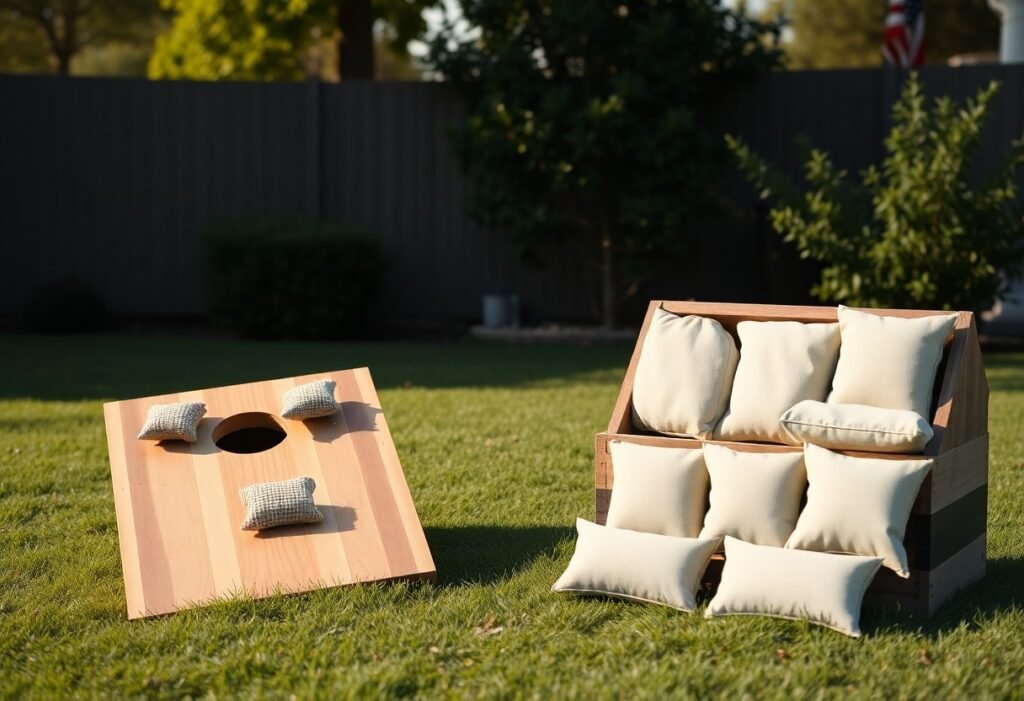
Tracing its path from neighborhood cookouts to national stages, the sport’s history shows how rule standardization and media exposure shaped pro play. You’ll see how grassroots tactics translated into repeatable techniques, with 24×48-inch boards, a 6-inch hole, and 27-foot spacing becoming the baseline equipment that let tournaments compare skill fairly. Growth in organized tours and streaming amplified sponsorships, and you should note the flip side: increased travel and dense schedules raise the risk of overuse injuries and burnout for top players.
Origins of the Game
Early versions emerged in rural American communities where families tossed corn-filled sacks at slotted platforms; records and oral histories point to the Appalachian and Ohio River Valley regions popularizing the pastime in the 19th and early 20th centuries. You can trace design continuity-bag sizes, corn as filler, and rectangular platforms-across decades, which helped communities develop shared etiquette and informal scoring well before formal rulebooks appeared.
Evolution into a Competitive Sport
Formal competition accelerated once organizers standardized boards, hole placement, and scoring; that consistency let you compare performances across events and enabled ranking systems. Professional circuits expanded rapidly in the 2000s and 2010s, with major tours adding televised finals and sponsors, turning local champions into touring pros and pushing performance data, practice regimens, and coaching into the mainstream.
For more detail, examine how leagues introduced divisions, seeding, and point systems that reward consistency-tournaments now use best-of formats, bracket play, and ELO-style rankings to seed fields. You’ll notice pros logging hundreds of practice hours, using video analysis to refine release angle and arc, and winning events that offer five-figure purses, all of which transformed cornhole from a backyard pastime into a performance-driven sport.
Key Skills of Professional Players
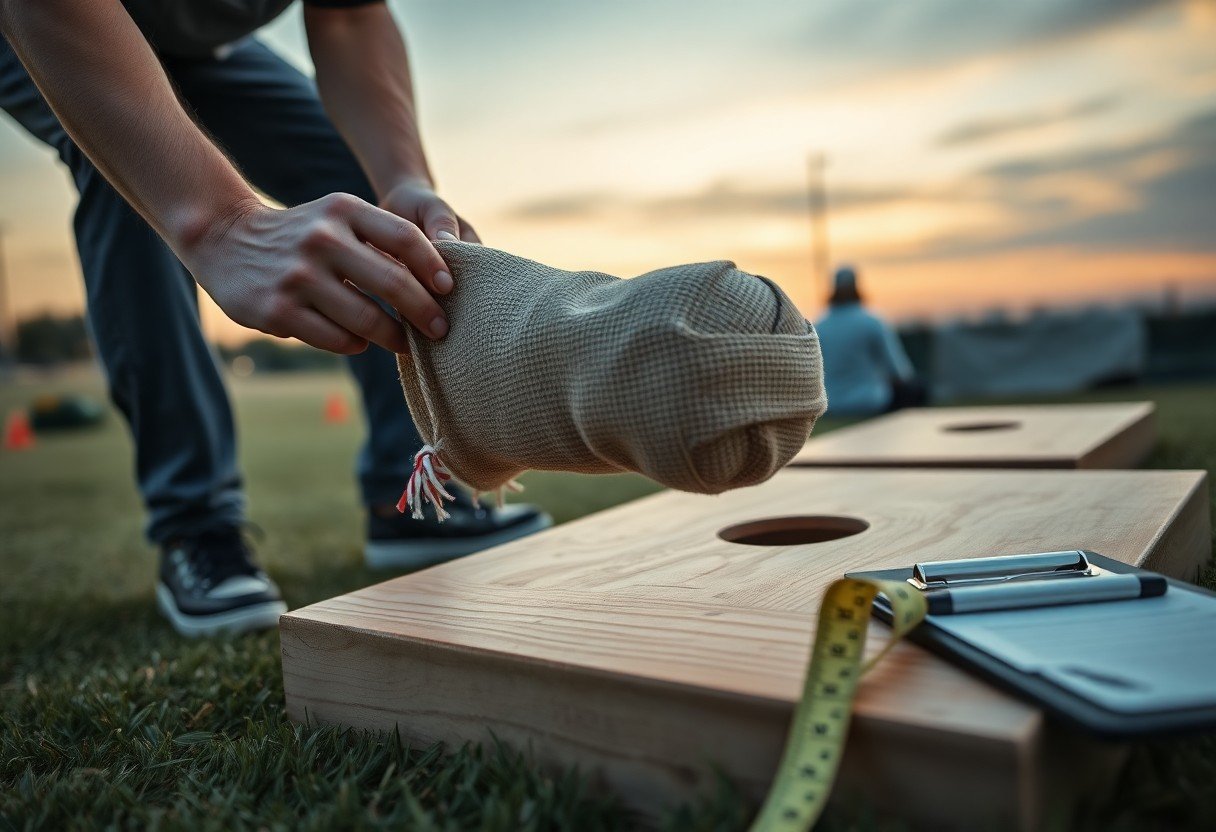
Mastering repeatable mechanics, situational decision-making, and mental resilience separates pros from weekend players. You should train from the regulation 27-foot distance until your release and arc are consistent; many elite players log 200-300 targeted reps per week to maintain form. Emphasize shot selection drills-blocking, push shots, and airmails-so your execution under pressure becomes instinctive and match-ready.
Throwing Technique
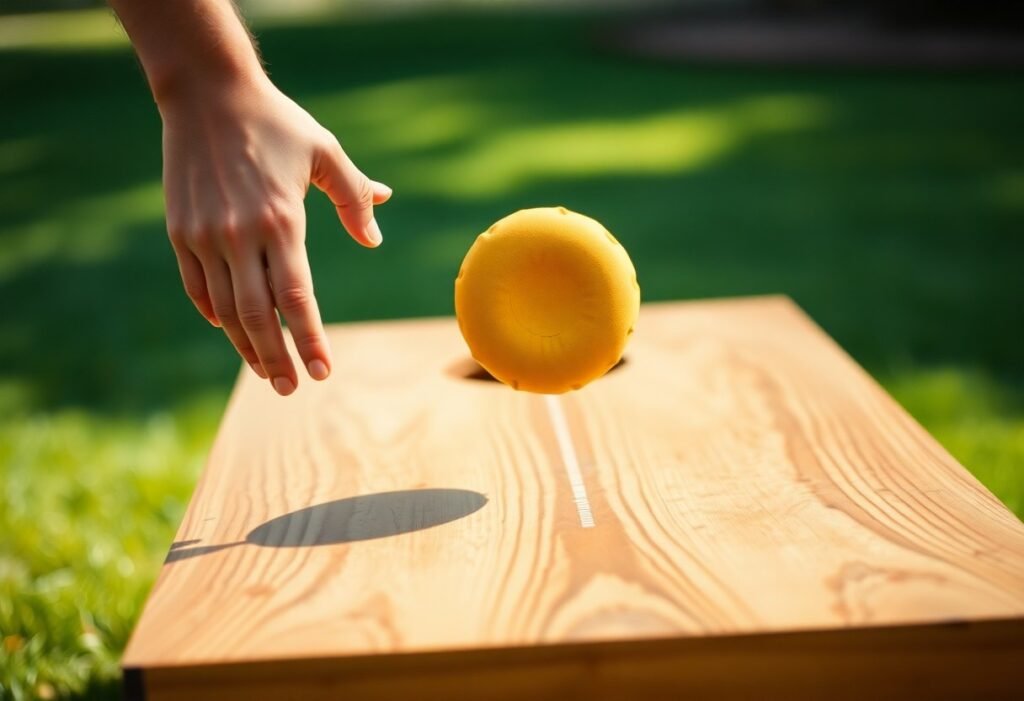
Your setup begins with a balanced stance and weight slightly forward; release timing is everything, typically within 6-8 inches of the hip for consistency. Use a smooth arm swing, a relaxed wrist to impart a slight forward spin, and a controlled follow-through aimed at the board’s front lip to encourage slides. Drill 5 sets of 50 throws focusing on identical release points to eliminate variance.
Game Strategy
Strategy is about forcing opponents into low-percentage decisions: you deploy a block to deny easy slides, a push to score two bags, or a high-variance airmail when trailing. Track score, outs, and opponent tendencies-if they miss under back-pressure, apply blocks; if they overcommit to heavy spin, use soft landers to counter. A single strategic frame can swing a match by 3-4 points.
When you’re ahead, prioritize defensive frames-lock the board with blocks and avoid risky airmails; when behind, increase variance by targeting airmails or bank shots that can change expected value. Use a simple rule: if you need 5+ points across two frames, favor higher-variance plays; if you need 1-2 points, play controlled push or block shots. Practicing situational drills (score-specific reps) improves your ability to choose the optimal shot under pressure.
Prominent Professional Cornhole Players
Player Profiles
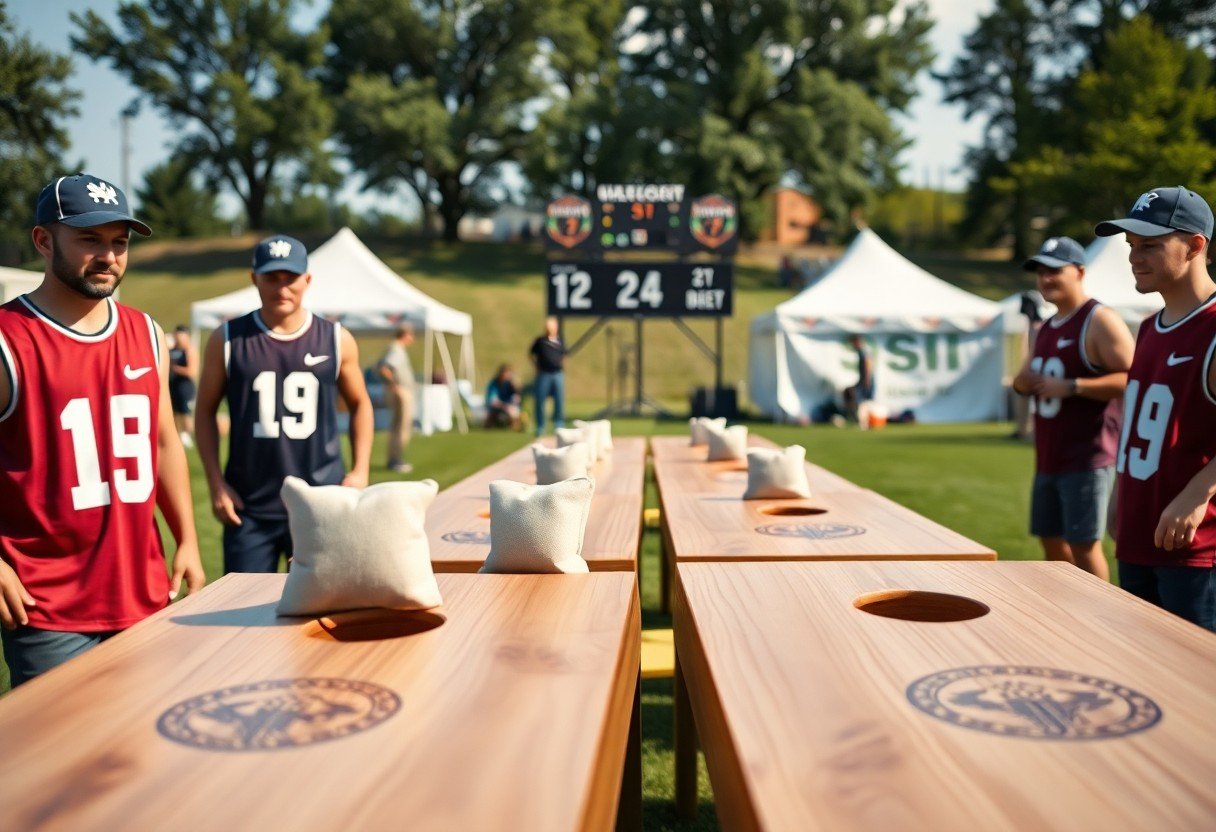
You’ll notice players like Ben Johns, a multi-time ACL World Champion who redefined spin and release, and Matt Guy, known for surgical consistency in top-10 ACL finishes. You can study Jamie Graham for elite women’s strategies and clutch doubles play. Each profile reveals different strengths – Johns’ shot variety, Guy’s steady cadence, Graham’s strategic positioning – giving you clear models to adopt in practice.
Notable Achievements
You can track majors like the ACL World Championship and the US Open of Cornhole, where top pros compete for six-figure seasonal sponsorships and major purses (majors often pay >$10,000 to winners). Ben Johns’ multiple world titles and frequent top finishes illustrate dominance; Matt Guy’s regular top-10 results show reliability; Jamie Graham’s women’s titles underscore elite competitive consistency you can emulate.
Dig deeper and compare singles versus doubles records: winning both singles and pairs shows complete skill, while consistent top-5 finishes indicate match-temperament. You should analyze match footage to spot Johns’ varied release angles, Guy’s repeatable form, and Graham’s defensive blocks; those patterns explain why players convert high-pressure shots and secure sponsorships that fund travel and coaching.
Major Cornhole Tournaments
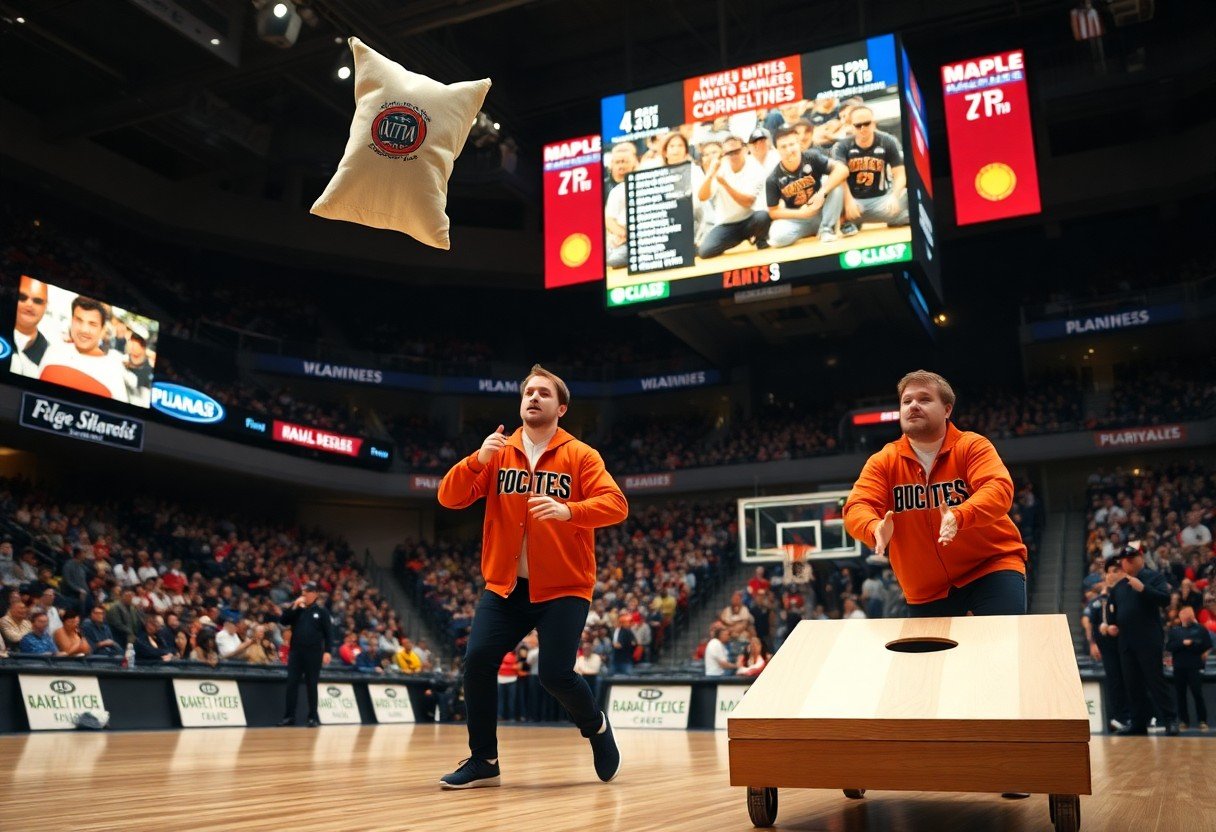
When you follow the pro circuit, the ACL Pro – American Cornhole League is the centerpiece; check schedules and pro rosters at ACL Pro – American Cornhole League. The ACL stages over 100 sanctioned events yearly, including a points-driven season and the ACL World Championship, so watching those matches helps you study pacing, pressure shots, and pro-level strategy.
American Cornhole League (ACL)
You will see the ACL run a structured, points-based pro tour with regional qualifiers, televised finals, and formats for singles and doubles. Top names like Ben Johns frequently dominate ACL fields, so reviewing ACL match footage exposes you to advanced spin, blocking setups, and late-match adjustments. Expect intense brackets and high-level tactical play that sharpen your competitive instincts.
Other Noteworthy Tournaments
Beyond the ACL, you should watch independent marquee events such as the U.S. Open and major regional championships; these often feature rising pros, unique formats, and variable prize pools that reveal different competitive pressures. Tournaments outside the ACL are where you spot new techniques and players climbing the ranks.
Many of these events run large fields-often 64-128+ entrants-with double-elimination brackets and shorter match windows that test clutch consistency. You can use them to study specific scenarios like comeback strategy and late-game shot selection, and to identify players who translate regional success into national contention.
Growing Popularity of Corhole
Momentum has pushed cornhole from tailgates into mainstream sports culture: you now see dozens of ACL events streamed yearly, championship matches airing on major sports networks, and highlight clips pulling millions of views online. Sponsorships and prize money have increased, giving pros sustainable careers. The surge in casual play has introduced unsanctioned wagering and occasional safety issues. Choosing sanctioned events is wise if you want stable competition.
Media Coverage
Follow pro matches through live streams on league channels. Watch highlight shows on ESPN and regional sports networks. Many ACL finals are packaged into weekend sports coverage. Study individual match reels on YouTube that reach hundreds of thousands of views. Use replay angles, camera-assisted shot breakdowns, and commentator analysis to learn advanced strategies.
Community Engagement
Local leagues, college clubs, and corporate series now fill weekend calendars. Many city circuits draw hundreds of players per event. Charity tournaments raise significant funds. Joining these scenes gives you match reps and social networks. You gain a clear pathway toward sanctioned amateur rankings.
Join a sanctioned league or weekend open to deepen engagement. Many leagues use rating systems and post standings to help you track progress and enter appropriate divisions. Volunteer-run tournaments and youth clinics serve as common entry points. Weekend summer series often run double-elimination brackets and skill clinics led by touring pros. Attend league nights and open practice sessions. Use social platforms or the ACL event calendar to find nearby play. Consistent match play accelerates skill gains and networking. Staying in sanctioned events reduces the risk of disputes.
Future of Professional Cornhole
The next phase will center on data-driven training and commercial growth. Wearable sensors and slow-motion analytics are lowering variance in delivery. Sponsors are underwriting more events. Top tournaments now offer five-figure prize pools, making full-time play viable. You’ll see performance coaches applying biomechanics. Teams will use video scouting libraries. Leagues are refining formats to boost TV and streaming ratings.
Emerging Talent
More young players are breaking into pro fields. Under-25 competitors routinely advance to televised brackets. You can follow junior circuits, collegiate clubs, and academy programs feeding the ACL. Many prospects log disciplined practice, often 300-500 throws per day. They use targeted drills and mental routines that accelerate their transition from regional qualifiers to consistent pro finishes.
Global Expansion
The sport is growing beyond the U.S., especially in Canada, the U.K., Germany, and parts of Latin America. Online qualifiers and cross-border exhibitions are driving this expansion. Broadcasters and streaming platforms have amplified exposure. International clubs are aligning rules with the pro standard to enable smoother travel and competition. This creates new markets for sponsors and more diverse competitive fields.
Operationally, expansion hinges on standardization and logistics. Most international leagues now adopt the 48″ x 24″ board with a 6″ hole and identical bag specs so results translate across borders. You should anticipate more regional qualifiers feeding global events. Expect increased local manufacturing to cut shipping costs. Look for targeted sponsor activations in urban centers. Organizers still contend with travel budgets and visa timelines when assembling international fields.
Summing up
The top professional cornhole players offer models you can follow to refine your mechanics, strategy, and on-field decision-making; by studying their matches, practice habits, and equipment choices you can accelerate your improvement, spot patterns to emulate, and build a training plan that makes your play more consistent and competitive.
FAQ
Q: Which professional cornhole players should I follow?
A: Follow top-ranked champions from the PPA and ACL tours. Watch consistent high-performers and specialized doubles teams. Track female tour leaders and popular content creators who break down technique. Use official PPA and ACL rankings to find season leaders. Study tournament finals for standout performers. Subscribe to players who post match footage and instructional clips.
Q: How will watching professional players improve my own cornhole game?
A: Studying pros helps you learn shot selection, pace control, consistent release mechanics, and course-correction strategies. Watch how they adjust to wind and board conditions, how they manage clutch situations, and how they pair bag types to situations. Use slow-motion match clips to copy foot placement, grip, and follow-through, then practice those elements with targeted drills.
Q: Where can I find reliable content from pro players and tournament coverage?
A: Watch official PPA and ACL livestreams on their websites and YouTube channels. Follow players on Instagram and TikTok for short-form tips. Subscribe to player-run channels or podcasts for strategy discussions. Search tournament names plus player handles. Follow event hashtag feeds. Join cornhole groups on Facebook and Reddit for curated clips and schedules.
Q: What specific things should I pay attention to when observing a professional’s technique?
A: Focus on stance width and weight distribution. Study hand placement and bag grip. Observe consistent release point and follow-through. Note bag speed and arc. Watch aim reference points on the board. See how players change lines between boards. Also note pre-shot routines. Study timeout and momentum management. Watch communication in doubles play. Learn both individual and team strategies.
Q: How can I support professional players and get more involved in the pro cornhole community?
A: Attend live events and grassroots tournaments. Buy player merchandise or sponsor a local pro. Engage respectfully on social media and share match clips. Join fan communities and local leagues to network. Volunteer at tournaments when possible. Support broadcasts by subscribing and sharing. This increases exposure and helps players create more content and instructional material for fans.