
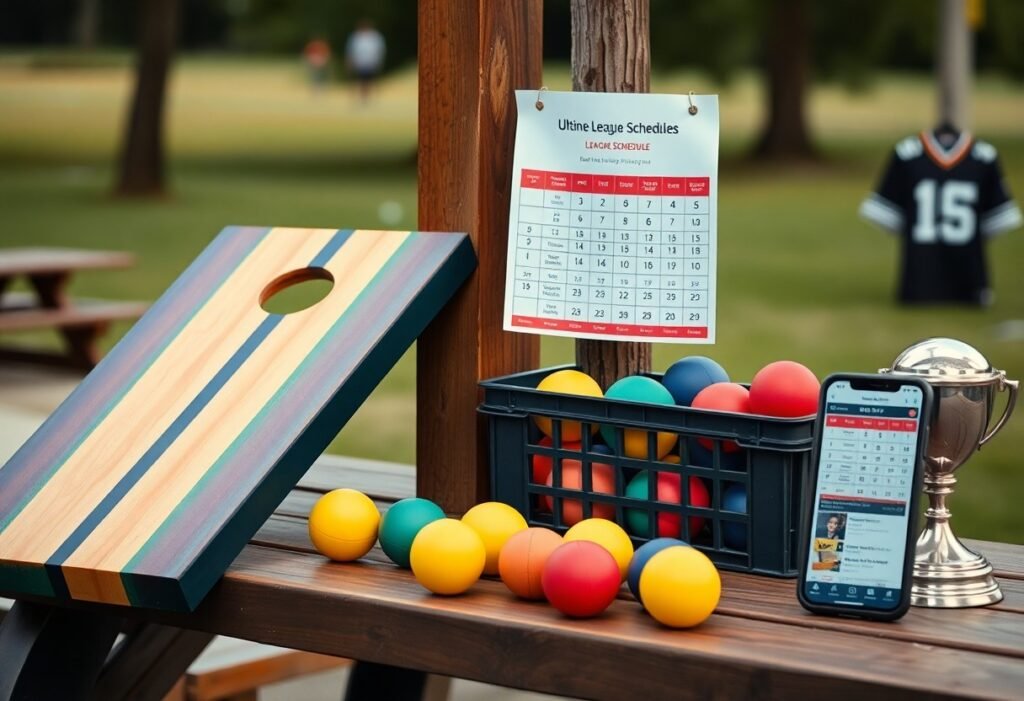
Local cornhole leagues offer competitive play and social nights; to get started, you should assess your skill level, find leagues that match your availability, and register early to secure a spot. Check rules, equipment standards, and any travel or late-night commitments that could affect safety or scheduling. Bring reliable gear, practice basic shots, and network at events so you can quickly move up divisions and enjoy the community and competitive rewards.
Key Takeaways:
- Find leagues at bars, rec centers, Meetup, or national cornhole sites; review divisions, schedules, and registration steps before signing up.
- Prepare gear and fees: bring or purchase regulation boards/bags, verify team size and entry costs, and complete any waivers.
- Commit to attendance and practice, learn house rules and etiquette, and communicate with teammates to improve performance.
Understanding Cornhole Leagues
Local leagues usually run in seasons of 8-12 weeks, meeting once weekly at bars, recreation centers, or outdoor parks; you’ll find formats from casual drop-in play to organized divisions run by ACL or ACA affiliates. You can pick divisions based on skill, check schedules online, and expect a mix of round-robin and playoff nights that balance consistent competition with social time.
Definition and Structure
Most teams are two players and play to 21 points with boards set at 27 feet (corner-to-corner measurement), using round-robin pools followed by single-elimination playoffs in an 6-12 team division. You’ll see Open/Intermediate/Recreational or A/B/C tiers, nightly matchups of 2-4 games, and occasional ladder or handicap systems to keep play competitive.
Benefits of Joining a League
You improve faster when you play consistent, structured matches-expect weekly matches that deliver 8-12 competitive sessions per season, plus coaching tips from better players, networking for teammates or sponsorships, and access to regional qualifiers run by national bodies. Entry costs vary, typically $10-$50 per player, and many leagues award prize money, gear, or bar tabs to top finishers.
Playing a season gives concrete upside: you’ll log predictable practice, meet 5-20 regular opponents per division, and can move up divisions as your win percentage rises. Be aware that evening bar leagues often involve alcohol-plan for safety-and outdoor leagues depend on weather, so check cancellation policies before registering. ACL/ACA qualifier pathways let committed players reach larger regional events if you rank high enough.
How to Find Local Cornhole Leagues
Scan city recreation pages, bar calendars, and national league sites; seasons commonly run 8-12 weeks with weekend or weeknight matches. When you find options, compare schedules, divisions, and especially registration deadlines and league fees so you don’t miss openings or pay extra. Use direct contact-email or phone-to confirm start dates and rules before you commit.
Online Resources and Websites
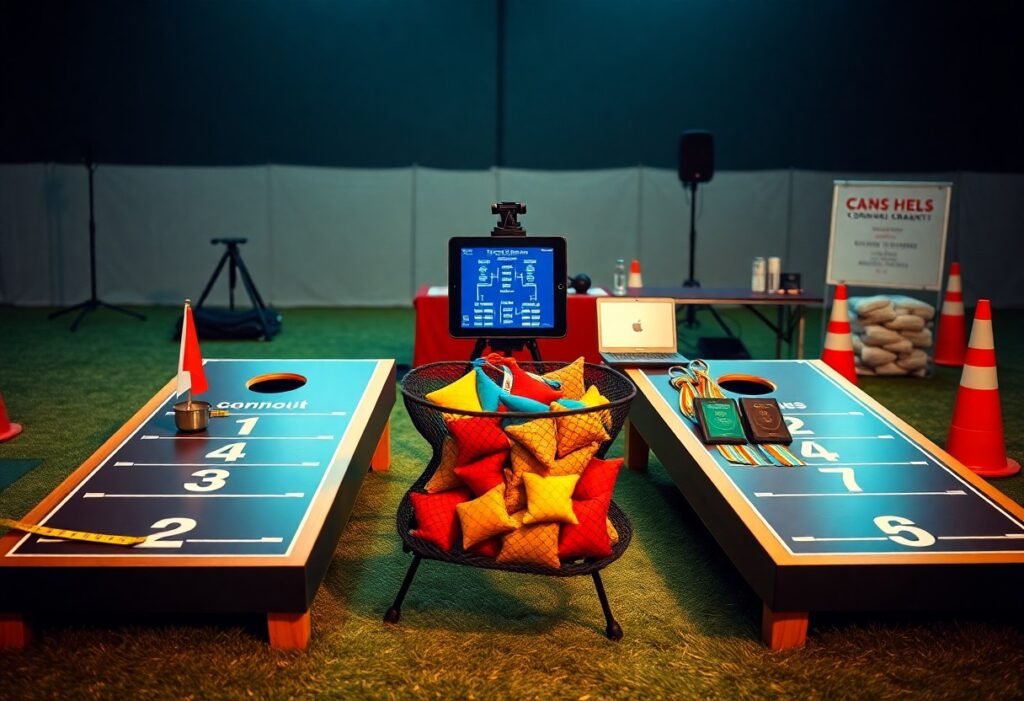
You’ll find most leagues listed on Meetup, Facebook Groups, and Nextdoor by searching “cornhole league” plus your city. National organizations like the ACL and platforms such as Scoreholio publish event calendars and tournament brackets; LeagueApps and Playpass often handle registrations. Check reviews, division labels (open/rec/pro), and sample schedules so you join the right skill level.
Community Centers and Local Events
Parks & rec departments, YMCAs, and community centers run indoor/outdoor cornhole leagues-many are 6-10 week sessions with 6-16 teams and twice-weekly match nights. You should call your parks & rec office or check municipal PDFs for sign-up windows, cost per team, and whether equipment is provided or required.
In practice, leagues at community centers often use a round-robin then single-elimination playoff format; team size is usually two players and match times are fixed, so confirm if you need to provide a substitute. Expect sign-ups to fill quickly-late signups often incur extra fees-and bring your own bags/boards only if the listing specifies otherwise.
Tips for Joining a League
When you join, prioritize confirming schedule, division, and registration details to avoid surprises. Check whether the league uses single elimination or round-robin, and inspect venue safety like lighting and surface traction. Bring your own chute or boards if required and carry a backup set of bags and tape measure. After attending one match, evaluate whether the division matches your skill level and time availability.
- Confirm registration deadline, fee, and refund policy.
- Choose the right division (A/B/C or recreational) based on practice percentages.
- Attend an open play or meet-up night before committing.
- Bring equipment: two sets of bags, tape measure, and a marker.
- Note venue rules: alcohol policy, start times, and cancellation procedures.
- Network with captains and subs to increase play time and team offers.
Assessing Skill Level and Expectations
You should test your accuracy and consistency over 50 throws to gauge fit: beginners often land under 30% bag rate, intermediates hit 30-60%, and advanced players exceed 60% in match conditions. Check whether leagues use percentage metrics or point systems and pick a division that challenges you without dominating. Factor in travel time, practice frequency, and weekly commitment when setting expectations.
Engaging with League Members
You should arrive early to warm up and introduce yourself; captains often recruit during pre-game warmups. Share contact info, ask about team strategy, and volunteer for scorekeeping or board setup to build rapport. Strong communication and positive sportsmanship increase your chances of being invited to doubles or sub matches.
Attend mixers and post-match socials-many leagues run 8-12 week seasons with roughly 10-24 teams, so visibility at events leads to more opportunities. Offer to host a practice, bring extra bags, or mentor new players to build a reliable reputation; captains frequently pick subs they know. Keep a group chat for schedule updates and confirmations to avoid missed matches.
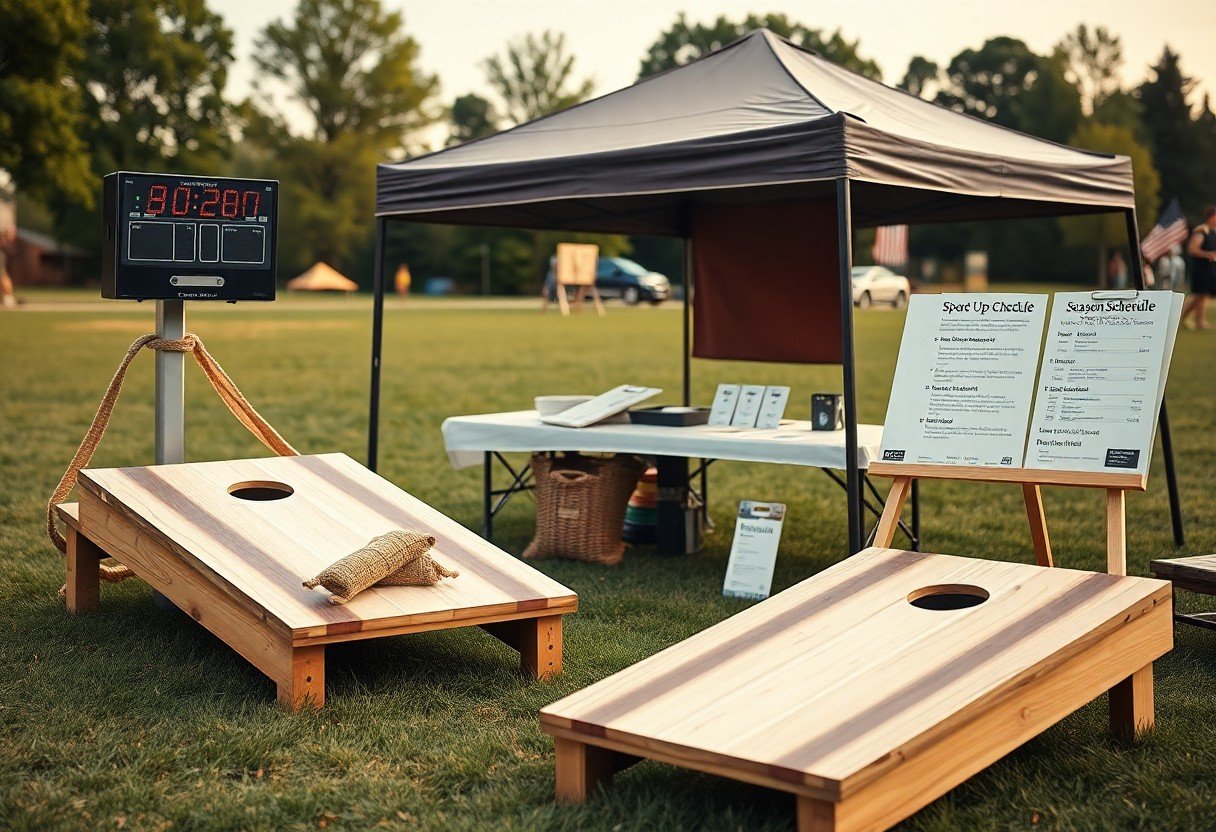
Essential Factors to Consider
When choosing a league, evaluate your skill level, preferred division, and the league’s cost and prize structure; many community leagues run 8-12 week seasons with single-night matchups. Verify equipment standards, venue lighting, emergency access, and weather backup plans to avoid hazards, and weigh social vibe versus competition intensity. The How To Find A Cornhole Club Near You directory helps you match those priorities.
- Skill level: division placement (recreational, intermediate, open) and rating examples.
- Schedule: weeknights vs weekends, playoff windows, and expected attendance rates.
- Location: indoor/outdoor venue, parking, transit, and weather contingencies.
- Cost & prizes: registration fees, payout structure, and sponsor gear.
Location and Accessibility
You should confirm whether the venue is indoor or outdoor, how many parking spaces exist, and its distance from transit; covered indoor sites with consistent lighting reduce weather cancellations while outdoor sites may lack restrooms or lighting. Prioritize location and accessibility that support your weekly attendance and safety.
Schedule and Commitment
You must map your availability against match nights, practice sessions, and potential playoff dates; many leagues expect you at roughly 80-100% attendance and allow only limited subs. Communicating conflicts early prevents forfeits and keeps your team competitive.
Expect to commit to weekly matches for the standard 8-12 week season; if you miss more than two events in an eight-week league you risk being replaced or losing points, and some leagues charge a $25-$60 registration fee plus per-match costs, so arrange qualified substitutes and clear communication to protect your standing.
Preparing for Your First League Game
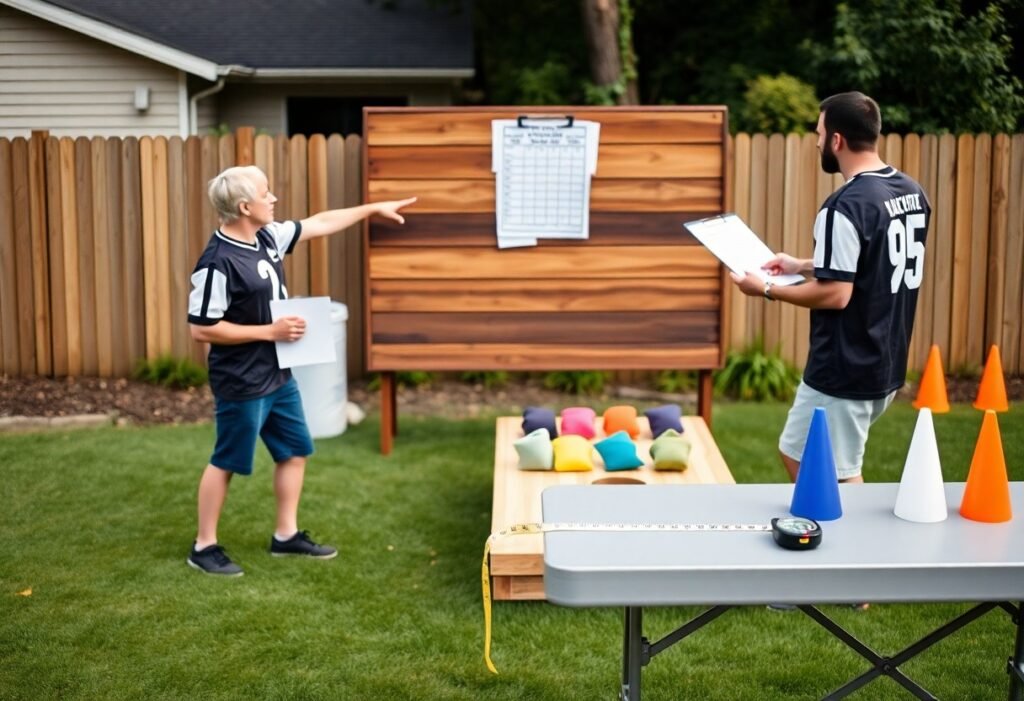
Aim to arrive 20-30 minutes early so you can set up, warm up, and confirm match format with organizers. Many leagues run 8-12 week seasons and schedule 30-45 minute match slots, so punctuality affects lineups and court rotation. Bring a scorecard or app, a spare bag set, and plan one quick warm-up round to dial in aim; having backups and arriving early prevents delays and keeps you competitive.
Equipment and Setup
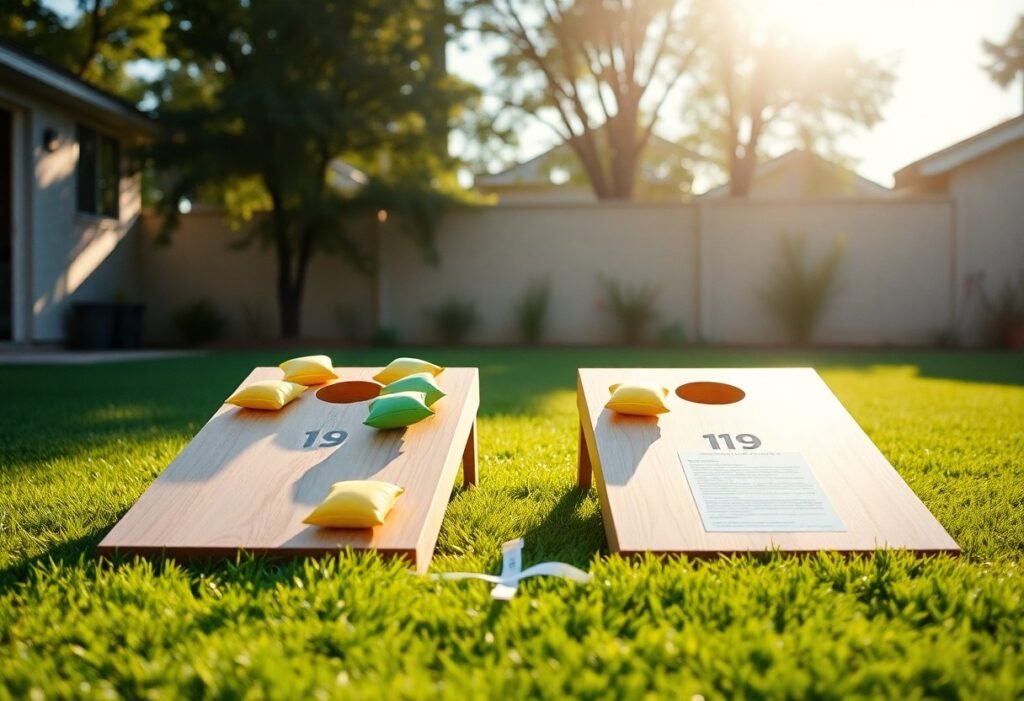
Set boards to regulation size (4×2 ft with a 6‑inch hole) and 27 feet between front edges when possible. Use bags about 6×6 inches weighing roughly 14-16 oz; bring at least two complete sets of 4 bags per player. Carry a tape measure, a cloth for damp boards, and non-marking shoes. Wet surfaces increase slip risk-flag or dry a board before play to avoid hazards.
Basic Rules and Etiquette
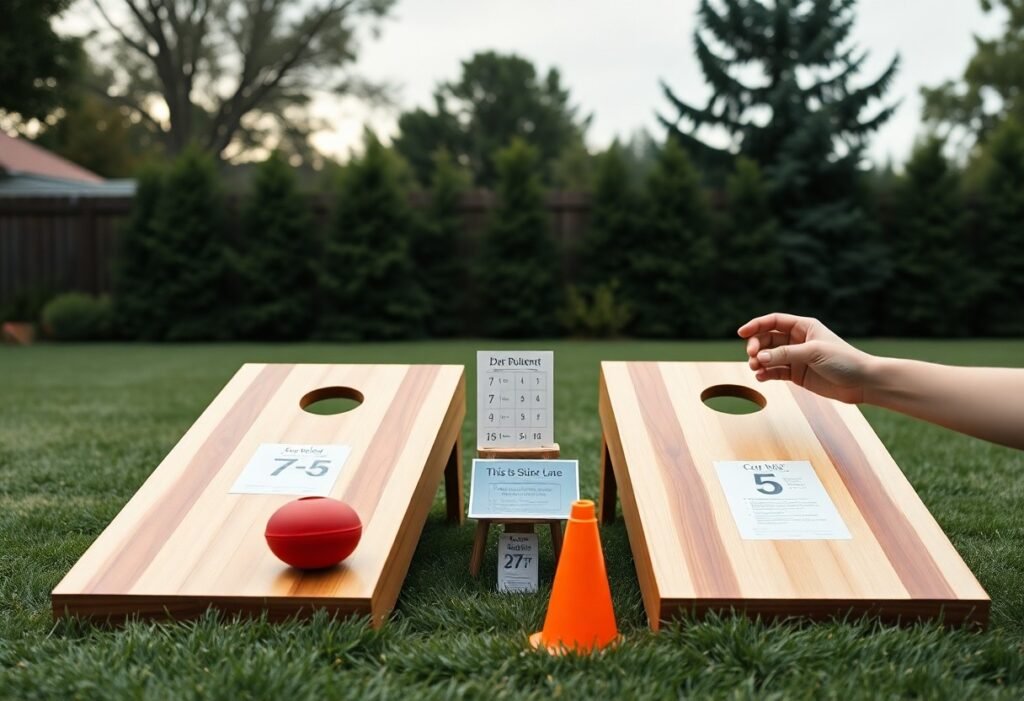
Most leagues use cancellation scoring with four bags per player and games to 21 points; points cancel opposite scores each frame. Alternate throws and stand clear of the pitcher’s box while opponents toss. Be quiet during opponents’ shots, avoid stepping or leaning near the board, and offer a post-game handshake; respectful conduct keeps matches running smoothly.
For adjudication, note that stepping past the board’s front edge is a foot fault and negates that toss-call it politely when it happens. Many venues limit warm-ups to 3-5 minutes and allow a single 60‑second timeout per game. Keep a visible score (whiteboard or app) to prevent disputes, and if a rules question arises, pause play and consult the league rep; handling disputes calmly preserves the match atmosphere and prevents forfeit risks.
Enhancing Your Skills and Enjoyment
Practice Strategies
To sharpen accuracy, practice at the regulation distance of 27 feet using focused drills: 5-spot shooting, “around the world” with six positions, and repeated board-to-bag release work. Train 3-4 times a week for 20-30 minutes, alternating heavy/light bags and simulating game pressure by keeping score. You should video one session weekly to spot inconsistencies in your release, and avoid wrist overuse to reduce risk of tendon strain.
Social Aspects of League Play
Joining a league connects you to typically 6-12 teams per division, giving you teammates, rivals, and regular match schedules that build camaraderie. You’ll benefit from informal coaching, post-match feedback, and networking that can lead to weekend tournaments or charity nights. Stay mindful of alcohol and sportsmanship: moderate drinking keeps performance high and relationships positive.
Get more social value by volunteering for scorekeeping, organizing a potluck, or captaincy-these roles boost visibility and trust. Aim to arrive 15 minutes early, offer to bring spare bags, and help run end-of-season playoffs; teams that foster etiquette and shared responsibilities tend to win more and keep players returning season after season.
To wrap up
Upon reflecting, joining a local cornhole league means you should scout nearby leagues online or at parks, confirm skill/division and registration details, secure proper boards and bags and set a practice schedule, attend signup or orientation nights, communicate with captains, and show up prepared and punctual; by taking these proactive steps you’ll integrate quickly, improve your game, and enjoy consistent competitive play.
FAQ
Q: How do I find local cornhole leagues near me?
A: Search local Facebook groups, Meetup, and community recreation department listings with terms like “cornhole league,” “baggo league,” or “bean bag league.” Check bars, breweries, and sports bars that host weekly nights; many post schedules on their websites or social pages. Visit the American Cornhole League (ACL) or local cornhole association websites for sanctioned events and club locators. Ask at sporting goods stores and check bulletin boards at community centers. If nothing is listed, contact venues and express interest-new leagues often form when enough players respond.
Q: What skill levels or divisions exist, and how do I choose the right one?
A: Leagues commonly offer recreational (social), beginner, intermediate, and competitive/open divisions, sometimes using a points or flight system to group players. Choose based on recent playing experience: beginners should join social or beginner divisions to learn rules and pacing; players who practice regularly or play tournaments should enter intermediate or competitive divisions. If unsure, attend a drop-in night or ask the organizer for a placement match-they can recommend the best division based on a few warm-up games.
Q: What equipment and rules should I have before joining?
A: Most leagues use standard 2′ x 4′ boards with a 6″ hole; pitch distance is typically 27 feet between board fronts, though some recreational leagues shorten it. Leagues may require regulation or permitted bag types (fabric or synthetic), so check bag specs and allowed substitutions. Bring your own bags, non-marking shoes, and a measuring tape if possible. Review the league’s rulebook for scoring (cancellation scoring is common), foul line rules, team formats, and tie-breaking procedures; organizers usually post rules online or send them after registration.
Q: How do I register, what are typical costs, and what policies should I expect?
A: Register online or in person through the league organizer, venue, or a league platform. Fees vary: weekly drop-in nights may be free or a small cover ($5-$15), seasonal team leagues typically cost $20-$75 per player or $50-$200 per team, and tournament entry fees range higher. Fees often cover court time, scorekeeping, and end-of-season prizes. Expect to sign a waiver, agree to cancellation/refund policies, and provide a team name or roster by a deadline. Payment methods usually include card, cash, or Venmo.
Q: What should I bring and what can I expect on my first league night?
A: Bring at least four regulation bags (six to eight if you like spares), water, comfortable non-marking shoes, and a small towel. Arrive early to check in, confirm your division and schedule, and warm up on spare boards if available. Expect a brief rules/orientation meeting, a schedule for matchups (round-robin or bracket), and a scorekeeper or volunteer running the night. Be prepared for social interaction-leagues are often friendly and social-and for playoff or seeding formats that use weekly results. Observe etiquette: be on time, call foot fouls honestly, and keep games moving.