
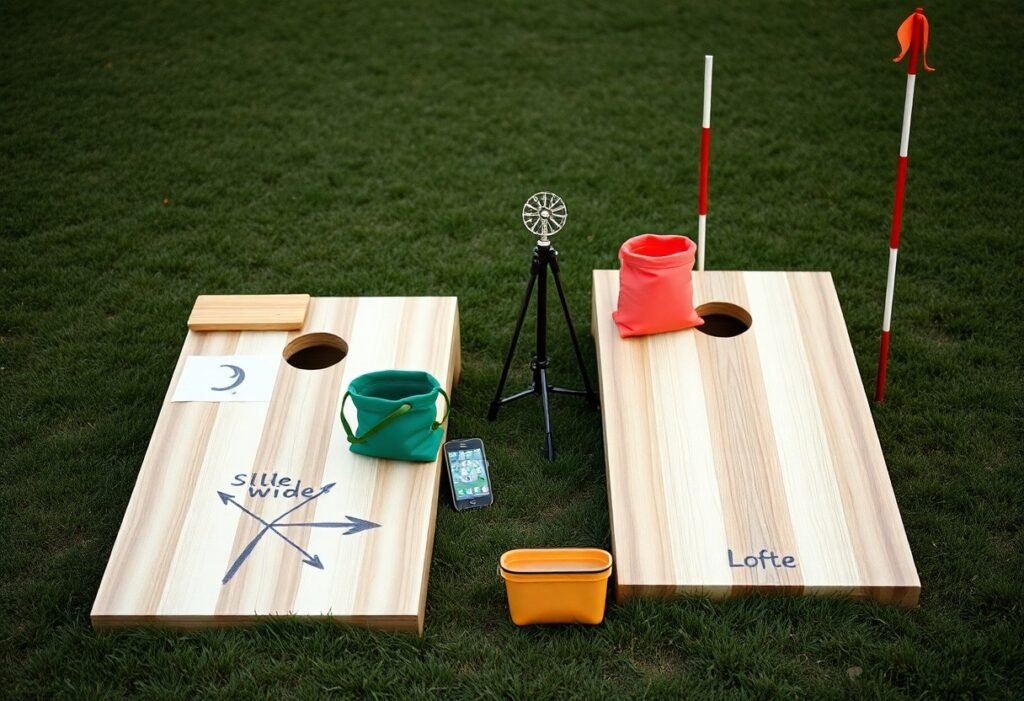
Overall, when wind picks up you must adapt your release and use a lower, controlled toss to reduce drift; watch shifting gusts and wind direction because sudden gusts are the most dangerous for errant throws and spectator safety, so adjust your aim several inches into the breeze and use crosswind angles as a positive advantage to improve your consistency.
You should adapt your stance, aim, and board placement when wind picks up: read the wind and its shifts, position the board to reduce crosswind, and use a lower, straighter throw. Watch for sudden gusts that can deflect or lift bags and avoid aggressive arcs; instead shorten your trajectory and add a bit of power to counter steady headwinds. Keep your footing stable and communicate with partners to maintain consistency.

Key Takeaways:
- Compensate for wind by aiming into the breeze and using a lower, controlled arc to reduce drift.
- Choose heavier bags and apply slight backspin to stabilize flight against gusts.
- Adjust board placement and tactics-orient boards to block prevailing wind and favor blocking shots over long rips.
Key Takeaways:
- Use a low, flat trajectory (push/slide shot) and throw softer so the bag stays close to the board and resists gusts.
- Aim slightly into the wind to compensate for drift and time throws around predictable gust patterns.
- Favor blocking/slide plays over high-arc hole shots; if possible, use heavier or dampened bags for added stability.
Understanding Wind Effects on Gameplay
Wind forces alter every element of your shot: bag arc, lateral drift, and landing bounce. On the standard 27-foot lane a steady breeze changes misses into hits or vice versa, while sudden gusts of 10-15 mph can move the bag several inches midflight. You need to read direction and variability-sustained versus gusty-so your adjustments for aim, angle, and power match real-time conditions.
How Wind Affects Trajectory
Headwinds slow forward velocity and often make your bag stall earlier, producing a higher arc and premature drop; tailwinds flatten the trajectory and can cause overshoots. Crosswinds produce lateral drift that increases with distance; for example, a 10-15 mph crosswind commonly shifts a bag about 6-18 inches at 27 feet. Spin, bag orientation, and release angle all modulate these effects.
Strategies for Adjusting Your Throw
Aim into the wind, tweak release angle, and adjust power: increase your release angle by about 5-10° into a headwind, lower it with a tailwind, and aim 3-6 inches upwind for a 10 mph crosswind. You should also vary speed-reduce by roughly 10-20% into strong headwinds-and choose a flatter or lofted shot based on gust patterns and board traffic.
Practice drills speed calibration: throw sets of 20 focusing on one variable-angle, speed, or aim-and note makes. If a 10 mph crosswind is present, aim 3-6 inches into wind and keep a consistent release; against a steady headwind, add 5-10° and shave off 10-20% of power to prevent bouncebacks. You should also alternate blocker and airmail strategies to see which holds up under local gusts.

Understanding Wind Effects on Gameplay
You’ll feel the difference when wind shifts from 4-7 mph (light) to 8-18 mph (moderate) or 18+ mph (strong); at moderate winds you often need a higher arc and 10-20% more force, while strong gusts can push bags several inches off line. Use low, controlled shots in gusts and higher arcs on steady headwinds to manage speed and drift.
How Wind Influences Trajectory
Crosswinds create lateral drift, with a 10-15 mph gust commonly shifting lightweight bags 6-12 inches; a headwind increases air resistance so your bag drops sooner, forcing you to raise the arc or add ~10% force, while a tailwind flattens the flight and can cause overshoot. Spin, bag fill and release angle change the effect, so you should test one or two practice throws after any wind shift.
The Importance of Wind Direction
When wind comes from the left or right you must aim into the wind, often 6-12 inches for 10-15 mph crosswinds; headwinds demand a loftier shot to stall the bag over the hole, while tailwinds favor push shots and lower arcs. Gauge direction at player height – wind at ground can differ from overhead gusts – and call adjustments with teammates before each round.
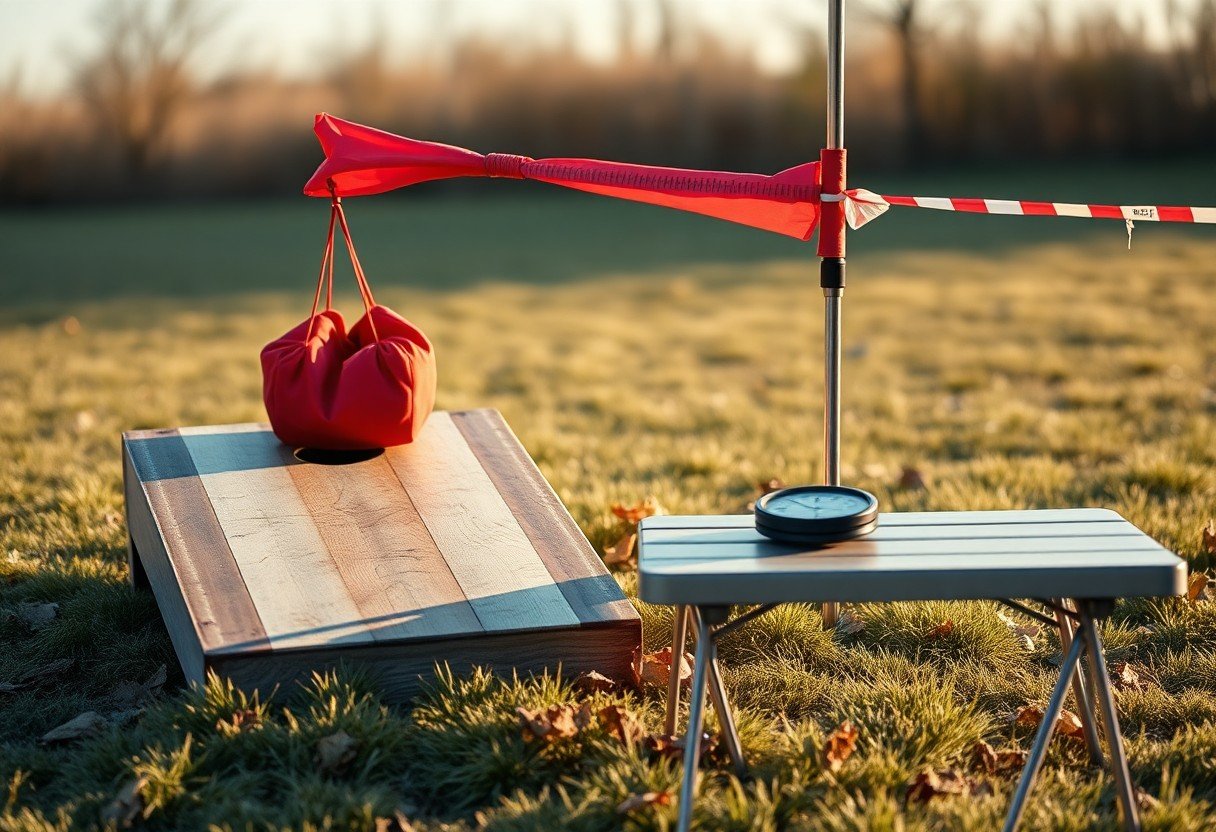
Use simple instruments so you can measure gusts: a streamer, a lightweight flag, or your phone’s anemometer app; in one club match players increased release force by ~8-12% and shifted aim 10 inches into a steady 12 mph left-to-right wind, reducing misses by >50%. Practice punch shots for gusty crosswinds and reserve high-arc drops only when wind is under 8 mph.
Selecting the Right Boards and Bags
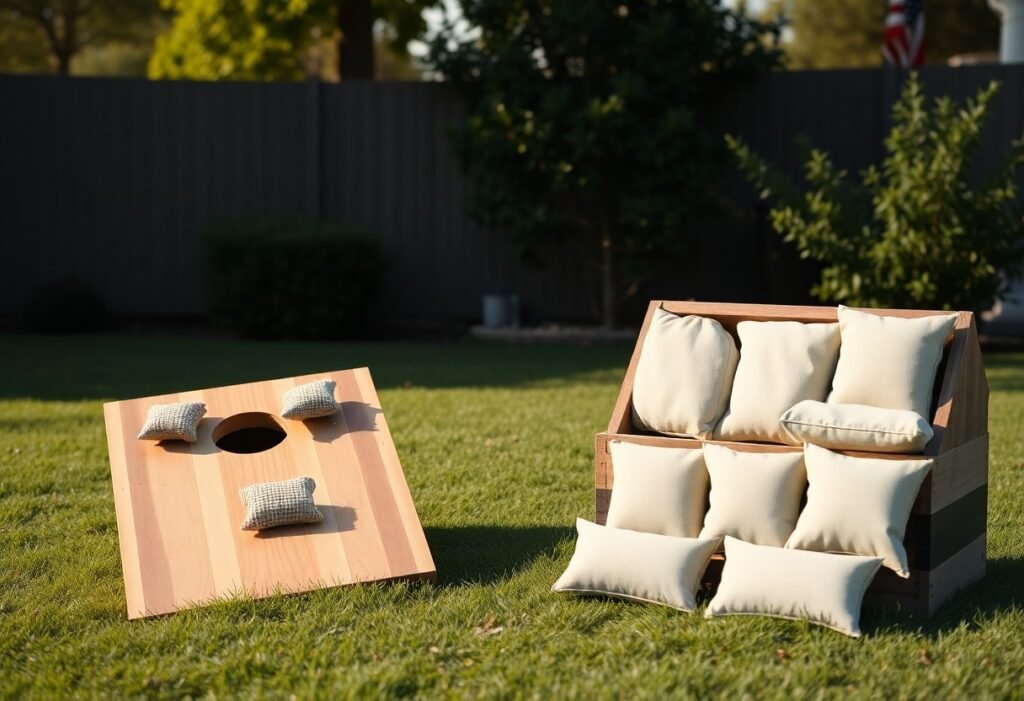
When wind ramps up, pick boards with a low-profile top and solid bracing so gusts don’t tip lightweight setups; add sandbags or stakes for anchoring and test on sand or grass before play. If you travel, follow guides like Mastering Portable Cornhole Setup On Windy South Padre … to learn anchoring tricks and board choices that hold in 15-25 mph gusts.
Best Materials for Windy Conditions
Choose marine-grade plywood or HDPE/composite tops: marine plywood resists rot and holds hardware, while HDPE stays flat and resists warping on hot, windy beaches. Prioritize frames with reinforced cross-bracing and metal leg locks; a medium-grit lacquer finish gives consistent slide without excessive bounce, which helps when you must land bags on the board with a low trajectory.
Importance of Bag Weight and Design
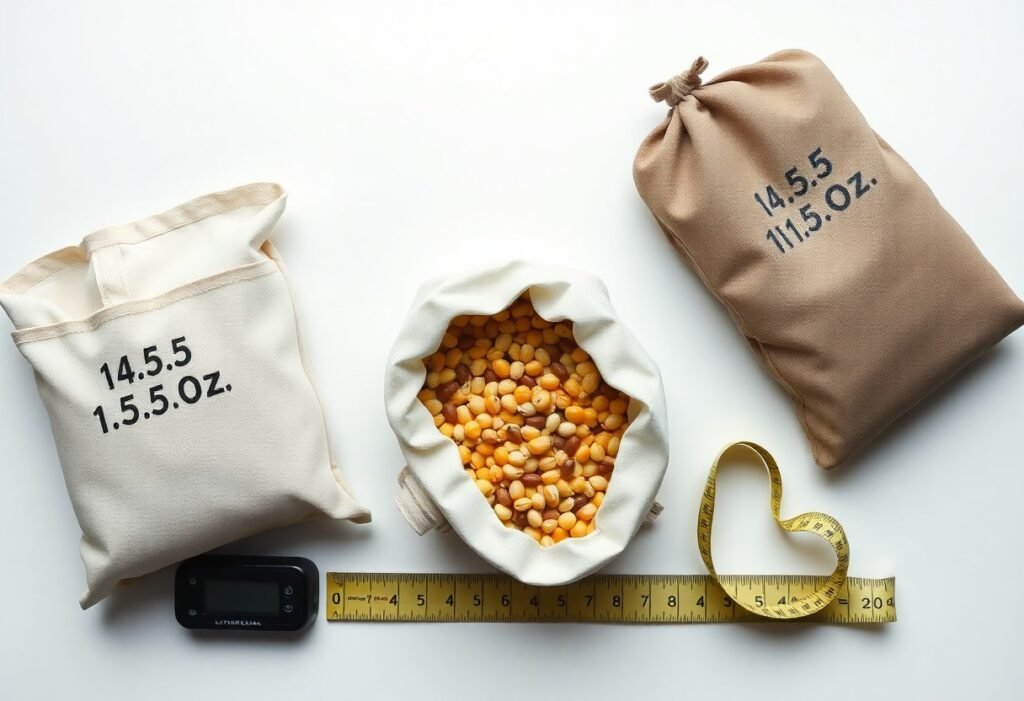
Aim for bags in the 15-16 ounce range – most tournament players use 15.5 oz – because heavier bags resist lateral drift and hold position better on windy boards. Prefer plastic-pellet fill for consistent flight and water resistance; dual-texture faces (slick on one side, textured on the other) let you adapt grip and slide depending on wind and board finish.
Also consider bag shape and seam quality: tightly stitched, square-corner bags land more predictably and stack well, while rounded or overstuffed bags tumble in gusts. If you move from 12-13 oz recreational bags to 15-16 oz tournament bags, you’ll notice reduced drift and improved board hold, letting you rely more on push shots and less on aggressive lofting in winds above 10 mph.
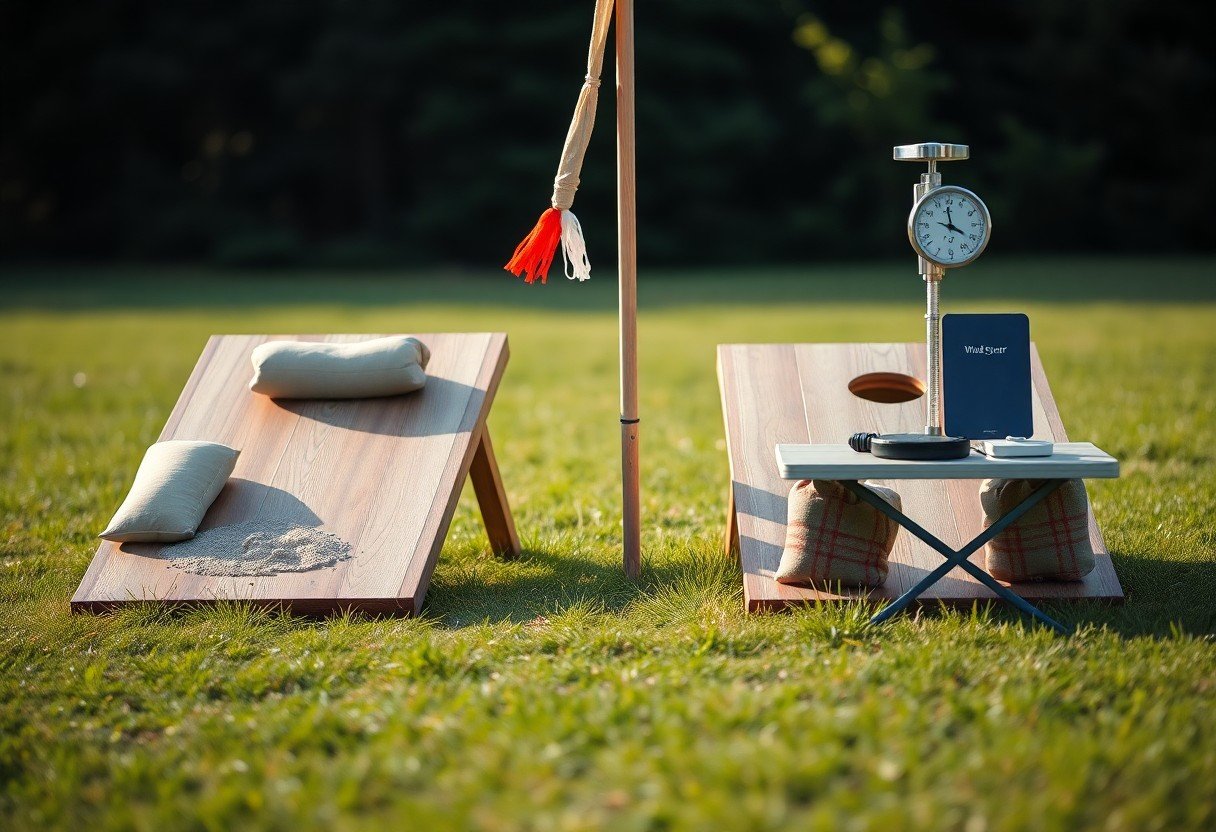
Choosing the Right Equipment
Selecting the Ideal Cornhole Bags
Choose bags with a heavier fill for windy play: regulation size is 6″x6″ and 16 oz weight, and poly‑pellet fills outperform corn for moisture and wind resistance. You should favor double‑stitched duck cloth or coarse synthetic faces for extra grab instead of slick vinyl. For example, switching from 14 oz cotton bags to 16 oz poly pellets often reduces lateral drift in 10-15 mph winds and improves consistent slides into the hole.
Adjusting Board Positioning
Shorten distance from the regulation 27 ft by 2-6 ft when wind is steady; you can play at 21-25 ft to keep flights lower. Angle the board into the wind by about 10-15° to cut lift, and align the long axis so your landing zone is sheltered. If gusts exceed 15 mph, prioritize flatter push shots over high arcing tosses to limit unpredictable drift.
With a 12 mph crosswind from the right, try moving the target board 3 ft closer and rotating it ~12° counterclockwise; then throw 10 practice shots to dial in trajectory. On turf or uneven ground, use sandbags or board feet to stabilize, since a wobbling platform amplifies wind effects. In conditions above 20 mph switch entirely to drive shots and heavier bags to maintain control.
Techniques for Throwing in the Wind
Shift to a controlled, low-arc game when gusts kick in: you should shorten your backswing and aim for a slide-friendly trajectory so the bag hugs the board. In moderate wind (8-18 mph) try throwing ~10-20% softer than usual; in strong wind (18+ mph) reduce power further and favor push/slide shots. Practice 5-10 tosses from the standard 27-foot distance to dial in adjustments before scoring attempts, and watch how lateral drift changes with each gust.
Adjusting Your Stance
Widen your base to about shoulder-width and angle your hips roughly 10-15° into the wind so your body blocks lateral gusts; put about 55-65% of weight on your lead foot for stability. Plant your back foot slightly behind and use a shorter step toward release to limit torso rotation. Small stance tweaks-leaning 5-10° forward when wind is head-on-give you a more repeatable line and reduce wobble on release.
Grip and Release Modifications
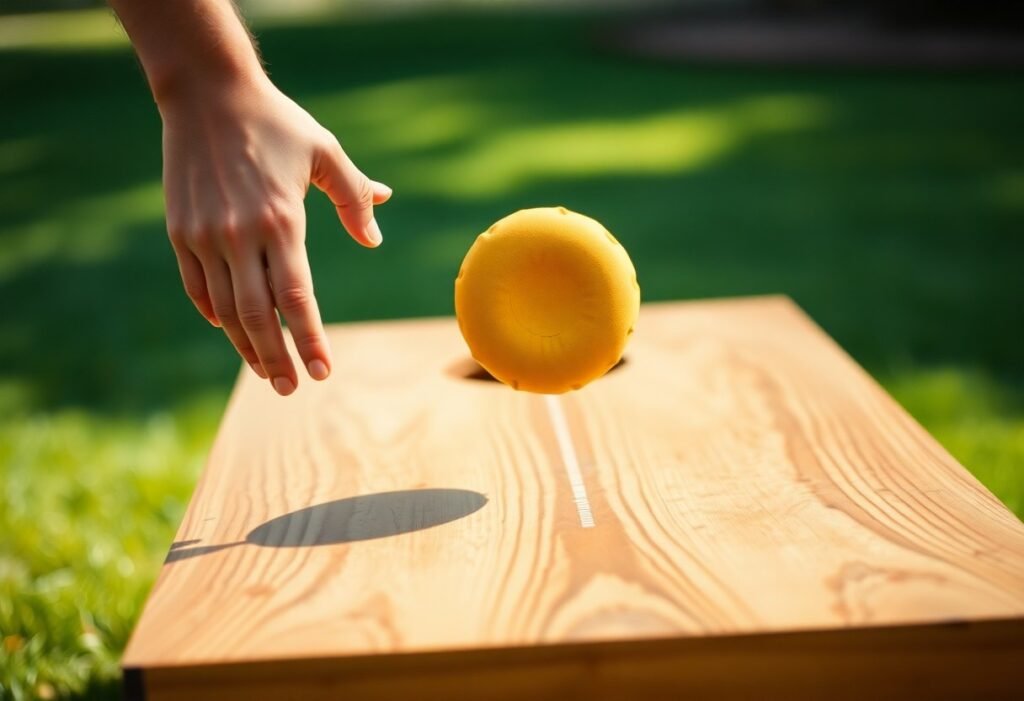
Grip slightly firmer to prevent the bag slipping in gusts, using fingertip control rather than palm pressure, then soften the release so the bag lands with less bounce. Lower your arc and cut spin-aim for a flatter trajectory that slides on contact. If you use a 16 oz bag, test a 10-20% firmer hold in practice to see how release timing shifts under crosswinds.
In practice, try tightening grip pressure by about 20-30% and moving your release point 4-6 inches closer to your hip to shorten the lever and reduce wobble. For crosswind from your left, rotate your wrist slightly clockwise at release; for right-side wind, go counterclockwise. Track results over 10-throw sets and adjust grip and release spacing until you consistently land within two board lengths of the hole.
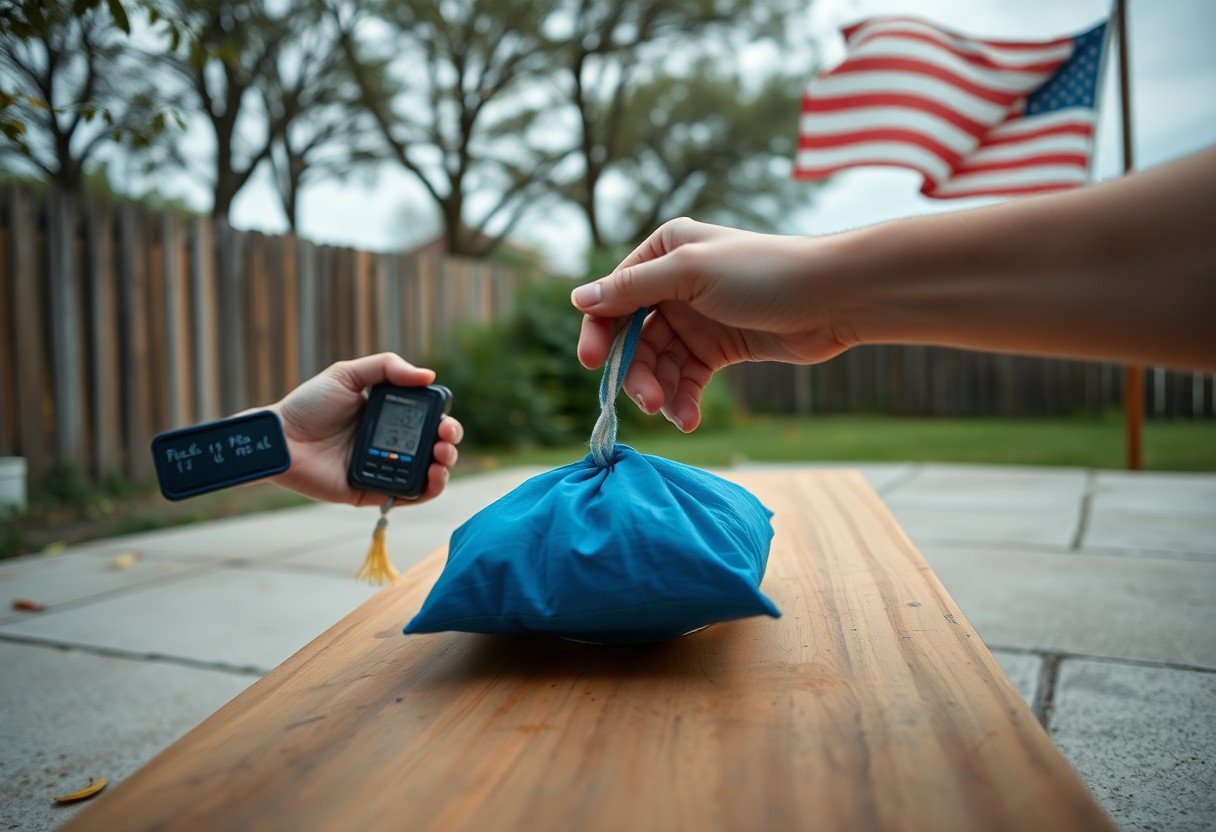
Throwing Techniques for Windy Conditions
When gusts reach 8-18 mph you should favor a low, push-style delivery and throw about 10-20% softer so the bag slides instead of riding the air. Aim into the wind by roughly 6-12 inches for moderate breeze and 12-24 inches for stronger gusts, then adjust from there. Use drills of 20 throws at regulation distance to dial in feel and consult How to Play Cornhole in Tough Weather Conditions …
Modified Grip and Release
You should switch to a firmer fingertip grip-hold the top corners with two fingers and your thumb, keeping your palm off the bag to reduce sail. Release with a flatter orientation, tilting the bag about 5-10 degrees nose-down, and cut back on wrist snap to prevent unwanted spin. Try three grip variations over 15-20 throws to find which resists crosswinds of 8-18+ mph.
Adjusting Throw Angle
Lowering your arc by about 10-20 degrees reduces wind exposure; adopt a flatter release and aim into the wind by a measured offset-start with 6-12 inches for moderate crosswinds. You’ll want a consistent release point so small aim corrections translate predictably into landing position.
For example, with a 12 mph crosswind from the right, aim approximately 8-10 inches right of target and shorten your follow-through slightly to avoid loft. Record where bags land over blocks of 10-30 throws, then shift aim in 3-6 inch increments until drift is neutralized; this data-driven approach lets you compensate reliably for variable gusts.
Game Strategy Adjustments
When wind shifts, adjust your approach across the board: prioritize low, team-oriented shots on the standard 27-foot layout, aim 1-3 inches into a steady crosswind and reduce power by about 10-20% for 8-18 mph gusts. Use boardside positioning to shield teammates and call audible plays when gusts hit >18 mph. Focus on controlled contact-low, slow, and strategic beats high-risk air shots in strong wind.
Defensive Strategies to Counter Wind
You should favor defensive board control: place a blocker bag to deny the hole and force opponents into riskier air or bank shots, stand slightly downwind to steady your release, and have your partner aim for center-board wedges in crosswinds. In gusts above 12 mph, prioritize maintaining a parked bag on the board over chasing one-point swirls; two solid blockers often neutralize aggressive opponents.
Offensive Plays for Windy Conditions
On offense, favor slide and push shots that land flat and ride into the hole; a low arc reduces lateral drift. Aim 1-3 inches into moderate crosswinds (8-18 mph) and throw 10-20% softer; in 18+ mph, aim 3-5 inches and use heavier bags if available. Mix consistent soft pushes with occasional firmer slides to dislodge blocks and keep opponents off balance.
Example sequence: in a 10-15 mph crosswind, throw at ~85% power with a 1.5-inch into-wind hold using a push-slide to land just short of the hole, then follow with a firmer 90% slide to shove a blocker off. Practice these combos in 15-20 minute drills, recording landing spots every five throws to map drift and adjust your aim precisely.
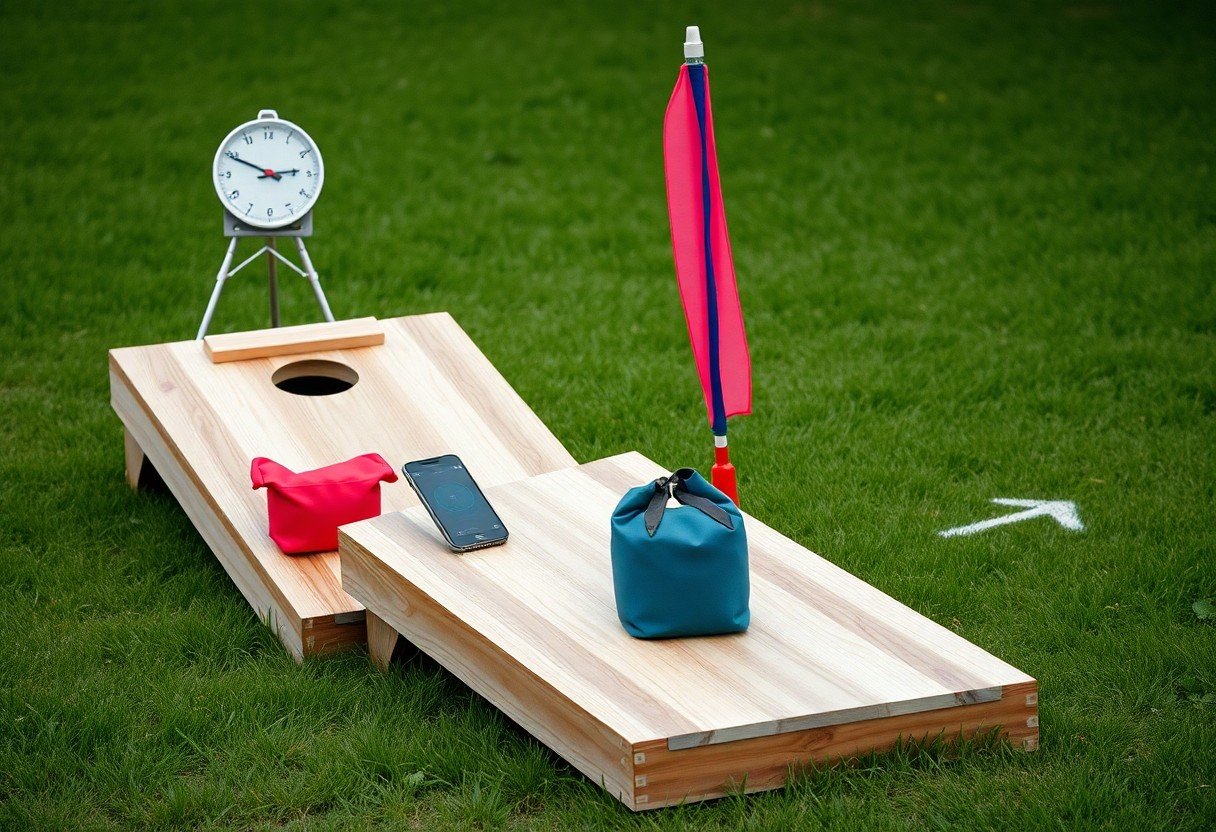
Strategies for Windy Games
Playing with Wind Patterns
When gusts spike into the 8-18 mph moderate range, you should aim slightly into the wind and reduce power; a practical rule is to shift your release point about 6-12 inches into the wind and cut throw force by roughly 10-20%. Watch flags, tree lines, or a windsock for patterns: if gusts come every 5-10 seconds, time softer lobbed shots between gusts and favor follow-through over snap to keep the bag stable.
Communication with Teammates
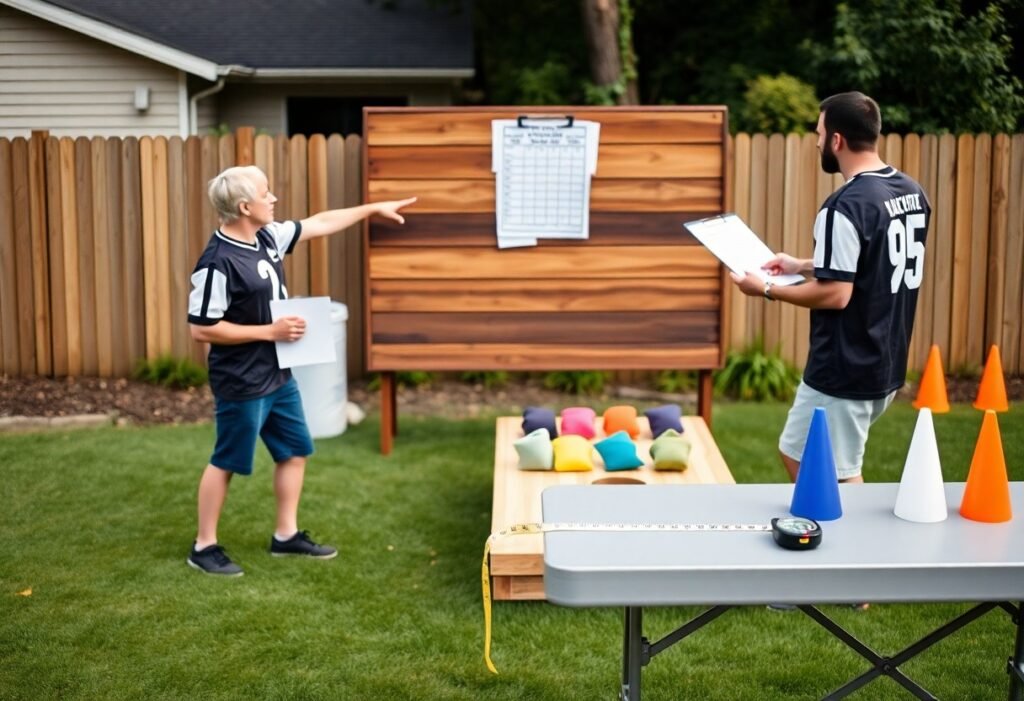
Use short, standardized calls so your partner reacts instantly: a sample system is direction + power (e.g., “left‑3” where 3 equals medium), with hand signals for noisy conditions-one finger = light, two = medium, three = heavy. Callouts should be under two words and made before you step; otherwise the opposing wind shift can cost you points. Assign one communicator so responses aren’t doubled.
Practice a quick pre-game routine: spend 10 minutes on a cadence (3‑2‑1) and run a 20‑throw drill alternating wind directions to build instinctive responses. Designate a captain to read shifts and instruct lane moves; when you rehearse these patterns, your team will execute adjustments in under 2 seconds during match play.
Practice Drills for Windy Days
To sharpen your accuracy in gusts, run focused sessions on the standard 27-foot layout: 3 rounds of 50 throws alternating low push shots and blocking attempts. Track makes and lateral drift, and log results after each 5-minute block; many players report measurable gains after 300-500 targeted repeats. Emphasize a low, repeatable release and be cautious of gusts over 18 mph, which typically force a different play style.
Skill-Building Exercises
Begin with 50 low push-style throws from regulation distance, then do 30 soft-landing bag reps to hone carry and bounce control. Use 16 oz bags, perform 3 sets, and deliberately aim 2-4 inches into the wind while reducing power by 10-20% versus calm throws. Add partner drills where one player creates a moving block to simulate game pressure; focus on a consistent release point and precise weight control.
Simulating Windy Conditions
Use fans or a leaf blower to reproduce crosswinds and headwinds, placing equipment 10-20 feet from the board to generate steady 8-18 mph flow and verify with an anemometer. Alternate gust patterns-30 seconds on, 60 seconds off-to mimic real variability, and practice aiming 2-4 inches into the flow while noting bounce changes. Secure loose items and consider weather to avoid hazards; secure loose debris during drills.
For deeper simulation, set up three fan stations-front, side, and angled-to create shifting patterns and run randomized 10-minute drills, then chart hit percentage and lateral misses. Adjust aim roughly 1-3 inches per 5 mph of steady wind as a starting rule, and keep a log so you can convert practice offsets into match-play corrections. Rely on measured data to make repeatable adjustments.
Practicing in Windy Conditions
Take practice into the elements by running sessions from the regulation 27-foot distance in varying breezes: do focused sets in light (4-7 mph), moderate (8-18 mph) and, only if safe, stronger gusts to learn limits; stop if gusts hit 18+ mph. Run sets of 20-50 throws, log wind speed and aim offsets, and test both heavier 16 oz and standard bags so you learn how force and arc change in each condition.
Drills to Improve Stability
Work on a staggered stance drill: hold a controlled single-leg balance for 30 seconds then perform 3×20 throws with knees bent 20-30° and a planted lead foot to resist lateral gusts. Add weighted-core holds (plank 45s) between rounds and practice a static-foot release versus a small step-through release to see which keeps your torso and shoulder aligned under crosswind pressure.
Enhancing Adaptability
Shift to variable-condition drills: set up a fan or have a partner create gusts and run alternating headwind/tailwind/crosswind blocks, adjusting aim 3-6 inches into the breeze and cutting power by 10-20% on tailwind throws. Track which release point (higher arc vs. low push) produces fewer lateral misses at specific wind speeds so you can switch strategies mid-match.
Structure sessions into 6 stations-headwind, tailwind, left/right crosswind, gust simulation, and match-play-for 15 throws each (about 90 throws total); repeat twice weekly and record miss patterns. If crosswinds exceed 12 mph, widen stance, lower release, and favor a firmer forward pivot; stop practice whenever gusts spike above 18+ mph to avoid unpredictable bounces.
Tips from the Pros
Pros recommend leaning into low, controlled shots when winds reach 8-18 mph; you should shorten your follow-through, aim 2-4 inches lower from the regulation 27-foot line, and use heavier 16-18 oz bags to resist gusts. Run three 15-minute practice blocks focusing on crosswind, headwind and tailwind sequences, and log results (hit %). The most consistent players lock a single release point and adjust only aim, not power.
- Low push-style: keep trajectory under ~10° for stability.
- Heavier bags (16-18 oz): reduce drift in gusts.
- Aim adjustment: 2-4 inches into steady wind, 4-6 for gusts.
- Release timing: wait for 1-2 second lulls before throwing.
Insights from Competitive Players
Competitive players often scan wind for two minutes and record patterns before match play; you should practice 50 throws per session aiming for 60-80% accuracy under each wind type. Many switch to a low push-style, favor 16 oz bags for crosswinds, and intentionally aim 3 inches into a steady 10 mph headwind to land on the board.
Common Mistakes to Avoid
A common mistake is overcorrecting by aiming too far into the wind; you should resist moving your release point mid-game and avoid throwing at full power in crosswinds because that amplifies error. Swap bag weight only after a warm-up set, and practice committing to a single line for at least five consecutive throws to build repeatability.
To fix habits, time your throws in a 30-minute drill: do five sets of 10 throws at regulation 27-foot, note hit rate, then decrease power by 10-20% when wind is 8-12 mph; if your bags miss the board more than 40% in crosswinds, shorten follow-through and re-run the set. Also avoid swapping bags mid-game – test one change at a time and log scores per 50 throws to measure impact.
Summing up
On the whole you should lower your bag trajectory, favor heavier or dampened bags, step into the wind for stability, aim slightly upwind of the desired target, commit to a consistent release and follow-through, and adapt board position and shot selection as conditions shift; practice in varied gusts so your adjustments become instinctive and you stay competitive when wind interferes.
FAQ
Q: How should I adjust my aim for crosswinds during a game?
A: Read the wind at bag height, not just at ground level. For a mild crosswind (5-10 mph) aim a few inches into the wind; for moderate (10-20 mph) aim one to two board widths into the wind. Use a consistent visual reference on the board edge or visor seam and make small, repeatable increments between throws. If the wind gusts, aim a bit more aggressively toward the sheltered side and shorten your flight path by lowering your arc.
Q: Which type of cornhole bag performs best on windy days?
A: Choose denser, heavier bags with a compact fill (poly pellets or resin beads) rather than loosely packed cotton or corn that flap in the breeze. Heavier bags resist lateral drift and hold a line better; if your set offers multiple weights, pick the heavier option for windy conditions. Keep bags dry and free of loose fabric; wetter or soggy bags change flight behavior and should be swapped out between rounds.
Q: What throwing technique works best against headwinds or tailwinds?
A: Against a headwind, increase arc to let the wind slow and drop the bag-use a controlled loft with a stable wrist and a softer release to land on the board. With a tailwind, lower trajectory and use a firmer push so the wind doesn’t carry the bag too far; aim to land short of the hole and allow a gentle slide. In gusty conditions favor consistent release point and reduced spin so wind-induced wobble is minimized.
Q: How should I position and orient the boards to minimize wind effects?
A: If possible, orient the boards so the long axis points into the prevailing wind to shorten the bag’s airborne time. Place boards near windbreaks (trees, fences, buildings) or angle them slightly so the wind meets the board at a less disruptive angle. Ensure both teams agree on placement and maintain consistent distance and elevation; even small shifts in board angle change how bags react to the wind.
Q: What practice drills and in-game strategies help when playing in windy conditions?
A: Drill: practice low push shots, medium arcs, and high lofts against measured wind speeds so you can pick the most reliable shot type quickly. Drill: set up targets at varying offsets from the hole and practice adjusting aim in increments. In-game: prioritize bag-on-board points over risky hole attempts, use blocking shots to protect your lead, and adapt strategy by reading short-term wind changes between throws. Track which shots consistently work in the current conditions and stick with them.
Summing up
With these considerations, you can adapt your approach: shorten your arc, aim slightly into the wind, select heavier bags or adjust grip, and maintain a stable stance and consistent release. Practice in varied conditions to learn how gusts affect flight, read wind shifts before each throw, and communicate with your partner to make controlled, reliable shots despite unpredictable weather.