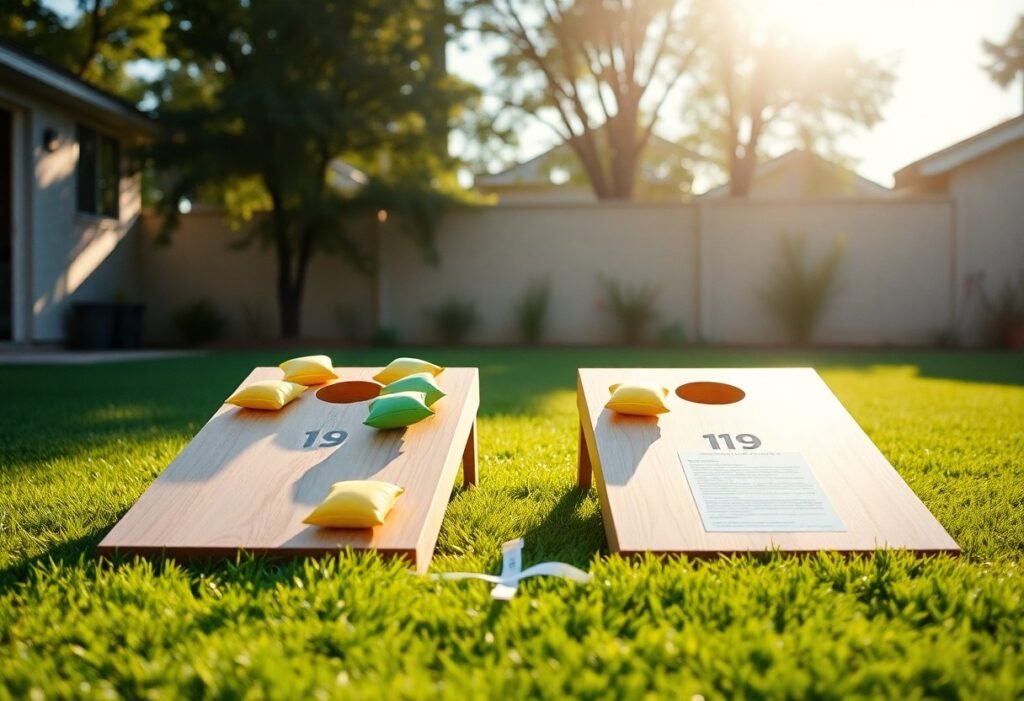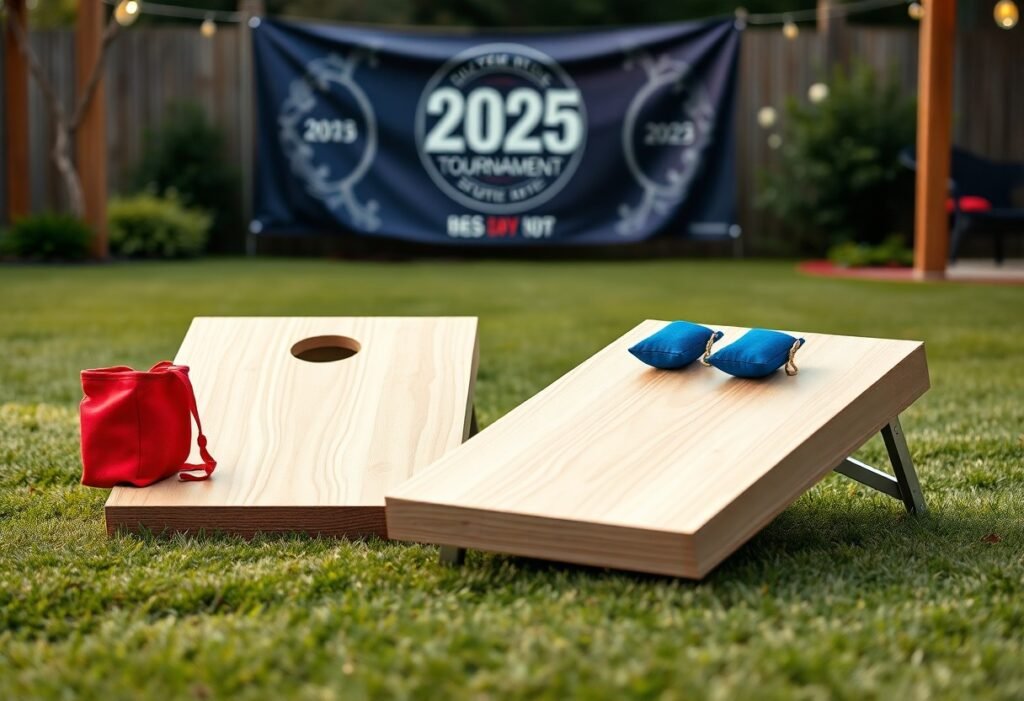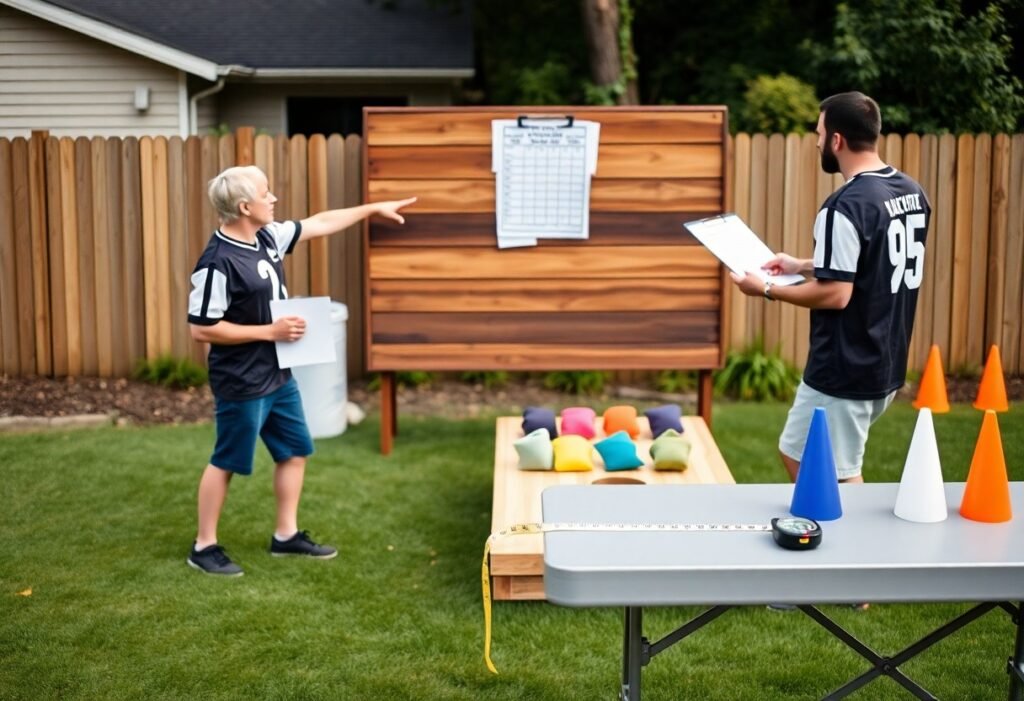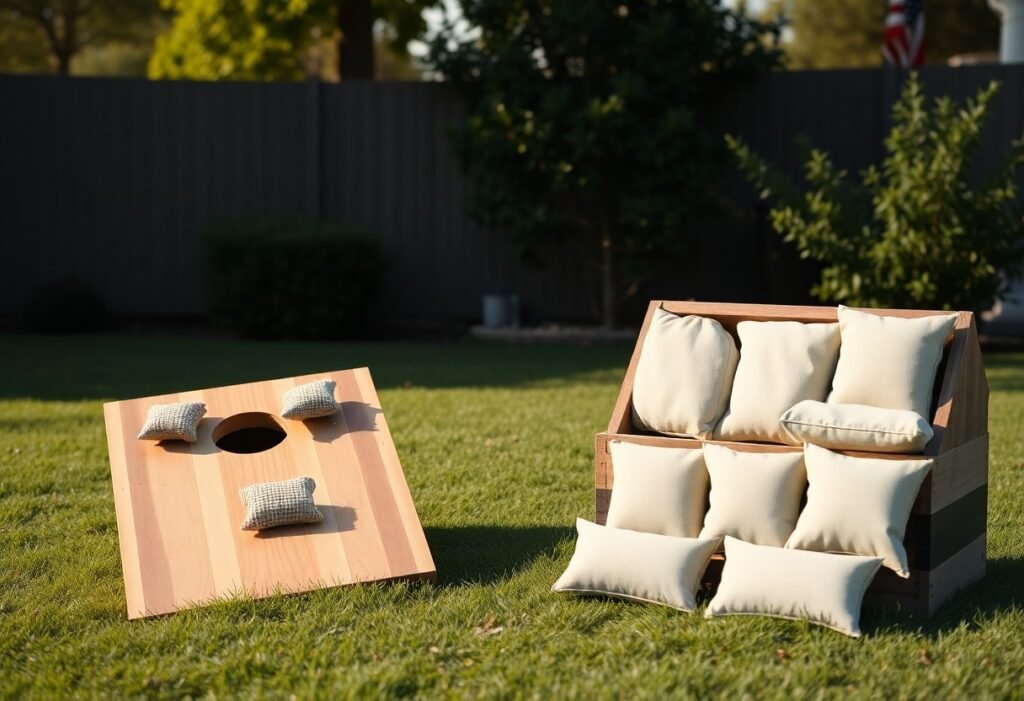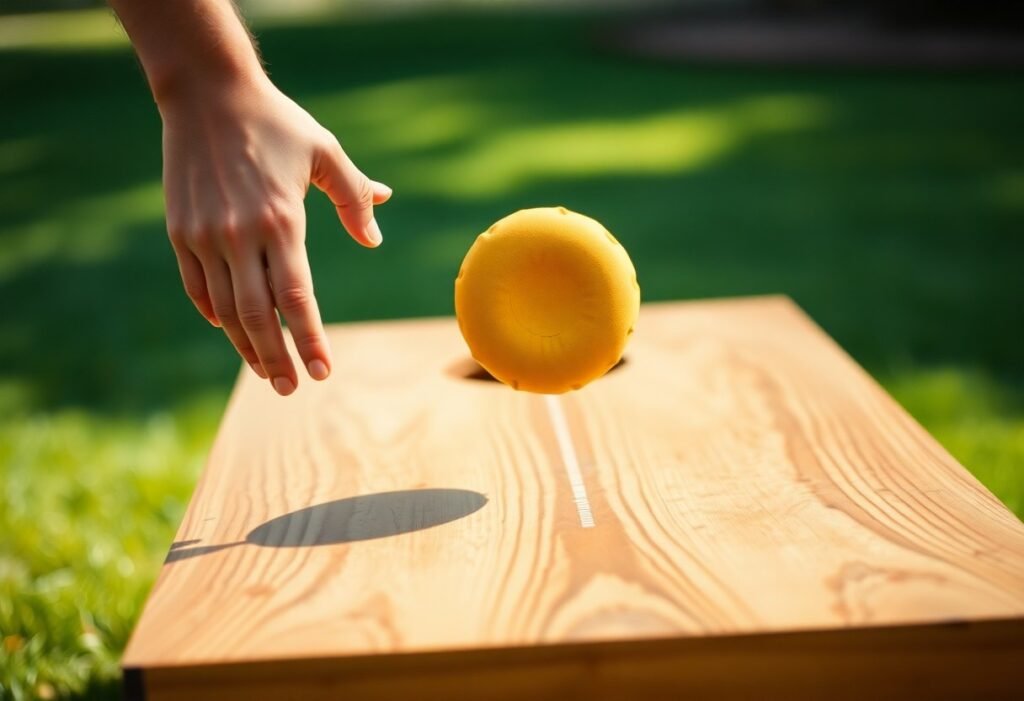

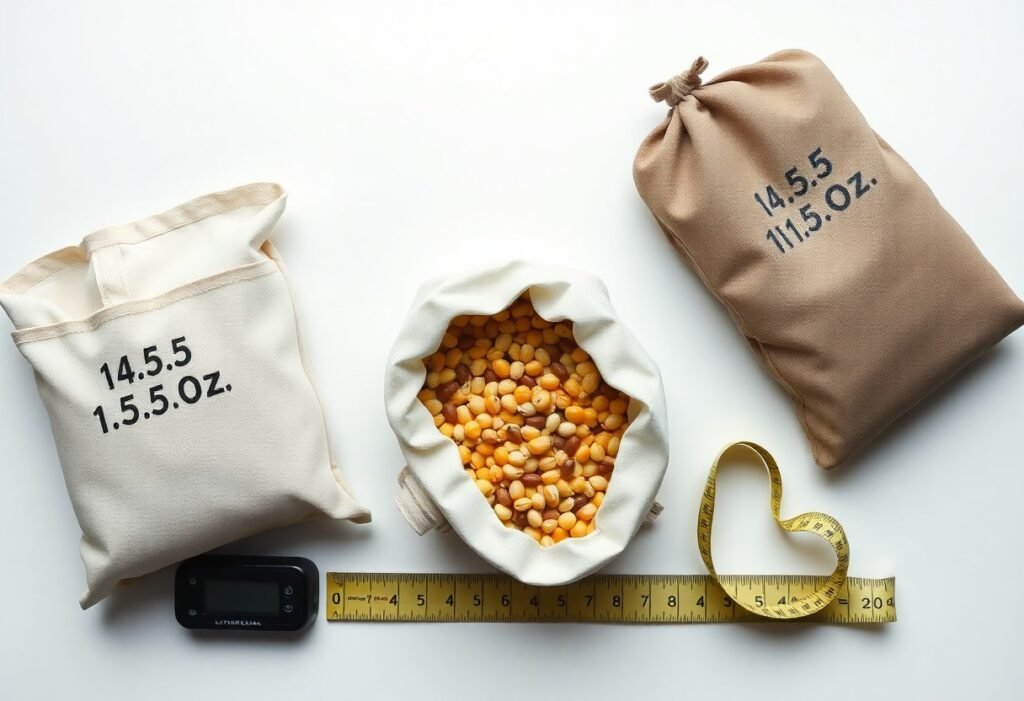
Many players underestimate how bag weight and fabric change your game; you need to match bag weight (usually 14-16 ounces) and fill type to your throwing style for consistent flight and control. Choose materials like duck cloth for durability or synthetic blends for grip in wet conditions. Avoid overly heavy or overstuffed bags because they can damage boards and strain your shoulder, and test several weights so your bag becomes an extension of your hand, improving accuracy and longevity.
Key Takeaways:
- Weight matters: regulation bags weigh 15.5-16 ounces; lighter bags slide more while heavier bags block and hold better.
- Material impacts performance: duck cloth provides tack and grip; synthetic fabrics offer weather resistance and a more consistent slide.
- Match bags to use: choose regulation weight and durable fabric for competitive play, and water-resistant fillings or reinforced seams for casual or outdoor use.
Types of Cornhole Bags
You can choose from five common styles-traditional canvas, soft microsuede, slick synthetic, hybrid blends, and tournament-grade bags-each tuned for a different balance of slide, grip, and durability. Regulation play favors bags at 15.5-16 ounces, while casual play sees lighter or heavier options for more slide or block. The table below breaks down typical characteristics and trade-offs by type.
| Canvas (Duck) | Durable, good for blocking and holding; tends to have more friction on boards; often paired with resin pellets for consistency. |
| Microsuede/Velvet | Softer surface that slides then grips the board; preferred for precision tosses; common in 16 oz tournament sets. |
| Synthetic (Poly/Nylon) | Water-resistant and fast on slick boards; lighter fabrics increase slide-better for outdoor wet conditions but less feel. |
| Hybrid (Mixed Fabrics) | Combines slide and hold-paneling of slick and grippy fabrics for controlled landings and improved versatility. |
| Tournament/Pro | Factory-standard 15.5-16 oz with tight tolerances, double-stitched seams, and uniform resin fill for repeatable performance. |
- Cornhole Bags
- Weight
- Material
- Regulation
- Fill
Assume that the surface you play on, whether you prefer sliding or blocking, and if you compete will determine which bag type fits your game best.
Weight Categories
You should know the three practical weight bands: sub‑15 oz (fast, slides more), 15.5-16 oz (regulation, balanced), and 17+ oz (heavier, blocks and holds). Many serious players standardize on 16 oz to match tournament conditions; however, you might choose 14-15 oz for slick boards or wind, and 17-18 oz when you want more stopping power on slow surfaces.
Material Choices
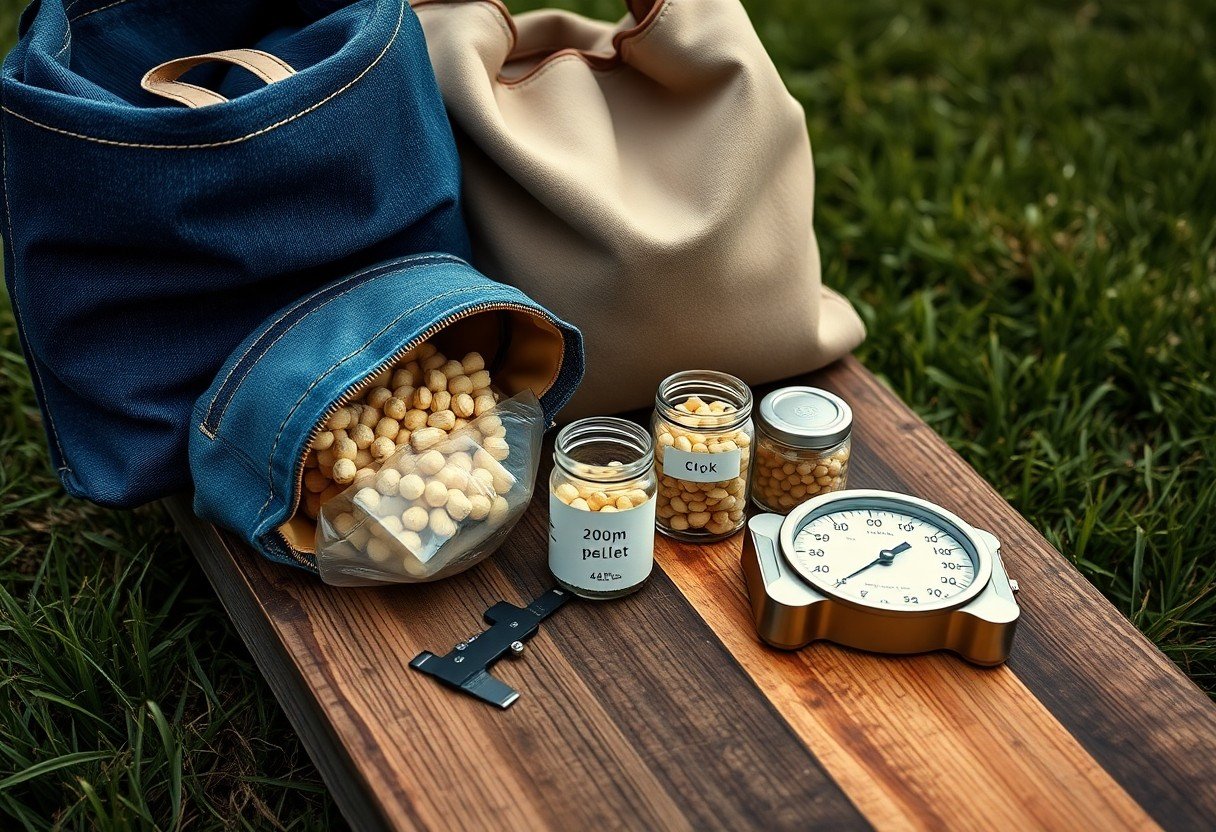
Pick bag covers from canvas, microsuede, or synthetic fabrics and fills like resin pellets or whole corn; each combo changes feel-canvas with resin offers durability and consistent weight, microsuede with resin gives controlled slide, while synthetic covers resist moisture for outdoor play.
Delving deeper, canvas is rugged and tolerates heavy use but gains texture over time, whereas microsuede provides predictable friction characteristics across boards. You should avoid whole‑kernel corn for regular outdoor play because whole-kernel corn can rot and attract pests; instead, choose resin or plastic pellets for stability, consistent weight (grams per bag vary but aim for 439-454 g to hit 15.5-16 oz), and long-term durability.
Tips for Choosing the Right Cornhole Bags
Match bag choice to your play style and conditions: if you push for blocks choose ~15.5-16 oz duck cloth with resin bead fill for hold, while sliders often prefer lighter 14-15 oz microsuede or poly blends. Inspect seams and test a few throws-players who switch from corn to resin report more consistent weight and less maintenance. Compare how bags react on your board type and surface before committing. This helps you balance weight, material, and durability for predictable results.
- Weight
- Material
- Fill
- Grip
- Weather
Grip and Feel
You should test surface textures and seam placement: duck cloth (tighter weave) offers more friction and bite for controlled stops, while microsuede slides more for push shots; many competitive players use 15.5-16 oz duck with a smooth top stitch to combine grip and release. Try 10-20 throws to sense how a bag rotates out of your hand and whether the seams catch-small seam differences change release by millimeters, affecting your aim and landing.
Weather Considerations
Outdoor conditions alter performance: natural corn fill can swell and gain weight when wet, increasing stickiness and risk of mold, whereas resin beads remain stable and resist moisture; damp boards reduce friction and make bags slide more, so you may want lighter or coated shells in humid or rainy play. Pack a towel and swap to synthetic-filled bags for wet tournaments to keep your game consistent.
To protect bags, store them in airtight bins with desiccant packs after play and air-dry any damp bags immediately to prevent odor and rot; consider sewing in a thin waterproof liner or choosing bags with factory-rated water-resistant shells for frequent outdoor use. During matches on wet boards, switch to bags with proven water-shedding fabrics and avoid cotton blends that absorb water-these simple steps preserve weight consistency and extend bag lifespan.
Step-by-Step Guide to Making Your Own Cornhole Bags
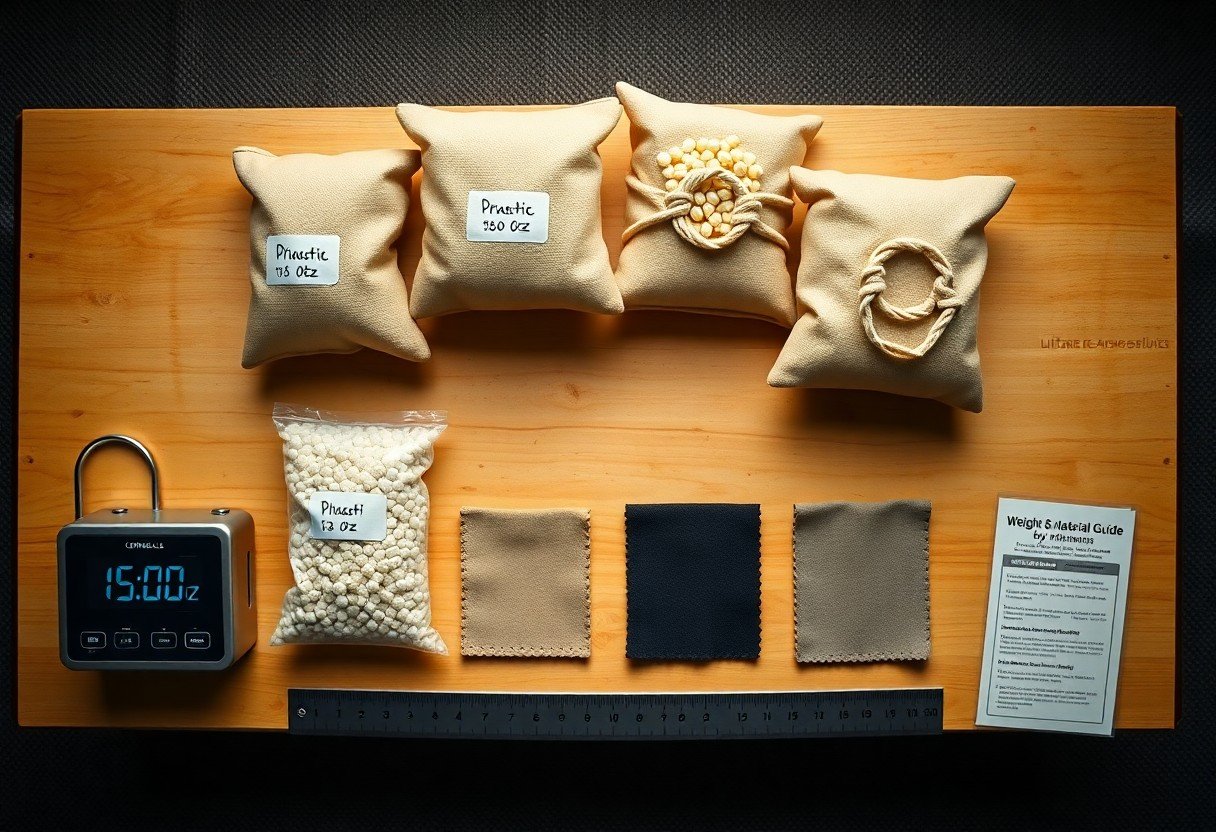
When you build your own set, aim for regulation dimensions-6×6 inches and 14-16 oz per bag-to control flight and grip; small weight shifts change release feel. Cut fabric with a ½”-¾” seam allowance, choose outdoor-rated 10-12 oz duck cloth for durability, and plan to weigh each bag to within 0.25 oz for consistent sets.
| Step | Details |
|---|---|
| 1. Cut | Cut two 6.5″ squares per bag (allows ½” seam); mark grain for consistent stretch. |
| 2. Sew | Sew three sides with ½” seam, backstitch ends, leave 1.5″ opening for filling. |
| 3. Fill | Use resin/poly pellets for outdoor play or ground corn for tradition; target 14-16 oz and avoid lead shot. |
| 4. Finish | Hand-sew opening closed, topstitch 1/8″ from edge, and double-stitch stress points for longevity. |
Materials Needed
You’ll want two 6.5″ squares per bag of 10-12 oz duck cloth or ripstop polyester, heavy-duty bonded polyester thread, a sewing machine with a heavy needle (90/14), a digital kitchen scale (±0.1 oz), a filling funnel or scoop, and poly/resin pellets or ground corn; avoid lead shot for safety and legality.
Sewing Process
Start by sewing three sides with a ½” seam allowance and backstitching at each end, then fill through a 1-1.5″ opening to your target weight, hand-stitch closed with a sturdy ladder stitch, and finish with a 1/8″ topstitch; double-stitch seams and weigh each bag for a matched set.
For best results, use a walking foot or heavy-duty presser foot to feed thick fabric evenly, set stitch length to 2.5-3 mm, and reinforce corners with a small box stitch or bar tack. Weigh each bag to within 0.25 oz of its pair, trim threads, and test on your board-adjust filler by 0.1-0.2 oz increments to fine-tune slide versus hang characteristics.
Factors to Consider When Selecting Bags
You should weigh how weight, material, and fill interact with your throwing style and local conditions; regulation bags are typically 15.5-16 oz, but players often prefer 14-15 oz for more slide. Any small adjustment in these factors will change how the bag slides, holds, and blocks.
- Weight – 14-16 oz affects slide vs. hold
- Material – duck cloth vs. synthetic (poly) changes grip and water absorption
- Fill – loose corn shifts differently than plastic pellets
- Surface – wood, turf, concrete demand different weights
- Environment – wind and humidity alter flight and slide
- Skill level – beginners often prefer heavier for blocking
Playing Environment
You should match bag choice to where you play: on outdoor grass or concrete a heavier 15-16 oz bag resists wind and bounces less, while on indoor hardwood or slick composite a 14-15 oz bag gives more slide. In wet weather a duck cloth bag will absorb moisture and slow down, whereas synthetics stay more consistent in dry conditions.
Skill Level
You should align weight with experience: beginners often benefit from 15.5-16 oz bags that hold and block, making defense easier; advanced players frequently choose 14-15 oz to manipulate slide and make pushes or airmail shots. Your shot consistency improves when you practice with the exact weight and material you’ll use in play.
To progress, test specific weights with controlled drills: throw 50 shots from the regulation 27-foot distance using 14 oz and 16 oz bags to compare feel, then do 30 blocking reps and 30 sliding pulls to measure hold versus slide. If you change from duck cloth to a synthetic fill, track make rate across at least 200 throws before settling-small differences compound across matches and can flip your strategy from push-focused to block-focused.
Pros and Cons of Different Bag Weights
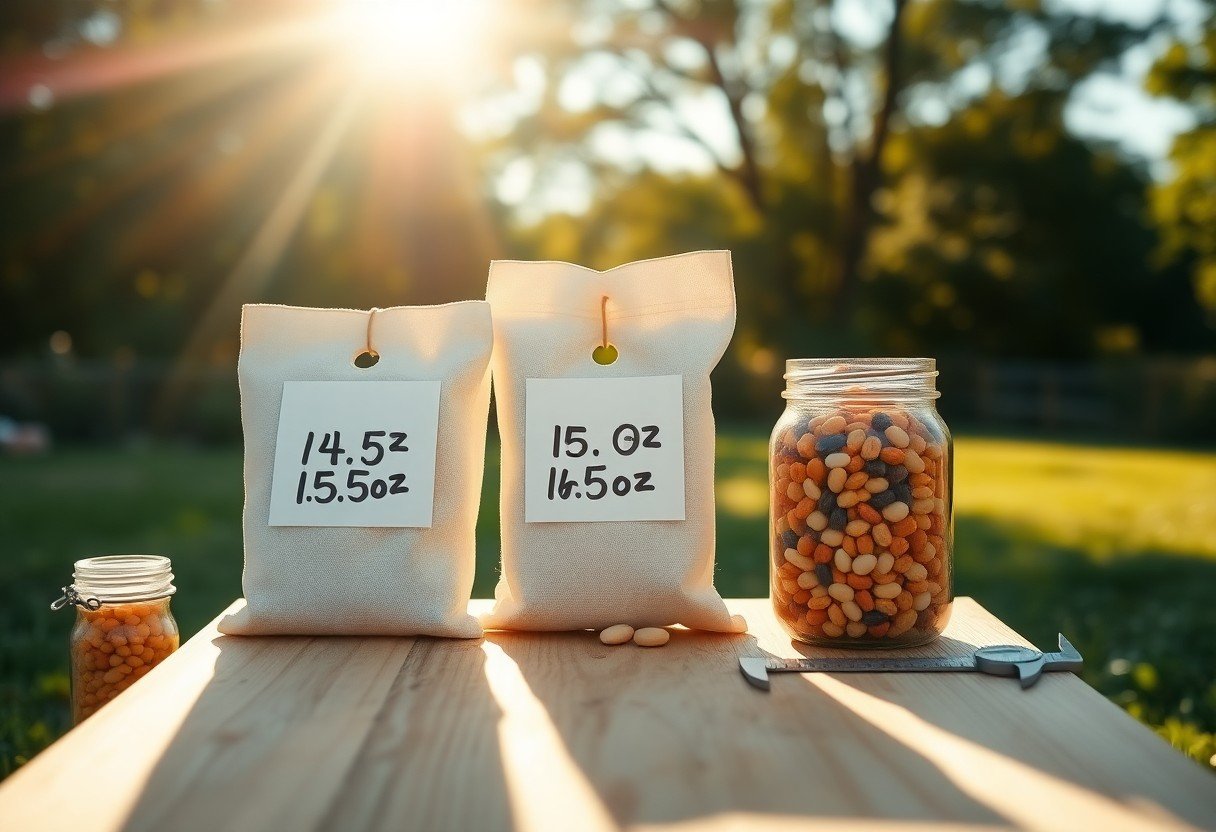
Different weights change how you play: 12-14 oz bags slide and favor quick, aggressive shots while 15.5-16 oz regulation bags hold and block better. You should weigh board condition, wind and your role (shooter vs blocker) when choosing; lighter bags excel on slick boards and faster play, heavier bags win battles at the front of the hole and stabilize in gusty conditions.
Pros and Cons by Weight
| Pros | Cons |
|---|---|
| 12 oz: very fast slide for aggressive shooters | 12 oz: highly affected by wind, poor blocking |
| 13 oz: good for slick or waxed boards | 13 oz: less hold on the board, harder to control on wet surfaces |
| 14 oz: balanced speed and controllability | 14 oz: can still be pushed off by heavier blks, variable in wind |
| 15-15.5 oz: strong blocking ability, stable on plywood | 15-15.5 oz: slower pace, needs firmer release technique |
| 15.5-16 oz: regulation, best for tournament play | 15.5-16 oz: slightly less slide, may stick unexpectedly on worn boards |
| 16.5+ oz: exceptional hold and defensive play | 16.5+ oz: can be illegal for tournaments and fatigue you over long matches |
Lighter Bags
You’ll find lighter bags (about 12-14 oz) let you play fast, with quick slides and easier cut shots; they’re ideal if you favor finesse or play on newly finished boards. However, you must compensate for wind and blocking weakness-practice softer releases and wrist control to prevent overshooting and to maximize pocket entries with these lighter options.
Heavier Bags
Heavier bags around 15.5-16 oz offer superior hold and blocking, letting you build strategic piles at the front of the hole; they perform reliably on outdoor, rough, or damp surfaces. You’ll trade some slide for consistency, so adjust your release power and aim for controlled landings rather than gliding shots.
For deeper strategy, consider 16-17 oz bags if you primarily play as a blocker or on warped boards-those extra ounces let you stop incoming bags and create reachable stacks. Be aware many tournaments enforce 15.5-16 oz limits, and heavier bags increase shoulder strain over long sessions, so test them in practice games to balance performance versus fatigue.
Maintenance and Care for Cornhole Bags
You’ll extend bag life by addressing stains and fabric wear promptly: spot-clean mud before it dries, soak stubborn grime 10-15 minutes in cold water with mild soap, and avoid chlorine bleach that weakens fibers. Consult Anatomy of a Cornhole Bag: Materials, Construction, and … for care matched to your bag’s fabric and fill.
Cleaning Tips
When you clean, sort bags by fabric: canvas and duckcloth tolerate gentle washing while suede and specialty blends need careful spot work. Use a soft brush, mild detergent, and cold water; pre-soak heavy stains for up to 15 minutes and always press seams to expel trapped filler. The preferred finish is to air-dry flat, never tumble-dry, since heat can shrink fabric and damage seams.
- Spot clean: blot stains immediately with mild soap and water.
- Machine wash: use gentle cycle, cold water, and a mesh bag only for sturdy fabrics.
- Drying: lay flat to air-dry for 24 hours to preserve fill distribution.
Storage Suggestions
Store bags flat in a breathable container at room temperature (about 50-70°F), out of direct sunlight and away from dampness to prevent mold and filler clumping; avoid sealed plastic bins that trap moisture.
For longer-term storage rotate bags every 3 months, use silica gel packs to control humidity, and never stack heavy items on top-pressure can deform bags and compress the fill, altering play characteristics. The best practice is to keep a spare set in a cool, dry closet to swap in and let used bags fully air between sessions.
Final Words
Considering all points, you can use the Cornhole Bag Weight & Material Guide to select bags that suit your play: choose regulation weight for competitive play, adjust heavier or lighter to fit your throwing style, prefer durable coverings and consistent fill for predictable flight and grip, and test combos until your accuracy and consistency improve.
FAQ
Q: What are the official cornhole bag weight and size specifications?
A: Official tournament bags must measure roughly 6 inches by 6 inches and weigh between 14 and 16 ounces (about 397-454 grams). The outer shell is typically heavy-duty fabric (duck cloth or canvas) or durable synthetic, and the fill is either whole-kernel corn or plastic/resin pellets. Bags outside these dimensions or weight ranges are often used recreationally but will be disallowed in sanctioned play.
Q: How does bag weight affect flight, control, and scoring strategy?
A: Weight directly influences stability and how a bag interacts with the board. Heavier bags resist wind and are steadier in flight, produce less bounce on impact, and tend to sit where they land, which helps blocking and giveaway strategies. Lighter bags float more, can be easier to slide into the hole on fast boards, and often bounce more on impact. Small changes of one to two ounces can noticeably alter feel and consistency, so players choose weights that match their throwing style, prevailing wind conditions, and the speed of the boards they play on.
Q: What materials and fill types are available and what are their pros and cons?
A: Outer fabrics: duck cloth/canvas – durable, grips painted or slick boards well as they break in; synthetic fabrics (polyester/nylon) – more water resistant and often slide more on smooth surfaces. Fill types: whole-kernel corn – traditional feel, softer, absorbs moisture and can compact over time altering balance; plastic or resin pellets – consistent weight and size, weather-resistant, long-lasting. Choice depends on desired feel, durability, and whether you prioritize consistent performance (resin) or the classic, grippy feel (corn).
Q: Which bag weight and material should I choose for different play environments (indoor, outdoor, windy, fast boards)?
A: For indoor or calm conditions and tournament play stick to 14-16 oz tournament bags. For very windy outdoor play consider slightly heavier bags within the legal limit to reduce drift. On slick, fast boards select bags with more grip (duck cloth or bags that have been played in) so they stop where you want them; on slow or rough boards you might prefer synthetic shells or slightly lighter bags that slide more. For casual backyard play you can experiment with heavier or lighter bags and different fills to suit personal preference and local conditions.
Q: How should I care for and maintain cornhole bags to maximize lifespan and performance?
A: Keep bags dry and clean: spot-clean with mild soap and air-dry. Avoid machine washing corn-filled bags (moisture can ruin the fill); plastic-filled bags tolerate gentle machine wash but air-dry to protect seams. Repair loose seams with tight stitches or fabric adhesive; replace bags whose fill leaks or that have uneven weight distribution. Store bags in a cool, dry place away from prolonged sun exposure to prevent fabric deterioration and fill breakdown. Break in new bags by playing them; this settles fill and improves grip and consistency over time.