
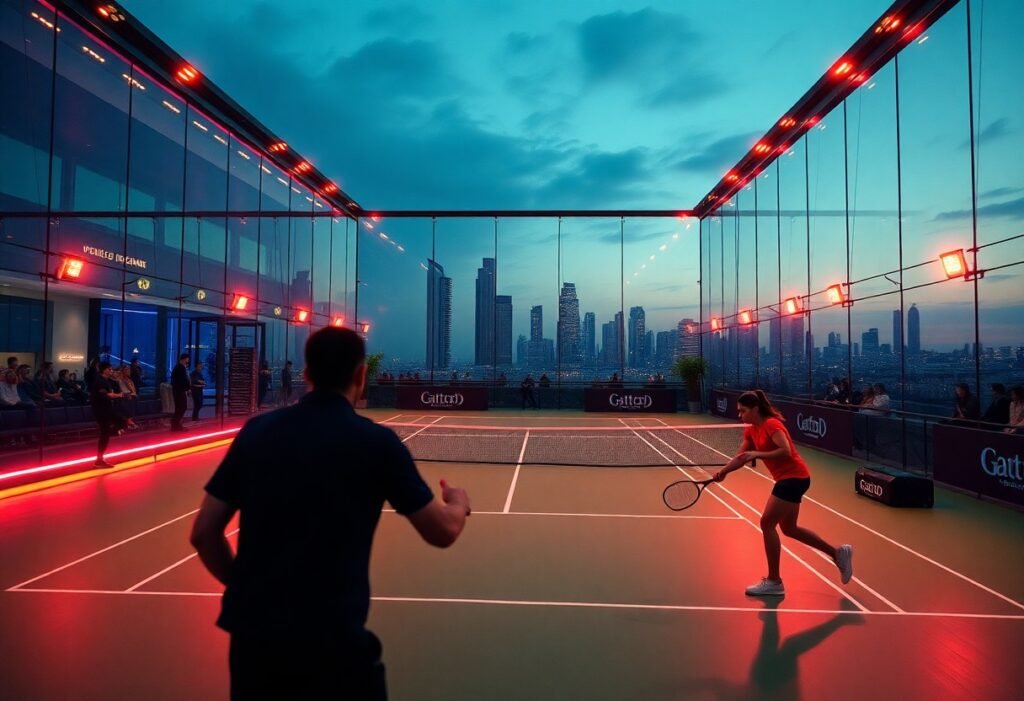
You may have noticed the rising popularity of padel, a sport that combines elements of tennis and squash. With its accessible gameplay and social aspect, padel is drawing in new players and fans worldwide. As more facilities are built and professional tours emerge, some are questioning whether this could be the next major global sport to rival tennis. In this post, we will explore the reasons behind padel’s rapid growth, the challenges it faces, and what the future might hold for your own involvement in this exciting new game.
Key Takeaways:
- Padel’s rapid growth is driven by increasing global interest and participation rates.
- Accessibility and lower barrier to entry make padel an attractive option for new players.
- Integration of padel into existing sports facilities enhances its visibility and popularity.
The Rise of Padel
Historical Background
Padel originated in Mexico in 1969, created by Alfonso de Hohenlohe, who designed the game as a smaller, more accessible version of tennis. The sport quickly spread to Spain in the 1970s and gained popularity across Europe. By the late 20th century, padel became a favorite pastime, known for its social aspects and dynamic gameplay, setting the stage for its current resurgence.
Global Popularity Surge
In recent years, padel has seen an explosive rise in global popularity, particularly in Europe and Latin America. The International Padel Federation (FIP) reported over 10 million players worldwide, with Spain hosting more than 20,000 padel courts. This growth is fueled by widespread media coverage, celebrity endorsements, and the establishment of professional leagues.
The surge in padel’s popularity can also be attributed to its appeal across various age groups and fitness levels. Events like the World Padel Tour have streamed live matches, attracting millions of viewers. Notably, high-profile endorsements from athletes like Lionel Messi and Novak Djokovic have amplified interest, making it a trending recreational activity. With new facilities emerging, even countries where padel was formerly obscure are witnessing substantial growth in both participation and viewership.
Key Demographics and Player Profiles
Your engagement with padel may resonate with diverse player profiles, particularly young adults and families. Typically, players range from ages 20 to 40, reflecting an inclination towards social sports that foster community, competition, and fitness combined.
Distinctively, padel appeals to both competitive athletes and leisure players. You’ll find that many players appreciate its quick learning curve, allowing newcomers to play effectively alongside seasoned athletes. Additionally, this sport fosters camaraderie, attracting groups of friends and family members who seek enjoyment and exercise. With its growing presence in schools and clubs, padel’s demographic landscape is set to expand significantly in the coming years.
Comparing Padel and Tennis
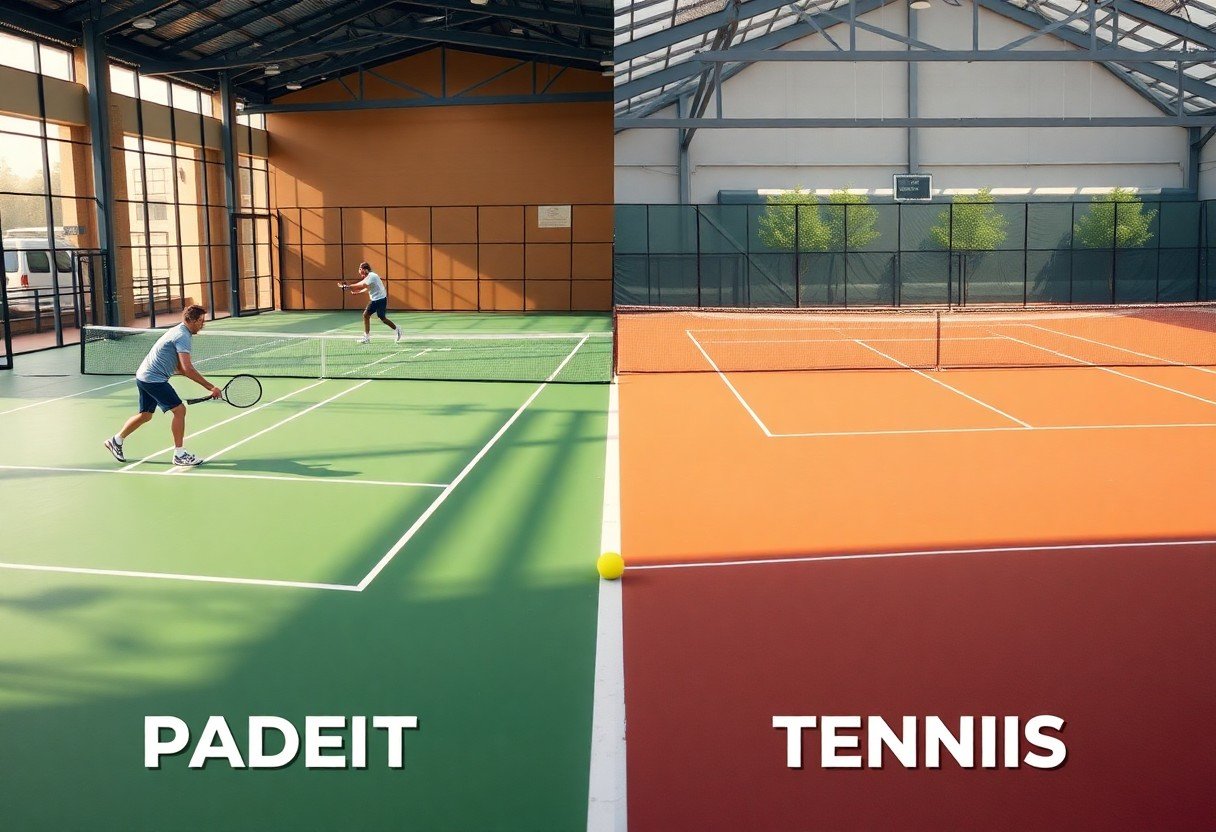
| Aspect | Padel | Tennis |
|---|---|---|
| Game Dynamics | Played on a smaller court, utilizes walls for gameplay. | Played on a larger court, no walls utilized. |
| Scoring | Similar to tennis, but matches are typically shorter. | Scoring can lead to longer match durations. |
| Player Count | Primarily played in doubles. | Can be played in singles or doubles. |
Game Dynamics and Rules
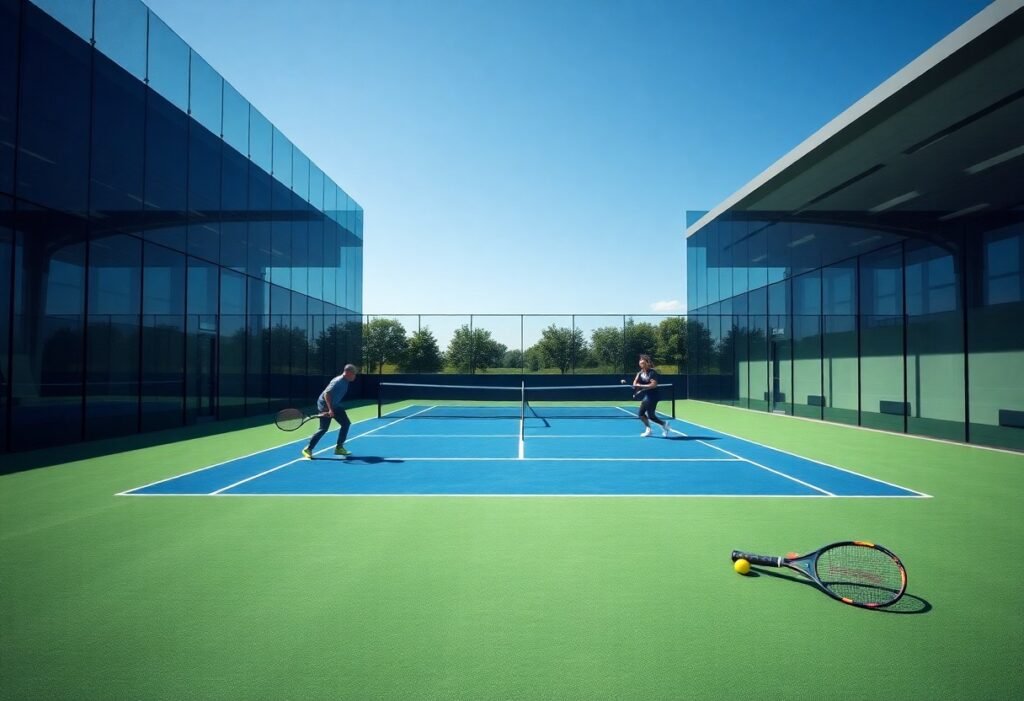
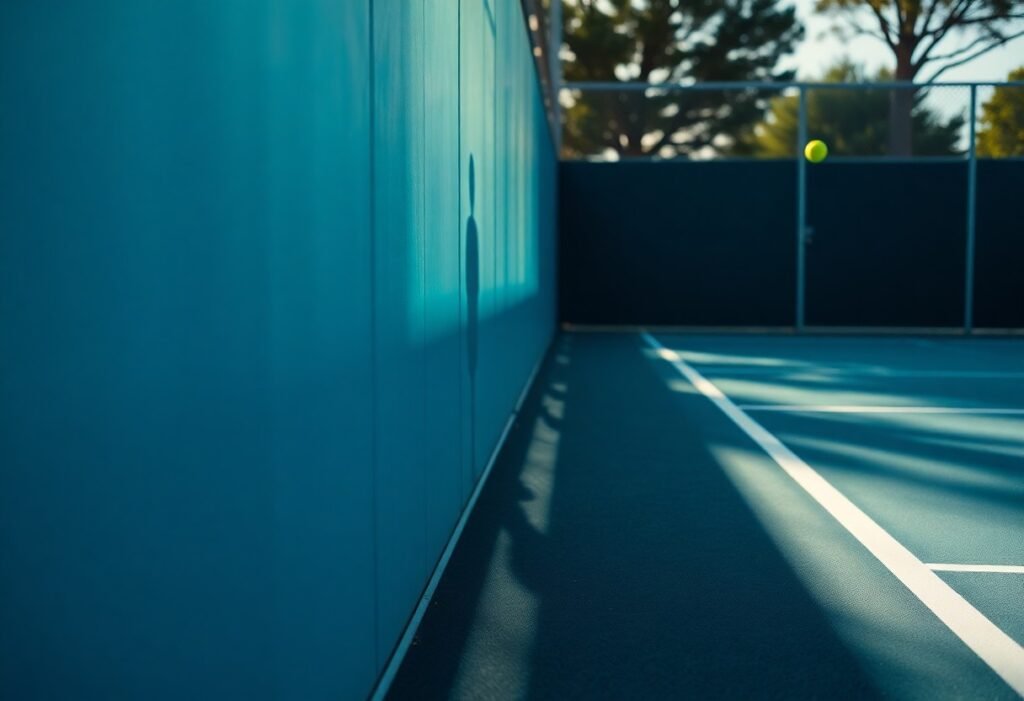
In padel, the court is enclosed and smaller, which allows for walls to be part of the game. This adds an element of strategy, as you can utilize the walls to keep rallies alive. Matches are typically shorter than traditional tennis, with fast-paced exchanges that appeal to both players and spectators. The rules are akin to tennis, but the unique court design changes defensive and offensive gameplay dramatically.
Accessibility and Inclusivity
Padel offers a more accessible platform for newcomers due to its simpler rules and smaller court size. You can easily grasp the fundamentals, making it a popular choice for beginners, families, and recreational players. This level of accessibility allows players of various skill levels to enjoy the game without feeling overwhelmed.
Padel encourages inclusivity, making it an excellent option for players of all ages and abilities. The shorter court dimensions and simplified rules mean that people can quickly learn and enjoy the sport, reducing intimidation often felt in tennis. Facilities are also more prevalent, making it easier for you to find and participate in local games or leagues.
Physical Demand and Skill Development
While both sports require agility and coordination, padel can be less physically demanding on the body, making it ideal for a wider range of players. You can enjoy rallies without the extended physical exertion typical in traditional tennis matches.
In padel, the focus on reflexes and technique allows you to develop skills quickly. The smaller court size means that rapid decision-making and quick movements are important, enhancing your hand-eye coordination and overall athleticism without the extended stamina requirements of tennis. This can also reduce the risk of injury, attracting more participants.
Equipment Differences
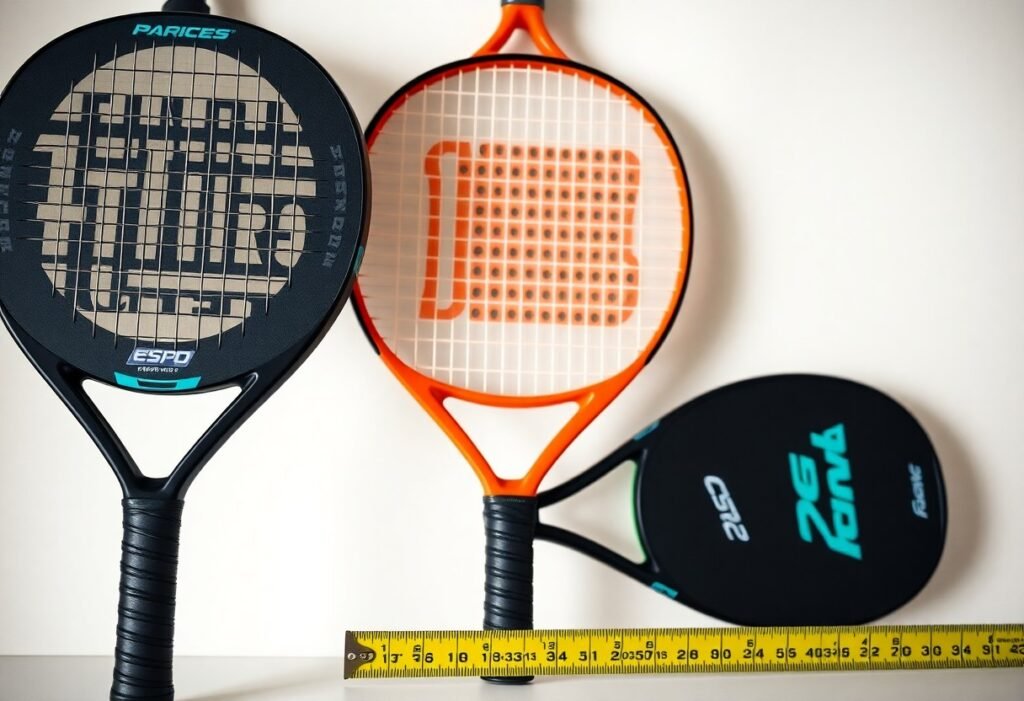
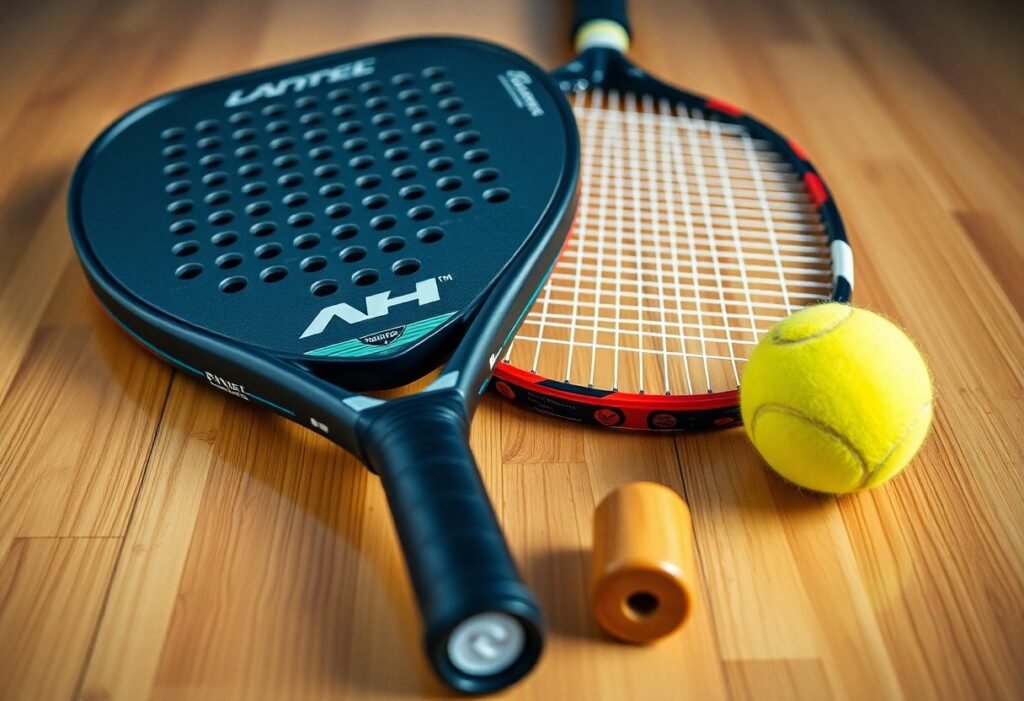
Padel requires different equipment, such as a solid racket without strings, which can be easier to handle for beginners compared to tennis racquets. Padel balls are also slightly different, offering a unique feel during play.
The equipment differences play a significant role in the learning curve. The solid racket design allows for improved control and can often enhance your confidence as you start playing. Padel balls are similar but designed for indoor and outdoor surfaces, which can make a noticeable difference in your overall playing experience. This shift in equipment also contributes to the distinctive style and feel of the game.
The Social Aspect of Padel
Padel as a Social Sport
Padel is inherently a social sport due to its doubles format and smaller courts, which encourage interaction between players. You’ll find that most matches are played with friends or new acquaintances, fostering camaraderie and enhancing the experience. The game’s laid-back atmosphere makes it accessible for players of all skill levels, promoting inclusivity and connection.
Community and Club Culture
The community and club culture surrounding padel are integral to its appeal. Clubs often serve as social hubs where you can meet fellow enthusiasts, participate in group sessions, and enjoy post-match gatherings. This sense of belonging is a key driver for both casual and competitive players alike.
As you engage with your local padel club, you’ll discover regular social events, leagues, and mixed tournaments that bring together members. This active community spirit not only enhances your enjoyment of the sport but also fosters lasting friendships and networks. Moreover, many clubs host social events, providing opportunities for players to connect both on and off the court, further strengthening the bond among members.
Events and Tournaments
Events and tournaments play a significant role in the padel experience, catering to players of all levels. Participation allows you to interact with a wider community, showcasing your skills while enjoying the competitive spirit.
Annual tournaments attract participants and spectators, shining a spotlight on emerging talent and established players alike. For instance, tournaments such as the World Padel Tour draw substantial crowds, creating a festive atmosphere that enhances the sport’s popularity. By taking part in local competitions, you not only validate your progress but also contribute to the flourishing padel culture, driving engagement and camaraderie among players.
Economic Impact of Padel
Market Growth and Investment Trends
The padel market has experienced remarkable growth, with an estimated value of over $3 billion in 2023 and projections to double by 2030. This surge is fueled by increased participation and demands for facilities. Major investors, including sports celebrities and multinational corporations, recognize the sport’s potential, leading to a significant influx of capital and innovative business models around padel.
Sponsorship and Media Rights
As padel gains popularity, brands are increasingly eager to associate with the sport, driving an uptick in sponsorships and media rights deals. Major companies, including Nike and Adidas, are getting involved, seeking to capitalize on the sport’s growing fanbase.
Specific deals showcase this trend, with recent sponsorship agreements worth millions for high-profile events. This activity not only boosts the sport’s visibility but also provides financial support for tournaments and grassroots initiatives, enhancing the overall ecosystem around padel and promoting long-term sustainability.
The Role of Padel Courts and Facilities
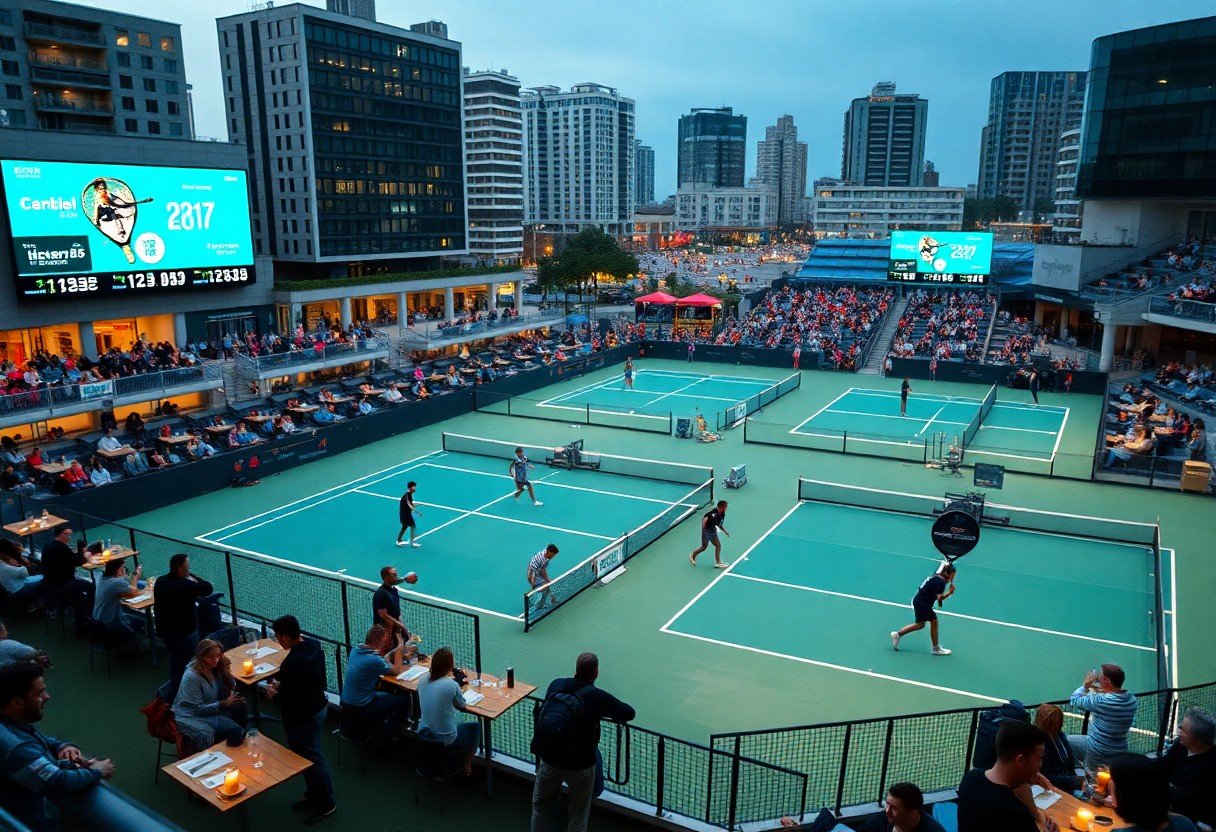
The rise of padel has led to a boom in specialized courts and facilities, with over 1,500 new venues established worldwide in the past two years. These modern spaces cater to the growing community, offering quality playing experiences and opportunities for social interaction.
Facilities equipped with multiple courts attract different demographics, supporting leagues and coaching programs, thus contributing significantly to local economies. By providing accessible spaces, these venues not only enhance participation but also create jobs, invigorating businesses related to sports, fitness, and hospitality surrounding padel.
Challenges Facing Padel
Infrastructure Limitations
You will encounter infrastructure limitations that hinder the growth of padel in certain regions. Many countries lack the necessary facilities, from dedicated courts to adequate training centers. As a result, players often struggle to access quality venues, which can stifle participation rates and overall enthusiasm for the sport. Investment in new infrastructure remains vital to ensure padel’s sustained growth and visibility.
Competition from Established Sports
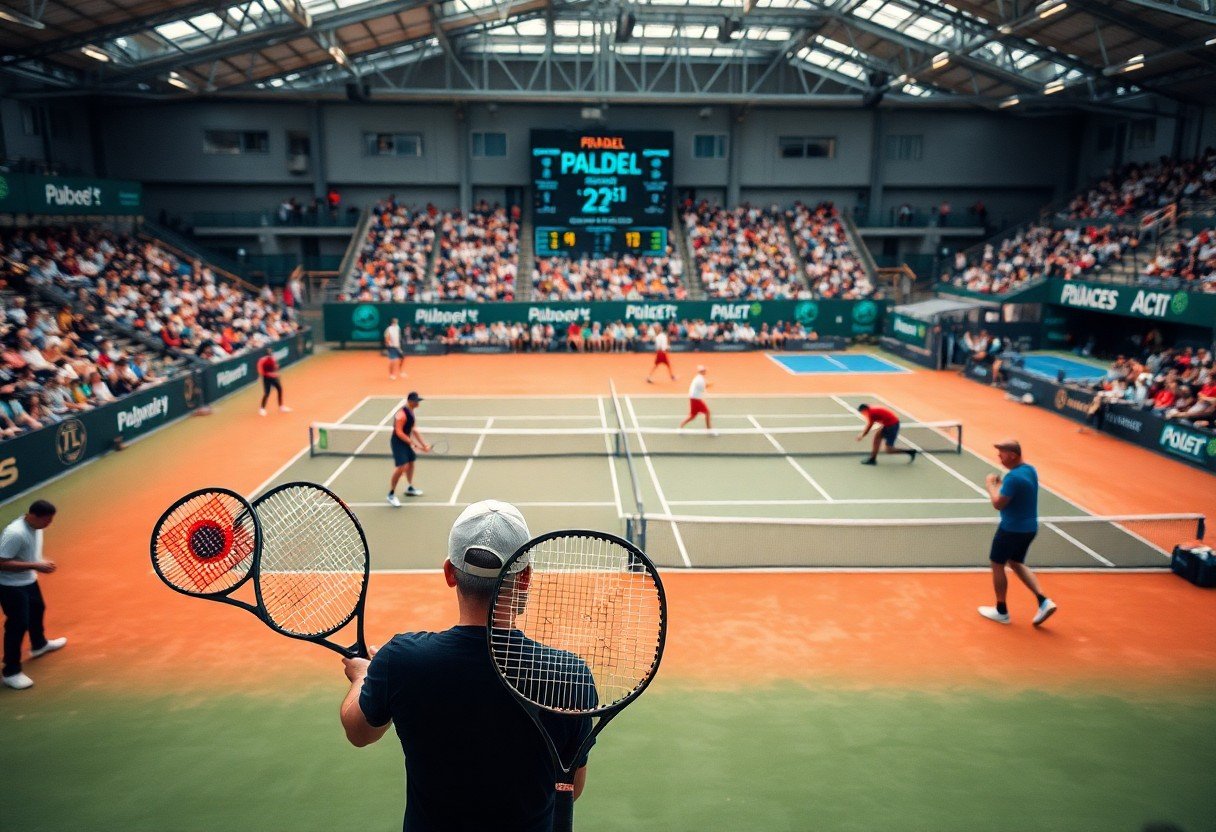
The competition from established sports like tennis and soccer presents a significant hurdle for padel’s momentum. With players and viewers already committed to these traditional games, attracting attention for padel requires clever marketing and strategic partnerships to carve out its niche.
Additionally, established sports have a broader audience base and sponsorship deals that padel is still working to secure. The overwhelming presence of high-profile athletes and significant media coverage for traditional sports can overshadow padel’s potential. To gain traction, you might need to foster community engagement, host local tournaments, and collaborate with popular athletes to raise the sport’s profile.
Cultural Acceptance and Recognition
Cultural acceptance and recognition are vital for padel to thrive globally. Variations in sports popularity across different regions can limit your ability to promote padel effectively. In some cultures, traditional sports dominate recreational and competitive landscapes, making it vital to build a supportive community around padel.
To enhance cultural acceptance, you should focus on grassroots initiatives and celebrity endorsements that can shift perceptions about padel. For instance, collaborating with renowned influencers or sports figures from regions where padel has gained traction could encourage wider participation and accolades within the broader sporting community. Ultimately, the aim should be to position padel as a legitimate and desirable option alongside other mainstream sports, allowing you to reach a diverse audience and foster a richer sporting culture.
Future Prospects for Padel
Predictions for Growth
You can anticipate continued exponential growth in the global padel market, projected to reach $5 billion by 2026. Factors driving this surge include increased media visibility, celebrity endorsements, and a burgeoning youth demographic embracing the sport. This expansion mirrors trends similar to those seen in tennis, painting a promising future for padel’s prominence, as detailed in this article on Padel Is Not Tennis’s Sidekick. It’s the Future.
Innovations in Gameplay and Technology
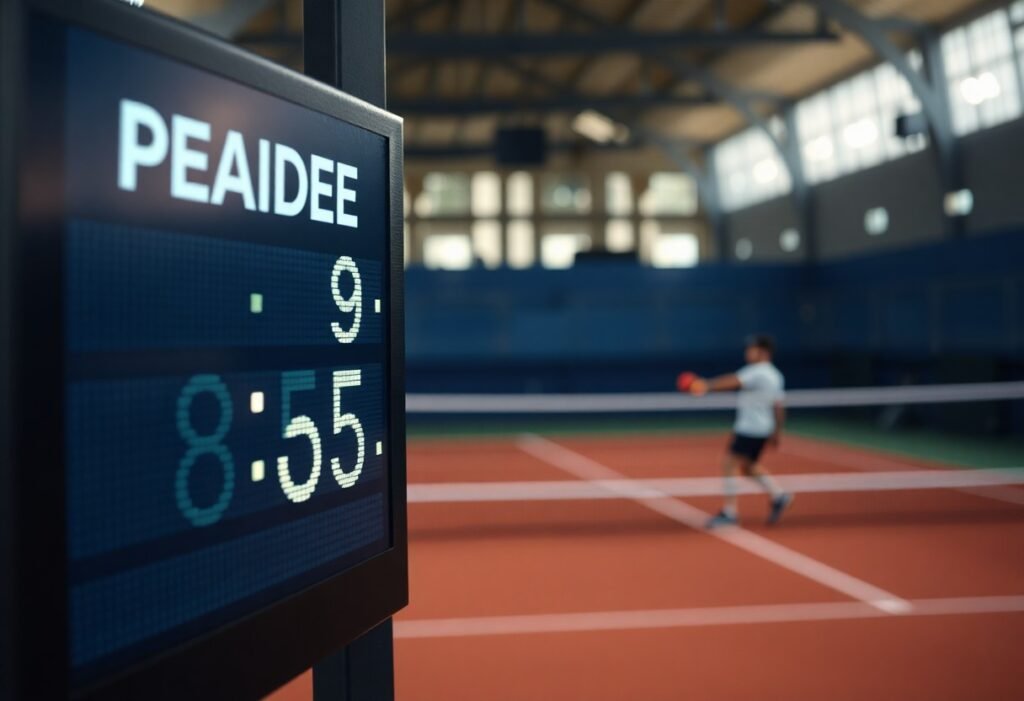
Advancements in technology are set to revolutionize padel, enhancing your gameplay experience with innovations like smart rackets and digital scorekeeping systems. These technologies not only improve performance but also make matches more engaging for spectators.
For instance, smart rackets equipped with sensors can provide real-time feedback on your swing mechanics, helping you refine your technique. Additionally, augmented reality applications could enable fans to visualize game strategies during live matches, deepening their connection to the sport. The fusion of padel with technology has the potential to attract a broader audience and maintain their interest in the long run.
Potential for Olympic Inclusion
There’s a strong possibility that padel could be included in the Olympic Games in the near future, given its rapid growth and international appeal. This could significantly elevate the sport’s status and attract new talent.
Many sporting organizations are already advocating for padel’s inclusion, highlighting its global reach, particularly in countries like Spain and Argentina. With its engaging format and fast-paced nature, padel aligns well with Olympic values, promising to draw in youthful audiences and sponsor interest. As more countries embrace the sport, its Olympic journey seems promising, potentially changing the landscape of competitive sports forever.
Summing up
Drawing together the current trends and growth trajectories of padel, it’s evident that you are witnessing the rise of a sport that could indeed rival tennis in popularity. As more players, both amateur and professional, gravitate towards its engaging gameplay and social environment, you may find your own interest piqued. The increasing infrastructure, sponsorships, and media coverage suggest that padel is well-positioned to carve out its place in the sporting landscape, making it worthy of your attention as it evolves into a mainstream phenomenon.
FAQ
Q: What is the current popularity of padel compared to tennis?
A: Padel has been experiencing rapid growth, especially in Europe and Latin America, where it is gaining popularity at a faster rate than tennis in some regions. Its accessibility and social nature contribute to its appeal.
Q: What factors are driving the growth of padel?
A: Factors include its ease of learning, social play environment, minimal space requirements for courts, and increasing investments from sponsors and clubs. Additionally, media exposure and celebrity endorsements are boosting its visibility.
Q: How does padel compare to tennis in terms of gameplay?
A: Padel is generally considered more approachable due to its shorter matches and fewer technical strokes required. The game is played in doubles, fostering a social atmosphere, while tennis can be played as singles or doubles and often demands more physical conditioning.
Q: Will padel ever reach the same professional level as tennis?
A: While padel is rapidly professionalizing with tournaments and world rankings, it may take time to reach the same level as tennis, which has a longer establishment, extensive global infrastructure, and larger financial backing in terms of sponsorship and prize money.
Q: What are the prospects for padel’s future growth in the next decade?
A: Padel is expected to continue its upward trajectory, driven by investments, increased participation rates, and a growing number of affiliated clubs and facilities. Its potential entry into the Olympics and further media coverage may also enhance its growth prospects.