
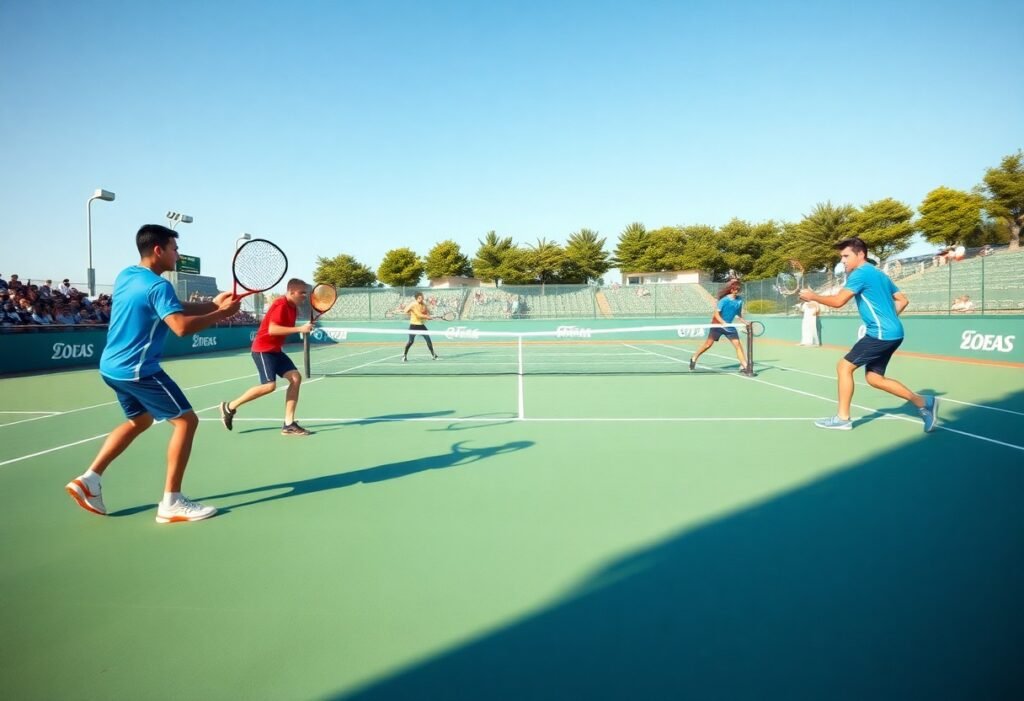
Padel doubles matches require a strong understanding of strategy and teamwork to succeed. You must master positioning, communication, and shot selection to dominate your opponents. By utilizing the front and back court dynamics, you can control the pace of the game and put pressure on your rivals. Additionally, developing a solid serve and return strategy is necessary for gaining an early advantage. This guide will equip you with necessary tactics to enhance your performance and elevate your doubles game.
Key Takeaways:
- Focus on communication with your partner to ensure coordinated movements and shot selection.
- Utilize positioning strategies, such as maintaining a strong formation and covering the court effectively.
- Employ tactics like targeting opponents’ weaknesses and varying shot placement to gain an advantage.
Understanding Padel Doubles
Basics of the Game
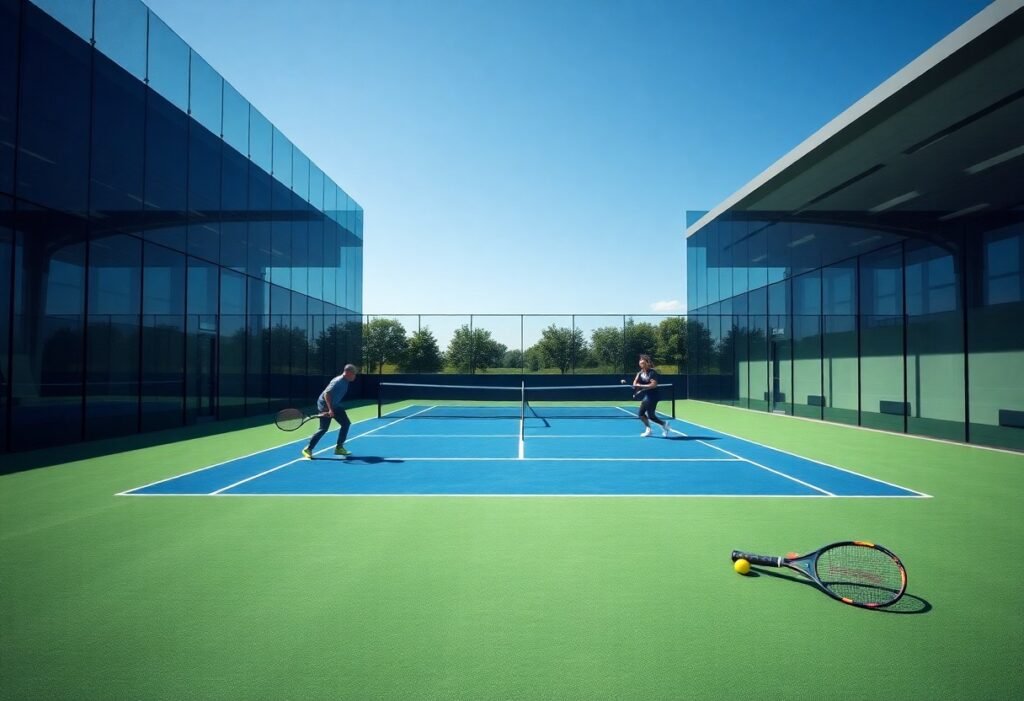
In padel doubles, you play as a team of two against another duo on a court enclosed by walls. The scoring system follows traditional tennis, with matches typically consisting of best-of-three sets. You need to utilize the walls strategically for returning shots and positioning yourself effectively around the court to maximize your chances of winning rallies.
Key Differences Between Singles and Doubles
Unlike singles, where you have the entire court to cover alone, doubles matches require you to work closely with your partner. This means you must coordinate movements and shot selections based on your positions and your opponents’ actions. The court is usually more crowded, leading to specialized strategies for defense and attack.
In singles, you rely heavily on your individual skills and stamina, while in doubles, teamwork supersedes personal prowess. The court dynamics shift as you share the space with a partner, making communication and positioning vital. Effective shot placement becomes vital, as you can target specific weaknesses in your opponents’ partnership, exploiting gaps that wouldn’t exist in a singles match.
Importance of Team Dynamics
Successful doubles play hinges on robust team dynamics, where you and your partner establish trust and understanding. Many matches are won through effective coordination, allowing for seamless movements and shot selection that catch opponents off guard.
Strong team dynamics involve not just communication but complementing each other’s strengths and weaknesses. For instance, if one of you is a more aggressive net player, it’s important for the other to remain back, ready to cover any lobs. This strategic balance can lead to dominant rallies, where you control the court and dictate play, often leading to a tactical advantage over your opponents.
Fundamental Tactics for Winning
Positioning on the Court
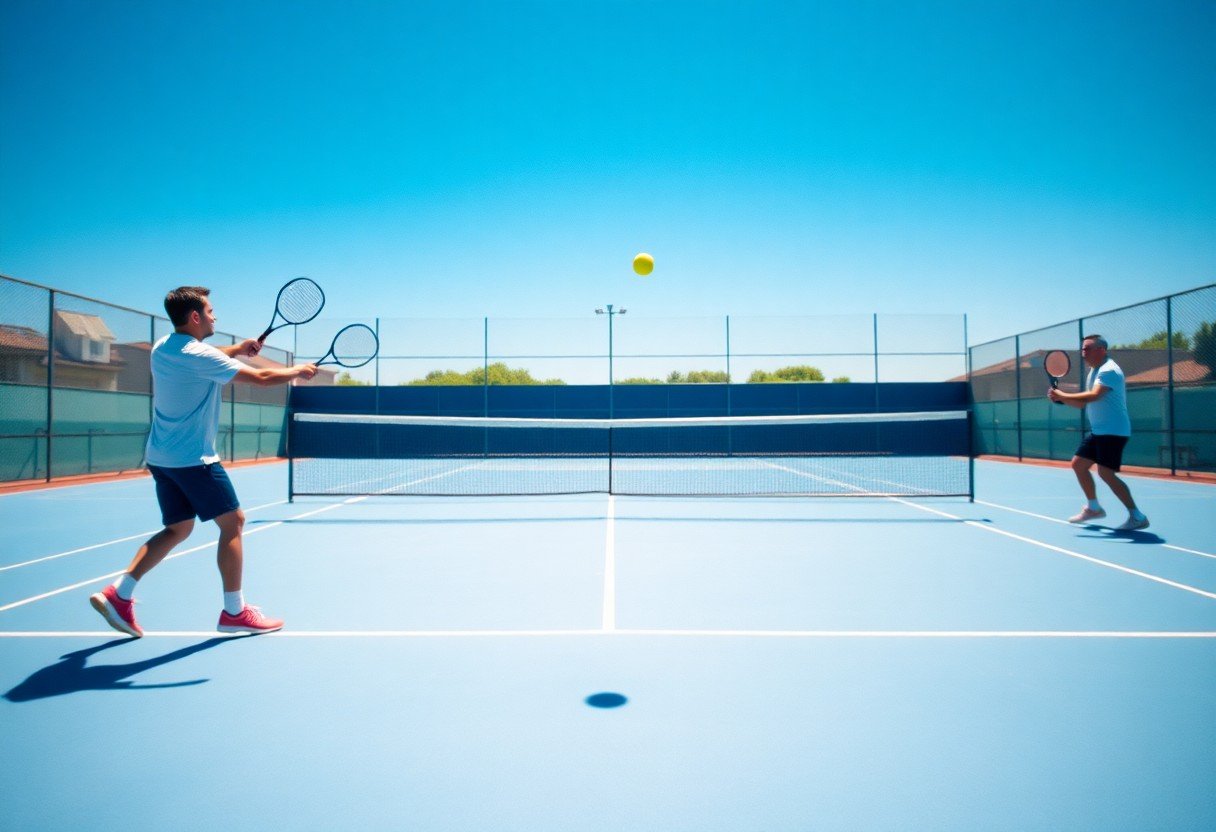
Your positioning on the court directly impacts your ability to cover shots and respond effectively. Maintain a balanced stance, with your feet shoulder-width apart, ready to move in any direction. Stand closer to the net when your opponents are at the baseline, and retreat to the baseline when they approach the net, allowing you to adjust to their shots while minimizing gaps for them to exploit.
Effective Communication with Your Partner
Clear and open communication with your partner is necessary for a successful doubles match. Use verbal cues, such as calling for shots, and non-verbal signals, like eye contact or gestures, to coordinate your movements and strategies seamlessly. This synergy enhances your teamwork and ensures both players are on the same page.
Always establish a communication plan before the match, agreeing on who will take shots in specific situations. Frequent check-ins during intervals can also keep both players aware of each other’s feelings and strategies, fostering a collaborative environment. Recognizing and respecting each other’s strengths strengthens your overall performance and cohesiveness on the court.
Utilizing the Walls for Advantage
In padel, the walls are not just obstacles; they can be potent tools for gaining an edge. Be strategic when using them, as the ball rebounds can create unexpected angles that confuse your opponents. Aim to hit the ball close to the walls when executing your shots, ideally setting up opportunities for a winning volley or causing errors from your opponents.
Consider practicing specific wall shots like the ‘bandeja’ or ‘smash’ to utilize the walls’ angles effectively. When executing these shots, focus on controlling the placement and spin to keep your opponents off balance. Incorporating wall use into your game strategy can lead to an enhanced tactical advantage, changing the dynamic of play and putting your opponents in defensive positions.
Offensive Strategies
Constructing Winning Points
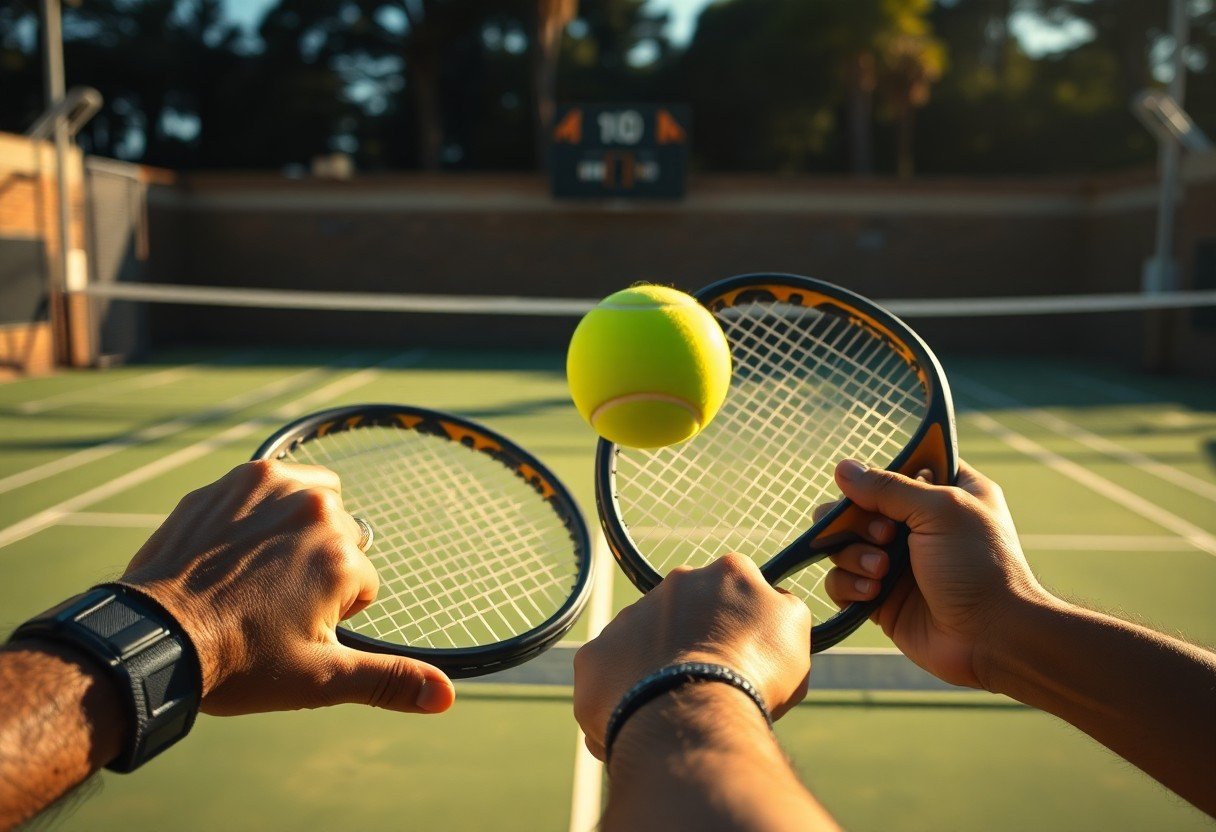
To construct winning points, focus on your positioning and shot selection. Start with strong serves that put your opponents on the defensive. Follow this by moving them around the court, utilizing angled shots and deep balls. Your goal is to create an opening for a decisive shot. By maintaining consistent pressure, you can force errors and capitalize on their mistakes.
Targeting Opponents’ Weaknesses
Identifying and exploiting your opponents’ weaknesses can turn the tide of a match. Observe their movement, shot preferences, and positioning. If one player struggles with backhand returns, aim your shots towards that side to gain the upper hand and create scoring opportunities.
By honing in on specific vulnerabilities, you can disrupt your opponents’ rhythm and increase your chances of success. For instance, if a player consistently mishits volleys under pressure, make targeted volleys that force them into uncomfortable positions. This strategy not only reduces their confidence but also elevates your overall game effectiveness, ensuring you maintain dominance throughout the match.
The Role of Volleying in Pressure Situations
In high-pressure scenarios, effective volleying can be a game-changer. Quick reflexes and precise placement can thwart your opponents’ attempts to control the point. Ensure you position yourself well at the net, ready to intercept and redirect their shots.
Mastering volleys under pressure allows you to take control of the net, a critical area in padel. When you posture yourself effectively and anticipate your opponents’ shots, you can cut off angles and exploit openings. Successful volleys create momentum shifts, allowing you to dictate play and potentially finish points decisively. Practicing your volleying skills will enhance your confidence and performance when the stakes are highest.
Defensive Strategies
Anticipating Opponent Moves
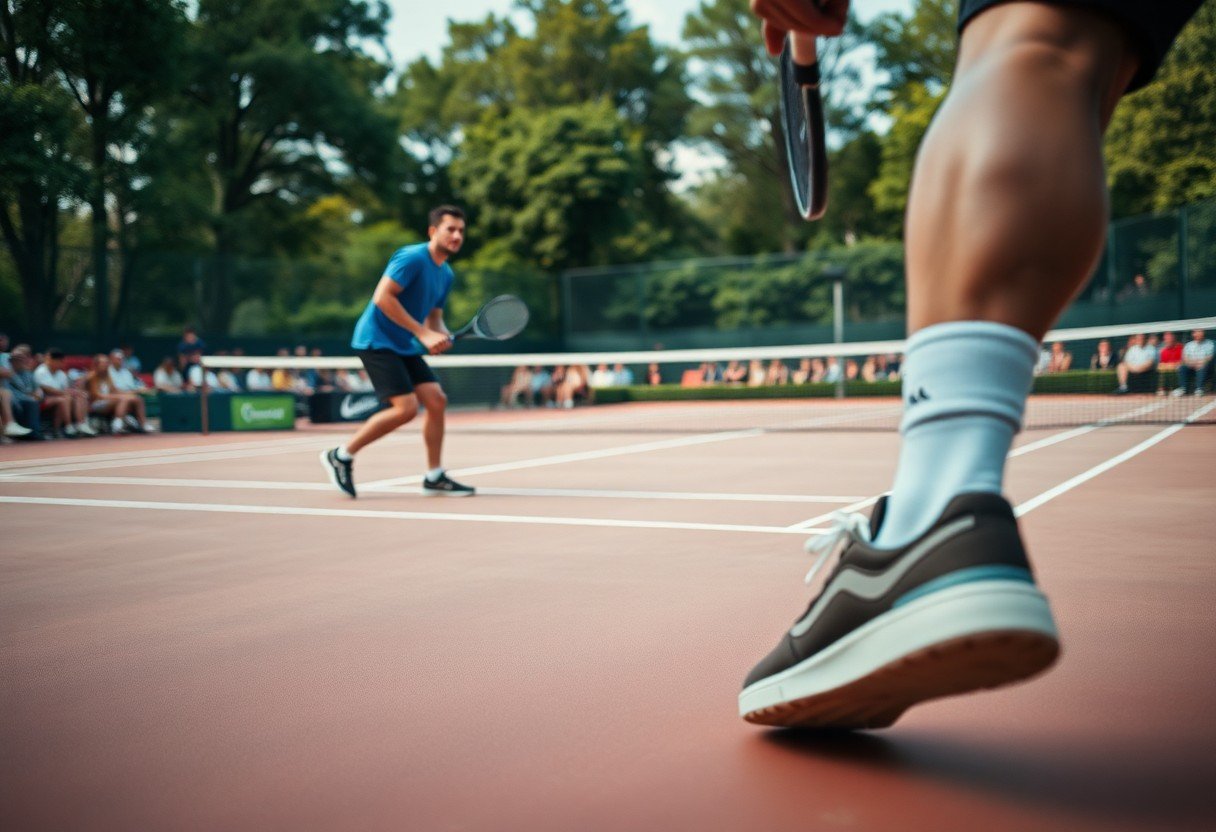
To enhance your defensive play, you must sharpen your ability to anticipate your opponents’ next moves. Watch their body language and racket positioning to predict whether they will go for a deep shot, a volley, or a lob. Stay alert for subtle cues, and adjust your own positioning accordingly. This proactive approach helps you react swiftly, potentially turning a defensive situation into an opportunity. For more insights, check out Padel Doubles Tactics: Communication and Coordination ….
Defensive Stance and Court Coverage
Your defensive stance and court coverage are vital in minimizing your opponents’ scoring opportunities. Maintain a low center of gravity with knees slightly bent, ready to move in any direction. Position yourself strategically with your partner to cover the court effectively, staying within an arm’s length distance from each other.
To maintain optimal court coverage, you should always adjust your position based on your partner’s movements and the location of the ball. If your partner engages at the net, you might need to shift towards the back of the court to prepare for potential lobs. Use lateral and diagonal movements to ensure you cover any gaps while remaining agile enough to respond to quick exchanges.
Counter-Strategies to Aggressive Play
When faced with aggressive opponents, your defensive strategy should include effective counter-measures. Consider utilizing high lobs or deep shots to push them back, disrupting their rhythm and forcing them to retreat. These shots can frustrate their aggressive playing style and allow you to regain control of the point.
Implementing counter-strategies against aggressive play requires quick thinking and adaptability. If your opponents frequently attack the net, aim for deep shots that keep them grounded at the backline. Consider using angles to send them wide off the court, opening up space for your partner to capitalize. Maintaining a strong, consistent defense can turn the tide even against the most aggressive players.
Psychological Factors in Doubles Matches
- Team Confidence
- Stress Management
- Positive Reinforcement
Building Team Confidence
To enhance team confidence, establish clear communication and mutual support during play. Celebrate small victories, whether it’s a well-executed shot or a strategic play. This positivity fosters a belief in your combined abilities and strengthens your partnership on the court.
Managing Stress and Pressure
Effective stress management techniques are vital during high-stakes matches. Focus on breathing exercises to maintain composure and avoid letting pressure impact your performance. Prioritize staying present by concentrating on immediate tasks rather than worrying about the outcome.
Utilizing visualization techniques can also support your efforts in managing stress. Picture yourself executing successful plays and maintaining focus during pivotal moments. By envisioning these scenarios, you build a mental roadmap that can guide your performance under pressure, leading to improved reactions and decision-making during matches.
The Importance of Positive Reinforcement
Positive reinforcement can significantly influence your performance on the court. Acknowledge each other’s efforts and successes, no matter how small, to uplift your partnership. Regular affirmation helps in developing trust, which is integral for cohesive play.
Consistently applying positive reinforcement contributes to a supportive atmosphere that empowers both players. When you recognize and compliment your partner’s strengths, it fosters a collaborative spirit that directly translates into better on-court performance. A solid foundation of encouragement allows you to tackle challenges more effectively as a team.
Essential Tips for Padel Doubles Success
- Communicate effectively with your partner.
- Develop a strong net game.
- Anticipate your opponent’s shots.
- Utilize court positioning to your advantage.
- Stay positive and support your partner.
Practicing Together as a Team
To achieve success in padel doubles, practicing together as a team is necessary. Regular practice enhances your coordination and understanding of each other’s strengths and weaknesses. Focus on specific drills that improve both offensive and defensive plays. By developing a rhythm in your movements and communication, you create a solid foundation that elevates your game during matches.
Learning from Each Match
After every match, take the time to analyze your performance and that of your partner. Discuss the strategies that worked and those that didn’t, focusing on why certain decisions were made. By reviewing key moments, you can pinpoint areas for improvement and adapt your tactics for future matches. Recognizing what you can control will lead to more consistent performances.
Learning from each match involves a detailed breakdown of your decisions. Consider how you positioned yourself and reacted during critical game situations. Review point construction and the effectiveness of your communication with your partner, as these elements directly influence results. By continuously evaluating and discussing these factors, you can cultivate a more strategic mindset moving forward.
Setting Goals for Improvement
Establishing clear goals for improvement is vital for your growth as a padel doubles player. Set both short-term and long-term objectives that align with your performance aspirations. Goals can be skill-oriented, such as enhancing your serve accuracy, or result-oriented, like winning a specific tournament. Recognizing your targets will keep you motivated and focused on steady improvement.
Setting goals requires reflection on areas needing development and identifying benchmarks for success. For instance, aim to increase your winning percentage in specific situations or improve your first serves’ effectiveness. Monitoring your progress towards these goals fosters accountability and helps maintain a proactive approach in your training. Such a mindset can lead to significant advancements in your overall game.
Conclusion
With this in mind, mastering Padel tactics can significantly enhance your chances of winning doubles matches. Focus on communication with your partner, positioning yourself effectively on the court, and utilizing strategic shots to control play. By anticipating your opponents’ moves and adapting your strategy accordingly, you’ll create opportunities to exploit weaknesses in their game. Embrace a collaborative approach, and always be prepared to adjust based on match dynamics. Implement these tactics, and you’ll find yourself achieving greater success on the court.
FAQ
Q: What are the basic tactics for winning in Padel doubles?
A: Key tactics include effective communication between partners, positioning to cover the court, utilizing volleys and lobs strategically, and playing to opponents’ weaknesses.
Q: How important is positioning in Padel doubles?
A: Positioning is vital; players should always aim to maintain an optimal formation to control the center of the court while being ready to react to opponents’ shots.
Q: What are effective communication strategies for partners in Padel?
A: Partners should develop clear signals for play styles, call shots when necessary, and regularly discuss strategies throughout the match to ensure synchronized teamwork.
Q: How can I exploit my opponents’ weaknesses during a match?
A: Observe your opponents closely; target weaker players, exploit their positioning errors, and use specific shots that they struggle to return effectively.
Q: What shot selection should I focus on in Padel doubles?
A: Focus on a mix of aggressive volleys, accurate groundstrokes, and well-timed lobs; vary your shots to keep opponents unsettled and unable to anticipate your next move.