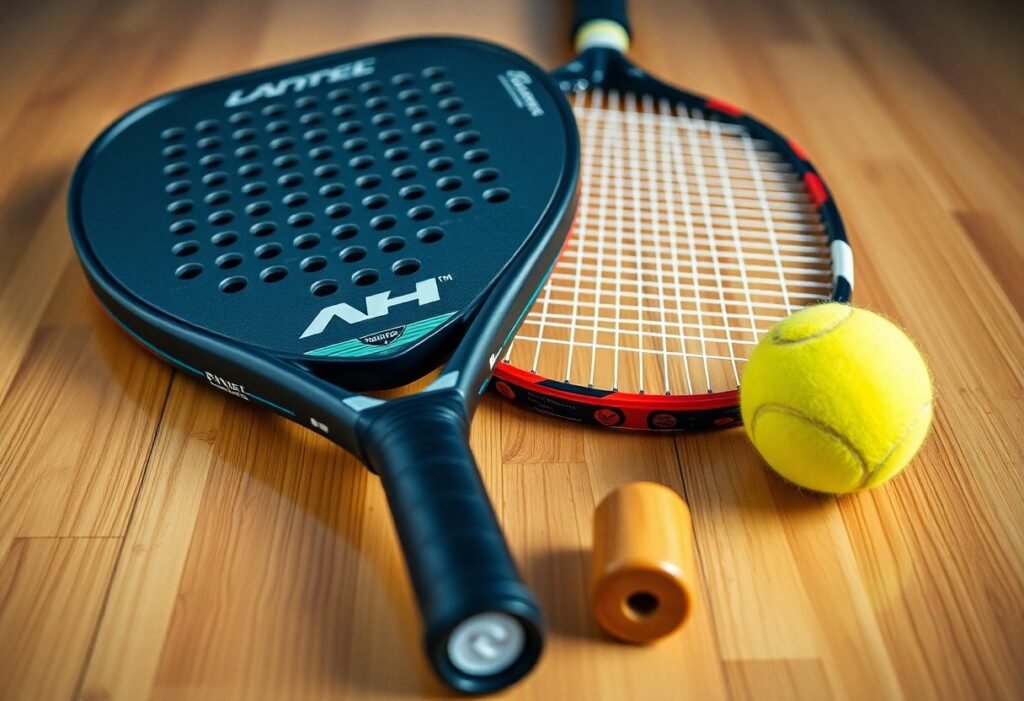

Over time, selecting the perfect padel grip can significantly impact your performance on the court. You need to consider factors like grip size, material, and your playing style to enhance your game. A well-chosen grip not only improves your control and power but also helps in preventing injuries caused by improper handling. By understanding these key elements, you can confidently choose a grip that suits your needs and elevates your playing experience.
Key Takeaways:
- Test different grip sizes to find the one that feels natural and comfortable in your hand.
- Choose a grip type (e.g., Eastern, Western, Continental) that aligns with your playing style and the type of shots you prefer.
- Assess your grip’s texture and thickness for optimal control and comfort during play.
Understanding Padel Grips
What is a Padel Grip?
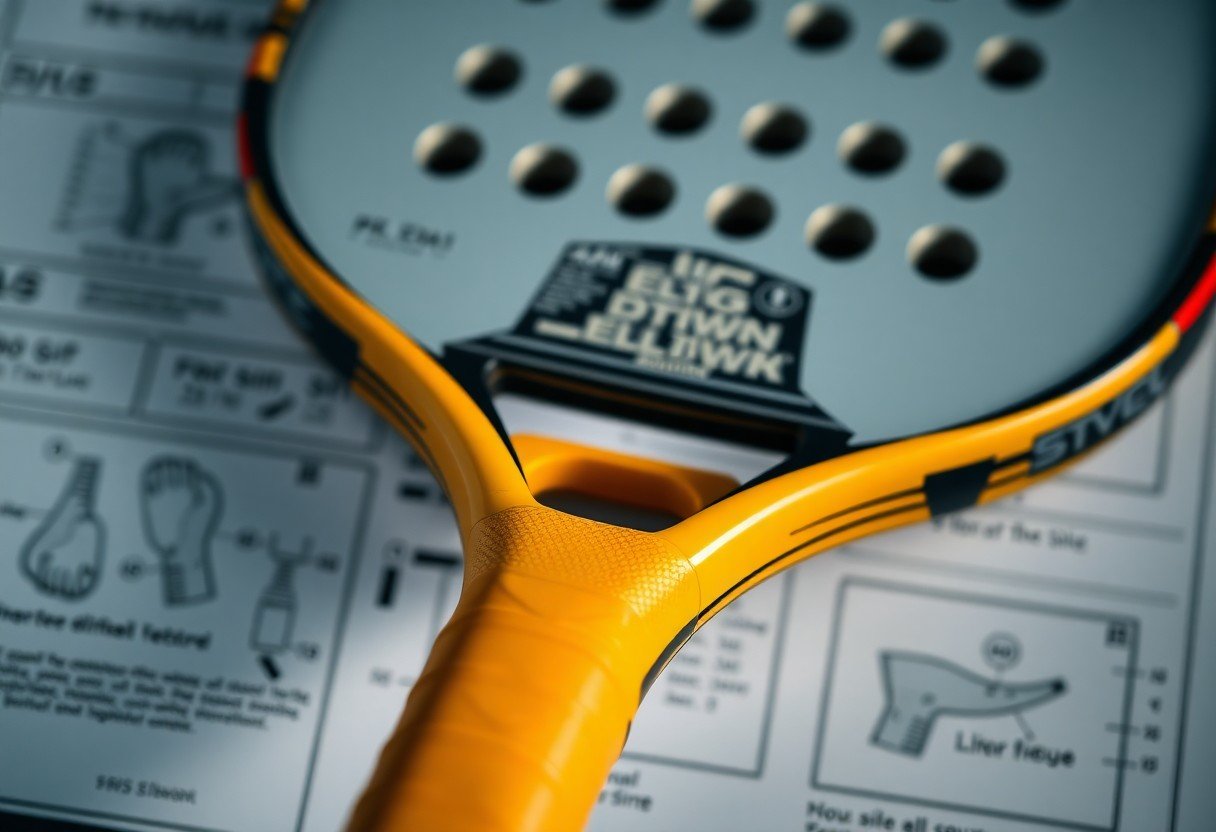
A padel grip refers to the way you hold the racket, influencing control, power, and precision in your shots. The grip’s size and style can notably affect your play, contributing to comfort during matches. Mastering the grip enhances your overall performance and skill development on the court.
Types of Padel Grips
There are several common types of padel grips you can use, each offering different advantages based on your playing style. The three main grips include the Eastern, Western, and continental grips. Each has its unique characteristics that cater to varying shot types and levels of spin.
- Eastern Grip: Naturally aligns for forehand shots.
- Western Grip: Ideal for topspin-focused players.
- Continental Grip: Great for volleys and serves.
- Modified Grips: Tailored for individual comfort.
- Choosing a Grip: Influences angles and shot execution.
| Grip Type | Characteristics |
| Eastern | Alleviates downward angle for a natural swing. |
| Western | Promotes maximum topspin for high-bouncing shots. |
| Continental | Versatile for serve, volley, and overheads. |
| Modified | Personal customization for better feel. |
| Combination | Mixing grips for varied play styles. |
The type of grip you choose can significantly impact your game. For instance, the Eastern grip allows for quick adjustments between shots while maintaining power. On the other hand, the Western grip ensures greater topspin, which is valuable in specific scenarios. After you experiment, you will find the grip that best complements your unique style and enhances your performance.
Importance of Grip in Padel
The right grip is vital in padel as it shapes your playing style and effectiveness. A well-chosen grip increases maneuverability and shot accuracy, allowing for better reactions and adjustments during play. Understanding the nuances of grip affects your confidence and consistency on the court.
Your grip impacts not only your comfort but also your shot longevity and effectiveness. A proper grip minimizes the risk of injury and ensures that you can react quickly to opponents’ shots. After choosing the right grip, you will find your game improving, leading to a more enjoyable and successful padel experience.
Factors to Consider When Choosing a Grip
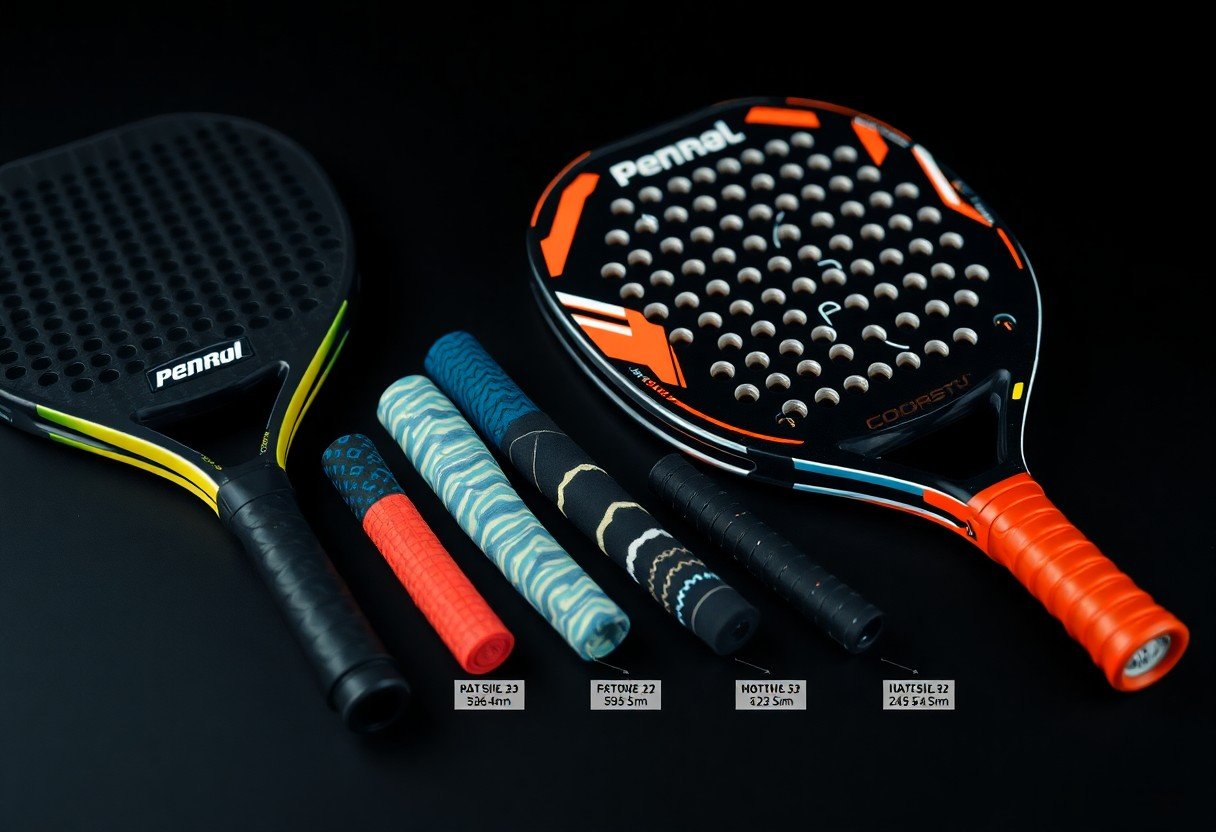
- Hand Size
- Playing Style
- Grip Material
- Environmental Conditions
Hand Size and Finger Length
Your hand size and finger length significantly influence the grip you should choose. A smaller hand may require a thinner grip, while larger hands may find thicker grips more comfortable. Proper sizing ensures you maintain control and reduces the risk of hand cramps or fatigue during play.
Playing Style and Skill Level
Your playing style and skill level are imperative when selecting a grip. Beginners may benefit from a more forgiving grip, while experienced players might opt for a grip that allows for advanced techniques. Adapting the grip to match your style enhances comfort and performance on the court.
As you develop your skills, your preferred grip may evolve. If you rely on power and aggression, you might gravitate toward a thicker grip. However, if finesse and control are key to your game, a thinner grip might offer the sensitivity you need for precise shots.
Grip Material Composition
The composition of the grip material also plays a vital role in your choice. Materials like rubber or synthetic blends provide varying levels of traction and shock absorption, which can enhance your comfort during prolonged play. Selecting the right material can improve your overall grip feel and stability.
For example, a grip made of high-quality rubber may offer more durability and moisture-absorption, keeping your hand dry and reducing slippage. In contrast, a foam grip might feel cushy but could wear out faster. Evaluate your preferences based on how much grip and comfort you seek.
Environmental Conditions
Environmental conditions can impact grip selection, particularly humidity and temperature. In humid environments, you may need a grip that offers enhanced moisture-wicking properties to maintain control. Conversely, in dry conditions, you might opt for a grip that feels tacky and secure.
Your playing environment dictates how your grip behaves. For instance, wet conditions often require a tackier, more textured grip to prevent slipping, while a dry climate might allow for a smoother finish. Perceiving these variables ensures you select a grip that suits your playing conditions effectively.
How to Evaluate Grip Comfort
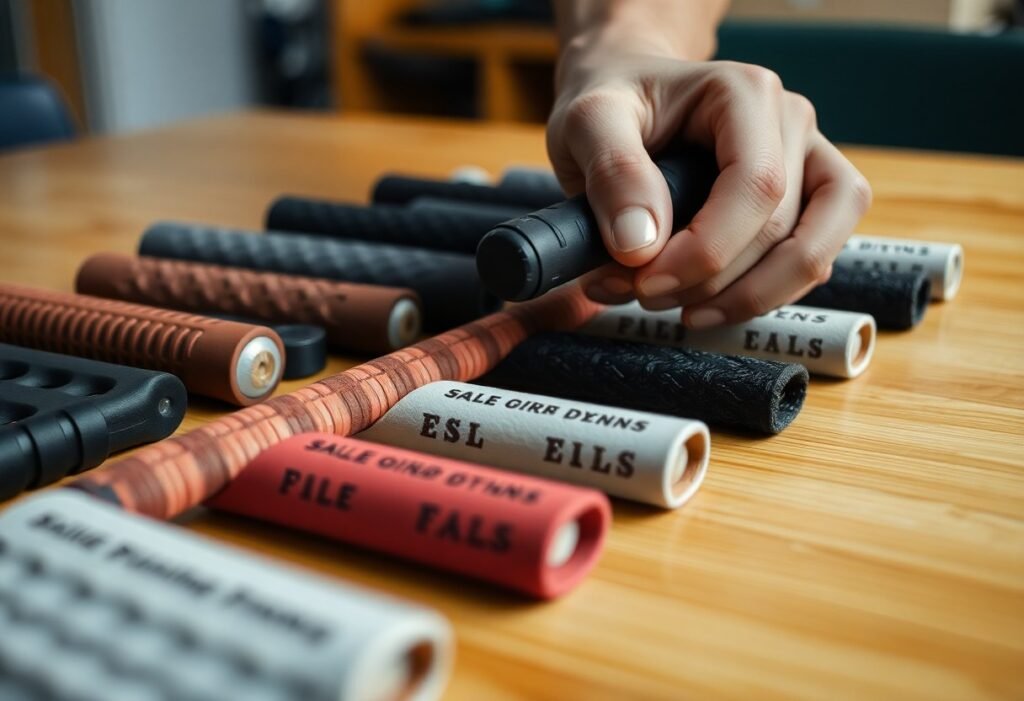
Testing Different Grip Sizes
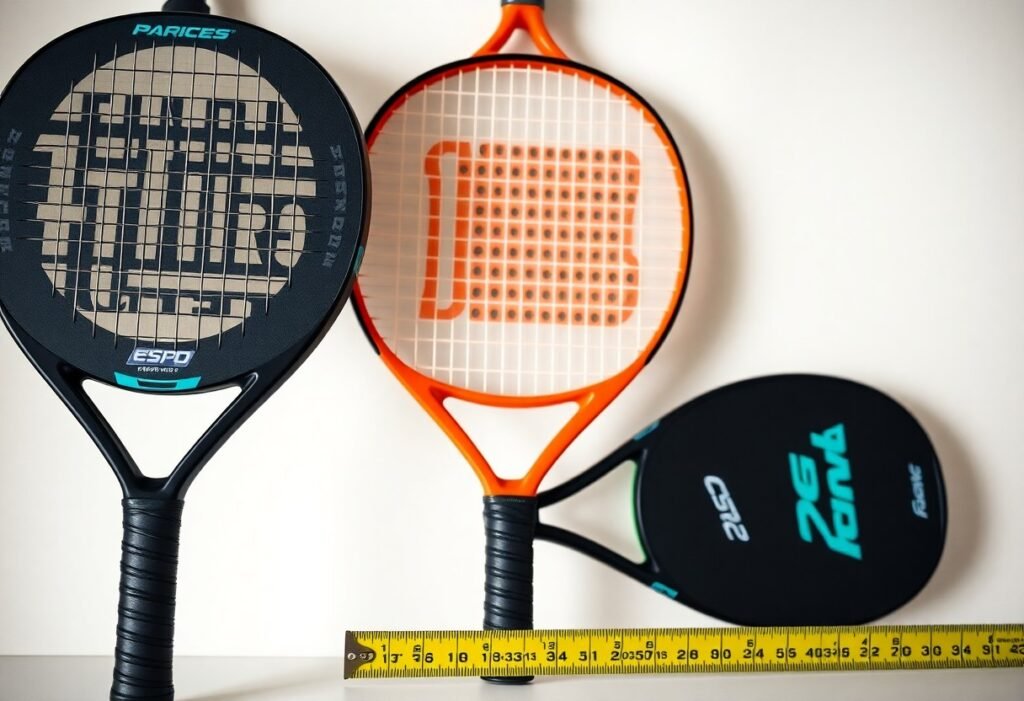
To find the grip size that feels most comfortable, you should test various sizes by holding them in your hand during mock swings. Focus on how secure your grip feels and whether your fingers can comfortably wrap around the handle. A good indicator is that your fingertips barely touch the base of your palm when holding the racket correctly. This ensures that you have adequate control without feeling cramped.
Ensuring Proper Weight Distribution
Proper weight distribution impacts control and comfort during play; your grip should enable a balanced feel that enhances your swing. When testing grips, adjust your hold and observe how the racket feels as you shift your wrist positions. An effective grip allows for optimal maneuverability, ensuring the racket feels balanced rather than tip-heavy or awkward.
When evaluating weight distribution, pay attention to how the grip aligns with your natural wrist positions and playing style. If the grip feels excessively heavy towards the bottom, it can hinder your movement and lead to fatigue. You should ensure that the weight feels evenly distributed, allowing for smoother transitions between different strokes and enhanced overall gameplay.
Checking for Sweat Resistance
Evaluate the sweat resistance of grips by assessing how well they maintain traction during play. Opt for materials designed to repel moisture, which enhances your grip even in high-energy matches. A good grip will prevent slipping, ensuring that you maintain control of your racket during crucial points in the game.
To effectively assess sweat resistance, test the grip in scenarios that replicate match conditions. Spending significant time using it in practice will give you insights into its performance under pressure. Grips with enhanced sweat resistance often contain materials like polyurethane or rubber blends, which help absorb moisture without compromising grip texture. This ensures that you can focus on your game without the distraction of a slipping racket.
Tips for Selecting the Right Grip
- Consider your hand size for comfort and control.
- Assess your playing style to enhance performance.
- Evaluate grip material for durability and feel.
- Reflect on environmental conditions as it affects grip adhesion.
Thou should prioritize these tips for an informed choice.
Seek Professional Advice
Consulting with a coach or experienced player can provide invaluable insights. They can objectively assess your grip needs based on your skill level, playing style, and any specific challenges you face on the court. Leverage their expertise to ensure you select the most suitable grip for your game.
Engage in Trial and Error
You may find your ideal grip through experimentation. Trying different grips across various sessions allows you to identify what feels most comfortable and responsive during play. Make adjustments based on your experiences until you finely tune your choice.
Experimenting with various grips not only helps you discover what works best but also enhances your overall understanding of how different grips affect your performance. By utilizing different rackets with distinct grips, you can gather firsthand insights into how each option influences your shots, control, and comfort level on the court. This approach fosters a more personalized selection process, ensuring you find the grip that truly complements your playing style.
Compare Brand Options
Exploring different brands can present a range of grip characteristics and price points. Each manufacturer often offers specific designs tailored to various preferences, enabling you to find the right balance of comfort and performance. Take time to test several brands, as each may have unique features that suit your grip requirements.
Brand Comparison Table
| Brand | Grip Features |
|---|---|
| Brand A | Ergonomic design, moisture-wicking material |
| Brand B | Textured surface, lightweight feel |
| Brand C | Durable construction, shock-absorbent technology |
Investigating various brands allows you to weigh the performance advantages and disadvantages of each grip style. Moreover, consider user reviews and feedback from fellow players who have tested multiple brands. Gaining insights from their experiences can guide you toward a more informed grip choice tailored to your playing needs.
Pay Attention to Grip Texture
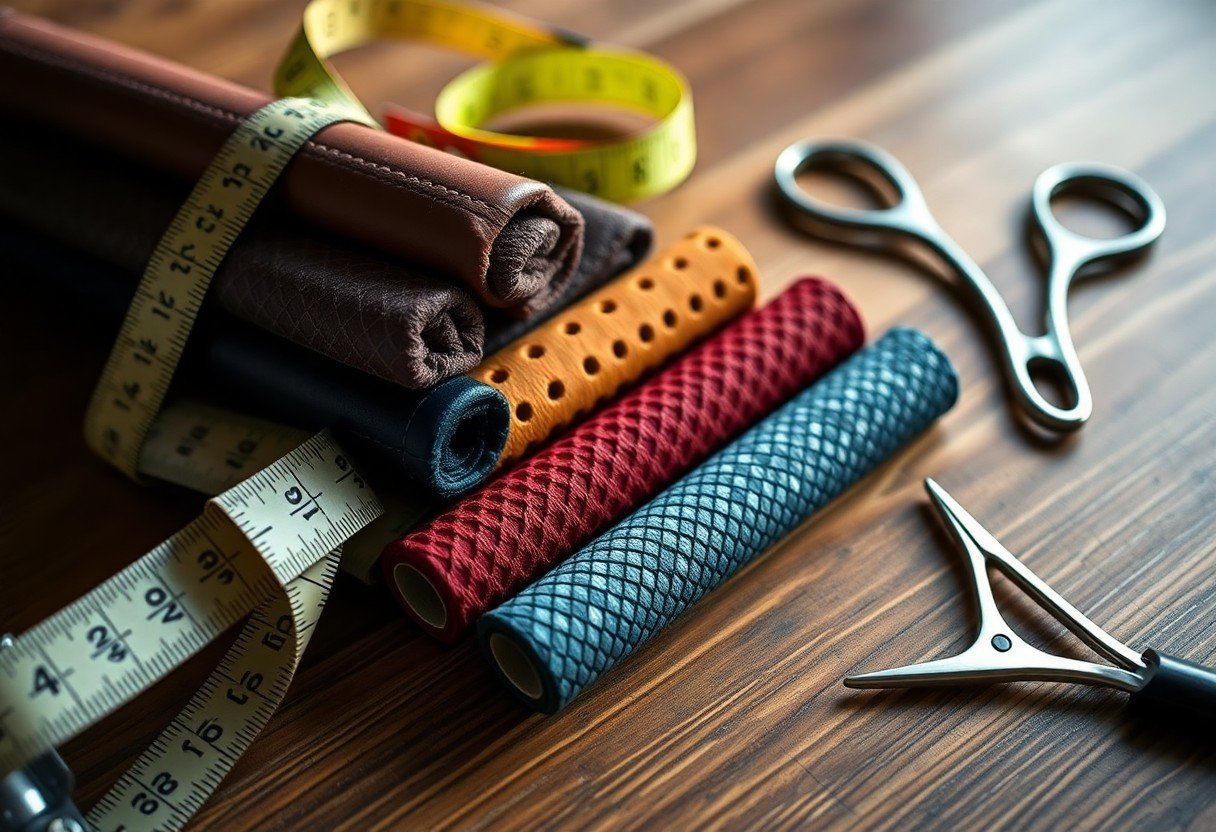
The texture of a grip can significantly affect your racket handling. A textured grip often provides superior traction, while a smoother grip may feel more comfortable for some players. Your personal preference will dictate which texture enhances your control and comfort during play.
Adequate grip texture will impact your ability to maintain a stable hold on the racket, especially in high-pressure moments. Racket grips with pronounced textures can reduce slippage, especially in humid conditions or during intense rallies. Testing different textures on the court will help you understand their effect on your overall precision and confidence while playing. The right texture is vital for grip stability and can enhance your overall performance.
Maintenance of Your Padel Grip
Regular Cleaning Practices
To maintain your padel grip, it’s crucial to adopt regular cleaning practices. Wipe down your grip with a damp cloth after each session to remove sweat and dirt that can accumulate. For deeper cleaning, use a mild soap solution and a soft brush, rinsing thoroughly. Allow it to dry completely before using it again to prevent moisture buildup, which can negatively affect your grip’s performance.
Prolonging Grip Life
You can enhance the lifespan of your padel grip through specific strategies. Avoid exposing your grip to extreme temperatures and excessive moisture. Store your padel racket in a protective cover when not in use, and consider using grip tape for additional protection, which absorbs shock and reduces wear on the original grip.
Taking proactive measures can significantly extend the life of your grip. Regularly check for signs of wear, such as fraying or loss of tackiness. If you notice these signs early, replacing the grip may only be necessary once or twice a year, potentially saving you money and ensuring optimal performance on the court.
Recognizing When to Replace
Evaluating your grip for wear and tear is vital. If you find it less effective at absorbing sweat or if it feels slippery during play, it’s time for a replacement. A worn-out grip can lead to discomfort and hinder your performance.
Look out for specific indicators that signal replacement is necessary: significant wear, visible cracks, or a change in texture. A grip that has lost its tacky feel can slip in your hand, increasing the chance of mishits or reduced control. Making timely replacements ensures you maintain the intended grip quality for peak performance.
Common Mistakes to Avoid
Choosing Size Without Testing
Many players buy grips based solely on the size charts provided, skipping the vital step of testing. Your hand’s unique dimensions may not align with standard measurements. Always test the grip before committing; this ensures optimal comfort and control.
Ignoring Grip Wear
Over time, grips wear down, affecting your play. Not replacing your grip when it shows signs of wear can lead to reduced traction and increased risk of injury.
Once a grip starts to fray or feels slick, your performance can suffer. A worn grip can create slippage during rallies, leading to inconsistency in shots. Regularly inspecting your grip will help maintain your grip quality and prevent slips that could impact your game.
Failing to Adapt to Changing Skills
Your grip needs may evolve as your skills improve, yet many players cling to their original choice. It’s important to assess your grip regularly and make adjustments as necessary.
As you progress, your technique and play style will likely change, necessitating a shift in grip size or style. For instance, beginners might prefer a cushioned grip for comfort, while advanced players may favor thinner grips for better feel. Continually adapting your grip choice to match your skill level can significantly enhance your performance on the court.
Summing up
The right padel grip can significantly enhance your performance, so you should consider factors such as your playing style, comfort, and the type of grip that suits your hand size best. Experiment with different grips, like the continental or eastern, to find what feels natural for you. Pay attention to how each grip affects your control, power, and spin. Ultimately, choosing a grip tailored to your unique needs will help you elevate your game and enjoy playing even more.
FAQ
Q: What are the different types of padel grips available?
A: The main types of padel grips include the continental grip, eastern grip, and western grip. The continental grip is versatile for all strokes, while the eastern grip provides better topspin. The western grip allows for more power and spin, suited for advanced players.
Q: How do I determine the right grip size for my hand?
A: To measure grip size, hold the racket with your dominant hand and place the index finger of your other hand between your fingers and palm. A comfortable fit allows for a small gap without excessive tightness, ensuring maneuverability.
Q: Should I change my grip based on playing conditions?
A: Yes, adapting your grip can enhance performance. In humid conditions, a firmer grip can prevent slippage, whereas a looser grip may be beneficial in dry conditions. It’s important to find a balance that works best for your game.
Q: How often should I adjust or replace my grip?
A: Replace your grip when it shows signs of wear such as fraying or loss of tackiness. If you notice reduced performance or comfort, consider adjusting your grip choice based on your evolving playing style or preferences.
Q: Can my grip style affect my playing technique?
A: Yes, your grip style significantly impacts your strokes. A proper grip can enhance ball control, spin, and overall technique. Experimenting with different grips can lead to improvements in shot execution and power.