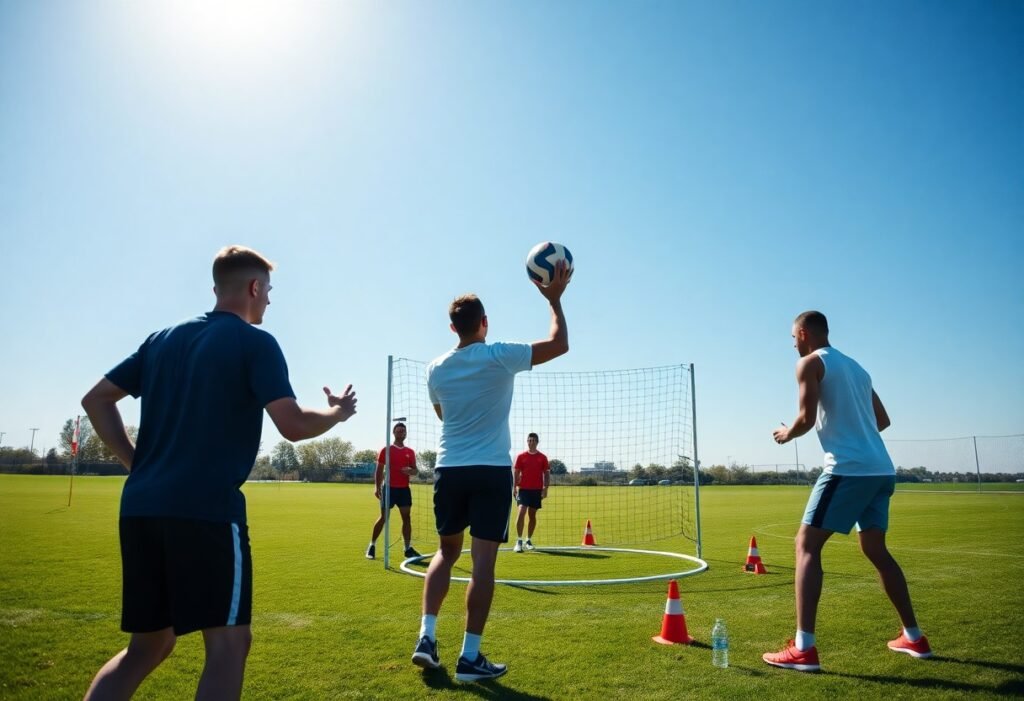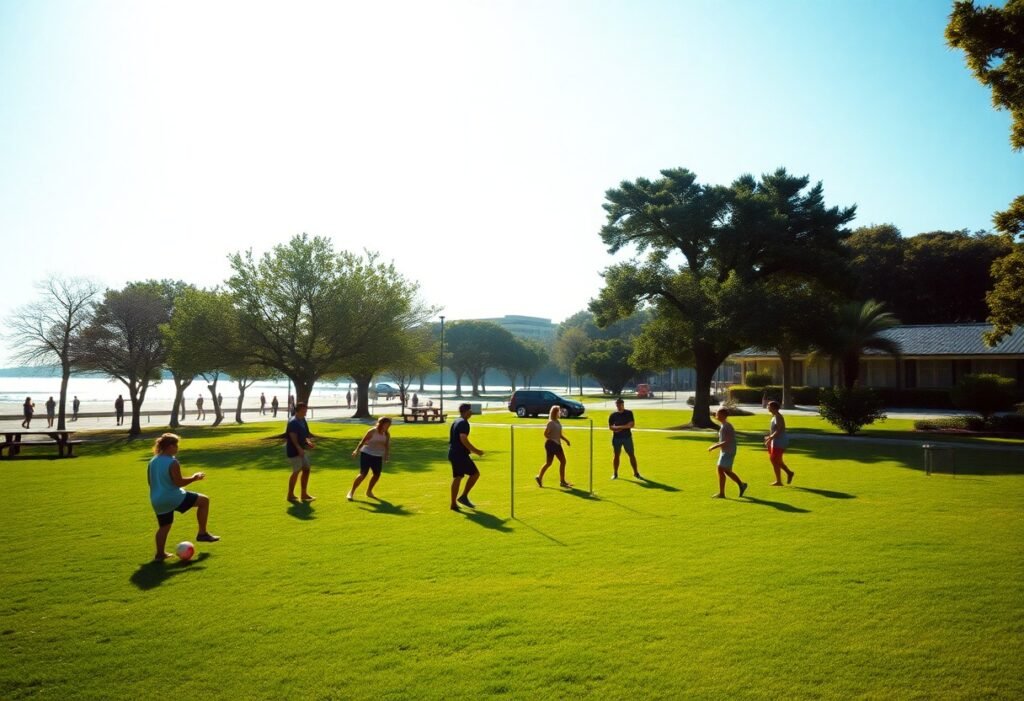

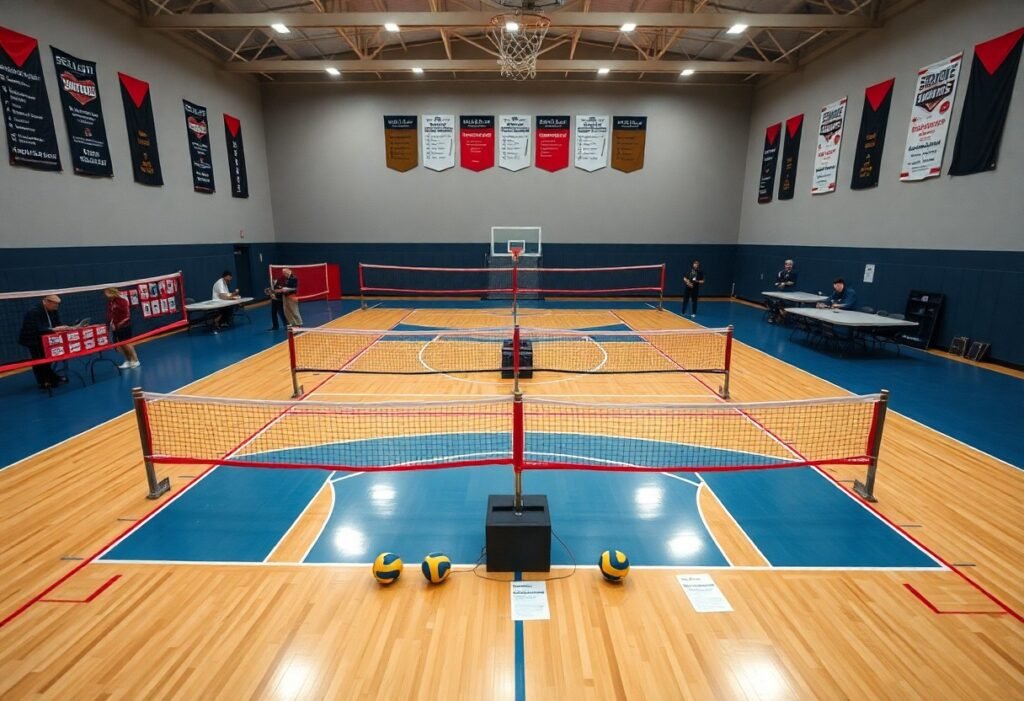
League organization is the backbone of a successful Spikeball community, allowing you to bring together players who share your passion. To get started, select a suitable location and promote your league effectively to attract participants. Establish clear rules and schedules to ensure fair play and excitement, while also creating an environment that fosters inclusivity and fun. By following these steps, you can cultivate a thriving local group that enhances the Spikeball experience for everyone involved.
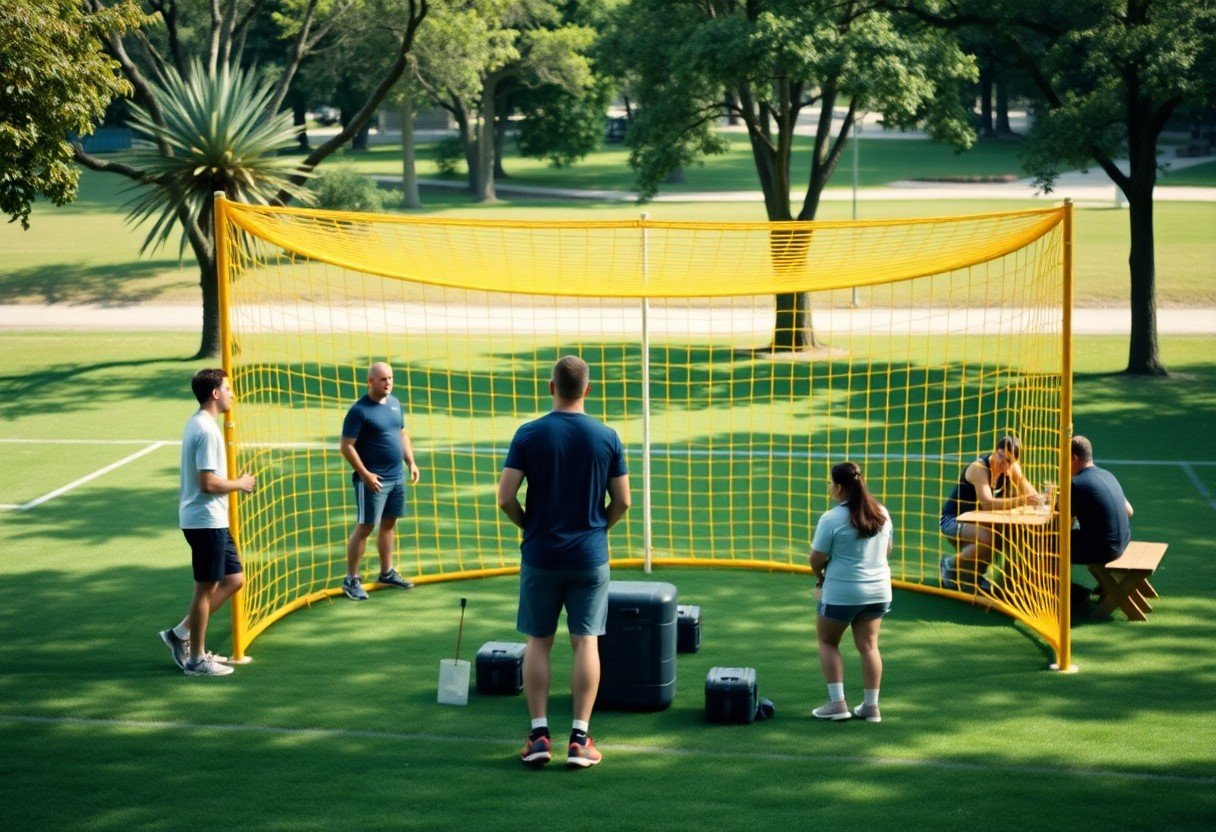
Key Takeaways:
- Choose a suitable location with enough space for play and spectators.
- Establish clear rules, schedules, and formats for matches to ensure fairness.
- Promote the league through local channels to attract participants and build community support.
Understanding Spikeball
What is Spikeball?
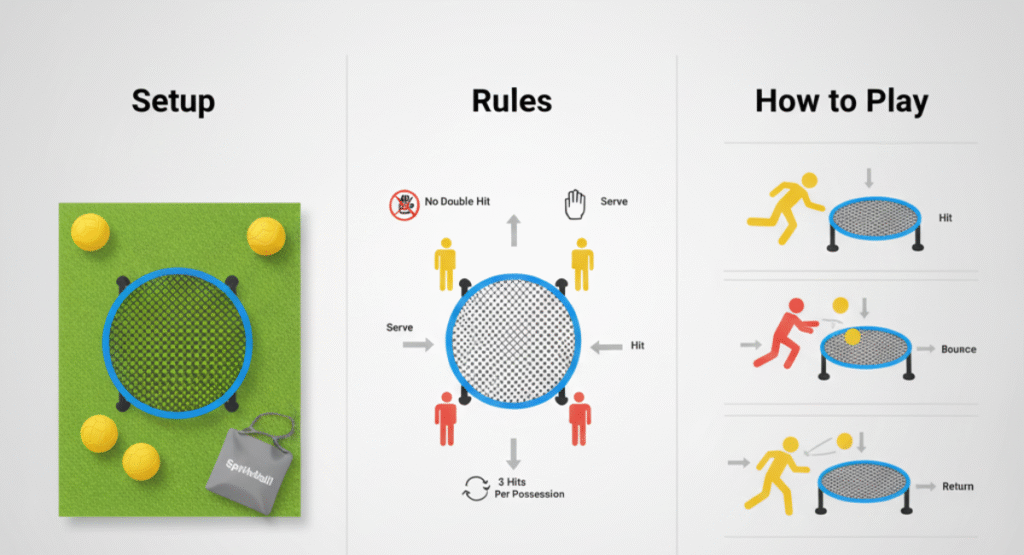
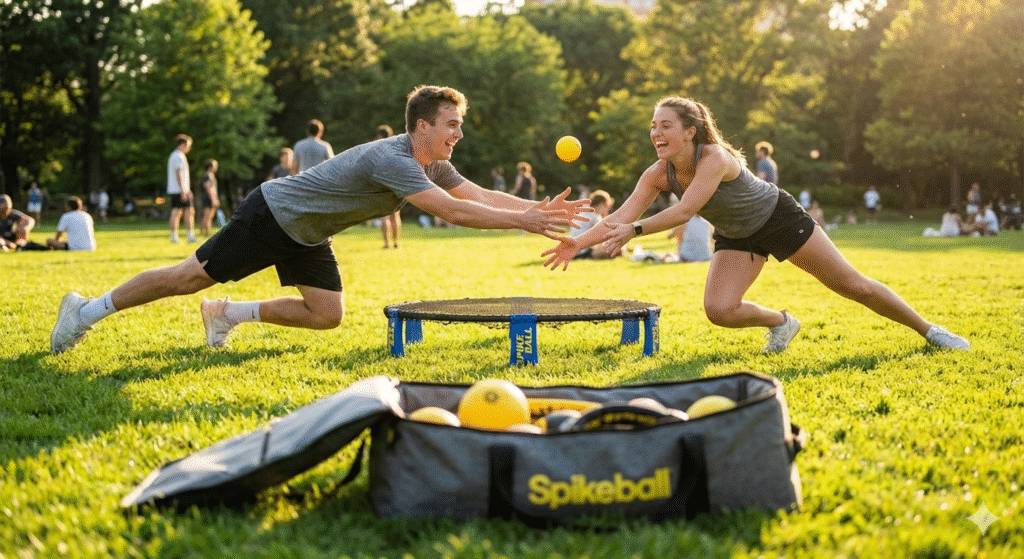
Spikeball is an exciting, fast-paced sport played with a round net placed at ankle height. Two teams of two players each take turns serving a small ball onto the net, with the objective of returning the ball before it touches the ground. It combines elements of volleyball and four square, promoting agility and teamwork.
The Rules and Basics of the Game
To play Spikeball, you need a Spikeball net, a ball, and a minimum of four players. Each team gets up to three hits to return the ball to the net, and points are scored when the opposing team fails to return the ball properly. Understanding the basic rules helps you enjoy the game and keep it fun for everyone.
Familiarize yourself with the specific serving, scoring, and hitting rules. The game begins with a serve, which must hit the net and bounce off toward the opponents. Each team can hit the ball up to three times before attempting to return it. Points are scored when the ball hits the ground or is not returned within your allotted hits. Setting clear expectations before games helps maintain flow and fairness.
Benefits of Playing Spikeball
Playing Spikeball offers numerous benefits, including improved physical fitness, social interaction, and teamwork skills. It’s a dynamic way to enhance your agility, balance, and coordination while engaging with friends or meeting new people.
Beyond fitness, Spikeball fosters a sense of community and camaraderie among players. You can develop strategic thinking, as adapting tactics on the fly becomes important during matches. This game is not only a fitness activity but also a way to forge lasting friendships within your local group.
Factors to Consider Before Starting a Group
- Identify your target audience.
- Locate suitable venues.
- Schedule regular play times.
This will ensure a smooth and successful Spikeball league setup.
Identifying Your Target Audience
You’ll want to focus on who is most likely to participate in your Spikeball league, whether that’s college students, young professionals, or families. Engaging with these groups through social media, local events, or community boards can help you gather interest and tailor your approach to their preferences.
Locating Suitable Venues
Finding a location that accommodates your group size is crucial for smooth operations. Look for parks, gyms, or even backyards that have flat surfaces and enough space for Spikeball play.
Prioritize venues with a minimum of two courts to avoid downtime due to waiting, and ensure access to restrooms and parking. Look into local parks that allow activity reservations; this can help secure your playing area and attract more users through their facilities.
Scheduling Regular Play Times
Creating a consistent schedule for playtimes encourages attendance and builds a routine for your league. Take into account the availability of your group members when setting these times.
Consider weekends or weekday evenings, which often work best for those with full-time jobs or commitments. Poll your potential players to find out what times suit them best, allowing for maximum participation and building a stronger community around the sport.
How to Recruit Players
Utilizing Social Media for Promotion
Social media is a powerful tool for promoting your Spikeball league. Create engaging posts on platforms like Facebook, Instagram, and Twitter to share updates, schedule games, and attract players. Use local hashtags and tag community groups to reach potential participants. Consider creating a dedicated group or event page where interested players can ask questions, share their excitement, and easily find information about upcoming matches.
Engaging Local Communities
Local communities are a goldmine for finding new players. Attend community events, fairs, or markets to promote your league and engage directly with potential members. Collaborate with local businesses to offer incentives, like discounts for players who join your league. Hosting pop-up games at parks can also spark interest, allowing people to try Spikeball firsthand and see the fun for themselves.
Creating Flyers and Promotional Materials
Flyers and promotional materials can effectively capture attention. Design eye-catching flyers that highlight your league’s schedule, benefits, and how to join. Place them in local gyms, cafes, and community centers where your target audience frequents. Include a QR code linking to your league’s social media or registration page to streamline the sign-up process.
When creating flyers, focus on clear messaging and vibrant visuals to stand out. Informational material should include imperative details such as contact information, your league’s purpose, and testimonials from existing players. Consider offering incentives, like discounted registration fees for new members, prominently displayed to attract interest.
Setting Up the League Structure
Organizing Teams and Players
To organize teams and players effectively, consider dividing participants into groups based on skill levels. This approach ensures competitive balance and enhances the overall experience. You can create tiers such as novice, intermediate, and advanced, allowing players to enjoy matches that suit their abilities. Utilize sign-up forms to gather information and facilitate the formation of teams, promoting inclusivity and fairness.
Establishing Match Formats and Scoring
Your league’s match formats and scoring system should be both engaging and clear. You can opt for options like best-of-three games or single-elimination tournaments. Scoring typically follows the rally point system to keep matches fast-paced, rewarding teams based on performance rather than just winning. Providing transparency in rules will encourage more participation.
When establishing scoring, each match could be played to 21 points, with a minimum lead of two points to win. Additionally, you might want to allow teams to call timeouts strategically or to introduce a 10-minute time limit per match. By using a well-defined system, players remain focused on their objectives, while spectators easily follow the action.
Creating a Schedule for Matches
A well-structured schedule is integral to maintaining league momentum. Factors to consider include player availability, venue hours, and potential weather disruptions. Aim for consistent match days to cultivate routine and encourage player commitment. Using scheduling tools can ease coordination and communication among players, making it easier to adjust when necessary.
As you create a schedule, consider establishing a rotational system that allows all teams to face each other over a set period, such as six weeks. This ensures fair play and maximizes engagement, while also helping you accommodate any rescheduling needs more efficiently. Regular updates will keep the excitement alive and players involved throughout the league’s duration.
Tips for Running League Events
- Communicate effectively with participants to ensure everyone is informed about schedules and rules.
- Utilize social media to keep the community engaged and updated.
- Provide clear and concise rules to promote understanding among players.
- Encourage team spirit through fun activities outside of regular matches.
- Gather feedback after events to continually improve the league experience.
- Consider partnering with local Organizations for support.
Recognizing the importance of interaction, keeping an open line of communication helps you engage with participants effectively. Schedule regular updates via email or social media platforms, and be responsive to questions and feedback. Organizing relaxed meetups or Q&A sessions can strengthen relationships and help players feel appreciated and listened to.
Hosting Tournaments and Events
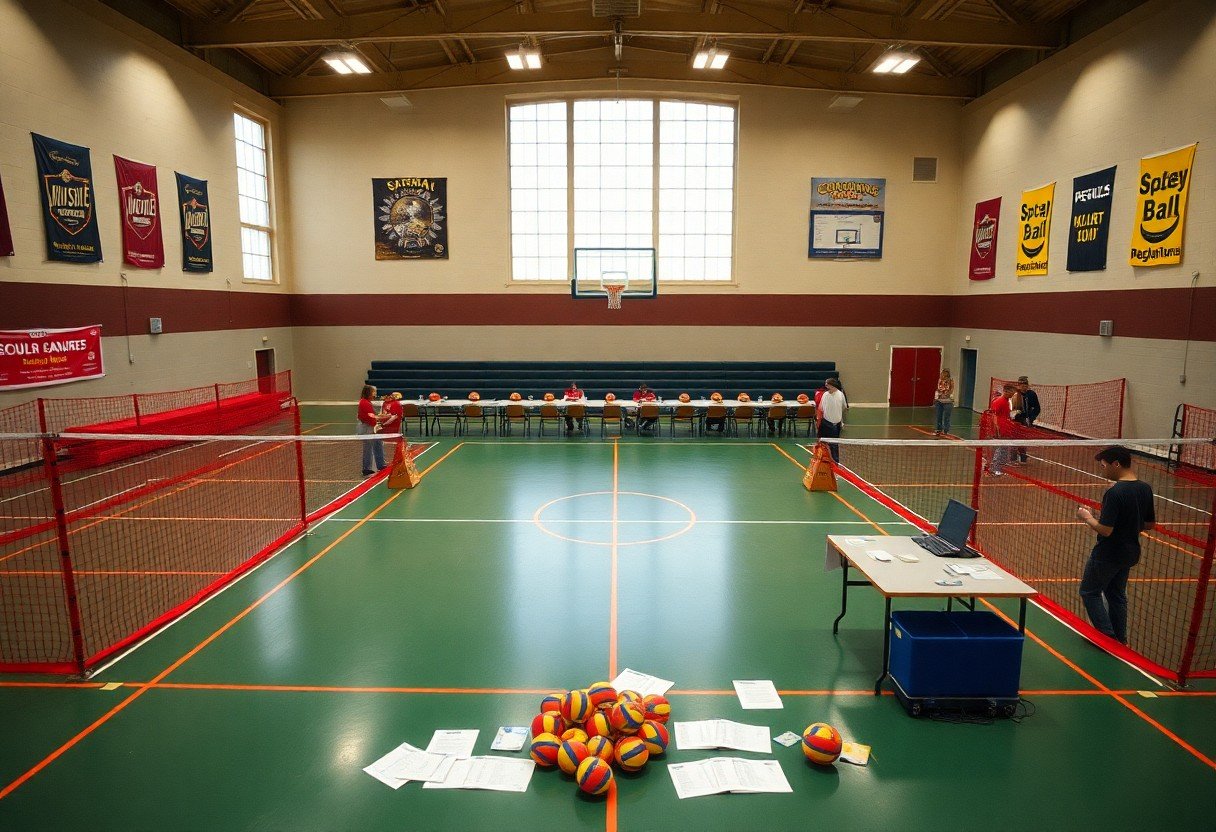
Hosting tournaments and events is an excellent way to build excitement around your league. Aim to create a festive atmosphere that encourages participation and showcases the Spikeball community. Planning a tournament involves logistics such as securing a venue, establishing schedules, and ensuring the availability of equipment. Consider organizing different skill-level brackets to promote inclusivity and excitement among all participants.
In setting up these tournaments, remember to publicize the events well in advance and offer incentives for participation, such as prizes or recognition. Surveys from previous participants can guide your decision-making for formats and scheduling, ensuring a well-rounded experience for everyone involved. A successful event can also attract new players, further growing your league.
Ensuring Fair Play and Sportsmanship
Establishing guidelines for fair play and sportsmanship is vital in maintaining a respectful league environment. All players should understand the rules and consequences of not adhering to them. Promote fairness by encouraging self-officiating and open communication between teams during play.
To reinforce sportsmanship, consider implementing a code of conduct that outlines expected behavior on and off the court. Regularly remind participants that the primary goal is to have fun while engaging in friendly competition. Recognizing excellent sportsmanship can also create a positive atmosphere, motivating others to follow suit and contribute to a thriving league culture.
Promoting Your League
Building a Community Presence
Establishing a strong community presence is vital for your Spikeball league’s success. Attend local events, engage with nearby parks, and set up demonstration games to generate interest. Use flyers and posters in community centers to reach potential players and promote your league’s offerings. Make sure to encourage existing players to spread the word, as personal recommendations can significantly boost membership.
Partnering with Local Businesses
Collaborating with local businesses can enhance your league’s visibility and resources. Businesses are often looking for partnerships that promote community engagement. Approach local gyms, sports shops, or cafes and propose cross-promotion: display league flyers in their location in exchange for promoting their brand at league events.
To create a win-win scenario, offer to host events at their venues or organize joint promotional campaigns. For instance, you might host a “Spikeball Day” at a local health food café, where participants receive discounts for attending. This type of partnership not only increases visibility for your league but also drives traffic to local businesses, creating a supportive local ecosystem.
Utilizing Local Media and Advertising
Leveraging local media outlets can amplify your league’s reach. Approach local newspapers, radio stations, or community magazines to pitch stories about your league. Highlight the social aspects, community building, and any local tournaments to spark interest.
Consider writing press releases about upcoming events and inviting local reporters to cover them. A feature story or even an interview on a radio program can provide significant exposure. Additionally, advertising through local online platforms, such as community bulletin boards or social media groups, targets your audience effectively and helps generate buzz around your league.
Maintaining Your League
Gathering Feedback from Participants
To keep your Spikeball league thriving, actively gather feedback from participants regarding their experiences. Conduct surveys or hold informal discussions after matches to understand their preferences and suggestions. Use this input to address concerns and make improvements that resonate with the players, fostering a sense of ownership and involvement in the league’s development.
Adapting and Evolving the League Structure
Your league structure should be flexible to accommodate changing player needs and preferences. Regularly assess the setup based on participant feedback, match attendance, and team dynamics. This might mean adjusting the number of teams, modifying scheduling formats, or introducing new competitive levels to suit varying skill sets.
For instance, if you notice a significant skill disparity among teams, consider creating divisions based on performance to enhance competitiveness and enjoyment. Alternatively, if players express interest in themed tournaments or special events, collaborating on these ideas can invigorate the league and attract new members. Keeping the structure dynamic ensures ongoing player satisfaction and engagement.
Encouraging Continuous Engagement
To maintain excitement around your league, focus on continuous engagement strategies that keep players invested. Implement regular check-ins, highlight player achievements, and share updates on games through newsletters or social media. These communications not only remind participants of the league’s vibrancy but also encourage them to share their experiences and invite friends.
Consider introducing seasonal challenges or rewards for consistent participation, which can motivate players to remain active and foster healthy competition. Featuring player spotlights or personal stories in your communications can deepen connections and cultivate a sense of community. Ultimately, maintaining engagement is about creating an inviting atmosphere where all players feel valued and enthusiastic about their involvement.
FAQ
Q: What are the basic steps to start a local Spikeball league?
A: Begin by gathering interested players, choosing a regular meeting location, selecting specific days and times for play, and ensuring you have the necessary equipment, including Spikeball sets.
Q: How can I promote my Spikeball league to attract more players?
A: Utilize social media platforms, local community boards, and sports groups to share information about your league. Create events on Facebook or Meetup to manage sign-ups and share exciting updates.
Q: What format should I use for matches and tournaments in my league?
A: Consider using round-robin play followed by knockout rounds for tournaments. This format allows all teams to compete against each other and leads to an exciting conclusion.
Q: Do I need to establish rules for my local Spikeball league?
A: Yes, outline clear rules and guidelines for gameplay, scoring, and conduct. Ensure all players are aware of these rules before the league begins to maintain fairness and enjoyment.
Q: How can I manage scheduling and scorekeeping for the league?
A: Use online tools or apps designed for sports league management to schedule games and record scores. This makes it easier for players to track their standings and upcoming matches.