
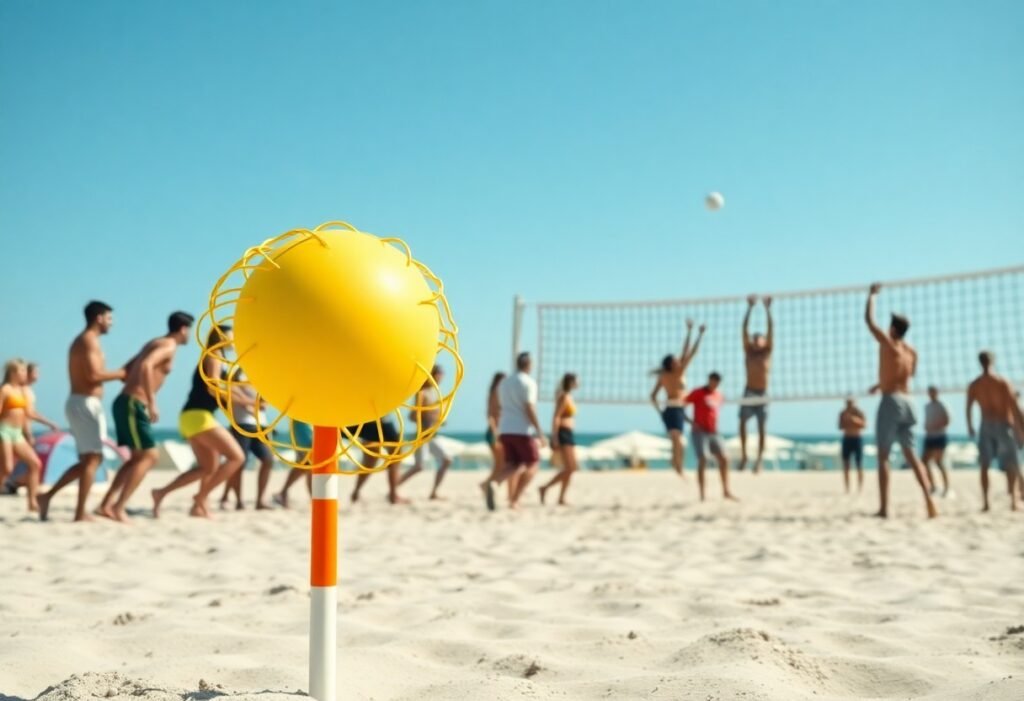
There’s a lively debate among sports enthusiasts about whether Spikeball or Volleyball reigns supreme. Both games offer unique challenges and excitement, but they cater to different preferences and play styles. In this post, you’ll explore the key differences in rules, gameplay, and social experience, helping you determine which sport suits your interests. Whether you thrive in a competitive beach environment or the strategic dynamics of a gym, understanding these aspects will improve your game and enjoyment.
Key Takeaways:
- Spikeball is typically played in smaller teams and on a smaller court, making it more accessible in varied environments.
- Volleyball has a longer tradition and is more established in competitive settings with organized leagues and international competitions.
- Spikeball emphasizes quick reflexes and agility, while volleyball focuses more on teamwork and strategy in a larger setting.
Overview of Spikeball
History of Spikeball
Spikeball was invented in 1989 by a man named Jeff Knurek, who originally created it as a backyard game to enhance family gatherings. It gained significant traction in the early 2000s, aided by the launch of the Spikeball Inc. company in 2008, which brought the game to a broader audience through innovative marketing and tournaments, helping to establish it as a popular alternative to traditional beach games.
Basic Rules and Gameplay
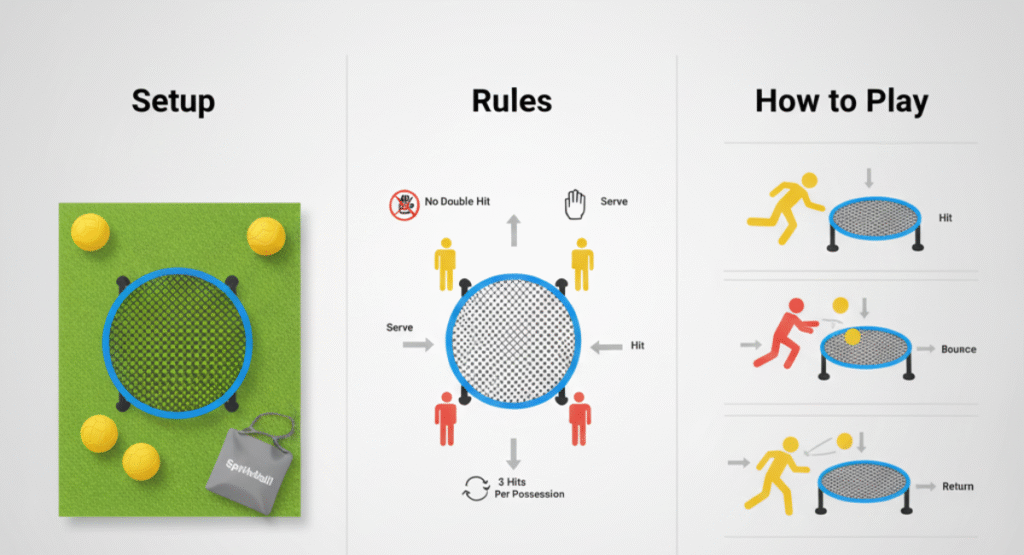
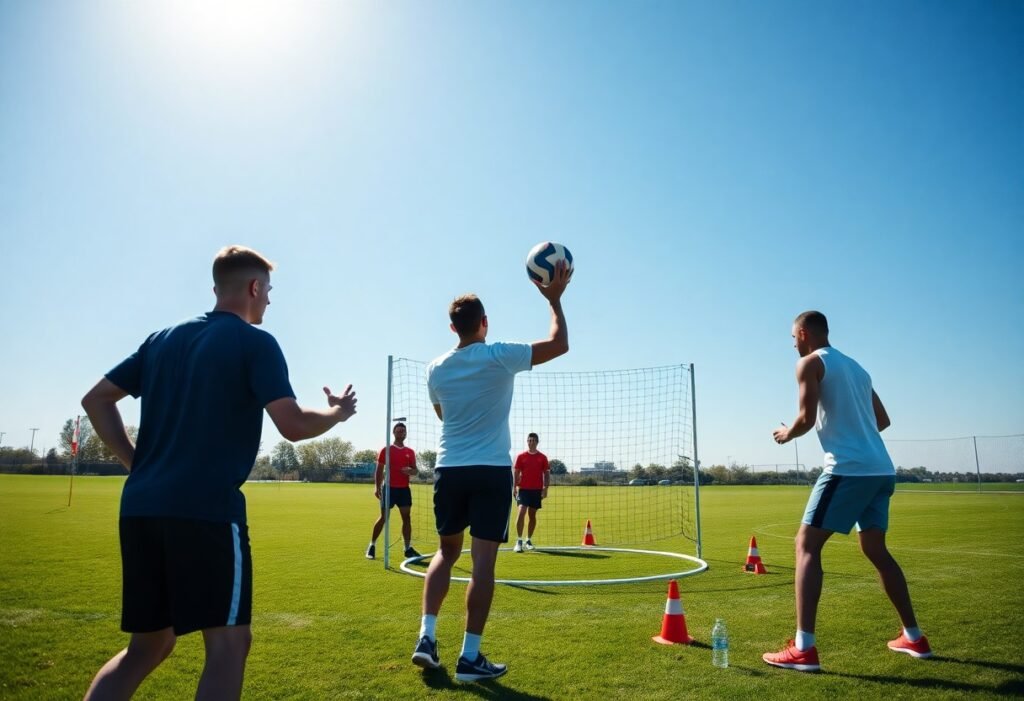
In Spikeball, two teams of two players each serve and hit a small ball onto a circular net, aiming to score points by making the ball bounce off the net in a way that the opposing team cannot return it. Each team has three hits to return the ball, similar to volleyball, but with a focus on strategy and quick reflexes.
You can play Spikeball indoors or outdoors, with rules emphasizing teamwork and agility. Points are scored if the ball hits the ground or if the opposing team fails to return it within the three-hit limit. The setup allows for fast-paced rallies, keeping the game exciting and competitive.
Equipment Needed
To play Spikeball, you need a Spikeball set that includes a round net, a ball, and the necessary poles for set up. The net is typically elevated a few inches off the ground, allowing the ball to bounce effectively during play.
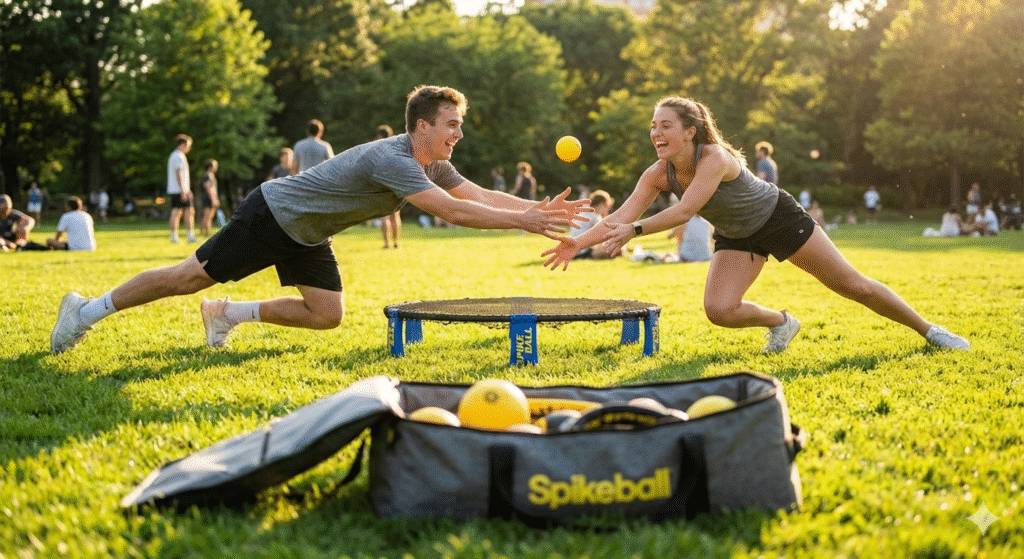
The official Spikeball set is lightweight and portable, making it easy to transport to parks or beaches. The ball is designed for optimal bounce on the net surface, ensuring durability during intense matches. You can also find various accessories, such as carrying bags and replacement balls, to enhance your Spikeball experience.
Popularity and Cultural Impact
Since its resurgence in the early 2000s, Spikeball has become increasingly popular among younger generations, with a dedicated following and numerous tournaments held worldwide. Its unique blend of skill and fun has made it a staple at social gatherings, schools, and beach outings.
Spikeball’s cultural impact is evident in its presence on social media platforms, where players share highlights, tricks, and tutorials, fostering a vibrant community. Events like the Spikeball Roundnet Association’s championships attract competitors and spectators alike, further solidifying the sport’s status in recreational and competitive circles.
Overview of Volleyball
History of Volleyball
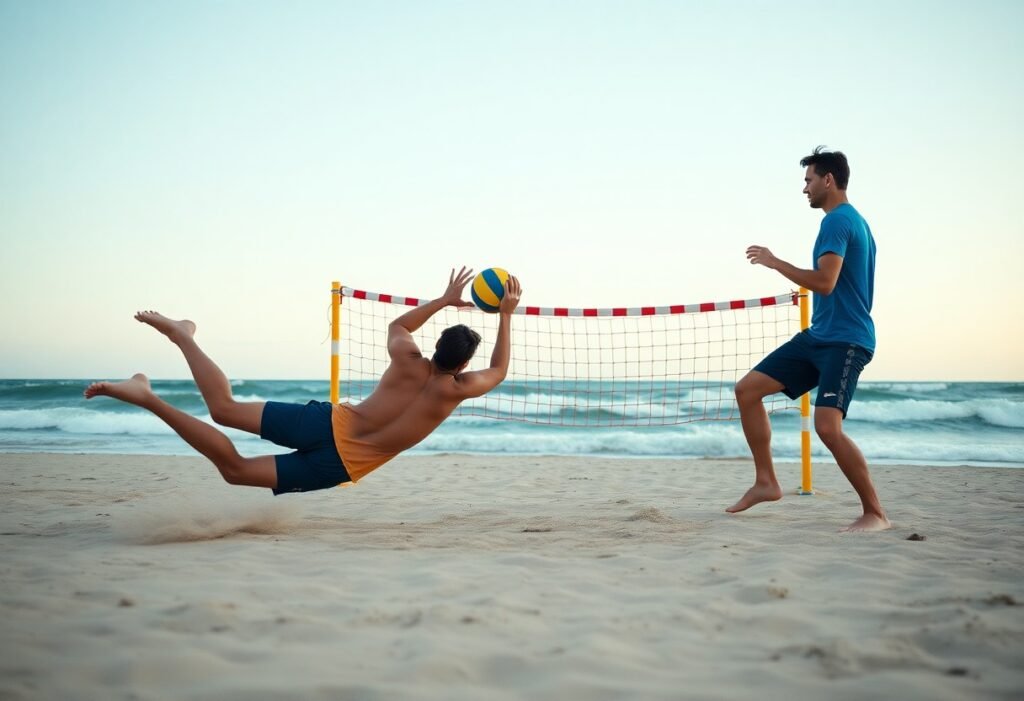
Volleyball originated in 1895 when William G. Morgan, a physical education instructor in Massachusetts, combined aspects of tennis, basketball, and handball to create a new game called Mintonette. The name changed to volleyball in 1896 to better reflect the objective of the game: to volley the ball over a net. Since then, volleyball has evolved significantly, gaining global popularity and becoming an Olympic sport in 1964.
Basic Rules and Gameplay
The objective in volleyball is to score points by sending the ball over the net and landing it in the opposing team’s court. Each team can touch the ball a maximum of three times before returning it. A match is played best out of five sets, with the first team to reach 25 points winning the set (with a minimum two-point lead).
In playing, you must always keep an eye on the formation and positioning. For instance, players rotate positions after winning the serve, and positioning is critical to effective defense and attacks. Service rules also stipulate that you must serve from behind the end line and that the ball must pass over the net without touching it, emphasizing precise coordination and skill. Game strategy revolves around teamwork, communication, and quick reflexes, all contributing to the dynamic nature of the sport.
Equipment Needed
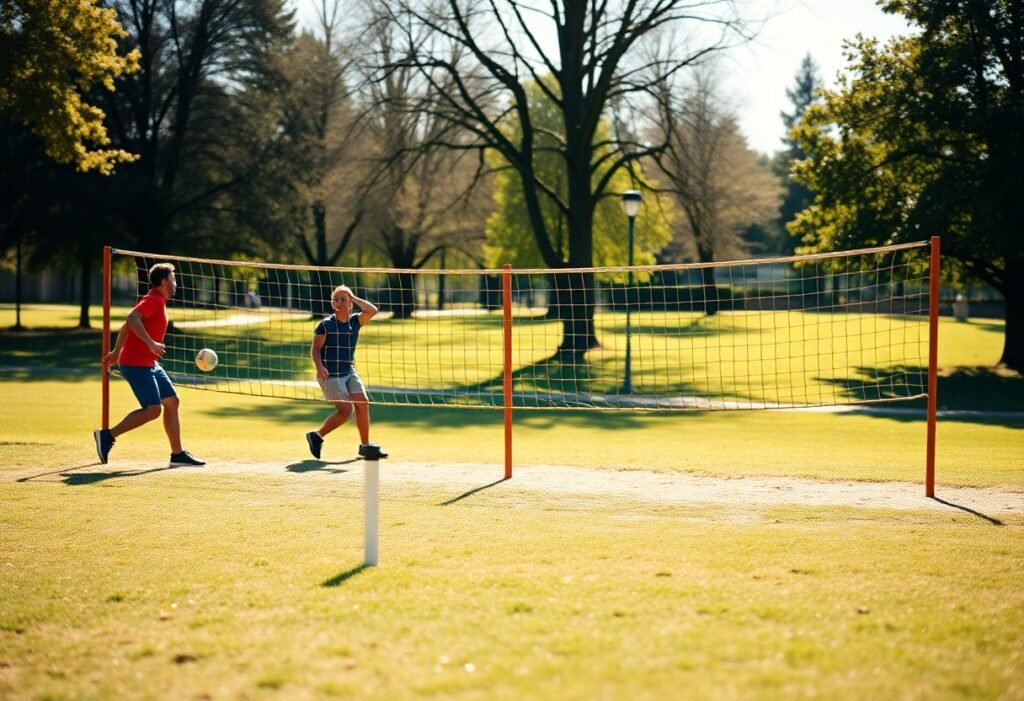
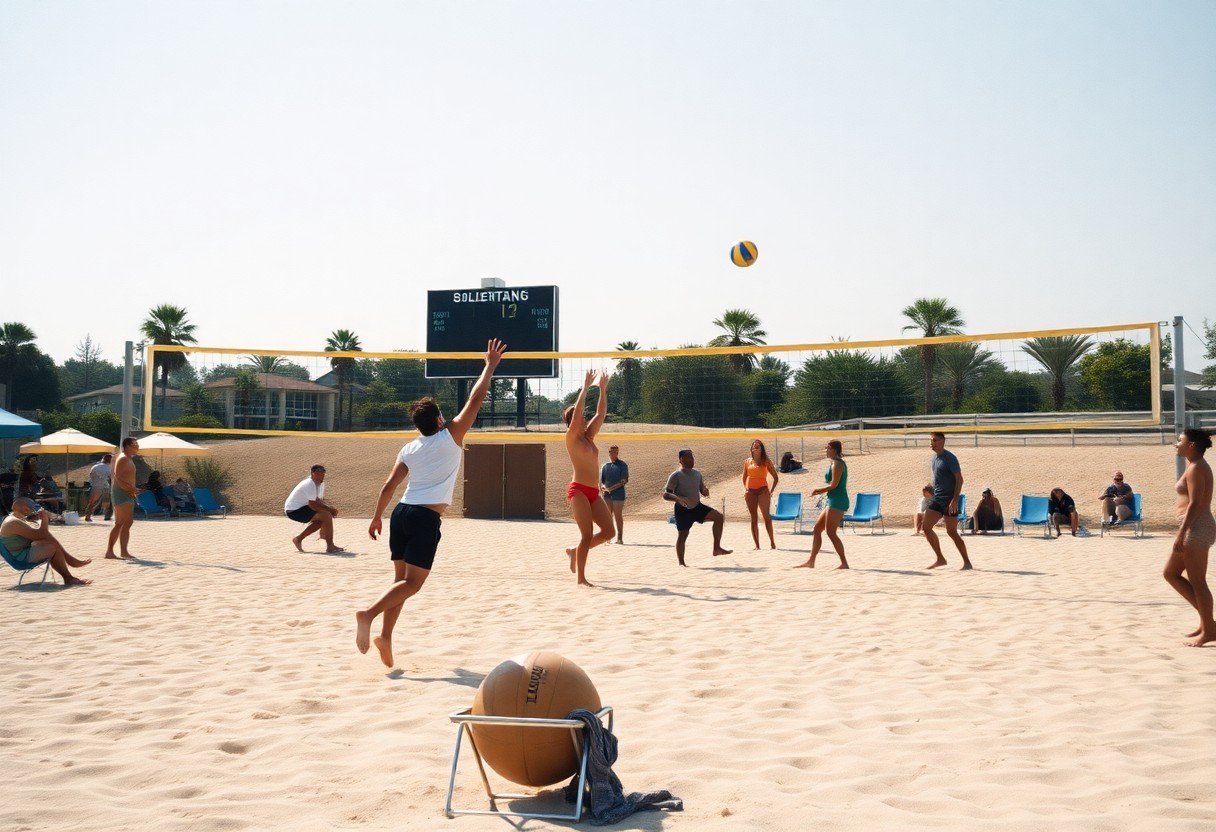
To play volleyball, you typically need a quality volleyball, a net, and a designated court area. While recreational play may occur on grass or sand, formal play requires a specific setup with a standard-height net and boundary lines.
Your choice of equipment can significantly impact the quality of play. A volleyball typically weighs between 9 and 10 ounces and has a circumference of about 25-26 inches, designed for optimal handling and gameplay. As for courts, indoor volleyball is played on a rectangular court measuring 60 feet by 30 feet, while beach volleyball courts are slightly smaller at 52 feet by 26.5 feet. Investing in appropriate and durable equipment enhances your experience and ensures safety during play.
Popularity and Cultural Impact
Volleyball enjoys a vast global following, especially in countries like Brazil, the USA, and Italy, where it’s integrated into school and collegiate sports systems. This widespread popularity has led to significant cultural events, such as international competitions and beach volleyball tournaments, capturing the attention of millions.
The sport’s ability to transcend cultural barriers is evident, with beach volleyball becoming synonymous with summer activities in various coastal regions worldwide. It’s more than just a game; it’s a social phenomenon, fostering community engagement and encouraging an active lifestyle. Major events like the FIVB World Championships and the Olympics have only amplified its cultural significance, creating icons and legends within the sport, while inspiring countless athletes to pursue their passion for volleyball.
Physical Benefits Comparison
| Spikeball | Volleyball |
|---|---|
| Enhances agility and quick reflexes. | Improves overall athleticism and team coordination. |
| Promotes flexibility through dynamic movements. | Strengthens upper body and core through spikes and serves. |
| Can be played on varied terrains for added challenge. | Traditionally played on sand or courts, enhancing stability. |
| Involves continuous movement, enhancing endurance. | Requires bursts of activity, improving short-term stamina. |
Cardiovascular Benefits
Both Spikeball and volleyball serve as effective cardiovascular workouts. You engage in constant movement, elevating your heart rate and improving overall endurance. Studies suggest playing these sports can burn between 300 to 600 calories per hour, depending on your intensity level. This makes both options excellent for enhancing your cardiovascular health.
Muscle Engagement and Strength
Spikeball engages your full body, requiring quick lateral movements, which enhances muscle coordination and strength. You are constantly changing directions, so your leg and core muscles are put to the test. Volleyball focuses more on upper body strength, especially in your arms and shoulders during serves and spikes. Regular play in either sport develops muscular endurance.
In Spikeball, the game’s dynamics necessitate explosive movements and quick reflexes, activating muscle groups throughout your legs, core, and arms. Frequent dives and lunges not only improve your agility but also enhance your strength over time. On the other hand, volleyball emphasizes powerful overhead strikes and serves, calling upon your biceps, triceps, and shoulder muscles significantly. This variance in muscle engagement demonstrates how both sports can efficiently build strength, each in their distinctive ways.
Coordination and Balance
Playing Spikeball requires quick adjustments in positioning and effective hand-eye coordination as you aim to hit the ball onto the net. This fast-paced nature enhances your balance and reaction times, vital for successful play. Volleyball, with its need for precise timing in passing and serving, similarly improves coordination, especially in teamwork scenarios. Both sports dramatically boost your ability to balance and coordinate movements, relevant in various physical activities.
In Spikeball, you must assess the ball’s trajectory and respond swiftly, enhancing not just your balance but also your spatial awareness. Practicing these skills translates to better overall athletic performance. Volleyball’s team dynamics further contribute to your balance as you learn to judge distances accurately while navigating the court. Engaging in these activities consistently sharpens your coordination, giving you an edge in any competitive or recreational setting.
Social Interaction and Team Dynamics
Playing Styles and Team Formation
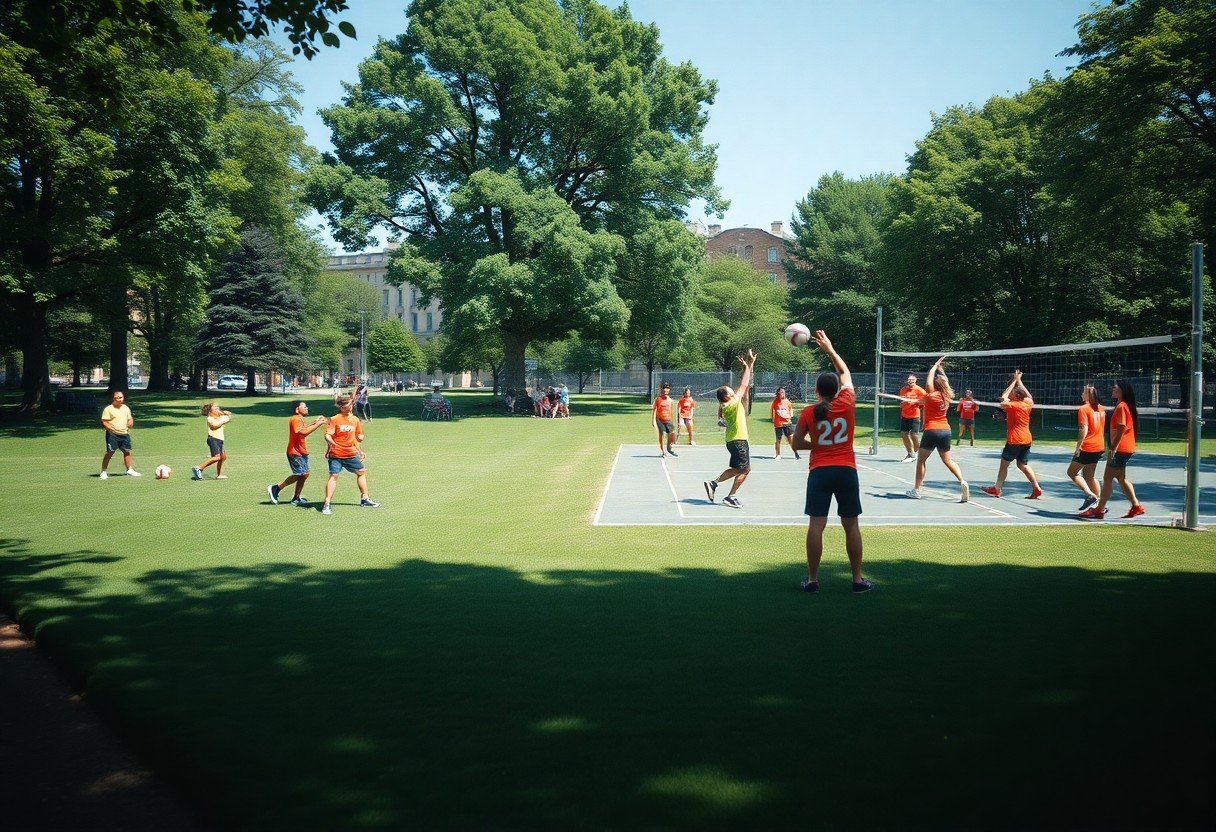
In both Spikeball and volleyball, team formation shapes the playing style significantly. In Spikeball, teams typically consist of two players each, promoting quick exchanges and improvisational strategies. Your team’s success hinges on effective communication and adaptability, as the game demands swift shifts in tactics. Conversely, volleyball offers larger team sizes, with six players per side, allowing for specialized roles such as setters or spikers. This structure encourages deeper coordination, where every member plays a pivotal role in forming a cohesive unit.
Inclusivity and Accessibility
Spikeball’s informal setup makes it highly inclusive and accessible; you can set up a game on any flat surface, whether at the beach, park, or backyard. Its lightweight equipment enables players of all skill levels to participate without needing extensive training. Volleyball requires dedicated courts and nets, which may limit its accessibility in certain communities. However, both sports foster inclusivity by encouraging diverse age groups and skill levels to play together.
This inclusivity is evident in Spikeball’s spontaneous nature and adaptability. You can involve friends, family, or even strangers, regardless of experience. Volleyball, while typically more structured, promotes team-building through its rally scoring system, allowing everyone to contribute effectively, enhancing camaraderie across various skill levels. The choice between the two might depend on your social circle’s preferences and the availability of facilities.
Community and Competitive Scene
The community surrounding both sports offers venues for social interaction and competition. Spikeball tournaments have grown rapidly, attracting players from diverse backgrounds, showcasing agility, and team synergy. In contrast, volleyball boasts longstanding leagues and clubs, with a rich history of organized competitions at local, national, and international levels.
The Spikeball community thrives on social media and grassroots events, often using platforms to organize friendly matches or tournaments. This accessibility encourages players to connect and grow in a supportive environment. Volleyball’s competitive scene features structured leagues and tournaments, such as the AVP tour in the U.S., offering players opportunities to progress from grassroots to professional levels. This established framework enables deeper engagement within the sport, forming lifelong friendships and collaborations through league play and tournaments.
Skill Development and Learning Curve
Skill Levels from Beginner to Advanced
In both Spikeball and Volleyball, skill development varies significantly as players progress from beginner to advanced levels. Each game has its unique challenges that can be mastered over time, but your dedication to practice will dictate your advancement. While Spikeball offers a quicker learning curve due to simpler rules, mastering advanced techniques can still take time.
- Beginner: Basic rules understanding, simple serves, and basic rallies.
- Intermediate: Improved ball control, strategic placements, and team dynamics.
- Advanced: Complex plays, defensive strategies, and high-level teamwork.
Spikeball vs Volleyball: Skill Development
| Spikeball | Volleyball |
|---|---|
| Quickly learn basic rules and techniques | Requires understanding of various positions and strategies |
| Less physical space needed for practice | Typically played on larger courts requiring more space |
| Focus on individual skills and teamwork | Emphasis on coordinated team plays |
Coaching and Training Resources
Access to coaching and training resources can greatly enhance your learning experience in both sports. For Spikeball, consider checking out Spikeball: A Quick Hit That’s Easy to Learn, Hard to Put Down for insights on drills and strategies. Additionally, you can find various online tutorials and community events that further your skill development.
Coaching for Spikeball is often less formal, with many players learning from peers or through resources shared online. Volleyball, on the other hand, benefits from structured programs and clinics, where certified coaches help you master both fundamental and advanced skills. Many clubs offer training sessions tailored to different skill levels, ensuring you receive focused attention.
Progression in Gameplay
As you progress in either sport, you’ll notice significant changes in your gameplay. In Spikeball, you will start focusing on strategic serves and puckering plays that can outsmart opponents. In Volleyball, you’ll shift from basic passing techniques to executing complex formations and timed spikes.
The progression in gameplay is often marked by an increase in your understanding of each sport’s nuances. In Spikeball, advanced players develop unique serving techniques and defensive strategies that allow them to manipulate the game’s dynamics. Volleyball players enhance their skills through drills that refine their timing and cooperative play, enabling more effective attacks and defenses during matches.
Personal Preferences and Lifestyle Fit
Suitability for Different Age Groups
When considering age groups, Spikeball tends to appeal more to younger audiences due to its fast-paced nature and competitive spirit. It’s often played by teens and young adults who enjoy active, social environments. In contrast, volleyball is suitable for a wider range of ages, from children to seniors, as it can be played recreationally or competitively in various skill levels, making it accessible and enjoyable for all.
Indoor vs Outdoor Considerations
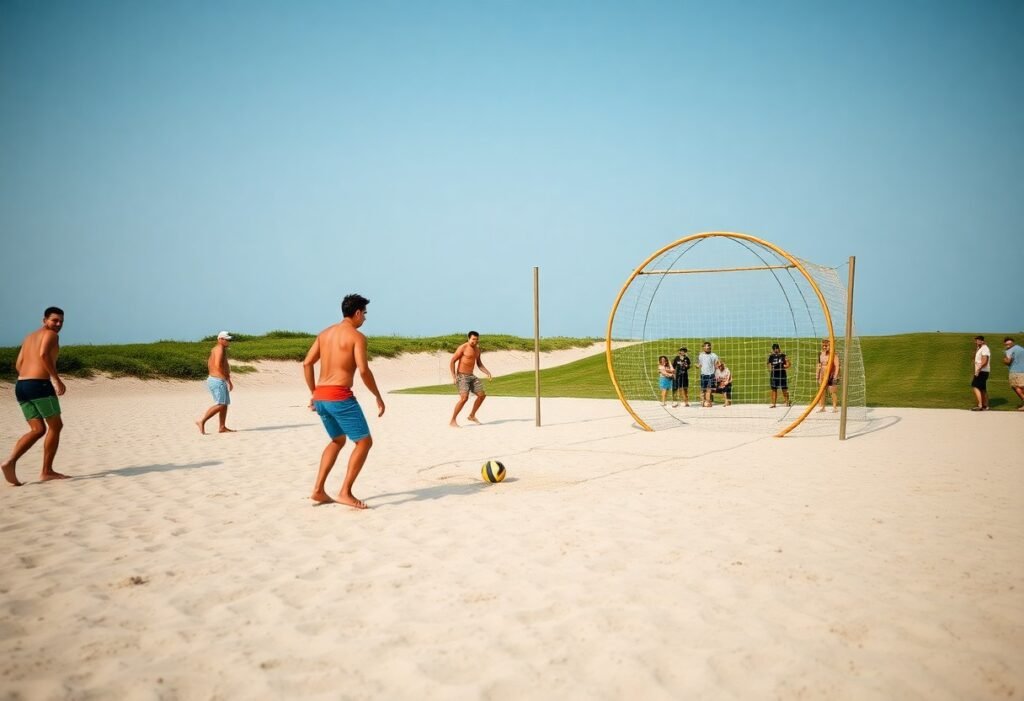
The choice between indoor and outdoor environments can significantly impact your experience with both Spikeball and volleyball. While Spikeball is predominantly an outdoor game best played on grass or sand, volleyball offers versatility, with options for both indoor courts and sandy beach settings, catering to your preference and local availability.
For example, indoor volleyball allows for play year-round, offering a controlled environment free from weather elements. Conversely, outdoor volleyball, especially on the beach, enhances the fun with a scenic atmosphere. Spikeball thrives in outdoor conditions, making it perfect for casual gatherings or beach days, but it requires a flat, open space. Your decision may hinge on the type of setting available, the weather, and your social plans.
Time and Space Requirements
Spikeball requires less space and a shorter time commitment, with matches typically lasting about 10-15 minutes, making it easy to squeeze a game in between other activities. Volleyball matches can be longer, often taking 25-30 minutes or more, depending on the format and teams involved, which may necessitate a more significant time investment and larger playing area.
Finding the right venue can influence your playing experience significantly. Spikeball can be set up almost anywhere with a flat surface; you can play in your backyard or a park, requiring only a few square meters. Volleyball, however, typically demands a regulation court size of 18 by 9 meters, which may limit play to specific locations. The amount of time you have available to play should also guide your choice—Spikeball suits quick, informal gatherings, while volleyball works better for organized events or when you have a longer time frame to enjoy the game.
Summing up
As a reminder, choosing between Spikeball and Volleyball depends on your playing style and preferences. If you enjoy fast-paced action and smaller teams, Spikeball may be your choice. Conversely, if you prefer a more traditional and team-oriented sport, Volleyball could be better. Both sports offer unique challenges and social experiences, so consider what aligns best with your interests and physical capabilities when making your decision.
FAQ
Q: What are the main differences between Spikeball and Volleyball?
A: Spikeball is played on a smaller court with a round net and is designed for teams of two or four. Volleyball is played on a larger court with a rectangular net and teams of six. The gameplay mechanics, scoring, and rules also differ significantly.
Q: Which sport is easier to learn for beginners?
A: Spikeball is generally considered easier for beginners due to its simple rules and shorter learning curve. Volleyball has more complex rules and requires a higher level of coordination and teamwork.
Q: How do the physical requirements compare for both sports?
A: Volleyball typically demands more physical fitness, including strength and endurance, due to its size and the nature of the game. Spikeball requires agility and quick reflexes but may involve less overall physical exertion.
Q: Which sport has a more social atmosphere?
A: Spikeball often fosters a more casual and social environment, making it popular at beach gatherings and casual outings. Volleyball can also be social but often has more structured team dynamics and competitive play.
Q: Can both sports be played indoors and outdoors?
A: Yes, both Spikeball and Volleyball can be played indoors and outdoors. Spikeball is particularly versatile as it requires less space, while Volleyball is great for gym settings and outdoor courts.