
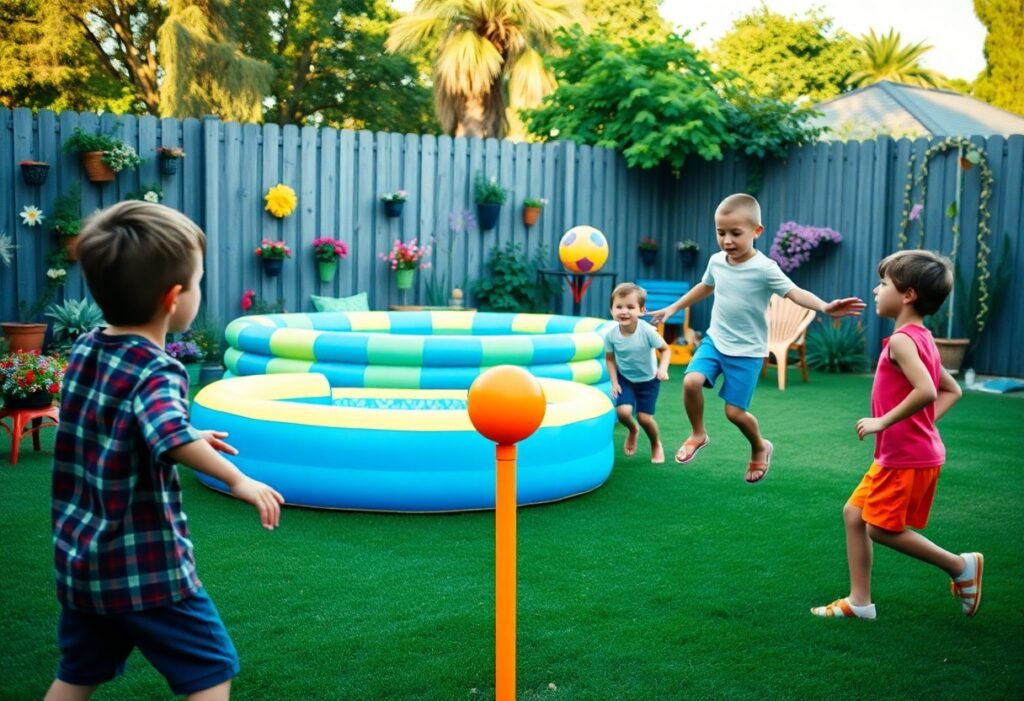
Just imagine transforming your backyard into a hub of excitement and active play with Spikeball. This engaging game is perfect for kids and families, promoting teamwork, physical fitness, and outdoor fun. With its easy setup and minimal space requirements, you can enjoy hours of entertainment while developing hand-eye coordination and social interaction. Explore various game variations and set up fun challenges to keep your family engaged, making Spikeball an crucial addition to your outdoor activities.
Key Takeaways:
- Spikeball encourages teamwork and physical activity for children and families.
- It can be easily played in various outdoor settings, making it versatile for family gatherings.
- Rules can be adapted for different age groups, ensuring fun for everyone involved.
Overview of Spikeball
What is Spikeball?
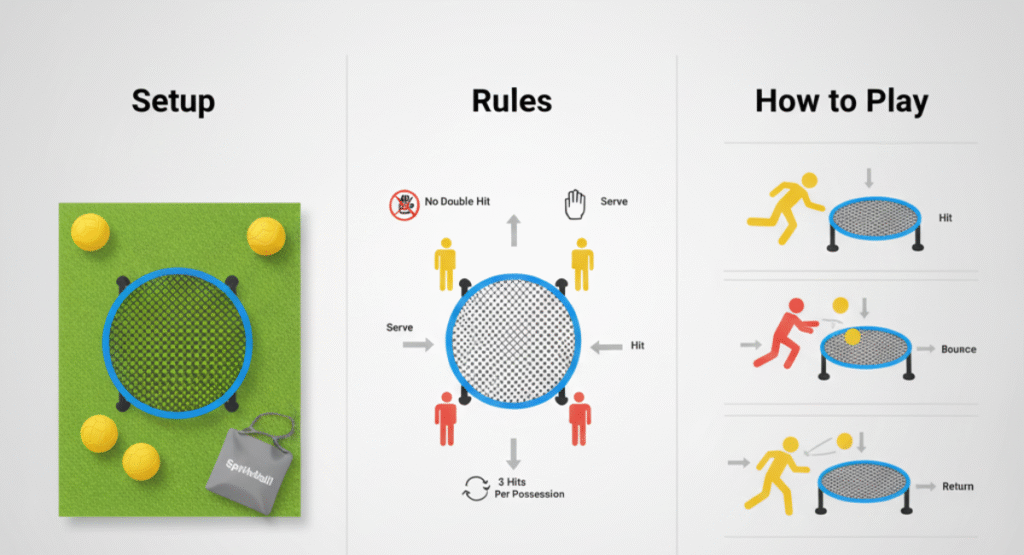
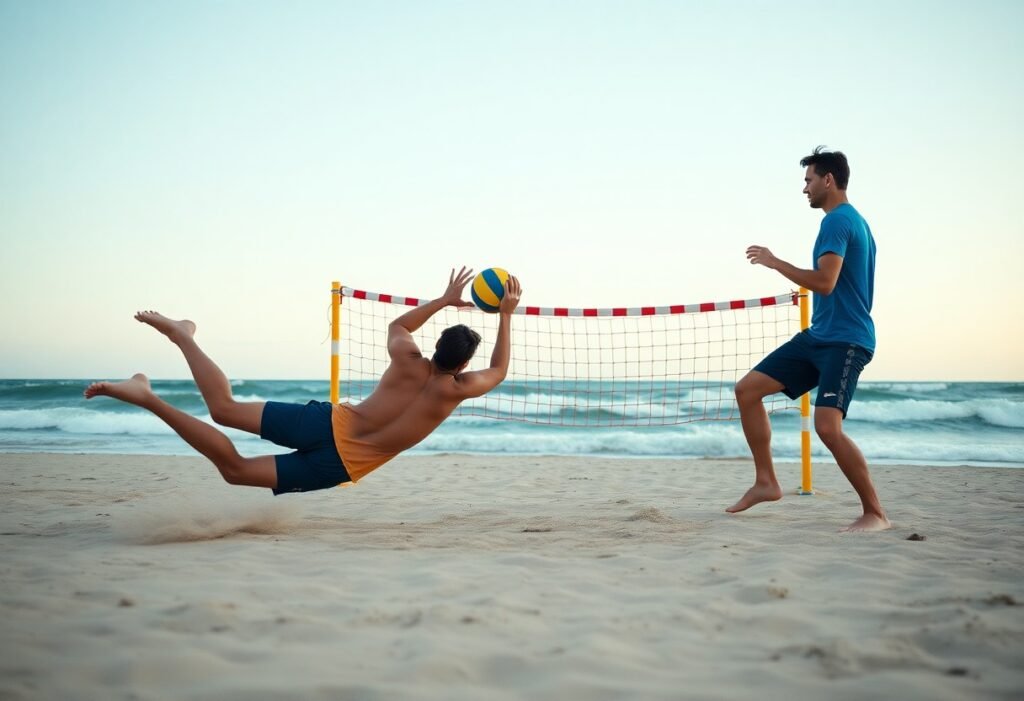
Spikeball is a fast-paced, energetic game that combines elements of volleyball and four square. Played with a round net placed at ankle height, teams of two try to hit a small ball onto the net, aiming to make it bounce back at the opposing team in such a way that they cannot return it. The game is known for its simple rules and engaging gameplay, making it an ideal choice for family gatherings and recreational activities.
History and Evolution of Spikeball
Spikeball originated in the 1980s when it was invented by Jeff Knurek. Initially marketed as a new sport, the game gained traction in beach environments, leading to organized play. Over the years, Spikeball has evolved with the establishment of leagues and tournaments, growing into a beloved activity worldwide and fostering a dedicated community.
After its inception, Spikeball struggled to find a broad audience until a revival in the 2000s when it caught the attention of players across various age groups. This resurgence included the release of updated equipment and the organization of competitive tournaments. Today, you can find Spikeball events at beaches, parks, and schoolyards, showcasing its universal appeal and ability to unite players in active fun.
Basic Rules and Gameplay
The game involves teams of two, with each team alternating hits on a ball before it must strike the net. The objective is straightforward: your team must score points by making the ball land in such a manner that the opposing team cannot return it effectively. Points are typically scored when the ball hits the ground, goes out of bounds, or the opponents fail to hit it within a three-touch limit.
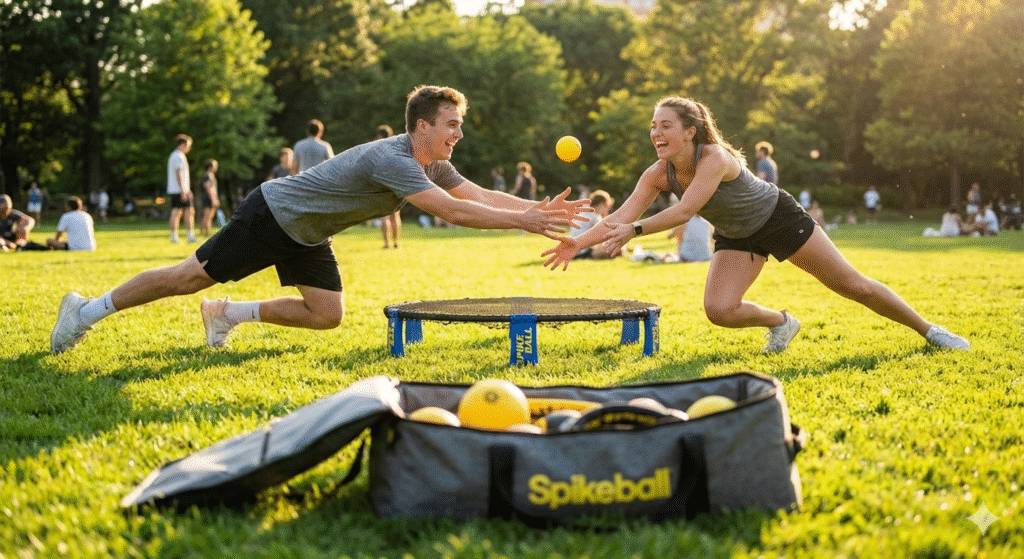
As you play, the flowing movement enhances agility, coordination, and strategic thinking. Each match starts with a serve, and players can use any part of their bodies to hit the ball. The gameplay emphasizes teamwork, as players must communicate and anticipate one another’s moves to succeed. This interaction not only boosts physical activity but also strengthens family bonds through collaborative play.
Benefits of Spikeball for Kids
Physical Fitness and Activity
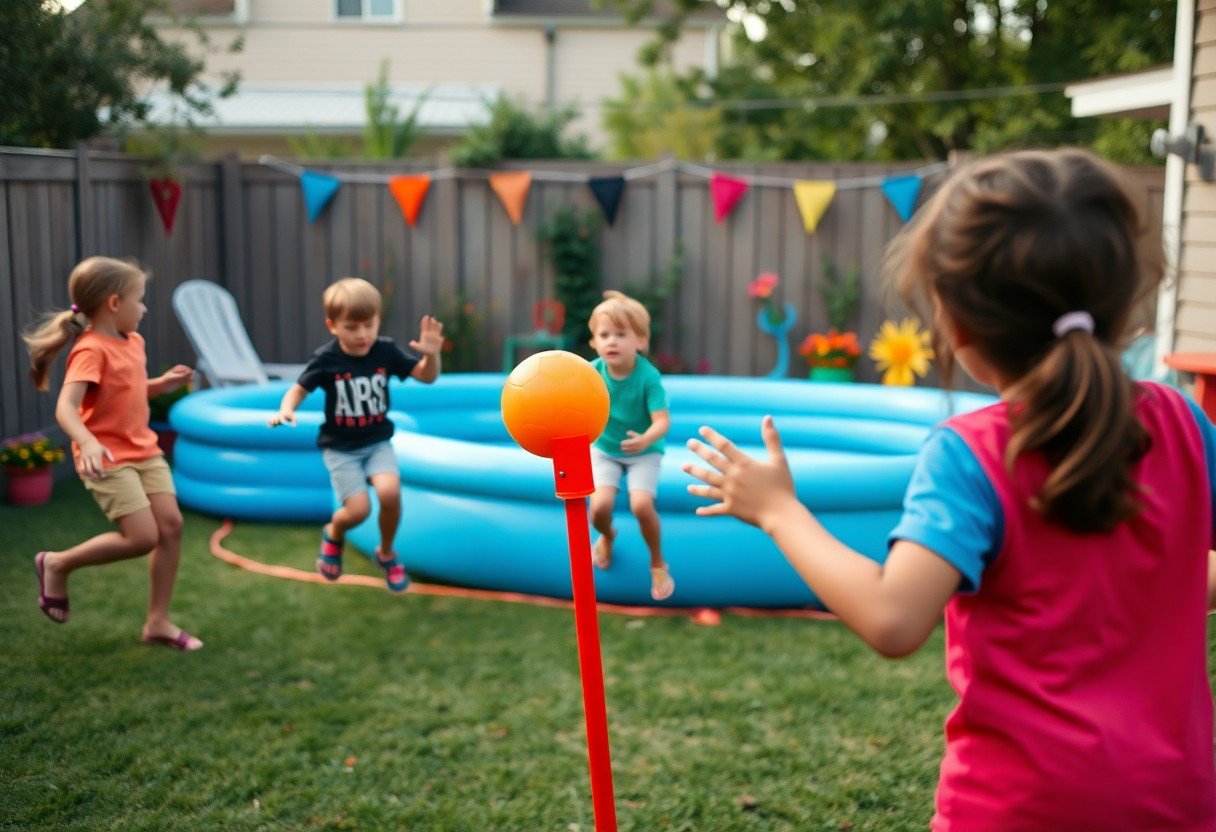
Playing Spikeball is an excellent way for kids to get active, promoting cardiovascular health and overall physical fitness. The quick movements and coordination required help improve agility, balance, and strength. With the game being fast-paced, children are encouraged to run, jump, and dive, which makes exercise fun rather than a chore.
Social Skills and Teamwork
Engaging in Spikeball helps develop your child’s social skills as they interact with others while playing. The team-based nature of the game fosters a sense of community and teaches valuable lessons in cooperation and communication.
Through Spikeball, your kids learn to work together toward a common goal, reinforcing teamwork and understanding. Each match involves discussing strategies, encouraging each other, and celebrating victories or learning from defeats. This collaborative effort not only strengthens friendships but also equips children with imperative skills for future social interactions, whether in sports or other group activities.
Mental Agility and Strategy
Spikeball requires players to think on their feet, enhancing their mental agility and strategic thinking. You’ll notice your kids analyzing their opponents’ moves and planning their own plays, which stimulates problem-solving skills as they adapt to the fast-paced nature of the game.
As they play, your children must constantly assess the game situation, considering factors like their position, the ball’s trajectory, and their teammates’ movements. This critical thinking fosters adaptability and decision-making, vital skills that extend beyond the game into academics and everyday life. By learning to formulate strategies and anticipate outcomes, children grow into more resourceful and confident individuals.
Setting Up Spikeball for Family Fun
Choosing the Right Location
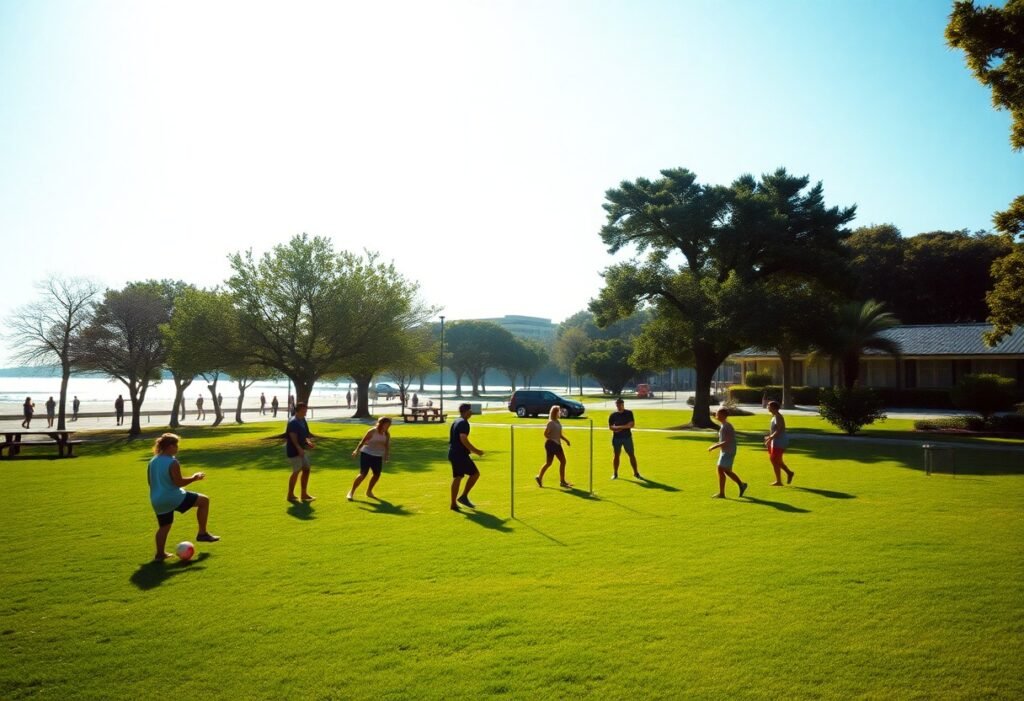
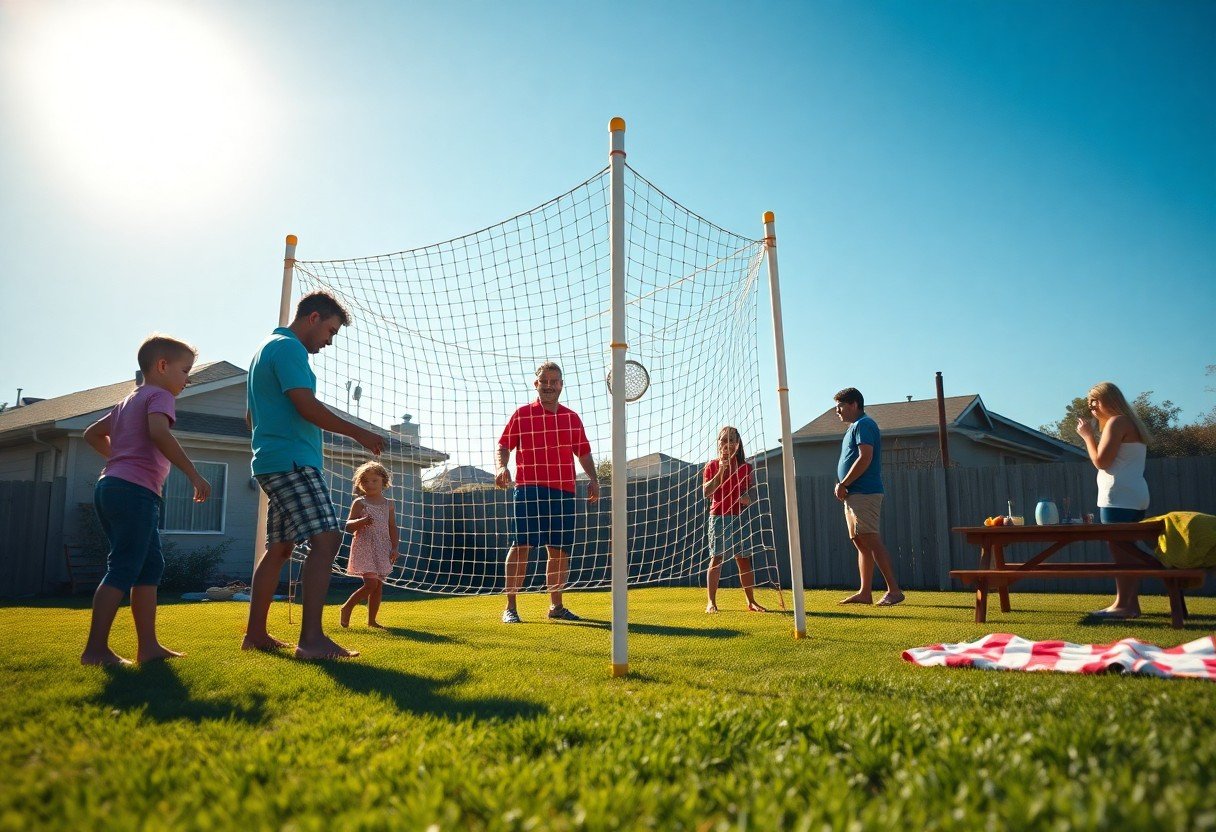
Select a flat, open area for your Spikeball setup, ideally a grass or sandy surface. This minimizes injury risks and allows for optimal gameplay. Look for a spot away from obstructions like trees or fences to ensure you have enough space to move around. For more outdoor activities, check out 15 lawn games for your family to enjoy this summer – ABC News.
Equipment Needed
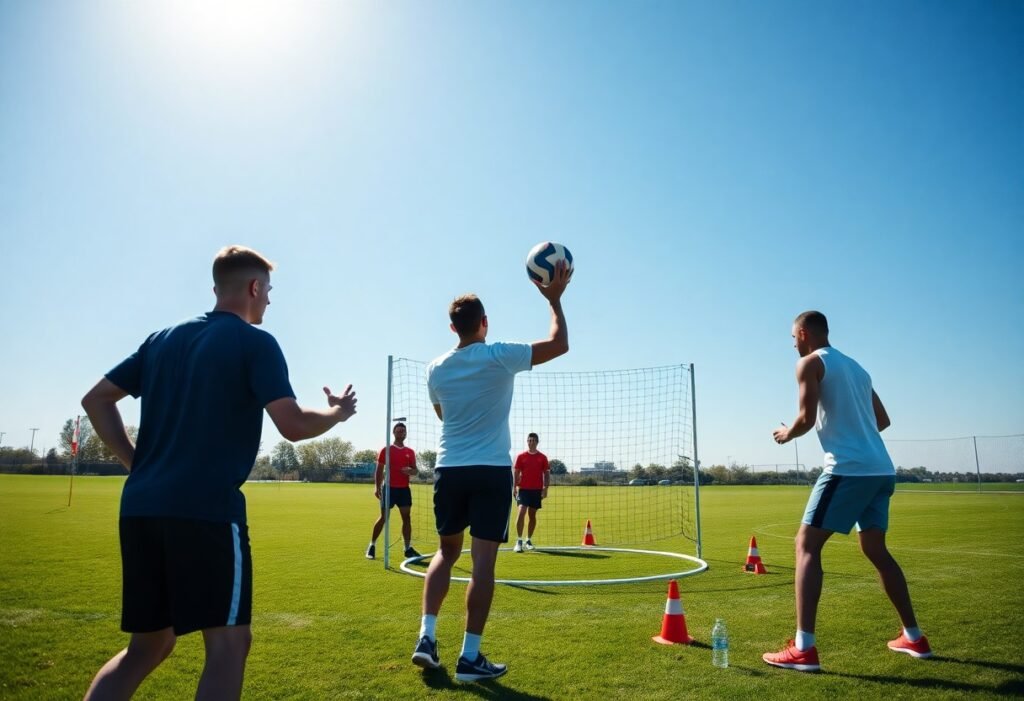
Your Spikeball setup requires just a few items: a Spikeball kit, which includes the net, balls, and a carry bag for transport. Make sure to have a flat surface prepared for assembly, and consider using boundary markers if you want to define the playing area more clearly.
The Spikeball kit typically includes three components: the net that stretches taut above the circular frame, two balls for gameplay, and an easy-to-transport bag. You may also want to bring along a cooler with refreshments to keep players hydrated during breaks. Having a couple of extra balls on hand ensures that play can continue uninterrupted, especially if the originals get lost or damaged.
Setting Up the Spikeball Net
To set up the Spikeball net, first, unfold the frame and stretch the net tightly across it. The net should be positioned at about waist height—this is the expected height for spike shots. Once adjusted, make sure it’s secured and ready for play.
Setting up is straightforward, but it requires attention to detail. Start by placing the frame on a stable surface; ensure that the legs are fully extended and locked into place. After the net is anchored, give it a gentle pull to check its tension. An adequately tight net enhances gameplay, allowing the ball to bounce effectively while preventing sagging that could disrupt the matches. Aim for a tension balance that can withstand vigorous play but is still adjustable for younger players.
Spikeball Variations for Different Age Groups
Spikeball for Younger Kids
For younger kids, simplify the game by reducing the number of hits allowed per team to two instead of three. Use a smaller, lighter ball to make it easier for little hands to handle. You can also create smaller court dimensions to ensure that the action stays within reach, catering to their developing skills and attention spans. This way, kids can enjoy an engaging mix of activity and fun while building their coordination.
Spikeball for Teens
Teens can experience a more competitive and dynamic version of Spikeball. By increasing the court size and incorporating advanced techniques like serves and spikes, you can challenge them while enhancing their coordination and teamwork. Implementing scoring systems, such as playing to 21 points, will add an extra layer of strategy that captivates their interest.
The intensity can also be ramped up by organizing mini-tournaments, which allows teens to develop teamwork and sportsmanship skills. Allow variations such as playing with a timer for rapid rounds or introducing trick shots to keep the game fresh and exciting. These adaptations not only foster competitive spirit but also build lasting friendships through shared experiences.
Family Team Play Options
Family team play options foster collaboration and enhance communication. Consider forming teams comprised of mixed ages, where older kids can mentor younger siblings. You can set up a family bracket challenge, or even play different variations, such as allowing two touches per player or establishing “power plays” for extra points on specific serves.
This inclusive approach encourages bonding and makes for memorable afternoons in your backyard. Emphasizing teamwork while allowing each family member’s skills to shine will not only enhance the gameplay experience but also strengthen family relationships. Tailoring the complexity of rules to accommodate all ages creates an environment where everyone feels engaged and valued.
Tips for Making Spikeball Fun
- Encourage teamwork and communication in each Spikeball match.
- Adjust rules to promote inclusivity for all skill levels.
- Add music to create a lively atmosphere during the games.
- Incorporate fun themes for each game day, like superheroes or beach parties.
- Offer creative challenges like timed matches or trick shots.
This encourages friendly competition and a positive environment.
Incorporating Themes and Challenges
To enhance the fun, introduce themes like ‘Hawaiian Luau’ or ‘Sports Day’, where everyone dresses accordingly. Incorporate challenges such as a “trick shot” contest or “fastest serve” competition, which can spice up the experience and encourage participation from all family members.
Creating Family Tournaments
Family tournaments can bring everyone together while boosting the competitive spirit. Set up a schedule with different matchups and keep track of scores. You can even consider having a round-robin format, where each team plays all others, culminating in a championship match.
Creating family tournaments not only enhances the social aspect of Spikeball but also builds memories that last. Consider designating different family members as team captains to create balanced teams, allowing even the younger kids to contribute and strategize. This way, every match turns into a family affair filled with laughter and excitement.
Reward Ideas for Participants
To motivate everyone, think of fun rewards like custom medals, certificates, or small prizes such as stickers or party favors. This celebratory acknowledgment of participation can make all players feel valued, adding to the overall fun of the tournament.
By offering exciting rewards, you create an incentive for players to try their best and enjoy the experience, regardless of who wins. Additionally, consider having quirky awards, like “Best Dressed” or “Most Enthusiastic Player,” to recognize everyone’s unique contributions to the event.
Safety Considerations
Ensuring Safe Play Areas
Choose a safe play area free from hazards like rocks, sticks, or uneven ground. Check for any nearby obstacles such as fences or trees that could pose a risk during play. Ideally, the surface should be soft, like grass or sand, to minimize potential injuries from falls. Always inspect the area before starting the game to ensure it meets safety standards for your family.
Age-Appropriate Rules
Establishing age-appropriate rules is necessary to ensure that all players can enjoy Spikeball safely. Adapt the game’s complexity based on the children’s skill levels and ages, so everyone feels included and engaged.
For younger players, consider simplifying rules such as limiting the number of hits to two or adjusting the scoring system to make it more accessible. Tailoring these aspects can enhance enjoyment and learning while minimizing frustration. As children grow and improve their skills, you can gradually introduce more advanced rules, fostering their development and keeping the game challenging.
Preventing Injuries
Preventing injuries during Spikeball games requires diligent oversight and preparation. Ensure players are warmed up beforehand, as stretching can reduce the risk of muscle injuries caused by sudden movements.
Additionally, encourage players to wear appropriate footwear to maintain traction and support. Be mindful of the environment around you and pause the game if weather conditions change, such as rain or strong winds, which could lead to unsafe playing conditions. Always supervise younger children closely to ensure they follow the rules and understand the importance of safe play.
To wrap up
Presently, incorporating Spikeball into your family’s outdoor activities can transform your backyard into a fun-filled environment. This engaging sport encourages teamwork, physical activity, and valuable social interaction among players of all ages. By investing time in learning the game together, you not only create lasting memories but also promote a healthy lifestyle for you and your loved ones. Embrace the excitement of Spikeball and explore various backyard fun ideas to make the most of your family time.
FAQ
Q: What age range is Spikeball suitable for kids?
A: Spikeball is generally suitable for children aged 6 and up, with adaptations for varying skill levels and physical abilities.
Q: How many players can participate in a game of Spikeball?
A: Spikeball can be played with 2 to 4 players, making it a great option for family and group activities.
Q: What is the best way to set up a Spikeball game in the backyard?
A: To set up Spikeball, find a flat, open area and set the net at a height of 36 inches. Ensure there is enough space around for players to move freely.
Q: Are there any safety guidelines for kids playing Spikeball?
A: It is recommended that players wear appropriate footwear and avoid playing in slippery areas to minimize the risk of falls or injuries.
Q: Can Spikeball be played on different surfaces?
A: Yes, Spikeball can be played on grass, sand, or soft surfaces. Avoid hard surfaces to prevent injuries and ensure better ball bounce.