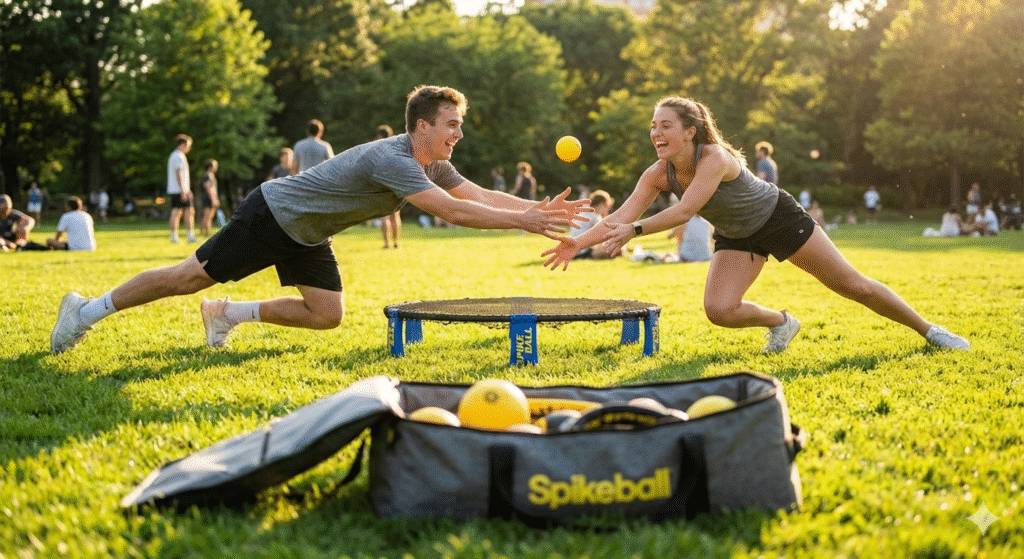

Many new players find Spikeball to be an exciting and energetic way to enjoy time with friends while being active. This guide will equip you with crucial tips on the rules, setup, and basic techniques to ensure your first games are both fun and safe. With the right approach, you can quickly grasp the fundamentals and enhance your skills, paving the way for improvement and enjoyment in this engaging sport. Let’s get you ready to spike your way to victory!
Key Takeaways:
- Understand the basic rules and objectives of Spikeball, which involve teamwork and scoring points by hitting the ball onto the net.
- Practice important skills such as serving, passing, and spiking to improve gameplay and coordination.
- Familiarize yourself with proper positioning and strategies for both offense and defense to enhance your overall performance on the court.
Understanding Spikeball
What is Spikeball?
Spikeball is a dynamic sport that combines elements of volleyball and four-square, played with a round net placed at ankle height. Your objective is to hit a small, biodegradable ball onto the net, ensuring the ball bounces off, making it difficult for your opponents to return. The game typically involves two teams of two, though you can adapt it for different numbers of players.
History of Spikeball
Spikeball originated in the late 1980s, initially developed as a beach game by Chris Ruder and his friends. The sport gained popularity in 2008 when Ruder founded Spikeball Inc., launching a series of tournaments and attracting a broader audience.
The game’s evolution is noteworthy; it transitioned from a casual beach pastime to a competitive sport with organized leagues. In 2017, the Spikeball Roundnet Association (SRA) was formed, further formalizing the sport and encouraging international play. This shift has seen Spikeball showcased in various media, promoting its growth and accessibility. Today, it boasts a thriving community, tournaments, and an ever-expanding player base.
Overview of Spikeball Equipment
To start playing Spikeball, you’ll need a few vital pieces of equipment. The primary components include a Spikeball net set and a small, lightweight ball. The net is adjustable and can be easily transported, making it perfect for outdoor or indoor play.
The Spikeball set typically consists of a collapsible round net, four legs for stability, and a high-bounce ball designed for optimum playability. You can also find various accessories, such as carrying bags and official tournament balls, enhancing your gameplay experience. Investing in a quality set ensures durability and consistent performance during matches, letting you focus on skill development.
Types of Spikeball Games
| Game Type | Description |
|---|---|
| Traditional Spikeball | The standard version played with specific rules. |
| Beach Spikeball | Adapted for sandy conditions, often more casual. |
| Indoor Spikeball Variations | Version played in gyms or indoors for a different challenge. |
| Competitive Spikeball | High-stakes play with strict regulations and tournaments. |
| Recreational Spikeball | Casual play, often with relaxed rules. |
Traditional Spikeball
In Traditional Spikeball, you play with a round net set at ankle height. Teams of two face off to hit the ball into the net, with the goal to make it inaccessible to your opponents. The game blends strategy, teamwork, and athleticism, which is foundational to your experience.
Beach Spikeball
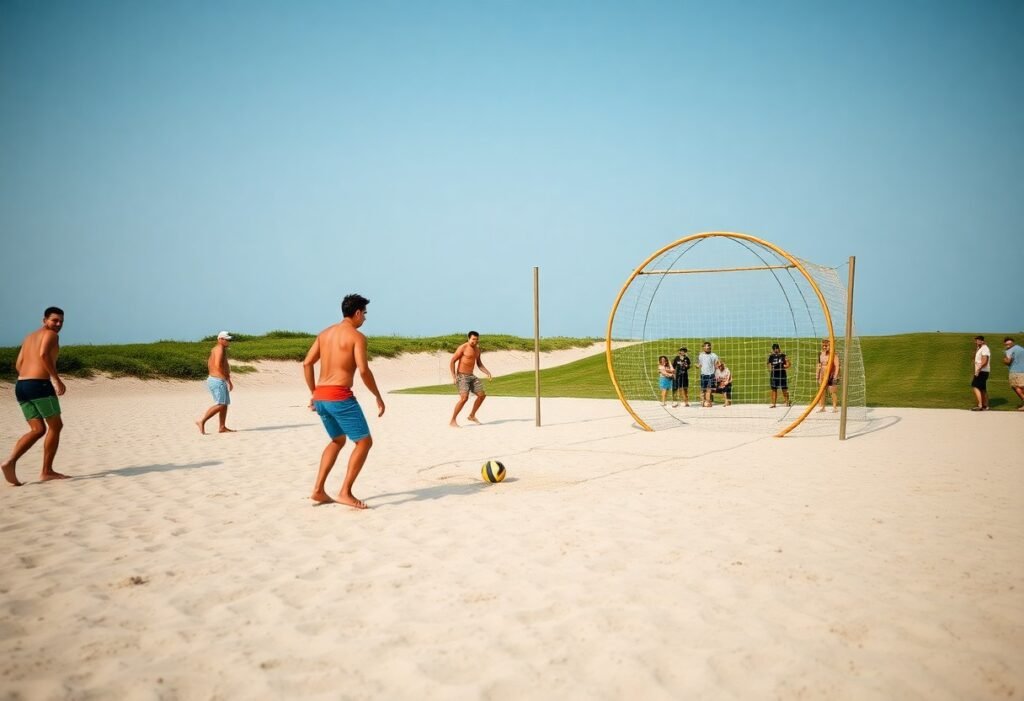
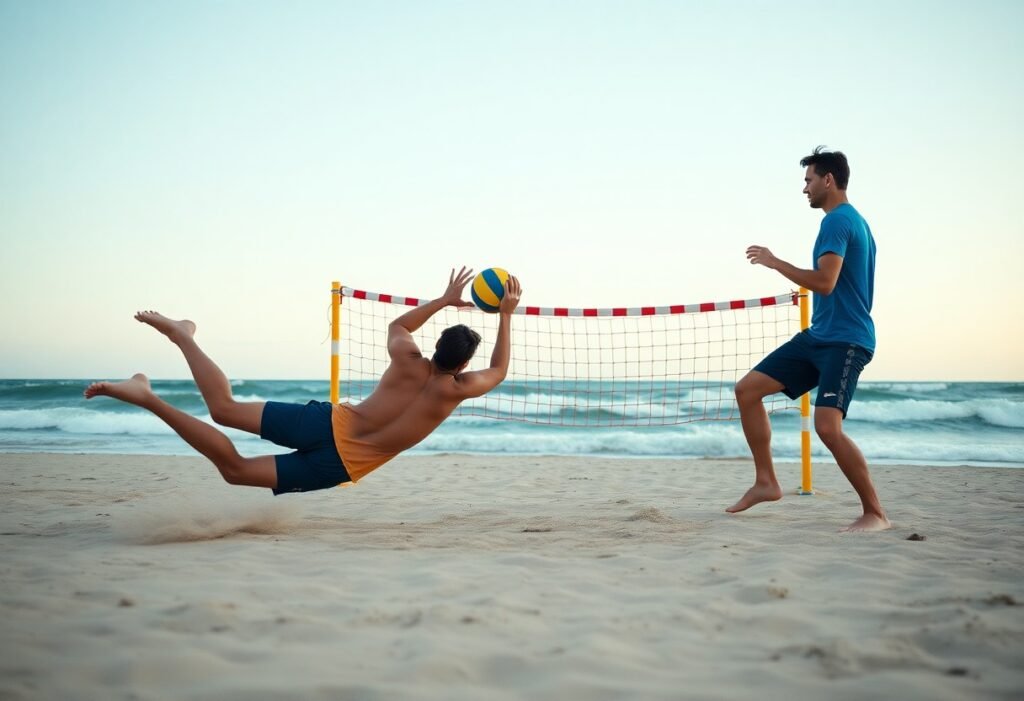
Beach Spikeball is typically played on sandy shores, where the environment adds an element of fun and unpredictability. The soft surface requires you to adapt your moves, making the experience both challenging and enjoyable.
Beach conditions often lead to more casual gameplay among friends and family, allowing players to enjoy the sport without the pressure of rigorous rules. You can adjust the intensity, making it perfect for all skill levels.
Indoor Spikeball Variations
Playing Indoor Spikeball Variations shifts the dynamics of the game, usually involving a firmer surface and sometimes modified rules for spacing. This setting allows for year-round play regardless of weather conditions.
Indoor settings often necessitate smaller playing areas, speeding up the game and fostering quick reflexes. Whether at a gym or in your basement, you can still enjoy the strategic elements of Spikeball while overcoming indoor challenges.
Competitive Spikeball
Competitive Spikeball takes the classic game to a higher level, featuring strict rules and teams that participate in tournaments. Players seek to enhance their skills and teamwork to excel in this intense format.
Getting Started with Spikeball
Choosing the Right Equipment
To start playing Spikeball, selecting appropriate equipment is imperative. You’ll need a Spikeball set, which includes a round net, balls, and often a carry bag. Look for a set that’s durable and offers a good bounce; many players prefer those with sturdy frames and weather-resistant materials. As you progress, investing in extra balls can enhance your practice sessions.
Basic Setup Instructions
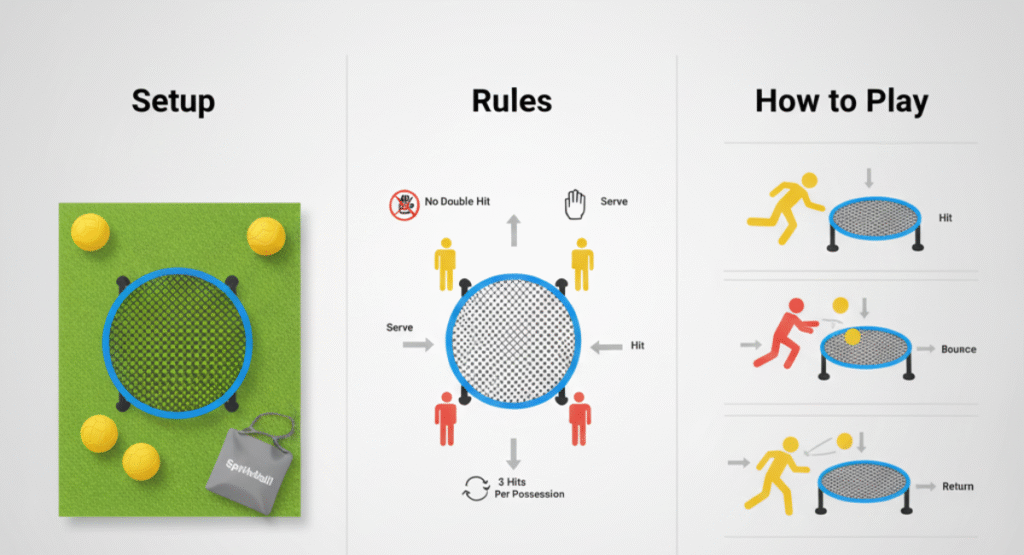
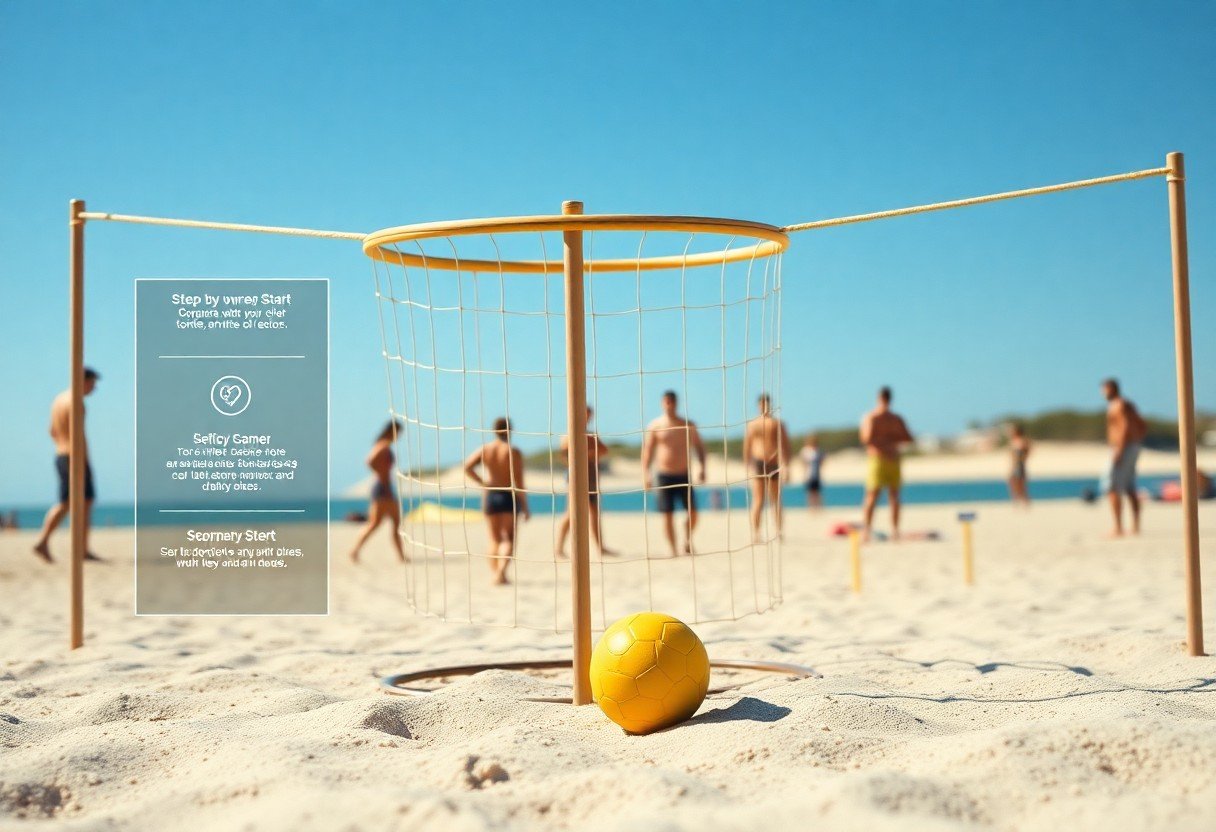
Setting up your Spikeball net is quick and straightforward. Begin by unfolding the net and connecting the legs to form a stable structure. You’ll want to position the net at a height of approximately 33 inches for standard play. Position the net snugly, ensuring it’s taut to provide optimal bounce when the ball strikes. This setup allows for effective gameplay and easy adjustment to your surroundings.
Ensure you spread the legs wide enough for stability on various surfaces, whether it’s grass, sand, or indoors. Anchor the legs firmly, checking that the net remains positioned in a flat circle. A quick test bunt with the ball will confirm that it’s adequately set. This attention to setup details can greatly enhance your game experience.
Rules and Scoring System
Understanding the basic rules and scoring system is vital for enjoying Spikeball. Each match consists of two teams, typically two players each. The objective is to hit the ball into the net in such a way that the opposing team cannot return it within three hits. The game is played to 21 points, and teams must win by at least two points.
Players score points when the ball is not returned successfully or if it bounces outside the designated play area. Keeping track of the score is imperative, as games can rapidly escalate in intensity. Make sure to familiarize yourself with these rules to enhance both your gameplay and understanding among teammates, fostering a more competitive but enjoyable atmosphere.
Step-by-Step Guide to Playing Spikeball
| Step | Description |
| 1. Form Teams | Divide into teams of two players each, ensuring all participants are on an equal playing field. |
| 2. Set Up | Position the Spikeball net in a flat area with enough space to play around it. |
| 3. Serve | Start the game by serving the ball towards the opposing team. |
| 4. Rally | Teams take turns hitting the ball off the net, trying to score points. |
| 5. Score | Points are scored when the ball hits the ground or goes out of bounds. |
Forming Teams and Players
To begin, you need to assemble two teams of two players each. Make sure your teams are balanced in skill and athleticism to enhance competitive play. Each team must communicate effectively to strategize and respond quickly during rallies, which is key to mastering Spikeball.
Basic Gameplay Mechanics
In Spikeball, the objective is to hit the ball onto the net in such a way that the opposing team cannot return it. Each team gets a maximum of three touches to play the ball before it must hit the net. You’ll find that teamwork and coordination are crucial, as players pass, set, and spike the ball with the aim of scoring points.
Serving Techniques
The serve is a vital part of the game, as it sets the tone for each rally. You should aim to deliver a powerful and strategic serve to make it hard for the opposing team to react. The ball must be served from behind the net, using one hand, and you can choose to hit it high for a tricky bounce or low to catch your opponents off-guard.
Defensive and Offensive Strategies
Adopting both offensive and defensive strategies is crucial for success in Spikeball. Offensively, focus on quick, high-energy spikes and varied shots to keep opponents guessing. Defensively, position yourself effectively around the net and communicate with your partner about covering angles to ensure you’re ready for any return. Utilize teamwork to anticipate plays and stay alert.
Tips for Beginners
- Start with the basics: Understand the rules and scoring.
- Practice consistently to improve your technique.
- Focus on your serve to gain an early advantage.
- Always stay aware of your teammates’ positions.
- Keep your body light and ready for quick movements.
After mastering these tips, you will build a solid foundation for enjoying and excelling at Spikeball.
Improving Your Skills
To enhance your Spikeball skills, engage in regular practice focusing on various techniques such as serving, passing, and spiking. Incorporate drills that emphasize reaction time and agility. Playing with more experienced players can also help you learn new strategies and improve your overall game performance.
Communication with Team Members
Your success in Spikeball often hinges on effective communication with your partner. Discuss strategies before matches to ensure everyone understands their role during gameplay. Verbal cues can signal where to move or when to spike, elevating your team’s effectiveness.
Clear communication minimizes the risk of misplays and maximizes your chances to coordinate efficiently. Make sure to establish a few key phrases or calls that signify actions like “I got it!” or “Switch!” This practice builds trust and allows for seamless transitions between offensive and defensive plays.
Common Mistakes to Avoid
Avoiding specific pitfalls can significantly enhance your gameplay. Many beginners tend to underestimate the importance of positioning. Staying in a fixed spot leads to missed opportunities and mistakes. Furthermore, overhitting the ball can result in easy points for the opposing team.
Common mistakes often stem from a lack of awareness of your surroundings. Make it a habit to scan the court before each play. Try to establish a rhythm with your teammate and avoid rushing plays, which typically leads to errors. Being proactive in your approach will elevate your gameplay considerably.
Training Drills and Practices
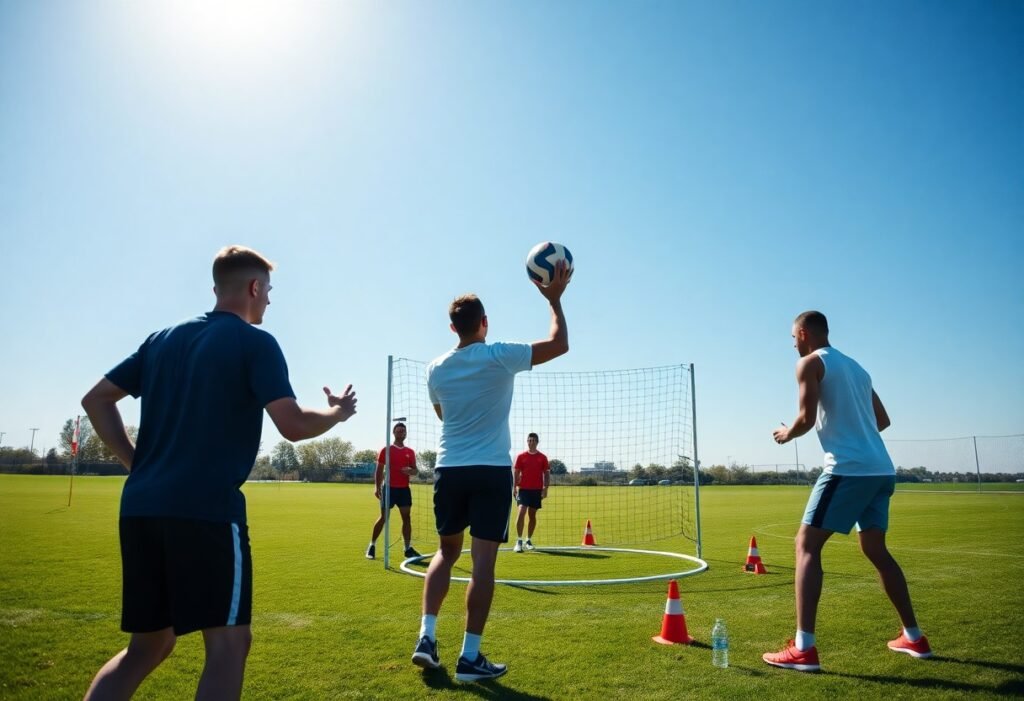
Regular practice sessions incorporating targeted drills can significantly improve your Spikeball performance. Focus on every aspect of your gameplay, including serving accuracy, ball control, and team dynamics. Additionally, shadowing drills can help with timing and coordination.
Structured training routines, such as practicing specific skills like serves or volleys for 20 minutes followed by gameplay simulations, help establish muscle memory. Incorporate diverse drills to cover various scenarios and build adaptability in your game, ultimately fostering better team synergy and individual skill development.
Factors Influencing Play
- Playing Surface
- Weather Conditions
- Number of Players
- Team Dynamics
- Skill Levels
Playing Surface Considerations
The surface you choose to play on can significantly impact your game. Ideal surfaces include grass, sand, or gym floors. Avoid rocky or uneven terrains, as they can lead to injuries and affect ball bounce. A smooth, level area ensures better gameplay and minimizes distractions.
Weather Conditions
Weather plays a major role in your Spikeball experience. Windy conditions can affect your ball control, while rain can make surfaces slippery. Choose clear days to maximize enjoyment, and consider bringing gear like towels or umbrellas if the forecast looks unpredictable.
Wind can disrupt your strategy and affect your teammates’ communication. Moderate temperatures are best for comfort, while extreme heat or cold can hinder performance. Pay attention to the weather before setting up your game to ensure a better experience for everyone involved.
Number of Players and Team Dynamics
The number of players you have can influence strategy and cooperation. Spikeball is typically played in teams of two, but variations exist for larger groups. Ensuring each player understands their role can enhance team performance and enjoyment.
When playing in teams, communication is key. Coordinate with your teammate regarding positioning and strategy. Strong team dynamics can elevate your gameplay, while poor communication may lead to missed opportunities. Focus on building synergy with your teammates for a more competitive edge.
Skill Levels of Participants
Understanding the skill levels of participants will help tailor the game for everyone. Mixing experienced players with beginners can create a learning environment, but it may also lead to frustration for less experienced players.
As players’ skills differ, it’s beneficial to set realistic expectations and goals. Encourage newcomers while allowing more skilled players to share strategies. Tailor your drills and gameplay according to levels, fostering improvement and inclusivity among all participants.
Assume that you are now equipped with crucial knowledge about factors influencing your Spikeball game. For detailed instructions on rules and gameplay, check out How to Play Spikeball: A Complete Guide to Roundnet.
Pros and Cons of Spikeball
| Pros | Cons |
|---|---|
| Great cardiovascular workout | Can lead to injuries if not played carefully |
| Improves hand-eye coordination | Requires a learning curve for new players |
| Portable and easy to set up | Not as widely recognized in all areas |
| Can be played on various surfaces | Limited gameplay options with just two teams |
| Encourages teamwork and communication | Requires specific equipment |
| Suitable for all ages | Can be physically demanding |
| Fun and engaging social activity | Weather-dependent for outdoor play |
| Fast-paced and exciting | Scoring can be complex for beginners |
| Promotes strategic thinking | May require a dedicated space |
| Enhances spatial awareness | Can be competitive, which may deter casual players |
Benefits of Playing Spikeball
Playing Spikeball offers numerous physical and social benefits. It provides an excellent cardiovascular workout, improves hand-eye coordination, and enhances teamwork skills. The game’s fast-paced nature helps in developing agility and strategic thinking while fostering connections between friends and family. You can easily engage in games at the beach, park, or even your backyard, making it a versatile option for outdoor activities.
Potential Challenges and Limitations
While Spikeball is engaging, there are some potential challenges to consider. The learning curve may be steep for new players, leading to frustration. Physical demands can also cause injuries, especially without proper technique. Furthermore, access to the game may be limited in certain areas, and equipment is necessary for gameplay. Weather conditions can impact outdoor play, and scoring can seem complex initially.
Playing Spikeball presents challenges that require attention, including potential for injuries like strains and sprains, particularly when players push themselves too hard. Additionally, engaging with new players might involve enduring awkward moments as everyone comes to terms with the game’s mechanics. These factors, along with the need for designated play areas, can limit accessibility. Despite these challenges, with practice and adaptation, most players find ways to enjoy the game and grow their skills.
Summing up
With this in mind, you are now equipped with the important knowledge to start playing Spikeball. Whether you’re setting up your equipment, understanding the basic rules, or developing your skills, each step will enhance your experience. Embrace the competitive spirit, have fun with friends, and enjoy the excitement that comes with this dynamic sport. With practice and persistence, you will become more confident on the court, ready to take on challenges and improve your gameplay.
FAQ
Q: What equipment do I need to play Spikeball?
A: To play Spikeball, you will need a Spikeball set, which includes a round net and a ball. The net is set up at a height of about 15 inches off the ground, and the ball is specially designed for the game to bounce off the net effectively.
Q: How do the rules of Spikeball work?
A: Spikeball is played with two teams of two players each. The objective is to hit the ball onto the net so that it bounces away from the opposing team. Each team has up to three hits to return the ball to the net. Matches are typically played to 21 points, requiring a team to win by at least two points.
Q: What skills do I need to learn for Spikeball?
A: Key skills for Spikeball include serving, setting, spiking, and positioning. Practicing these skills can greatly enhance your gameplay, allowing for better teamwork and strategic plays during matches.
Q: Can I play Spikeball indoors?
A: Yes, Spikeball can be played indoors as long as there is enough space. A flat surface is preferable, and it’s best to avoid fragile items that could be damaged during play. Ensure that the environment allows for safe movement without obstructions.
Q: How many players can participate in a game of Spikeball?
A: Spikeball is typically played with four players, forming two teams. However, variations exist where you can play with two players (one-on-one) as well. This flexibility makes it adaptable for different group sizes and skill levels.