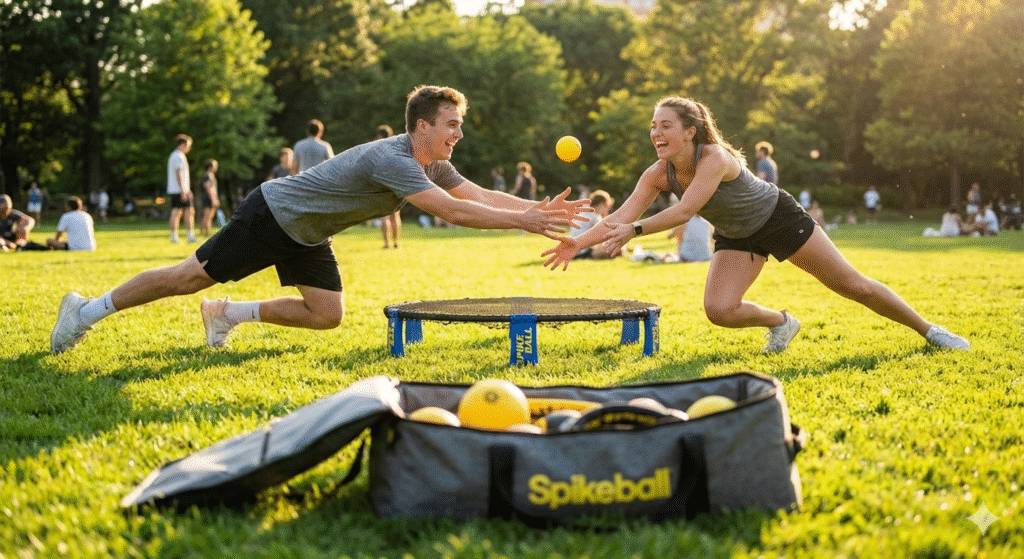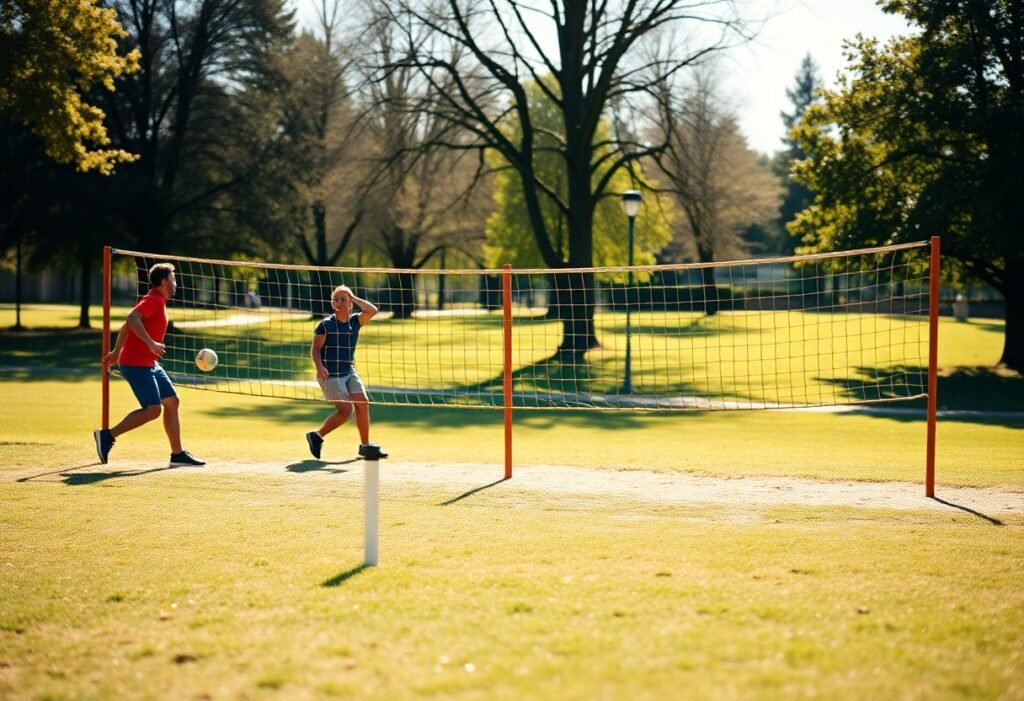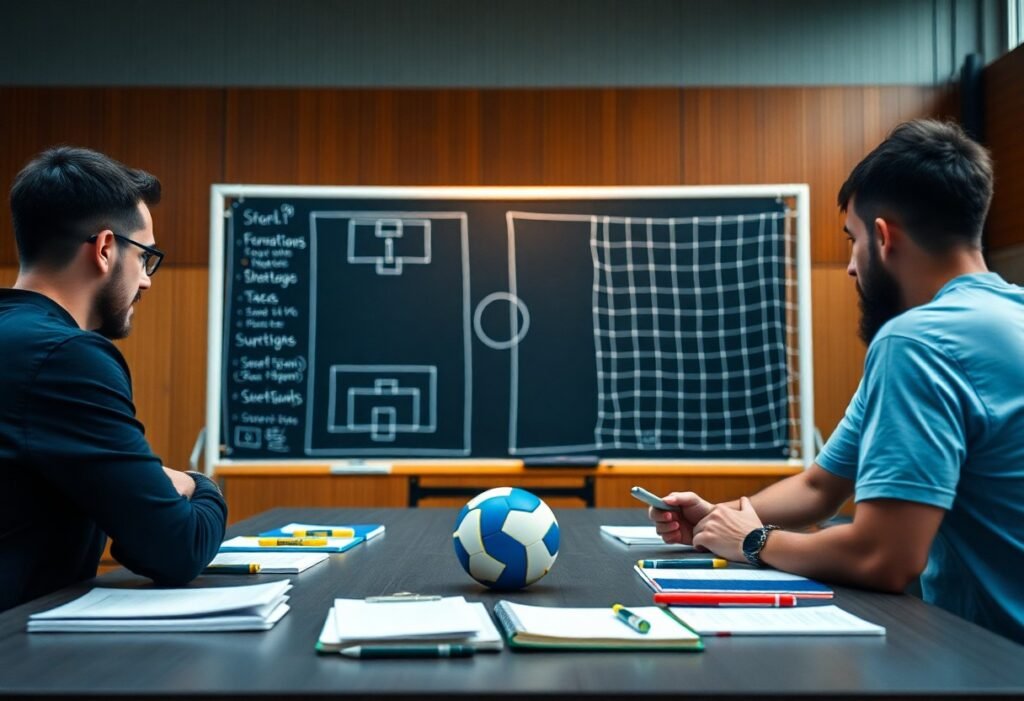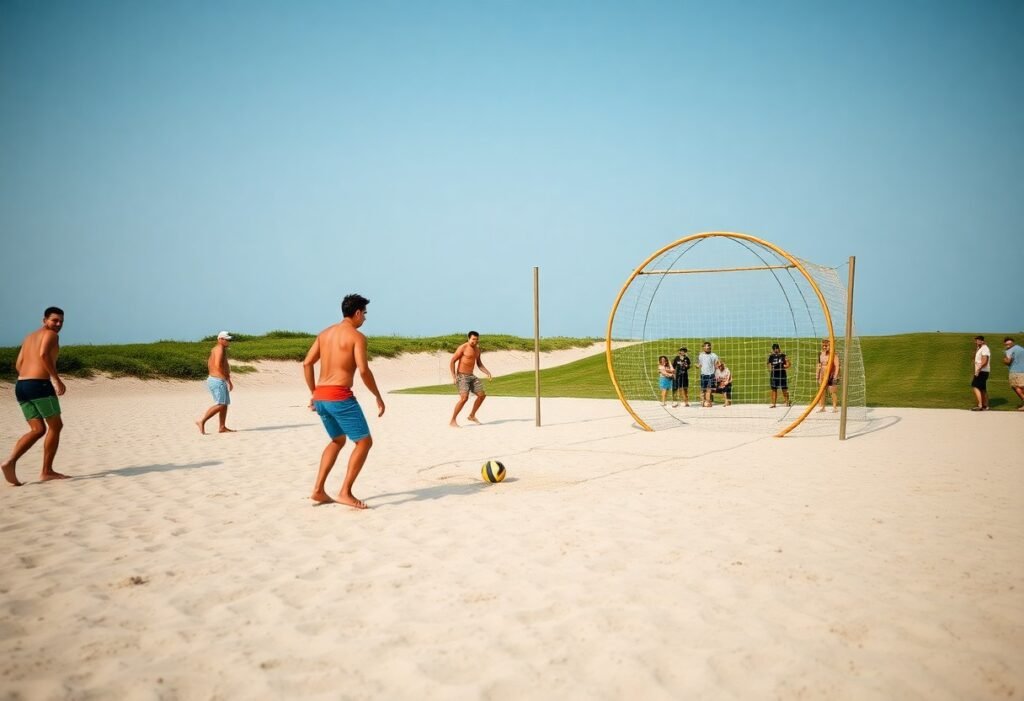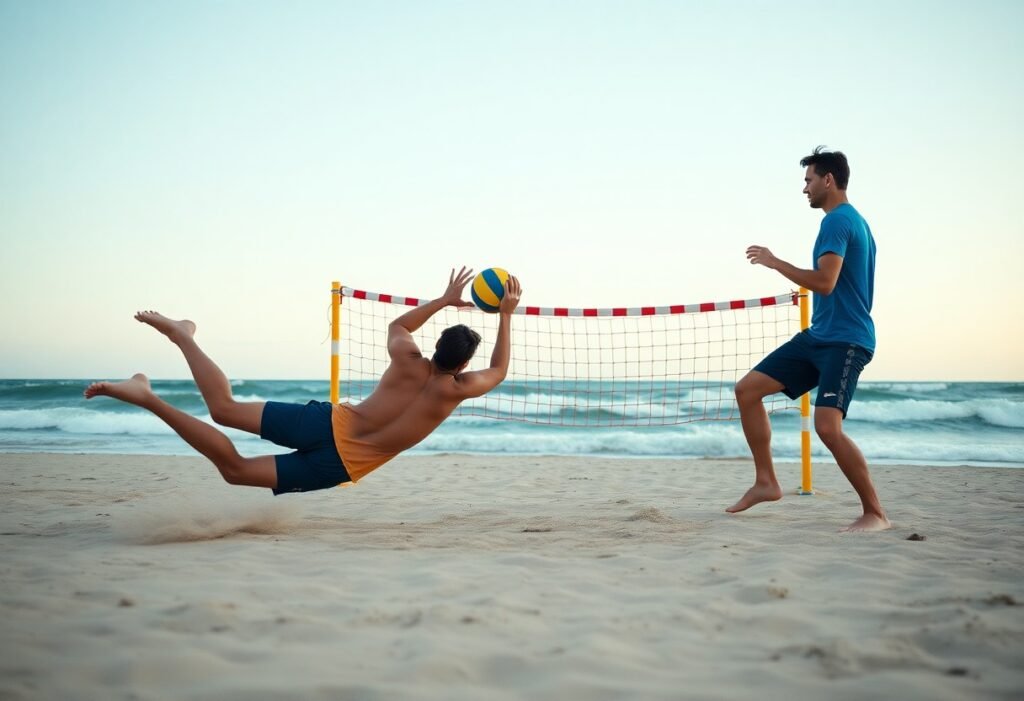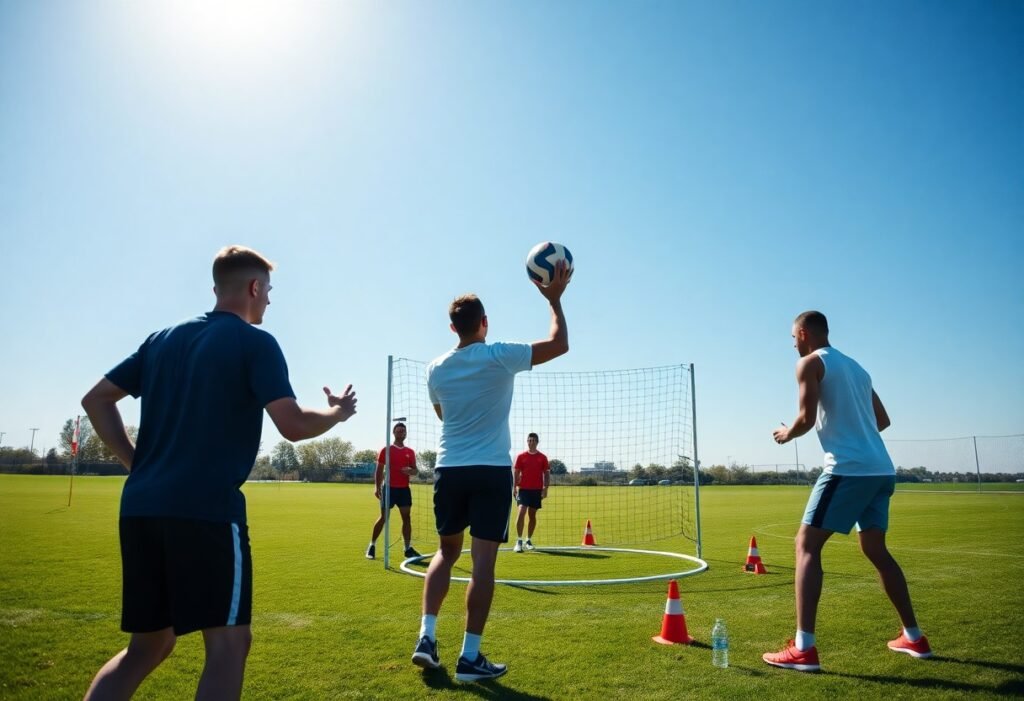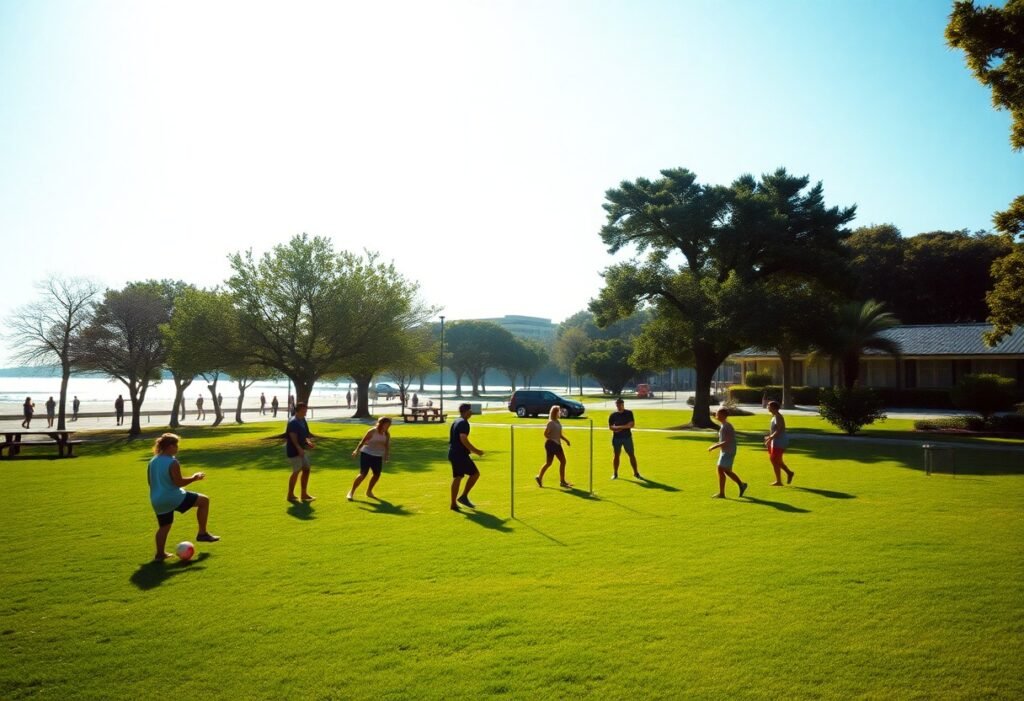

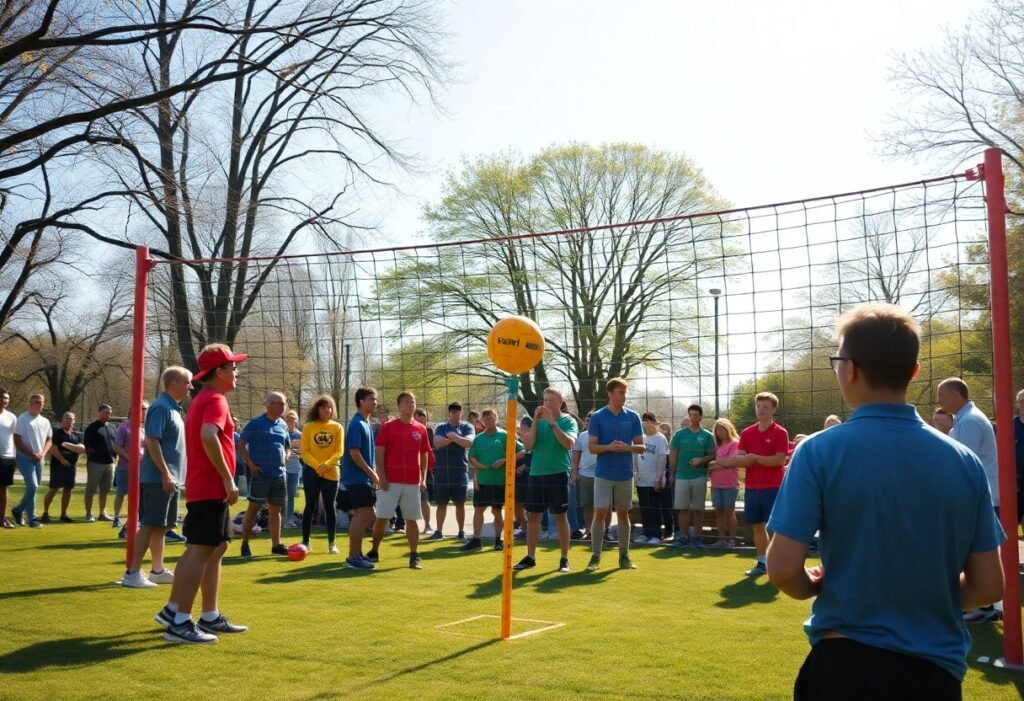
It’s the perfect opportunity for you to elevate your game at Spikeball camps and clinics, where you will learn from the top professionals in the sport. These hands-on experiences will help you develop crucial skills, improve your strategies, and engage with fellow players in a fun environment. With expert coaching, you’ll gain insights that will significantly enhance your performance on the court. Whether you’re a beginner or looking to refine your skills, these programs are designed to cater to all skill levels and take your game to the next level.
Key Takeaways:
- Expert coaching from professional Spikeball players enhances skill development.
- Participants engage in tailored drills and gameplay to improve techniques.
- Opportunities for networking and connecting with fellow Spikeball enthusiasts.
What is Spikeball?
History of Spikeball
Spikeball, originally invented in 1989 by Chris Ruder, gained popularity in the early 2000s when its unique blend of volleyball and four-square caught the attention of beachgoers and recreational players. The game transitioned from a niche pastime to a competitive sport, thanks to grassroots efforts and the establishment of leagues and tournaments. The creation of the Spikeball Roundnet Association further solidified its place in the sports community.
Rules and Gameplay Mechanics
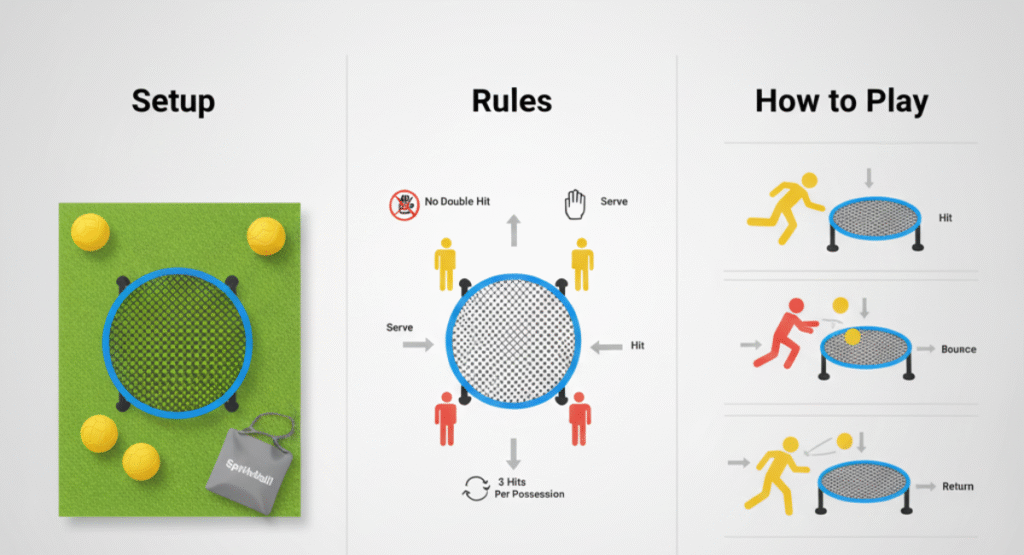
Spikeball consists of two teams of two players each, with a round net placed at ankle height. The game starts with a serve, and teams must hit the ball onto the net, allowing it to bounce off toward the opposing team. Players can use any part of their body to pass the ball but must return it within three touches. Points are scored when the opposing team fails to return the ball correctly.
The fundamental gameplay mechanics emphasize teamwork and strategy. Each player must coordinate with their partner to set up plays, utilizing different hitting techniques to outmaneuver the opponents. Rotation and positioning are key, as players anticipate where the ball will land and adjust their movements for effective returns. The fast-paced nature adds excitement, pushing you to improve reaction times and technique continuously.
Benefits of Playing Spikeball
Engaging in Spikeball provides numerous benefits, including improved agility, coordination, and cardiovascular fitness. As a high-energy sport, it not only enhances your physical strength but also fosters teamwork and social interaction. Playing regularly can promote a healthier lifestyle and a sense of community among players.
Beyond physical fitness, Spikeball encourages mental agility and strategic thinking. You enhance your social skills and develop lifelong friendships on the court. The thrill of competition and the shared experience with teammates create a positive atmosphere, motivating you to participate more actively and leading to long-term involvement in physical activities.
Spikeball Camps: An Overview
Types of Spikeball Camps
Spikeball camps come in various formats tailored to enhance your game. You can choose from day camps, weekend retreats, and intensive training sessions that suit different skill levels.
- Day Camps: Short, focused sessions ideal for beginners.
- Weekend Retreats: Immersive experiences involving gameplay and strategy sessions.
- Intensive Training Camps: Multi-day programs aiming for high-level skill development.
- Youth Camps: Camps specifically designed for younger players.
- Advanced Clinics: Sessions focused on competitive strategies and tactics.
This variety ensures that every player, regardless of experience, can find a camp fitting their needs.
| Type of Camp | Description |
| Day Camp | Short sessions to build foundational skills. |
| Weekend Retreat | Engaging gameplay and strategy workshops. |
| Intensive Training | Focus on advanced skills and tactics over multiple days. |
| Youth Camp | Designed specifically for younger athletes. |
| Advanced Clinic | Targeted training for competitive players. |
Objectives of Spikeball Camps
The primary aim of Spikeball camps is to elevate your skills while fostering a passion for the sport. They help you develop better techniques, enhance teamwork, and gain tactical knowledge.
By focusing on specific areas such as serving, setting, and communication, these camps create an environment for growth. You will engage in drills, participate in games, and receive feedback from experienced coaches. The supportive atmosphere encourages you to challenge yourself and enjoy the learning process. Ultimately, the combination of practical experience and expert advice equips you with tools to excel in your Spikeball journey.
Ideal Age Groups for Camps
Spikeball camps cater to a wide range of age groups, ensuring everyone can partake in the fun. From elementary school participants to adults, there’s something for everyone.
Typically, camps are organized for kids aged 8-15, while also offering advanced programs for teens and adults. This inclusivity not only promotes skill development among younger participants but also allows older players to refine their techniques. By varying age groups, camps create tailored experiences, fostering friendships and healthy competition across different generations.
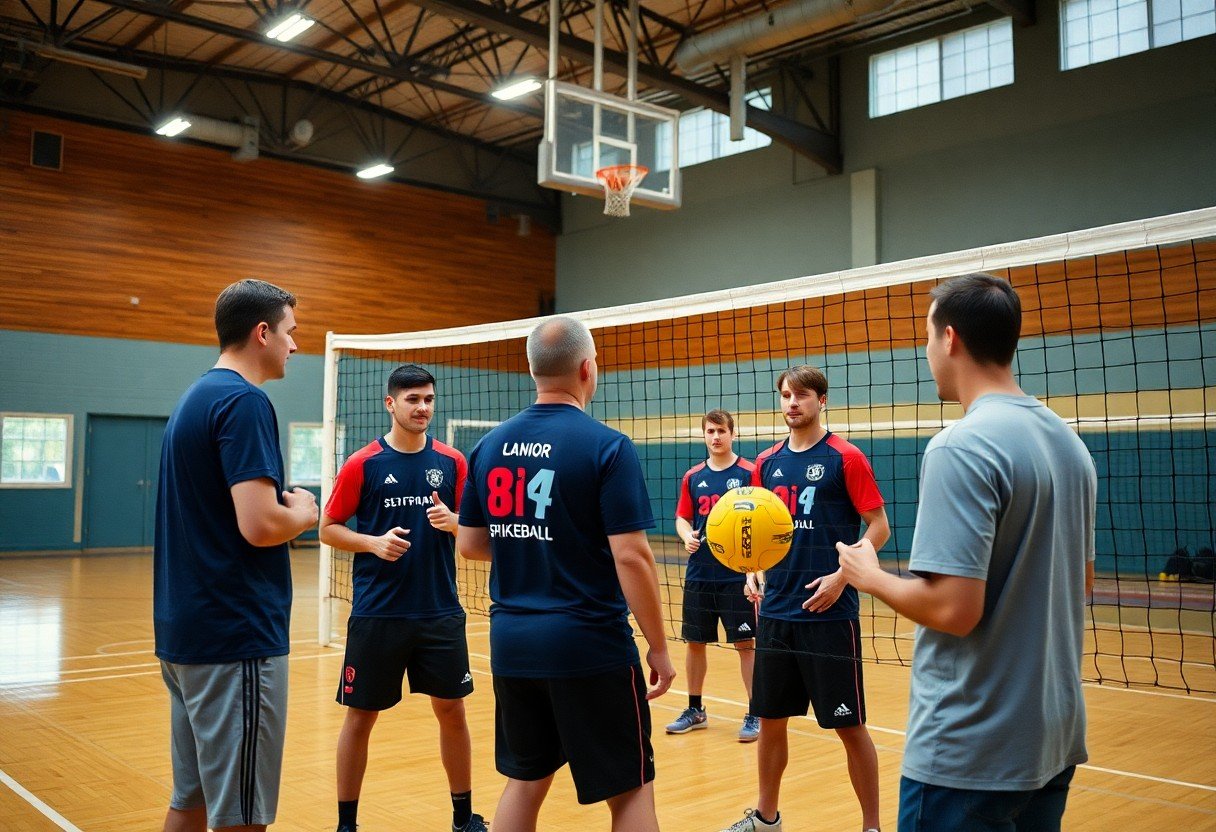
Clinics vs. Camps: Understanding the Difference
Structure and Duration
Clinics are typically shorter, often lasting a few hours or a single day, focusing on specific skills or techniques. In contrast, camps usually span several days, offering an immersive experience where you can engage in focused training, gameplay, and strategy development.
Skill Levels Addressed
Clinics often cater to a wider range of skill levels, from beginners to advanced players, ensuring everyone can benefit. Camps tend to create groups based on skill levels, allowing for targeted training that meets your specific needs.
In clinics, you might find a mix of players, enabling you to learn alongside peers at varying stages. This diversity promotes shared learning experiences, but it can sometimes limit personalized instruction. Camps, however, allow for customized skill progression, maximizing your improvement through focused drills tailored to your abilities.
Cost Comparisons
Clinics usually require a lower investment, ranging from $20 to $100 per session, depending on the duration and expertise of the coaches. Camps can vary more widely in price, often charging between $200 and $600 for an entire multi-day experience.
Cost Comparisons
| Clinics | $20 – $100 per session |
| Camps | $200 – $600 for multi-day |
While clinics provide an affordable option for quick skill enhancement, camps offer in-depth learning worth the investment, especially when considering the extended time for practice and coaching tailored to your level. The choice between the two largely depends on your budget and the depth of training you seek.
Learning from the Pros
Profiles of Professional Spikeball Athletes
Professional Spikeball athletes bring remarkable skills and strategies to the game. Athletes like Jesse Hayes and Joey McCulley have showcased their talents through national championships, embodying the dedication required to excel. Their unique playing styles and tactical insights provide valuable lessons, allowing you to understand the nuances of competitive play directly from the best in the sport.
Coaching Styles: What to Expect
When you join a Spikeball clinic or camp, you’ll encounter a variety of coaching styles tailored to enhance your experience. Coaches often emphasize personalized feedback, competitive drills, and gameplay strategies, ensuring that sessions are dynamic and engaging. Expect to receive constructive criticism that will elevate your performance and adaptability in matches.
Your experience with different coaching styles may vary significantly, depending on the coach’s background and approach. Some may focus on strict technique breakdowns, while others emphasize game sense and teamwork. An effective coach will likely engage you in active play situations, encouraging quick thinking and adaptability. This immersive approach ensures you not only learn techniques but also how to apply them in real-game scenarios.
Importance of Learning Techniques
Mastering specific techniques is imperative for your growth in Spikeball. Techniques like serving, setting, and spiking form the foundation of effective gameplay. By committing to learning these fundamentals, you can significantly enhance your overall performance and confidence on the court.
Incorporating proper techniques into your gameplay directly affects your tactical decisions and the dynamic of your team’s play. Each technique has its own impact—whether improving your serve accuracy to gain points or mastering footwork to enhance your movement and positioning. Emphasizing these techniques allows you to build a versatile skill set, paving the way for sustained success in competitive environments.
What to Expect at a Spikeball Camp
Typical Daily Schedule
Your day at a Spikeball camp typically begins with a warm-up session, followed by skill-building drills, competitive games, and strategy discussions. Mornings focus on fundamental techniques, while afternoons often shift to match play and team dynamics, culminating in a recap and goal setting for the next day. Expect a balanced blend of training and fun, making every hour count.
Training Activities and Drills
Training activities at the camp include specialized drills focusing on serving, setting, and attacking. You engage in both individual and group exercises, designed to enhance your skills and understanding of the game. Coaches emphasize technique and strategy through structured activities, ensuring every participant receives tailored feedback.
Drills often incorporate elements like reaction time enhancement and endurance challenges. For instance, you might practice rapid-fire serves to improve your serve accuracy, followed by strategic positioning drills that emphasize team communication. These targeted activities help develop crucial Spikeball skills while fostering a supportive environment for learning and growth.
Competitive Play Opportunities
Throughout the camp, you’ll have ample chances to engage in competitive play, putting your acquired skills to the test. Each day features mini-tournaments or pick-up games where you can showcase your progress against other campers and even trainers.
These competitive opportunities are designed not just to challenge you but to apply tactics learned during training sessions. With structured games that mimic actual tournament conditions, you gain valuable experience in high-pressure scenarios. Connecting with others in these competitive formats also fosters teamwork and sportsmanship, crucial traits for any aspiring Spikeball player.
Choosing the Right Camp or Clinic
Factors to Consider
When selecting a camp or clinic, weigh in factors like your current skill level, focus areas, and the expertise of coaches. Prioritize camps that offer sessions tailored to your skill level, whether beginner or advanced. Look for programs that emphasize technique, strategy, and game play. Check reviews and testimonials to gauge coaching quality. Knowing what you want to achieve will significantly enhance your experience.
Tips for Selecting a Location
Choosing a suitable location can impact your overall experience at a Spikeball camp or clinic. Look for sites that are easily accessible and have a conducive environment for learning. Proximity to amenities, such as accommodation and food options, is also imperative. Assume that convenience can reduce stress and allow you to focus more on your training.
Additionally, consider the local climate and its potential effect on your training. Locations with moderate temperatures and adequate facilities will enhance your learning experience. Make sure venues have proper playing surfaces and facilities to avoid injury. Assume that selecting a location that meets your logistical needs will lead to a more enjoyable camp experience.
Evaluating Facilities and Equipment
Ensuring quality facilities and equipment is paramount when choosing a camp or clinic. Check if the camp has access to properly maintained Spikeball sets and enough space for drills and games. Look for facilities that include shaded areas for breaks and hydration, as well as restrooms. This attention to detail can profoundly affect your comfort and performance.
Consider health and safety standards at the facility. Camps utilizing high-quality gear and adhering to safety protocols reduce risks during play. Inquiry about the condition of playing fields and surrounding areas, as these can affect gameplay and overall experience. Evaluate these aspects thoroughly to ensure a rewarding and safe environment.
Testimonials and Success Stories
Impact on Amateur Players
Many amateur players have shared their experiences of growth and confidence gained through Spikeball camps and clinics. By participating, you’ll find that players of all skill levels report significant improvements in their game. The structured environment allows for personalized feedback and targeted practice, leading to notable enhancements in both performance and enjoyment of the sport.
Improvement Through Training
Training at Spikeball camps not only sharpens your technical skills but also deepens your understanding of gameplay strategies. Players consistently see an uptick in their abilities, as methods taught by seasoned professionals transform their approach on the court. Through exercises focused on agility, teamwork, and precision, you’re equipped to tackle competitive matches with newfound confidence.
The specialized drills and gameplay scenarios designed by expert trainers help you identify your weaknesses and turn them into strengths. You will practice techniques like serve variations, defensive formations, and offensive strategies. This holistic training ensures that your skills improve rapidly, making matches more enjoyable and competitive.
Building Community Through Spikeball
Spikeball camps foster a sense of camaraderie among participants, forging connections that often extend beyond the court. As you engage with fellow players, you’re not only improving your skills but also building lasting friendships. The spirit of teamwork and competition creates a welcoming environment, making it easier to bond over shared interests.
These interactions pave the way for local meetups and tournaments, uniting the Spikeball community. You’ll find a network of players eager to collaborate on strategies, share tips, and support each other in both recreational and competitive settings. The lasting relationships formed can significantly enhance your experience and motivation in the sport.
Summing up
To wrap up, participating in Spikeball camps and clinics allows you to enhance your skills while learning directly from experienced professionals. You’ll gain valuable insights and techniques that can elevate your game, making these sessions an excellent investment in your development. By engaging with fellow players and coaches, you’ll not only improve your abilities but also enjoy a supportive environment that fosters growth and camaraderie. Take the opportunity to immerse yourself in the world of Spikeball and unlock your full potential on the court.
FAQ
Q: What is Spikeball Camps & Clinics?
A: Spikeball Camps & Clinics are specialized training programs designed for players of all skill levels to enhance their Spikeball skills. Participants learn techniques and strategies from experienced pros in a fun and supportive environment.
Q: Who can attend these camps and clinics?
A: Camps and clinics are open to individuals of all ages and skill levels, from beginners looking to learn the fundamentals to advanced players seeking to refine their game.
Q: What can participants expect during a Spikeball Camp or Clinic?
A: Participants can expect a combination of skill development sessions, competitive play, personalized coaching, and insights into advanced strategies. Each program is tailored to meet the needs of the attendees.
Q: How long do the camps and clinics typically last?
A: Camps usually last from one to several days, while clinics may vary in length, often consisting of a single session lasting a few hours. Specific duration details are provided with each program listing.
Q: What equipment is required for participants?
A: Participants should bring comfortable athletic gear, a water bottle, and sunscreen. Spikeball sets are typically provided, but players are welcome to bring their own if preferred.