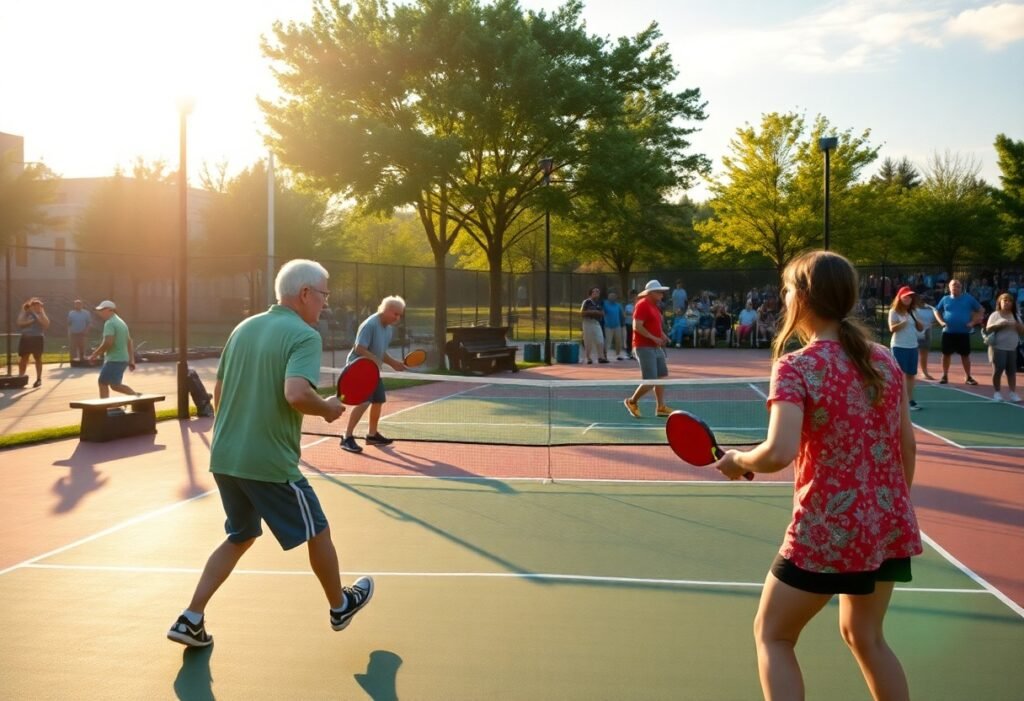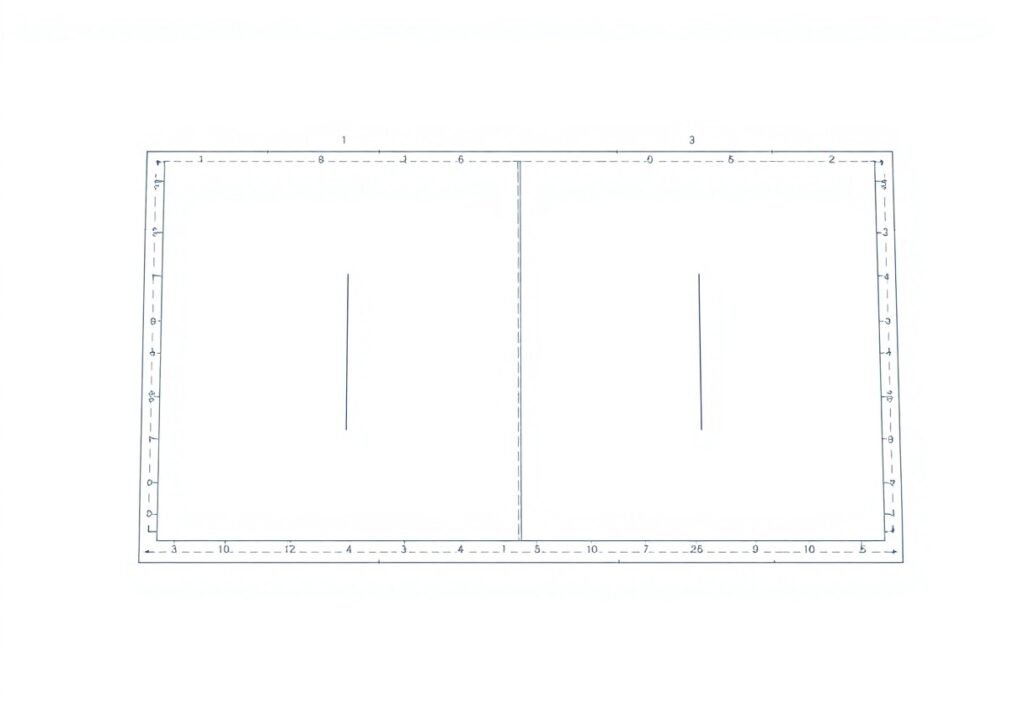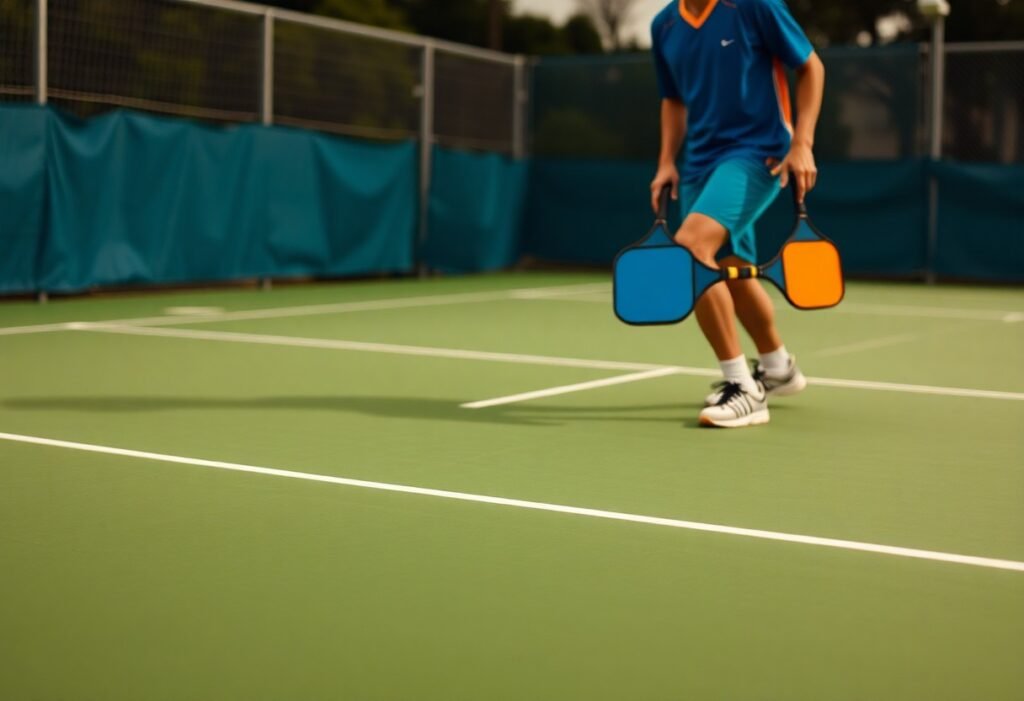

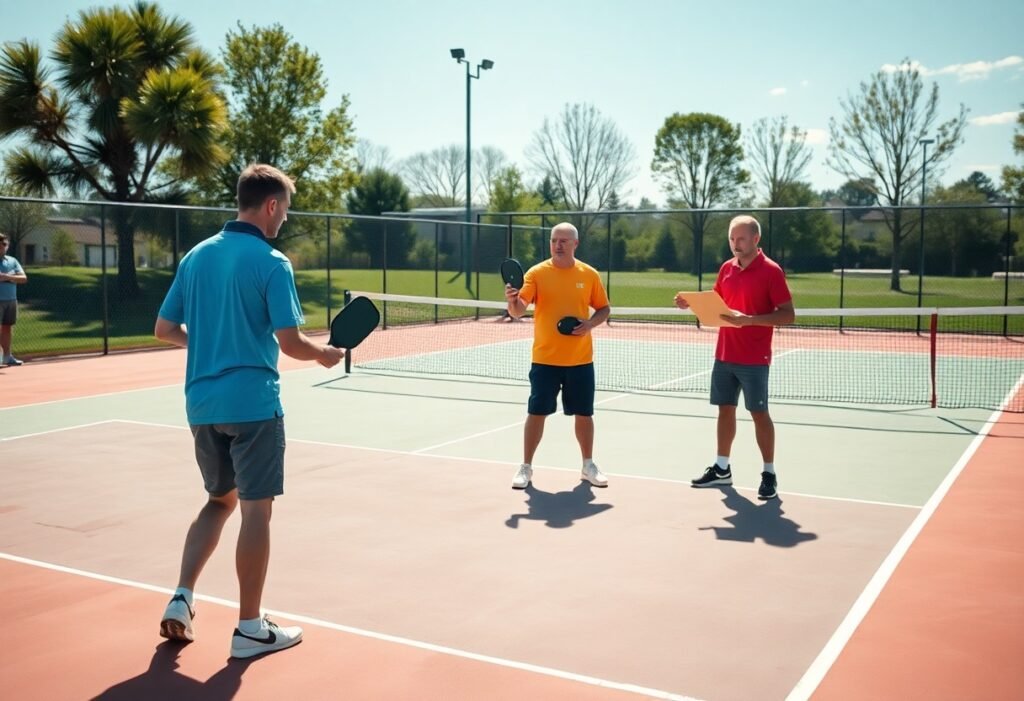
Tips for improving your game often come from recognizing and correcting common errors. In this guide, you’ll discover the 10 most frequent pickleball mistakes that players make and how to effectively address them. From poor positioning to inefficient serves, these pitfalls can hinder your performance and enjoyment. By understanding these mistakes and implementing the provided solutions, you’ll elevate your skills and maximize your winning potential on the court.
Key Takeaways:
- Focus on proper foot positioning to improve court coverage and shot accuracy.
- Practice effective communication with your partner to enhance teamwork and strategy.
- Work on your serve and return techniques to gain an advantage during play.
Poor Serving Technique
Your serve is the foundation of your pickleball game, and inadequate technique can hinder your performance. Focusing on refining your serving method can significantly elevate your game, keeping your opponents on their toes.
Improper grip
Using an incorrect grip leads to inconsistent serves and reduced control over the ball. Ensure you hold the paddle with a relaxed but firm grip, allowing for better accuracy and spin. It’s often beneficial to experiment with grips like the continental grip to find what feels most natural for you.
Weak follow-through
A weak follow-through after your serve can compromise your power and accuracy. It is important that you commit to your swing by extending your arm fully, which generates the necessary momentum. This not only improves your serve but also sets you up for your next shot.
A strong follow-through signifies control and intent in your serve, impacting the ball’s trajectory and speed. Ensure you extend your arm completely and allow the paddle to swing naturally, finishing high. This habit not only increases the effectiveness of your serve but also enhances your overall game strategy. Focus on reinforcing this technique to ensure your serves are both powerful and consistent, keeping your opponents guessing.
Overhitting the Ball
Lack of control
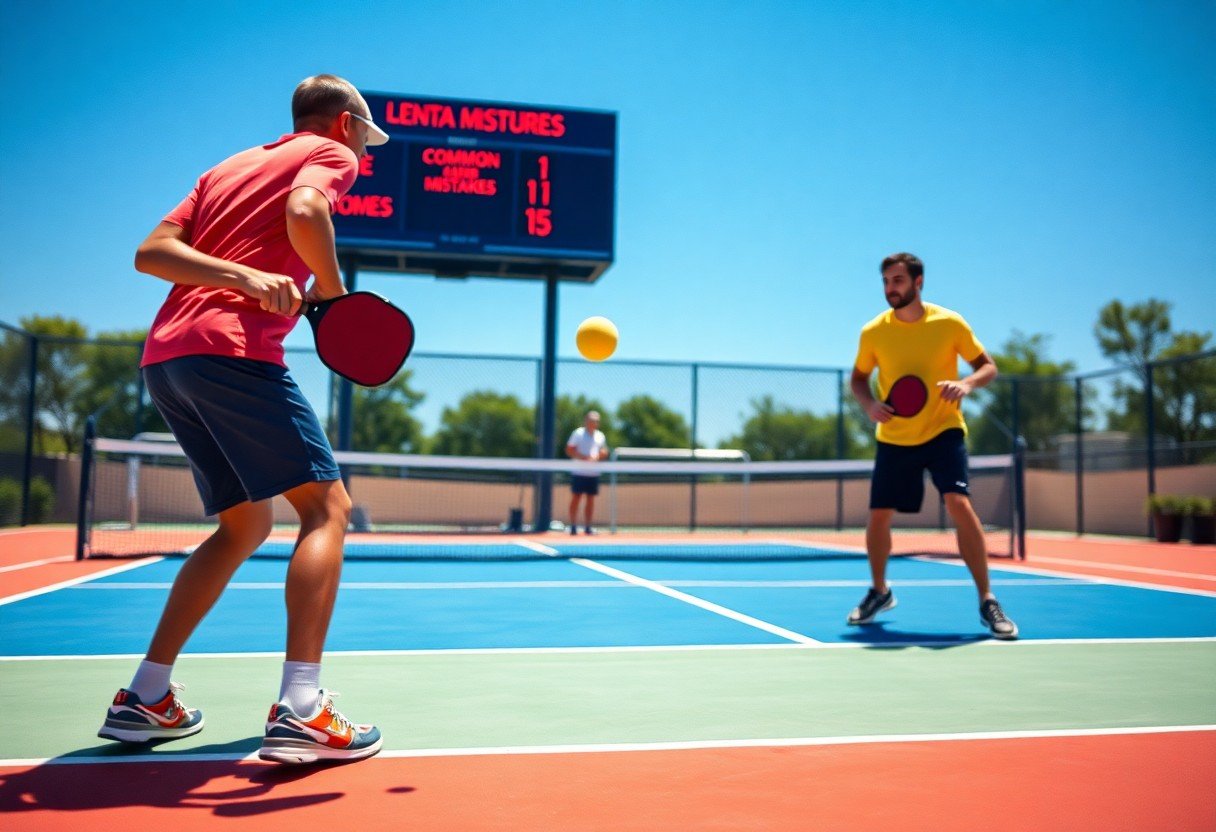
Overhitting often stems from a lack of control over your swing. When you get overly excited or try to hit the ball too hard, you compromise your timing and accuracy. Focus on maintaining a steady, controlled swing to ensure you place the ball where you want it, rather than simply sending it careening off the court.
Misjudged power
Misjudging the power needed for a shot can lead to unnecessary errors. When you underestimate or overestimate how hard to hit the ball, it may land outside the lines or into your opponent’s court at an unexpected speed. This inconsistency can turn the tide of a match.
To improve your judgment of power, practice hitting the ball with various strokes at different speeds. Engage in drills that emphasize targeting specific areas of the court. This will develop your ability to gauge the necessary strength required for each shot, allowing for greater placement and finesse. Always aim for precision over brute force to enhance your effectiveness as a player.
Incorrect Paddle Position
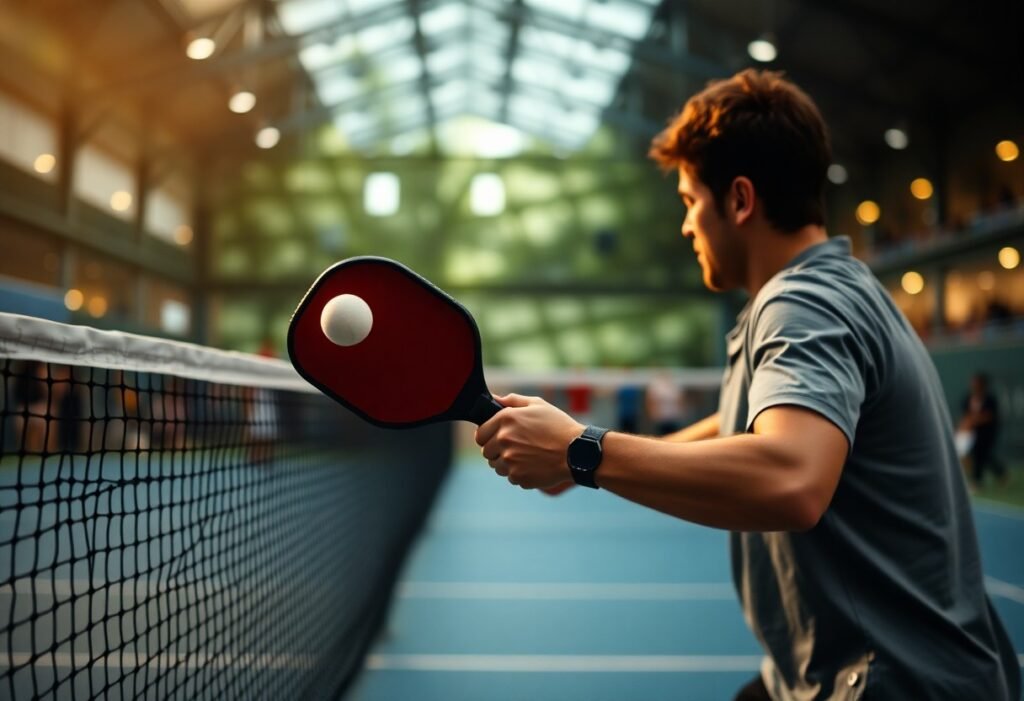
Proper paddle positioning is imperative for effective play in pickleball. If your paddle is not in the right place, it can lead to missed shots and unforced errors. Understanding Common Mistakes in Pickleball: Top 10 Errors and How to … can help you improve your game significantly.
Paddle too low
If you keep your paddle too low, you risk being unprepared for incoming shots, leading to missed opportunities. You may find yourself scrambling to react, which often results in errors. Adjust your paddle height to ensure it’s ready to intercept balls effectively.
Paddle too high
Holding your paddle too high can hinder your reaction time and decrease your agility on the court. This positioning may cause you to misjudge the ball’s trajectory and miss imperative strikes. Keeping your paddle at a moderate height helps you maintain balance and responsiveness.
When your paddle is too high, it can also result in poor shot accuracy. Maintaining the right height allows for better control, ensuring your shots land where you intend. Focus on keeping your paddle slightly above your waist level, which promotes quick adjustments and a better overall performance during play.
Neglecting the Non-Volley Zone
Standing too close
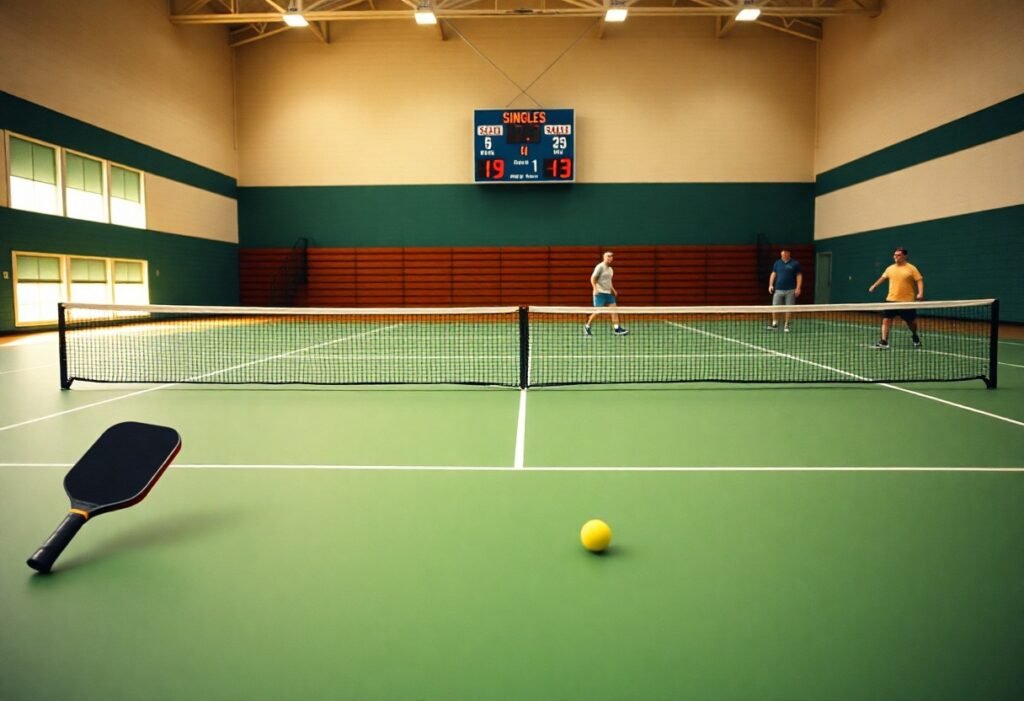
Standing too close to the net while in the non-volley zone can lead to frequent faults. You should maintain a safe distance to react effectively to your opponent’s shots. By positioning yourself a few feet back, you create a buffer, allowing for better control and more effective volleys. This distance ensures you can engage without risk of stepping into the non-volley zone while making your shot.
Failing to respect rules
Failing to respect the non-volley zone rules can directly impact your game. It’s vital to understand that you must not step on or over the line when attempting to volley the ball. This violation can result in losing points, putting you at a disadvantage. Proper awareness of these rules helps you avoid unnecessary mistakes and keeps the game fair.
Ignoring the non-volley zone rules can cost you valuable points in a match. You must be vigilant not to step into the non-volley zone while volleying, as doing so will lead to an automatic fault. This infraction can disrupt your momentum and give your opponent an advantage. By adhering to these rules, you assure a smoother play, ultimately enhancing your performance and enjoyment of the game.
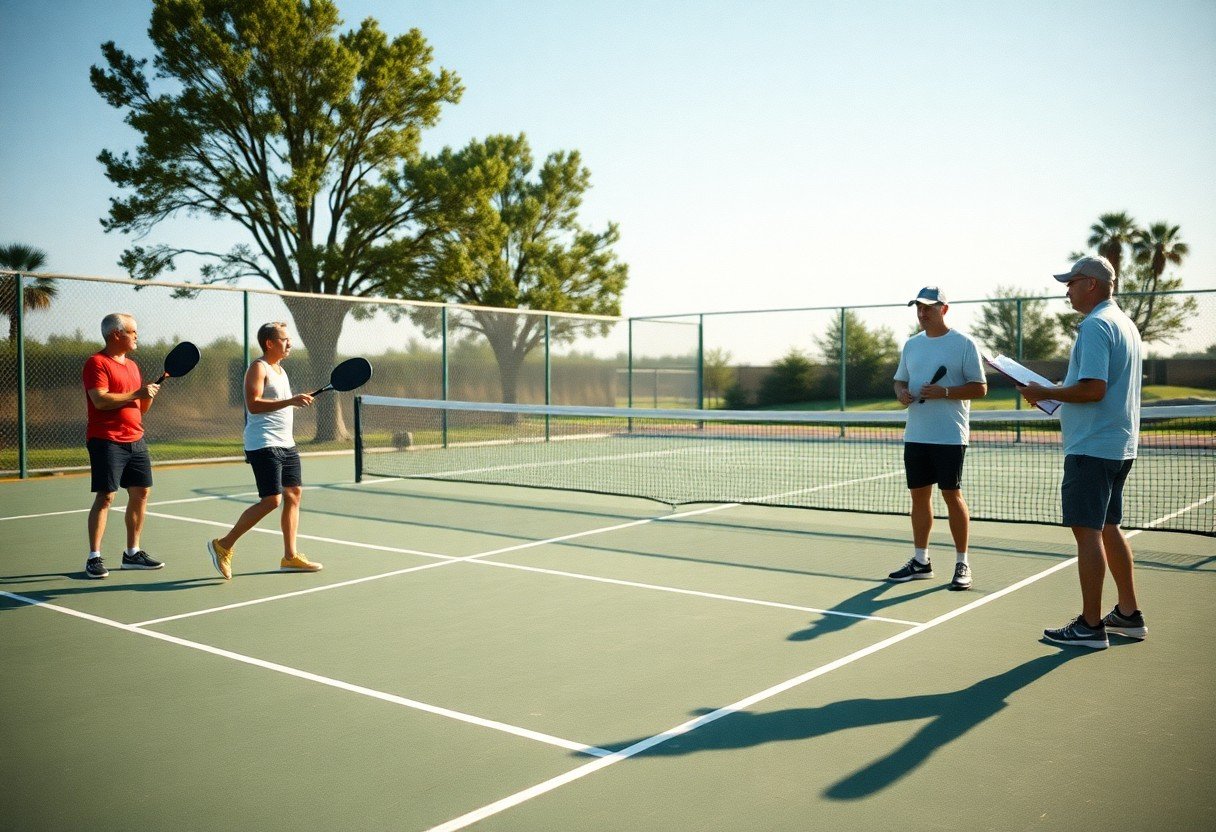
Poor Communication with Partner
Not calling shots
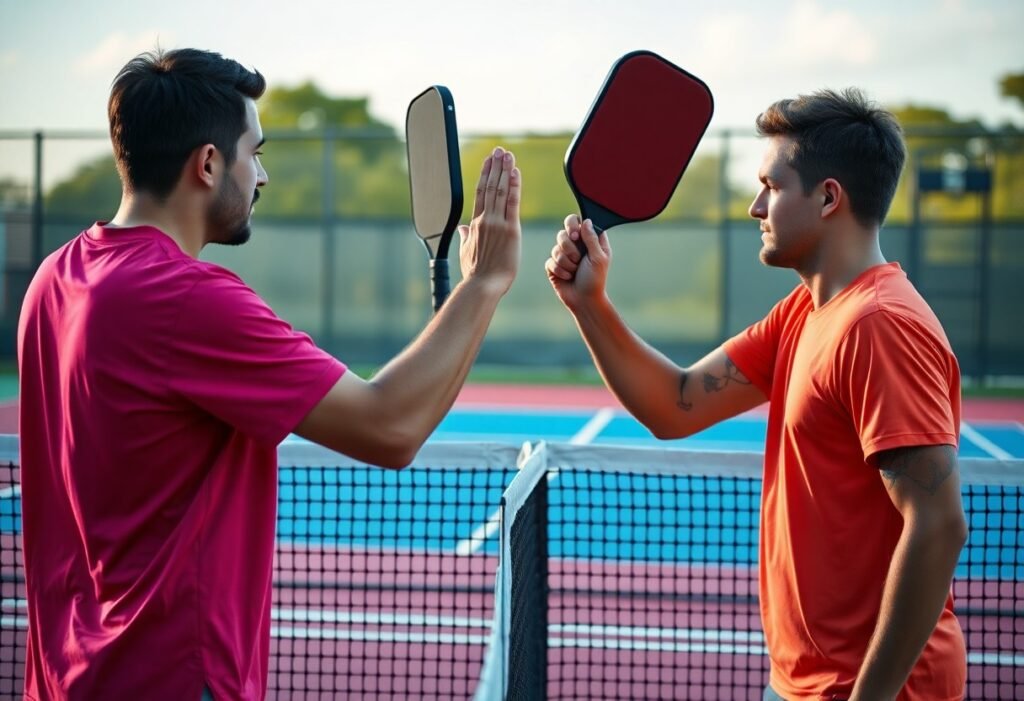
In pickleball, failing to call your shots can lead to confusion and missed opportunities. If you don’t communicate clearly when you’re going to hit the ball, your partner may hesitate or mistakenly take a swing at it, resulting in errors and lost points. Ensure you call out your intentions loud and clear to establish a stronger connection with your teammate.
Conflicting movements
When you and your partner do not communicate effectively, conflicting movements on the court can lead to both players chasing the same ball or leaving gaps in coverage. This often results in unforced errors and can demoralize the team. To improve your game, establish a system for movement that considers each player’s strengths and positioning.
To avoid conflicting movements, develop a strategy where each of you has designated areas of the court. This ensures that when the ball approaches, you both know who will take it, minimizing the risk of colliding or overlapping your efforts. You can assign roles, such as one player covering the forehand side and the other the backhand side, to streamline your play. Effective communication about positioning and movement will enhance your teamwork and overall performance on the court.
Focusing on the Wrong Target
Many players make the mistake of focusing solely on power instead of a balanced approach that includes placement and strategy. This habit not only reduces your effectiveness on the court but also opens up opportunities for your opponents to capitalize on your errors.
Aim for Power
When you concentrate too much on hitting the ball with maximum power, you often sacrifice control and accuracy. While strong shots can be effective, overemphasis on power leads to unforced errors and predictable play.
Ignore Placement
Prioritizing placement is important for winning points. Failing to target your shots can allow your opponent to easily anticipate and return the ball, putting you at a disadvantage.
Ignoring placement often results in straightforward rallies that your opponent can dominate. Instead of just hitting hard, train yourself to aim for specific spots on the court, such as corners or gaps in your opponent’s defense. By placing your shots strategically, you can create scoring opportunities and force your opponents to make difficult returns, ultimately increasing your chances of winning. Focus on controlling the pace and direction of your shots, rather than just trying to hit hard.
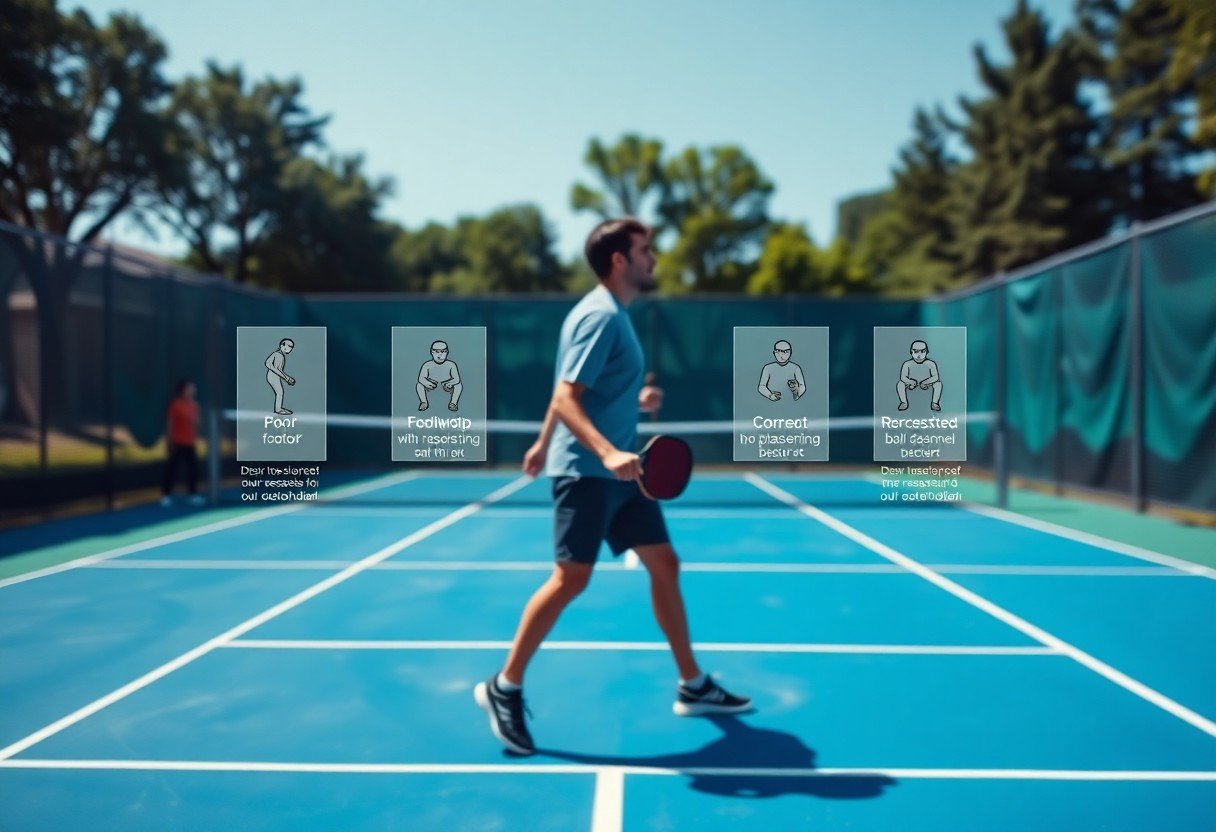
Ignoring Footwork
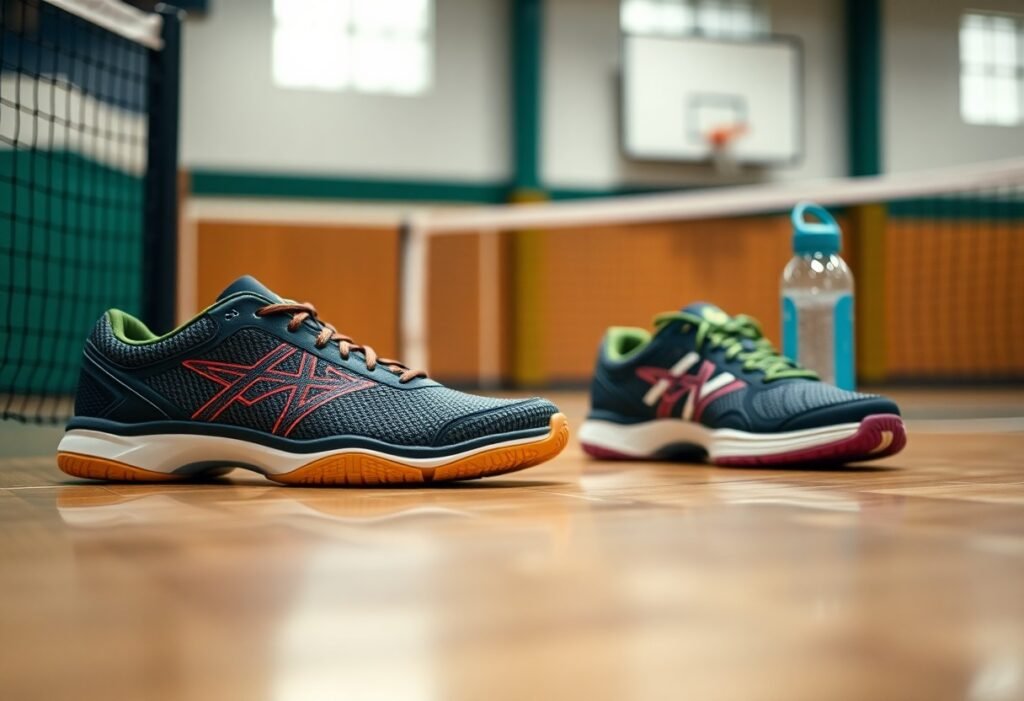
Footwork is key in pickleball, and ignoring it can lead to mistakes on the court. Proper movement not only improves your positioning but also enhances your overall gameplay. Focusing on your footwork can significantly elevate your performance and prevent unnecessary errors.
Shuffling feet
When you shuffle your feet instead of taking quick, deliberate steps, you compromise your stability and response time. You should strive to keep your feet moving, allowing for better positioning and quicker reactions to your opponent’s shots.
Lack of balance
A lack of balance makes you vulnerable to missed shots and unstable positioning on the court. Without the ability to properly distribute your weight, you risk falling or hitting the ball inconsistently. Focus on staying centered and grounded to maintain an effective stance.
To achieve better balance, practice maintaining a slight bend in your knees and keeping your feet shoulder-width apart. This stance supports optimal weight distribution and prepares you for quick lateral movements. Implementing exercises like balance drills can significantly enhance your stability and improve your performance during matches.
Poor Court Awareness
Unsafe Positioning
When you position yourself too close to the net or too far back, you limit your ability to react effectively to the ball. Always maintain a balanced stance that allows you to move quickly in any direction. Effective court awareness means understanding where to be at all times, enhancing your chances to intercept shots and respond efficiently to your opponent’s strategy.
Neglecting Opponents
Failing to pay attention to your opponents can lead to missed opportunities and unforced errors. Stay aware of their positioning and shot tendencies. Anticipating their moves enhances your ability to defend and create advantageous situations during the game.
Ignoring your opponents during play can lead to serious disadvantages. Focus on their stance, paddle position, and patterns to anticipate their shots. By observing your opponents closely, you can predict plays, counterattack effectively, and avoid positioning yourself for their strongest shots. This approach not only improves your game but also elevates your overall court awareness, making you a more formidable player.
Lack of Strategy
Random shot selection
Choosing shots without a clear purpose limits your effectiveness on the court. Carefully consider each shot you take, aiming to put pressure on your opponent and set up for your next move. By incorporating strategy into your shot selection, you enhance your chances of winning points.
No planned plays
Playing without a plan can result in missed opportunities and ineffective movements. Establish specific plays with your partner before matches to improve coordination and execution, leading to more consistent performance. A well-structured plan allows you to capitalize on your opponent’s weaknesses effectively.
Without planned plays, your gameplay can become chaotic and reactive. Develop a system of communication with your partner that outlines what shots to take and when to take them. By doing so, you will not only enhance your teamwork but also increase your ability to predict your opponent’s moves. Having a strategy in place allows you to execute plays that target specific weaknesses, leading to a more effective and efficient game.
Not Practicing Regularly
Inconsistent training
Inconsistent training can severely hinder your pickleball progress. Without a regular practice schedule, your skills may stagnate, leading to frustration during matches. Set aside specific times each week to hone your techniques, ensuring steady improvement and increased confidence on the court.
Unfamiliar game situations
Facing unfamiliar game situations can leave you feeling unprepared and overwhelmed. If you rarely practice in competitive environments, you might struggle to adapt when real match pressure arises. By exposing yourself to various scenarios, you’ll enhance your decision-making skills and overall performance.
To improve in unfamiliar game situations, actively seek out different playing conditions and match formats. Participate in local tournaments or play with varied skill levels to experience diverse strategies and styles. This exposure will help you develop a wider range of responses and make you more adaptable during real games, ultimately boosting your confidence and enhancing your performance under pressure.
Summing Up
Taking this into account, understanding and correcting the ten common pickleball mistakes will significantly enhance your performance and enjoyment of the game. By being aware of these pitfalls and implementing the suggested fixes, you can improve your skills, boost your confidence, and develop a more strategic approach on the court. Focus on refining your techniques and stay mindful of these key points as you continue to play, ensuring steady progress in your pickleball journey.
FAQ
Q: What is the most common mistake beginners make in pickleball?
A: Many beginners struggle with positioning on the court, often standing too far from the net. To fix this, players should focus on maintaining an appropriate distance to be ready for volleys and shots.
Q: How can overhitting be corrected when playing pickleball?
A: Overhitting can often occur due to poor technique or lack of control. Players should concentrate on their follow-through and practice using softer hands during their shots to improve accuracy.
Q: What mistake do players make regarding serve placement?
A: Many players tend to serve to the same spot, making it easy for opponents to anticipate. To improve, players should vary their serve placements and angles to keep their opponents guessing.
Q: How does improper footwork affect performance in pickleball?
A: Bad footwork limits a player’s ability to reach the ball and sets up for shots poorly. To enhance footwork, players should practice lateral movements and be mindful of their stance to ensure quick responses during play.
Q: What are the common mistakes related to communication between doubles partners?
A: Lack of communication can lead to confusion and missed shots. To fix this, partners should establish clear call signals and communicate openly about court coverage and shot selections during games.