
Techniques for serving in padel can significantly enhance your game and boost your confidence on the court. By mastering your serve, you can create opportunities to dominate points right from the start. Focus on developing a consistent toss, utilizing the right grip, and controlling your body posture. These elements are key to delivering a powerful and accurate serve that keeps your opponents on their toes. In this guide, you’ll discover necessary tips and techniques to elevate your serving skills and improve your overall performance.
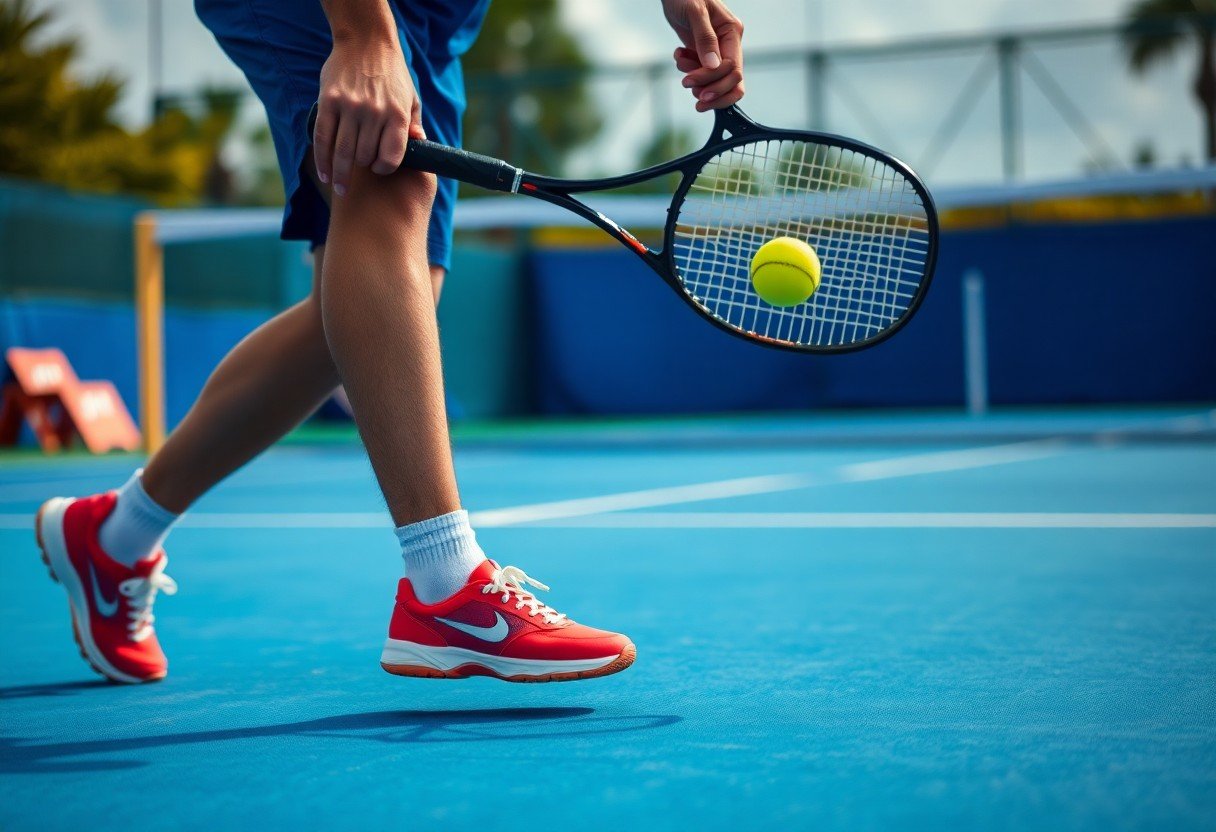
Key Takeaways:
- Utilize a continental grip for better control and spin on the ball.
- Focus on your footwork to position yourself effectively for the serve.
- Practice varying your serve speed and placement to keep opponents guessing.
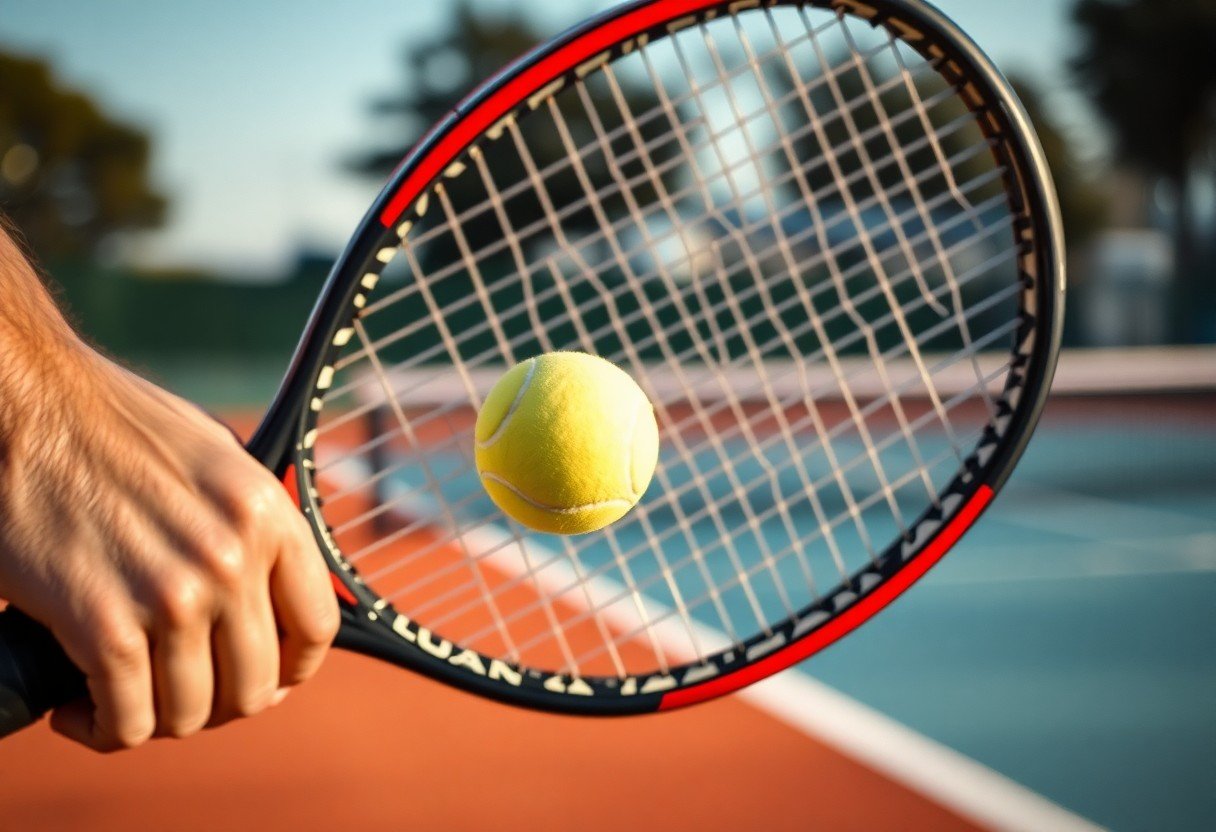
Understanding Padel Serving
The Importance of a Good Serve
A strong serve is key to gaining an advantage in padel, allowing you to dictate the pace of the game. When executed well, it can put pressure on your opponent, setting the stage for a winning point. A consistent serve helps establish your confidence on the court while opening up strategic opportunities for offensive plays.
Different Types of Serves in Padel
There are several types of serves you can utilize in padel, each with its own tactical advantages. The flat serve aims for speed, while the topspin serve generates a high bounce, making it challenging for your opponent to return. The slice serve can pull your opponent wide off the court. Understanding these variations allows you to tailor your strategy based on your opponent’s weaknesses.
| Type of Serve | Description |
| Flat Serve | Fast and direct, aimed at overpowering the opponent. |
| Topspin Serve | High bounce makes it difficult to return effectively. |
| Slice Serve | Curves away, pulling opponent wide off the court. |
| Kick Serve | Bounces unexpectedly, adding unpredictability. |
| Underhand Serve | Surprising and can catch opponents off guard. |
Each type of serve enhances your ability to control the match. When using the flat serve, focus on speed to capitalize on any weaknesses your opponent may have. The topspin serve plays on their return skills by producing a jump that can catch them off balance. The slice serve can exploit gaps in positioning, while the kick serve adds an element of surprise. Utilizing the underhand serve at crucial moments can disrupt the rhythm of your opponent. Recognizing these benefits can elevate your game significantly.
- Control your serves to dictate pace.
- Vary your serve types to keep opponents guessing.
- Practice consistently for improved performance.
- Adapt your game plan based on your opponent.
- Stay confident to enhance your serve effectiveness.
Key Factors to Consider
- Grip: Your grip can influence your control and power.
- Racket Position: The way you hold your racket greatly affects your serve accuracy and spin.
- Serving Area: Understanding the boundaries of the serving area can change your strategy.
- Court Positioning: Your position on the court influences your ability to respond to your opponent’s return.
- Footwork: Proper footwork is necessary for achieving a balanced and effective serve.
- Body Alignment: Aligning your body correctly can enhance power and precision.
This combination of factors will optimize your padel serving skills. For further insights, check out Destination Padel on Instagram: “Padel Tips with Coach Phil …
Grip and Racket Position
Your grip directly affects your control and the type of spin you can impart on the ball. A continental grip is often recommended for serving, as it allows for versatile shot-making. Ensure your racket is positioned at an angle that facilitates both power and precision, making it easier to adapt to different serving styles.
Serving Area and Court Positioning
Being aware of the serving area is vital for effective strategies. You need to position yourself correctly within the serving box to maximize your advantage against your opponent. Striking the ball from the optimal spot helps you maintain control over the service trajectory.
Pay attention to where the ball lands in the serving area, as targeting different zones can catch your opponent off-guard. For instance, serving wide can stretch their reach while a serve down the center may surprise them. Adjusting your position effectively allows you to exploit any weaknesses in the opposing player’s stance.
Footwork and Body Alignment
Effective footwork is necessary for generating power and maintaining balance during your serve. Position your feet shoulder-width apart, allowing for stability and strength. Your body alignment must be focused towards the target area to ensure precision and power in your serve.
Good footwork not only helps you prepare for the serve but also sets you up for the next shot. Quick lateral movements keep you agile, allowing you to react to your opponent’s returns faster. When you align your body correctly, your serve becomes more consistent, reducing the chances of errors and improving your overall game performance.
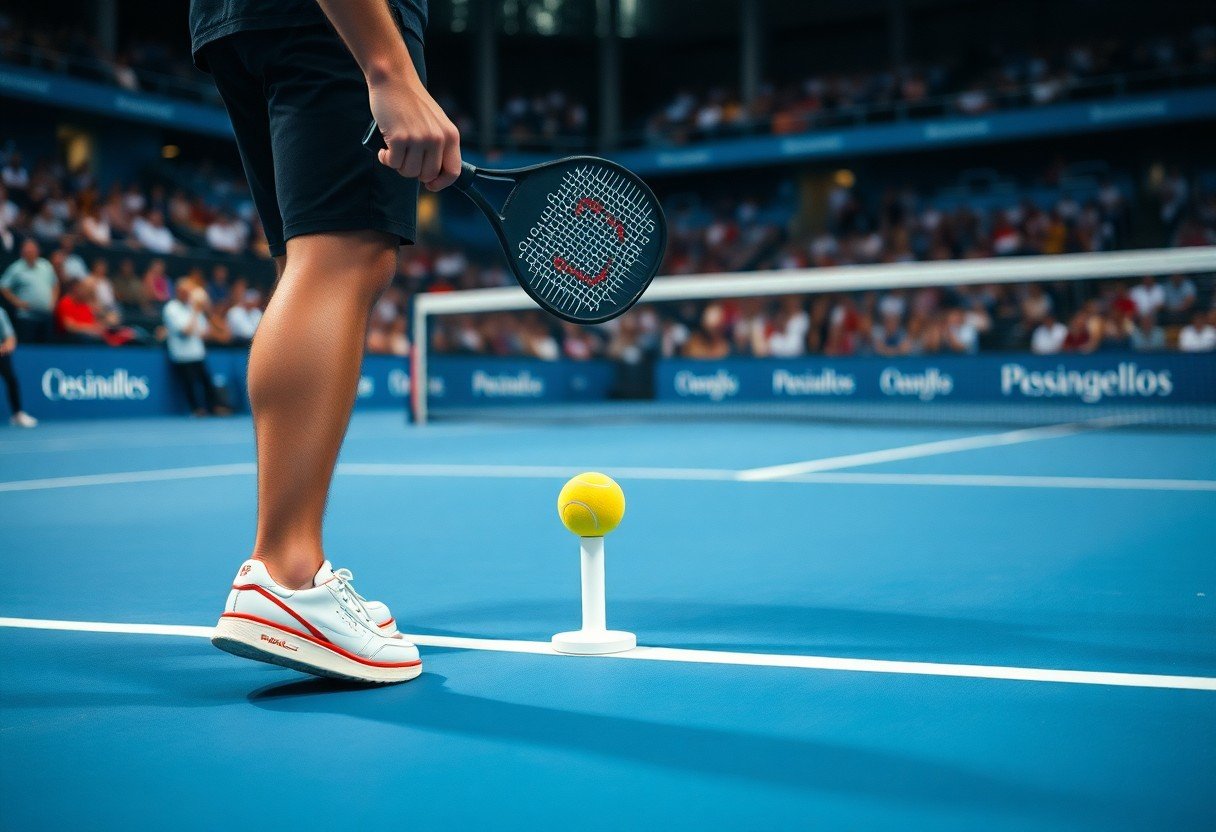
Techniques for Effective Serving
The Toss: Timing and Height
Your toss sets the stage for a successful serve. Aim to toss the ball around 12-18 inches above your racket’s head for optimal height. Timing is key; you should release the ball when your racket is in its upward motion. This allows you to make contact at the highest point, maximizing power and precision.
The Swing: Motion and Follow-through
The swing is vital for generating speed and control. Focus on a smooth, fluid motion, starting from your shoulder and extending through to your racket’s tip. Your follow-through should be complete, allowing your racket to naturally descend after contact, which enhances your serve’s accuracy.
As you practice your swing, concentrate on maintaining a consistent rhythm. The initial motion should involve a slight coil in your upper body, followed by a rapid release into the strike. This dynamic movement not only increases potential energy but also allows for better accuracy as your racket faces the intended target during the follow-through. Ensure that you balance your weight shift appropriately; the transfer from your back foot to your front foot can significantly influence the power of your serve.
Spin: Adding Variability to Your Serve
Incorporating spin into your serve can dramatically enhance its effectiveness. You can generate both topspin and slice by adjusting your racket angle and contact point. A topspin serve can dip quickly, making it harder for opponents to return, while a slice serves can pull them off the court.
By practicing different spins, you engage your opponent’s anticipation. For instance, delivering a topspin serve followed by a slice can create a confusing rhythm, leading them to misjudge your next shot. Focus on the angle of your racket at contact; a low-to-high motion generates topspin while a side-to-side motion creates slice. Adjusting the spin can be the difference between a predictable serve and one that keeps your opponent guessing, ultimately giving you the upper hand in the match.
Serving Strategies
Placement: Targeting Your Opponent’s Weaknesses
To maximize your effectiveness, focus on targeting your opponent’s weaknesses. Analyze their court positioning and past performance to identify areas they struggle with. For instance, if they have difficulty with backhand shots, aim your serve to the opposite corner, forcing them into an uncomfortable position. This strategy not only puts pressure on your rival but also increases your chances of winning the point early in the rally.
Speed vs. Control: Finding the Right Balance
Your serve should strike a balance between speed and control. While a powerful serve can overwhelm, an accurate, well-placed serve is equally effective. Opt for a hard serve when your opponent is positioned closer to the baseline, but prioritize precision when they’re more forward in the court. This approach ensures you maintain unpredictability in your serves.
A common mistake players make is focusing solely on power and neglecting placement. For example, a fast serve that lands in the net or out of bounds is ineffective. Strive for a serve that is quick yet lands just inside the service box. Practicing serves at various speeds can also help you gauge your opponent’s reaction and adjust accordingly, making your overall game more adaptable.
Serving Patterns: Changing Up Your Game
Incorporating a variety of serving patterns will keep your opponent guessing and off balance. Instead of relying on a single serve type, mix up your speed, placement, and spin. Establish a routine for your serves, but be willing to deviate based on your opponent’s positioning or weaknesses.
For example, alternating between a slice serve and a straight serve can disrupt your opponent’s rhythm, making it harder for them to predict your next move. Additionally, consider using a combination of deep and short serves to exploit any lapses in your opponent’s court awareness. Such variability keeps your service game dynamic and poses continuous challenges, ensuring you remain a formidable force on the court.
Common Mistakes to Avoid
Overlooking Footwork
Your footwork is crucial for a powerful and accurate serve. Neglecting to position yourself correctly can lead to poor contact with the ball. Always ensure you are balanced and in a stable position, allowing for a more controlled and effective serve.
Poor Toss Technique
A reliable toss is fundamental to a successful serve. If your toss is inconsistent—too high, too low, or off to the side—you will struggle to make solid contact with the ball. Focus on a smooth and consistent toss for optimal performance.
A well-executed toss allows you to strike the ball at the ideal height, maximizing power and angle. Aim for a toss that reaches just above your peak reach, typically 6-12 inches above your outstretched racket. This consistency can lead to better timing and increased accuracy in your serves, helping you build confidence in this critical aspect of the game.
Ignoring Opponent Readiness
Failing to ensure your opponent is ready before you serve can disrupt the rhythm of the game. This oversight not only affects your own focus but also can lead to missed opportunities for strategic play.
Being mindful of your opponent’s position and readiness allows you to execute effective serves that catch them off guard. If they’re not prepared, your serve may be less effective, and the point may not play out as intended. Take a moment to assess their stance and adjust your approach accordingly, which can give you a competitive edge and potentially lead to unreturned serves.
Drills and Practice Tips
- Consistency: Focus on making your serve repetitive.
- Accuracy: Aim for specific targets during practice.
- Power: Gradually build strength to enhance your serve.
- Variety: Mix different types of serves to keep opponents guessing.
- Footwork: Incorporate movement drills to improve positioning.
Serving Drills for Beginners
Start with basic serves from the baseline, focusing on consistency and form. Use a partner or wall to practice hitting the ball at a steady pace. Aim for designated areas within the service box, gradually increasing your target area as your skills improve.
Advanced Serving Techniques
Explore a variety of spins and angles to enhance your serve. Techniques like the topspin serve add a challenging dimension for your opponent, while the slice serve can pull them off the court. Mastering these advanced serves involves repetition and an understanding of court dynamics to keep your opponent on alert.
Advanced Serving Techniques Breakdown
| Technique | Description |
| Topspin Serve | Adds height and bounce, challenging opponents |
| Slice Serve | Causes the ball to curve, creating angles |
| Kick Serve | Combines topspin and sidespin for unpredictable bounce |
- Practice serves with varying speeds and spins.
- Use target cones to improve placement accuracy.
- Experiment with different grips to find comfort.
Tracking Progress and Improvement
To enhance your serving skills, keep track of your performance in practice. Measure improvements in accuracy, speed, and spin over time. Regularly assessing your serves allows you to pinpoint strengths and areas needing focus for ongoing growth.
Further, utilizing a journal or app to log your practice sessions can help illustrate your development. Recording details such as the type of serve, target accuracy, and performance feedback from partners allows you to analyze trends and quantify your success. Employ this systematic approach to ensure thou are on a steady path to becoming a more competent server.
Conclusion
Conclusively, mastering the serve in padel requires focus on technique, body positioning, and timing. You should practice your grip and aim to develop consistency and power. Utilize your backhand and forehand serves strategically to keep your opponents guessing. Always stay aware of your positioning on the court to optimize your follow-up shots. By integrating these tips into your training routine, you will enhance your serving ability and overall performance in padel.
FAQ
Q: What is the correct grip for serving in padel?
A: The most common grip for serving in padel is the continental grip. This grip allows for versatility in shot selection and generates spin easily. Hold the racket with the base knuckle of your index finger on the second bevel of the racket handle.
Q: How can I improve my serving accuracy in padel?
A: To improve serving accuracy, practice consistently aiming for specific target areas in the service box. Focus on your toss height and placement, ensuring the ball is at your ideal striking zone, which should be slightly above your shoulder.
Q: What types of serves should I practice in padel?
A: You should practice at least three types of serves: the flat serve for fast, direct shots; the slice serve to create angles and push opponents wide; and the kick serve to add height and spin, making it difficult for opponents to return effectively.
Q: How does my stance affect my serve in padel?
A: Your stance should be stable and balanced, with feet shoulder-width apart. Position your non-dominant foot slightly forward, pointing towards your target. A strong stance allows for better weight transfer and follow-through during the serve.
Q: What role does the toss play in serving effectively?
A: The toss is vital for a successful serve. It should be consistent in height and location, ideally positioned slightly in front of you. A good toss allows for optimal racket swing and striking angle, contributing to a more effective serve.