
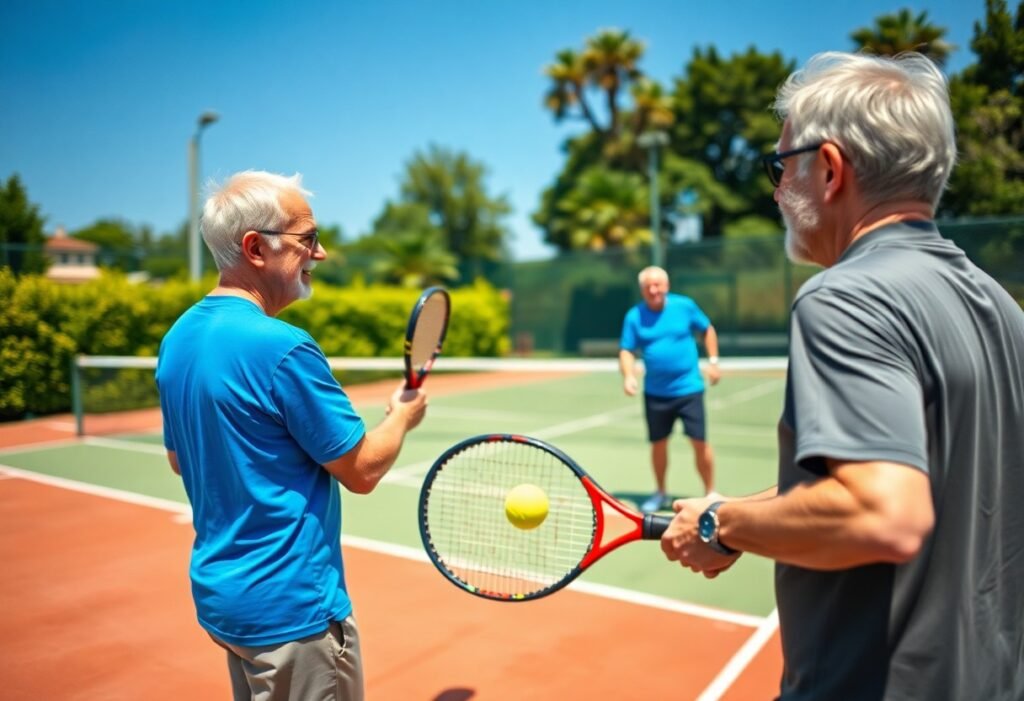
Just imagine engaging in a sport that offers excellent cardiovascular benefits while minimizing joint strain. Padel is an ideal choice for you as a senior, promoting social interaction and improved coordination without the high-impact risks associated with other sports. This engaging game can help you stay active, enhance your mood, and maintain your fitness level. Whether you’re a seasoned athlete or new to sports, padel provides a safe, fun avenue for you to pursue your fitness goals.
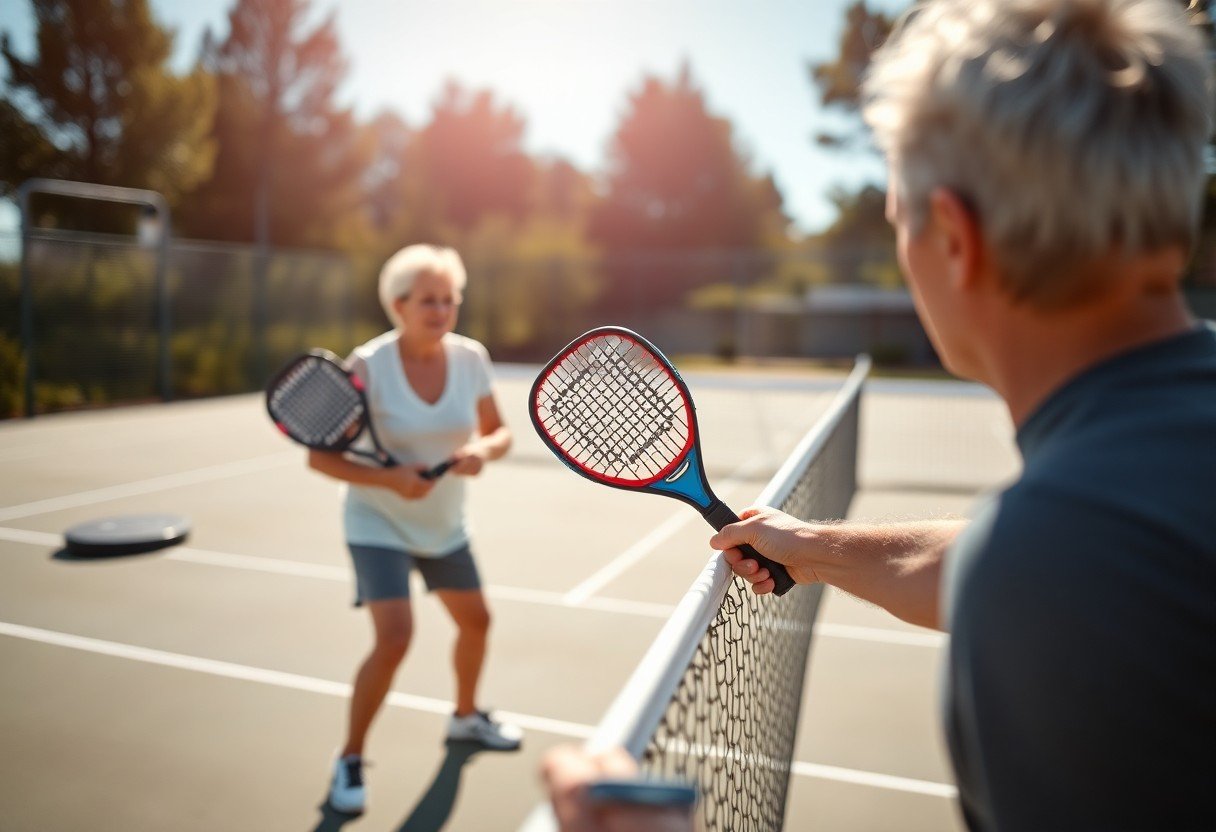
Key Takeaways:
- Padel is a low-impact sport that minimizes strain on joints, making it suitable for seniors.
- The game enhances cardiovascular health and improves coordination and balance.
- Padel promotes social interaction, contributing to mental well-being and engagement.
Understanding Padel
What is Padel?
Padel is a fast-paced racquet sport that combines elements of tennis and squash, played on a smaller court enclosed by walls. The game is typically played in doubles, fostering a social environment while promoting cardiovascular fitness. With lightweight paddles and a low-bouncing ball, padel is designed to be accessible for players of all ages and fitness levels, making it an excellent choice for seniors.
History and Origin of Padel
Padel originated in Mexico in the 1960s, created by Enrique Corcuera who adapted his home’s squash court by enclosing it with walls. It quickly gained popularity, spreading to Spain and other countries, leading to the establishment of organized competitions and professional leagues.
As padel evolved, it incorporated various elements from other racquet sports, ultimately gaining recognition for its unique gameplay. By the 1980s, it had established a significant following in Spain, becoming a staple in athletic clubs. Today, padel boasts millions of players worldwide and continues to grow, offering a low-impact exercise option that emphasizes both fun and fitness.
Padel vs. Other Racquet Sports
Unlike tennis, which features a larger court and high-impact serves, padel’s smaller dimensions and enclosed environment result in a more controlled and strategic game. The physical demands are considerably lower, making it an ideal choice for seniors seeking an engaging form of exercise without the strain associated with traditional racquet sports.
In comparison to badminton or squash, padel is less fast-paced but still offers substantial cardiovascular benefits. The wall play allows for longer rallies and encourages social interaction, which many other racquet sports may lack. As a result, padel not only helps improve your physical well-being but also enhances your social life, making it a delightful fitness option.
Benefits of Padel for Seniors
Low-Impact Exercise
Padel offers a gentle way to stay active, making it an ideal choice for seniors. The soft courts and light paddles minimize stress on your joints, allowing for engaging play without the harsh impact associated with other sports. You can enjoy a full range of motion while promoting overall physical health.
Cardiovascular Health Improvements
Playing padel regularly can lead to significant improvements in cardiovascular health. The combination of quick movements and strategic gameplay elevates your heart rate, enhancing circulation and heart function. Many seniors find that incorporating this sport into their routine not only boosts stamina but also reduces the risk of heart disease.
Studies suggest that engaging in at least 150 minutes of moderate exercise per week can lower blood pressure and improve cholesterol levels. Padel’s dynamic play encourages you to reach this goal while enjoying the social aspects of the game. As you play, your heart becomes more efficient, enhancing your overall well-being.
Muscle Strength and Flexibility
Regular participation in padel can effectively increase your muscle strength and flexibility. The various movements required in the game, such as lunging and swinging, engage multiple muscle groups, helping to tone and build strength. Moreover, as you improve your range of motion, you’ll notice greater flexibility in your daily activities.
The repetitive motions involved in playing padel promote muscular endurance, crucial for maintaining independence as you age. Engaging in this sport not only boosts your strength but also supports joint health, allowing for easier movement and reduced stiffness over time.
Mental Health Benefits
Padel also plays a significant role in enhancing your mental health. The active nature of the sport can help reduce feelings of stress and anxiety, fostering a more positive outlook. Additionally, staying engaged in sports stimulates your brain and boosts cognitive function.
Social interaction within the game stimulates endorphins, often referred to as “feel-good” hormones. This effect can alleviate symptoms of depression, promoting a sense of happiness and well-being. Evidence shows that regular physical activity, such as padel, correlates with improved mental clarity and emotional stability.
Social Interaction
The social aspect of padel is invaluable for seniors. Engaging with others not only helps improve your game but also builds friendships and community connections. These relationships can significantly enhance your mood and motivation to participate regularly.
Being part of a padel community encourages you to stay active and provides a supportive environment that fosters socialization. This can combat feelings of loneliness and isolation often experienced in older age, making each game a chance for both fun and connection.
Essential Rules and Gameplay
Basic Rules of Padel
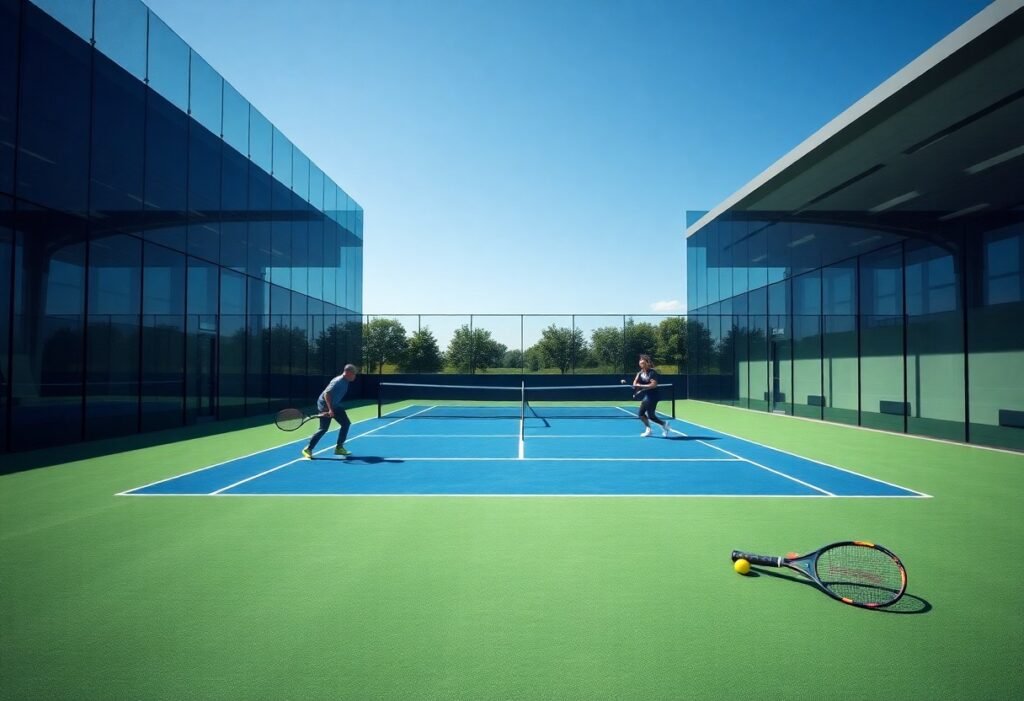
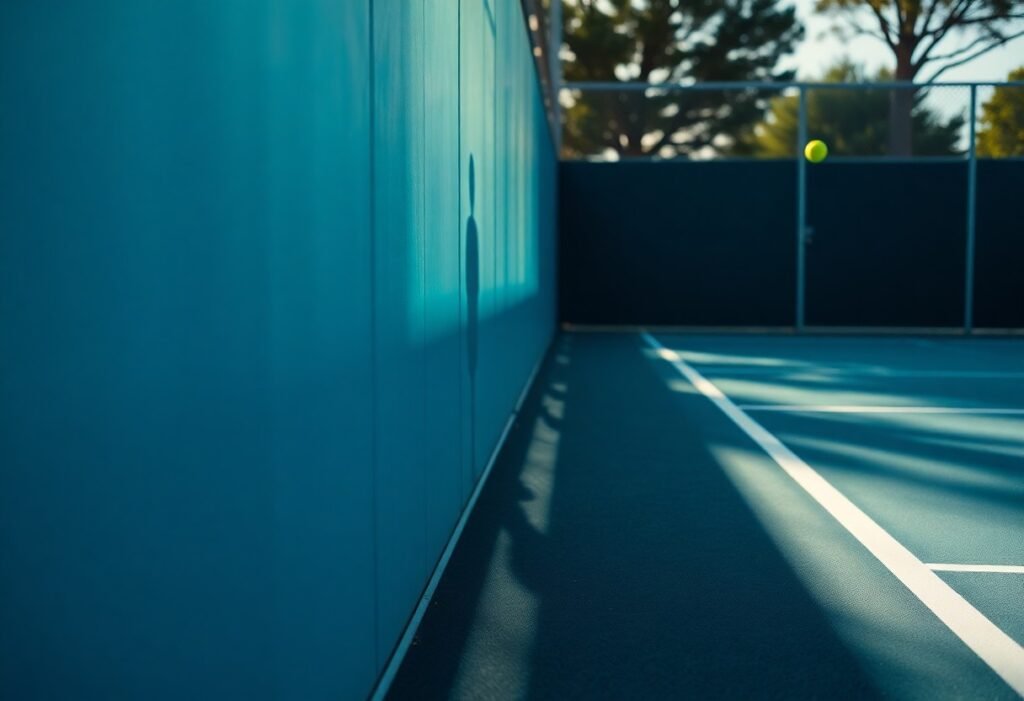
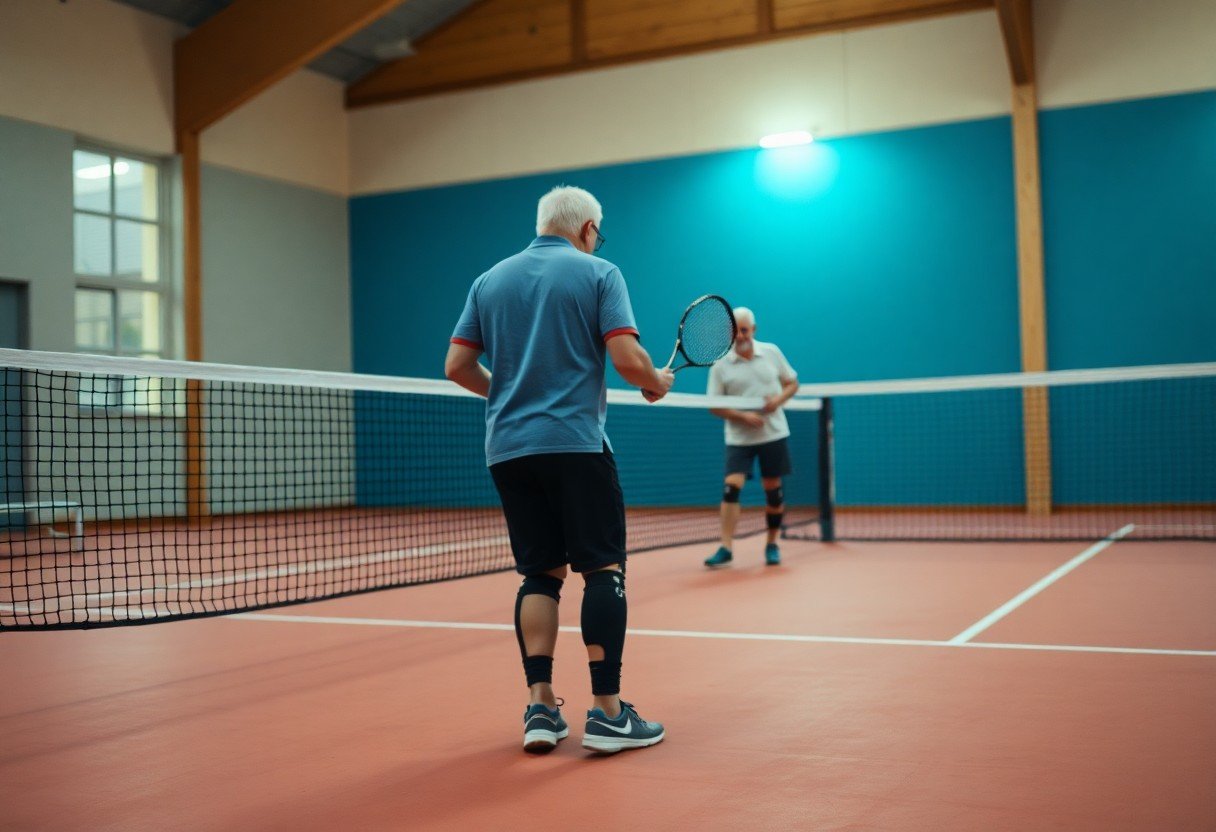
Padel is played on a rectangular court enclosed by glass and mesh walls. The game can be played in doubles, typically consisting of two players on each side. The ball must be served diagonally and can only bounce once before returning it. You can make use of the walls around the court to keep the ball in play, adding a strategic element to your game. For more insight on the benefits of padel for seniors, visit Is Age a Barrier in Padel Tennis: Health, Fitness and ….
Scoring System
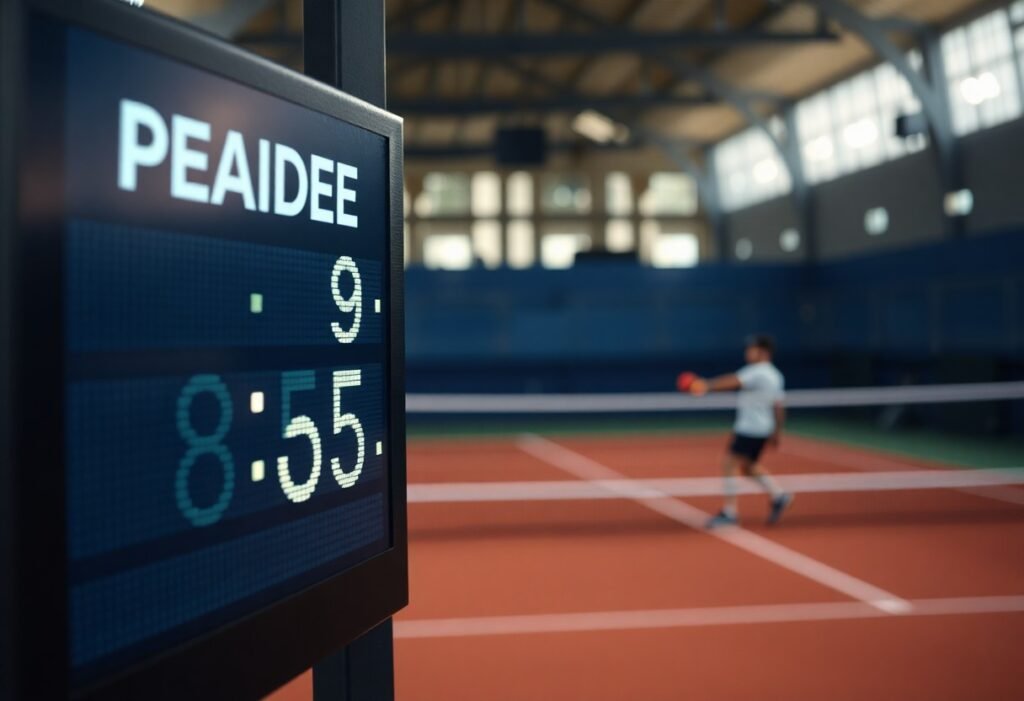
The scoring in padel is similar to tennis, using a system of 15, 30, 40, and game points. Matches are typically played in a best-of-three sets format, with each set requiring you to win six games by a margin of two. A tie-breaker is played at 6-6, making every point vital in a closely contested match.
Understanding the scoring system allows you to focus your efforts where they matter most. Serving first gives you a psychological edge, and each point won creates the momentum necessary to stay ahead. Prioritize building a strong service game to maximize scoring opportunities.
Common Strategies for Play
Adopting effective strategies is necessary for winning in padel. Focus on positioning, communication with your partner, and shot selection to control the pace of the game. Utilize lobs to push your opponents back and create openings for aggressive attacks.
Effective strategies often involve anticipating your opponent’s moves and adapting your positioning accordingly. For instance, if your partner is at the net, it’s beneficial for you to take more defensive positions at the back, allowing for better coverage of the court and leaving favorable angles for attacking shots. Communicating well with your partner enhances your team dynamics and increases your chances of success on the court.
Getting Started with Padel
Equipment Required
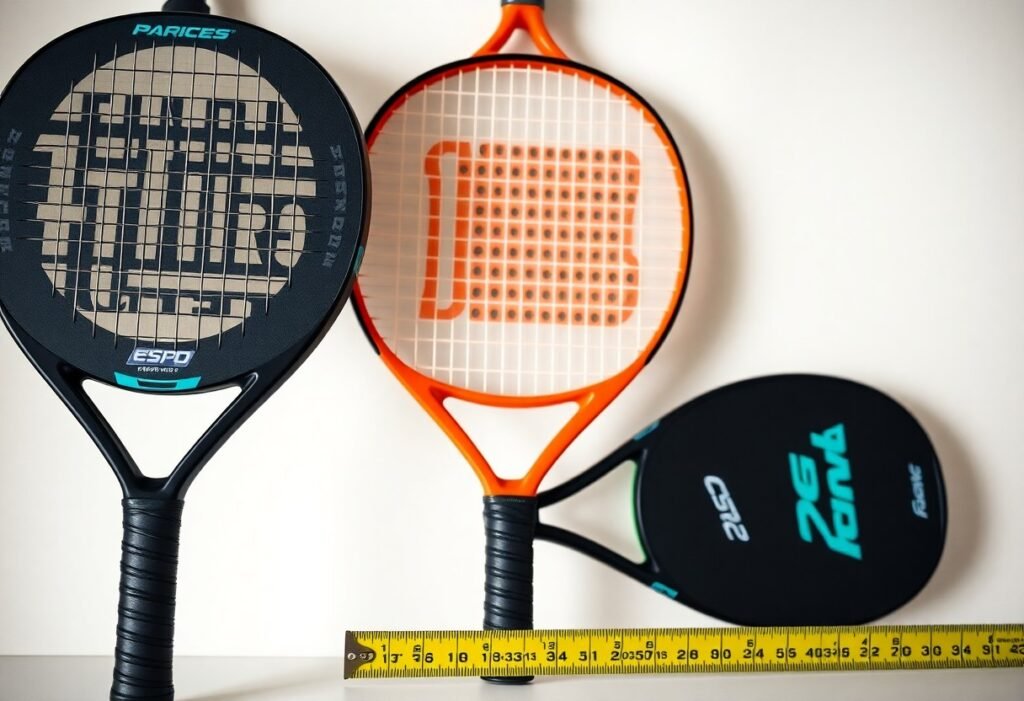
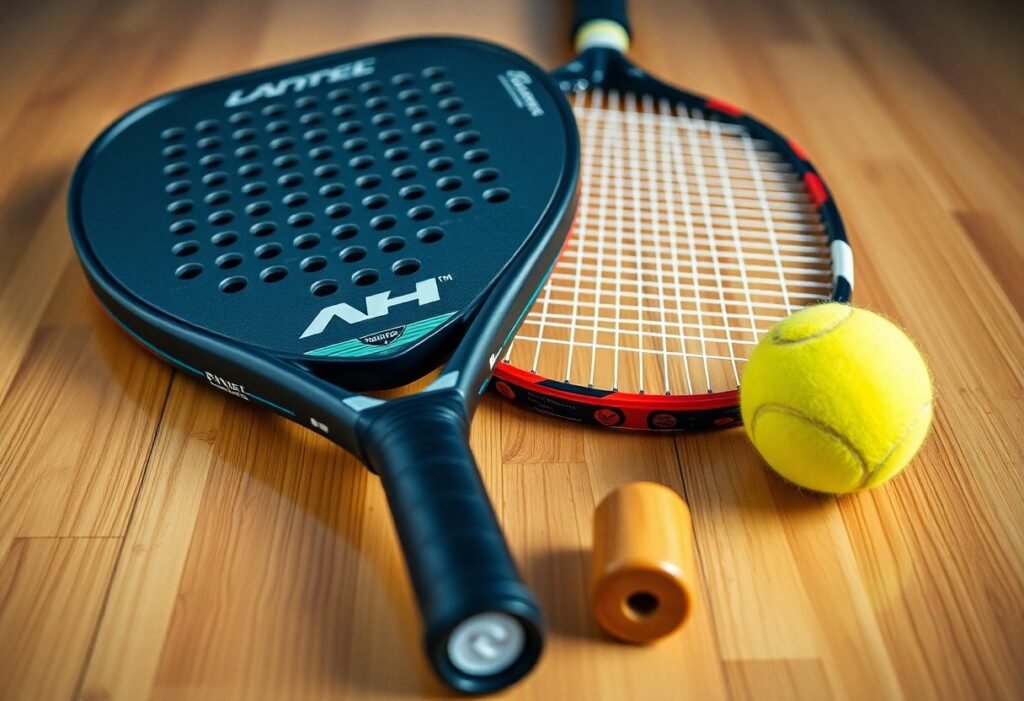
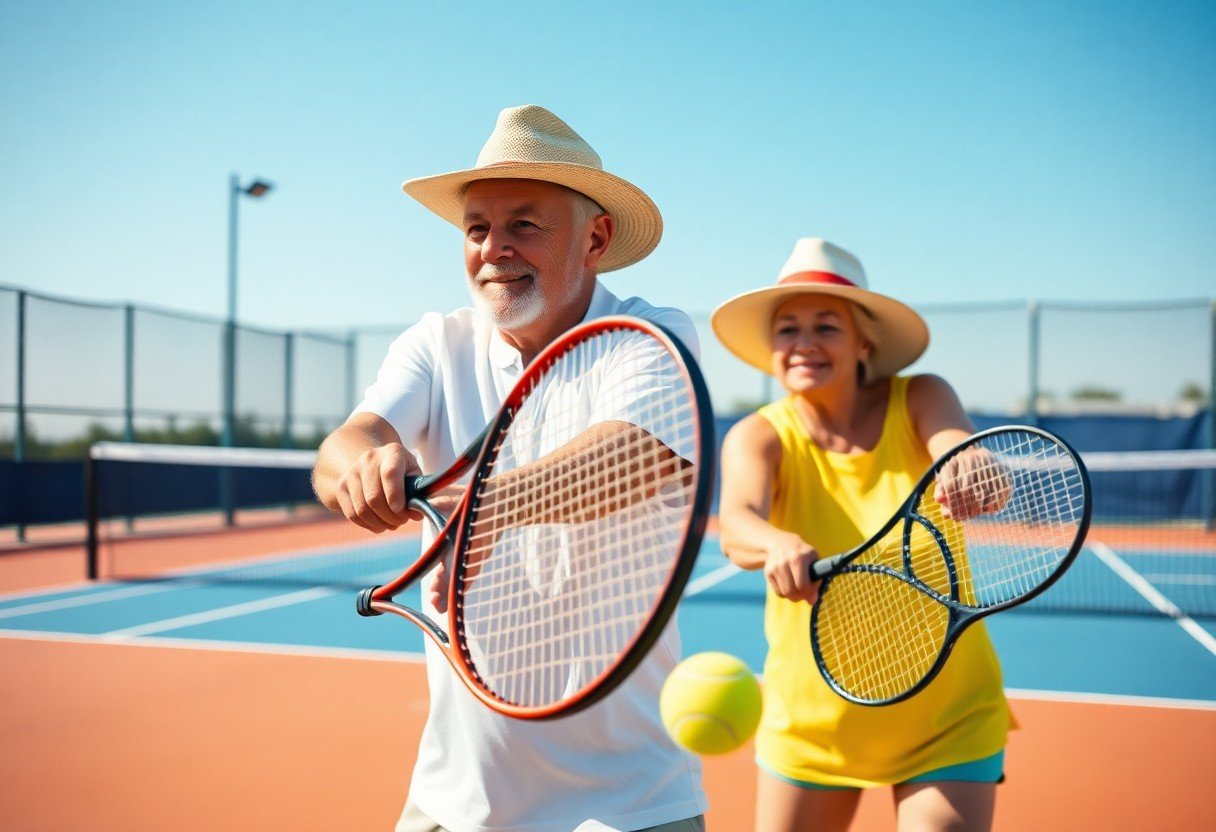
To begin playing padel, you’ll need a few necessary pieces of equipment. A good quality padel racket is critical, which is typically lighter and has a perforated surface for better ball control. Additionally, opt for specialized padel balls that differ slightly from tennis balls, ensuring optimal performance on the court. Comfortable athletic wear and proper footwear with grip will also enhance your experience and safety.
Finding a Suitable Venue
Locating the right venue is key for getting started with padel. Many sports clubs, community centers, and gyms now feature dedicated padel courts. Look for facilities that offer amenities such as proper lighting, access to instructors, and a friendly atmosphere, which can enrich your overall experience.
When searching for a venue, research local listings online and consult social media platforms for recommendations from fellow players. Some facilities may even offer trial sessions or introductory classes designed specifically for seniors, allowing you to gauge the environment and make connections with other players in a comfortable setting.
Tips for Beginners
As a beginner, start with the fundamentals to build your confidence. Focus on developing your footwork and basic shots, like the forehand and backhand, to gain control. Consider joining a beginner’s group or taking lessons from a qualified coach to accelerate your learning. This can help you grasp necessary techniques and strategies.
Engaging with fellow beginners can significantly improve your skills and provide motivation. Look for local clubs that offer structured training sessions, which often include both drills and practice matches. Participating in social games can also enhance your enjoyment and comfort on the court. This provides opportunities to integrate social elements into your practice while building friendships.
Safety Considerations
Preventing Injuries
To minimize the risk of injuries while playing padel, you should focus on maintaining proper form and technique. Engaging in regular strength training and flexibility exercises can significantly enhance your body’s resilience. Additionally, wearing appropriate footwear designed for court sports will provide better support and grip, reducing the likelihood of slips and falls.
Importance of Warm-Up and Cool-Down
Incorporating warm-up and cool-down routines before and after each session is vital for your body’s performance and recovery. A good warm-up prepares your muscles, elevates your heart rate, and enhances your flexibility, while cooling down helps prevent soreness and promotes gradual recovery.
A typical warm-up may include light cardiovascular activities like brisk walking or dynamic stretches targeting your legs, arms, and core. Aim for at least 10–15 minutes to ensure your body is ready for the physical demands of the game. Cool-down routines should consist of gentle stretching to aid muscle recovery, often consuming the same duration, allowing your heart rate to return gradually to its resting state.
Recognizing When to Stop
Being aware of your body’s signals during play is crucial in preventing overexertion. You must listen to signs of fatigue or pain, which may indicate the need to take a break or finish your session early. Ignoring these signals can lead to serious injuries or long-term issues.
Pay attention to unusual sensations like sharp pain, dizziness, or excessive fatigue. If you experience any of these, it’s wise to pause the game immediately. Regularly evaluating how you feel throughout the match will help you maintain a balance between enjoyment and safety, ensuring you can continue playing padel for years to come.
Padel Communities for Seniors
Join a Local Club
Finding a local padel club is a great way to connect with fellow seniors who share your interest in the sport. Many clubs offer tailored sessions for older adults, emphasizing a welcoming atmosphere. By joining, you gain access to regular matches, lessons, and social events that enhance your enjoyment and skill level while fostering friendships with like-minded individuals.
Participating in Tournaments
Engaging in tournaments designed for seniors can be both exciting and rewarding. These events are often held at various skill levels, making them accessible for everyone. Competing not only challenges your skills but also encourages camaraderie among participants.
Tournaments typically feature multiple age brackets and skill divisions, allowing you to compete against players of similar experience. This creates an empowering environment where you can showcase your progress and potentially win medals or trophies, all while enjoying the thrill of competition and building confidence in your abilities.
Social Events and Gatherings
Participating in social events provided by your local padel community can greatly enhance your experience. These gatherings often include barbecues, holiday parties, and themed events that allow you to interact with other members in a relaxed setting.
Social events not only promote team spirit but also provide opportunities to share stories and strategies, fostering a deeper sense of belonging. They help in building lasting friendships which can motivate you to stay active and committed to playing padel regularly, contributing significantly to your overall well-being.
Summing up
Presently, engaging in padel offers you a low-impact fitness option that is both enjoyable and beneficial for your overall health as a senior. This sport’s emphasis on strategy and agility rather than intense physical exertion allows you to stay active while minimizing the risk of injury. By incorporating padel into your routine, you can enhance your endurance, flexibility, and social connections, making it a holistic approach to fitness that fits your lifestyle.
FAQ
Q: What is Padel and why is it suitable for seniors?
A: Padel is a racket sport combining elements of tennis and squash. It is played on a smaller court with lower impact on joints, making it ideal for seniors seeking a low-impact fitness option. The game encourages light exercise while promoting social interaction.
Q: How does Padel benefit seniors physically?
A: Padel provides cardiovascular benefits, improves muscle tone, enhances balance, and increases flexibility. The gentle movement and strategic play engage various muscle groups without excessive strain, promoting overall health and fitness.
Q: What equipment do seniors need to play Padel?
A: Seniors need minimal equipment to play Padel, which includes a padel racket, special padel balls, and comfortable sportswear. Proper footwear with good grip is also important to prevent slipping on the court.
Q: Is there a recommended level of fitness for starting Padel?
A: Padel is accessible to players of all fitness levels. Seniors can start at a relaxed pace, gradually increasing intensity as their comfort and skill improve. It’s advisable to consult a healthcare provider before beginning any new fitness routine.
Q: Are there Padel clubs or groups specifically for seniors?
A: Many recreational facilities and clubs offer Padel leagues or sessions tailored for seniors. These programs emphasize social engagement and supportive play, making it easier for older adults to participate and enjoy the sport together.