

It’s imperative you understand that men’s lacrosse is more physical and allows body checking, deeper stick pockets, and full helmets and pads, increasing contact and injury risk, whereas women’s lacrosse restricts body contact, uses shallower pockets and minimal protective gear, emphasizing skill, speed, and finesse, so your choice affects tactics, training, and safety.

Key Takeaways:
- Contact and equipment: Men’s lacrosse is full‑contact with helmets, shoulder pads and gloves; women’s lacrosse restricts body contact and typically uses only goggles and mouthguards (plus limited protective gear where allowed).
- Sticks and checking: Men’s sticks have deeper pockets and allow more aggressive stick/body checking; women’s sticks have shallower pockets and checking is more limited and primarily stick‑to‑stick.
- Game structure and restarts: Team sizes and restarts differ (men play 10v10, women 12v12); men use face‑offs to restart play while women use draws, and many rule details (offsides, penalties, positioning) shape different styles of play.

Historical Background
You can trace both games back to Indigenous North American stick-and-ball contests played for centuries, but formal divergence happened in the 19th and 20th centuries: the men’s game was codified in Canada and professionalized, while the women’s version was adapted for schools and colleges with distinct rules. Key milestones include Dr. William George Beers’ 1867 rules and the women’s spread in the 1890s and 1926, shaping how your teams play today.
Evolution of Women’s Lacrosse
If you follow women’s lacrosse, you see an origin in late-19th-century British schools – notably St Leonards in Scotland in the 1890s – then a U.S. adoption led by Rosabelle Sinclair at Bryn Mawr in 1926. Rules emphasized skill over contact, and institutional growth accelerated after the NCAA began sponsoring a women’s championship in 1982, creating the college pipeline you watch and recruit from now.
Evolution of Men’s Lacrosse
You notice the men’s game formalized earlier in Canada: the Montreal Lacrosse Club (mid-1800s) and Dr. William George Beers’ 1867 rule set standardized play, encouraging intercollegiate adoption in the U.S. Over the 20th century the game split further with box lacrosse in the 1930s, and equipment and rule changes made the sport markedly more contact-oriented than the women’s code.
On top of tradition, you now see modern innovations shaping men’s lacrosse: professional leagues like the MLL (2001) and the PLL (started 2019) introduced full-time athletes, televised formats, and strategic rules such as the shot-clock and two-point opportunities, accelerating pace and changing coaching and recruitment priorities for your program.
Rules and Regulations
You’ll see stark rule contrasts: men’s lacrosse allows body checks and aggressive stick checks within set guidelines and uses face-offs, while women’s limits contact to stick-to-stick challenges, employs draws and an 8-meter free-position arc for scoring opportunities. Penalties and card systems differ, affecting substitutions and game flow; for a detailed breakdown check What Are the Differences Between Boys’ and Girls’ Lacrosse?
Field Size and Dimensions
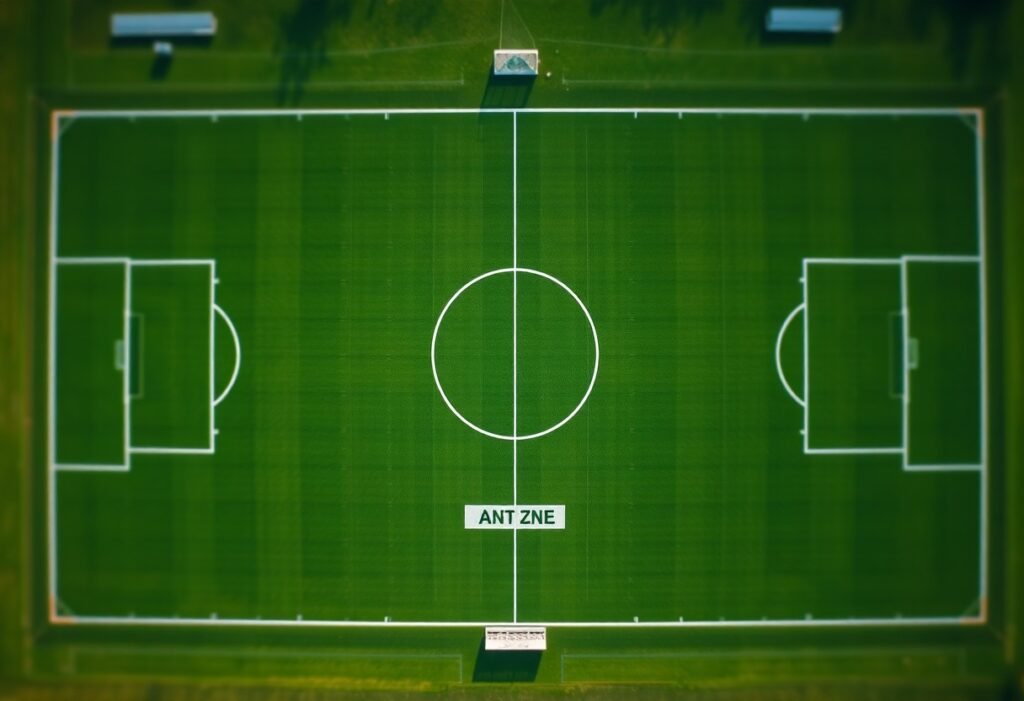
Men’s fields are typically 110 yards long by 60 yards wide, with clear restraining lines and a 9-foot crease; women’s pitches are slightly larger overall and feature distinct markings like the 8-meter arc and different restraining areas that change clearing and draw strategies, so you adjust positioning and spacing accordingly.
Equipment Differences
Men wear full helmets meeting NOCSAE standards, shoulder and arm pads, gloves and often rib protection, while women’s field players generally use goggles and mouthguards only and goalies add helmets and chest protection; those choices shape how you train for contact and situational defense.
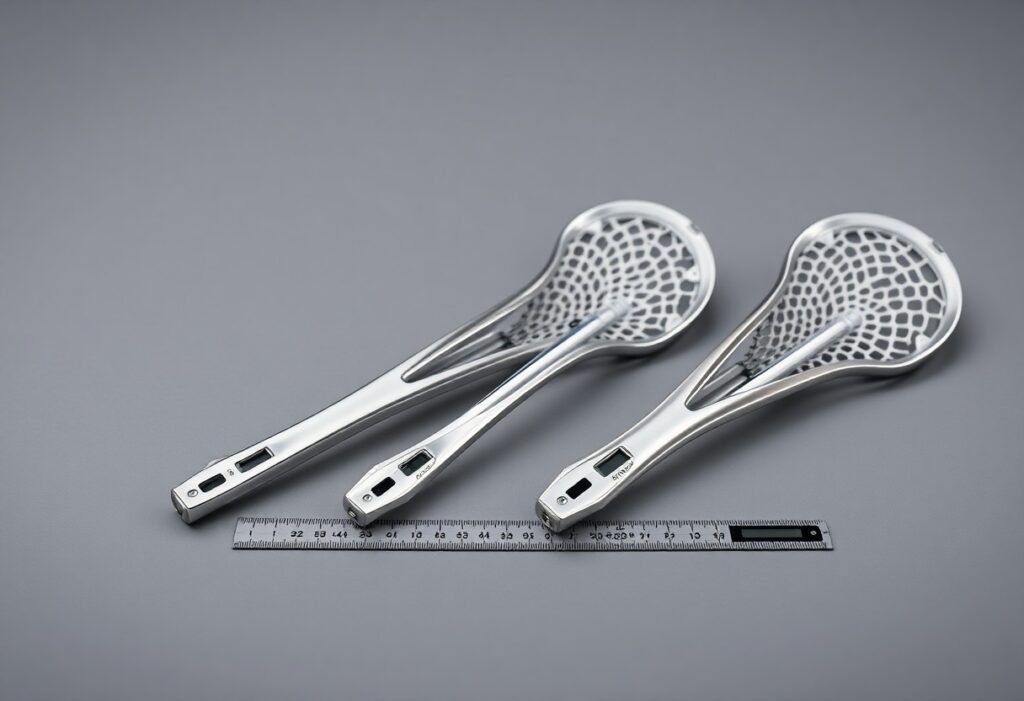
For example, men’s stick lengths range from about 40-42 inches for attack/midfield to 52-72 inches for long poles, emphasizing reach in checks and pickups; women’s sticks (typically around 35.5-43 inches) have shallower pockets for cradle-and-pass skills. You should adapt drills: men focus more on protective-pad contact drills and riding, while women prioritize footwork, stick work and angle defense because padding differences change allowable contact and injury profiles.
Gameplay and Strategies
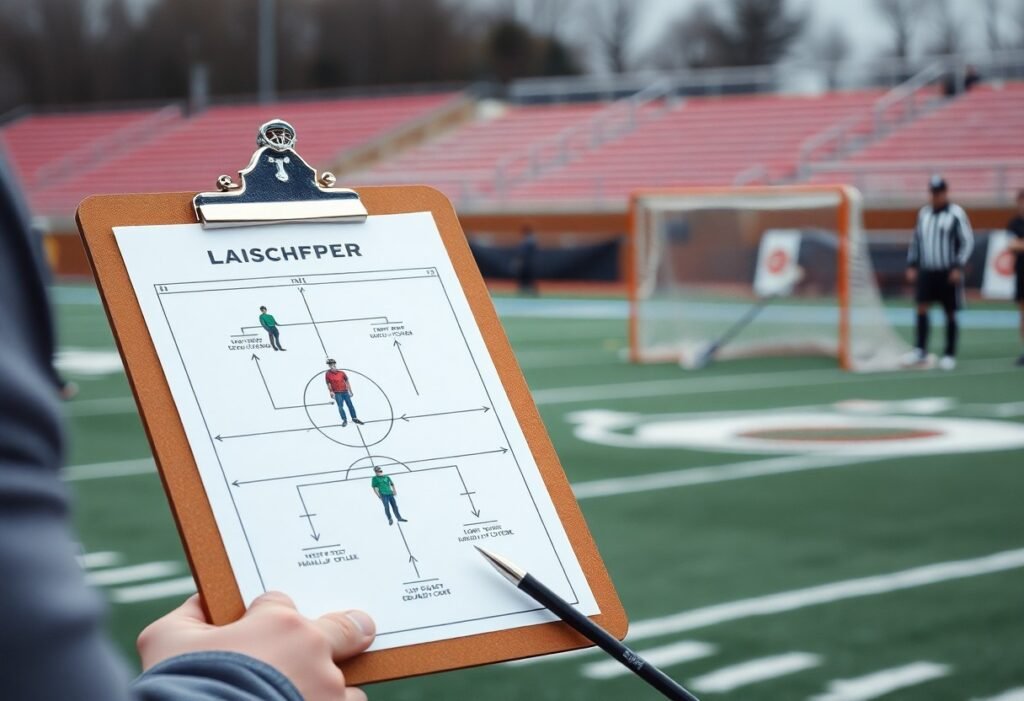
You’ll notice strategy shifts quickly once the whistle blows: the men’s game leans on structured rides, slide packages and physical matchups that favor short, contact-heavy possessions, while the women’s game rewards fluid off-ball movement, quick passing and set plays that create space without heavy contact. Teams often tailor tempo-running deliberate possessions to control the clock or pushing transition to exploit mismatches-and coaching adjustments at halftime frequently swing momentum within a few possessions.
Scoring and Positions
You play with different personnel: men field 10 players (1 goalie, 3 defense, 3 midfield, 3 attack) and women field 12, altering spacing and roles. Scoring often revolves around specialized positions-attackers for feed-and-finish, midfielders for transition and draw control-and winning the draw/face-off or draw circle can flip possession rates dramatically, shifting expected shot volume and who you task with settling the offense.
Game Strategies and Styles
You’ll see contrasting defensive rules shape tactics: men allow body checking and use slides and clears that accept contact, while women emphasize stick work, marking and pressing without heavy hits. Many competitions impose a shot clock (e.g., NCAA women’s uses a 90‑second clock), forcing quicker decision cycles. Coaches exploit these frames-running isolation dodges or motion offenses in women’s play, and pick-and-rolls, ride variations and set crease attacks more often in men’s.
You should study specific plays: men’s teams run designed crease dives, two-man presses and rotational slides to create turnovers, whereas women’s teams deploy continuous motion, quick “feed-and-cut” sequences and backside rotations to open lanes. In transition you’ll often prioritize numbers-up breaks-aiming for a 2‑on‑1 or 3‑on‑2-while settled offense focuses on spacing, timing and matchups; mastering both phases usually separates top programs in close games.
Physical Contact
Expect contact rules to shape the pace and risk: women’s lacrosse restricts body contact and emphasizes stick checks, while men’s lacrosse permits controlled body checks and heavier physical play. You should note gear differences-women wear goggles and mouthguards, men wear helmets, shoulder, arm and rib pads-which change how rules are enforced and how injuries occur during clearing, riding and loose-ball scrums.
Contact in Women’s Lacrosse
In women’s play you face strict limits: deliberate body checks are illegal, so most contact must be stick-to-stick or shoulder-to-stick while the ball is in play. Officials quickly penalize hits to the body or head and award free positions or cards for dangerous actions. Because you usually wear only goggles and a mouthguard, coaches train you to use positioning, footwork and stick technique to win 50‑50 battles without heavy collisions.
Contact in Men’s Lacrosse
In men’s play you should expect frequent, controlled collisions: defenders use shoulder-to-shoulder checks and stick checks to dislodge the ball with full body contact permitted when possession rules allow. Rules still ban hits to the head, cross-checking and hits from behind, and violations draw penalties; mandatory pads and helmets let you engage more aggressively across clears, rides and settled offenses.
At higher levels you and your teammates also exploit equipment and tactics that amplify contact: defensemen often carry long poles (typically 52-72 inches) while attack/middies use short sticks (~40-42 inches), increasing reach and leverage for checks and lift/poke techniques. Expect numerous 50‑50 ground-ball battles and taught drills on protecting the ball and using legal checking angles to avoid penalties and reduce concussion risk.
Popularity and Growth
Nationally, lacrosse has surged as one of the fastest-growing team sports, driven by youth expansion and college interest; you can see this in larger club circuits, rising media coverage, and more scholarship spots. For example, the Premier Lacrosse League’s tour launch in 2019 and its 2020 consolidation with Major League Lacrosse amplified pro visibility. At the same time, increased attention to safety and concussion protocols has followed growth as play becomes faster and more competitive.
Women’s Lacrosse Participation Trends
Girls’ participation has expanded markedly over the past decade, especially in the Northeast and growing Sun Belt regions, and you’ll find more high-school programs and college recruiting pipelines feeding Division I, II and III teams. Club travel teams now dominate development paths, producing elite prospects and more scholarship opportunities; however, earlier specialization and longer travel seasons also boost concerns about player burnout and injury management.
Men’s Lacrosse Participation Trends
Men’s lacrosse growth is steadier but more tied to pro exposure and college tradition; you’ll notice the PLL’s 2019 tour model created national showcases that raised the sport’s profile and pro opportunities, while youth boys participation grows regionally rather than uniformly. Increased physicality and contact rules keep the game distinct, and the pro pathway expansion has made lacrosse a more viable long-term pursuit for top male athletes.
The PLL’s touring schedule, centralized marketing and national events are concrete examples of how the men’s pro game scaled visibility, and you’ll see brands and sponsors following TV and streaming coverage. Media deals and combined league structures since 2020 have widened exposure, producing clearer professional routes for players and more college-to-pro scouting; those structural changes-tour model, sponsorship, and consolidated pro platforms-are the primary drivers of current men’s growth.
Major Leagues and Competitions
Women’s Lacrosse Leagues
You’ll see the women’s pro landscape centered on Athletes Unlimited’s player-driven seasons (inaugurated in 2021) and a steady pipeline from NCAA Division I powerhouses like Maryland and Northwestern, who have won multiple national titles. World Lacrosse runs the Women’s World Championship every four years, where USA vs Canada matchups draw global attention, and that international stage plus pro innovations are creating more pro opportunities for your progression.
Men’s Lacrosse Leagues
You’ll find field lacrosse dominated by the Premier Lacrosse League (PLL), founded by Paul Rabil and absorbing Major League Lacrosse in 2020, while the National Lacrosse League (NLL) governs professional box lacrosse across the U.S. and Canada. The PLL’s tour model spotlights star players across eight clubs and national broadcasts, and the NLL emphasizes boards and a fast, hard-hitting indoor game that changes how you train.
Season structure and style vary: the PLL runs a summer tour with regular season and playoffs, offering greater salaries and media exposure than the old MLL, whereas the NLL’s winter-spring schedule features franchises like the Toronto Rock and Calgary Roughnecks and a rule set that demands quick decision-making and tolerance for high-impact contact if you aim for a pro career.
Conclusion
Presently you can see that women’s and men’s lacrosse differ in rules, field layout, contact levels, equipment, and strategy, so you choose or coach with clear expectations; women’s game emphasizes speed, positioning, and controlled stick skills with limited contact, while men’s game allows more physical play, different protective gear, and more aggressive stick checking-understanding these contrasts helps you appreciate each version’s tactics and safety priorities.
FAQ
Q: What are the primary rule differences between women’s lacrosse and men’s lacrosse?
A: Men’s lacrosse permits more body contact and physical play, including body checks and more aggressive stick checks inside certain limits; fouls are often penalized with time-serving penalties. Women’s lacrosse limits body contact, allows only controlled stick checks to the stick or gloved hand, and penalizes dangerous or obstructive contact more strictly; many fouls result in free-position restarts rather than time-serving penalties. Game structure also differs: men’s games typically have longer quarters and different substitution/possession patterns, while women’s rules prioritize continuous play and safety-focused restarts. Specific rules vary by league and level.
Q: How does equipment differ between the two games?
A: Men wear helmets with chin straps, shoulder pads, arm and rib protection, gloves, and often throat guards; stick pockets are deeper to aid ball control at speed. Women usually wear minimal padding: eye protection (goggles) and mouthguards are standard, and goalies wear helmets and chest/leg protection. Women’s headgear rules can vary by age and jurisdiction. Defensive players in men’s lacrosse may also use longer poles (up to 72 inches) for reach; women’s sticks are shorter and have shallower pockets due to stricter pocket-depth rules.
Q: In what ways do the sticks and pocket rules differ?
A: Men’s sticks include short sticks for attack/midfield and long poles for defense; pocket depth is deeper and less restricted, allowing the ball to sit lower for cradling and powerful throws. Women’s sticks are generally shorter, with heads and pockets designed to keep the ball higher and more exposed to promote skillful catching and quick releases; governing bodies enforce pocket-depth and shooting-string rules more strictly. These equipment differences affect ball control, passing velocity, and defensive reach.
Q: How does allowed physical contact and checking differ between women’s and men’s lacrosse?
A: Men’s lacrosse permits shoulder-to-shoulder body checks (when the opponent has the ball or is within five yards of it) and vigorous stick checks to dislodge the ball, subject to rules against targeting and illegal hits. Women’s lacrosse forbids body checks and allows only limited stick checks to the opponent’s stick or gloved hand; contact to the body or excessive force is quickly penalized. As a result, men’s play involves more contact-based defensive strategies, while women’s officiating emphasizes limiting physicality for player safety.
Q: How do game strategy and on-field flow differ between the two versions?
A: Men’s lacrosse often emphasizes power, set plays, riding and clearing battles, and using physical matchups to create space; transition play can be explosive because of aggressive checks and long passes. Women’s lacrosse tends toward finesse, off-ball movement, precise passing, and quick ball movement to create shooting opportunities under stricter contact rules; free-position restarts (after fouls) and circle play around the goal shape tactics differently. Coaching, spacing, and substitution patterns reflect these tactical contrasts, though both versions reward conditioning, stick skills, and situational awareness.