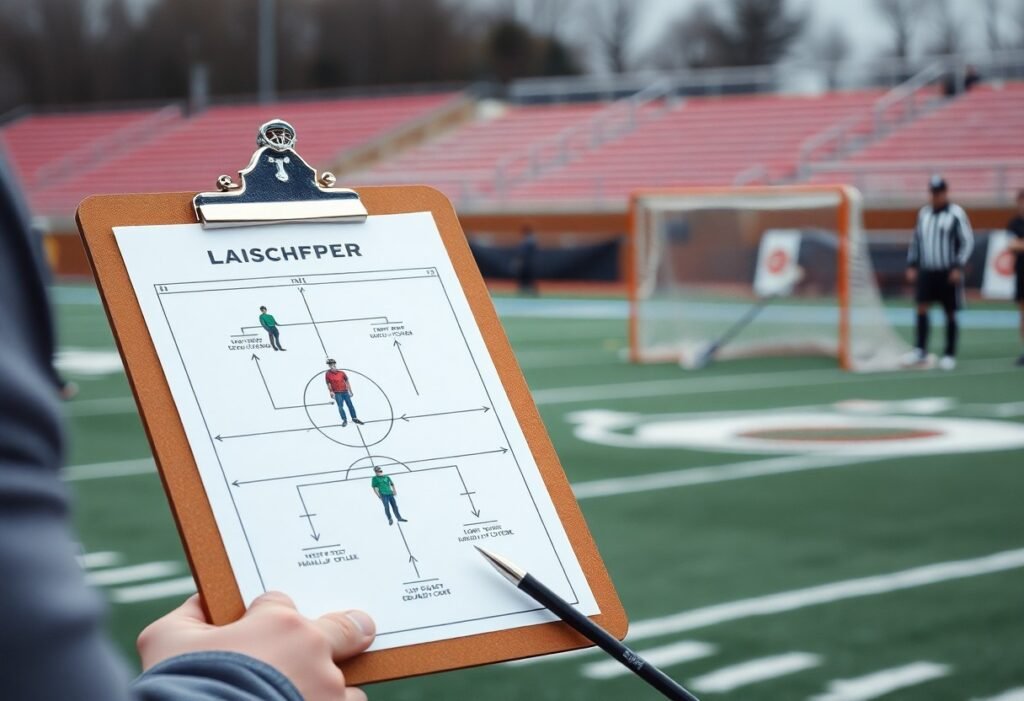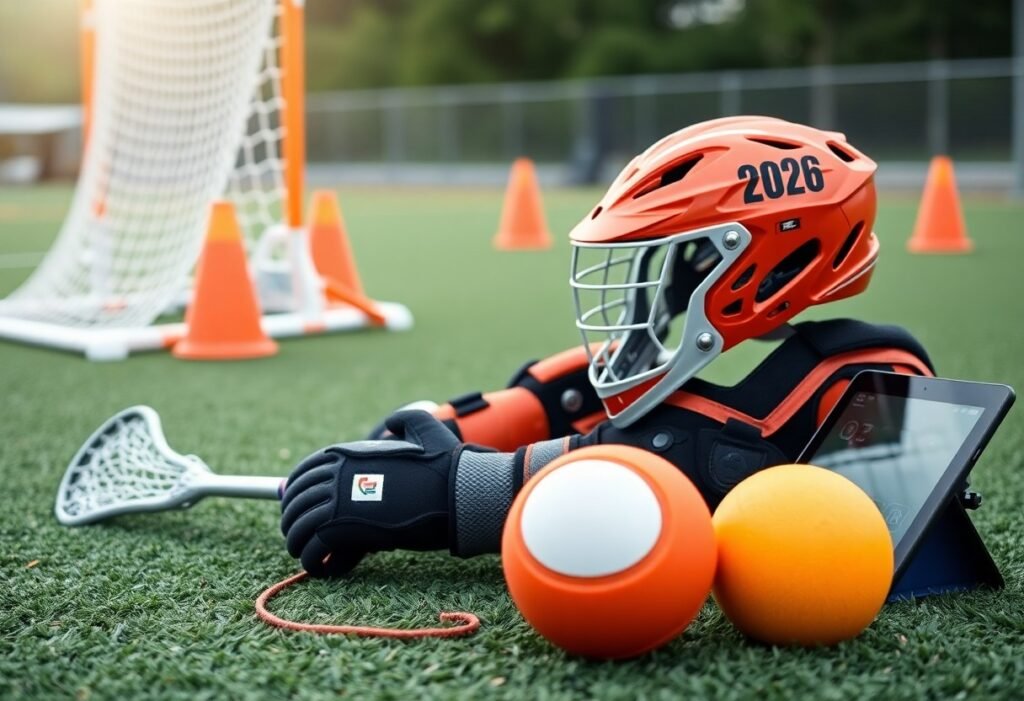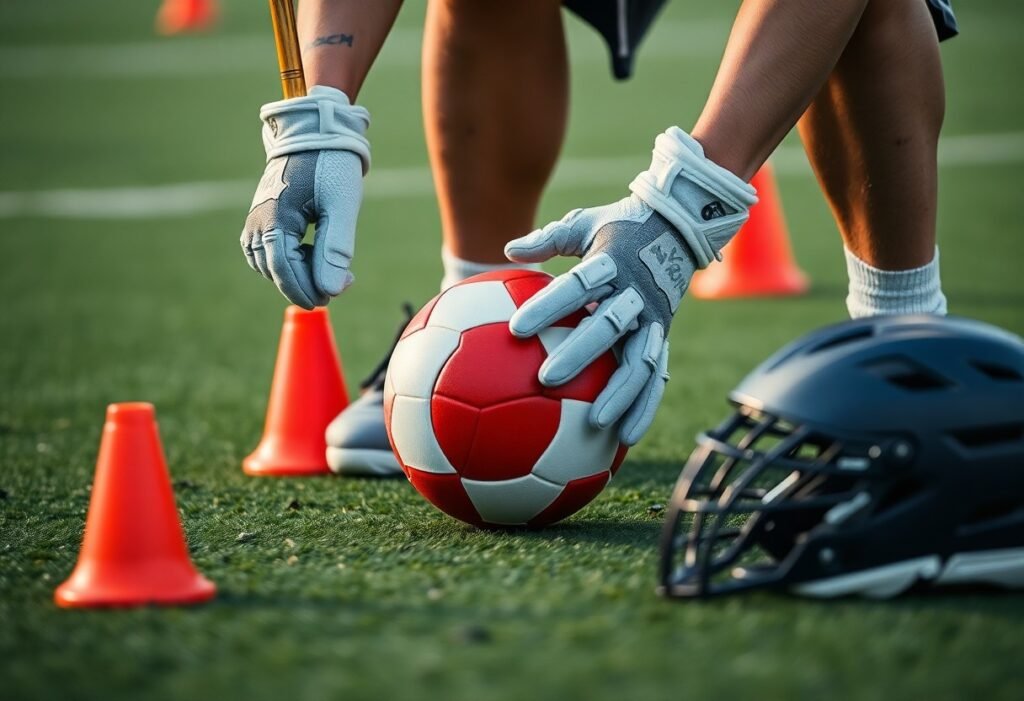

Most players can sharpen puck and stick skills at home by focusing on controlled touches, quick hands, and agility patterns you can repeat daily; maintain proper technique to avoid injury and isolate weaknesses, keep your training area clear of obstacles to reduce risk of accidents, use a soft training puck or ball for safer, high-repetition work, and progressively increase speed while monitoring comfort so you build consistent, game-ready stick handling habits.
Key Takeaways:
- Build soft hands and hand-eye coordination with stationary puck/ball drills: toe drags, quick taps, and figure‑eights.
- Practice on the move using cone weaves, tight turns, and direction changes while keeping your head up.
- Progress difficulty and maintain consistency: increase speed, add one‑hand drills or smaller pucks, and do short daily sessions.
Understanding Stick Handling
When you work on stick handling at home, aim for quick hands, tight control and consistent puck protection-10-15 minutes a day of focused reps can yield noticeable gains. Practice figure-eights, toe drags and pullbacks while keeping your head up and using your body to shield the puck; protecting the puck prevents turnovers and reduces the risk of dangerous odd-man rushes. Small, repeatable improvements transfer directly to more scoring chances in games.
Importance of Stick Handling
You develop possession, create space and win 1-on-1 battles through intentional stick work; many pros allocate 20-30 minutes daily for this reason. Tight hands shorten decision time-an extra half-second of control often opens passing lanes or a shooting window. By eliminating wasted movement and improving your weak side, you become a more reliable outlet and force defenders to react to your options instead of the reverse.
Key Techniques in Stick Handling
Focus on five core techniques: soft hands, quick forehand-backhand transitions, toe drags, pullbacks and saucer-pass control. Structure drills as 3 sets of 60 seconds with 30-60 second rests, and split work equally between strong and weak sides. Prioritize wrist speed over big arm motion so you can execute moves in tight spaces and under pressure; these skills let you create separation, protect possession and finish plays.
Drill specifics matter: for the toe drag, lift the blade slightly and pull the puck laterally while shifting weight to the outside skate-do 5 reps each side against a chair as a mock defender. When practicing pullbacks, maintain a soft touch to keep puck contact and accelerate out of the move. Always keep your head up so you see passing and shooting lanes; that awareness turns practiced technique into real-game advantage.
Basic Stick Handling Drills
Work on short, focused sets: dedicate 5-10 minutes per drill, alternating high-intensity 30-60 second efforts with 30-second recovery. You should use a puck or weighted ball and keep your head up to simulate game vision; perform 3-4 sets of each drill and track progress by counting clean touches-aim for 40-60 stick-to-puck contacts per 60 seconds. Protect flooring and use a training puck if needed; wet or uneven surfaces are dangerous.
The Stationary Puck Control Drill
You stand still and move the puck with quick, precise taps using forehand and backhand; do 6 x 30-second intervals focusing on fingertip control and minimal blade rotation. Coaches often recommend keeping your knees bent 20-30 degrees and staying low to increase stability. For measurable progress, time yourself and increase touches per interval by 5-10% each week. Concentrate on soft hands to build control without sacrificing speed.
The Side-to-Side Drill
Move the puck laterally in a continuous rhythm, pushing it 6-8 inches side-to-side while keeping pace for 45-60 seconds per set; perform 4 sets with 20-30 seconds rest. You should emphasize quick transfers and blade roll-throughs to simulate evasive moves in tight spaces. Use a metronome at 120-140 BPM to standardize tempo and measure improvement; speed over sloppy touches reduces effectiveness.
To progress, add obstacles-place 3 cones 18 inches apart and weave while maintaining the lateral motion for two full laps, totaling about 90 seconds per rep. You can also increase difficulty by standing on one knee or using a heavier training puck; studies on motor learning show short, frequent reps (5-10 minutes daily) accelerate retention. Track minutes practiced and contact counts to quantify gains; consistent tempo and correct blade angle are most important.
Advanced Stick Handling Drills
- Cone Weaving Exercise – tight control through cones.
- Puck Protection Drill – body and stick positioning under pressure.
- Wall Pass & Receive – rebound control and one-touch returns.
| Drill | Key focus & Progression |
|---|---|
| Cone Weaving | 6 cones, 3 ft (1 m) apart; 30s sets; progress by reducing spacing or adding speed. |
| Puck Protection | 1-on-1 possessions, 15-30s; emphasize low stance, forearm shield; add stick lifts or second defender. |
| Wall Pass & Receive | 20 reps each side; firm passes at 3-5 m; progress to one-touch and weaker-hand returns. |
Cone Weaving Exercise
For home setup arrange 6 cones spaced about 3 feet (1 m) apart; you should weave through keeping the puck within one stick length of the blade. Start with 30-second controlled reps for 5 sets, then shorten spacing or increase speed to force quicker hands. Focus on inside-out fakes and tight toe-drags to create space.
Puck Protection Drill
Begin with a partner applying light pressure while you hold possession for 15-30 seconds; use a low stance, forearm shield, and keep your stick on the puck-side to prevent lifts. Practice pivoting away from contact and using your backhand to shield; progress by adding a second defender or skate-to-skate pressure.
To advance, simulate game scenarios: receive along the boards under pressure and perform 3 quick pivots while keeping head-up vision. Aim for 80% success in retaining possession across 10 attempts and track turnovers to measure progress. Emphasize keeping your hips between the defender and puck and using short, strong taps rather than long pushes to maintain control.
Creative Stick Handling Practices
Using Household Items as Obstacles
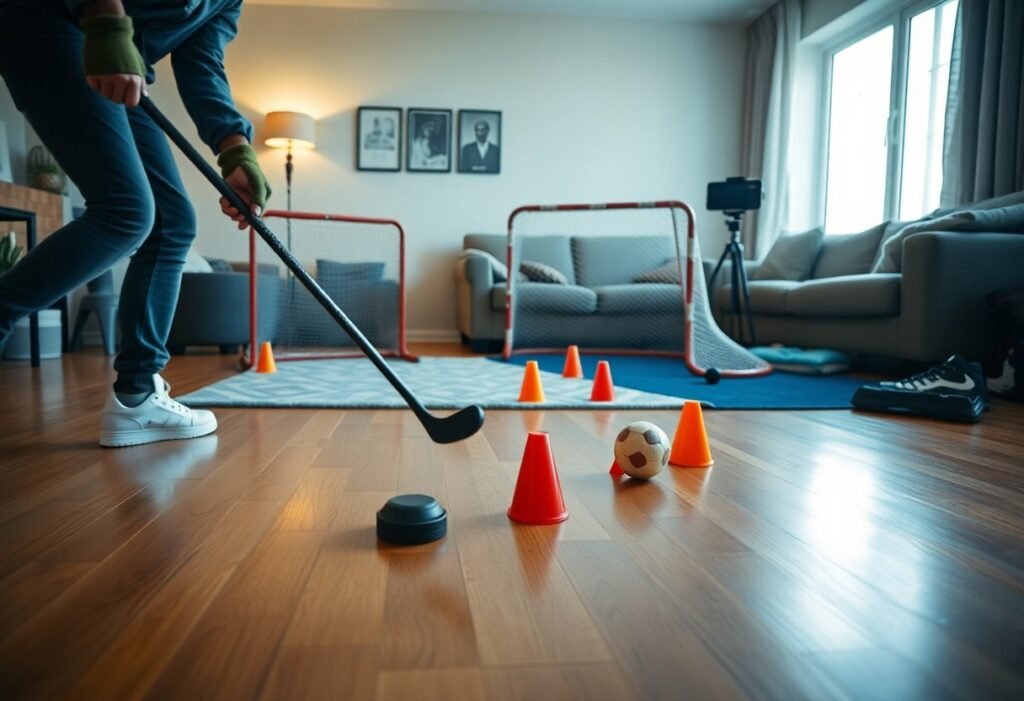
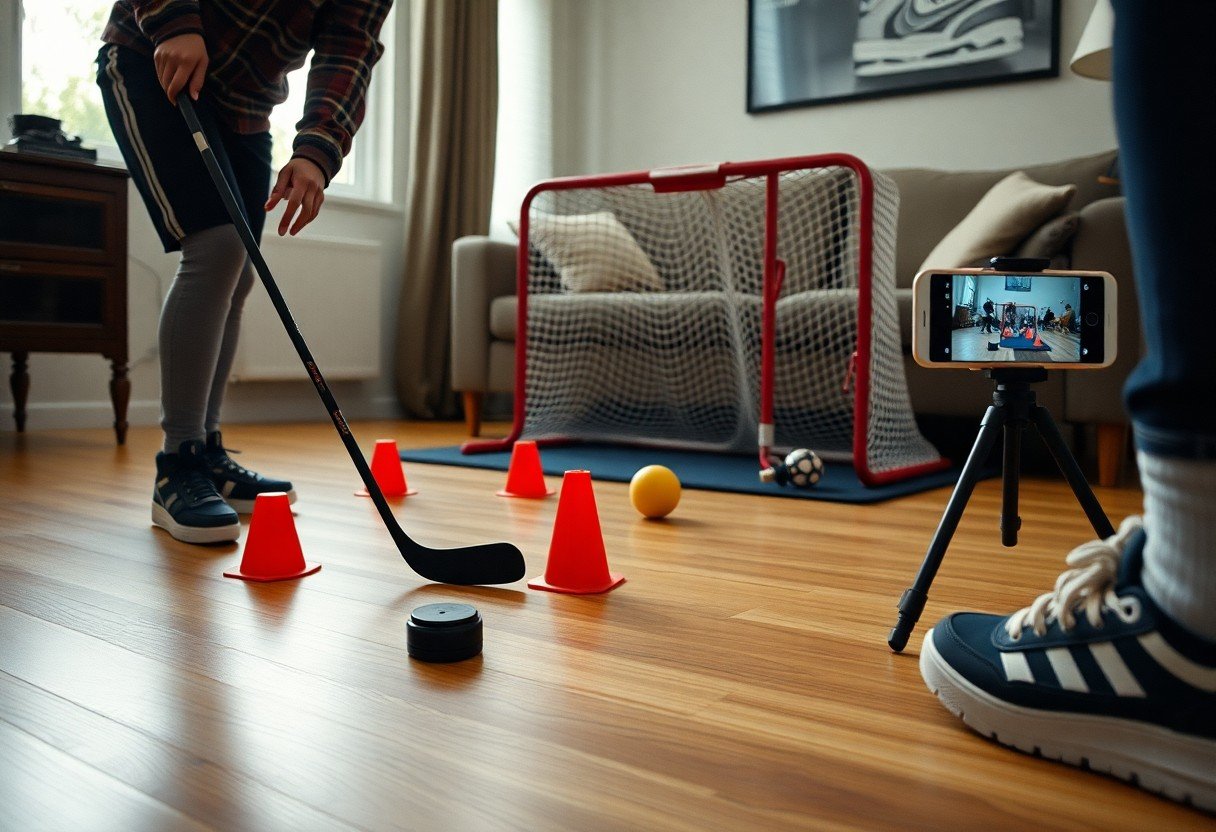
You can set up a slalom using 6-10 items (water bottles, shoes, plastic cones) spaced 0.5-1.5 meters apart to work on tight turns and quick hands. Start with 3 sets of 30 seconds, then increase speed or shorten spacing to challenge yourself. Secure rugs and remove breakables; avoid creating tripping hazards. This method directly improves your close control, footwork, and reaction under pressure while using only household gear.
Incorporating Ball Handling Skills
Use a tennis ball or soft training ball to add unpredictable bounces and force sharper stick control: stand 2-3 meters from a wall and perform one-touch wall passes for 60-120 seconds, alternating forehand and backhand. Mix in 30-second tight-dribble bursts between sets. These exercises boost your hand-eye coordination and first-touch speed with measurable repetition counts (e.g., 100 one-touch reps).
You should progress with clear drills: 1) 30s tight-circle dribbles around a single object, 2) 50 wall-pass reps at 2m focusing on first-touch control, 3) 3 sets of alternating-hand rebounds to simulate pressure. Track success by counting clean one-touch returns and aim to improve by 10% weekly. Use a softer ball indoors to protect surroundings and prioritize steady, repeatable reps over raw speed.
Common Mistakes to Avoid
Many players stall progress by repeating a few predictable errors: sloppy grip, rushing reps, and lifting your head too early. If you perform 200 fast, incorrect repetitions you reinforce bad patterns; instead aim for sets of 50-100 focused reps with paused checkpoints. Prioritize drills that isolate wrists and puck/ball control, and mark the most hazardous errors with deliberate correction-gripping too tight and ignoring wrist action cause the biggest long-term setbacks.
Poor Grip on the Stick
Gripping too high or squeezing the shaft eliminates wrist flexibility and reduces touch, so you lose control on quick dekes and passes. If you hold the top hand near the end and keep the bottom hand about 4-6 inches above the blade, you preserve leverage and wrist roll. Do three 50-rep sets of light-grip passing, and film one set to confirm your hands stay relaxed-tight grip increases forearm fatigue and error rate.
Lack of Focus on Technique
Rushing through drills at game speed before mastering form trains poor habits; you should slow to 40-60% speed for the first 100 reps of a new move. Practice 10-15 minutes per day on deliberate technique work-use controlled toe-drags, inside-out rolls, and wall passes in sets of 30-50. Emphasize smooth wrist motion and consistent blade angle; quality reps beat quantity for long-term improvement.
Start by breaking each drill into micro‑skills: 3 sets of 30 slow toe-drags focusing on wrist pivot, 2 minutes of stationary figure-eights to lock blade positioning, then 2 sets of 25 paced transitions to full speed. Record one set and compare frame-by-frame to spot elbow flare or shaft tilt. Only increase velocity when you hit about 80% technical consistency; otherwise you’ll simply ingrain mistakes that take weeks to undo.
Tracking Progress and Setting Goals
You should log drill times, success rates, and video clips to spot trends; count puck touches in a 60‑second drill, record turnovers, and aim for a 5-10% weekly gain in speed or reps. Share clips or ask for critique in the Easy At home drills to improve your stick handling group to get concrete feedback.
Measuring Improvement Over Time
Use objective metrics: successful dekes per 60 seconds, cone‑weave time, and turnovers per drill. Film monthly in slow motion to compare hand position and head‑up time; a clear benchmark is shaving 0.5-1.0 seconds off a 6‑cone run within four weeks. Track at least 3 sessions weekly to avoid false positives from single good days.
Setting Realistic Practice Goals
Choose specific, measurable targets like 10 minutes of daily stick handling, increasing touch rate by 8-10% over four weeks, or cutting turnovers to under three per drill. Break goals into weekly steps, schedule recovery days, and treat each goal as adjustable based on your logged data.
Structure sessions with progressive overload: start 3×60‑second high‑intensity intervals (60s rest), increase touches or speed by ~5% weekly, and allocate ~40% of reps to your weaker side. Warm up 2-3 minutes and finish with puck protection; if pain or fatigue appears, reduce intensity for 48 hours because overuse is the main danger to steady progress.
Summing up
From above, by practicing varied stick-handling drills at home you will sharpen your puck control, hand speed and puck protection; set consistent short sessions, progress difficulty, focus on tight hands and head-up awareness, use obstacles and both sides of the body, and track measurable goals to transfer skills confidently to game situations.
FAQ
Q: What basic stick handling drills can I practice at home?
A: Start with stationary puck taps (quick lateral taps using only wrists), figure-8s around your feet to improve forehand-backhand transitions, toe-drags to develop puck pull-ins and quick directional changes, puck circles around the stick blade to enhance blade control, and cone or bottle weave drills to practice tight turns. Perform each drill for 30-60 seconds, 3-5 sets, focusing on smooth touches and gradual speed increases.
Q: What minimal equipment and space do I need to train effectively at home?
A: Use a lightweight indoor puck or a ball designed for stickhandling, a well-gripped stick, flat non-skid footwear, and a smooth area free of breakables. Mark lines with tape for stride and turning references and set up plastic cones, water bottles, or household items as obstacles. If you have a rebounder or a wall, add passing drills; otherwise keep drills stationary or with short shuffles to limit required space.
Q: How should I structure a practice session and progress over time?
A: Warm up with 5-10 minutes of dynamic mobility, then cycle through 4-6 drills with 30-60 seconds work and 15-30 seconds rest, repeating the circuit 2-4 times. Increase difficulty by adding speed, reducing touch size, using one-handed variations, narrowing obstacles, or adding a passive defender (stick or broom). Track progress with timed sets, touch counts, or video to monitor hand speed and puck control.
Q: How can I simulate game pressure and decision-making while training alone?
A: Add constraints that force quick choices: set up targets to hit after a sequence, alternate drill patterns on a whistle or metronome, perform head-up stickhandling where you must call out a number or color spotted in the room, or integrate short sprints between reps to simulate recovery under fatigue. Use a rebounder or bounce passes off a wall to practice receiving and immediate transitions.
Q: What common mistakes should I avoid and which corrective drills help them?
A: Avoid gripping the stick too tightly, relying only on wrists without body movement, dropping your head to watch the puck, and making large, slow swings. Correct with hands-only quick taps to loosen grip, slow-motion toe-drags focusing on blade placement, head-up drills where you scan while handling, and close-quarters weave work to force compact movements. Consistent slow-to-fast progression fixes technique without ingraining bad habits.