
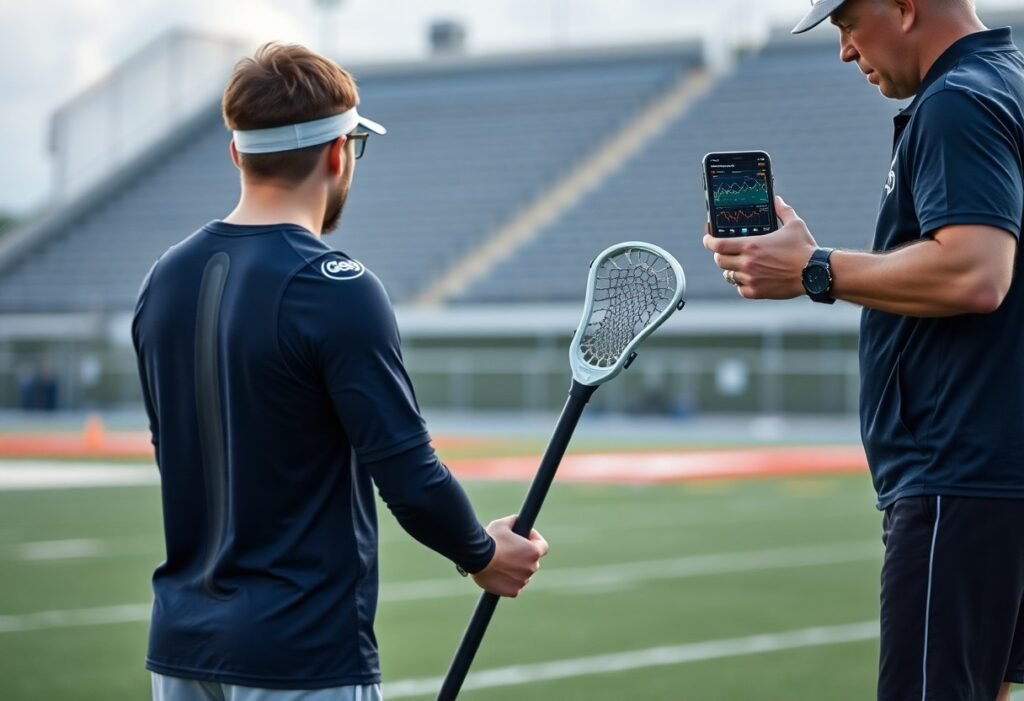
Just using sensor-equipped gear and connected apps lets you measure speed, shot power and fatigue in real time, giving coaches actionable insights while also exposing impact forces and concussion risk; you must manage data privacy and sensor calibration to avoid false readings. Embrace these tools to sharpen your technique and reduce injury while tracking progress objectively.
Key Takeaways:
- Sensors and wearables capture objective on-field metrics – shot velocity, stick motion, sprinting, impacts and biometric load – enabling targeted skill and conditioning work.
- Mobile apps and cloud platforms aggregate sensor data, sync video, visualize analytics and deliver coach/player feedback for individualized training plans.
- Ongoing performance tracking supports load management, technique refinement and scouting decisions, but requires attention to sensor accuracy, data security and cost of adoption.
Overview of Smart Technology in Lacrosse
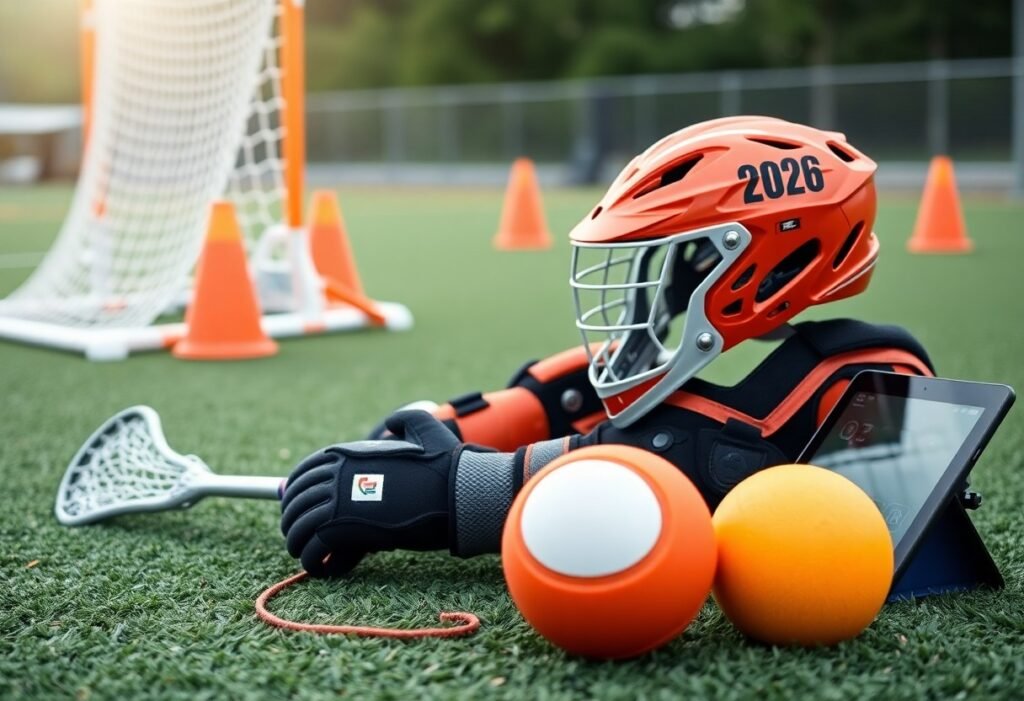
Teams increasingly layer sensors, wearables and dedicated apps into practice to quantify skills, workloads and injury risk; you often see 10 Hz GPS and IMUs sampling 100-1,000 Hz on rosters. Manufacturers supply stick sensors for shot metrics and helmet units for impact monitoring, while analytics platforms fuse streams into coaching-ready reports. Thou you should treat these tools as performance amplifiers that demand protocol, calibration and contextual interpretation.
Definition and Importance
You use smart tech to convert movement into actionable metrics: inertial sensors, GPS and video analytics turn reps into load, shot and positioning scores; teams that monitor load report improved availability and fewer non-contact soft-tissue issues. Coaches then individualize training and recovery based on objective thresholds and trend lines, improving practice ROI. Thou you must apply data governance and context so metrics support, not replace, coaching judgment.
- IMU sensors
- GPS tracking
- Stick sensors
- Helmet impact sensors
- Performance apps
Types of Smart Tech Available
Several device classes dominate: body-worn vests and sleeves for workload, stick-mounted IMUs for shot speed and release angle, helmet sensors for impacts, 10 Hz GPS for spacing and speed, and video/AI platforms for tactical analysis; integration often requires syncing at millisecond resolution. Programs from youth to pro combine streams to contextualize decisions and track longitudinal trends. Thou you should evaluate sampling rate, battery life and data latency when selecting systems.
- Wearables (vests, sleeves)
- Stick-mounted IMUs
- Helmet impact units
- GPS/positioning systems
- Video + AI analytics
| Wearables | Workload (playerLoad), heart rate, 8-20 hr battery |
| Stick sensors | Shot speed, release angle, spin rate |
| Helmet sensors | Impact magnitude, event tagging for head contact |
| GPS units | Distance, sprint count, max speed (10 Hz typical) |
| Video/AI | Positional heatmaps, automated play tagging |
You should weigh sensor specs: common wearables offer ~8-20 hours battery, GPS at 10 Hz and IMUs at 100-1,000 Hz, while stick sensors record angular velocity to compute shot metrics; in practice, pro and collegiate teams integrating these streams have reduced workload spikes and improved player availability. Thou you must validate accuracy in game-like settings and design pipelines for cleaning, storage and coach-facing visualizations.
- Sampling rate (Hz)
- Battery life (hours)
- Data latency & sync
- Validation in game conditions
- Integration & reporting
| Sampling rate | IMU 100-1,000 Hz; GPS 10 Hz |
| Battery | 8-20 hours typical for wearables |
| Accuracy | Field validation required vs. lab benchmarks |
| Latency | Real-time dashboards vs. batch uploads |
| Reporting | Custom dashboards, alerts, trend analysis |
Sensor Technologies in Lacrosse
IMUs, GPS units and head-impact sensors power modern lacrosse analytics. You rely on accelerometers, gyroscopes and magnetometers sampling between 100-1,000 Hz to capture stick whip, player load and collisions. Teams often combine GPS (1-10 Hz) for positioning with high-rate IMUs for biomechanics. Manufacturers stream data over BLE or proprietary radios into apps for live feedback; sampling rate and sensor placement determine how actionable the metrics are.
Wearable Sensors
Wearables include chest straps, sleeve-mounted IMUs, instrumented mouthguards and smart shorts that measure heart rate, acceleration and rotational velocity. You can track workload (player load), sprint distance and shot mechanics; many systems report heart-rate variability and impact g-forces in real time. In practice, IMUs sampling at 200-1,000 Hz produce motion signatures used to flag technique flaws, and studies suggest targeted workload use lowers soft-tissue injury risk.
Embedded Sensors in Equipment
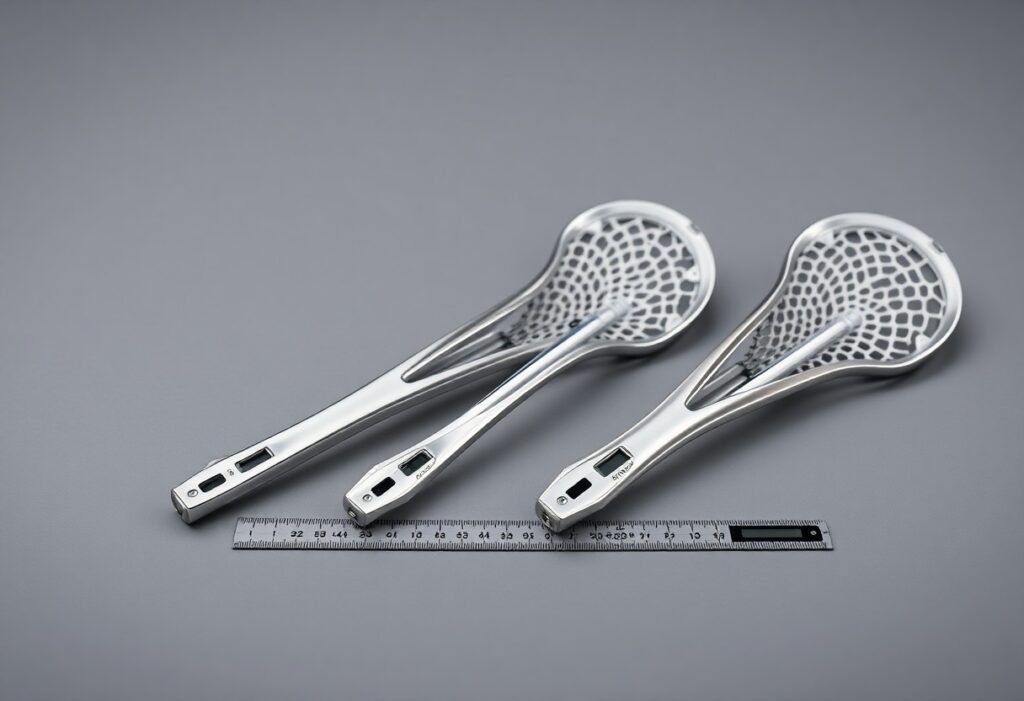
Embedding sensors into shafts and heads adds context: strain gauges and compact IMUs measure bending, twist and ball release timing inside a head’s pocket. You get metrics like dwell time, release angle and shaft flex patterns that correlate with shot speed and accuracy. Trade-offs include added mass and durability concerns; waterproofing, shock tolerance (>200 g) and battery life often dictate whether embedded solutions become game-ready.
Manufacturers typically pair strain gauges with IMUs sampling up to 1,000 Hz, streaming via BLE 4.x/5.0 to apps with latency under 100 ms for near-real-time drills. You should expect trade-offs: embedded modules add 5-30 grams, need shock-rated housings and offer roughly 6-12 hours battery life depending on duty cycle. Calibration to each head/shaft is mandatory, and cloud analytics convert raw bend and release-time data into coaching cues like release-angle heatmaps.
Mobile Applications for Lacrosse Players
Apps now bundle video, wearables and team management into one interface. Hudl is used by hundreds of NCAA lacrosse programs for clip breakdown, Catapult and STATSports link GPS/IMU data at ~10 Hz into a single dashboard, and TeamSnap handles availability and scheduling. You can compare session totals, filter by position, and export CSVs for deeper analysis; real-time video and GPS overlays make postgame reviews far more objective.
Tracking Performance Metrics
Sensors feed apps with distance, sprint count, acceleration and impact data. Typical match loads range from 5-9 km per player, with GPS at 10 Hz capturing top speed and high-intensity runs; coaches use metrics like PlayerLoad, sprint count and max velocity to adjust training. You can sync radar-measured shot speed and stick-sensor analytics to quantify mechanics and set individualized targets.
Enhancing Communication and Strategy
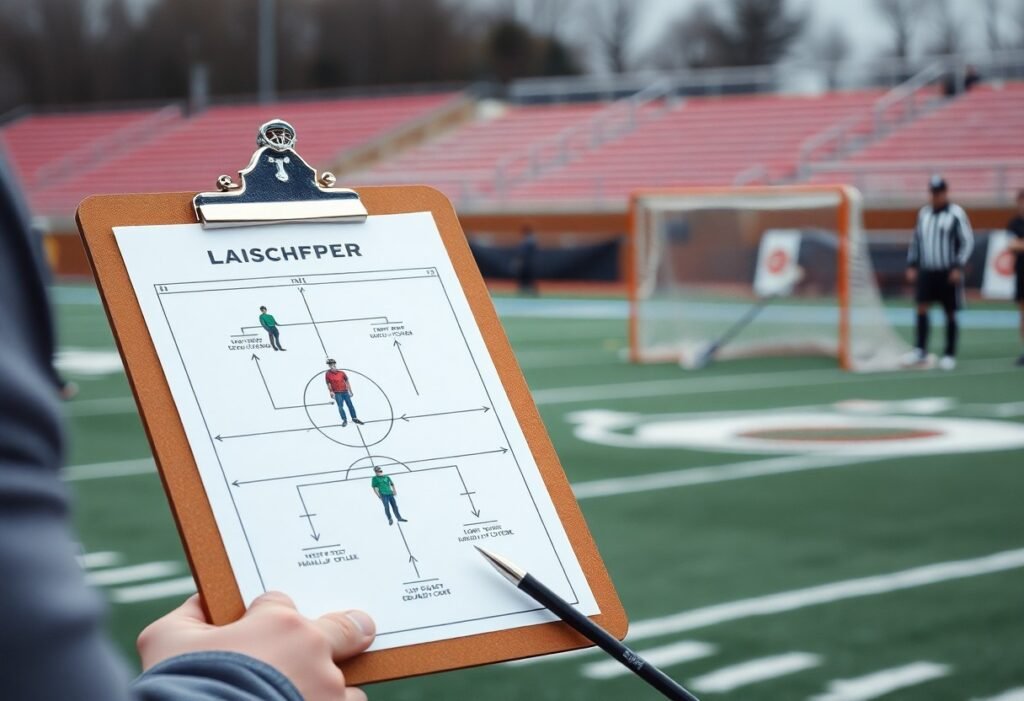
Apps let you share clips, diagrams and assignments instantly. Coaches create Xs-and-Os on a tablet, tag plays live and push short clips to players during halftime; Hudl-style platforms deliver 5-15 second cut-ups linked to GPS traces. You receive tactical notes, lineup changes and practice drills via push alerts, enabling real-time adjustments and clearer on-field responsibilities.
When a coach tags a defensive slide, the app compiles a 5-10 clip sequence and pushes a playlist (often 20-50 clips) that you can watch on your phone pre-game. Heatmaps and opponent-tendency modules highlight where clears originate and which players shoot from high-percentage zones. Use voice notes and drawn plays for quick clarification, and avoid posting tactical clips publicly to prevent opponents from exploiting your game plan.
Performance Tracking and Analytics
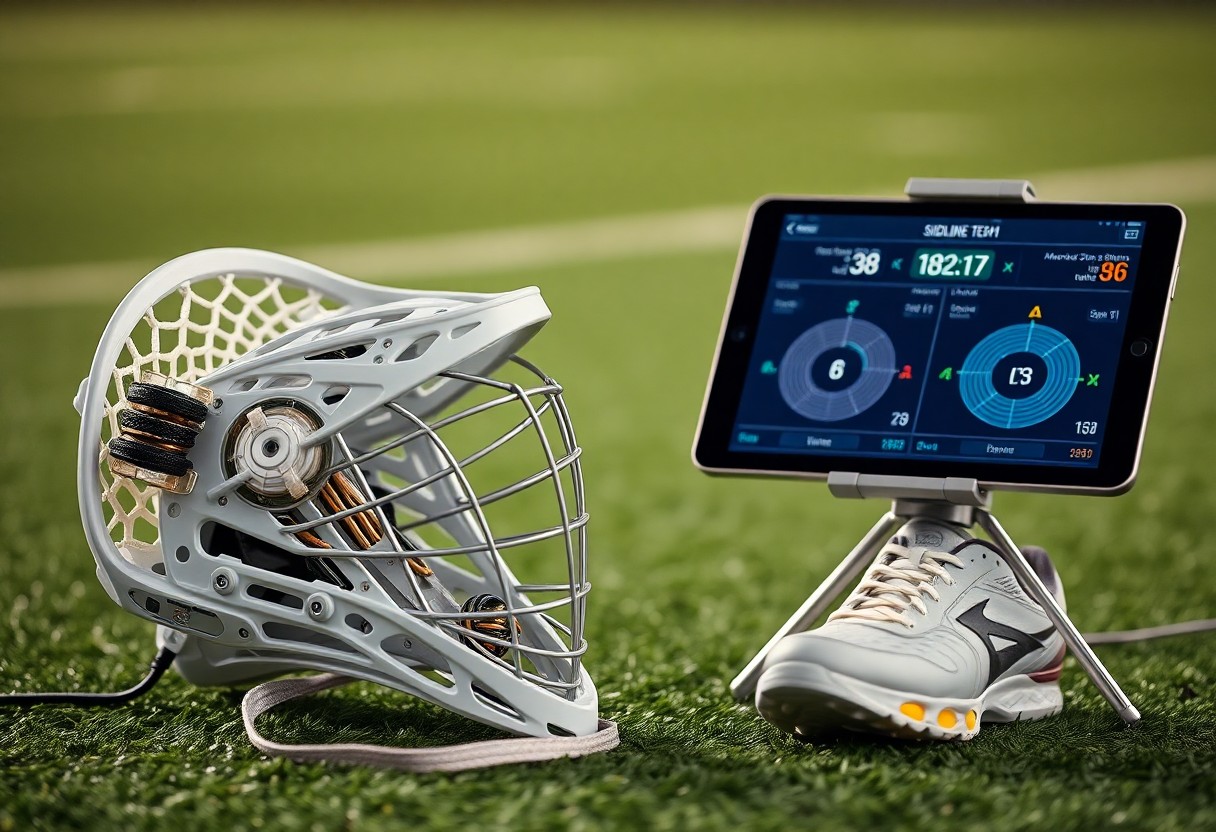
Sensors and platforms now give you play-by-play metrics-GPS at ~10 Hz for distance and top speed, IMUs at ~100 Hz for stick motion and impact, plus synced video-so you can quantify things like shot velocity, release point, and sprint load. Teams use dashboards to compare players and set targets, and you can explore deeper methods in The Role of Technology In Lacrosse Training. Higher workloads without monitoring raise injury risk, while measured progress yields clear performance gains.
Data Collection and Analysis
You capture accelerometer, gyroscope and GPS data, then derive metrics such as peak linear acceleration (g), rotational velocity (deg/s), shot speed (mph) and distance covered (m). Sampling at 50-200 Hz lets algorithms compute release angle and stick-path signatures; cloud analytics use clustering and supervised models that often reach >85% lab-classification accuracy for shot types, enabling per-session baselines and automated alerts when your metrics deviate from norms.
Impact on Training and Development
You can use workload metrics to manage acute:chronic workload ratios-keeping the ACWR roughly between 0.8-1.3 is linked to lower injury incidence-and to prescribe individualized drills based on sprint counts, peak speed and shot mechanics. Coaches translate sensor data into targeted sessions: speed intervals for sprinters, reactive shooting reps for attackers, and vestibular rehab triggers for players with repeated head impacts.
For implementation, you should integrate sensor thresholds into practice plans: flag impacts >80 g for head-assessment, set shot-speed targets and track adherence, and program progressive overload using weekly sprint volume and recovery metrics. Using video-synced metrics, you can run 4-8 week interventions with objective KPIs (e.g., top speed, shot consistency) to validate improvement and reduce guesswork in development plans.
Benefits of Smart Tech in Lacrosse
You get data that turns intuition into measurable gains: GPS, inertial sensors, shot sensors and apps let you track shot speed, release time, sprint splits and recovery metrics. Coaches using these tools report 5-12% measurable performance improvements across a season, faster decision-making, and more targeted conditioning. That translates into clearer practice objectives, reduced wasted reps, and faster progression for individual skills like shooting and footwork.
Improved Player Performance
Using on-stick sensors and high-frame video analytics you can quantify shot velocity, release time to the hundredth of a second, and positional patterns. Biofeedback drills informed by sensor data often cut release time by tenths of a second and improve shot accuracy; teams also track sprint splits and acceleration profiles to tailor drills, producing measurable gains in shot power and decision speed during games.
Enhanced Injury Prevention
Monitoring workload with metrics such as PlayerLoad, GPS distance and heart-rate variability lets you spot overload early: spikes in the acute:chronic workload ratio above 1.5 are associated with higher injury risk. That lets you flag at-risk players, modify sessions, and prioritize recovery to reduce soft-tissue strains and overuse problems by aligning load with individual readiness.
When you combine HRV, sleep tracking and accelerometer deceleration counts you build a fuller fatigue profile; many programs then implement protocols to reduce training load by about 20% after a significant ACWR spike. Adding video-tagged contact events and impact readings also quantifies concussion exposure, enabling sensor-guided return-to-play progressions instead of subjective judgments.
Challenges and Considerations
Privacy and Data Security
You should treat sensor and video streams as sensitive: GPS, biometric heart-rate traces and high-frame-rate video can re-identify players and reveal tactics or locations. Regulations like GDPR and COPPA affect youth teams, while HIPAA can apply to medical data. A high-profile example is the 2018 Strava heatmap that inadvertently exposed military sites; similar leaks in lacrosse could expose travel patterns or injury histories. Encrypt data-at-rest and in-transit, enforce role-based access, log all queries, and have explicit consent and retention policies to reduce legal and reputational risk.
Accessibility and Cost
You’ll face wide cost variation: basic stick or wearable sensors run about $75-$250 each, camera systems range from roughly $2,000-$12,000, and team analytics subscriptions commonly cost $20-$150/month. Phone-based apps lower entry barriers but require compatible devices and stable connectivity. Smaller or community programs can be priced out, creating a performance gap between elite and grassroots teams unless you plan for sharing, phased rollouts, or sponsorships.
More info: you can cut per-player expense by sharing equipment-buying 10 sensors at $150 each across a 30-player roster equals about $50 per player. Grant programs, school-district bulk purchases, and manufacturer loaner schemes reduce upfront spend. Also consider open-source analysis tools and edge-processing sensors to avoid high cloud fees and dependence on constant bandwidth, which helps teams in rural areas keep running costs low while maintaining useful analytics.
Summing up
Smart tech gives you objective metrics to refine technique and optimize training load. It helps reduce injury risk and supports data-driven decisions in games and practice. Integrating these tools into your routines turns raw data into clear, actionable feedback. This allows you to improve consistency, speed, and tactical awareness across seasons.
FAQ
Q: What kinds of smart technology are used in lacrosse and how do they differ?
A: Smart lacrosse tech includes several categories. Embedded stick sensors in shafts or heads capture kinematics like angular velocity and release point. Wearable devices such as GPS vests, wristbands, and chest straps track position, speed, and heart rate. Instrumented mouthguards and helmets detect head impacts and orientation. Smart goals and nets quantify shot speed, location, and on-target rate. Software platforms including mobile apps and cloud dashboards aggregate this data. Each category targets different data types and sampling rates. Teams often combine multiple devices to get a fuller picture of skill, fitness, and safety.
Q: Which performance metrics can lacrosse sensors and apps measure and how should they be used?
A: Common metrics include shot speed, release angle, and time-to-release. Also track pass velocity and accuracy, catch success rate, sprint count, top speed, acceleration and deceleration, total distance, player load, heart rate zones, and impact magnitude and location.
Apps aggregate these into session summaries, trend reports, and drill-specific feedback. Use metrics to quantify mechanics such as consistent release point. Monitor external load and recovery to reduce overuse. Design position-specific conditioning programs. Track skill progress over time.
Combine objective metrics with video and coach observation. Turn numbers into targeted drills and measurable goals.
Q: How do coaches and players integrate sensor data and apps into daily training and game planning?
A: Integration typically follows a workflow. Collect standardized data during practices and games. Sync it to an app or dashboard. Review automated summaries and flagged events. Translate insights into drills, load prescriptions, and tactical adjustments.
Common practices include syncing video with sensor events. Set threshold alerts for workload or high-impact events. Schedule high-intensity versus recovery sessions based on load trends. Use leaderboards or skill challenges to motivate players.
Start small by picking two or three metrics that align with team goals. Build protocols for data collection, review cadence, and coach-player communication.
Q: What accuracy and validation issues should teams be aware of when using lacrosse sensors?
A: Accuracy varies by sensor type, placement, sampling frequency, and proprietary algorithms. Stick-mounted modules can misread when placement shifts. GPS in dense stadiums can lose precision. Accelerometers may produce false positives or misclassify movements.
Validation steps include calibration before sessions and consistent device placement. Compare sensor outputs to gold-standard tools during baseline testing. Monitor firmware updates and algorithm changes from vendors. Understand each vendor’s reported error margins. Interpret trends more reliably than single-session absolute values.
Q: What are the practical considerations around battery life, durability, data privacy and cost?
A: Battery life ranges from a few hours for high-sample-rate stick sensors to multiple days for some GPS wearables. Plan charging and spare units for all practices and games.
Durability factors include water resistance, shock tolerance, and whether sensors are embedded or removable. Data considerations cover ownership, consent, storage location, and retention policies. Verify whether the vendor shares anonymized data. Ensure contracts specify rights and compliance with local privacy laws.
Cost models vary. You may choose one-time hardware purchases with optional software subscriptions. Alternatively, hardware-as-a-service involves ongoing fees. Evaluate ROI by pilot-testing on a subset of players. Measure impact on training efficiency, injury prevention, and performance gains.