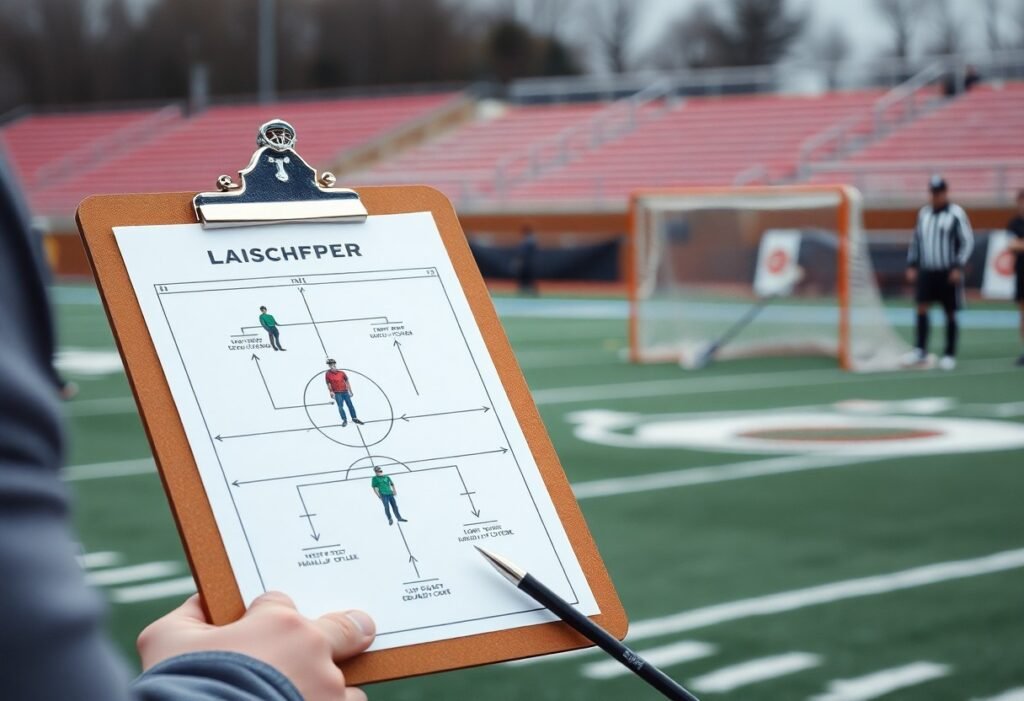

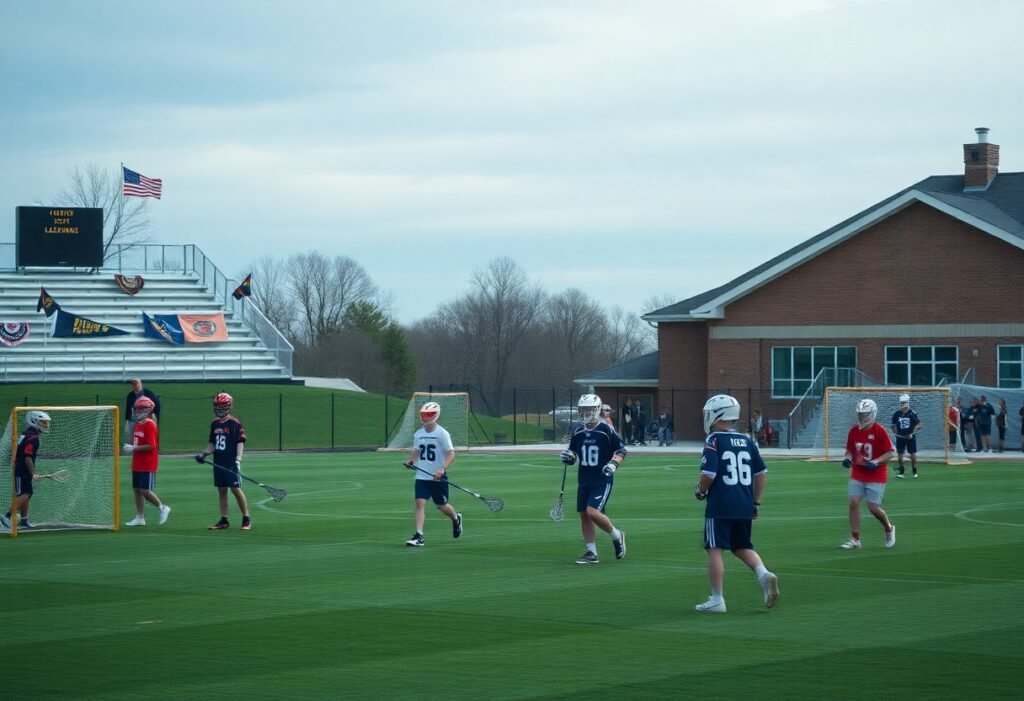
Many towns and cities now host thriving lacrosse programs, and as you watch the sport’s rapid growth you see how it transforms youth development, college recruitment, and professional opportunities; at the same time you must confront the concussion and contact injury risks that drive rule changes and equipment innovation, while appreciating lacrosse’s community-building, inclusivity, and deep Native American roots that shape its evolving culture and your role as a player, coach, or fan.
Key Takeaways:
- Participation has grown rapidly and geographically-youth, high school, and college programs are expanding beyond the Northeast into the South and West, with gradual increases in player diversity.
- Culture combines tradition and innovation: the women’s game and box lacrosse are rising, club and community identities are strengthening, and social media is broadening fan engagement.
- Investment in college programs, pro leagues, coaching, and media is increasing access and visibility, but equipment costs, facility availability, and equity remain barriers to wider inclusion.

History of Lacrosse in the USA
As you trace the sport’s American arc, you see Indigenous play recorded from the 17th century evolve into organized competition; William George Beers’ 1867 codification in Canada helped spur standardized rules, Northeastern colleges formed teams in the late 1800s, and institutional growth produced the NCAA men’s championship (1971) and women’s championship (1982). You can connect that lineage to professionalization and youth booms that reshaped how the game reaches players and fans.
Origins and Indigenous Roots
When you study origins, Haudenosaunee and other Indigenous nations stand central: games called baggataway or tewaarathon served spiritual, diplomatic, and communal roles, sometimes involving hundreds of players on fields miles long. You witness continuity today in the Haudenosaunee Nationals’ international presence and in cultural practices that keep the sport deeply tied to ceremony, healing, and community identity.
Evolution Through the Years
You observe rapid institutional change from club play to modern leagues: late 19th-century colleges like Harvard, Princeton and Johns Hopkins established early programs, rulebooks standardized play, and organized competitions multiplied through the 20th century. Standardization and collegiate rivalry created pipelines that fed high school and youth growth, while international competition and media coverage amplified lacrosse’s national footprint.
For more detail, you should note policy and market shifts: Title IX (1972) accelerated women’s collegiate programs, professional leagues such as MLL (founded 2001) and PLL (founded 2018) raised visibility, and growing concussion awareness prompted youth-safety rule changes and equipment updates that continue to shape participation and coaching practices.
The Rise of Lacrosse Popularity
You’ve seen lacrosse leap from a regional pastime to a national spectacle: the Premier Lacrosse League launch in 2019 and the MLL-PLL consolidation in 2020 amplified media exposure, while grassroots clubs and televised pro games helped draw in hundreds of thousands of new players and fans. As attention grows, so do broadcast deals and sponsorships that fund development-but you also confront a sharper focus on player safety, with concussion and contact risks now driving rule and equipment changes.
Growth in Youth Programs
Younger players now find organized lacrosse in states that lacked programs a decade ago, with community clubs and school leagues expanding into the Sun Belt and Midwest. Coaches report dozens of new youth leagues in cities like Dallas and Atlanta, and initiatives from governing bodies supply coaching curriculum and affordable equipment grants. While that expansion opens pathways to college, you should weigh the increased travel and specialization that can raise injury exposure for developing athletes.
Expansion into Colleges and Universities
You witness steady varsity growth as colleges add lacrosse to attract students and boost athletics profiles; historic programs like Syracuse and Maryland set competitive standards while mid‑tier schools create new opportunities. Conference realignment and the promise of scholarship packages have encouraged many institutions to start or elevate programs, and that institutional investment has improved facilities, recruiting pipelines, and national competition depth.
Digging deeper, you notice conference incentives-automatic NCAA bids and media packages-often prompt schools to commit resources, and Title IX dynamics have particularly increased women’s varsity offerings. Case studies show smaller universities leveraging lacrosse to grow enrollment and alumni giving, but you must balance that with rising operational costs and the need for qualified staff to manage athlete welfare and compliance.
Lacrosse Culture and Community
You see lacrosse culture woven into city neighborhoods and reservation lands alike, with volunteer coaches, alumni boards, and summer camps sustaining local identity; hubs like Baltimore, Long Island and Syracuse host packed high-school rivalries and club tournaments. Community festivals and the Iroquois Nationals’ international presence keep heritage front and center, while community-run youth leagues and college feeder programs maintain steady growth and intense local pride.
Local Leagues and Clubs
You can join youth travel teams, high-school clubs, or adult rec leagues that operate year-round; regional hubs in Maryland and upstate New York run competitive spring seasons and summer recruiting tournaments. Clubs often feed NCAA programs and elite showcases, but access varies by resources-travel fees and recruiting expenses frequently determine who reaches the highest levels.
Influence of Professional Teams
You watch professional leagues shape playstyle and visibility: the PLL and NLL deliver televised games, highlight-driven recruiting, and social-media narratives that inspire younger players. Pros visiting schools and hosting clinics convert spectators into participants, and player-led clinics and televised exposure drive equipment sales and spike local registrations where programs are nascent.
You can see tangible effects when pros tour: PLL weekend events and NLL indoor showcases pair games with free youth clinics, school visits, and charity gear drives. Paul Rabil’s camps and team outreach programs often coincide with measurable upticks in enrollments, and partnerships between pro teams and manufacturers provide scholarships and gear that lower barriers and boost sustained growth in nearby youth programs.
Women’s Lacrosse: A Growing Force
As you follow expansion across regions, women’s lacrosse now benefits from collegiate pathways and pro options like Athletes Unlimited (launched 2021), while international interest rises – see The Global Growth of Lacrosse. You can spot stronger club ecosystems in the Sun Belt and West, and heightened media attention that is accelerating recruitment and sponsorship opportunities for players at every level.
Historical Context and Development
Tracing roots from Indigenous play to formalization in British schools, women’s lacrosse arrived on U.S. campuses in the early 20th century and evolved through rule and equipment changes. You can see the legacy in how women’s rules prioritized agility and stick skills; over decades those rules shifted to allow more contested play and added protective gear, creating the modern, faster game you now watch at high school and college levels.
Current Trends and Participation Rates
Participation is expanding fast: Division I programs offer a 12-scholarship equivalency, while youth clubs report rapid growth in non-traditional states like Texas and California. You’ll notice more girls entering organized play earlier, and recruiting pipelines stretching nationwide, producing deeper talent pools and tougher competition at every age group.
Additionally, you should factor in off-field changes: Title IX legacy, the 2021 NIL era, and pro opportunities have raised player visibility and resources. Many high school programs now partner with clubs for year-round training, boosting skill development and college readiness, and driving a measurable increase in competitive depth across regions.

The Role of Technology and Media
Streaming deals and social platforms have moved lacrosse from local fields to national feeds: you now find college championships on major networks and highlight reels across Instagram, TikTok, and YouTube, giving the sport broader exposure. At the same time, data tools let programs track engagement and convert viewers into participants, while you should watch for incentives that reward flashy, high-risk play driven by viral clips.
Coverage and Broadcasting
ESPN and NBC platforms regularly carry top college games and professional events, and services like Peacock and ESPN+ (with over 20 million subscribers) extend reach via streaming. You benefit when national broadcast windows bring sponsors and recruiting visibility, but paywalled streams and fragmented rights can limit access for casual fans and youth programs, creating both opportunity and friction for growth.
Social Media Influence
Short-form video on Instagram and TikTok (each with over 1 billion users) plus YouTube make lacrosse highlights and behind-the-scenes content instantly shareable, helping you discover players and local clubs quickly. Viral clips drive interest and registrations, while misinformation about technique or safety can spread just as fast if unchecked.
Teams and players now treat content as part of their recruiting and branding: you’ll see programs post daily drills, game highlights, and athlete takeovers to build fandom. The PLL and college programs amplify marquee moments with packaged highlights that routinely reach tens to hundreds of thousands of views, converting online attention into ticket sales and youth sign-ups. Analytics guide what you see-teams A/B-test formats, measure watch time, and push content that hooks younger audiences-but that same engine can promote risky, imitation-worthy plays, so coaching staffs increasingly pair media with safety messaging and technique breakdowns to protect player development.
Future Prospects for Lacrosse in the USA
Trends and Predictions
You should expect continued momentum as professional visibility and grassroots participation grow: the Premier Lacrosse League launched in 2019 and college programs added dozens of teams over the last decade, while networks like ESPN and NBC increase coverage. Youth expansion is strongest in nontraditional regions such as Texas and Florida, and you’ll see more club-to-college pipelines and tech-driven training (video analytics, wearable sensors) shaping player development and recruitment.
Challenges Ahead
You will confront persistent barriers: injury and concussion concerns from increased contact, plus rising costs-equipment, club fees and travel can exceed $1,000 per season for many families-limiting access in lower-income and urban communities. Facility shortages and a coach-development gap also slow sustainable growth despite high demand.
You can address these by expanding certified coach education (US Lacrosse coaching modules, background checks and concussion training), targeted grant programs for field construction and scholarships, and rule adaptations at youth levels to reduce contact. Case studies from state associations that funded inner‑city clinics show measurable increases in retention when equipment subsidies and local volunteer pipelines are provided.
To wrap up
Conclusively, as lacrosse expands across the USA you see its blend of athleticism, strategy, and community shaping youth programs, collegiate competition, and professional leagues; your engagement-whether as player, coach, or fan-helps preserve traditions while driving innovation, ensuring the sport’s culture stays inclusive, competitive, and deeply connected to local identities.
FAQ
Q: What key factors have driven the rapid growth of lacrosse in the USA?
A: Growth has been driven by expanded youth programming, club and travel-team infrastructure, increased high school and collegiate offerings, and a rising professional presence that raises visibility. Investment in coaching, multisport athletes adopting lacrosse, social media exposure, and targeted outreach in nontraditional regions (Sun Belt, West, urban centers) have all widened the participant base. Title IX and boosted support for girls’ programs have doubled participation among female athletes, while scholarship opportunities and recruiting pipelines motivate sustained involvement.
Q: How has the geographic and demographic footprint of lacrosse changed?
A: Lacrosse has moved beyond its Northeast stronghold into suburbs, Sun Belt states, and western cities, creating distinct regional styles and competitive balances. Demographically, programs are making gradual gains in racial and socioeconomic diversity through urban initiatives, school-based programs, and partnerships with community organizations. However, cost and facility access still produce uneven participation levels, with wealthier regions maintaining higher team density and travel-club prevalence.
Q: What cultural values and traditions shape American lacrosse communities?
A: Lacrosse culture emphasizes team cohesion, field awareness, toughness, and fast-paced, skillful play. There is a strong tradition of alumni networks, summer camps, and feeder systems that link youth, high school, and college programs. Club culture and travel teams influence identity and competitiveness, while local high school rivalries and college affiliations often define community support. Increasingly, programs also emphasize character development, leadership, and community service as part of player growth.
Q: How do Native American origins influence modern lacrosse and what are best practices for cultural respect?
A: Lacrosse originates with Haudenosaunee and other Indigenous nations; acknowledging that history is central to ethical engagement with the sport. Best practices include honoring Indigenous terminology and history, consulting Native communities on ceremonies or symbols, avoiding stereotypical mascots or appropriation, supporting Indigenous teams (e.g., Haudenosaunee Nationals), and integrating education about the sport’s origins into youth and collegiate programs. Institutional partnerships and amplified Indigenous voices help preserve cultural integrity.
Q: What are the main challenges and opportunities facing lacrosse growth over the next decade?
A: Challenges include equipment and travel costs, field and facility shortages, and player-safety concerns (concussion protocols and age-appropriate rules). Opportunities lie in lowering financial barriers through equipment libraries and grant programs, expanding school-based physical-education adoption, leveraging broadcast and digital media deals, professional league stability and NIL impacts, and focused diversity and inclusion initiatives. Continued investment in coaching, officiating, and localized outreach will determine whether growth is sustainable and broadly accessible.