
With smart timing and food choices you can maximize energy and recovery: hydrate early and often to prevent dehydration and cramps, eat a pregame meal with fast carbohydrates and moderate lean protein 2-3 hours before play, avoid heavy, high-fat foods that slow you down, and prioritize a postgame mix of carbs, protein, and electrolytes to speed repair and reduce soreness so your next practice benefits.
Key Takeaways:
- Pre-game: eat a high-carb, moderate-protein, low-fat/low-fiber meal 2-4 hours before play; hydrate 16-20 oz (~500 ml) about 2 hours prior and 8-10 oz (~250-300 ml) 15-30 minutes before.
- During play: sip water regularly and use electrolyte drinks as needed; for extended sessions consume 30-60 g easily digestible carbs per hour (sports drink, gels, banana).
- Post-game: within 30-60 minutes take a 3:1 carb-to-protein snack (e.g., chocolate milk, sandwich), rehydrate with fluids and electrolytes, and follow with a balanced meal within 2 hours.
Importance of Nutrition for Lacrosse Players
Good nutrition directly affects how you perform and recover in lacrosse; matches involve repeated sprints and 5-7 km of movement, so glycogen depletion and dehydration can drop your power and decision speed. Fueling strategies change whether you train twice a day or play 60-90 minute games, and targeted choices (timed carbs, electrolyte replacement) reduce injury risk and speed recovery between shifts.
Energy Requirements
Your in-game energy cost often runs about 600-900 kcal/hour, and daily needs can reach 3,000-5,000 kcal during heavy training or tournaments. Aim for 6-8 g/kg carbs per day for high-intensity team play and 1.4-1.7 g/kg protein to support repair. Also track sweat: many players lose 0.5-2.0 L/hour, so replace fluids and sodium to maintain performance.
Performance Enhancement
Timing carbs and adding select supplements raise your output; ingesting 1-4 g/kg carbs 1-4 hours pregame optimizes glycogen, while consuming 30-60 g/hour during extended play sustains sprint repeatability. Low-dose caffeine (~3 mg/kg) can increase sprint power and alertness, and 3-5 g/day creatine boosts short bursts and recovery between shifts. Use evidence-based dosing and test in practice, not on game day.
For example, if you weigh 70 kg, a pregame target of 2 g/kg two hours before yields about 140 g carbohydrates-think a bagel plus banana and yogurt. During play, choose drinks at a 6-8% carb concentration or gels (~25-30 g each) to hit hourly goals. Afterward aim for 1.0-1.2 g/kg carbs plus ~0.3 g/kg protein within 30 minutes to restore glycogen; otherwise you risk reduced sprint repeatability in later sessions.
Pre-Game Nutrition Tips
Dial in carbohydrates as your primary fuel, pair with a small amount of protein to limit muscle breakdown, and top off with steady hydration; aim for 500-750 ml fluid 2-3 hours before kickoff. Favor low-fiber, lower-fat choices to avoid GI distress and skip heavy, greasy meals that slow you down. Use bodyweight and expected intensity to guide portions-target 1-4 g/kg carbs 1-4 hours pregame or a quick 20-40 g carb snack 30-60 minutes out. Knowing you should tweak quantities based on past games and how your stomach responds.
- Hydration: 500-750 ml 2-3 hours pregame, 200-300 ml 10-20 minutes before.
- Carbs: prioritize rice, pasta, bagels, bananas, or sports drinks.
- Avoid high-fat and high-fiber foods close to start to reduce GI risk.
- Protein: 10-20 g in your pregame meal to support recovery.
- Electrolytes: include a sports drink if you sweat heavily or temps are high.
Ideal Foods to Eat
You should choose easy-to-digest, energy-dense options like a plain bagel with honey, oatmeal with banana, a chicken and rice wrap, or white pasta with a light sauce; these supply rapid glycogen replenishment without excess fat or fiber. Favor familiar foods you’ve tested in training to avoid surprises, and include a 20-30 g protein source if your last meal was several hours earlier to help steady amino acids for play.
Timing Your Meals
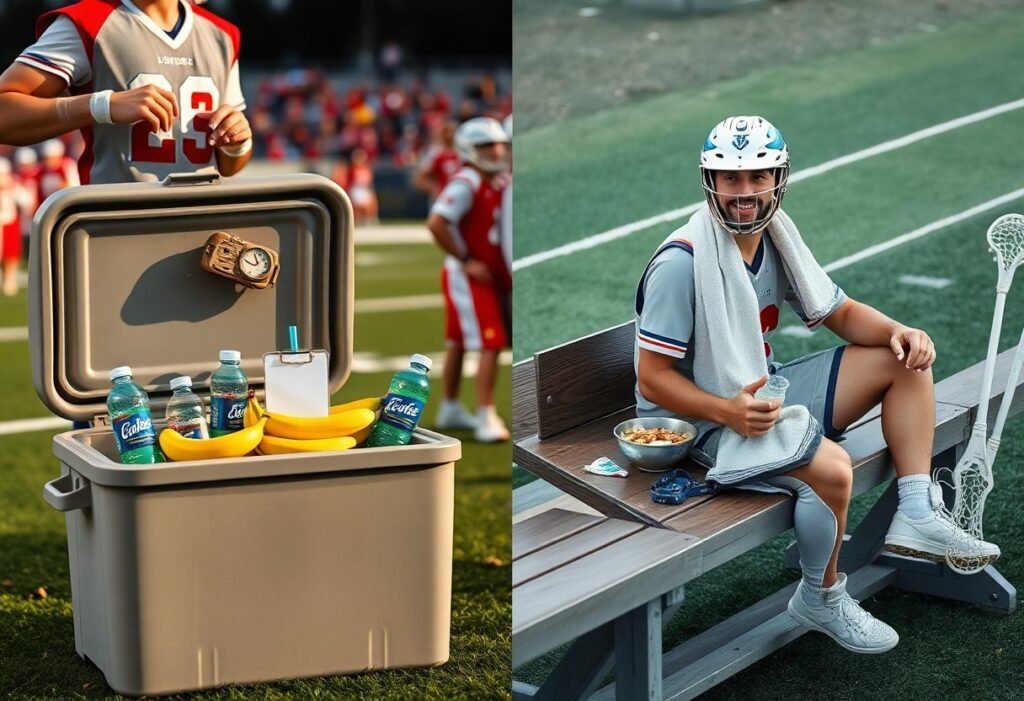
Plan a full meal 2-4 hours before play (balanced carbs + protein), a small snack 60-90 minutes out, or a light carb-only option 20-40 minutes pregame; these windows help you top off stores without feeling heavy and support steady energy release. For example, eat pasta with chicken 3 hours out, Greek yogurt and banana 90 minutes out, or a sports drink/gel 20-30 minutes before.
For practical timing: if you weigh 70 kg, targeting 1-4 g/kg carbs 1-4 hours pregame translates to ~70-280 g carbs depending on the window and intensity-most players find ~1-2 g/kg at 3 hours suits training-day matches. During the last hour choose 20-40 g quick carbs (bananas, sports drink, gel) and sip 150-300 ml every 10-20 minutes in warm conditions; avoid fatty, spicy, or high-fiber meals within two hours to minimize GI upset.
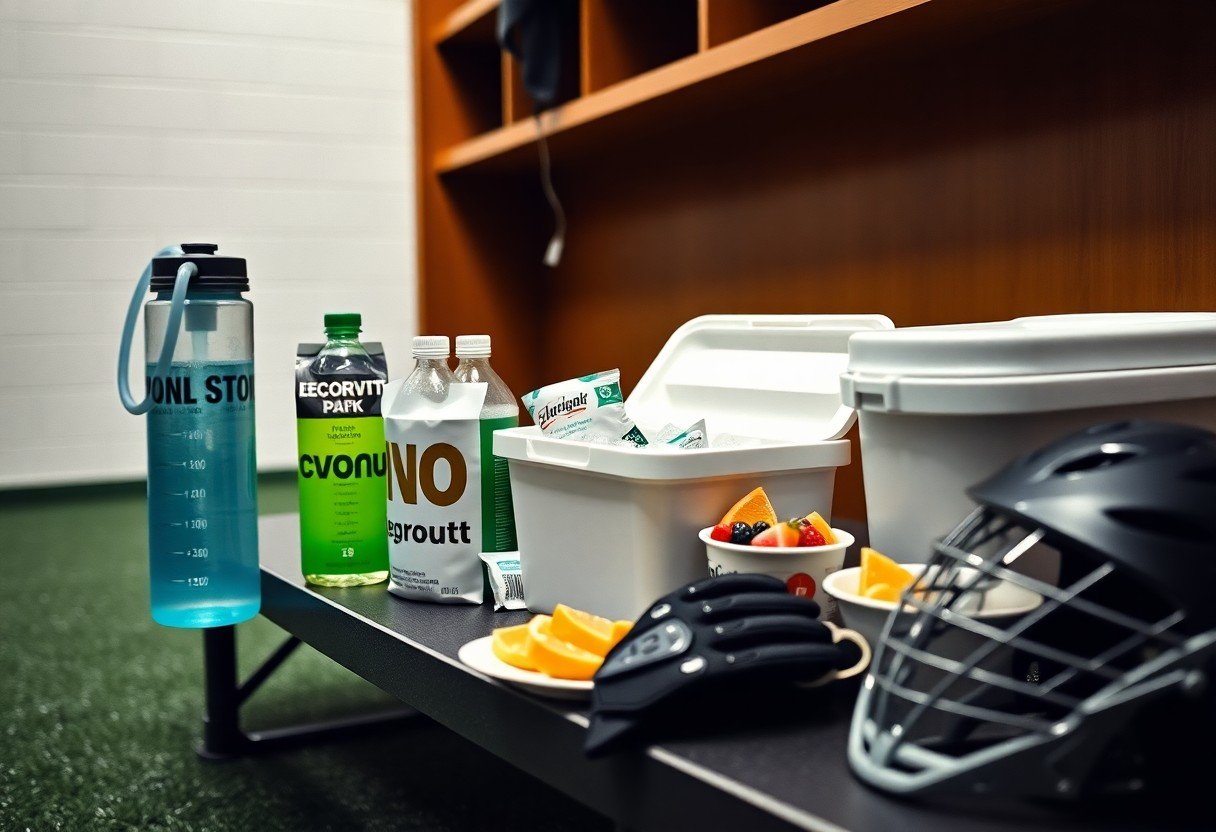
Hydration Strategies
Before the Game
Two to three hours before kickoff drink 16-20 oz (500-600 mL), and about 10-20 minutes prior sip 8-10 oz (250-300 mL) to top off fluids. If you weigh yourself before and after practice to estimate sweat rate, a loss of greater than 2% body weight indicates you need to increase pregame and between-game fluids. Choose a beverage with electrolytes when practicing or playing in heat to improve absorption and retention.
During the Game
Take small, regular sips-aim for 5-8 oz (~150-250 mL) every 15 minutes-and favor a sports drink with a 6-8% carbohydrate concentration for matches longer than 60-90 minutes to sustain energy and replace sodium. Swap water and a carb-electrolyte drink on the sideline, and use scheduled breaks or substitutions to avoid long gaps without fluid.
Monitor your status by checking urine color (pale straw is good) and keeping a baseline weight; if you lose 1-2 lb (0.45-0.9 kg) during play, rehydrate with about 16-24 oz (500-700 mL) per pound lost within the next two hours. Carry a marked bottle, freeze one for a cool sip at halftime, and be cautious about overdrinking plain water in long events since excessive dilution can increase the risk of hyponatremia, so include electrolytes when sweating heavily.
Post-Game Recovery Nutrition
After the final whistle you should prioritize refueling within the first 30-60 minutes: aim for 1.0-1.2 g/kg carbohydrates and ~20-40 g protein to restore glycogen and start muscle repair. Examples include a recovery smoothie (banana, oats, 1 scoop whey), chocolate milk with a turkey sandwich, or 3-4 oz chicken with rice; also replace fluids (16-24 oz) and electrolytes. For pre-game planning and timing see What Should I Eat Before a Lax Game?
Importance of Refueling
Fast refueling directly affects next-day performance by restoring glycogen, limiting muscle breakdown, and reducing soreness so you train at full intensity. You should target 1.0-1.2 g/kg carbs in the first hour plus ~0.3 g/kg protein to maximize recovery; delaying beyond two hours reduces glycogen resynthesis rates and can impair recovery between sessions or games.
Recommended Foods and Snacks
Choose easy-to-digest, nutrient-dense options: chocolate milk, Greek yogurt with fruit and nuts, turkey or chicken wrap on whole-grain bread, hummus with pita, recovery smoothie (banana + 1 scoop whey + milk), or peanut-butter toast. Aim for portions that meet your carb/protein targets-many players need 300-600 kcal post-game-and avoid large high-fat meals immediately because fat slows glycogen replenishment.
For a 75 kg player target ~75-90 g carbs and ~20-25 g protein in the first hour; a practical combo is 2 cups chocolate milk plus a turkey sandwich (≈78 g carbs, ≈36 g protein). If appetite is low prefer liquids-smoothies or chocolate milk speed intake. Also steer clear of sugary sodas and very high-fat snacks right after play, as they impair rehydration and glycogen resynthesis.
Supplements and Vitamins
When you can’t meet all needs from food, targeted supplements can boost performance and recovery: think short-term fixes for heavy tournament schedules or to correct lab-proven deficits. Use them to complement meals-never replace them-and choose products with third-party testing (NSF, Informed-Sport) to avoid contamination. Have a sports RD or physician review dosing, and avoid high-dose or unregulated formulas that may be harmful or contain banned ingredients.
Key Nutrients for Lacrosse Players
Focus on proven options: aim for 20-30 g whey or plant protein post-practice, creatine 3-5 g/day for repeated-sprint power, omega‑3 1-2 g EPA/DHA for inflammation control, vitamin D (typically 1,000-2,000 IU/day unless tests indicate more), iron (women often need 8-18 mg or higher if low), calcium 1,000-1,300 mg, and B12 for vegans. Prioritize whole foods first.
When to Consider Supplements
Start supplements when objective signs appear: bloodwork shows vitamin D <30 ng/mL or low ferritin (~30 ng/mL), dietary patterns (veganism) limit intake, travel disrupts routines, or training volume spikes. Use short, targeted courses during tournament clusters or injury rehab, and avoid multiple new products at once to reduce risk of adverse effects or banned contamination.
Pick supplements with transparent labels and third‑party certification; practical examples include creatine 3-5 g/day, whey 20-30 g within 30 minutes post-session, and vitamin D 1,000-4,000 IU/day only after low labs. Recheck levels in 8-12 weeks, monitor symptoms and interactions, and get clinician approval if you’re on medication, pregnant, under 18, or competing at a level with strict anti-doping rules.
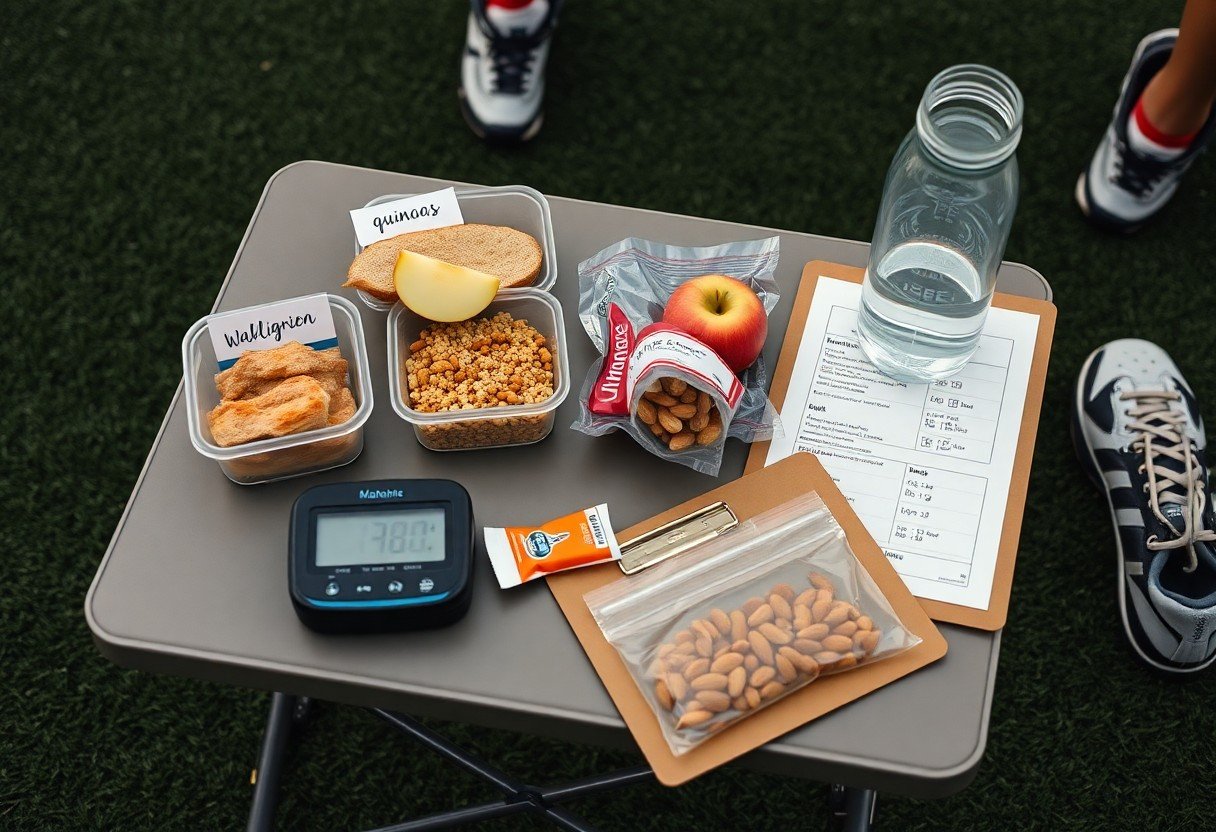
Common Nutrition Mistakes
You often see players underfueling carbs before games, arriving with low glycogen that blunts repeated sprint capacity; failing to hydrate properly-aim for 5-10 mL/kg 2-4 hours before play-or eating high-fiber or high-fat meals close to start time that trigger GI issues. Many also delay recovery feeding or grab only sugary drinks instead of targeting ~1.0-1.2 g/kg carbs plus 20-40 g protein within the first hour after play.
Pre-Game Faux Pas
You shouldn’t rely on huge, fatty meals 1-2 hours before a match or on salad-heavy options that are too fibrous; both slow gastric emptying and cause cramps. Instead, aim for a pregame meal providing ~1-3 g/kg carbs depending on timing (e.g., a 75 kg player needs 75-225 g if eating 1-4 hours prior), avoid excessive fiber, and sip fluids with electrolytes if you sweat heavily to prevent dehydration.
Misunderstandings About Post-Game Nutrition
You might think water alone fixes everything, but rapid recovery needs carbs and protein: target ~1.0-1.2 g/kg carbs and 20-40 g high-quality protein within the first hour to replenish glycogen and maximize muscle repair-so a 75 kg player should aim for ~75-90 g carbs plus 20-30 g protein. Also rehydrate by drinking ~1.5 L for every 1 kg of body mass lost during play.
You can use practical options like chocolate milk, a turkey sandwich and fruit, or a recovery shake with 40-60 g carbs plus 25-30 g protein when time is short; avoid relying solely on soda or energy gels that spike glucose but lack protein and electrolytes. If you have back-to-back sessions, prioritize a quick 30-60 minute feeding then a full meal within two hours, and include sodium in fluids to speed rehydration for heavy sweaters.
Conclusion
On the whole, prioritize carbohydrate-rich meals and adequate hydration before games, paired with moderate protein to fuel performance; after play, focus on timely protein and carbohydrates to repair muscle and restore glycogen, rehydrate with fluids and electrolytes, and allow quality sleep and active recovery so you sustain energy, reduce injury risk, and improve future performance.
FAQ
Q: What should lacrosse players eat 3-4 hours before a game?
A: Aim for a balanced, high-carbohydrate meal with moderate protein and low fat/fiber to minimize gastrointestinal distress. Target roughly 1-4 g carbohydrate per kg bodyweight in the 1-4 hours before play (choose the lower end if closer to game time). Examples: pasta with grilled chicken and a small salad, rice bowl with lean protein and steamed vegetables, or a turkey sandwich on whole-grain bread. Portion control: a 70 kg player would target about 70-140 g carbs in that window depending on timing and individual tolerance.
Q: What are good snacks 30-60 minutes before a game?
A: Choose easy-to-digest, primarily carbohydrate snacks supplying about 20-30 g of carbs to top up blood glucose without heavy digestion. Options: a banana with a small handful of pretzels, an energy gel or sports chews with water, a slice of toast with honey, or 250-300 ml of sports drink. Avoid high-fat, high-fiber, or large-protein snacks that can cause stomach upset during high-intensity play.
Q: How should players manage hydration before, during, and after games?
A: Before: begin well-hydrated by drinking 5-7 ml/kg bodyweight about 4 hours before play; top up with 200-300 ml 10-20 minutes before if needed. During: drink small amounts regularly (roughly 150-300 ml every 15-20 minutes) and use a sports drink with electrolytes for sessions longer than 60 minutes or in heavy sweat conditions. After: replace fluid losses-aim for about 1.2-1.5 L of fluid for every kg of bodyweight lost during activity; include electrolytes and some carbohydrate in recovery fluids when sweat losses were high.
Q: What should the post-game recovery meal contain and when should it be consumed?
A: Begin recovery nutrition within 30-60 minutes post-game: a combination of carbohydrate and protein speeds glycogen replenishment and muscle repair. Targets: 20-40 g high-quality protein plus 0.5-1.2 g carbohydrate per kg bodyweight in the early recovery period; for rapid glycogen restoration after multiple sessions, aim for ~1.0-1.2 g/kg/hour of carbohydrate for the first 4 hours. Examples: chocolate milk and a banana, chicken and rice with vegetables, a smoothie with milk, fruit, and protein powder, or Greek yogurt with granola and fruit.
Q: Which supplements or practical aids can help performance and recovery for lacrosse players?
A: Evidence-based options include: caffeine (3-6 mg/kg 30-60 minutes pre-game for improved alertness and power if tolerated), creatine monohydrate (3-5 g daily to support strength and repeated-sprint ability), and electrolyte tablets or sports drinks when sweat losses are high. Protein powder and carbohydrate gels can be convenient for meeting immediate macronutrient targets. Avoid unverified products, high-dose single-ingredient mega-doses, and anything not batch-tested if subject to anti-doping rules.