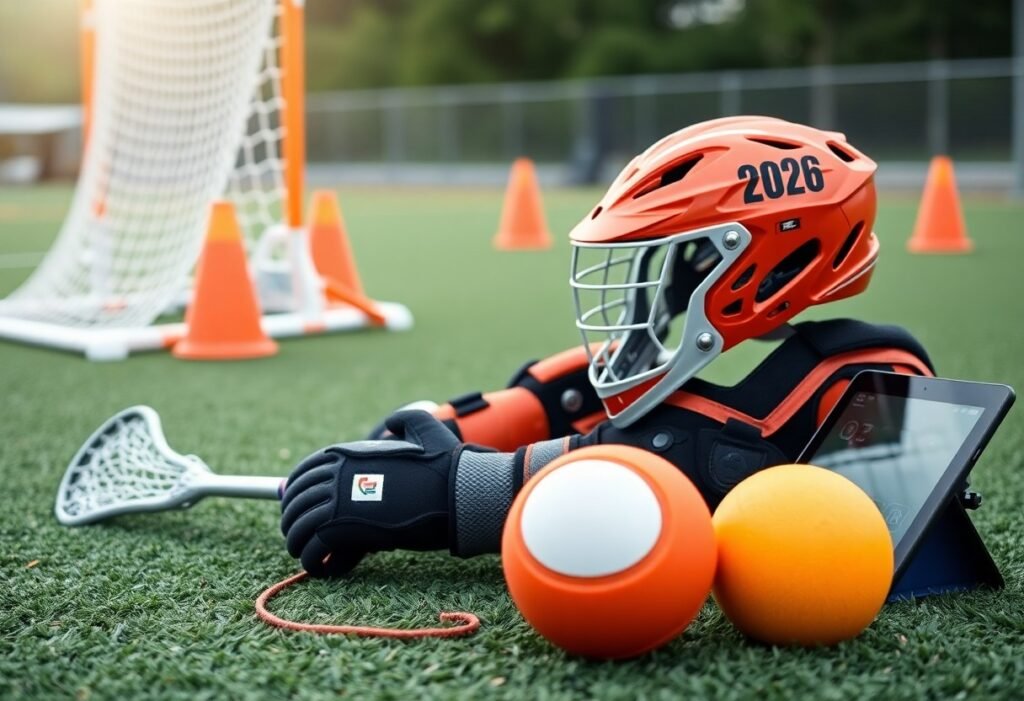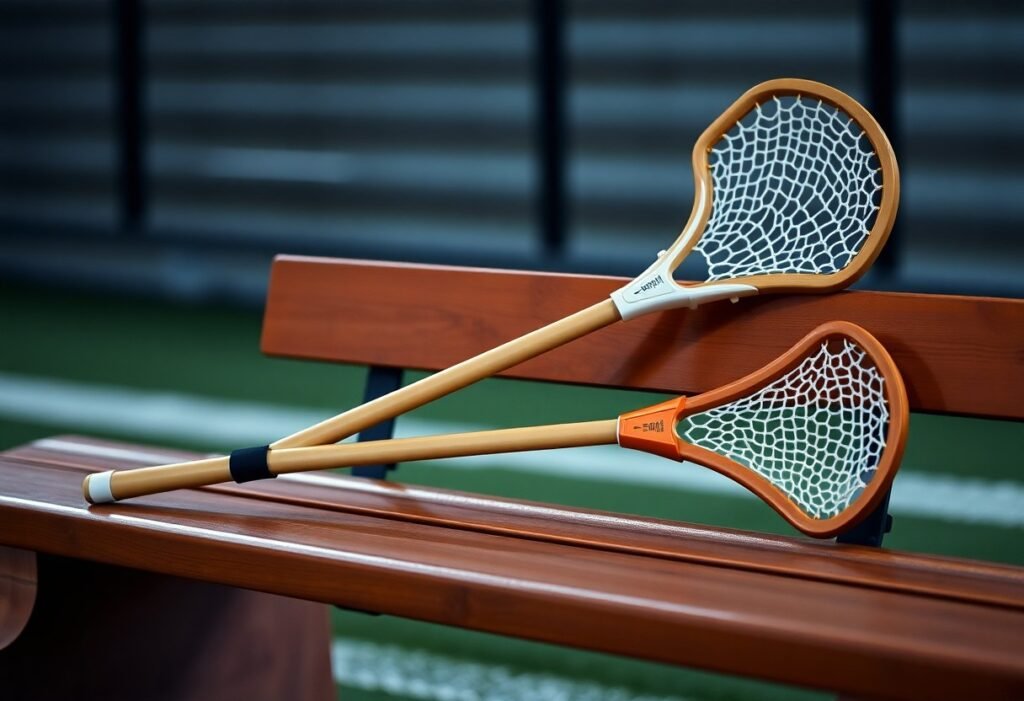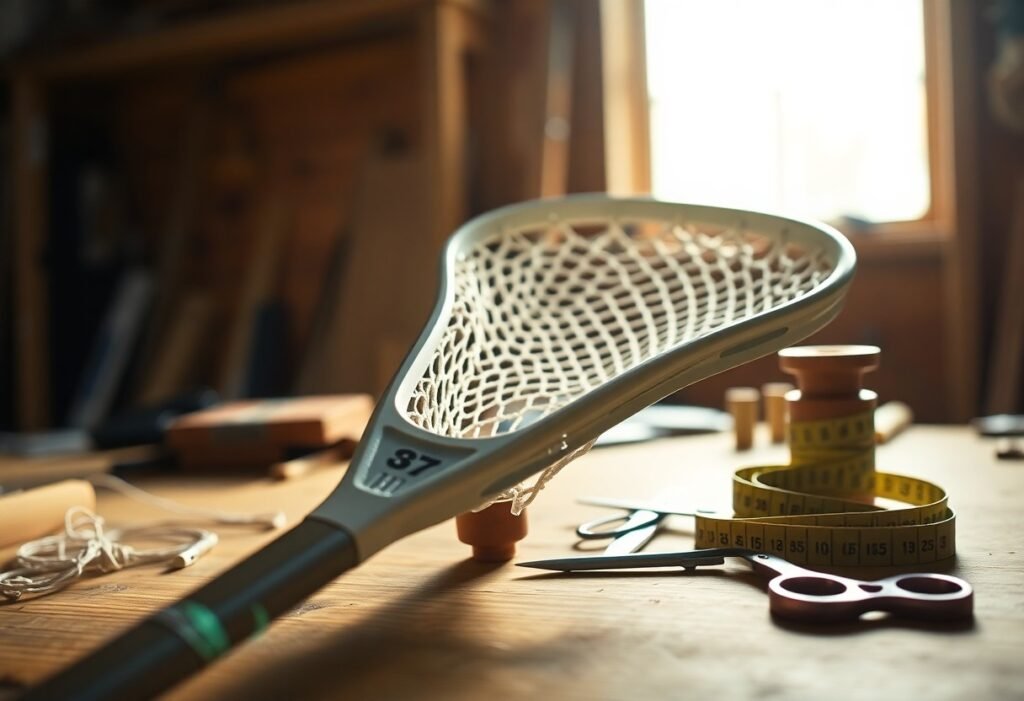

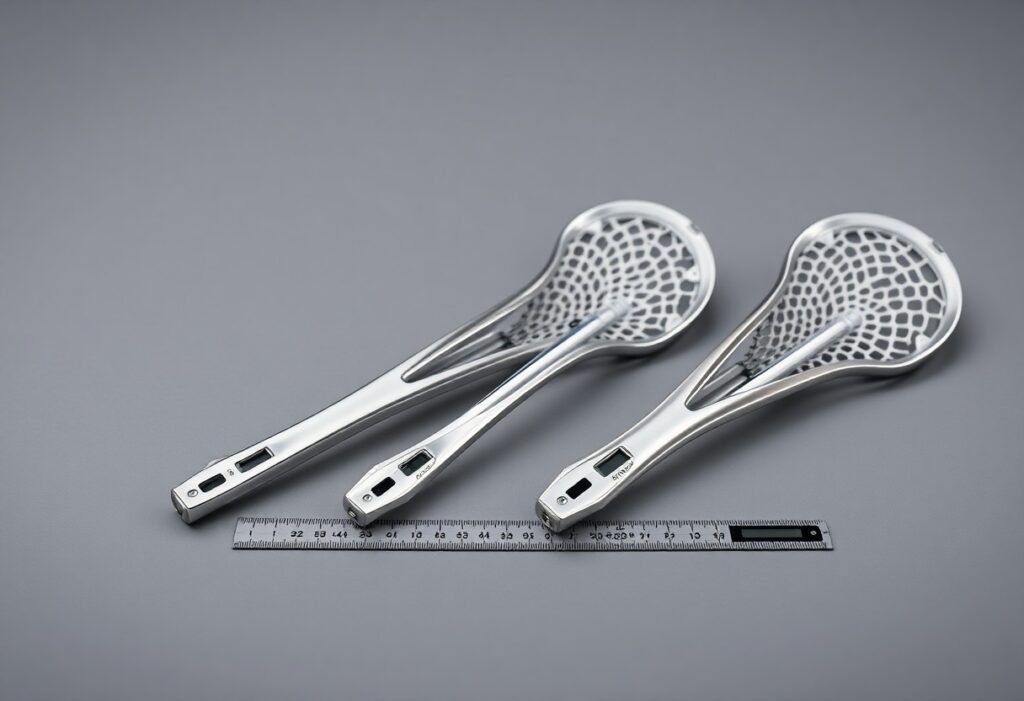
Stick selection shapes your game: you must match shaft length, pocket, and head to your position-attackers favor shorter shafts and shallow pockets for quick hands while defenders use longer shafts for reach. A too-short shaft can leave you exposed defensively, an illegal pocket risks penalties, and the right pocket boosts control and shot accuracy. Test options until your stick complements your skills and play style.
Key Takeaways:
- Match stick length and head type to position: attack/midfield favor shorter shafts and offensive heads for control and quick shots; defense requires longer shafts and wider heads for reach and checks; goalies need larger heads and deeper pockets within rules.
- Select shaft material and flex for your style: lighter carbon/alloy shafts improve handling and speed, while sturdier alloys/composites offer durability and power; pick stiffness that balances shot power with ball control.
- Choose pocket depth and stringing for handling and legality: higher, shallower pockets for quick releases and passing; deeper pockets for retention and protection during checks; verify pocket depth and head specs meet league rules.
Understanding Lacrosse Positions
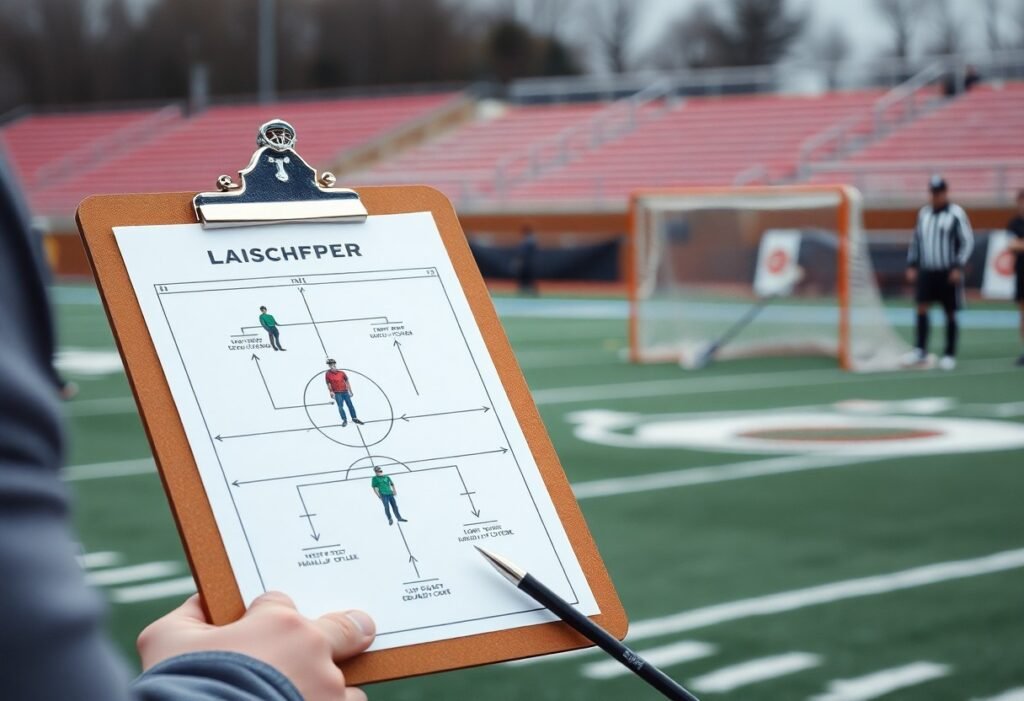
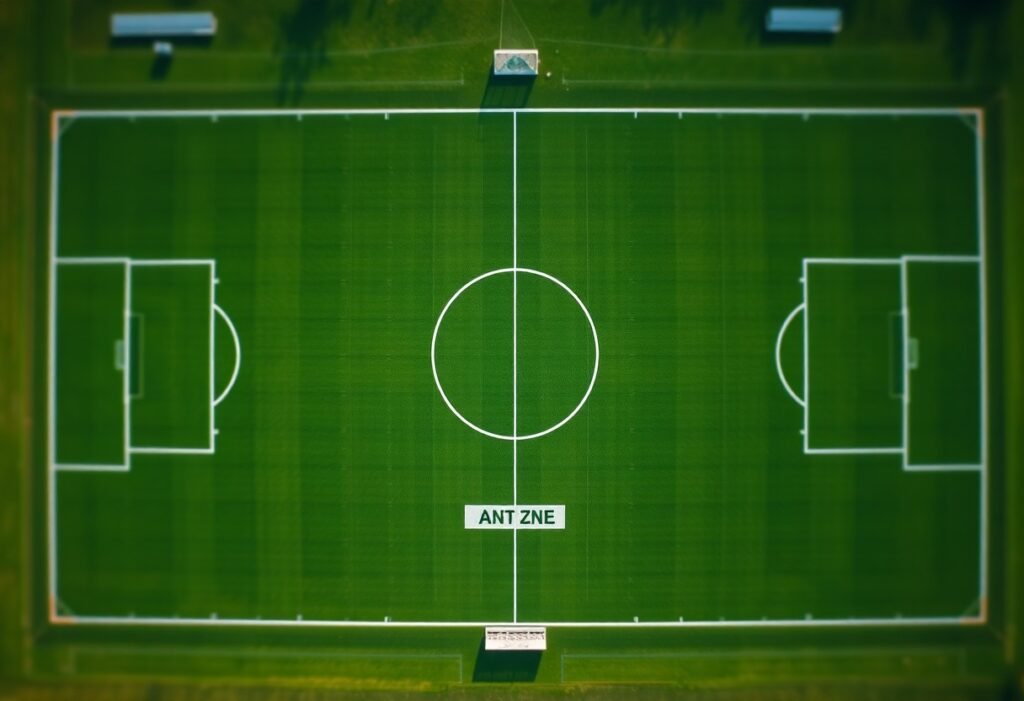
You already play within four role groups-attack, midfield, defense and goalie-and the 10-player on-field split (3 attack, 3 midfield, 3 defense, 1 goalie) directly affects stick choice. Attackers use shorter shafts for quicker releases, midfielders need balanced reach for transition, defenders rely on long poles to disrupt passes and checks, and goalies want wider heads and deeper pockets to secure saves. Matching these specifics speeds your development and performance.
Key Roles in Lacrosse
Attackers typically run 30-32 inch shafts with heads built for quick shots and tight ball control. Midfielders often choose 40-42 inch shafts to blend carrying, passing and defending. Defenders and LSMs favor long poles-most commonly around 60 inches-for extended reach and poke checks. Goalies use larger heads (roughly 10-12 inches) and reinforced shafts to handle high-velocity shots. Use these role benchmarks when testing sticks.
Position-Specific Needs
Pocket depth, head shape, shaft length and material each change how your stick performs: shallower pockets speed release, deeper pockets improve cradle security, and stiffer heads give more checking leverage. Attackmen usually pick heads with a tighter mid-pocket and nimble shafts; defenders want stiff heads and longer shafts for leverage; midfielders aim for balanced weight and a versatile head. Prioritize the feature that addresses your most frequent in-game task.
For a practical example, if you take most shots inside the 12-15 yard range, lean toward a head that promotes a quick whip and a 30-32 inch shaft. Conversely, if you drop back on clears and face frequent ground-ball battles, choose a 60-inch pole with durable mesh and a stiffer shaft to absorb checks. Also consider shaft material: composite for lighter feel and vibration damping, alloy for cost-effective durability-let your role dictate the trade-off.
How to Determine Your Ideal Stick Length
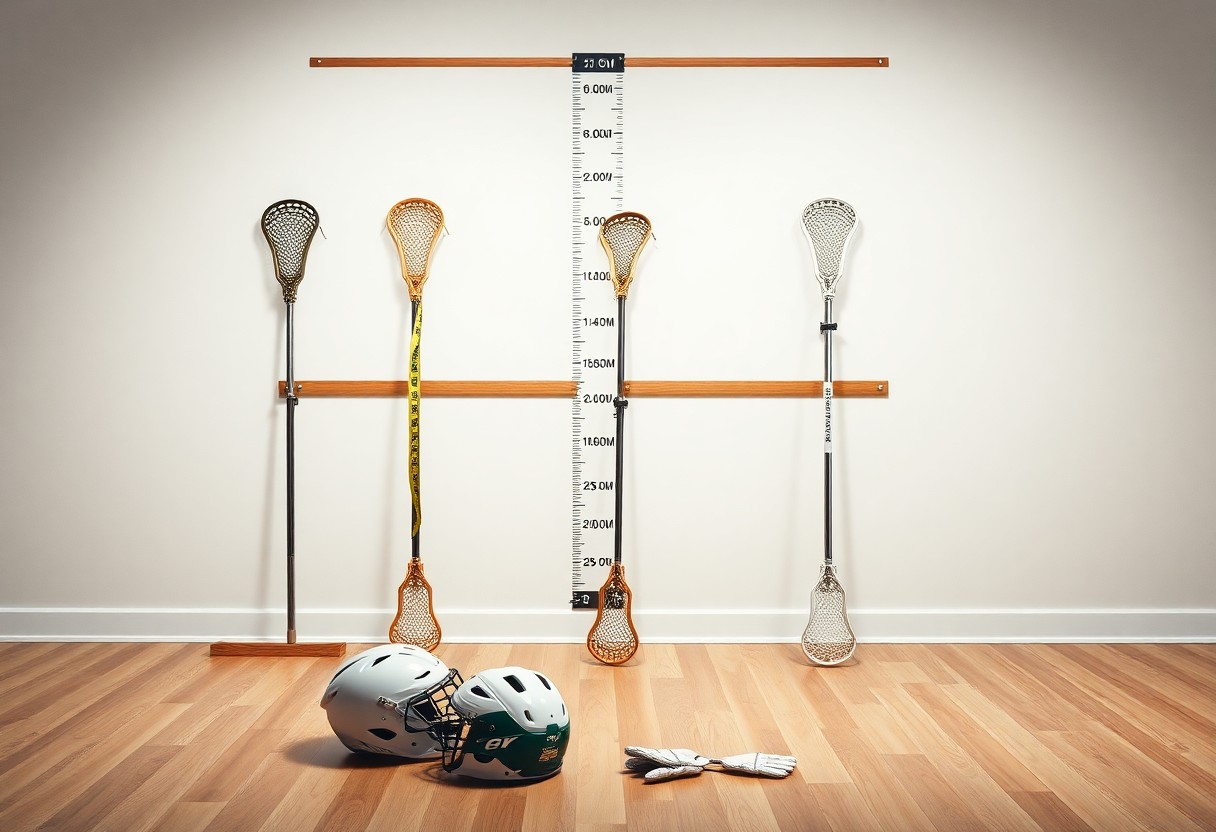
Use league limits, position demands, and your height to pick length: most short sticks sit at 40-42 inches for attack/midfield and long poles range 60-72 inches for defense/LSM. You should factor in playing style-if you prioritize ball control pick the shorter end; if you prioritize reach and poke-checking pick the longer end. Test within those ranges in practice and check your league’s equipment rules before game day.
Height and Stick Length Guidelines
If you’re under 5’2″ aim for a 40″ short stick, between 5’2″ and 5’8″ try 41″, and above 5’8″ 42″ often fits attack roles; for defenders under 5’8″ start around 60″, 5’8″-6’2″ try 60-66″, and over 6’2″ consider 66-72″. Youth players should size down by 1-2 inches. Use these ranges as starting points, then adjust based on reach, handling, and clearing comfort.
Adjusting for Position
As an attackman you’ll likely choose the 40-41″ range for tighter ball control and faster dodges, while midfielders often sit between 40-42″ depending on faceoff or transition duties; defenders and LSMs benefit from 60-72″ for extended poke checks and lift advantages. If you play multiple roles, pick a compromise length or carry a second stick so you can switch based on matchups and situational needs.
To fine-tune, borrow sticks in practice and change by 1-2 inches to sense differences: you’ll notice shorter sticks speed up cradle and stick-side dodges, while each extra 2-4 inches on a pole increases reach but can slow stick-to-stick quickness. Coaches commonly let players test variations over several scrimmages; use that feedback and prioritize what helps you win 1v1s and clear the ball under pressure.
Choosing the Right Head for Your Position
Match head shape, offset and pocket depth to your role: most modern heads weigh between 4.5-6 ounces, low sidewalls and pronounced offset favor ball control and quick releases for attack, while higher sidewalls and reinforced throats add durability and reach for defense. You should prioritize pocket placement, stringing pattern and scoop design-these change release speed, catch radius and how the head behaves under stick checks during game-speed play.
Attack vs. Defense Heads
Attack heads are typically narrower with lower sidewalls and shallower pockets to speed release and enhance feel for dodging and shooting; a pinched scoop helps cradle the ball during quick moves. Defense heads trade finesse for reach: you get wider profiles and stiffer sidewalls to cradle checks and poke away passes, though that can add weight and slightly reduce ball control during fast transitions.
Goalie Stick Considerations
Goalie heads are generally 2-3 inches wider than field heads and use deeper pockets to trap high-velocity shots; you need a robust throat and reinforced sidewalls to withstand repeated impacts. Your choice of mesh and stringing should prioritize rebound control-tighter centers and harder mesh reduce unpredictable hops-while keeping the legal pocket depth for your league to avoid turnovers or penalties.
For more detail, focus on scoop shape, sidewall stiffness and mesh type: a squared scoop aids ground-ball pickups, thicker sidewalls lower head flex on saves, and mesh choices (hard vs. soft) change how the ball sits and releases. Test heads with simulated shots at 70-90 mph to evaluate rebound and feel, and always check league pocket-depth rules before finalizing stringing to avoid illegal pocket issues that cost possessions.
Importance of Stick Weight and Balance
Your stick’s weight and balance directly affect how you pass, shoot, and defend; a 1-2 ounce difference alters feel over a full game. Lighter shafts let you react faster and reduce arm fatigue, while heavier shafts add power to shots and checks but increase swing inertia. Balance point shifts change cradle control and poke-check timing-players often tweak end caps or tape to move the balance an inch for better handling. Incorrect balance increases turnover risk on clears and defensive plays.
Lightweight vs. Heavier Options
Choosing between a lightweight shaft (quicker hands, faster release) and a heavier shaft (more momentum and shot force) depends on your role: attack and midfield typically favor light for dodges and quick passes, while long-stick defenders or players who take power shots may prefer extra mass. Expect a practical tradeoff-shaving 1-2 ounces improves quickness but can reduce raw shot speed by a measurable amount in sprint and shooting drills. Field-tested setups vary by player.
- lightweight – faster hands, lower fatigue.
- heavier – more power, stronger checks.
- This choice depends on your position, playstyle, and whether you value control over force.
Personal Preference Factors
Your comfort will often override specs: grip texture, shaft flex, and where the balance point sits determine confidence on ground balls and in traffic. You may accept a slightly heavier stick for stability when scooping or prefer a sub-2-ounce reduction to extend endurance through a long tournament day. Test changes in live reps-small differences compound over 60 minutes. Personal feel tends to dictate long-term selection.
You can run simple, repeatable tests: compare release speed and accuracy across 10-20 shots after swapping shafts or adding tape; many players record a 1-3 mph variation while noticing faster recovery with lighter setups. Try adjusting end-cap weight by an ounce to move the balance point an inch and evaluate cradle control during 5-minute drills. Small tweaks often become decisive over a season.
- grip – impacts control during dodges and checks.
- shaft flex – changes release timing and perceived power.
- This iterative testing with tape, end caps, and different shafts reveals your optimal setup for game conditions.
The Role of Shaft Material in Performance
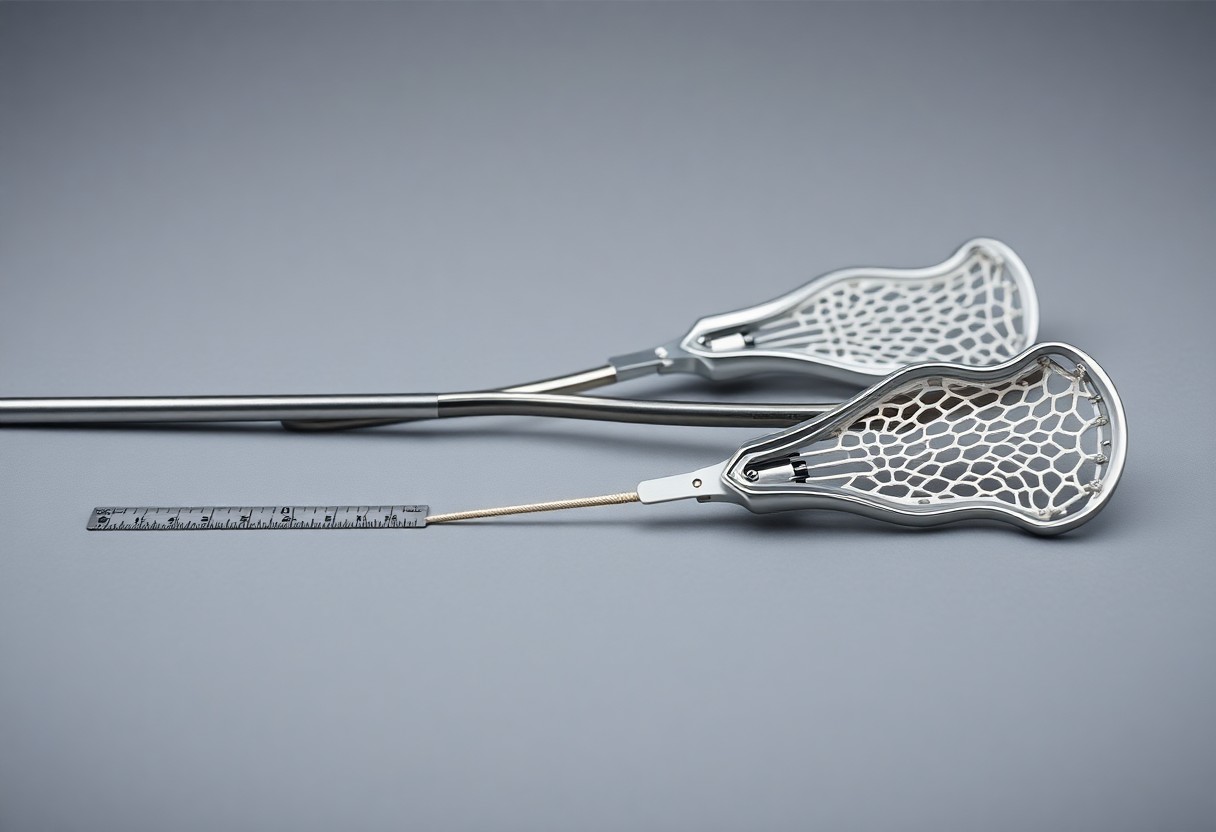
Material directly shapes how your shaft performs: it determines weight (typically ~150-300 g), stiffness, feel and durability. You’ll notice lighter carbon/composite shafts accelerate stick speed and improve shot power, while aluminum or scandium alloys absorb checks better and resist dents. For defenders a heavier, tougher shaft can be safer; attackers often want lighter, stiffer options for quicker release. Pay attention to the trade-off between light weight and fracture risk.
Different Materials and Their Benefits
Aluminum shafts cost-effectively endure abuse and often sell for $30-80, making them common for youth and defenders. Scandium alloys offer a middle ground: lighter and stiffer than standard aluminum, typically $80-150, favored by long-stick middies. Carbon/composite shafts range $120-300, weighing ~150-220 g and delivering superior responsiveness and vibration damping for attack and midfield. You should match material to position and playing style, balancing durability against desired stick speed.
Cost vs. Performance Considerations
Spending more often buys lower weight and better energy transfer, but not always proportional gains: a $200 composite may be 5-10% faster on release than a $80 scandium shaft, yet it can be more prone to splitting under a bad check. If you play multiple games weekly, composite value rises; if you take heavy contact, an aluminum or scandium shaft may save you replacement costs. Always weigh price against the risk of shattering and expected lifespan.
For example, younger players who upgrade from a $40 aluminum shaft to a $150 composite often report faster cradling and shot speed within weeks, yet composites typically last 1-3 seasons under heavy use while aluminum can dent but play on for many seasons. You should factor resale value, use frequency (games per week), and whether your league allows repaired shafts; checking brand warranty and field-use anecdotes can save you $50-100 over a season.
Tips for Testing and Customizing Your Stick
When testing a lacrosse stick, spend 15-20 minutes on each head/shaft combo: live cradling, 20 passes and 15 shots from 10-15 yards to assess balance, whip and release. Check pocket depth, mesh tension and any hairline cracks in the shaft or head; a softer pocket holds the ball but can slow release. Consult the Signature Complete Lacrosse Stick Guide for common stringing patterns and recommended lengths. Assume that you’ll fine-tune pocket depth and shooting strings over multiple sessions.
- 15-20 min active testing per combo: cradling, 20 passes, 15 shots
- Test from 5, 10 and 15 yards and on-the-run to evaluate release and accuracy
- Try 3-5 stringing adjustments-change top string by 2-3 knots or add/remove 1-2 shooting strings
- Inspect for wear: hairline cracks, loose end caps, or grip slippage
How to Try Out Sticks
You should simulate game reps: 20 stationary passes, 20 on-the-run passes, 10 shots from 12-15 yards and 10 groundballs to test control. Measure how the pocket affects release-if the ball sits too deep you’ll lose quick release-and note balance by holding the butt end to find the sweet spot. Swap shafts and heads to isolate changes in flex and torque, and log results after each 15-20 minute session.
Making Adjustments for Optimal Performance
Change one variable at a time: swap mesh (soft vs. hard), tighten or loosen the top string by 2-3 knots, and add or remove 1-2 shooting strings to alter whip and hold. Attack players typically go for a shallower pocket and tighter top string for faster release, while defenders favor deeper, more secure pockets. Test every tweak with 15-20 reps before moving on.
For more granular tuning, if your release is late by ~0.1-0.2 seconds try loosening the top string 1-2 knots or switching to a stiffer mesh; to increase hold for groundballs add a bottom string or lower sidewall ties by 1-2 holes. Use a single change per session, record outcomes (accuracy %, hold feel, release speed), and keep a photo or note of the exact string pattern so you can replicate a setup that yields better shooting or more secure checks.
Final Words
Considering all points, choose a stick that matches your position’s demands: attack and midfield favor shorter shafts and snappier heads for ball control and quick shots, defense and long-stick midfield need longer shafts for reach and check power, while goalie sticks require larger heads and softer pockets; balance weight, grip, and pocket depth to suit your style and compliance with league rules.
FAQ
Q: How does my position determine the lacrosse head I should choose?
A: Attack players usually choose narrow, pinched heads with shallow pockets for faster releases and tighter ball control; offensive midfielders often use similar heads for shooting and quick passes. Long-stick defenders and LSMs prefer larger, wider heads with stronger sidewalls and a roomier throat to improve reach, checks, and groundball scoops. Short-stick defenders favor stiffer heads with a slightly wider face to help with interceptions and clearing. Goalies need the largest, deepest heads with reinforced throats and broad scoops designed for catching and directing shots.
Q: What shaft length and material suit each position?
A: Attack and short-stick midfielders perform best with shorter shafts for quick handling and tight space play; choose a length that fits your stance and comfort. Long-stick defenders use longer shafts to gain reach and leverage on checks; pick a length that balances reach with maneuverability and complies with your league’s rules. Goalies use shorter, often thicker-handled shafts for stability and stronger saves. For material, aluminum and alloy shafts offer durability and affordability, composite/carbon shafts provide lighter weight and better vibration dampening for shooters and handlers; choose by feel, play style, and budget.
Q: How should pocket depth and stringing vary by position?
A: Attackers benefit from shallower pockets and tighter top-string placement for quicker releases and predictable throws. Midfielders usually prefer a mid-depth pocket that balances hold for cradling with the ability to release quickly. Defenders often use mid-to-shallow pockets to facilitate quick clears after a check and to reduce trapped ball issues. Goalies require deep, well-formed pockets with durable shooting strings and sidewall patterns to create a consistent catching surface. String choices (mesh type, number of shooting strings, sidewall patterns) should match the desired hold-versus-release trade-off for each role.
Q: How do head stiffness, scoop shape, and face geometry affect play for different positions?
A: Stiffer sidewalls and firmer materials hold their shape under checks and are preferred by defenders for reliability and durability. Attackers and shooters may favor heads with a bit more flex or a designed “whip” to enhance shot velocity and feel. Scoop shape matters for groundballs: a flatter, slightly flared scoop makes scooping easier in traffic; a more tapered scoop can aid precision picks and stick-to-ground control. Face geometry (pinched vs. wider throat) affects control and accuracy-pinched for crease work and shooting, wider for scooping and passing. Choose the balance that supports the typical demands of your position.
Q: How should I test sticks, balance budget, and maintain or upgrade equipment for my position?
A: Test sticks in hand-simulate cradling, passing, shooting, groundballs, and defensive checks to assess balance, weight, and grip. Prioritize comfort and performance over brand; a slightly heavier stick that fits your style is better than a light stick that hinders control. For beginners, budget heads and shafts are fine; intermediate and advanced players should invest in higher-quality heads or composite shafts tailored to their position. Maintain equipment by checking and replacing frayed strings, keeping the pocket legal and dry, and inspecting shafts for dents or cracks. When upgrading, change one component at a time (head or shaft) to isolate what improves your play.