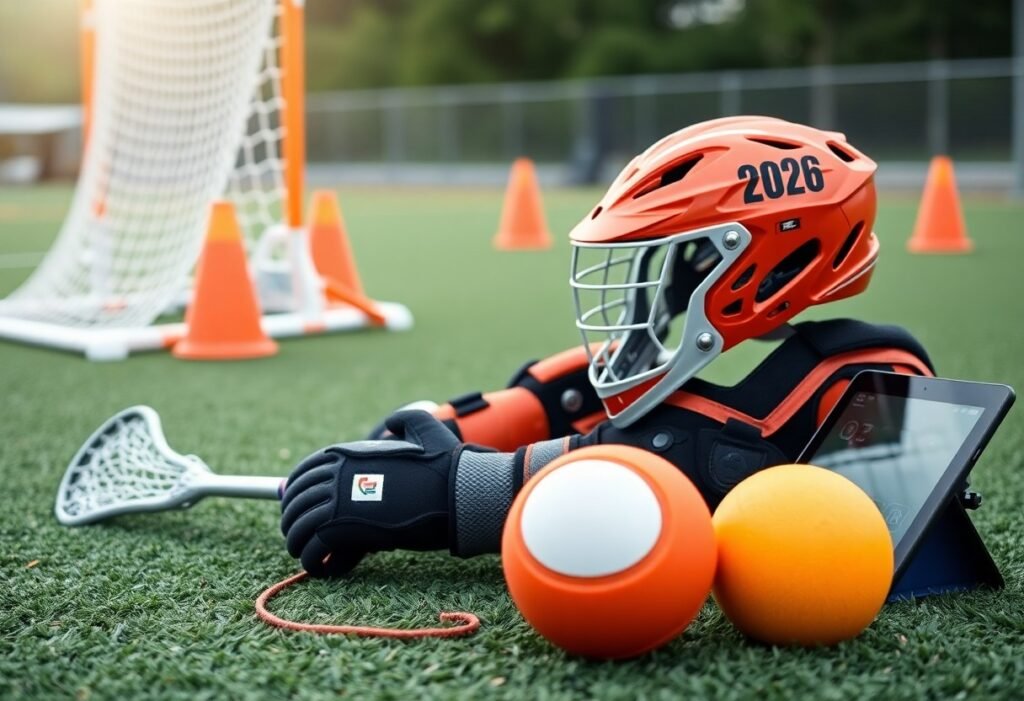

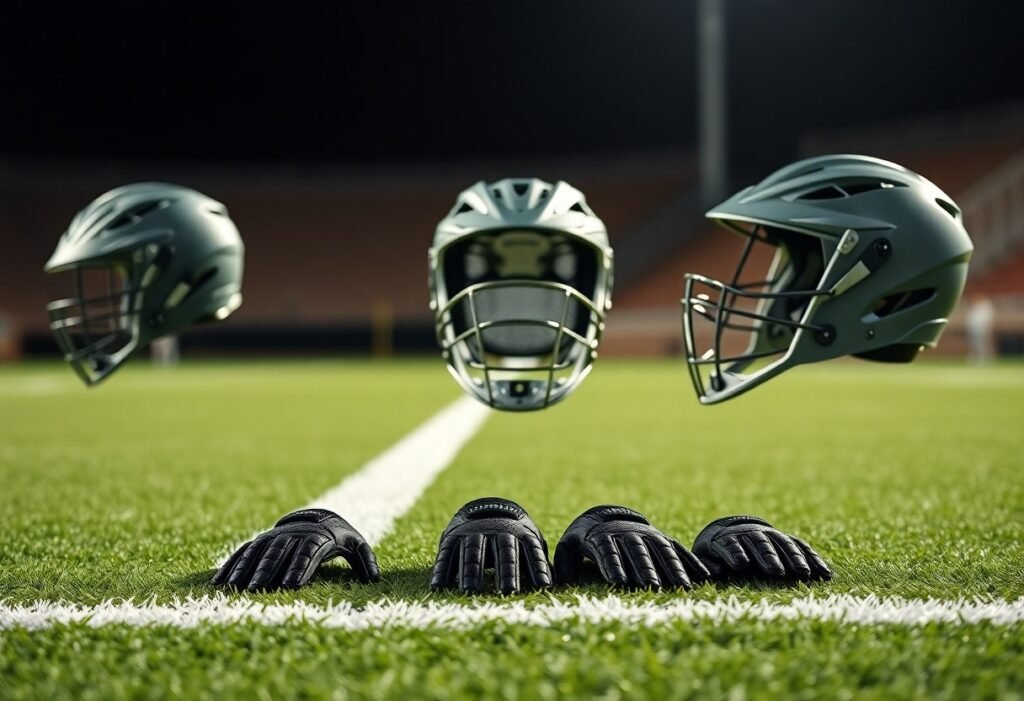
Most players upgrading gear focus on comfort, but you should prioritize impact protection and fit; the right helmet reduces concussion risk and prevents facial injuries, while high-quality gloves balance durability with finger mobility. This guide helps you choose helmets meeting certified safety standards and gloves with advanced padding and ventilation so your equipment enhances performance without compromising protection.
Key Takeaways:
- Helmets in 2026 prioritize multi-density foams and rotational-impact liners with lighter composite shells and improved ventilation while meeting current NOCSAE safety standards and offering adjustable fit systems.
- Gloves focus on the balance of protection and dexterity: low-profile, segmented cuffs and reinforced thumbs for defense/goalie models, and slimmer, high-traction palms for attack/midfield players.
- Fit, breathability, and durability drive selection-choose certified, position-specific models with customizable liners, moisture-wicking fabrics, and proven palm materials; always try gear with your stick to confirm range of motion and comfort.
Importance of Choosing the Right Lacrosse Gear
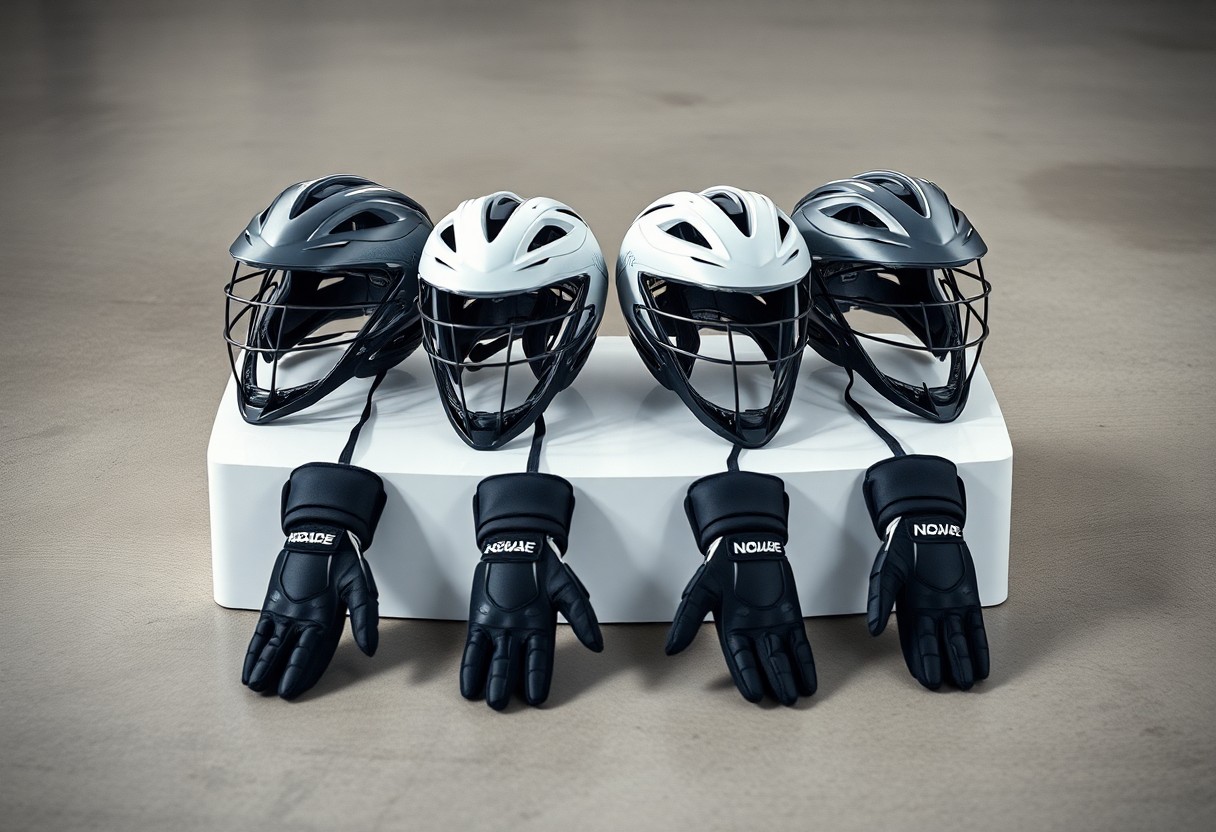
Picking the right helmet and gloves affects not just comfort but game outcomes: a properly fitted helmet with NOCSAE certification and secure chinstrap lowers your risk of head injury, while gloves that balance padding and dexterity improve your stick control and shot accuracy. Teams that prioritize fit testing and swap heavy models for lighter options (saving roughly 100-250 g) often see reduced neck fatigue and crisper handling over four quarters.
Safety Considerations
You should verify helmets meet NOCSAE standards and fit snugly-typically sitting about two fingers above your brow-because a loose helmet or unsecured chinstrap increases rotational and linear forces on impact. Check facemask geometry for deflection risk, confirm padding integrity after 1-3 seasons, and replace gloves when palms thin or wrist cuffs fail to protect against slashes and hyperextension.
Performance Impact
Choosing lighter helmets and streamlined facemasks can widen your peripheral vision and reduce reaction time, while gloves with thinner palms and segmented padding let you feel the pocket and release faster; a weight difference of 100-200 g in gloves or helmet is often noticeable across an hour of play. Balancing protection with mobility directly influences passing accuracy and shot velocity.
Delving deeper, rotational-mitigation systems (MIPS, slip-plane liners) in modern helmets have shown measurable reductions in angular acceleration in independent lab tests-commonly reported in the 10-30% range-so you should weigh that benefit against any added bulk. Shell geometry and visor height alter sightlines: lower-profile shells improve tracking on fast clears, while larger vents and targeted airflow preserve cognitive performance by managing head temperature. For gloves, prioritize palm materials that maintain tack after sweat and layered back-hand protection that allows finger flexion; pro-level models from top brands often trade a small amount of mass for articulated protection that keeps your stickwork sharp without exposing vulnerable zones.
Top Lacrosse Helmets for 2026
For 2026, prioritize helmets that are NOCSAE-certified, weigh roughly 42-50 oz (1.2-1.4 kg) for a balance of protection and mobility, and feature multi-density foam with a solid facemask. You should favor models offering adjustable fit systems and replaceable liners so you can maintain a consistent seal as padding compresses over time.
Features to Look For
You want rotational energy management (MIPS-style or proprietary) to reduce shear forces, 8-12 well-placed vents for cooling, and a chin/strap system that keeps the shell snug during checks. Prioritize helmets with replaceable liners, titanium or chromoly facemasks for durability, and ASTM/NOCSAE labels; a loose or ill-fitting shell increases head motion and raises impact risk.
Recommended Models
Consider the Cascade CPV series for pro-level fit and ventilation, the Cascade S/Classic options for budget-conscious players, and the STX Crux family if you want a lightweight, highly ventilated shell; Warrior’s current lineup also offers solid fit and padding profiles across youth and adult sizes.
Expect adult helmets to range from about $150-$350 and youth models around $100-$180. You should try shells in both small/medium and medium/large, check vision and jaw clearance while wearing your goggles and gloves, and replace liners every 2-3 seasons or after significant impacts to maintain peak protection.
Top Lacrosse Gloves for 2026
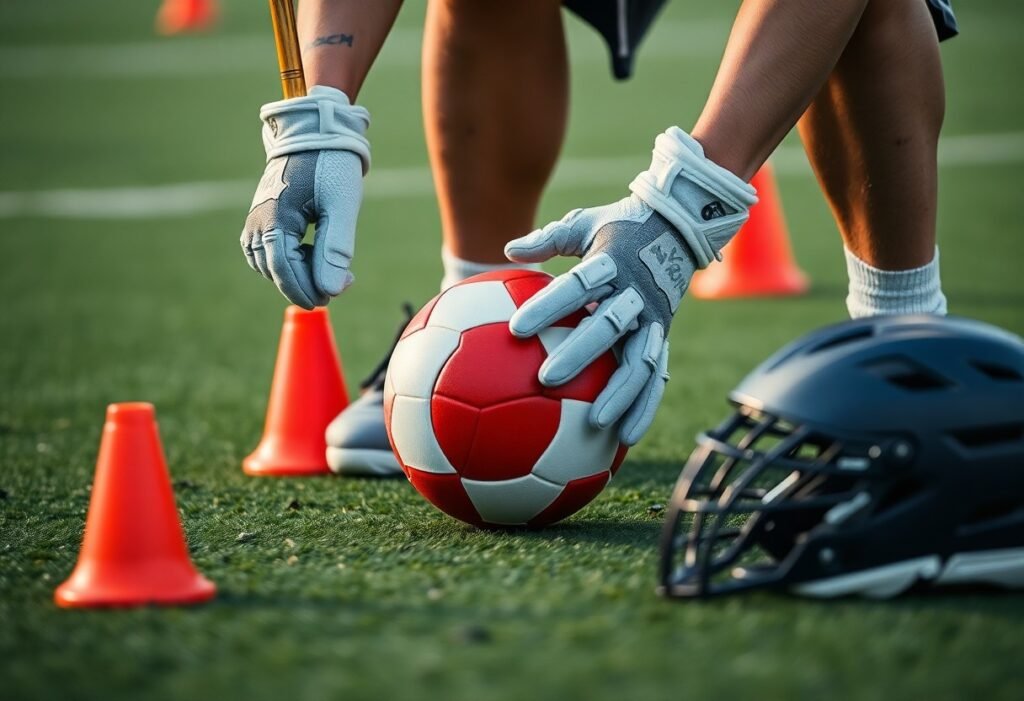
You’ll want gloves that shave weight without losing coverage: many top 2026 designs use multi-density foam and molded inserts to hit the sweet spot between protection and feel, often weighing between 6-9 oz. Manufacturers are emphasizing reinforced thumb protection and silicone-treated palms to maintain stick control in wet conditions while keeping cuff articulation for checks and quick releases.
Key Features and Benefits
You need a glove that absorbs high-energy impacts yet lets your fingers articulate for accurate passing and quick shots. Any top glove will pair layered foams, articulated cuff rods, and a tacky palm to protect while preserving precise stick feel.
- Protection: multi-density foam (10-18 mm in impact zones) plus thermoplastic inserts for high-energy checks and stick-on-stick collisions.
- Mobility: segmented backhand and tapered cuff articulation to maximize wrist rotation for dodges and shot release.
- Grip: silicone- or PU-coated palms with micro-perforations to boost tack and reduce slippage in wet games.
- Weight: sub-9 oz designs balance speed and coverage; lighter palms use bonded synthetics to cut grams without losing durability.
- Fit: anatomical last with pre-curved fingers and multiple size/taper options to minimize glove slippage during checks.
- Durability: reinforced stress panels and double-stitched palms to withstand high-mileage practice and turf abrasion.
- Ventilation: mesh gussets and moisture-wicking liners to manage sweat and reduce palm saturation on hot days.
Recommended Models
For 2026, top picks span levels: the Warrior Evo Pro (pro-level, ~$160, ~8 oz) prioritizes articulated protection; the Maverik Kinetik Pro (mid-range, ~$130) blends a lightweight palm with reinforced backhand; the STX Shield Youth (~$70) gives scaled-down impact zones for younger players while keeping >thumb-lock security.
When choosing, match model to role: defenders often pick gloves with +3-5 mm extra backhand foam and wider cuffs for blocking, while attack and midfield players favor gloves under 9 oz with thinner palms for maximum stick feel. You should also try gloves on with your shaft to confirm finger alignment and cuff clearance; prioritize models that maintain fit after repeated washing and use.
Comparison of Helmets and Gloves
| Helmets | Gloves |
|---|---|
| Primary protection: Head and face; designed to meet NOCSAE standards and reduce linear impacts; many models add rotational-management systems claiming up to ~20% reduction in rotational acceleration. | Primary protection: Hands and wrists; layered foam and plastic inserts protect against checks and slashes while preserving finger mobility. |
| Weight: Typically 600-1,000 g, influencing neck torque and comfort over a full game. | Weight: Usually 6-12 oz (170-340 g)</strong); lighter gloves boost stick feel but may sacrifice padding thickness. |
| Fit & retention: Adjustable liners, occipital locks and chin straps determine stability on impact. | Fit & dexterity: Tapered fingers, split palms and pre-curved designs affect grip precision and pass accuracy. |
| Ventilation: Vent ports and shell cutouts vs. added padding-affects sweat and overheating. | Breathability: Mesh backs and perforated palms balance airflow with protection. |
| Price range: Typically $120-$500+ depending on tech and certification. | Price range: Typically $30-$160 depending on materials and level (youth to pro). |
Performance Metrics
You should focus on measurable outputs: helmets are judged by linear g attenuation and rotational acceleration (manufacturers report up to 10-20% rotational reduction with specialized liners), while gloves are tested for abrasion resistance, impact absorption (padding thickness often 10-25 mm), and grip retention-palms can cut stick-feel loss to ~5-15% with modern thin-palmed designs.
Price vs. Quality
You can expect entry-level helmets at about $120-$200 and pro models at $300-$500; for gloves, entry options run $30-$60 while high-end gloves cost $80-$160. Higher price usually buys better materials, refined fit, and added rotational protection.
You should weigh specific trade-offs: spending for a helmet with verified rotational systems and advanced liners often reduces rotational forces in lab tests, which matters if you play contact-heavy positions. For gloves, paying for reinforced thumbs and premium palms improves durability and stick control across a season, so invest based on your playing time and position demands.
Maintenance and Care for Lacrosse Gear
You should inspect helmets and gloves after every session for cracks, loose screws, compressed padding, and frayed stitching; wipe sweat from shells immediately and air items fully before storing. Schedule a deeper clean monthly and replace liners or gloves when padding loses rebound-typically every 6-18 months with regular play. Knowing these routines preserves protection and reduces long-term costs.
Cleaning Techniques
After play, you should remove liners when possible and hand-wash them in cold water with mild detergent, spot-clean gloves (use saddle soap for leather), and wipe helmet shells with a soft cloth and warm, soapy water; never submerge shell assemblies or use bleach. Dry gear 24-48 hours on a rack or with a fan to prevent bacterial growth. Knowing proper cleaning keeps padding effective and minimizes odor.
- Wipe after every use
- Hand-wash liners
- Air-dry 24-48 hours
Storage Tips
You should store gear in a cool, dry space away from direct sunlight and heat-avoid leaving helmets or gloves in cars where interior temps often exceed 120°F, which degrades foam and adhesives. Use a ventilated bag or open shelving so padding can breathe, lay helmets flat or on a padded rack, and keep silica gel packs with stored items to control moisture. Knowing correct storage prevents mold, foam breakdown, and leather cracking.
For extended off-season storage, sanitize and fully dry every piece, place helmets on padded racks or helmet trees to retain shape, and store gloves flat or gently stuffed to preserve finger form; limit stacking to two helmets to avoid pressure points. If you manage team gear, label bags and rotate equipment every 3-6 months to spread wear and spot issues early. Knowing disciplined storage practices extends usable life and lowers replacement expenses.
- Padded helmet rack
- Ventilated bag
- Silica gel packs
Future Trends in Lacrosse Equipment
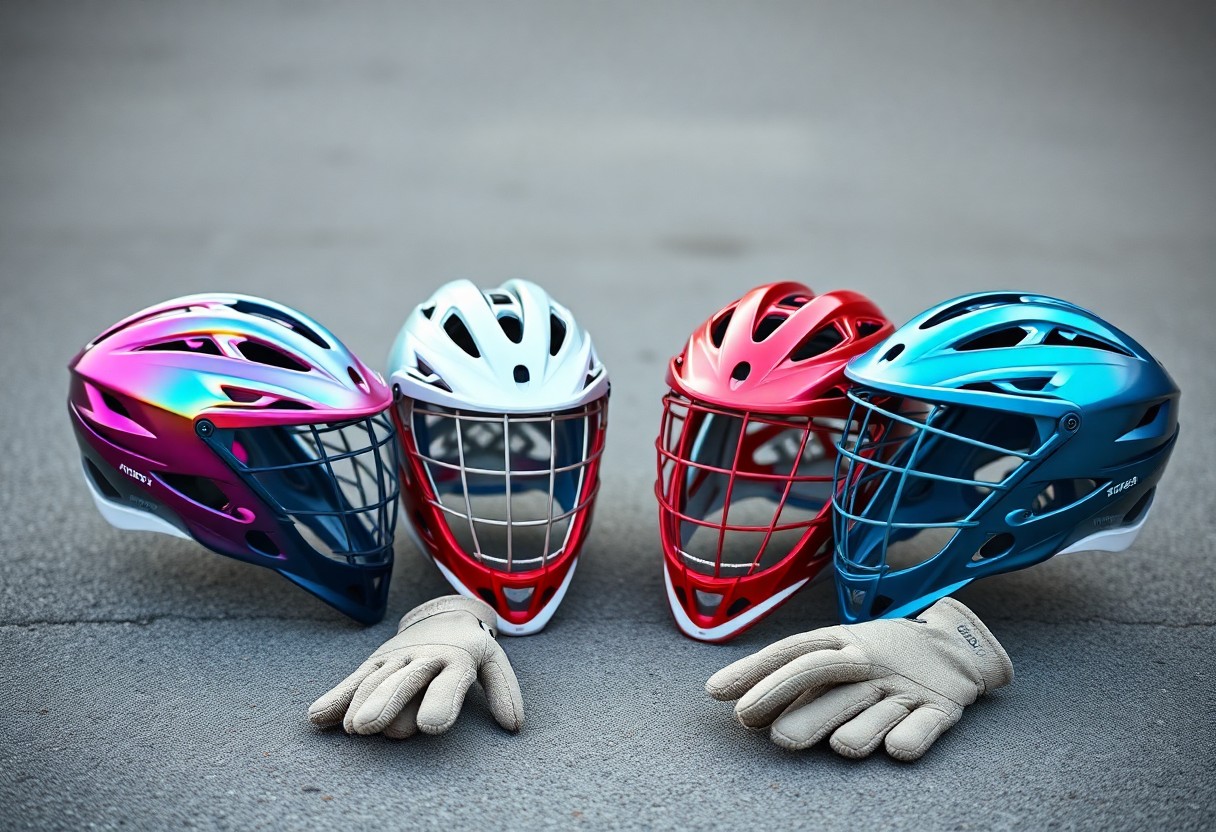
You’ll notice helmets shedding weight by up to 15% while improving multi-directional energy management as manufacturers merge multi-density foams and rotational liners; Cascade and Maverik continue leading hybrid-shell designs – see current models at Cascade Maverik Lacrosse: Explore top-quality lacrosse gear. Expect enhanced ventilation, customizable fit systems, and measurable reductions in rotational forces that change how you prioritize protection over aesthetics.
Innovations to Watch For
Smart impact sensors that log linear and rotational Gs are becoming standard, so you’ll use them for sideline return-to-play decisions; D3O-style or liquid-reactive foams plus 3D-printed liners deliver tailored fit and energy absorption. Gloves are shedding 15-25 grams while improving palm construction and finger dexterity for faster releases. Smart sensors and adaptive foams promise both performance gains and real-time safety data you can act on immediately.
Predictions for Upcoming Seasons
Leagues will tighten equipment requirements, and you should expect most high-school and college programs to adopt newer NOCSAE-certified rotational-protection helmets within 1-2 seasons after current NCAA pilots show lower head-impact metrics; youth programs will follow quickly. Updated standards will force faster product turnover and faster retirements of legacy models.
As top-line helmet prices rise roughly 10-20%, you’ll prioritize fit and rotational protection over brand, prompting teams to use phased replacement plans and rental pools to manage costs; resale demand for older, uncertified helmets will fall, increasing interest in certified trade-in programs. Equipment managers must budget for fit checks and certification updates to keep rosters compliant and safe.
To wrap up
As a reminder you should prioritize helmets and gloves that combine proven impact protection, fit, ventilation, and mobility; choose models with updated testing ratings and adjustable features, and match glove padding and wrist coverage to your position and playing style. Inspect gear regularly and replace items showing wear to keep your safety and performance optimal.
FAQ
Q: What features define the best lacrosse helmets and gloves for 2026?
A: The best helmets combine multi-density impact foams, rotational-energy mitigation systems (either MIPS or proprietary solutions), an adjustable retention system for a secure fit, a corrosion-resistant facemask, and well-engineered ventilation to manage heat. Top gloves pair high-impact shell protection across the thumb and backhand with segmented cuff and finger construction for dexterity, reinforced palms with durable synthetic leather or Clarino for stick feel, and moisture-wicking liners that resist odor. Weight, durability, and modular replacement parts (replaceable liners, facemasks, or finger pads) are major differentiators in 2026 models.
Q: Which brands and product lines are worth considering for helmets and gloves in 2026?
A: Established lacrosse equipment companies-Cascade, Warrior, STX, Maverik, and Under Armour-remain the primary manufacturers to evaluate because they consistently invest in research, testing, and compliance. Within each brand look for lines that emphasize modern impact management, field-tested facemask shapes for specifc positions, and glove offerings that balance protection and feel; many brands now offer position-specific glove models (attack, midfield, defense) and youth-to-adult scaling. Independent reviews and lab-test summaries can help separate premium models from midrange options.
Q: How should players choose the right helmet and glove size and fit?
A: Measure head circumference and consult each brand’s size chart-helmet fit must be snug across the crown and temples without pressure points, and the chinstrap should hold the helmet steady when you open your mouth and move your head. For gloves, measure hand width and length; gloves should allow full finger flexion without excess material at the fingertips and maintain a secure cuff fit to avoid slippage during checks. Try equipment with the type of protective gear and practice sticks you use in play to confirm range of motion and comfort before buying.
Q: What safety standards and technologies should buyers check for in 2026 gear?
A: Verify helmets meet current NOCSAE performance standards and check for independent lab-impact certifications or published test results; many manufacturers also provide data on rotational-energy reduction. Consider helmets that support optional or built-in impact-sensor systems if you want post-impact data and easier sideline monitoring. For gloves, look for CE-rated impact inserts where applicable, abrasion-resistant palms, and construction techniques that reduce loose seams and weak points; up-to-date product recalls and warranty policies are also important safety indicators.
Q: How should players care for helmets and gloves, and when should they be replaced?
A: Clean helmets and liners regularly with mild soap and water, avoid high-heat drying or harsh solvents that degrade foams and plastics, and check liners, chinstraps, and facemask attachments before every season and after major impacts. Gloves should be air-dried after use, treated for odor control per manufacturer guidance, and inspected for palm wear, seam failure, or crushed padding. Replace helmets after a significant impact, any visible structural damage, or once manufacturer-recommended service life is reached (many brands recommend replacing a helmet every 3-5 years depending on use); replace gloves when protection or grip is compromised.