
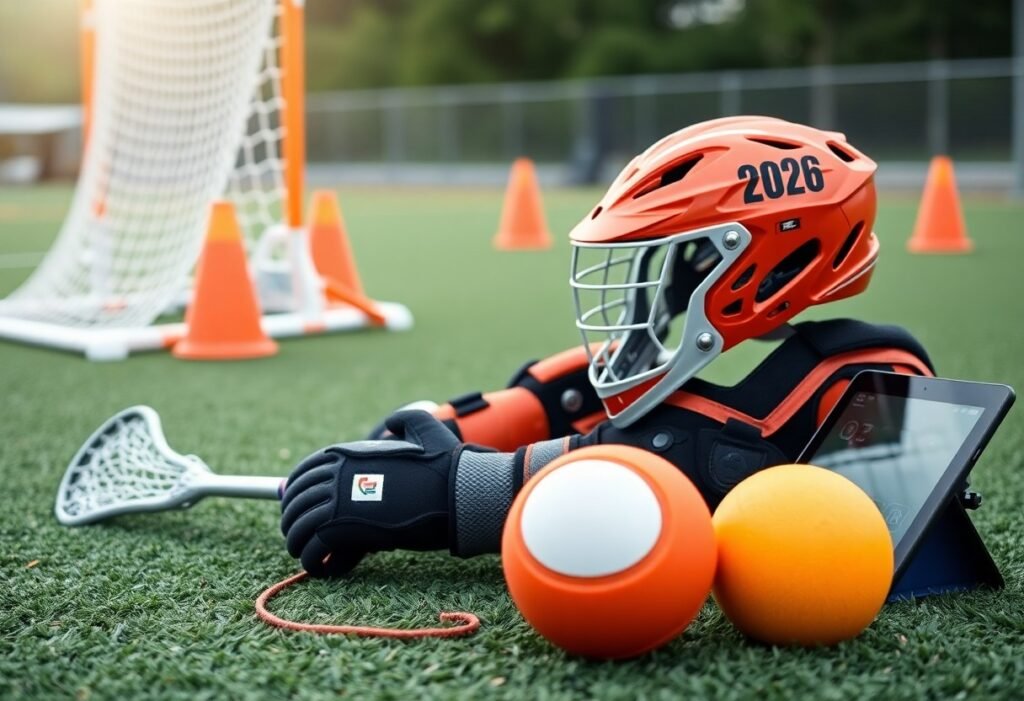
With the 2026 season approaching, you should prioritize a balanced kit that puts helmet and mouthguard protection first to lower the risk of head injury, choose a properly sized stick and comfortable gloves for your skill development, and add reliable shoulder/arm pads plus breathable cleats and mesh to maximize safety and performance.
Key Takeaways:
- Fit and certified protection come first – choose helmets and pads that meet current safety standards and offer a snug, adjustable fit to reduce injury risk.
- Pick beginner-friendly sticks and gloves: pre-strung heads with softer mesh and forgiving pocket shapes, plus lightweight shafts, help faster progress in catching, passing, and shooting.
- Balance budget and growth by investing most in helmet and gloves, choosing adjustable or sized-up gear (or quality used items), and prioritizing comfort and mobility over pro-level extras.
Understanding Lacrosse Equipment
Types of Lacrosse Equipment
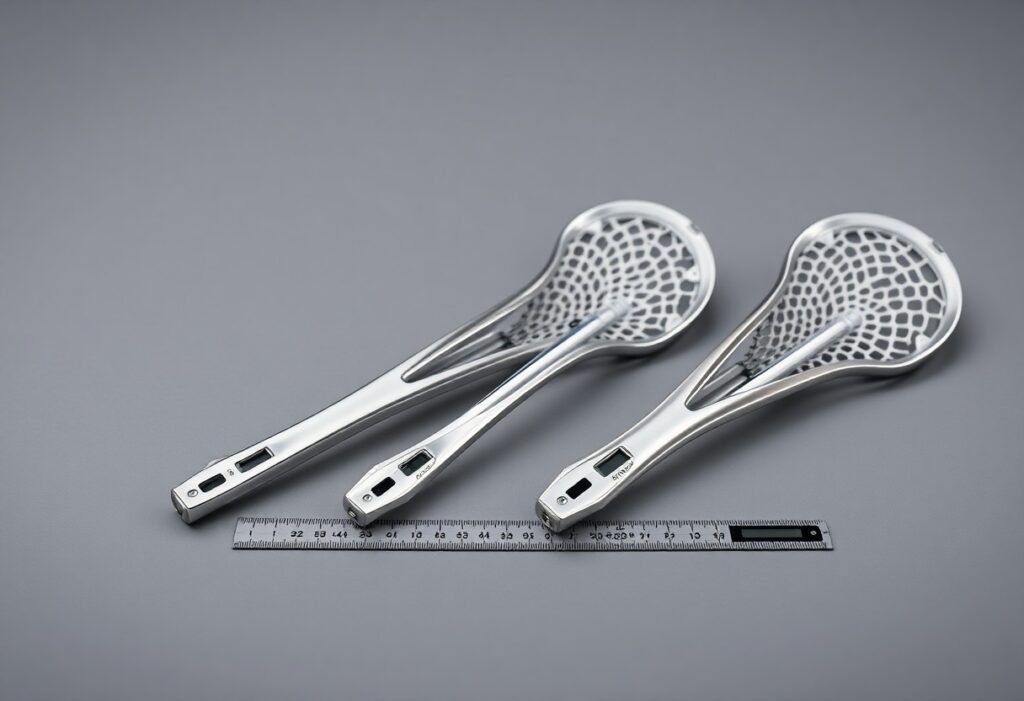
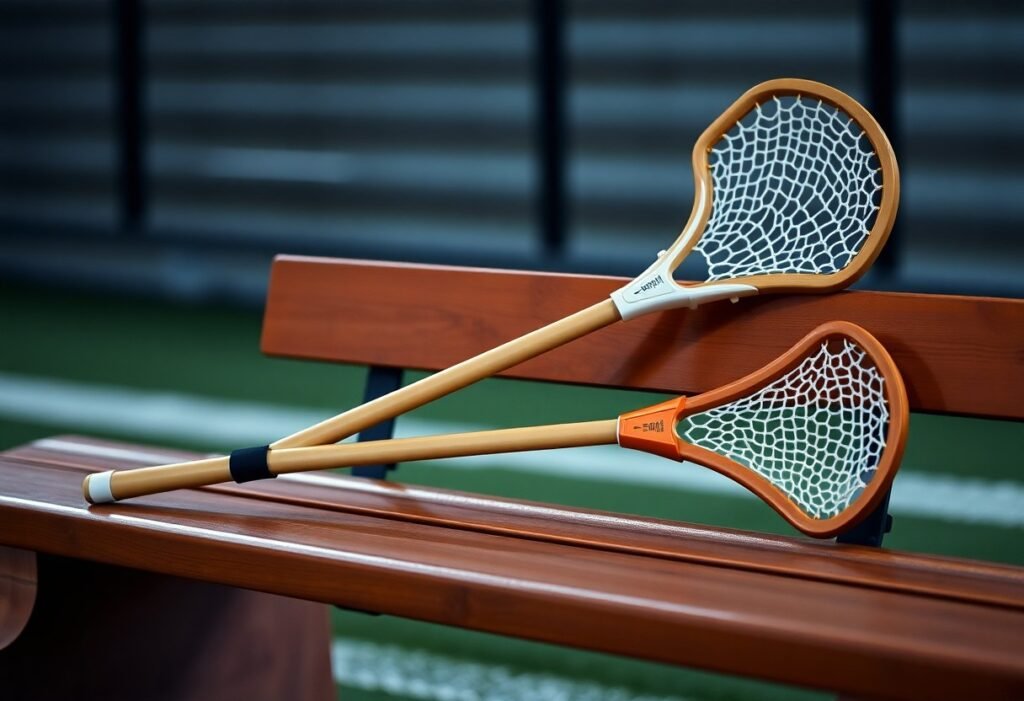
You focus on three stick elements – head, shaft, pocket – with short sticks typically 40-42″ for attack/midfield and long poles 52-72″ for defense; pockets use mesh for quicker release or traditional for better hold. You also need protective gear: a NOCSAE-certified helmet, gloves (12-15″), shoulder and arm pads, and cleats sized for turf or grass. Thou always wear a mouthguard with a properly fitted helmet to reduce head and dental injury risk.
- Stick
- Helmet
- Gloves
- Pads
- Shoes
| Stick | Attack/mid: 40-42″; Defense pole: 52-72″ |
| Helmet | NOCSAE-certified, sits ~1 finger above eyebrows; snug cheek pads |
| Gloves | Common lengths 12″, 13″, 14″, 15″ – choose for wrist mobility and knuckle protection |
| Pads | Shoulder pads sized by chest inches; arm pads cover elbow to forearm |
| Shoes | Turf vs grass cleats; outsole studs 6-10 mm for turf, longer for soft grass |
Choosing the Right Size
You should match stick length to position, glove size to hand length, and helmet fit to head shape: a helmet that sits one finger above your brow with minimal lateral movement is ideal, and shoulder pads should cover collarbone without limiting arm lift. Select cleats that fit snugly with a thumb’s width of heel slip. Proper fit reduces injury risk and improves control.
You can measure: head circumference one inch above eyebrows for helmet sizing, glove length from wrist crease to tip of middle finger for glove size, and chest circumference for shoulder pad size; if between sizes, opt for the smaller helmet and adjustable pads for a firmer, safer fit.
Essential Gear for Beginners
You’ll want a complete starter set to get on the field fast; many kits include a pre-strung stick, helmet, gloves, and pads and cost between $100-$250. Several retailers (for example Beginner Lacrosse Packages) bundle right-sized gear so you avoid mismatched pieces. Choose a helmet that is NOCSAE‑certified; an ill-fitting helmet increases concussion risk.
Sticks
You should match stick length to position: for men’s play use attack/mid 40-42″ and defense 52-72″; women’s sticks range 26-32″. Opt for an aluminum shaft for durability and low cost ($20-$60) or a composite shaft for better flex and feel ($80+). Pocket depth matters-start with a mid-pocket to balance catching and cradle control. Test a few heads for balance; a well-strung head improves first-touch and passing accuracy.
Protective Gear
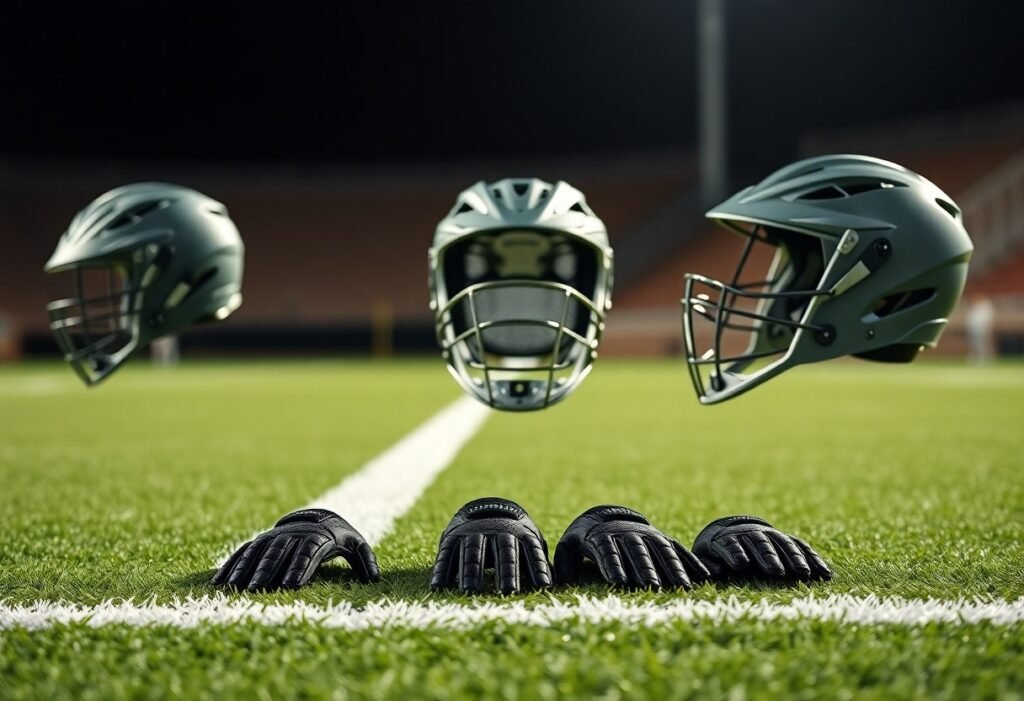
You need a helmet, gloves, shoulder pads, arm pads and a mouthguard. Helmets that meet NOCSAE standards are mandatory and typically cost $60-$200; gloves run $30-$80, pads $30-$120. Fit directly affects safety: a snug helmet and gloves that let you flex fingers improve both protection and performance. Goalies require a throat guard and larger chest protection for added coverage.
When fitting your helmet, place about two-finger widths above the eyebrows, center the chin strap and ensure lateral stability; any excessive movement indicates a wrong size. Shoulder pads should cover the sternum and trapezius without blocking arm lift, while arm pads must fully protect the elbow joint and forearm. Use a boil‑and‑bite or custom mouthguard for better retention and impact dispersion to reduce facial and dental injuries.
Helmets and Goggles
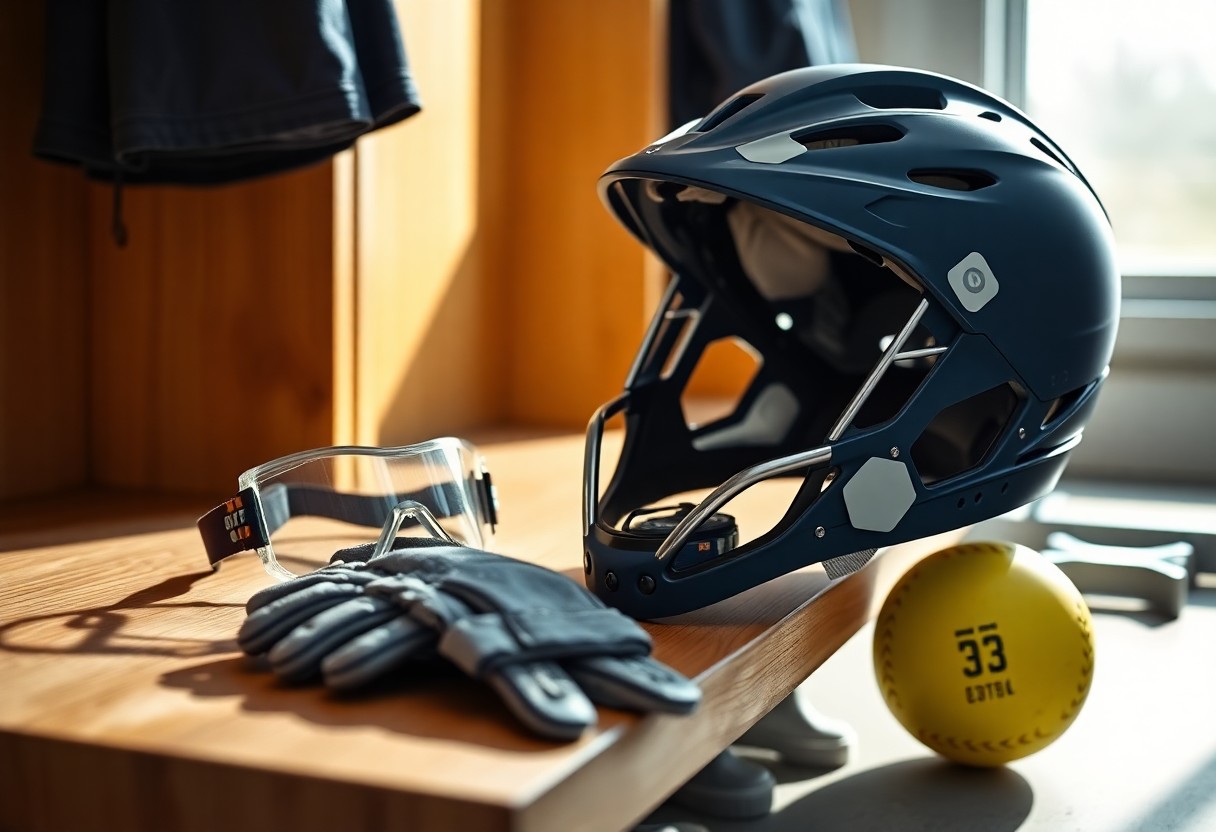
When you pick head protection, prioritize proper fit and certification: boys’ helmets should be NOCSAE-certified, while women’s play requires ASTM-approved eye protection. Aim for a helmet that sits about two finger-widths above your eyebrows, weighs roughly 24-34 ounces, and has an adjustable liner plus a secure strap to prevent rotation on impact.
Importance of Safety Gear
You face high-speed shots-often exceeding 100 mph at advanced levels-and stick checks that can cause concussions or eye injuries. Wearing certified helmets and goggles cuts the risk of facial trauma and eye penetration; leagues that enforce certified gear show measurable drops in serious head and eye injuries across seasons.
Features to Look For
Choose helmets with multi-density foam and a snug adjustable liner. Ensure they have a 4-point chin strap. Pick goggles with impact-rated lenses, close-fitting foam, and wide peripheral vision. Prioritize ventilation and tested padding. Select sizes that let you tighten without pressure points. A properly adjusted facemask must not shift when you sprint or take a hit.
Fasten the chin strap and simulate cuts to confirm zero slippage. Press the foam pads to ensure they rebound quickly without bottoming out. Replace helmets after about 5 years or immediately after a hard impact. Inspect for cracked shells or compressed liners. Favor removable, washable liners to maintain consistent fit and hygiene season to season.
Choosing the Right Cleats
You should match cleats to surface and role: choose molded cleats with 8-12 studs (½-¾ inch) for natural grass and turf shoes with dozens of small rubber nubs for artificial surfaces. Pick mid-cut for balanced support or low-cut for maximum agility; aim for about a thumb’s-width (≈½ inch) of toe room and a snug heel. Seek lightweight options (~8-12 oz) and inspect stud wear each season-proper traction reduces slippage and injury risk.
Importance of Footwear
Your footwear directly affects acceleration, cutting, and injury exposure. Choose a fit that limits heel lift and leaves roughly a thumb’s-width of toe room. This prevents blisters and black toenails.
Mid-cut designs give added ankle protection without sacrificing mobility. Low-cut styles favor speed instead. Prioritize traction and ankle support. Poor grip or excessive lateral play increases sprain risks.
Recommended Cleat Styles
You should choose based on field surface: molded rubber studs (typically 8-12 studs, ½-¾ inch length) are ideal for firm natural grass, whereas turf shoes with dozens of small nubs perform best on synthetic turf. Mid-cut cleats balance support and mobility, low-cut favors quick cuts, and lightweight options (~8-12 oz) help your endurance. Avoid metal or overly long screw-in studs, as they’re often prohibited and raise injury risk.
If you play attack or midfield, low-cut molded cleats let you change direction faster; if you defend close or play LSM, mid-cut adds lateral stability and contact protection. Try cleats with your lacrosse socks, lace tightly, then run several 10-15 yard sprints and cuts-if your heel lifts more than ~1/8 inch the fit is loose. Replace shoes when stud height falls below ~50% to maintain grip and on-field safety.

Budget-Friendly Options
You can save by buying last-season models, open-box items, or lightly used equipment; sticks typically range $40-$120, gloves $25-$80, helmets $80-$200. Compare package deals – club bulk buys often cut costs 20-30%. Always verify helmets and face masks are NOCSAE-certified and that you get a proper fit; safety shouldn’t be the thing you skimp on.
Affordable Gear Choices
Starter kits from major brands often sell for $100-$200 and include a head, shaft, gloves, and basic shoulder pads. You should prioritize a durable head and comfortable gloves; a $50-$80 entry-level head with factory mesh performs well for beginners. Consider buying a mid-range helmet if budget allows – the extra padding and fit systems usually add visible protection without doubling cost.
Quality vs. Cost
When you choose between price tiers, expect trade-offs: lower-cost shafts often use aluminum that flexes sooner, while composite shafts are lighter and stiffer but cost about 20-50% more. Cheaper padding may compress faster, reducing impact absorption. Prioritize spending on items that affect safety and control; a well-fitted helmet and responsive gloves deliver more immediate benefits than an ultra-light shaft. A poor helmet fit raises concussion risk – fit and certification matter most.
In practice, allocate roughly 40% of your budget to helmet and gloves, 30% to your stick (head plus shaft), and 30% to pads and extras. If you buy used, inspect foam integrity, chinstrap condition, and shell cracks; replace helmets after any significant impact. Upgrading gloves or helmet first often improves your confidence and ball-handling more than chasing the lightest shaft – safety and fit yield the best long-term value.
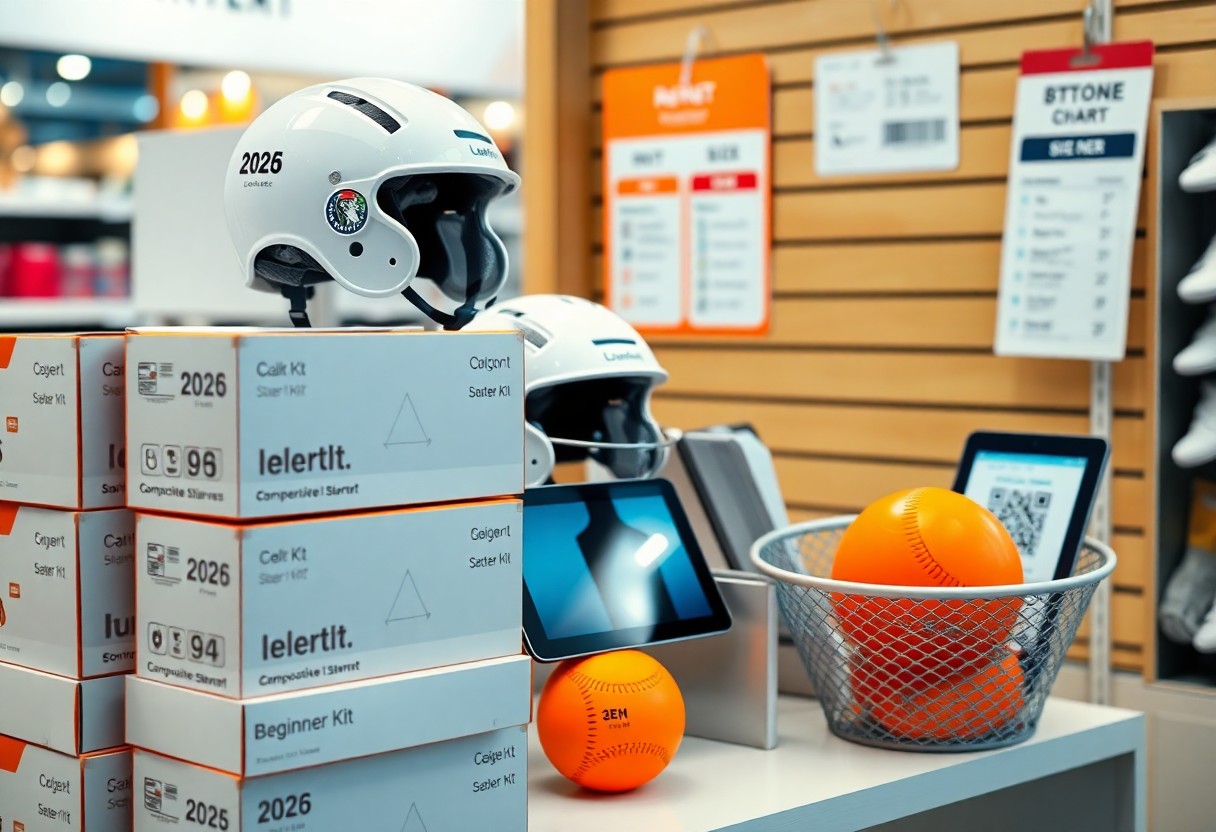
Where to Buy Lacrosse Equipment
When sourcing gear you’ll choose between local shops and online specialists; local stores let you try helmets and sticks for fit while online retailers offer deeper inventories and lower prices. Expect stick prices from about $40-$350 and helmets $100-$350. Prioritize testing helmets in person because an ill-fitting helmet is dangerous.
Local Sports Stores
Specialty lacrosse shops and chains like Dick’s Sporting Goods or Play It Again Sports let you test stick lengths and try helmet sizes. You can also get pro stringing or padding adjustments. You’ll pay more for in-store service, typically a setup fee of $10-$40. However, you avoid sizing mistakes and get expert fitting for youth or varsity players.
Online Retailers
Sites such as Lax.com, LacrosseMonkey, and Amazon give thousands of models, frequent sales-often 10-30% off-and customer reviews plus video demos. You can find advanced sticks and custom mesh options, but confirm helmet fit and check return windows since a wrong-size helmet is dangerous.
LacrosseMonkey offers custom stringing and how-to videos. Lax.com stocks pro-level heads and shaft combos. Amazon often delivers in 1-3 days with Prime.
You’ll see off-season discounts up to 40%. Free-shipping thresholds are near $49 with ~30-day return windows. Watch third-party sellers to avoid old or counterfeit protective gear.

Summing up
Hence you should choose a lightweight composite stick with a forgiving head, a well-fitted helmet and throat guard, protective gloves and shoulder pads, supportive cleats, and a certified mouthguard; invest in breathable, adjustable gear and a durable practice ball so you build your technique safely and progress quickly.
FAQ
Q: What vital lacrosse equipment should a beginner buy in 2026?
A: Helmet (NOCSAE-certified with a secure chinstrap), lacrosse stick (appropriate length for position and age), gloves with good dexterity and protection, shoulder pads, arm pads, mouthguard, cleats designed for firm ground or turf, athletic cup, practice balls, and a gear bag. Prioritize a properly certified helmet and comfortable gloves; other pads can be mid-range for starters. Include a basic maintenance kit (shaft tape, replacement strings) to keep gear game-ready.
Q: How do I choose the right stick length, head type, and shaft material as a beginner?
A: For field boys/men: attack/midfield sticks typically 40-42″; defensive long poles 52-72″. Youth players should use shorter shafts matched to their height and league rules. For girls/women, follow length limits in your league; heads differ by gender and rule sets. Beginner heads: mid-pocket, forgiving for catching and passing. Shafts: alloy (aluminum) is affordable and durable; composite/carbon offers lighter weight and better feel but costs more. Buy a complete starter stick from reputable brands to get a balanced head/shaft pairing for learning fundamentals.
Q: What should I look for in helmet fit and safety features in 2026 models?
A: Fit should be snug with the helmet sitting a finger-width above the eyebrows and not shift when you shake your head. Chinstrap must hold the helmet firmly under game movement. Look for multi-density foam liners or energy-absorbing technologies (e.g., rotational-impact mitigation systems), an approved facemask design for visibility, and ventilation for comfort. Try the helmet with your mouthguard and gloves on to confirm comfort and range of motion. Always check certification labels and recent safety recalls before buying used helmets.
Q: Which gloves, pads, and cleats are best for beginner comfort and protection?
A: Gloves: choose models with a slim profile for fingertip dexterity, reinforced palms for durability, and wrist cuffs that match your playing style. Shoulder pads: lightweight, lacrosse-specific designs that protect collarbone and chest while allowing arm mobility. Arm pads: medium coverage that deflect checks without restricting passing motion. Cleats: molded studs for firm ground, low-profile or turf-specific soles for artificial surfaces; select appropriate ankle support for your level of agility. Try gear on and move in it to ensure full range of motion.
Q: How should a beginner allocate a budget and which brands or buying strategies work best in 2026?
A: Spend most on helmet and gloves (safety and feel), mid-range on a stick, and economize on extra pads if necessary. Recommended brands with strong beginner options include Cascade and STX for helmets, Warrior, Maverik, STX, and Epoch for sticks, and Under Armour/New Balance/Nike for cleats and apparel. Consider new helmets and gloves for safety; you can buy used sticks and pads if inspected for damage and clean. Look for starter bundles or last-season gear sales to save money while getting reliable equipment.