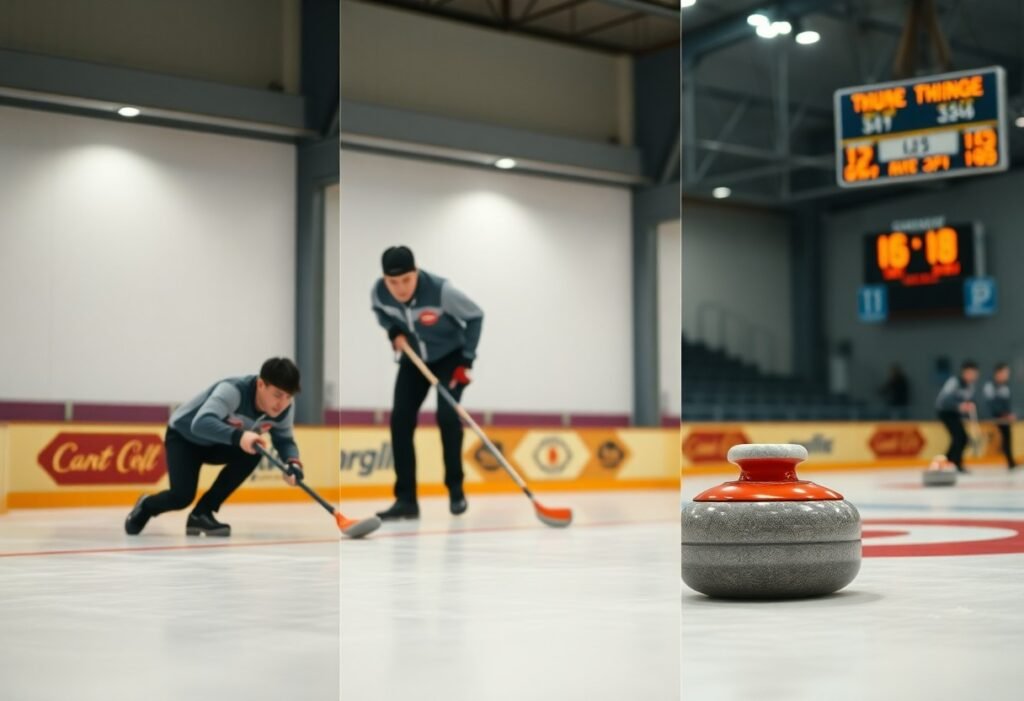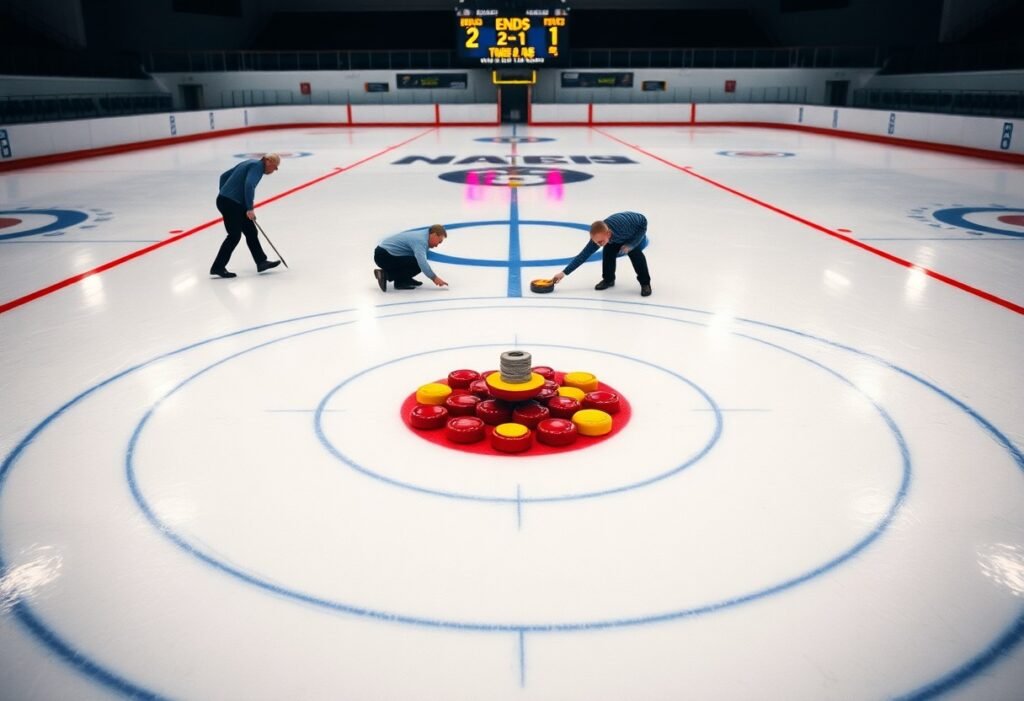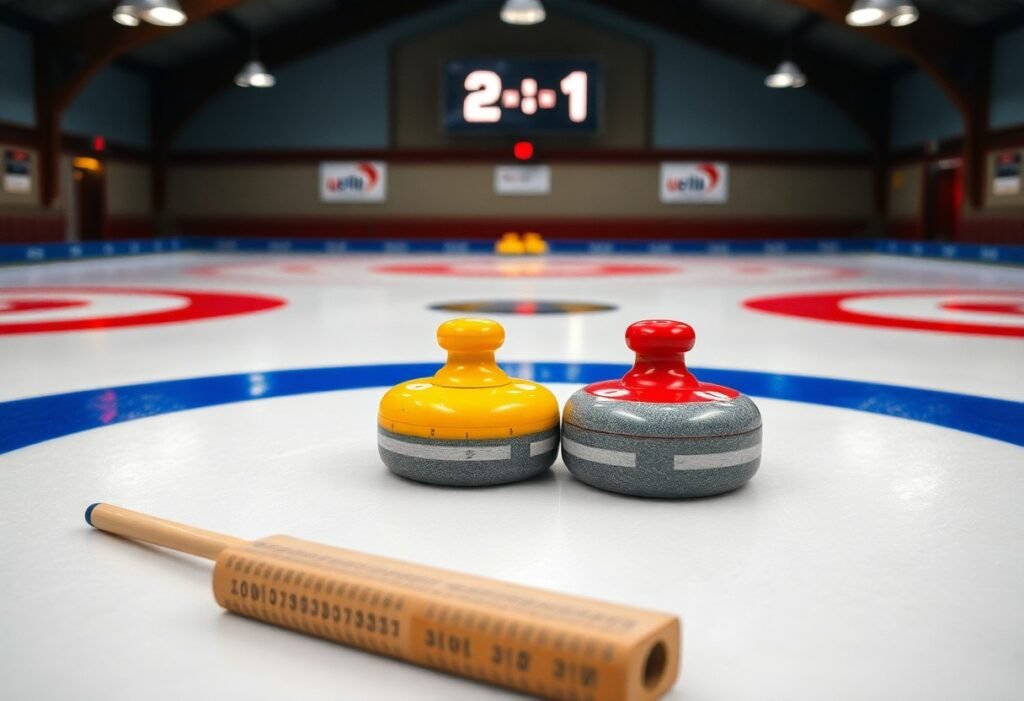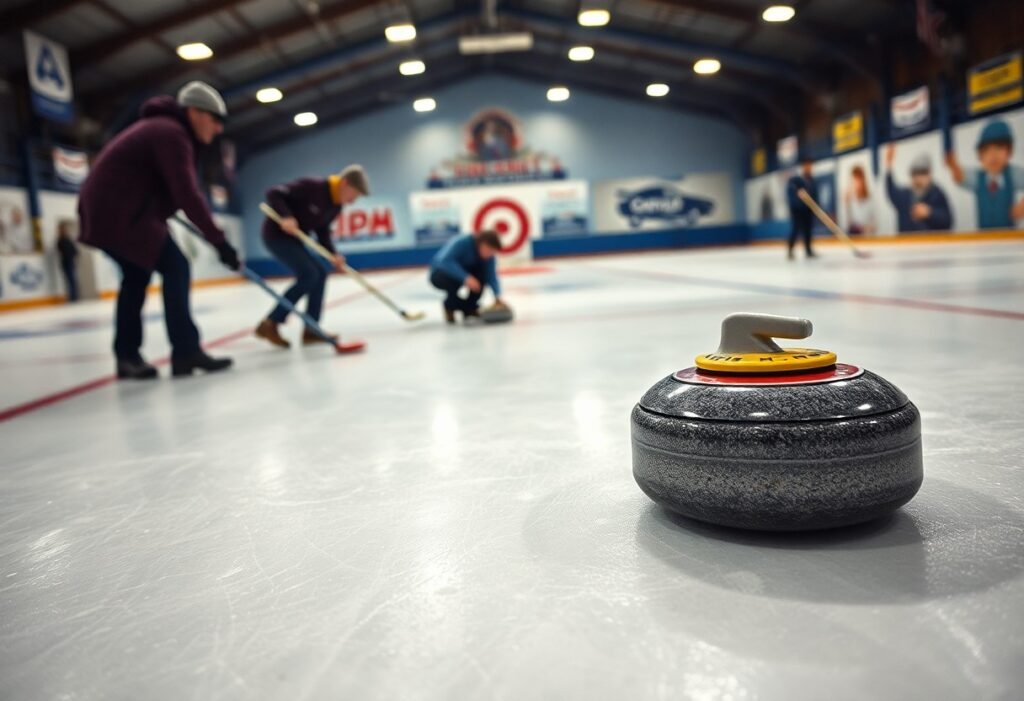

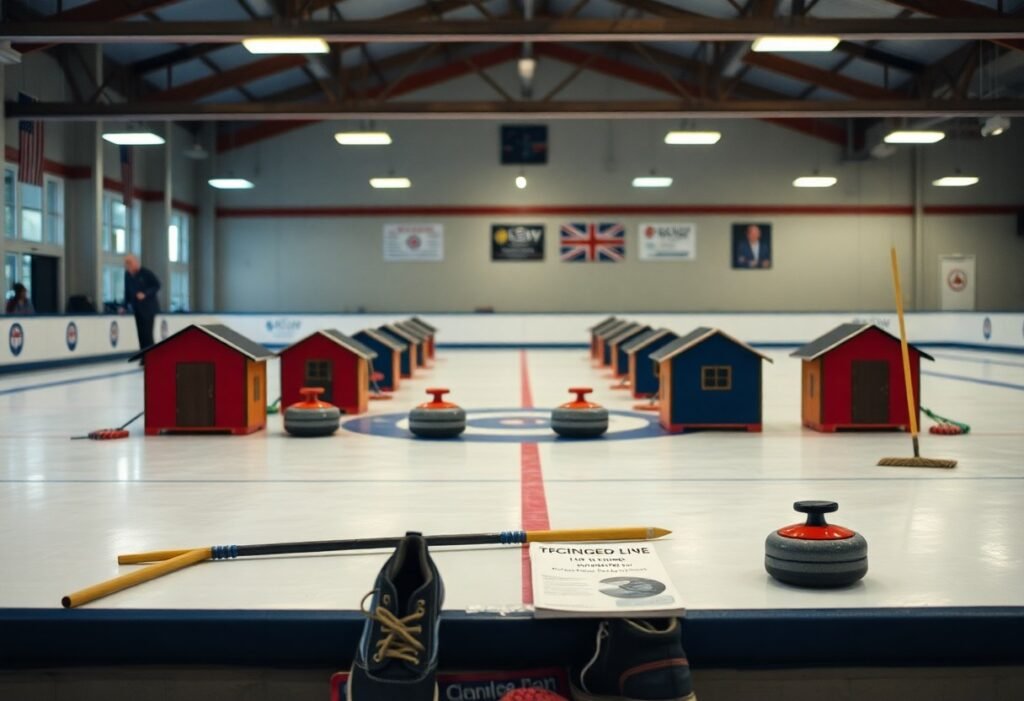
It’s a precision ice sport where you and your teammates slide heavy granite stones toward a target while using brooms to influence speed and direction; strategy and teamwork determine scoring, and sweeping can dramatically change a stone’s path. You should be aware of the slippery ice and heavy stones, which present the most dangerous elements, while enjoying the sport’s social tactics and accessibility for your skill level.
Key Takeaways:
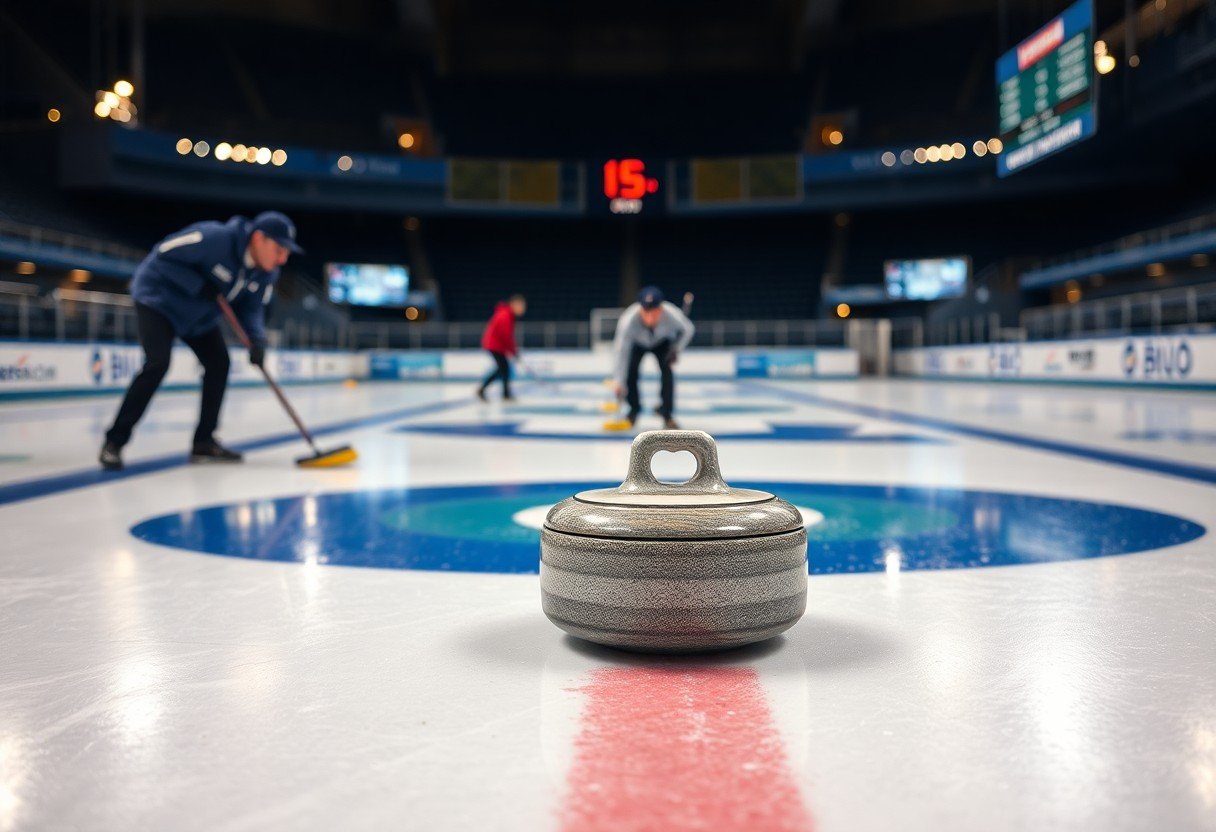
- Curling is a team ice sport where players slide granite stones toward a circular target (the house) while teammates sweep the ice to influence speed and curl.
- Teams of four each deliver two stones per end with defined roles (lead, second, vice, skip) and use specialized shoes, brooms, and the hog-line rule for legal deliveries.
- Points are scored after each end by counting which team’s stones are closest to the button; matches are decided over multiple ends through placement, takeouts, and sweeping strategy.
History of Curling
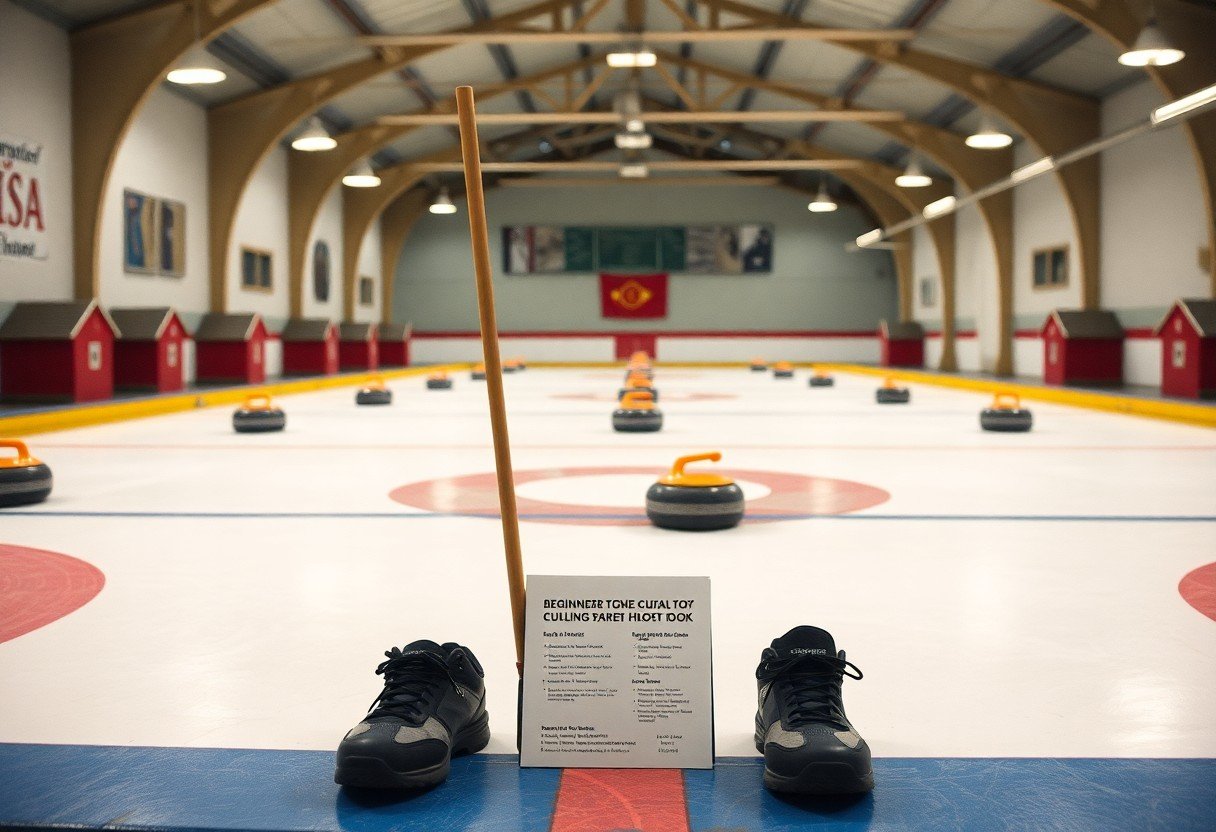
Tracing its roots to 16th-century Scotland, curling moved from frozen lochs to formal clubs. The Royal Caledonian Curling Club standardized rules in 1838. Equipment and ice technology evolved over time. Stones are now carved from Ailsa Craig and Trefor granite. Indoor pebbled ice allows for greater precision. The sport expanded globally over the decades. Curling became an official Winter Olympic discipline in 1998. This accelerated international competition and broadcast visibility.
Origins of the Game
In the 1500s, Scottish villagers slid rounded stones across frozen ponds for wagers and social events. Rules varied by parish, and matches often drew whole communities. Surviving stones and early records show makeshift targets and communal play. These artifacts illustrate how informal local customs gradually shaped a sport. Technique and teamwork eventually overtook pure chance.
Evolution Over Time
Rules and gear shifted as you’d expect: the 19th-century codification led to indoor rinks and pebbled ice, stones now weigh about 19 kg (42 lb), and brooms evolved into synthetic brushes that let you control speed and curl with sweeping. You’ll also see technological and rule innovations-timers, on-ice measuring, and strategic changes-that transformed tactics and spectator appeal.
Modern rule changes further reshaped strategy: the World Curling Federation’s adoption of the five-rock free guard zone in 2018 encouraged more offence, wheelchair curling entered the Paralympics in 2006, and shot clocks sped up play. You should also be aware of player risks-slips, falls, and repetitive-strain injuries from sweeping remain real hazards that influence training and equipment design.
Rules and Gameplay
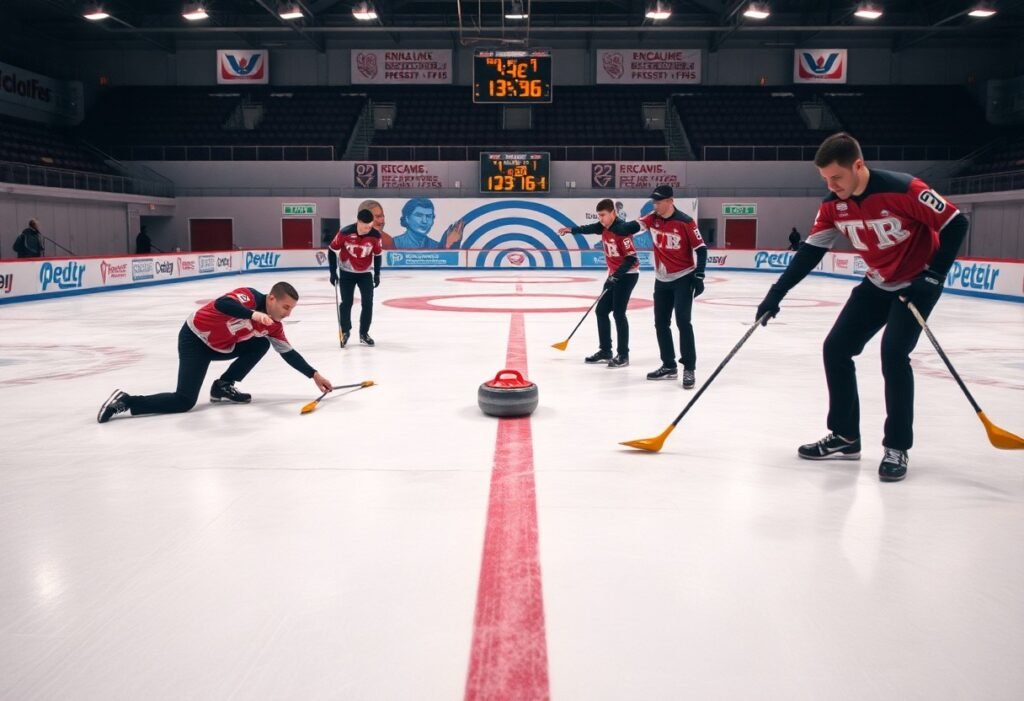
During an end you and your opponents alternate delivering stones, with each team throwing 8 stones per end and games usually played over 8 or 10 ends. The skip directs strategy from the house while teammates sweep to influence speed and curl-effective sweeping can change a stone’s path by a few feet, so timing and communication are necessary.
Basic Rules
You play in teams of four-lead, second, third (vice), and skip-and each player typically throws two stones per end. Stones must be released before the near hog line and must cross the far hog line to remain in play. The skip calls shots and you sweep to control speed and curl; missteps can cause slips or missed shots, so balance and timing matter.
Scoring System
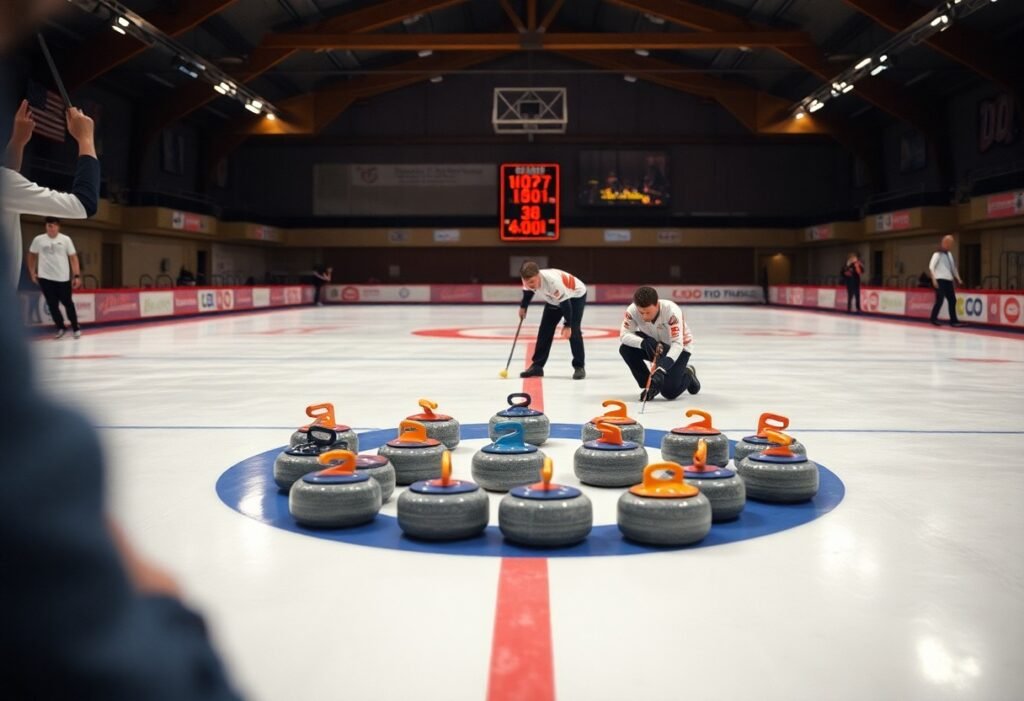
After all 16 stones are played you score by counting how many of your stones are closer to the button than the opponent’s nearest stone; only one team scores per end and you can score between 1 and 8 points (an 8-ender is rare). Holding the hammer (last-stone advantage) often determines strategy and end outcomes.
When stones are too close to call, officials use a measuring device to determine the shot rock. Tournament play usually ties games with an extra end if scores are level; you can also intentionally play a blank end (no score) to keep the hammer. A team that scores without the hammer steals points, which can swing momentum quickly-World and Olympic matches commonly use the 10-end format, while many clubs play 8 ends.
Equipment Needed
You’ll need stones, brooms, shoes and a properly prepared sheet; stones weigh about 20 kg (44 lb), so handling and delivery demand strength and technique, and each team delivers eight stones per end. Elite play depends on matched stones, carbon-fiber brooms, and purpose-built sliders and grippers for your shoes. For on-ice rules and play structure see Curling 101: Rules.
Curling Stones
Use granite stones from traditional quarries like Ailsa Craig. Each stone has a handle and polished running band. At roughly 44 pounds, they require controlled delivery. Release with consistent one-to-two turn rotation to predict curl. Inspect stones for chips or uneven wear. Select matched pairs when setting strategy.
Brooms and Shoes
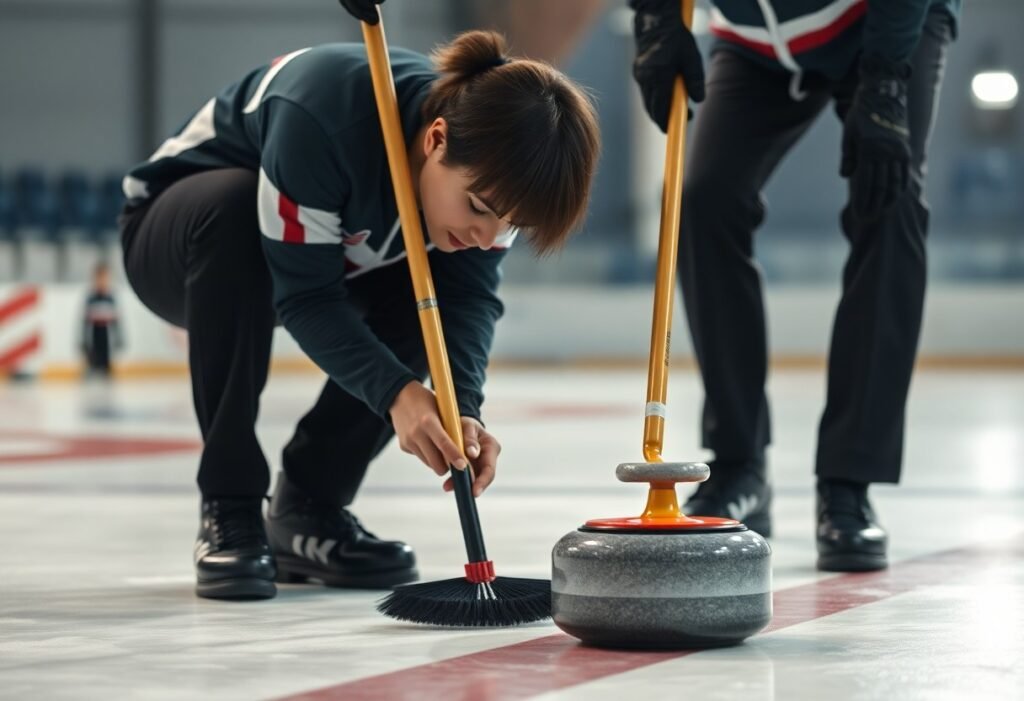
You rely on brooms with carbon shafts and synthetic brush heads. Vigorous sweeping reduces drag and helps a stone travel farther and straighter. Shoes have one slider and one rubber gripper. Using the correct sole for your role improves delivery and prevents slips. Incorrect soles increase fall risk.
Service and technique matter. Replace worn brush heads every season. Adjust broom angle and pressure to ice conditions. Colder, drier ice often needs firmer brushing. Practice coordinated tempo with your sweep partner. Shoe maintenance matters too. Check sliders for wear and swap to match ice speed. Small changes in friction can shift a stone’s finish by a few feet during an end.
Playing Curling
When you play, each end has you and your opponents alternate throws until each team has delivered eight stones, so timing and shot selection matter; communication with teammates about line and weight must be constant, and sweeping can materially change outcomes-use it to control speed and curl while avoiding slips on the ice, since a heavy stone and a wet hack can cause injury if you lose balance.
Positions and Roles
You’ll typically fill one of four roles: the lead throws stones 1-2 and sweeps heavily, the second throws 3-4 and plays takeouts, the third (vice-skip) throws 5-6 and helps read the ice, and the skip throws 7-8 while calling strategy; the skip’s decisions steer the end, and because stones weigh ~20 kg (44 lb), safe delivery and solid sweeping technique are important.
Strategies for Success
You should balance offense and defense: use guards and draws to build the house, play a “peel” to remove opponent guards when trailing, and exploit the hammer (last-stone advantage) to score multiple points or deliberately blank an end to retain it; shot selection depends on ice conditions, score, and how many ends remain.
Develop your strategy by practicing weight control and communication drills: learn to call weights (e.g., “normal,” “firm”) accurately, recognize that vigorous sweeping can extend a stone’s travel by up to about 1 m (3 ft) and reduce curl, and rehearse end-game scenarios-such as protecting a single-point lead in the final two ends-to convert tactical choices into consistent wins.
Curling Leagues and Competitions
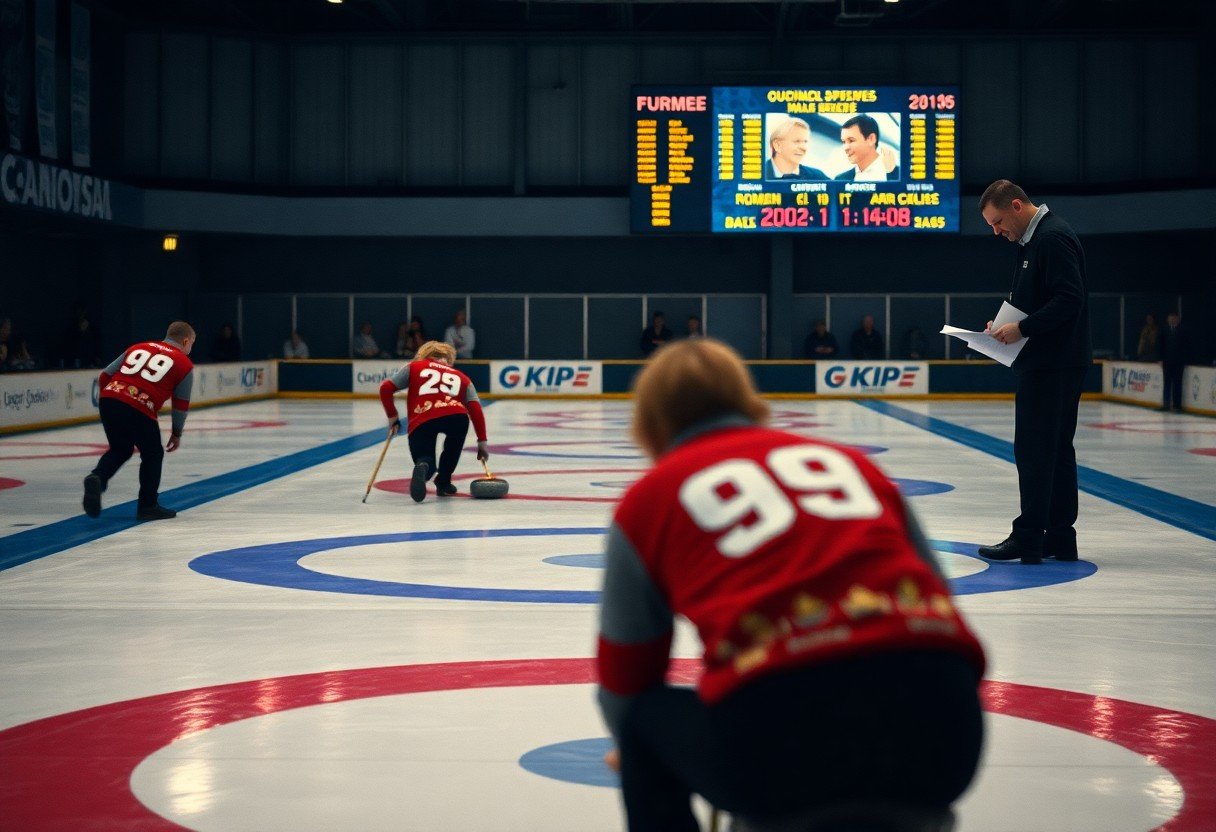
From house leagues to Grand Slam events, you’ll encounter formats that test both consistency and clutch play. Teams of four typically compete in 8-10-end games during an October-April season, with club bonspiels (weekend tournaments) and national circuits feeding World Curling Federation rankings. You can progress from weekly recreational play to World Curling Tour events that award ranking points and cash prizes.
Local and National Leagues
At the club level you’ll play weekly leagues-mixed, men’s, women’s, juniors and mixed doubles-that often run 12-20 weeks and use round-robin or ladder formats. Many clubs field 20-40 teams per season in larger Canadian and Scandinavian rinks, with promotion to regional playdowns; national championships then select representatives for Worlds, so your season structure affects advancement.
Major Championships
Top-tier events include the Tim Hortons Brier and Scotties (Canada), the World Men’s and Women’s Championships, European Championships, and Olympic tournaments held every four years since 1998; Grand Slam of Curling events like The Masters and Players’ Championship attract elite fields. Olympic medals and national titles drive selection and sponsorship, while Grand Slams offer prize purses often exceeding CAD $100,000.
Qualification usually comes via national trials, ranking points from the World Curling Tour, or victory at national championships; for example, Canada uses the Roar of the Rings Olympic trials and the Brier/Scotties feed national selection. You should expect round-robin pools, tiebreakers and playoffs over 7-10 days, with intense travel and media exposure that make competition physically and mentally demanding.
Benefits of Curling
Beyond strategy and icecraft, curling gives you measurable physical, mental and social gains: as a team sport with four players and eight stones per end, it blends moderate cardio, strength and tactical thinking. Vigorous sweeping can burn an estimated 300-700 kcal/hour, delivery lunges build lower-body stability, and league play sharpens decision-making under time pressure. You also gain regular social contact through weekly leagues and weekend bonspiels that strengthen community ties.
Physical Fitness
Sweeping demands short bursts of high-intensity effort-when you sweep vigorously you’re working shoulders, core and lungs while raising heart rate; coaches often cite 300-700 kcal/hour for sustained effort. The delivery lunge develops quad and hip strength and improves balance, repeated across 16 stone deliveries per end and typical 8-10 end games. Good technique reduces strain, and because slipping on ice is a significant hazard, proper footwear and balance drills are important.
Social Interaction
Playing in weekly leagues or 8-12 week draws connects you with teammates and opponents in a structured, recurring way; many clubs host bonspiels that attract 16-64 teams, creating intense but friendly competition. You’ll trade strategy, tips and post-game meals, which accelerates skill learning and builds lasting friendships. The team-of-four format means you interact closely every game, strengthening communication and leadership skills.
In practice, you’ll find curling clubs are intergenerational-juniors often play alongside members in their 60s and 70s-so mentorship and informal coaching happen naturally. Weekend bonspiels frequently lead to networking, volunteer opportunities and mixed-skills events that speed your improvement. If you want community impact as well as sport, curling’s social structure makes it easy to expand your circle and take on leadership roles within the club.
Final Words
With this in mind, you can approach curling with confidence: focus on proper delivery, effective sweeping, and team communication to influence stone placement, and practice strategy to read ice and anticipate opponents’ shots. Your patience and consistent practice will make complex tactics feel natural, and you’ll gain appreciation for curling’s precision, teamwork, and subtle strategic depth.
FAQ
Q: What is curling?
A: Curling is a team sport played on a sheet of ice where players slide heavy polished granite stones toward a circular target called the house. Two teams of four alternate throws, aiming to place their stones closer to the center (the button) than the opponent. Teammates use brooms to sweep the ice in front of a moving stone to influence its speed and trajectory. The game combines precision delivery, tactical shot selection, and coordinated sweeping, and is contested at club, national and Olympic levels.
Q: How is a curling game structured and what are the basic rules?
A: Games are divided into ends (similar to innings); most competitive matches are eight or ten ends. Each team throws eight stones per end, alternating deliveries. A legal delivery requires release before the hog line and the stone must cross the far hog line or it’s removed. Teams score only at the conclusion of an end: the team with the stone nearest the button scores one point for each of its stones closer than the opponent’s nearest stone. The free guard zone rule prevents early removal of certain guards, encouraging offensive play. Time clocks are often used in competitive play to manage pace.
Q: What equipment do players use?
A: Essential equipment includes granite curling stones (about 38-44 lb), a broom or brush for sweeping, and specialized shoes-one with a slippery slider and one with a grippy sole for traction. Players often wear a glove for a consistent release and warm, flexible clothing that allows lunging deliveries. Clubs provide sliders, grippers, and sometimes helmets for beginners. Sheets have markings: the hog lines, tee line, and concentric circles that form the house.
Q: How do team roles and on-ice strategy work?
A: Typical team positions are lead, second, third (or vice-skip), and skip. The lead throws first stones and focuses on setting up guards or draws; the second often throws takeouts and setup shots; the third supports tactical decisions and throws the fifth and sixth stones; the skip directs strategy and throws last stones, which are often game-defining. Strategy balances offense (guards, draws into the house) and defense (takeouts, rolling stones away). Communication, reading ice conditions, and coordinated sweeping to control line and distance are central to effective strategy.
Q: How can a beginner get started, and what etiquette and safety should be followed?
A: Join a learn-to-curl session at a local club or rink to get hands-on instruction and rental gear. Wear warm layers, non-bulky clothing, and shoes that can be modified with rental sliders or grippers. Basic etiquette: be quiet and still while a shot is being delivered, avoid walking on the playing surface during a shot, and follow the skip’s directions. Safety tips: move cautiously on ice to avoid falls, keep brooms and equipment clear of active delivery lanes, and use helmets if offered or if you’re unsteady on ice. Practice balance drills and delivery mechanics off-ice or on dry-ice substitutes to build confidence before full games.