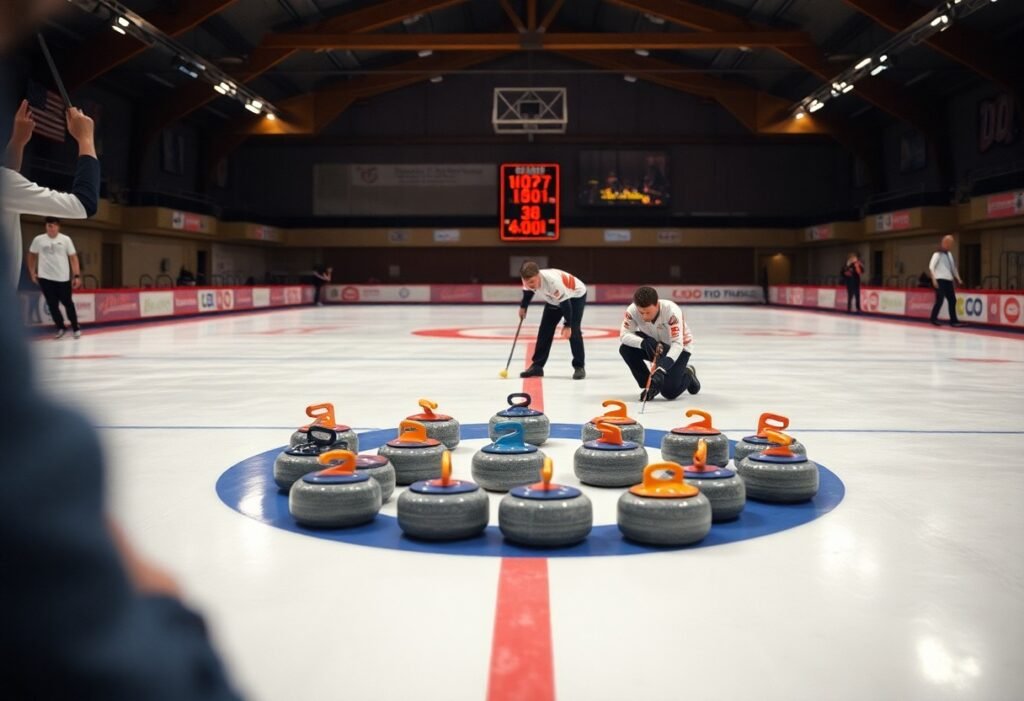

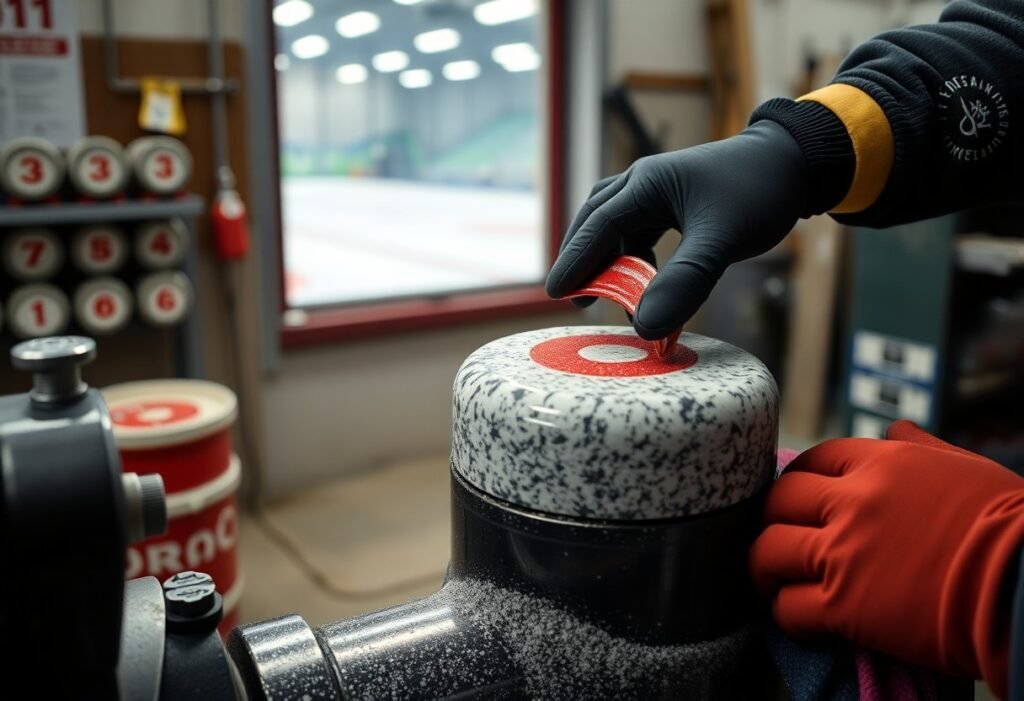
You explore how the stone’s mass, rotation and friction with pebbled ice create the characteristic curl, how sweepers modify meltwater to change speed, and how material and ice temperature affect trajectory; you must be aware of high-speed impacts and slick ice as potential hazards, while appreciating the sport’s precise control and strategic depth that reward skill and practice.
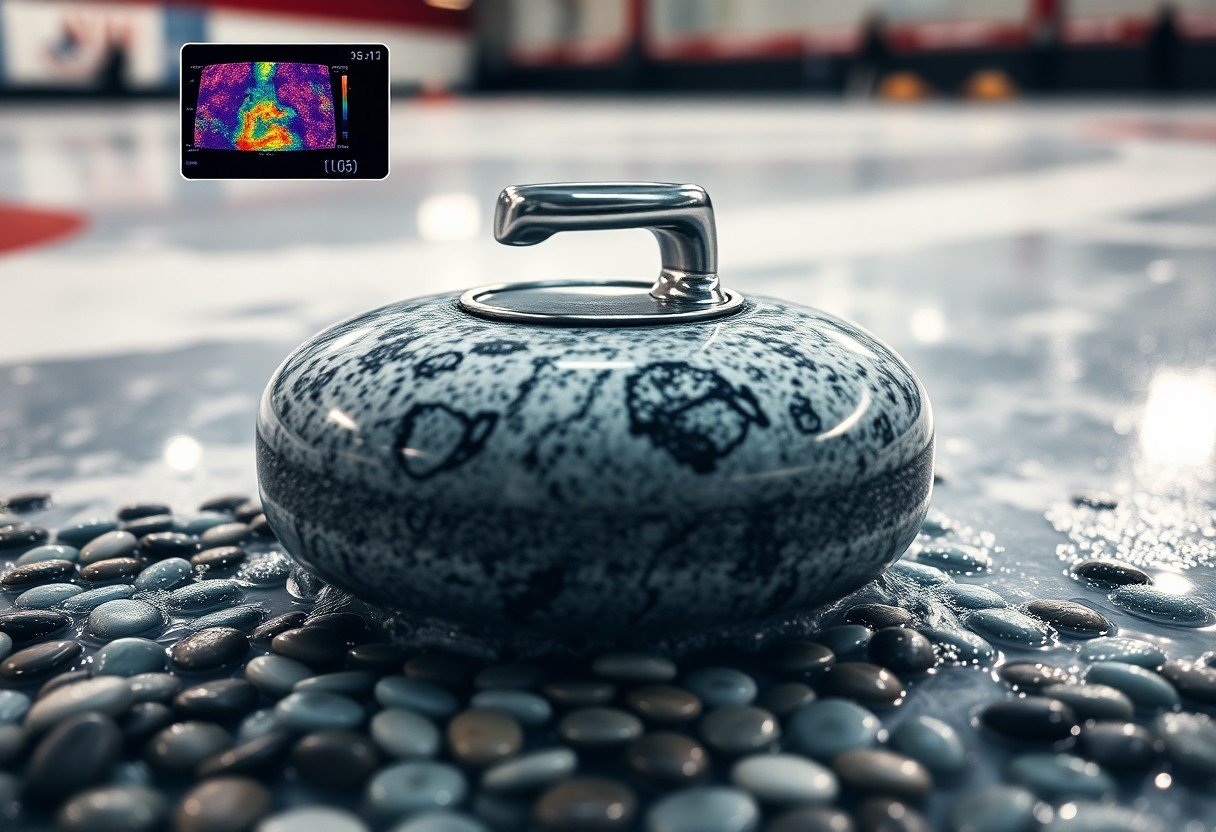
Key Takeaways:
- Rotation plus asymmetric friction between the stone’s running band and the pebble-textured ice produces the characteristic curl; sweeping reduces friction and alters the trajectory.
- Granite running-band geometry and stone mass concentrate contact area, controlling momentum, stability and response to rotational forces.
- Ice conditions (pebble size, temperature, surface wetness) and sweeping determine the friction coefficient, which sets stone speed and curl magnitude.
The Composition of Curling Stones
Materials Used
You’ll see most competitive stones cut from Ailsa Craig microgranite (notably Blue Hone and Common Green) because its grain and very low water absorption make sliding predictable; density sits around 2.6-2.7 g/cm³. Manufacturers like Kays of Scotland still supply most championship sets, and you can trace Olympic stones back to limited quarry stock, which is why supply and selection matter for elite rinks.
Stone Properties
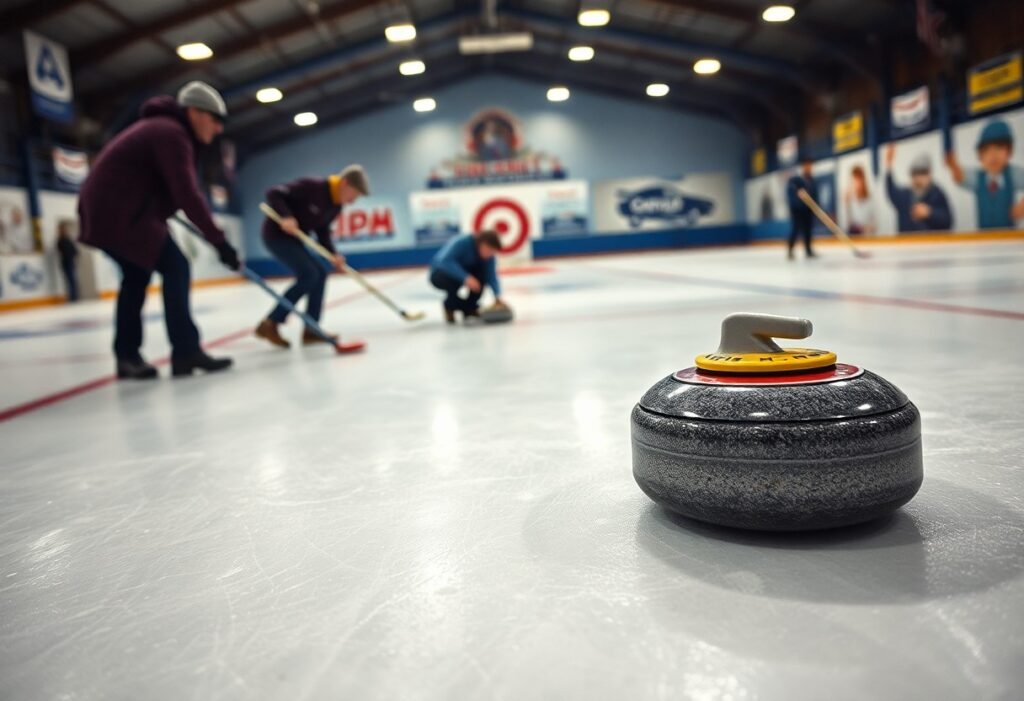
A standard curling stone weighs 17.24-19.96 kg (38-44 lb), measures about 11 inches (28 cm) across and roughly 4.5 inches (11.4 cm) high, and has a slightly convex running band that determines contact with the pebbled ice; when you handle stones the mass and balance directly affect delivery consistency and sweeping response.
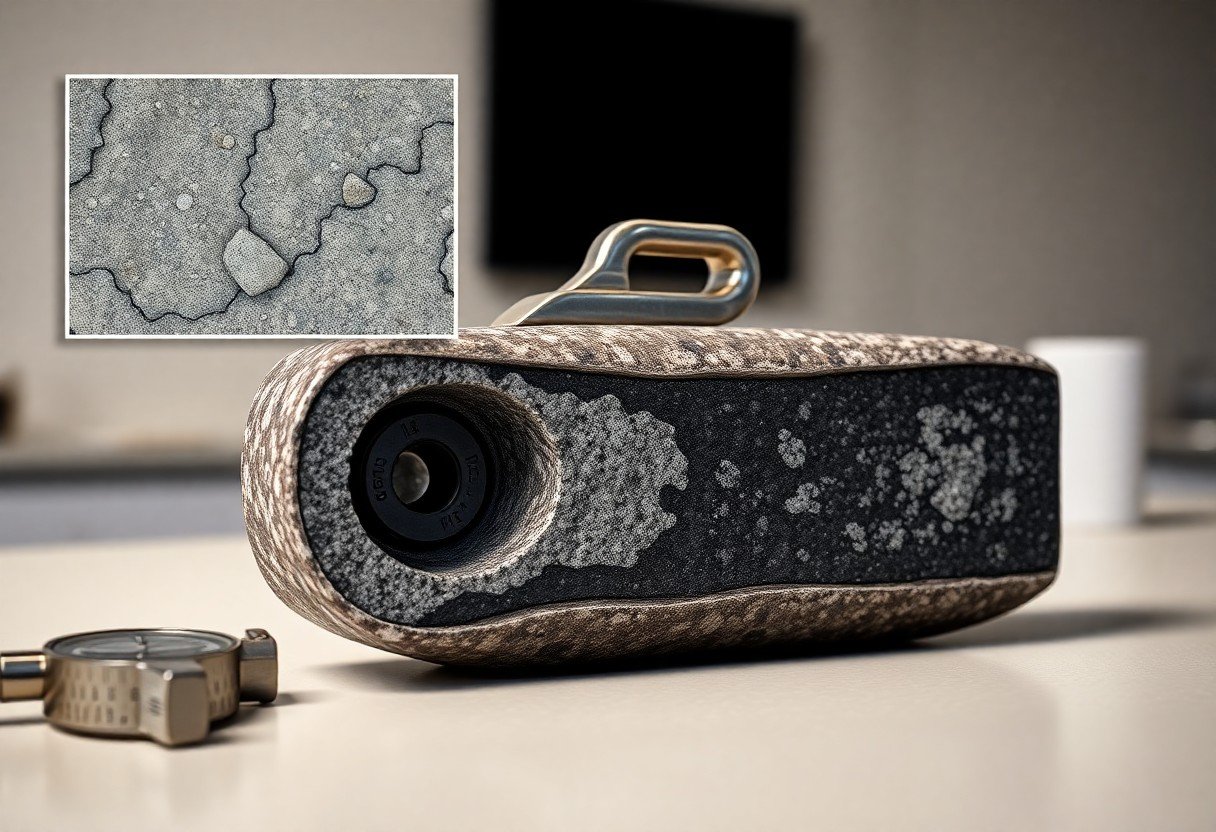
In play, the running surface’s microtexture and the stone’s grain orientation interact with pebble and sweeping to create curl: you’ll notice millimetre-scale wear or chips alter friction and trajectory, while polished or re-faced stones regain predictability. Teams routinely match and monitor sets so your stones stay within tight tolerances, because even small surface changes produce measurable differences in curl and distance.
The Physics of Curling
Delivered at about 3-4 m/s with roughly 2-3 full rotations and a mass near 19 kg, a stone’s path is governed by lateral friction, angular momentum and the textured pebble. When you vary speed or rotation by even 10%, the stone’s endpoint shifts by tens of centimeters, so elite play depends on millimeter-level ice reading and consistent release mechanics.
Understanding Friction
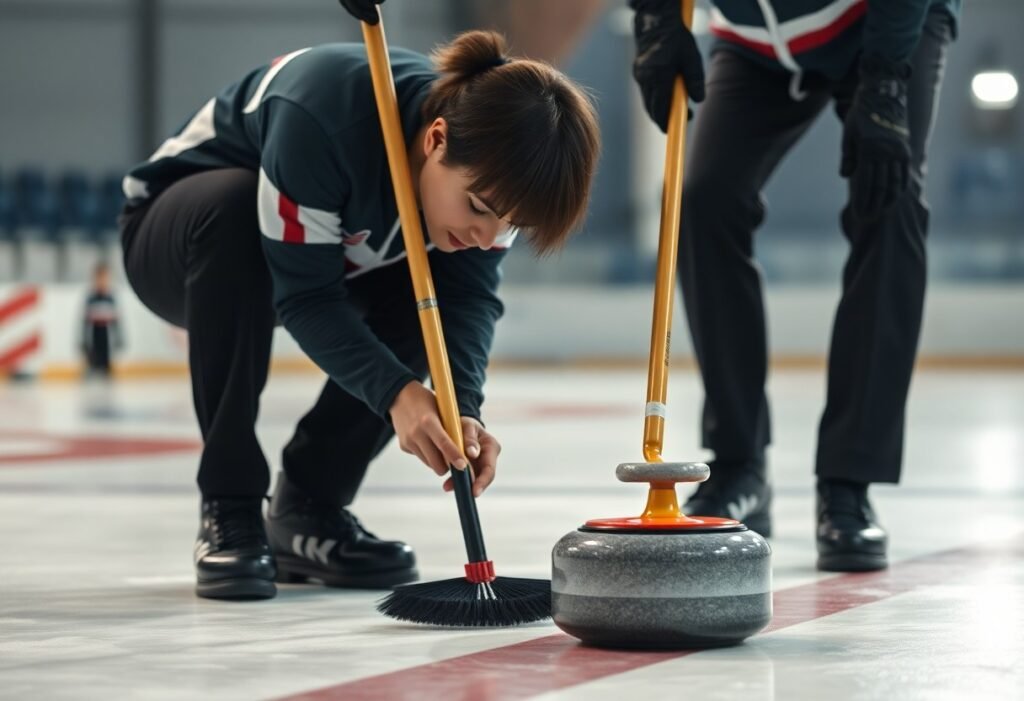
Contact occurs on tiny peaks of the pebble, where a thin water film from pressure and friction determines resistance; sweeping raises surface temperature by tenths of a degree (≈0.1-0.5°C), melting that film slightly and lowering drag. If you sweep aggressively you can add up to about 1-2 meters of travel and reduce curl, which you use tactically to shape shots.
The Role of Curling Technique
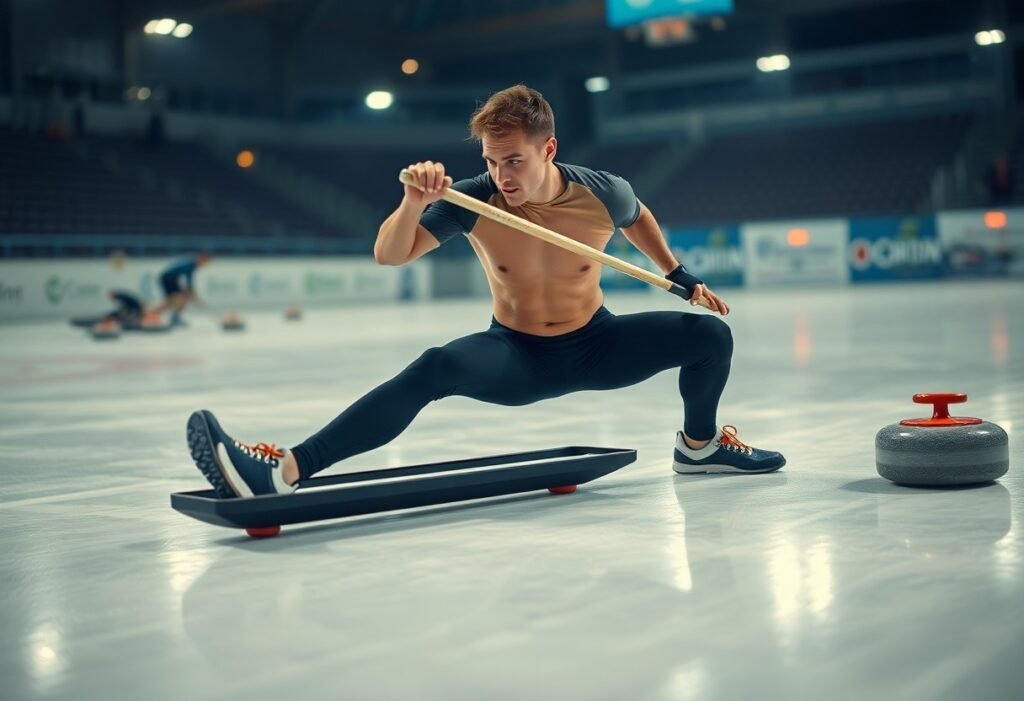
Your release-speed, handle rotation and axis tilt-sets initial conditions for the stone’s trajectory; a half to one full extra turn can move the resting spot by tens of centimeters, while a small axis tilt (a few degrees) introduces wobble and unpredictability. Skilled players target consistent pre-shot measurements: typical draw shots use ~2 rotations and controlled speed to maximize predictable curl.
In practice, world-class teams adjust rotation between about 1 and 3 turns: draws typically 2-3 turns to magnify curl, while takeouts use 1-1.5 turns and higher speed to minimize deviation. When you combine a precise release with targeted sweeping, the stone’s path becomes repeatable; an inconsistent wrist or pebble catch can cause a pick, sending the stone off course or creating hazardous ricochets.
Temperature and Its Effects
Temperature at a glance
| Ice surface | -3°C to -5°C – controls pebble hardness and run length |
| Stone temperature | Within ~3°C of ice → predictable curl; warmer stones increase melt and friction |
| Air/humidity | 30-50% RH and stable air temp reduce pebble softening and variability |
Ice Conditions
When the sheet sits near -4°C, you get the most predictable behavior: runs extend and curl stays steady. Small pebble diameters (about 1-3 mm) paired with low humidity (roughly 30-50%) give you consistent grip and sweeping response. In a 2019 rink study, sheets held at -4°C showed 10-15% less variability in stone distance than sheets at -2°C, so you can plan shots and sweeping with greater confidence.
Ice Conditions Summary
| Surface temperature | -3°C to -5°C – longer runs, stable curl |
| Pebble size | 1-3 mm – optimal balance of grip and slide |
| Humidity | 30-50% – reduces pebble softening |
Stone Temperature
If a stone is warmer than the ice by 3-5°C, you’ll notice increased melting of the pebble under the running band, which raises friction and often shortens runs while reducing curl. Teams that warm stones in a control room at ~10-15°C before play see inconsistent breaks compared with stones conditioned at rink temperature. You should avoid rapid temperature swings because they can cause microfractures or surface flaking that change a stone’s behavior.
Stone Temperature Effects
| Stone ≈ ice temp | Predictable distance and curl |
| Stone +3-5°C | More pebble melt → higher friction, shorter runs |
| Rapid temp change | Danger: risk of microfractures and surface damage |
Practical measures improve consistency: you can store stones in a cool room at about 0-5°C, allow a 5-10 minute acclimation on the sheet before throwing, and use an infrared thermometer to keep the stone-ice difference under 3°C. Teams using these controls reported up to a 20% reduction in shot-to-shot variability during tournaments, so your maintenance routine directly affects performance.
Temperature Management Tips
| Store stones cool | 0-5°C to minimize thermal shock |
| Acclimate on ice | 5-10 minutes to stabilize running band temperature |
| Monitor | Use infrared readings to keep difference ≤3°C |
The Influence of Weight and Balance
Mass and balance shape shot outcome: with the official stone weight of 17.24-19.96 kg and roughly 280 mm diameter, small shifts in center of mass change collision response and curl magnitude. When you deliver identical release speed, a rim-weighted stone carries momentum differently and resists deflection, while a forward-biased center makes it skid farther before gripping; elite teams routinely catalogue each rock’s tendencies during practice.
Weight Distribution
Manufacturers adjust core versus rim mass to tune moment of inertia so you’ll notice handling differences-concentrating a few hundred grams outward raises inertia and helps the stone hold line through contact, whereas a core-weighted stone responds quicker to brush and rotation adjustments. Clubs often tag rocks after trials so you know which ones favour guards, draws, or takeouts in match play.
Designing for Precision
Profile geometry, running-band width and surface finish are machined to tight tolerances so you can predict friction and curl: designers often choose narrower running bands to sharpen angular response and wider bands for steadier travel. Engineers quantify surface roughness in Ra units; a change on the order of 0.1 µm on the running band can noticeably alter grip on pebbled ice during lab tests.
Production methods reinforce repeatability so you’ll get consistent behaviour across stones: CNC machining, precise handle alignment and fixture-based assembly reduce variance, then high-speed tracking validates trajectories. In one manufacturer QA, a 0.5 mm change in running-band width produced differences of several centimetres in lateral displacement over a standard delivery, demonstrating how small machining variations affect elite-level outcomes.
The Evolution of Curling Stones
Historical Development
Tracing back to 16th-century Scotland, you see stones evolve from round river rocks to purpose-carved granite; by the 19th century manufacturers like Kays of Scotland standardized shapes and supplied clubs. Modern rules set stone weight at 17.24-19.96 kg (38-44 lb), and the iconic use of Ailsa Craig granite became common because of its low water absorption and high density, which improved durability and consistency on pebbled ice.
Technological Advances
In recent decades you’ve seen CNC machining, laser scanning and pressure-balancing produce surfaces within sub-millimeter tolerances; manufacturers machine the running band and test for microfractures using ultrasonic methods, while precise surface texturing is tuned to control curl and deliver repeatable behaviour in competition.
Manufacturers calibrate running-band radius and finish to tune friction; you’ll find Olympic suppliers use laser profilometry, perform freeze-thaw and rotational spin tests, and balance stones to within a few grams so your delivery and rotation stay consistent. Handles are engineered to deform or detach under extreme loads to reduce injury risk and avoid catastrophic fractures, protecting both players and equipment.
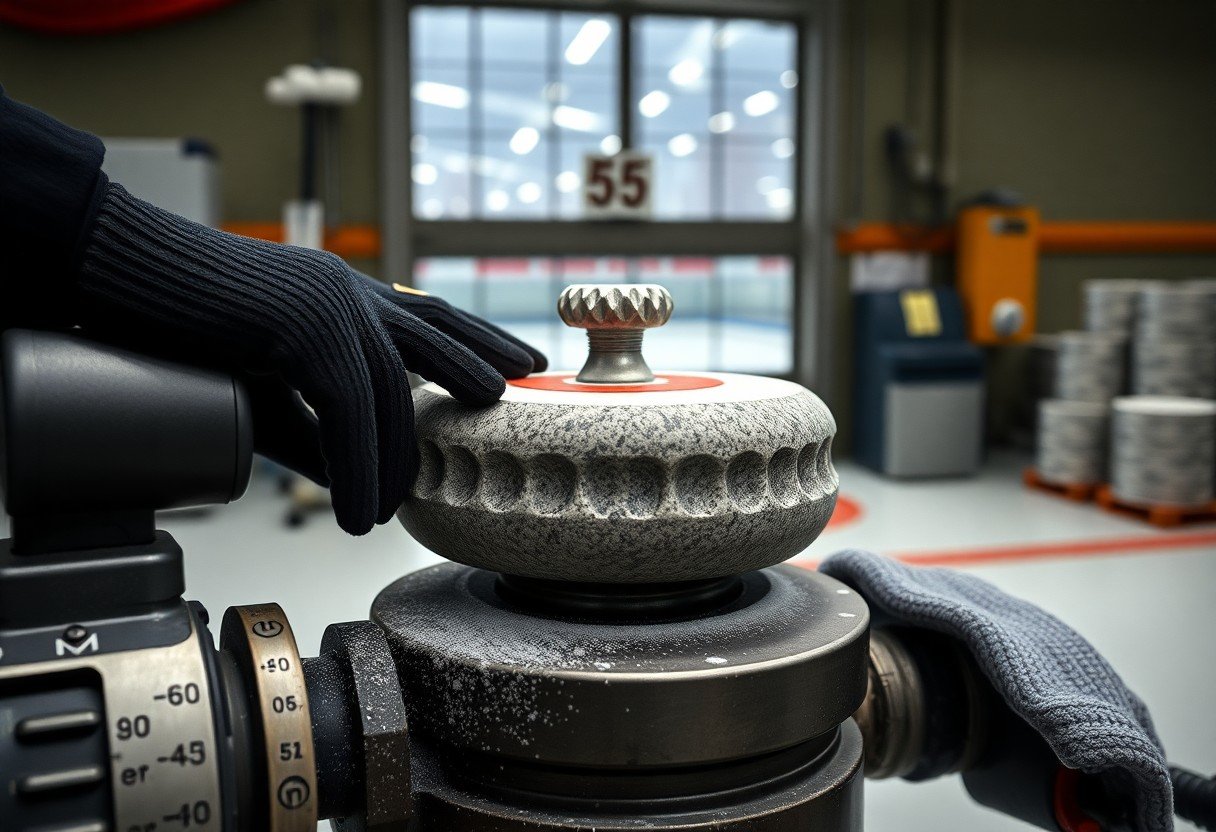
The Importance of Maintenance
Proper maintenance keeps your 19 kg curling stones true and safe; you should inspect handles monthly because a loose or cracked handle can cause sudden releases and injury. You’ll want to monitor the running band for chips and schedule resurfacing every 3-5 years depending on use. For an in-depth look at ice and stone interactions see The Science of Curling – Inside Battelle Blog.
Care and Upkeep
You should clean the running surface after heavy sessions, pebble the ice to match stone wear, and replace worn handles or bolts immediately; clubs that play 3-4 times per week often perform quick checks weekly and full inspections monthly. Use diamond pads for light regrinds and reserve machine recuts for when the running band shows visible chips or flat spots.
Longevity of Stones
Because many stones are cut from dense Ailsa Craig granite with low porosity, you can expect a well-maintained stone to last decades-often 50-100+ years; your maintenance choices directly determine whether a stone becomes a long-term asset or needs early replacement.
When you perform routine care-handle replacements, regrinding, and occasional deep recuts-you extend service life significantly; clubs commonly add 10-30 years of usable life through professional resurfacing and by rotating stones to even out wear, making reconditioning far more economical than full replacement.
Summing up
The science behind curling stones explains how you use spin, speed and sweeping to manipulate friction and trajectory: the stone’s rotation interacts with pebbled ice to create a lateral force that makes it curl, while sweeping momentarily warms and smooths the ice to reduce drag and extend travel; understanding stone mass, handle torque and ice temperature lets you predict curl and optimize your shot selection.
FAQ
Q: What materials and dimensions define a modern curling stone?
A: Modern curling stones are typically carved from dense, low-porosity granite (historic and preferred sources include Ailsa Craig and some other island granites) to resist chipping and absorb minimal water. A competition stone weighs about 19-20 kg and has a diameter near 28-30 cm with a narrow circular running band that actually contacts the ice; the handle is bolted to a turned and polished granite body. Precision turning, grinding, and sealing control balance and surface finish so rotation and contact behavior are consistent between stones.
Q: Why do curling stones curl instead of following a straight line?
A: Curl arises from the interaction of a rotating running band with the textured ice surface (pebble) and a thin, transient water layer created by frictional heating. As the stone slides and spins, the leading and trailing edges of the running band experience different frictional forces and microscopic melting/refreezing dynamics, producing a lateral force on the stone that steadily deflects its path toward the direction of rotation. The amount of curl depends on rotation rate, forward speed, ice pebble geometry, and how long the stone remains in the initial skid phase before entering a steady curl.
Q: What role does the pebble and ice temperature play in stone behavior?
A: Pebble is formed by spraying fine droplets of water that freeze into tiny bumps; those bumps reduce contact area and govern how the running band interacts with the ice. Ice temperature, humidity, and pebble condition control how easily a thin melt layer forms under friction. Slightly warmer ice and a wet pebble produce a thicker melt layer that can reduce friction and the magnitude of curl, while colder, harder ice produces less melt, higher friction, and often more predictable but sharper curl. Ice technicians tune pebble and temperature to control how much the stones will curl and how far they will run.
Q: How does sweeping change a stone’s distance and curl?
A: Sweeping compresses and locally warms the pebble ahead of the moving stone, thinning or smoothing the water film and temporarily reducing friction. That reduction increases travel distance by prolonging the slide phase and decreases the lateral force that produces curl, so a well-timed sweep can both add meters of travel and flatten the stone’s trajectory. Sweep effectiveness depends on broom pressure, sweeping speed, ice conditions, and how long the sweep is maintained in front of the stone.
Q: What happens mechanically during stone-to-stone collisions (takeouts, freezes, hits)?
A: Collisions transfer linear and angular momentum between stones with energy lost to friction, deformation, and heat at the contact points. The running-band geometry and rotation influence contact forces and post-impact trajectories: a direct hit transfers forward momentum and may impart spin that changes the struck stone’s roll, while glancing hits change angles and can produce complex ricochets. Ice friction and continued sliding after impact determine how far each stone travels and whether follow-through (hit-and-roll) or stoppage occurs.