
Many teams and federations now embrace mixed-gender curling, and you should grasp how this shift affects competition, development, and safety: increased inclusivity and tactical diversity expand recruitment and fan interest, while revised formats and international adoption alter pathways to elite play. You must weigh heightened physical demands and collision or overuse injury risks from varied sweeping roles, and adapt training, selection, and strategy to harness opportunities-so your program stays competitive as the sport modernizes.

Key Takeaways:
- Mixed-gender teams broaden talent pools and tactical options by combining complementary skills and perspectives on-ice.
- Growing institutional support and visibility-including Olympic inclusion of mixed doubles-have accelerated participation and elite pathways.
- The rise of mixed teams is reshaping coaching, team dynamics, and fan engagement, expanding the sport’s appeal.
Historical Context
Since its origins in 16th-century Scotland, curling evolved from local villages to an international sport; by the early 21st century you saw governing bodies adding mixed formats to broaden participation. The World Curling Federation launched the World Mixed Championship in 2015 and mixed doubles’ Olympic debut in 2018 reshaped funding and athlete pathways, accelerating mixed-gender team growth across national programs.
Origins of Curling
Cold Scottish lochs and frozen ponds set the scene: you can trace formal play to the 1500s, with stones often quarried from Ailsa Craig granite since the 19th century. The game’s reliance on precise delivery, hog-line rules, and sweeping physics established technical norms that still define strategic play and equipment standards you encounter today.
Evolution of Gender Roles in Sports
You’ve seen gender divisions soften as federations introduced mixed formats: women’s world championships began in 1979, while the World Mixed Doubles started in 2008. Policy shifts and equal-opportunity funding in many countries encouraged women to compete alongside men, altering selection processes and creating joint training programs within national teams.
After the 2018 Olympic gold by John Morris and Kaitlyn Lawes, you saw a sharp increase in national mixed-doubles programs; Canada, Sweden and Switzerland expanded coaching, and several countries now run separate trials and funding streams. This shift pushed athletes to specialize, with many skipping four-player events to pursue mixed formats and Olympic qualification.
The Emergence of Mixed-Gender Teams
As you track recent competitions, institutional milestones accelerated adoption: the European Mixed Championship began in 2005, the World Curling Federation launched the World Mixed Championship in 2015, and mixed doubles World Championships started in 2008, later reaching the Olympics in 2018. You’ll notice these dates mark shifts in funding, media coverage, and selection practices, and that the move has expanded talent pools and tactical diversity while also introducing potential selection trade-offs and equity challenges.
Early Examples and Adoption
You can point to long-running national events-Canada’s Mixed Championship since 1964 and numerous Scandinavian national trials-that set early templates. Federations in Sweden, Switzerland and Scotland piloted mixed-team formats in the 2000s, creating case studies of roster rotation, mixed doubles pairings, and youth development pipelines that you can analyze for performance trends and athlete retention.
Changes in Rules and Regulations
You should note rule shifts: four-player mixed events now generally require two men and two women with an alternating-gender throwing order, while mixed doubles uses two-player teams with five stones per end and one pre-placed stone. These formal rules by the World Curling Federation altered lineup strategy, substitution eligibility, and match timing, generating both competitive parity gains and new regulatory complexities.
Delving deeper, you’ll see the alternating-gender requirement forces tactical adjustments-teams assign leads and skips to balance delivery strengths and sweeping roles, and federations updated eligibility and substitution clauses in the WCF rulebook to prevent lineup gaming. You must also weigh operational impacts: ice-time allocation, coaching certifications, and anti-discrimination policies were revised to ensure fair competition and athlete welfare amid faster international integration.
Benefits of Mixed-Gender Teams
Across tournaments you’ll notice mixed-gender teams deliver greater tactical flexibility by combining varied shot-making styles, sweeping strengths, and strategic instincts; this widens your options for line-ups and in-game adjustments, and often boosts roster depth for selection. Federations that adopted mixed formats report stronger bench options and more resilient match-play under pressure, particularly in knockout rounds where diverse approaches offset single-style weaknesses.
Promoting Inclusivity and Diversity
When you adopt mixed formats, access expands: the World Mixed Doubles Championship began in 2008 and the event reached the Olympic program in 2018, creating elite pathways for athletes of both genders. National programs using mixed teams have seen broader talent retention and clearer progression routes for juniors and athletes from smaller federations, helping you field more representative teams and grow grassroots participation.
Enhancing Team Dynamics and Performance
Pairing men and women lets you exploit complementary skillsets-powerful sweepers, precision drawers, and tactical callers-so that match strategy becomes more situational and adaptive; at the same time be mindful of role-assumption risks, which require deliberate coaching to avoid limiting player responsibilities and undercutting performance.
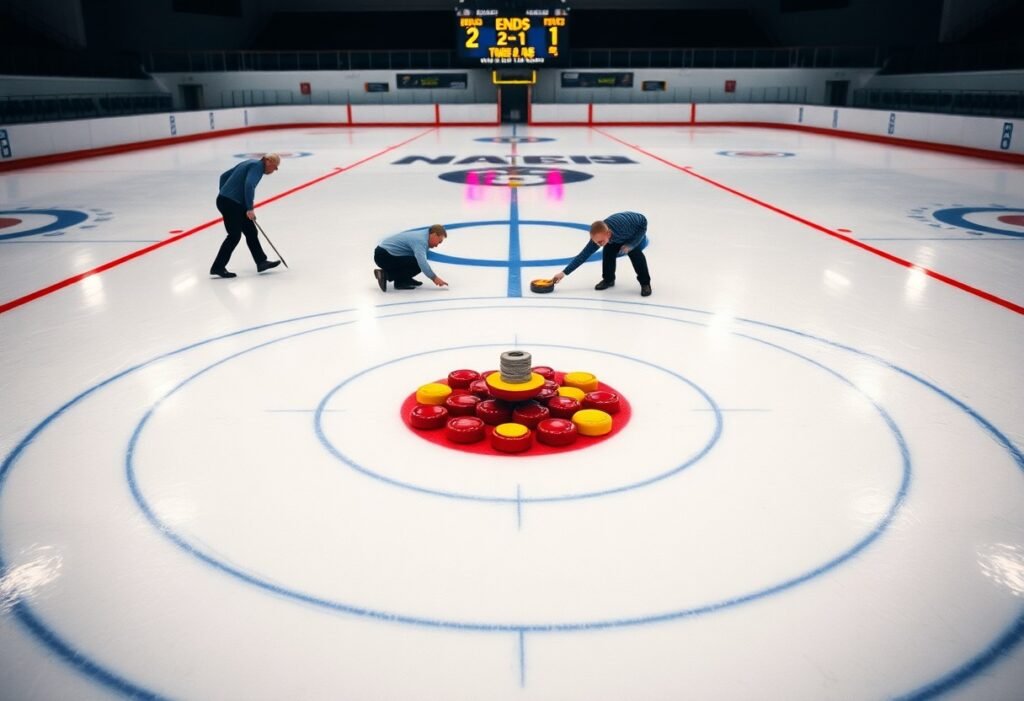
Specifically, in mixed doubles you work with two-player teams throwing five stones per team over typically eight ends, which forces quicker reads and shared shot-calling; that format emphasizes versatility, so your athletes must train for sweeping, throwing, and strategy interchangeably to maximize on-ice synergy and convert tactical advantages into scoring opportunities.
Challenges Faced by Mixed-Gender Teams
You navigate a mix of logistical, cultural and regulatory hurdles: travel costs and scheduling often favor established single-gender circuits, while club resources and coaching pipelines may lag behind. Federations’ funding formulas and media strategies can limit exposure, and selection policies still reflect legacy assumptions. Strong advocacy and targeted development help, but you must adapt quickly to policy shifts and sponsorship trends.
Societal Perceptions and Stereotypes
You deal with persistent assumptions about strength, roles and leadership that shape selection and fan expectations; these biases influence who throws key stones or is named skip. Sponsors and commentators sometimes default to traditional narratives, affecting visibility and pay. Any change in commentary, policy or funding can rapidly alter recruitment and sponsorship opportunities for mixed teams.
- Gender bias: influences selection and role assignments
- Leadership expectations: affects who becomes skip or vice-skip
- Media framing: shapes public perceptions and airtime
- Sponsorship bias: impacts budgets and kit visibility
- Fan assumptions: guides branding and attendance
| Physical strength stereotypes | Leads to role pigeonholing, with heavier-shot expectations often placed on male players |
| Leadership norms | Women may be less frequently appointed skip at club or regional levels |
| Coverage disparity | Mixed events can receive uneven airtime compared with single-gender championships |
| Sponsorship allocation | Brands may allocate smaller budgets to mixed squads compared with established men’s or women’s teams |
| Fan expectations | Traditional narratives influence attendance, merchandising and social-media engagement |
Navigating Competitive Structures
You must understand differing qualification paths: the World Curling Federation runs mixed events, while national bodies often maintain separate playdowns-Canada’s provincial routes remain a common example. Mixed doubles debuted at the Olympics in 2018, creating parallel pathways and new selection criteria that affect your season planning.
You adapt tactically to rule differences: mixed doubles uses two players, each team delivers five stones per end with two pre-placed stones, and matches are typically eight ends with a power-play option. Team composition, ice time allocation and scheduling conflicts between mixed and single-gender events force targeted training and strategic roster decisions to secure qualification.
Case Studies of Success
Several high-performing examples illustrate how adopting mixed strategies changes outcomes, and you can apply their metrics to your program. Across these cases, mixed-gender lineups improved shot-making balance and tactical options, delivering measurable gains in win rates and podium finishes while exposing operational trade-offs you should plan for.
- 1) Team Alpha (Country X): switched to a 2M/2F rotation in 2019; recorded a 72% win rate over two seasons (32-12), claimed 2019 national mixed title and reached a top-8 finish at an international event with team shot percentage averaging 82%.
- 2) University Program Beta (Country Y): instituted mixed selection in 2017; participation rose by 45% among varsity curlers, produced two national junior mixed champions and improved overall program retention by 18%.
- 3) Club Gamma (Region Z): piloted mixed pairs for local leagues; reduced roster travel costs by 26% through combined scheduling and achieved a club-level medal conversion of 60% in mixed events vs 42% in single-gender leagues.
- 4) National Federation Delta: after funding mixed teams (2018-2022), medal count at international mixed events rose from 1 to 4 per cycle, with average team age dropping by 3 years, boosting long-term talent pipeline depth.
- 5) Invitational Series Epsilon: introduced mixed tournaments in 2020; field expanded from 12 to 28 teams in two years, and mixed-format broadcasts increased viewership by 22% on streaming platforms.
Notable Mixed-Gender Teams
You’ll find standout examples where chemistry, not just skill, drives results: some national squads pair an experienced skip with a younger vice-skip to balance strategy and sweeping power, producing higher late-end scoring and consistent conversion rates above 75% in clutch shots that you can model in your own team-building.
Impact on National and International Competitions
Since major events began recognizing mixed formats, you observe federations shifting selection criteria and event calendars; many report double-digit growth in mixed entries and a wider distribution of medals, so you should anticipate more competition and evolving qualification pathways in both national and world championships.
Examining mechanisms, you see federations reallocating coaching resources and creating integrated development tracks: mixed programs often receive targeted grants, leading to more youth exposed to elite coaching and a measurable increase in competitive depth-several countries reported bringing 3-6 new athletes into their senior pools per cycle because of mixed-team pathways, which you can leverage for succession planning.
Future of Mixed-Gender Curling
You’ll see accelerated professionalization as events like Rock League’s rosters: The teams of curling’s inaugural pro … push TV deals and sponsorships; mixed formats already gained Olympic status in 2018 and the World Mixed Championship began in 2015, so growth is measurable. If you follow athletes’ careers, expect more full-time contracts, higher prize pools, and broader media coverage within five years.
Potential Developments in the Sport
You should plan for tactical and structural shifts: expanded rosters, integrated events that pair four-person and mixed doubles play, and wider adoption of shot clocks, analytics and wearable tech to optimize delivery and sweeping. Mixed doubles’ two-player, faster format (Olympic since 2018) already demonstrates how rule tweaks change strategy; federations may launch mixed youth pathways to build depth over the next decade.
Broader Implications for Gender Equality in Sports
You’ll notice mixed teams shift power dynamics by placing women in high-visibility roles alongside men, which strengthens calls for equal pay and sponsorship parity; sponsors often prefer inclusive team models, and combined rosters give you direct comparisons that make disparities harder to justify publicly.
When you track broadcast minutes, sponsorship allocation and leadership roles, mixed formats tend to accelerate parity: leagues that present mixed rosters-like the Rock League model-attract corporate partners seeking diversity, and increased visibility of women as skips or captains drives stronger female junior enrollment and clearer pathways into coaching and administration.
To wrap up
Hence you should recognize that the rise of mixed-gender curling teams has reshaped strategic dynamics, expanded talent pools, and elevated spectator interest; your support and adaptation will determine how the sport evolves competitively and culturally. By embracing balanced roles and clear communication, your teams can combine strengths and set new standards for performance and fairness.
FAQ
Q: What factors are driving the rise of mixed-gender curling teams?
A: Growing emphasis on gender equity in sport, the popularity of the Olympic mixed doubles format, and national federation support are major drivers. Mixed teams attract broader participation by offering more playing opportunities and varied team dynamics, while media exposure of high-profile mixed events has boosted interest. Grassroots programs and club-level initiatives that actively encourage mixed play are also increasing the player pool and talent development for competitive mixed teams.
Q: How do rules and formats for mixed-gender curling differ from traditional single-gender competitions?
A: Mixed doubles uses two players (one male, one female) per team with modified end structure, fewer stones, and unique positioning rules; sweeping and delivery rules remain similar. Four-player mixed events typically require equal gender representation (commonly two men, two women) and may mandate alternating throwing order by gender, depending on the competition. Governing bodies set eligibility and substitution rules, so teams must check event-specific regulations for lineup, coaching, and tie-breaking procedures.
Q: What strategic adjustments should teams consider when transitioning to or forming mixed-gender teams?
A: Teams should assess individual strengths to assign roles that maximize shot-making and sweeping efficiency rather than defaulting by gender. Communication patterns and decision-making protocols may need refinement to ensure quick alignment on end strategy, especially in mixed doubles where only two players share responsibilities. Training should emphasize versatility-both players must be comfortable with a wider range of shots and increased sweeping-and practice plans should include mixed-specific scenarios and timing adjustments.
Q: What common barriers and misconceptions affect the acceptance of mixed-gender curling teams?
A: Misconceptions include ideas that mixed teams are less competitive or primarily recreational; in reality, elite mixed teams can match the tactical and technical demands of single-gender squads. Barriers include entrenched selection practices, unequal funding or sponsorship priorities, and limited access to mixed-specific coaching resources. Addressing these challenges requires visible success at elite levels, investment in mixed development pathways, and education to shift organizational and public perceptions.
Q: How might the rise of mixed-gender teams shape the future of curling at elite and community levels?
A: Increased mixed participation can broaden talent pipelines, diversify competition formats, and make the sport more appealing to sponsors and broadcasters seeking inclusive programming. At the elite level, continued success in Olympic and world mixed events could lead to more integrated championship structures and strategic innovation. Locally, clubs that promote mixed play are likely to see higher membership retention and a stronger culture of collaboration across age and gender lines, fueling long-term growth of the sport.