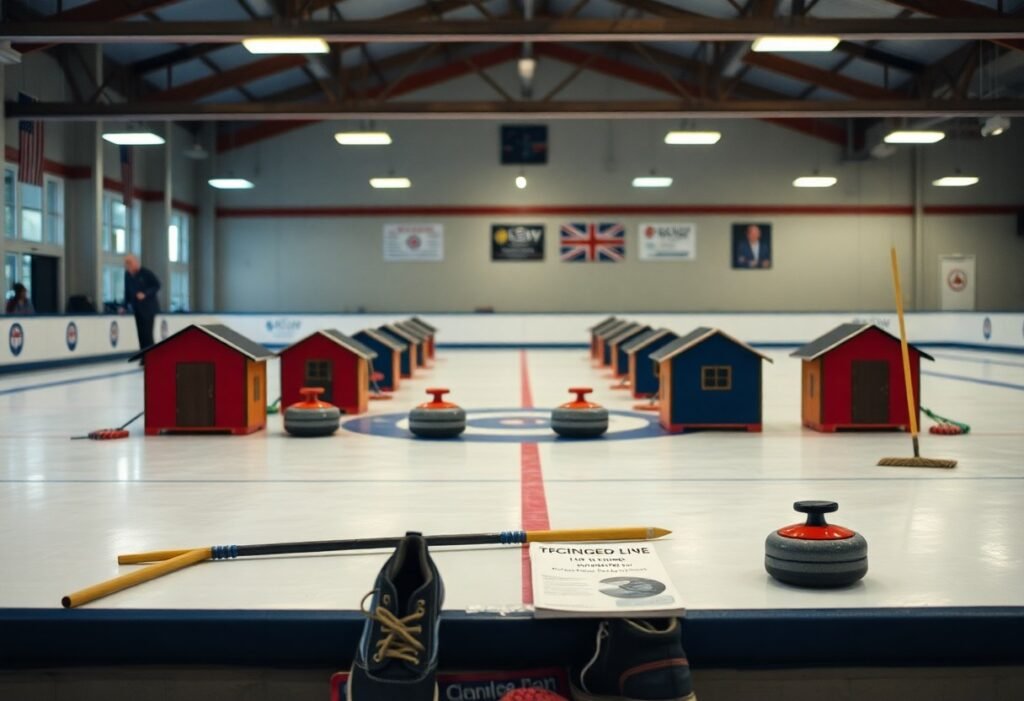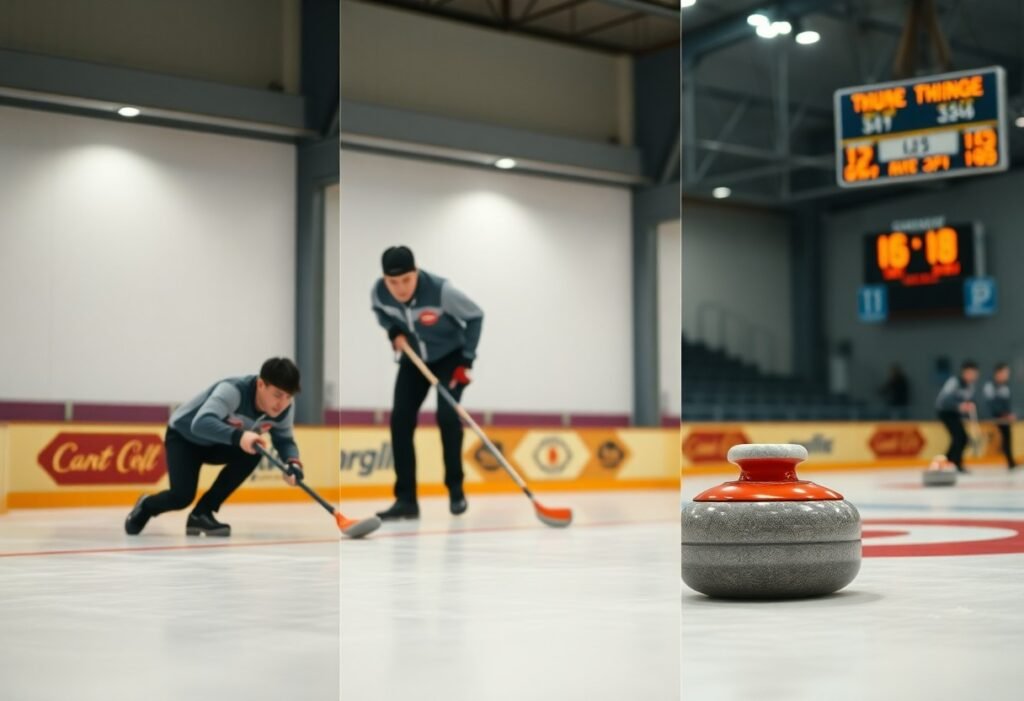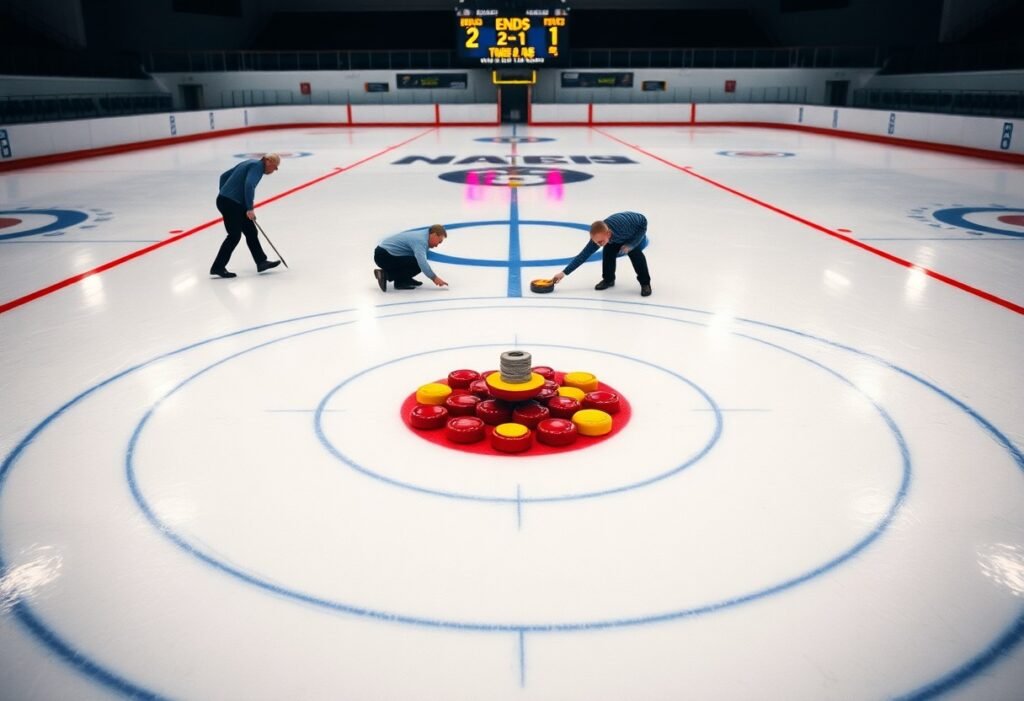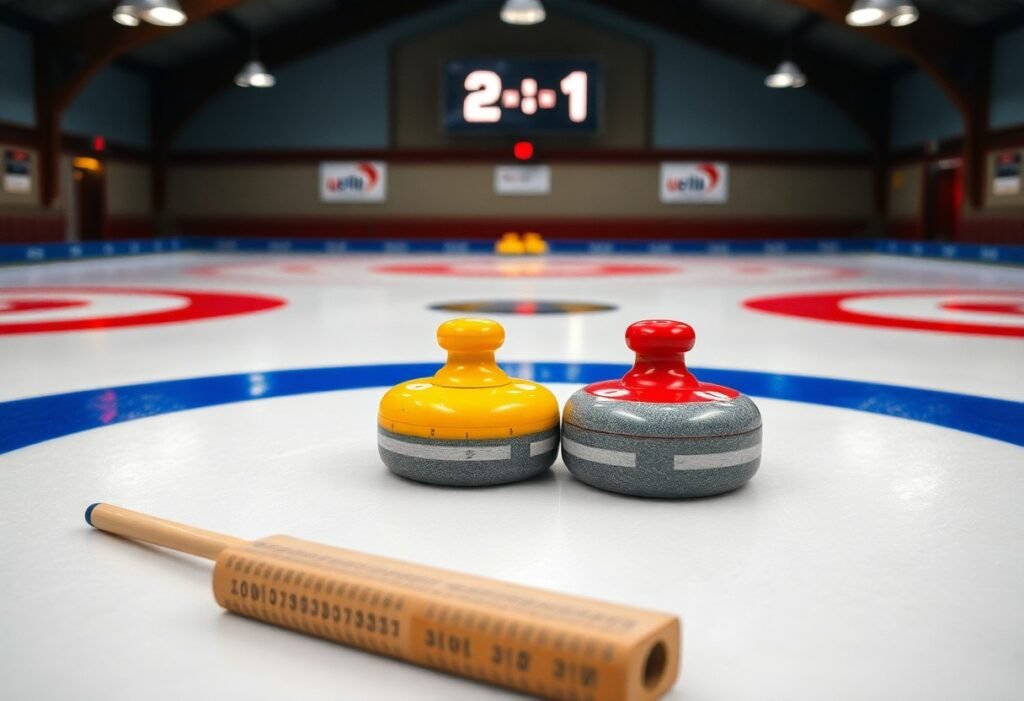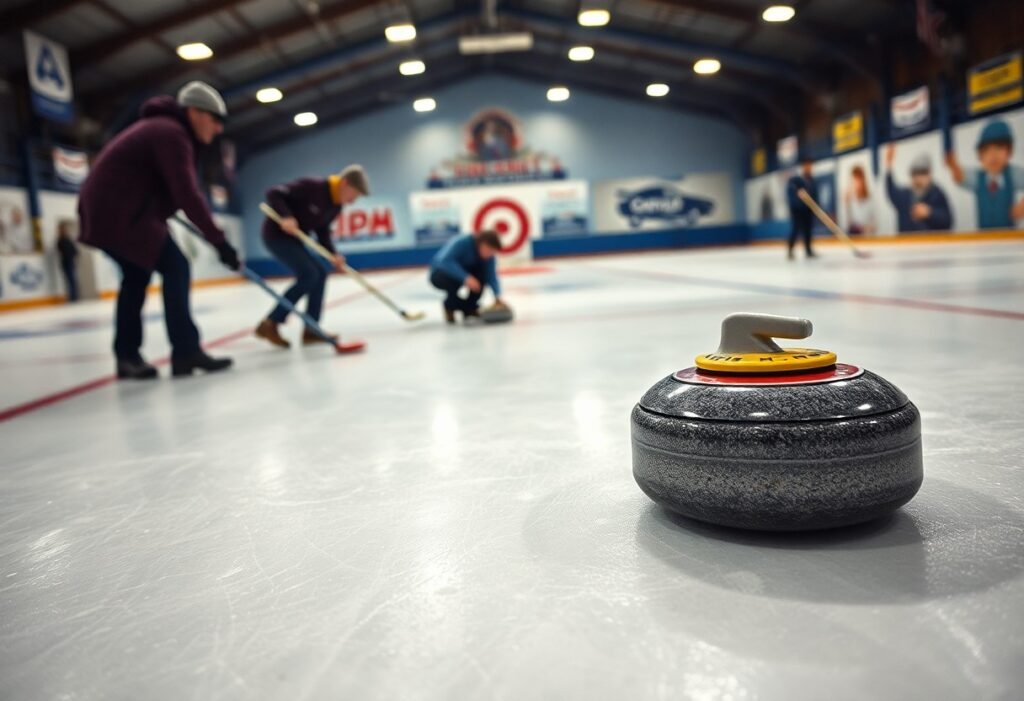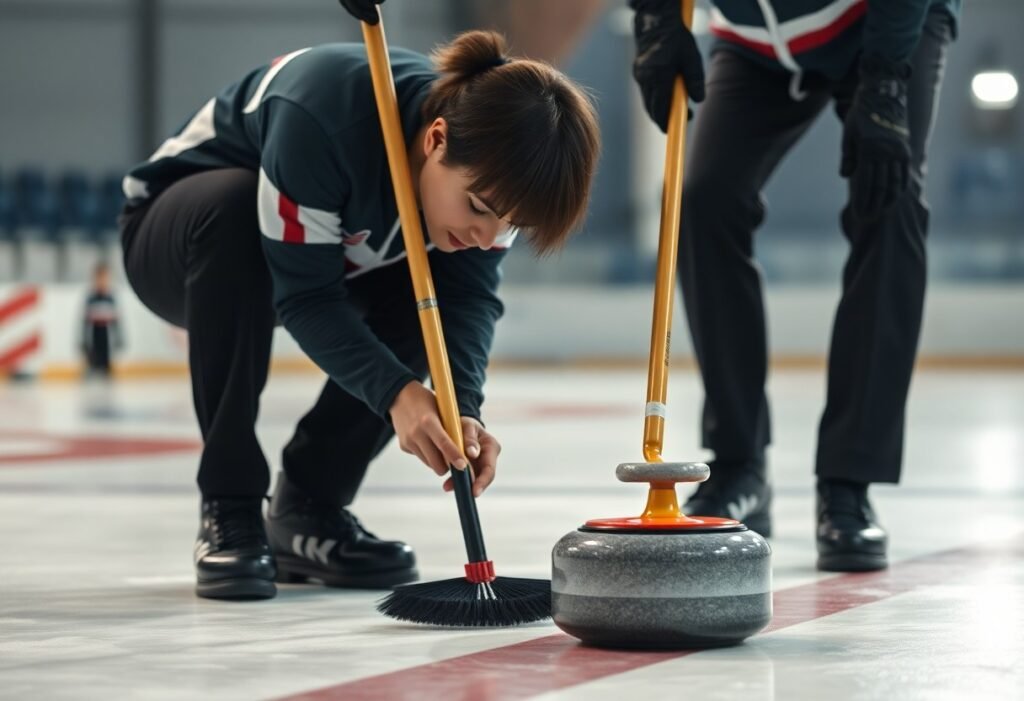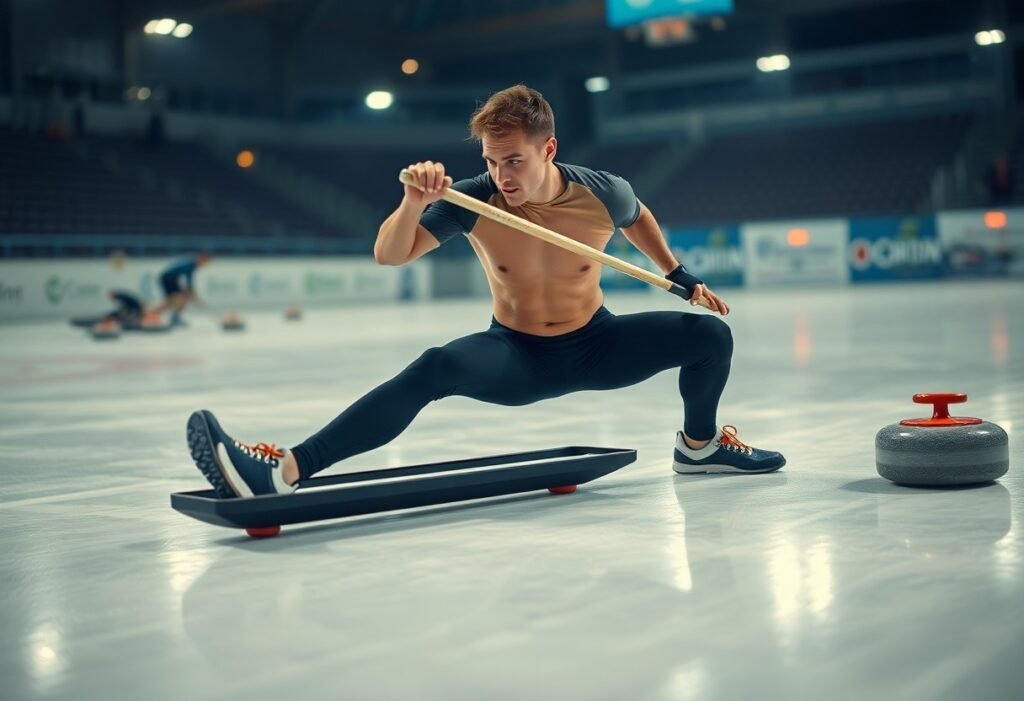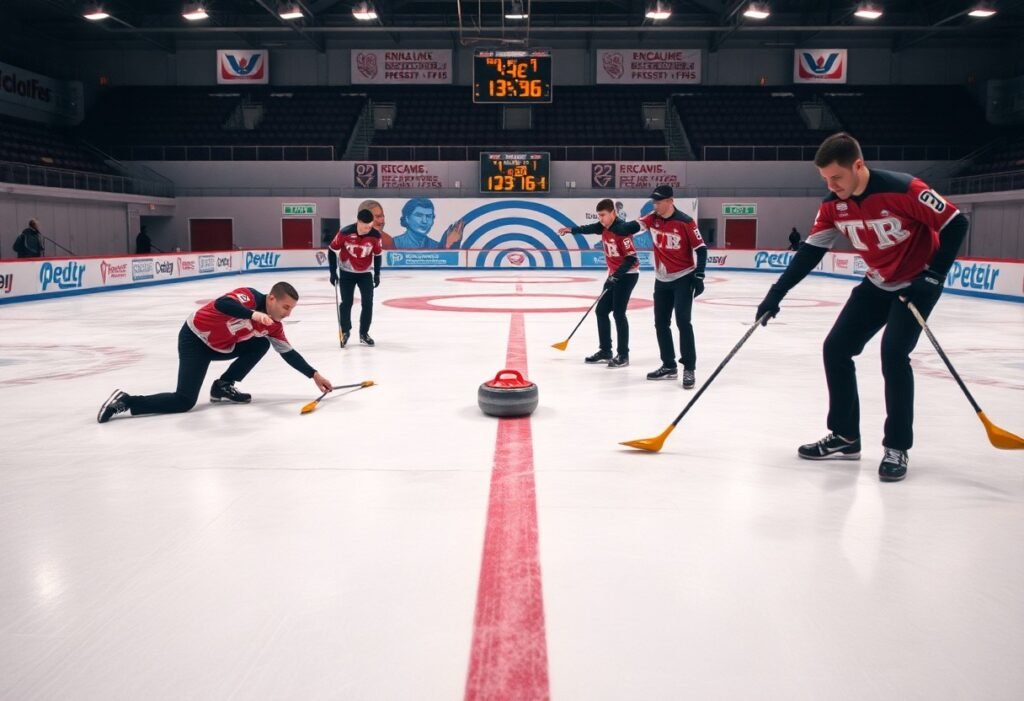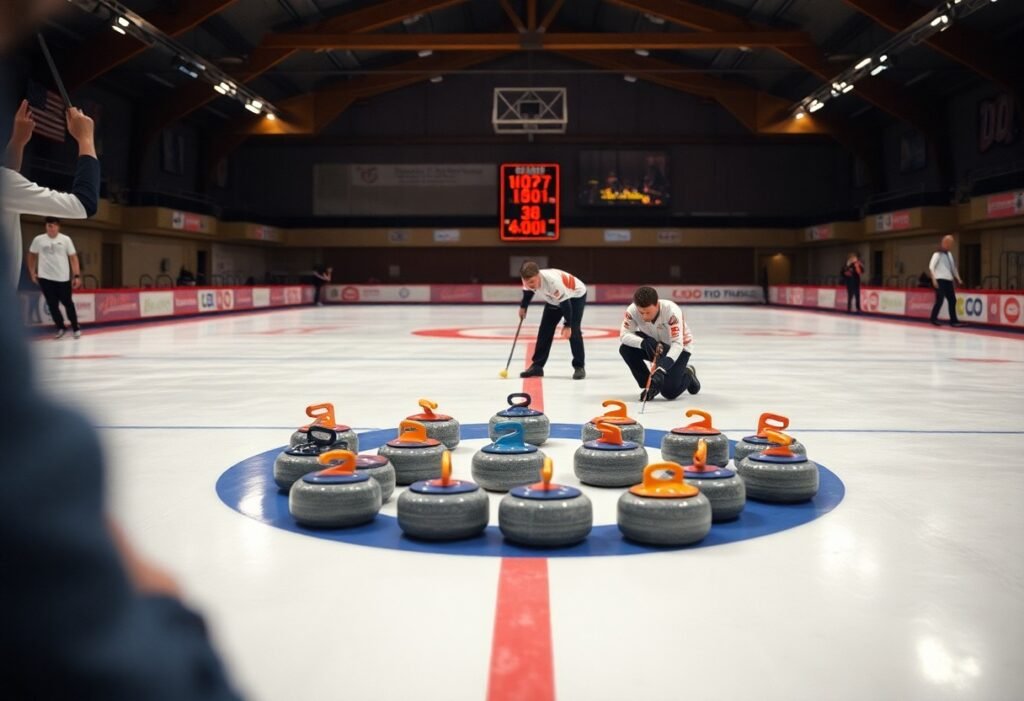

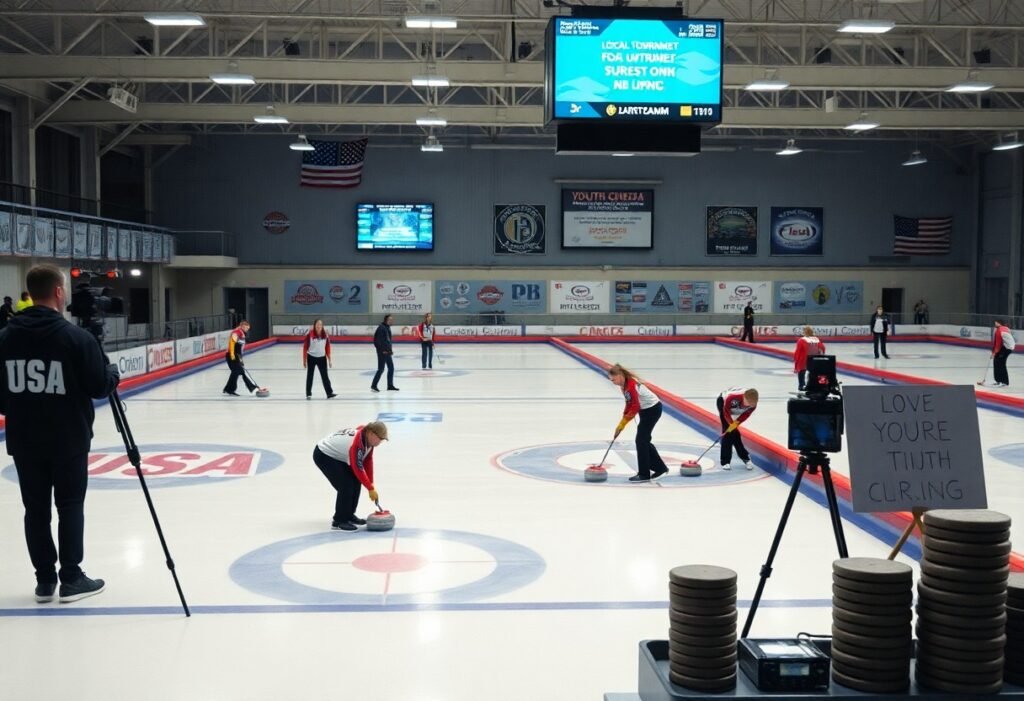
It’s no surprise you’re seeing curling everywhere as the sport combines strategic depth and social accessibility; rapid growth in youth programs and Olympic visibility are driving interest, while affordable clubs make it easy to try. As you learn tactics, sweeping builds fitness and teamwork, though you should be aware of slippery ice and fall risk that requires proper footwear and coaching. Ultimately, community atmosphere and low-entry cost make curling an appealing, enduring option for many Americans.
Key Takeaways:
- Growing grassroots programs, youth leagues, and new curling clubs expand access across the country.
- Olympic exposure, broader TV/streaming coverage, and viral social-media moments boost visibility and interest.
- Friendly, low-cost, community-oriented play attracts casual participants and social leagues.

The Rise of Curling in the USA
Historical Context
Tracing back to organized clubs in the late 1800s, curling took root in northern states like Minnesota and Wisconsin through Scottish and Canadian immigrants, and by the 20th century you could find steady club play and regional championships. Over time the sport evolved from outdoor pond games to regulated indoor sheets, and its status as an Olympic medal sport since 1998 helped push national governing bodies to build youth programs and formal coaching pathways.
Recent Trends in Popularity
In the past decade you’ve seen interest spike as Olympic broadcasts and viral highlight reels bring strategic play to new audiences; grassroots growth now includes more than 100 clubs nationwide, expanding into nontraditional markets and producing junior leagues, collegiate teams, and learn-to-curl clinics that often sell out. Streaming of bonspiels and social clips lets you watch tactics and sweeping technique anytime, accelerating enrollment and spectator engagement.
Digging deeper, college and junior circuits have grown markedly-US curling events now regularly feature dozens of collegiate teams competing regionally-and many community rinks report doubled youth registrations year-over-year. You should also weigh safety: curling’s biggest hazards are slips and overuse strains, so clubs emphasize grippers, helmets for beginners, and structured warm-ups to lower injury rates while sustaining rapid participation growth.
The Influence of the Olympics
Since curling returned as an Olympic medal sport in 1998, the Games have repeatedly pushed the sport into mainstream awareness, and you feel that shift whenever a Winter Olympics rolls around. Iconic moments like Pete Fenson’s 2006 bronze and John Shuster’s 2018 gold transformed niche stories into national headlines, driving TV highlights, social clips, and a noticeable uptick in club inquiries in the months after each Games.
Increased Visibility
Television packages and streaming have made curling highlights easy for you to find: networks expanded live coverage and short-form clips now circulate on social platforms, exposing the sport to millions of casual viewers during each Olympic cycle. As a result, you’re more likely to see beginner clinics sell out and local rinks promoted on national broadcasts, turning isolated curiosity into tangible participation.
Success of American Curlers
High-profile medals give you clear examples of American success: Pete Fenson’s 2006 Olympic bronze and John Shuster’s 2018 gold provided compelling narratives that media amplified, while athletes’ personalities and backstories made the sport relatable. Those wins showed you that U.S. teams can compete with traditional powerhouses and inspired confident investment in coaching and junior programs.
Beyond medals, the 2018 champion roster-John Shuster, Tyler George, Matt Hamilton, and John Landsteiner-became visible ambassadors for the sport, appearing in media, clinics, and sponsorships that you could track nationally. The U.S. Curling Association doubled down on its High Performance initiatives after those successes, increasing coaching resources and analytics support so your local talent pipelines benefit directly from Olympic-level development.
Community and Recreational Curling
You’ll find curling’s appeal in its social, low-barrier nature: casual leagues, family nights, and volunteer-run bonspiels turn strangers into teammates. Many clubs pair weekly play with coaching clinics, youth programs, and charity events, so your involvement often supports local causes. Expect a mix of competitive and social play where fitness, strategy, and conversation matter equally, while you should be aware of the risk of slips on the ice and basic safety protocols most clubs enforce.
Growth of Curling Clubs
You can join clubs that have multiplied across the Midwest and Northeast, with dedicated facilities now offering 4-8 sheets in many communities. Examples like Broomstones (MA), Bemidji (MN), and Madison (WI) show how grassroots fundraising and rink conversions create year-round ice. Newer arena-conversion projects and municipal partnerships have helped clubs expand into suburbs and college towns, so your nearest club may be closer than you think.
Local Leagues and Events
You’ll see league formats that run 8-12 weeks, usually four-person teams playing eight-end games, plus growing mixed doubles divisions after the 2018 Olympic push. Bonspiels commonly draw 16-48 teams and range from weekend socials to competitive qualifiers. Expect modest entry fees, volunteer-run organization, and frequent “learn-to-curl” sessions that lower the barrier so you can join midseason.
You should plan for varied opportunities: ladder leagues for weekday play, weekend bonspiels for fundraising and travel, and junior programs typically beginning around ages 8-12 to feed competitive pipelines. Clubs often pair clinics with league play, enabling rapid skill gains; for instance, many clubs run twice-weekly clinics that cut novice errors in half over a season. Note the physical demand of sweeping, so clinics also cover conditioning and injury prevention.
Accessibility of the Sport
Easy to Learn
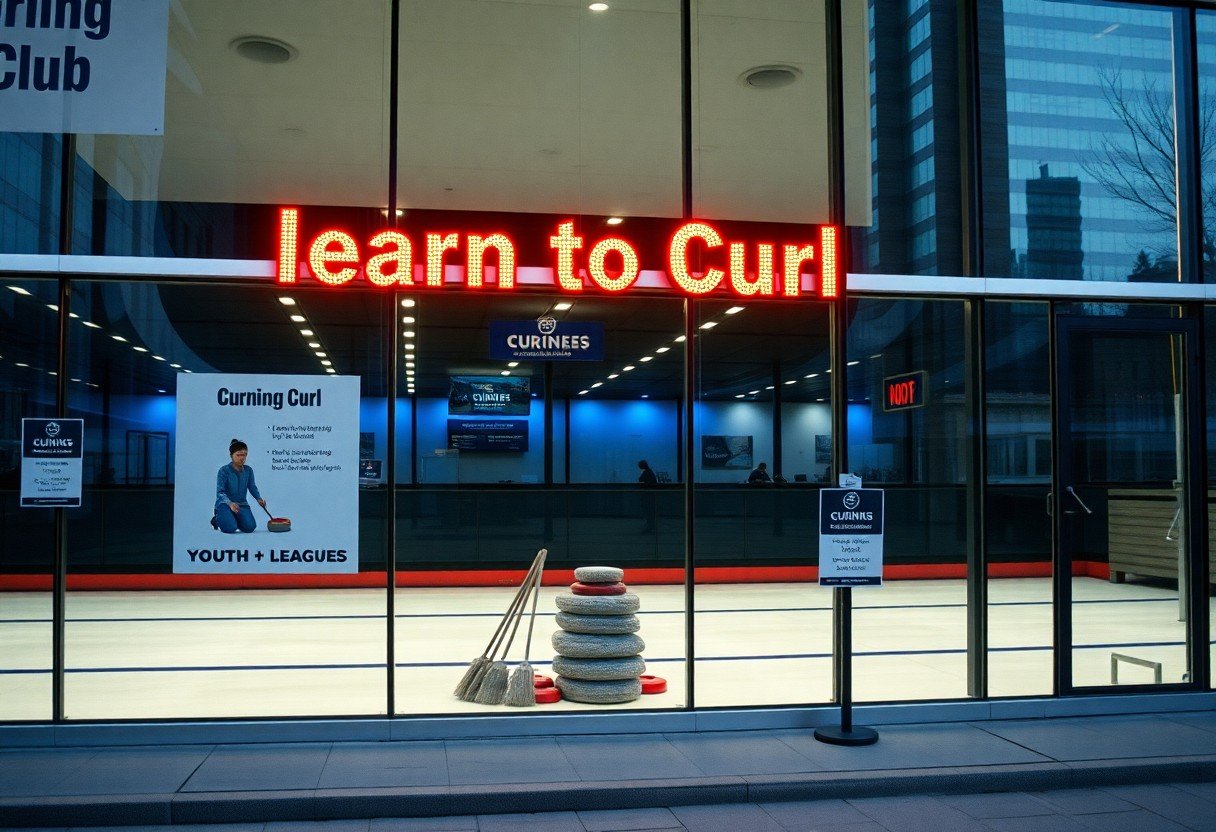
You can learn delivery and basic sweeping in a single 60-90 minute “Learn to Curl” session offered at most clubs. Sweeping directly alters a stone’s speed and curl, and scoring is simply about which stones sit closest to the button. Many beginners progress quickly, though technique takes months to refine. Be aware that falls on ice are the main injury risk, while the sport’s highly social, team-based nature keeps you engaged.
Low Barrier to Entry
Equipment needs are modest: clubs usually provide stones and rental shoes, so you can try curling for about $10-$30 per session. Brooms and sliders range from $30-$150 if you buy them, while stones cost roughly $1,000 each-which is why clubs own most gear. Leagues run year-round and welcome novices, letting you join regular play without large up-front investment.
Many clubs operate as non-profits, subsidizing costs through volunteer work and rink partnerships, so seasonal league fees commonly fall between $50-$200. Youth programs, adaptive curling for wheelchair users, and school outreach further reduce barriers-weekend drop-in sessions and afterschool leagues often include rental equipment. Because clubs absorb capital expenses like stones, you can participate competitively without buying expensive gear.
Curling’s Unique Appeal
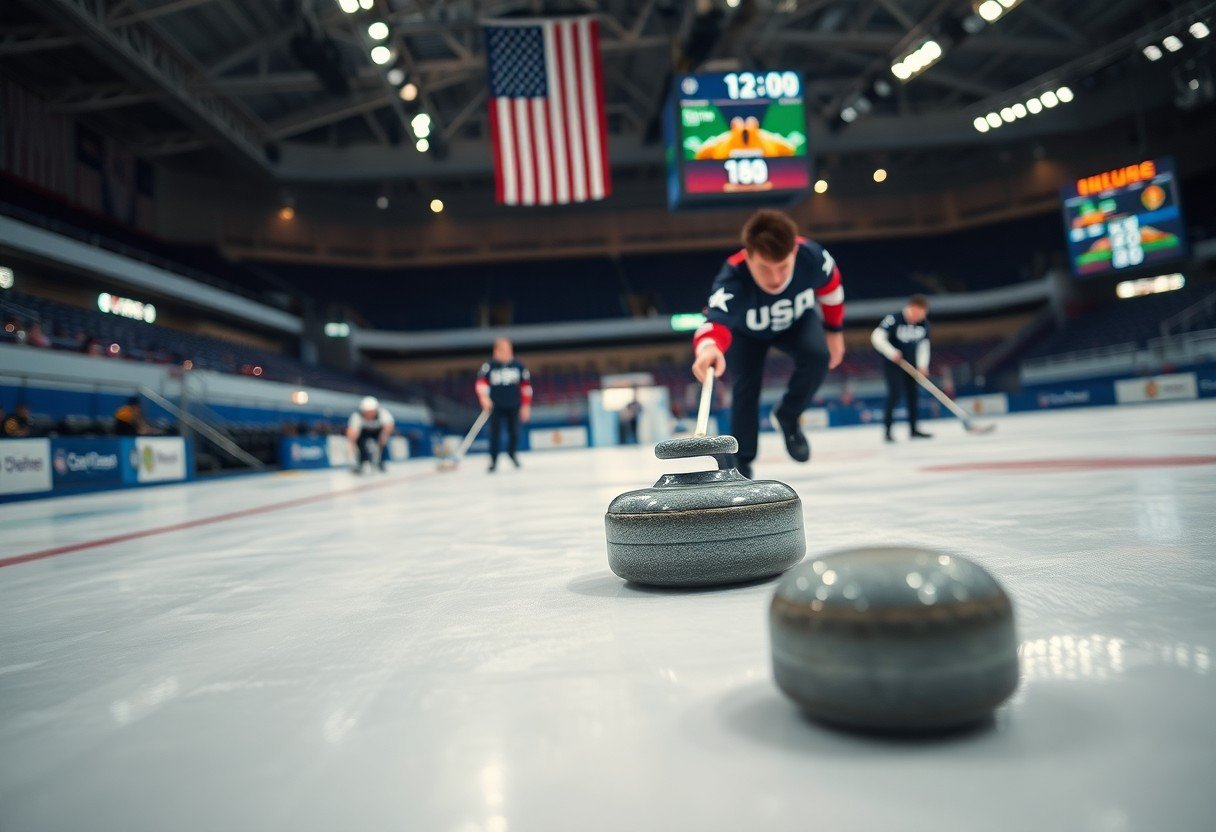
Beyond its surface calm, curling mixes precision, physics and community in ways you don’t see in many sports: teams of four deliver eight stones per end, balancing draw, guard and takeout shots while sweeping can meaningfully alter a stone’s path. You can point to its status as an official Olympic sport since 1998 and moments like Team Shuster’s 2018 Olympic gold that sparked U.S. interest, yet you must also be aware that ice slips can cause real injury if you don’t use proper sliders and technique.
Strategy and Teamwork
You learn quickly that curling is chess on ice: each team of four has defined roles-lead, second, vice (third) and skip-and you execute coordinated plans across eight stones per end to control the house. Skips call angles and weight, teams protect or steal the hammer (last-shot advantage), and elite players often post shot percentages in the 80-90% range, so communication, shot selection and synchronized sweeping decide outcomes.
Social Aspects of the Game
You join a culture built around bonspiels, post-game gatherings and mutual respect: weekend bonspiels typically run 2-3 days and club leagues meet weekly, creating easy opportunities to meet teammates of different ages and skill levels. Members embrace the Spirit of Curling, self-officiating and social rituals-handshakes, scorekeeping and shared meals-that make the sport as much about people as performance.
Many clubs are volunteer-run and you can find hundreds across northern states, so stepping in usually means instant community-you might swap tips with a junior curler, volunteer at a mixed doubles night or help host a club bonspiel. Practical perks follow: low-cost league options, rental equipment for beginners and regular social events let you build networks quickly while improving skills on ice.
Media and Technology’s Role
Digital coverage and streaming mean you can catch elite curling from anywhere, and the post-2022 Olympic media push accelerated that reach – see How curling has grown after the 2022 Winter Olympics for examples of increased broadcast slots and grassroots interest; this visibility turns casual viewers into participants by making rules, strategy, and highlights instantly accessible on demand.
Coverage and Broadcasting
Major broadcasters and streaming platforms like NBC Sports and Peacock now air national championships, while regional networks and YouTube channels stream club events, giving you regular exposure; networks have expanded multi-hour windows and instant-replay analytics, so you can learn shot selection and stone physics from slow-motion breakdowns that convert viewers into club visitors.
Social Media Influence
Short-form content on TikTok and Instagram turns single moments-brilliant draws, sweeping technique, personality clips-into viral hooks that put curling in front of millions; you’ll see hashtags and highlight reels driving event ticket sales and sparking local club inquiries within days of a viral post.
You can use social platforms to deepen engagement: follow Team USA, Olympic highlights, and coach channels for drills, watch live Q&As for tactical insight, and join community groups that share rink locations and beginner clinics; that direct line between athletes, coaches, and fans fast-tracks your learning and often leads to new members at nearby rinks.
Summing up
Presently you see curling’s popularity rise in the USA because it blends strategy and social play, suits all ages and fitness levels, and expands through accessible local clubs and grassroots programs; Olympic visibility and media coverage have helped, but it’s the welcoming community and measurable skill progression that keep you and your peers engaged season after season.
FAQ
Q: Why is curling gaining mainstream attention in the United States?
A: Televised Olympic coverage and high-profile international competitions have put curling on the radar of many Americans. Compelling storylines-dramatic last-shot finishes, colorful team personalities, and accessible commentary-make broadcasts entertaining for casual viewers. Networks and streaming platforms increasingly schedule curling during winter sports windows, exposing more households to the sport and converting curious viewers into participants.
Q: How do local clubs and community programs drive the sport’s popularity?
A: Local clubs have expanded “learn-to-curl” sessions, drop-in leagues, and community events that lower barriers to participation. Those programs emphasize social play, mixed-age teams, and recreational leagues that attract nontraditional athletes and families. Partnerships with schools, universities, and parks departments also create predictable pathways for sustained engagement rather than one-off experiences.
Q: Is curling easy for newcomers to pick up, and does that help growth?
A: The basic skills of curling-delivering a stone and sweeping-can be taught in a single session, letting beginners experience success quickly. Physical demands are moderate compared with high-impact sports, so adults and children across fitness levels can join, which broadens the participant base. As players improve, the game’s deep strategy and teamwork create long-term retention and competitive opportunities.
Q: What role do social media and streaming play in curling’s rising profile?
A: Short clips of dramatic shots, spirited team celebrations, and behind-the-scenes personalities travel fast on platforms like TikTok, Instagram, and YouTube, creating viral moments that spark curiosity. Live streams and on-demand coverage make international events accessible without cable, while influencers and athletes use social channels to demystify tactics and recruit new fans. Enhanced online commentary and instructional content also help newcomers learn rules and strategy quickly.
Q: Will curling continue to grow in the U.S., and what factors will influence its future?
A: Growth will hinge on continued investment in ice facilities, expanded youth and collegiate programs, and visible competitive success at national and international levels. Corporate sponsorship, school-based leagues, and community outreach can sustain momentum by funding outreach and lowering participation costs. If the sport keeps delivering engaging media moments, accessible entry points, and clear paths from recreational play to competition, participation and fandom are likely to rise further.