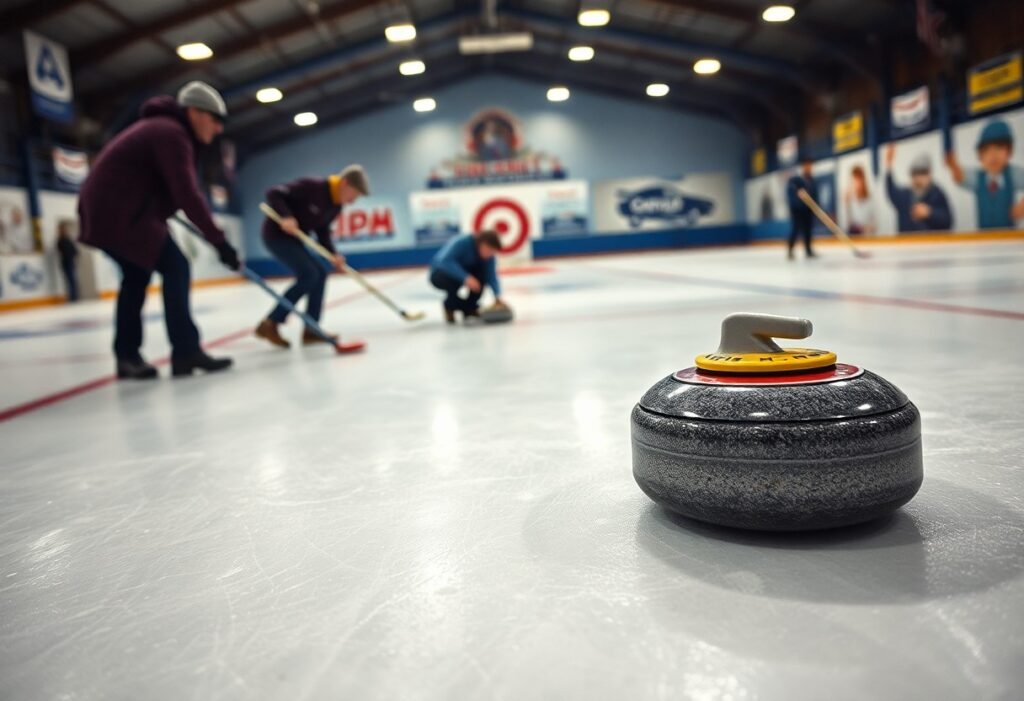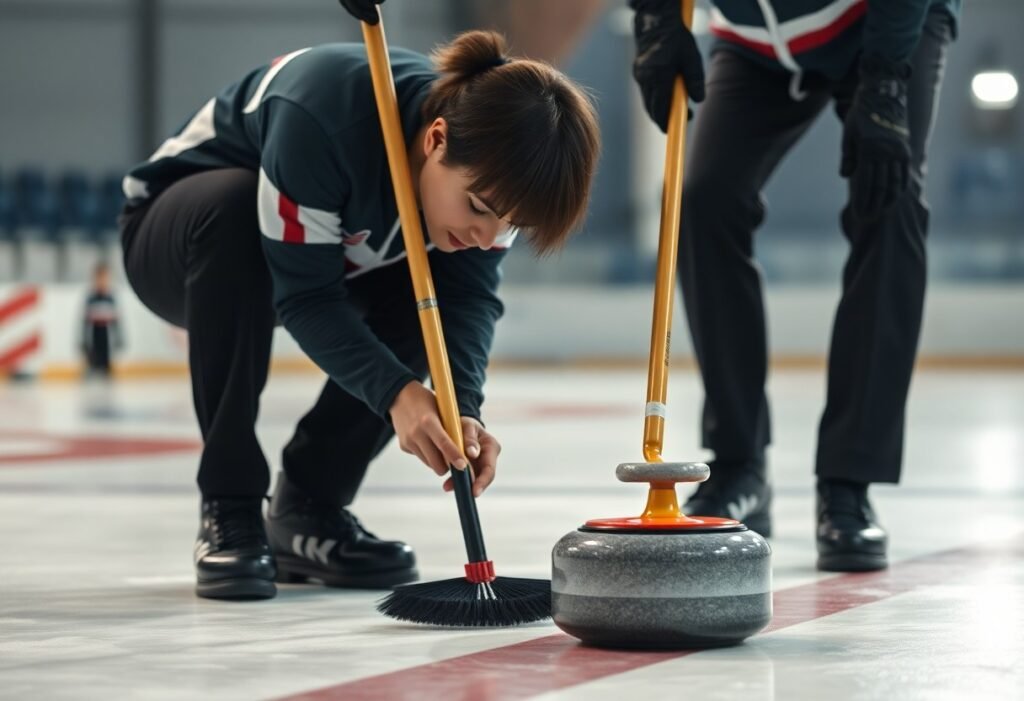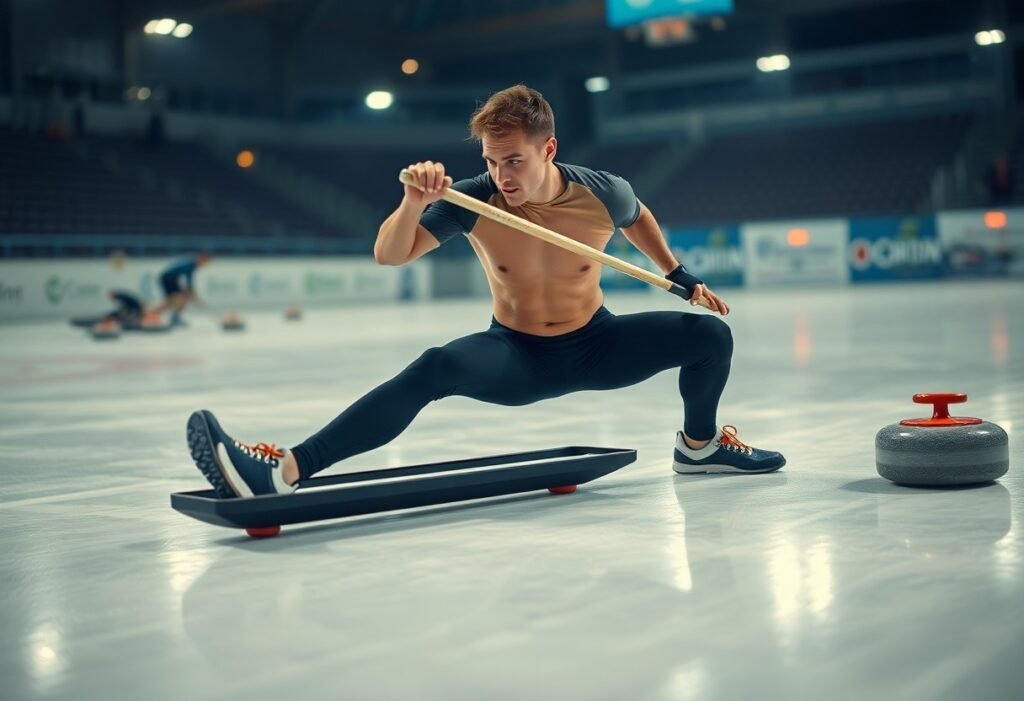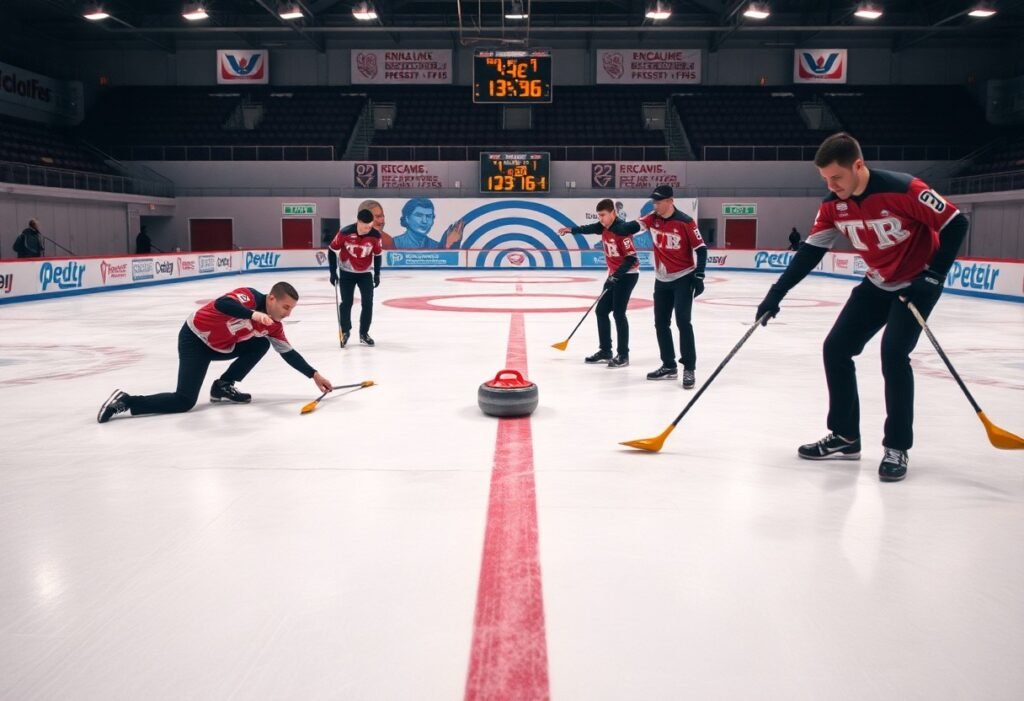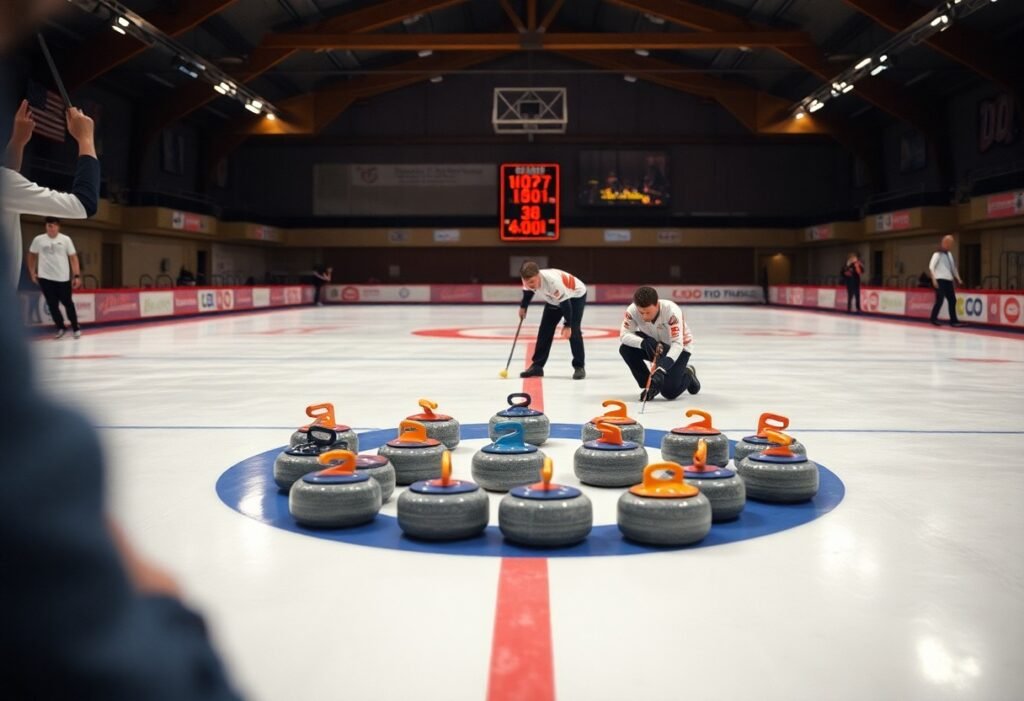

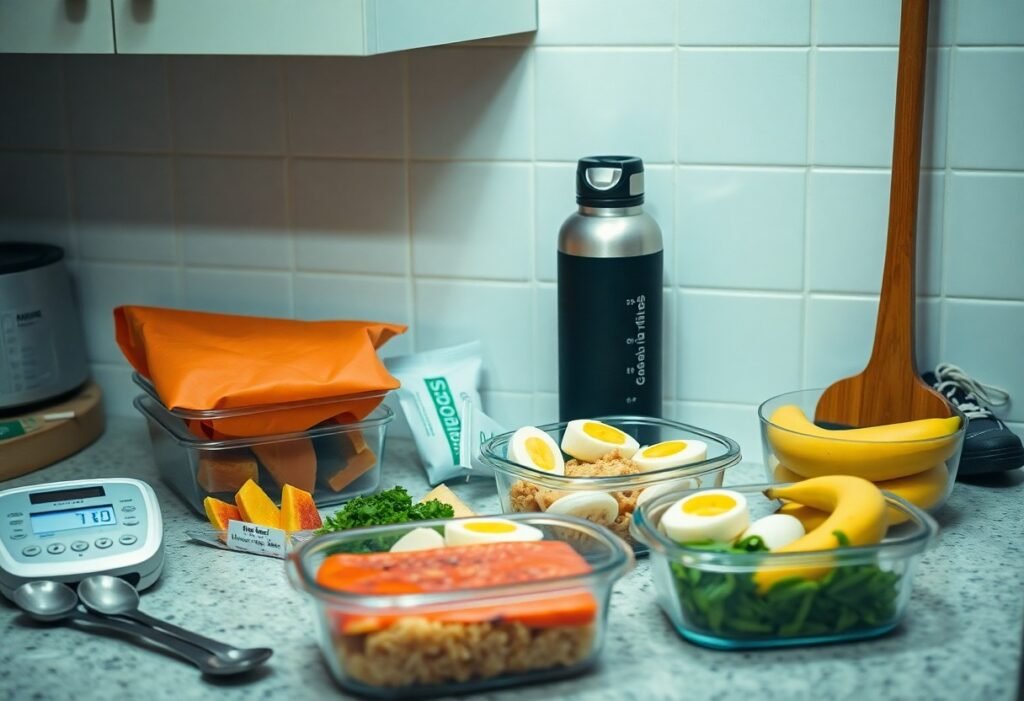
Curling requires sustained energy and razor-sharp focus, so you should prioritize meals and snacks that optimize performance and recovery: emphasize complex carbohydrates for endurance, lean protein for muscle repair, and electrolytes to prevent dehydration. To avoid performance dips, limit high-sugar foods that can cause rapid energy crashes; instead choose nutrient-dense options for faster recovery and consistent concentration during matches.
Key Takeaways:
- Prioritize carbohydrates for repeated high-intensity efforts: eat a moderate-carb meal 2-3 hours before play, have quick carbs 30-60 minutes before or between ends, and consume small carb snacks during long competitions to sustain energy.
- Maintain hydration and electrolytes: begin well-hydrated, sip fluids regularly during play, and use sodium-containing sports drinks when sessions are prolonged or sweating is heavy to preserve performance and focus.
- Support strength and recovery with protein and practical fueling: aim for ~20-30 g protein within an hour after activity, balance meals to support on-ice strength and body composition, and use portable snacks and moderate caffeine strategically for alertness.
The Importance of Nutrition in Curling
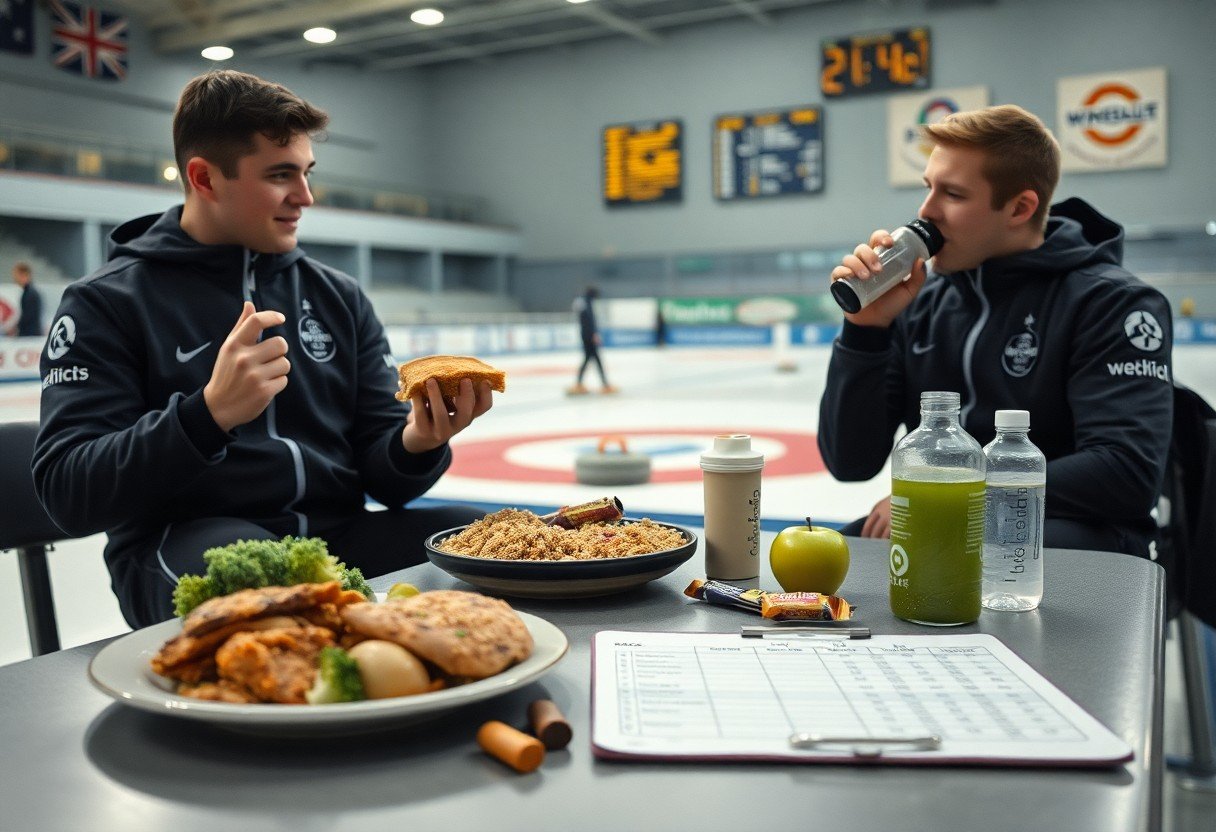
When you step onto the ice, your nutrition determines how well you sustain repeated high-effort sweeps, maintain fine motor control for draws and takeouts, and recover between ends and matches. During a typical 1.5-2 hour game you face bursts of 10-30 seconds of intense work; if you enter low on glycogen or fluid you’ll notice reduced sweep power, slower reaction time, and increased injury risk. Prioritize fueling and hydration to keep your precision and endurance consistent throughout tournaments.
Energy Requirements for Curling Athletes
Your daily energy need varies by training load and role: on light days aim for ~30-35 kcal/kg/day, during intense training or tournament play increase to ~40-55 kcal/kg/day. For example, a 75 kg curler may need roughly 2,250-4,125 kcal/day, and match energy expenditure commonly ranges from 400-800 kcal per game depending on sweeping intensity and ice time.
Macronutrient Ratios for Optimal Performance
Structure your intake around performance: target 5-7 g/kg/day of carbohydrates on typical training days and up to 7-10 g/kg on consecutive competition days, consume 1.2-1.7 g/kg/day of protein to support repair, and keep fats at 20-35% of total calories for hormonal and energy needs. Time carbs before and between matches to preserve muscle glycogen and support repeated high-intensity efforts.
For practical application, if you weigh 70 kg aim for ~350-490 g carbs/day on heavy competition days, ~84-119 g protein/day, and distribute fats to meet energy while staying below 35% of calories. Before a match have 1-4 g/kg carbs in the 1-4 hours prior (e.g., 70-280 g depending on timing), during long tournament days use quick carbs like gels or bananas to supply ~20-40 g per break, and after play prioritize ~0.3 g/kg protein (≈21 g for 70 kg) plus 1-1.2 g/kg carbs across recovery meals to restore glycogen and support muscle repair.
Hydration Strategies for Curling Competitors
Match-day hydration should be planned across pre-play, in-play, and recovery windows: you can pre-hydrate with 500-600 mL 2-3 hours before play and 200-300 mL 10-15 minutes prior, sip 150-250 mL every 10-20 minutes during games, and prioritize electrolyte-containing fluids for multi-hour events to avoid >2% body-mass loss which impairs strength and decision-making. Track sweat by weighing and adjust intake; see practical examples in NUTRITION – USA Curling Spring 2021.
Importance of Hydration
You face a dual risk in curling: physical fatigue from repeated high-intensity sweeps and degraded tactical precision from mild dehydration; even a >2% body-mass loss can reduce strength, reaction time, and focus, so you must treat hydration as a performance and safety priority rather than a comfort issue.
Recommended Fluid Intake
Follow practical targets: aim for 5-7 mL/kg 2-4 hours pre-game or ~500-600 mL, top up with 200-300 mL 10-15 minutes before, sip 150-250 mL every 15 minutes during play, and replace ~150% of fluid lost in recovery to fully rehydrate.
To individualize, measure your sweat rate by weighing yourself in similar clothing pre- and post-session and accounting for fluid consumed and urine; if you lose 1 kg in 1 hour that equals ~1 L/hr sweat-use that to set in-play volumes. For multi-hour matches consider fluids with 300-700 mg/L sodium and consume carbohydrates (~30-60 g/hr) when play extends beyond ~90 minutes; plan intake proactively because cold arenas blunt thirst cues.
Pre-Game Nutrition for Curling
Timing of Meals and Snacks
You should eat a larger, mixed meal about 3-4 hours before play (aiming for 1-3 g/kg carbohydrate depending on time available), then take a light snack 60-90 minutes prior (150-300 kcal) if needed. Hydrate with ~400-600 mL 2-3 hours before and sip ~150-250 mL in the last 15 minutes. Avoid high-fat or high-fiber foods within 90 minutes of warm-up to reduce GI distress.
Ideal Pre-Event Foods
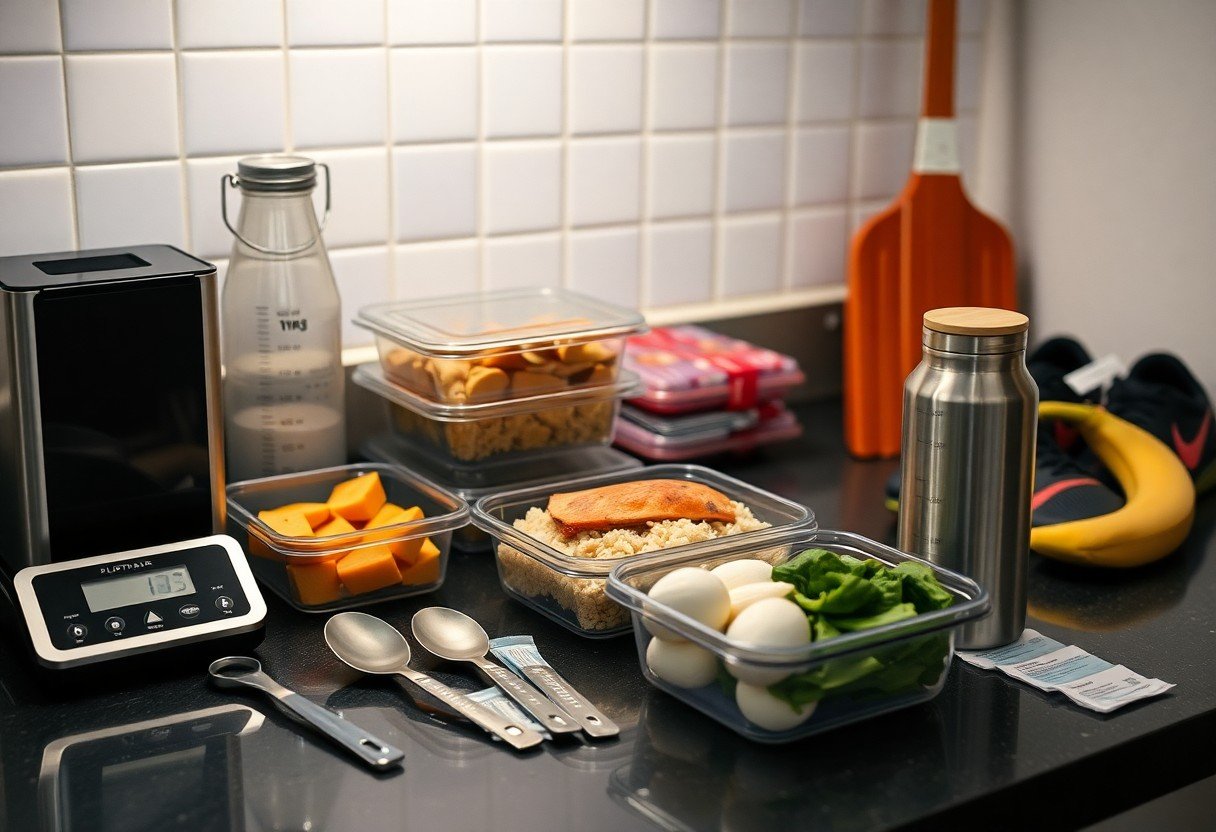
Choose easily digested, carbohydrate-focused options: oatmeal with banana and a drizzle of honey, a turkey sandwich on whole-grain bread, rice bowl with chicken and steamed veggies, or Greek yogurt with berries. Energy bars (200-300 kcal), a piece of fruit, or a 20-30 g carbohydrate sports gel work for quick fuel. Emphasize steady energy from complex carbs and limit greasy or heavy dairy choices that can slow you down.
For practical portions, if you weigh 75 kg target ~75-225 g carbs in the 1-4 hours pre-game (lower end if time is short). For example, a bowl of oatmeal + banana (~50-60 g), a turkey sandwich + apple (~40-50 g), or 2 cups cooked rice with lean protein (~80-100 g). Test these combinations in practice to find what gives you stable energy without GI issues.
In-Game Nutrition Techniques
During matches, plan quick, repeatable fuel: you should aim for 30-60 g of carbohydrate per hour (sports drink, gels, fruit) to sustain repeated high-intensity sweeps and bursts. Use 15-30 g carbohydrate snacks between ends and a 20-40 g carbohydrate bolus at halftime or before extra ends. Combine carbohydrates with fluids containing 200-500 mg sodium per liter to aid replacement. Avoid high-fat, high-fiber items that slow gastric emptying during play.
Snack Options During Matches
You can rely on portable options: banana (~25-30 g carbs), sports gels (20-30 g), dried apricots (½ cup ≈30 g), rice cakes with honey (15-20 g), and energy bars with 15-25 g carbs plus 10-15 g protein. Use glucose tablets (15-20 g) for an immediate hit. Avoid high-fat, high-fiber snacks during play to minimize GI distress; test combinations in training so your stomach tolerates them under match stress.
Managing Energy Levels
You can use targeted stimulants and carbs: a low caffeine dose of 2-3 mg/kg 30-60 minutes before play can sharpen focus but must be trialed in practice. Time 15-30 g carbohydrate 10-15 minutes before critical ends and maintain 30-60 g/hour during play. If you feel a sudden drop, 15-20 g quick sugars restore glucose within minutes and reduce performance loss.
Practical timeline works best: you take 1-3 g/kg carbs 3-4 hours pre-match, aim for 30-60 g/hour in play, and consume 15-30 g carbohydrate plus 5-10 g protein between ends to speed recovery. Employ a 6-10% carbohydrate mouth rinse for short, high-intensity bursts when swallowing is inconvenient. Always test these strategies in training; do not exceed 6 mg/kg caffeine because of cardiac and sleep risks.
Post-Game Recovery Nutrition
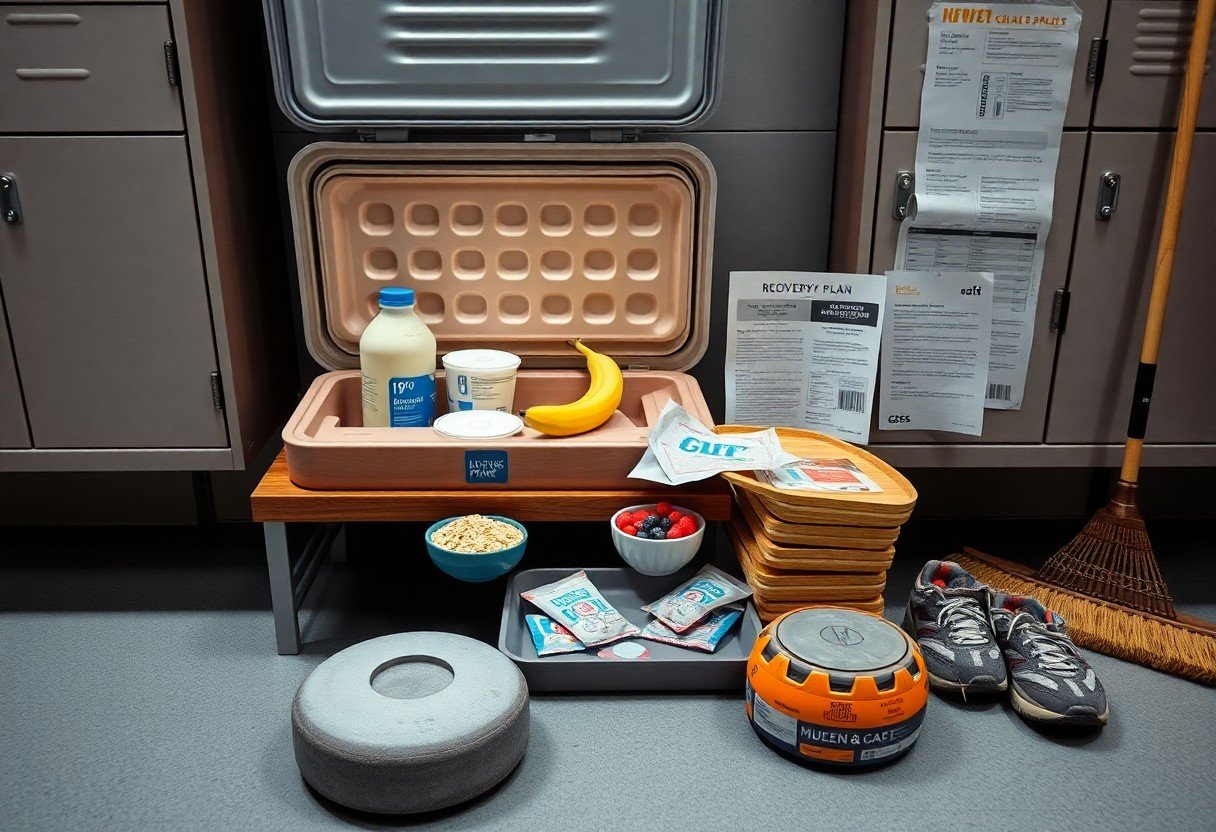
After a match, prioritize glycogen resynthesis, muscle repair and rehydration. Within 30-60 minutes aim for 1.0-1.2 g/kg carbohydrates and 0.25-0.3 g/kg protein-so a 75 kg athlete needs about 75-90 g carbs and 19-23 g protein. Combine with fluids and electrolytes (replace 1.25-1.5 L per kg of body mass lost) and choose practical options like chocolate milk, a turkey sandwich, or a carb‑protein recovery shake. Avoid extended delays; losing >2% body mass impairs recovery.
Importance of Recovery Meals
Post-game meals accelerate glycogen restoration and limit muscle protein breakdown; glycogen synthesis is highest in the first 2 hours, so you should aim for roughly 1.0 g/kg carbohydrate per hour initially and 20-40 g high-quality protein to stimulate repair. Practical combos include a bagel with peanut butter plus a 250 mL recovery drink or a 200 g yogurt bowl with fruit and 30 g whey. Skipping recovery reduces next-day power and shot accuracy.
Recommended Nutrients for Recovery
Carbohydrates, protein, fluids, sodium and anti-inflammatory nutrients make up the recovery toolkit: target 1.0-1.2 g/kg carbs and 0.25-0.3 g/kg protein within the hour, add 20-50 mmol/L sodium if you sweat heavily, and include 1-2 g/day omega‑3s plus antioxidant-rich berries or tart cherry. Quick options: chocolate milk, rice and chicken, or a smoothie with 40 g oats and 30 g whey to hit targets fast.
Choose higher‑glycemic carbs first (white rice, potato, sports drink) to speed glycogen repletion, then return to mixed meals over 24 hours. Aim for protein sources delivering ~2-3 g leucine (about 25-30 g whey or 3 eggs) to maximize synthesis, and replace each kg lost with 1.25-1.5 L of fluid containing sodium. If you play multiple draws, compress intake into the first 2 hours-for example, banana + bagel + 30 g whey ≈ 60-70 g carbs and 25-30 g protein.
Special Considerations for Curling Athletes
Several practical issues change how you fuel for tournaments: travel, cold arenas and multiple draws increase logistical and metabolic demands. Cold exposure can raise energy needs by 5-10%, so you may need an extra 200-300 kcal/day on heavy competition days. Pack portable carbs (rice cakes, bananas; aim for 30-50 g carbs per quick snack) and include 1-2 g/day omega-3 (EPA+DHA) to support recovery and reduce inflammation.
Weight Management
When adjusting weight you should prioritize lean mass retention: target safe losses of 0.5-1% body weight per week, keep protein at 1.6-2.2 g/kg/day, and perform resistance training 2-3×/week. Also avoid rapid dehydration strategies-losing more than 2% body mass before play measurably reduces sweeping strength and cognitive focus during matches.
Dietary Restrictions and Preferences
If you follow vegetarian, vegan, gluten-free, or allergy-driven diets, plan to match the same energy and macronutrient targets as omnivores: use soy, pea, or mycoprotein to hit protein goals, supplement vitamin B12 (RDI 2.4 μg) and monitor iron intake-female athletes may need 14-18 mg/day. Choose fortified plant milks for calcium and vitamin D; untreated deficiencies can reduce endurance and recovery.
Practical swaps help: build a match-day vegan plate with 2 cups cooked quinoa (~40 g carbs), 150 g tempeh (~20-25 g protein), veggies and an orange to boost non-heme iron absorption. Avoid tea or coffee within 2 hours of iron-rich meals. Consider iron supplementation (e.g., 30-60 mg elemental iron) only after labs and medical guidance to correct ferritin below 30 ng/mL.
Summing up
Presently you should prioritize balanced carbohydrates for on-ice energy, moderate protein for muscle support, and adequate hydration with electrolytes to sustain sweeping and concentration. Time meals and snacks to match match intensity, favor portable options like energy bars, fruit, and sandwiches, and focus on postgame protein and carbohydrates to accelerate recovery. Tailor portions to your body, match schedule, and heat exposure to optimize performance throughout tournaments.
FAQ
Q: What should a curling athlete eat 1-4 hours before a match?
A: Aim for a moderate-to-high carbohydrate meal 1-4 hours before play to top up muscle glycogen and keep blood glucose stable: 1-4 g carbohydrate per kg body weight depending on timing and hunger, paired with 15-25 g protein and low-to-moderate fat and fiber to reduce gastrointestinal distress. Examples: bowl of oatmeal with banana and Greek yogurt, rice or pasta with lean chicken and a small salad, or a turkey sandwich with fruit. If only 30-60 minutes are available, choose a small, easily digested snack (e.g., sports drink, banana, energy bar, piece of toast with jam) providing 20-50 g carbs.
Q: How should athletes fuel during long bonspiels or multi-game days?
A: Consume 30-60 g of carbohydrate per hour during prolonged competition, adjusted for intensity and individual tolerance: sports drinks, gels, fruit, small sandwiches, or cereal bars work well. Include easy-to-digest sodium-containing fluids or snacks if sweating is substantial. Space snacks every 45-60 minutes between ends or during breaks to maintain energy and concentration; combine small amounts of protein (5-10 g) after harder sessions if multiple games occur the same day.
Q: What are practical hydration guidelines for curling players in cold arenas?
A: Start well hydrated: drink 5-7 mL/kg body weight 2-4 hours before activity, then a small top-up 150-300 mL 10-20 minutes before play. During matches sip 150-300 mL every 15-20 minutes or follow thirst, since cold reduces apparent thirst. Use electrolyte-containing drinks when sessions are long or sweat losses are significant. After play, replace fluid losses by drinking ~1.25-1.5 L for every kg lost and include a salty snack or electrolyte drink if needed.
Q: What should post-match recovery look like to be ready for the next game?
A: Prioritize rapid carbohydrate and protein intake within 30-60 minutes: aim for ~1.0-1.2 g/kg carbohydrate if multiple matches remain that day and include 20-40 g high-quality protein to support muscle repair. Follow with a balanced meal within 2 hours (mixed carbs, protein, vegetables, healthy fats). Replenish fluids and electrolytes and consider a light active cool-down and foam rolling to aid recovery between games.
Q: Which supplements or long-term nutritional strategies help curling performance and body composition?
A: Evidence-based supplements that may help include creatine monohydrate (improves repeated sprint/power capacity and strength), caffeine (for alertness and power at tolerated doses), and whey protein to meet daily protein targets. Test and monitor vitamin D status and correct deficiencies; omega-3s can support overall recovery. For body composition, target daily protein of ~1.6-2.2 g/kg, maintain a modest calorie deficit for fat loss (≤0.5-1% body weight per week) while doing resistance training to preserve lean mass, and use carbohydrate timing around training and matches rather than broad restriction. Avoid untested products and ensure any supplement is third-party tested for banned substances.