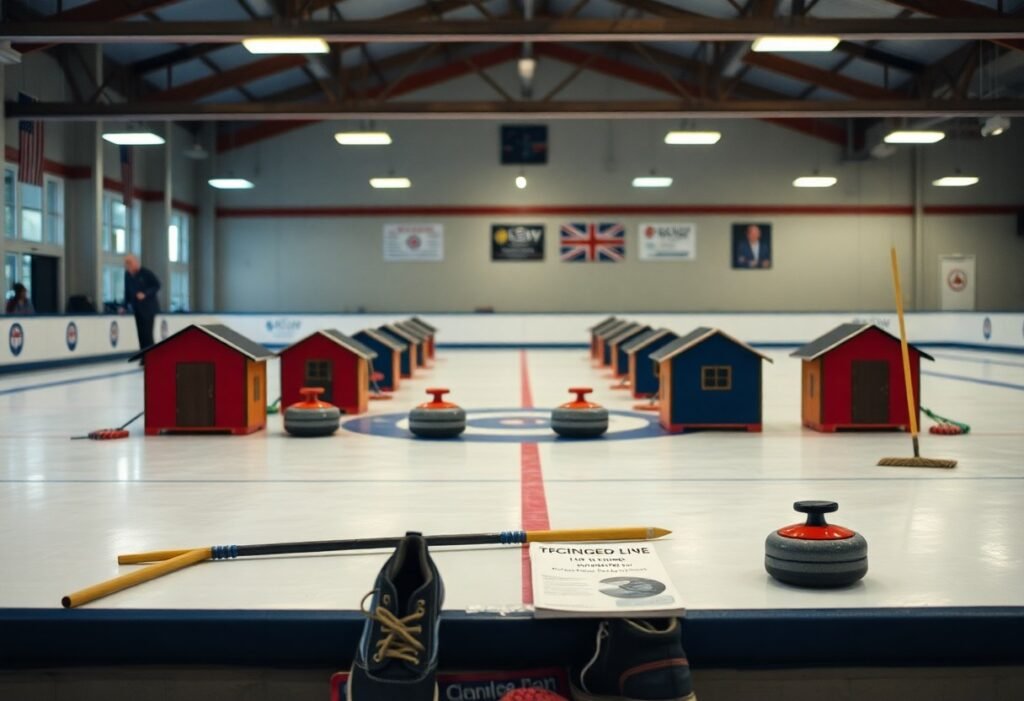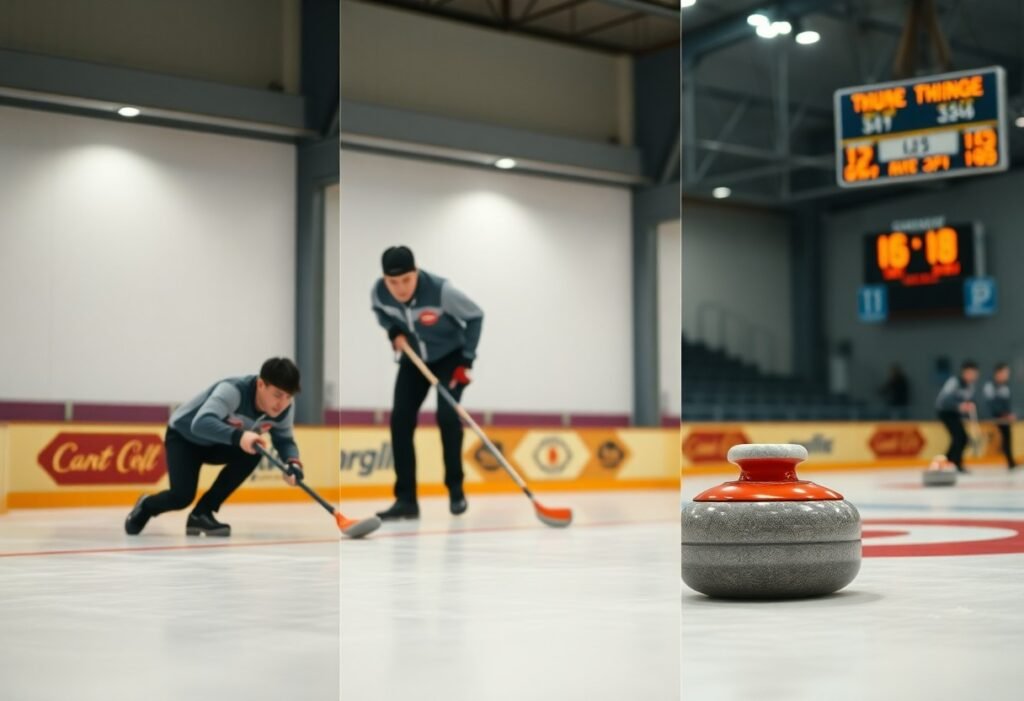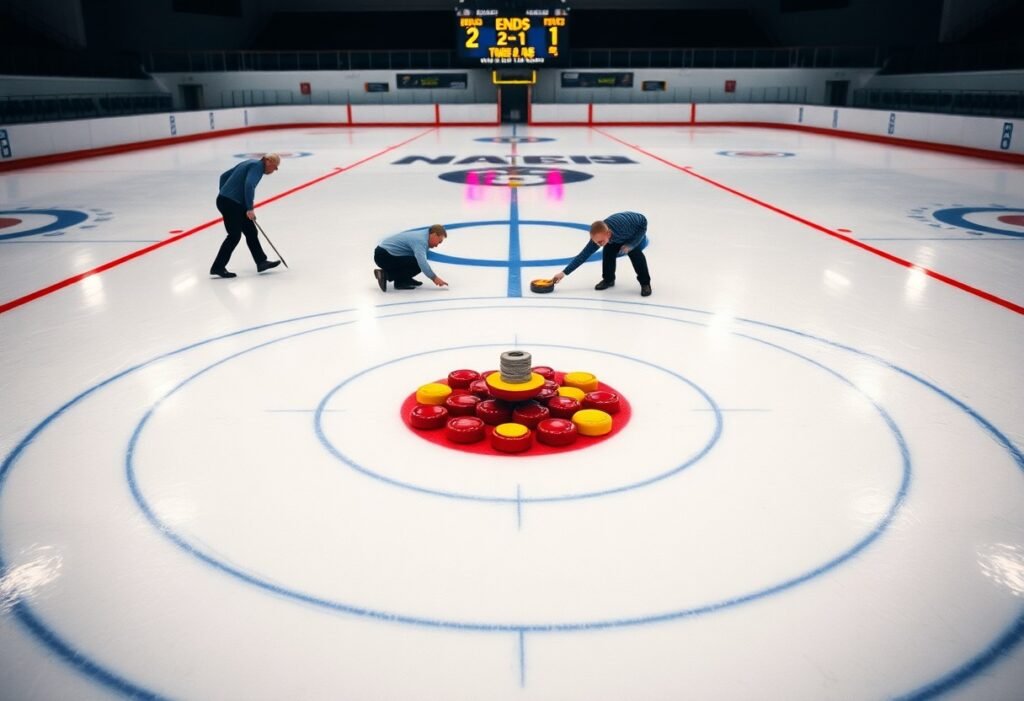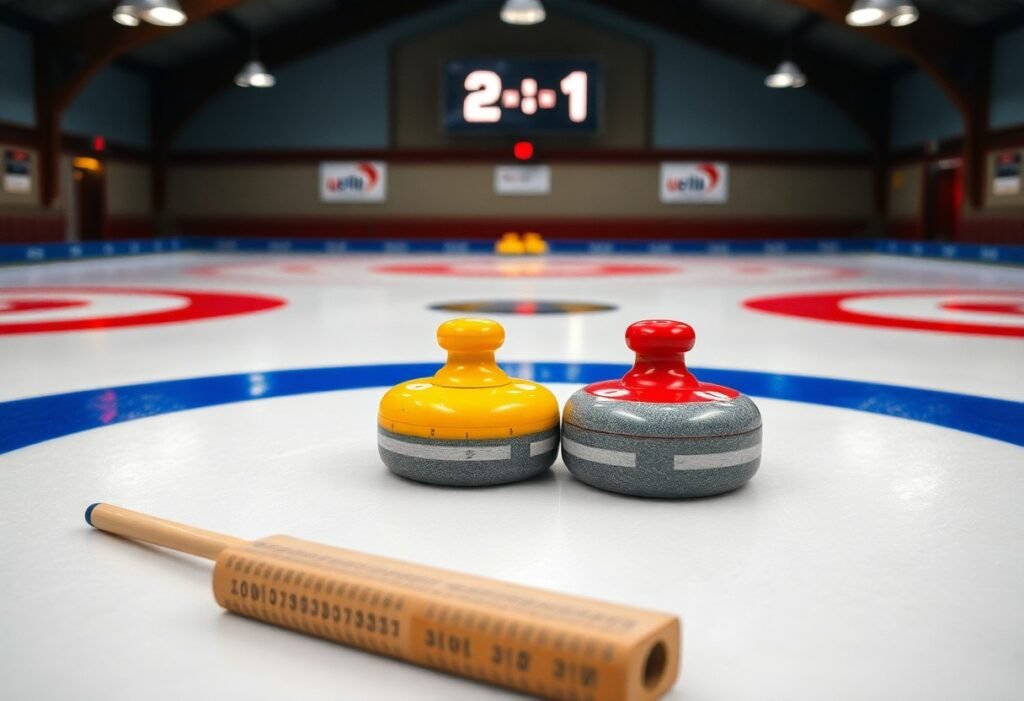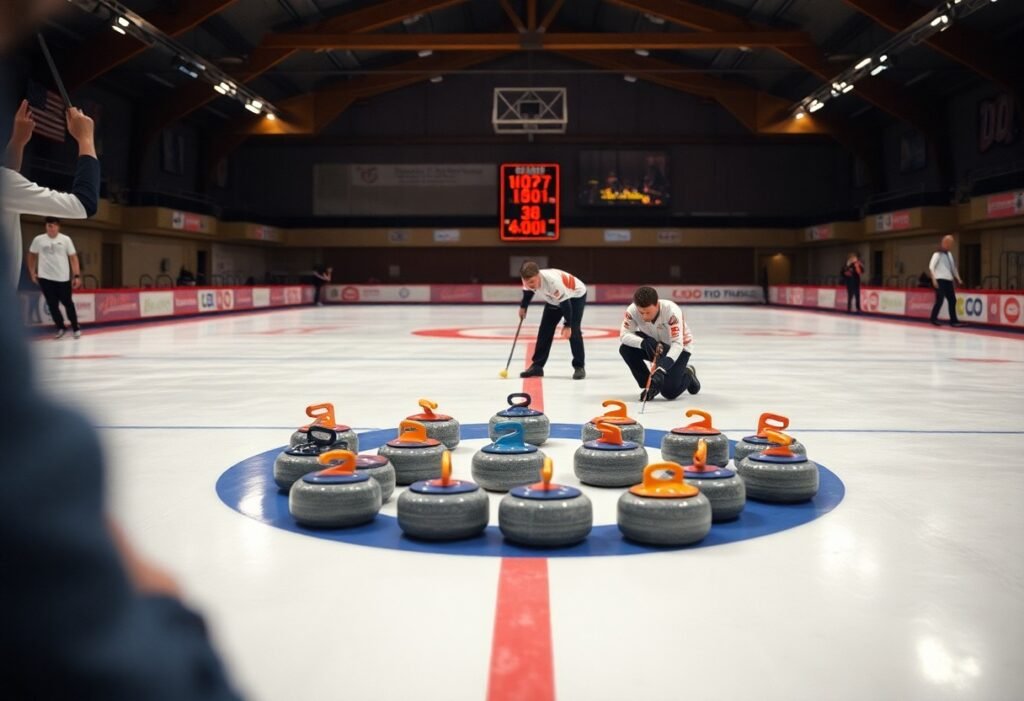

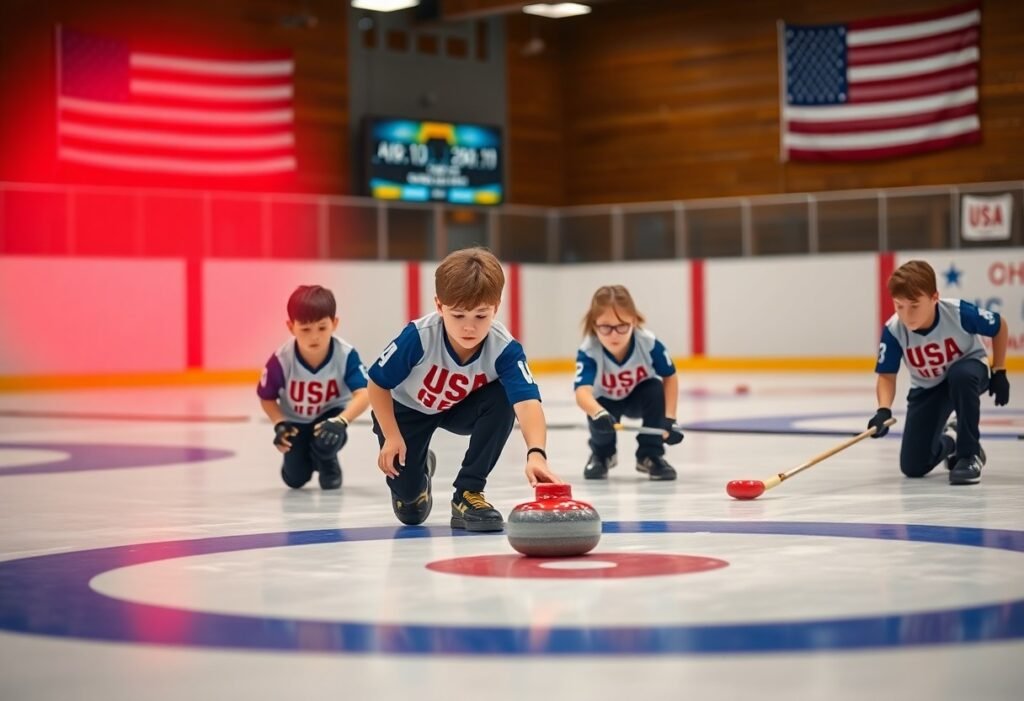
With junior clubs and national initiatives making curling accessible nationwide, you can enroll your child in structured programs that teach technique, rule awareness, and sportsmanship; proper coaching and safety equipment minimize hazard while certified instructors supervise sessions to reduce the risk of slipping or broom-related injuries, and the sport offers clear benefits: improved balance, teamwork, strategy, and lifelong fitness for young athletes.
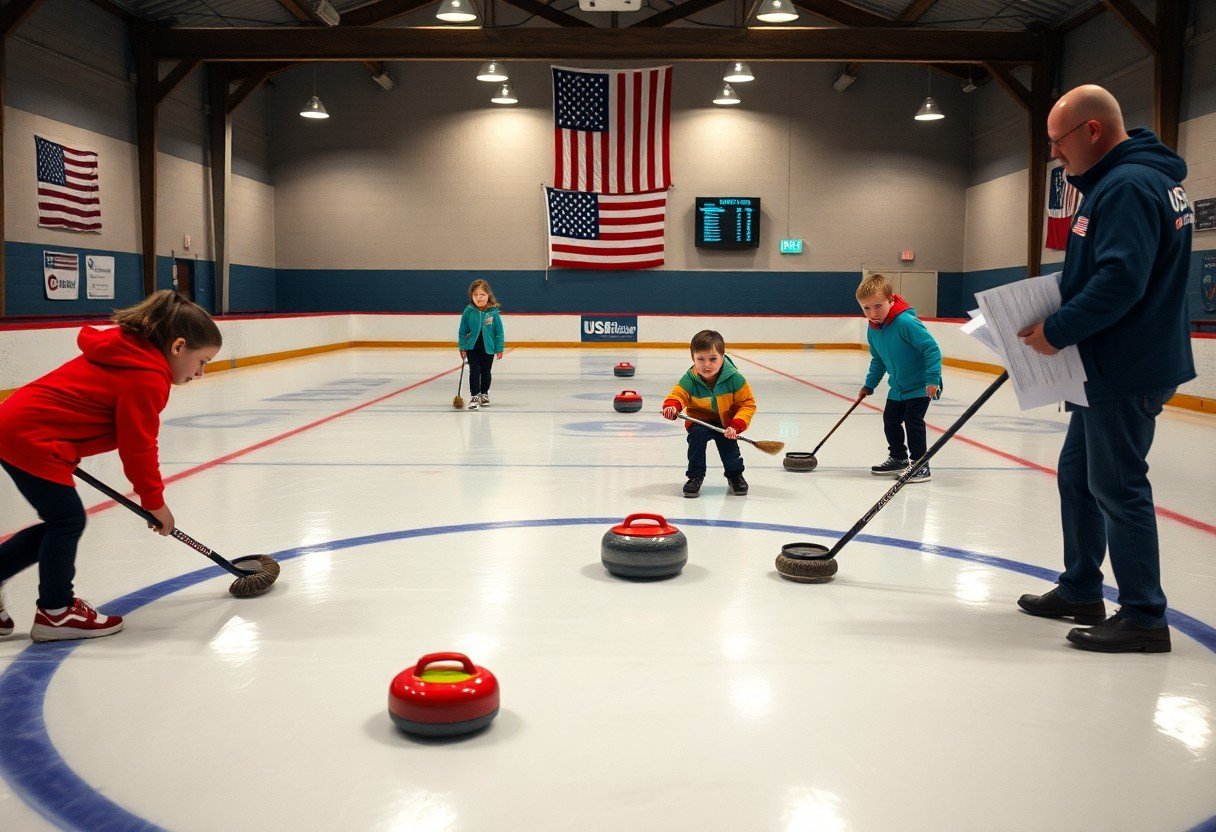
Key Takeaways:
- Local junior programs (typically ages 8-18) offer accessible learn-to-curl sessions with loaner equipment, age‑appropriate coaching, and safety instruction to build basic skills and teamwork.
- Emphasis is on fun and skill progression-programs provide coached practices, league play, and pathways to regional competitions, Junior Nationals, and college opportunities.
- Most programs run fall-spring, are often low-cost or subsidized, and are organized through USA Curling member clubs offering camps, clinics, and scholarship options.
Overview of Curling
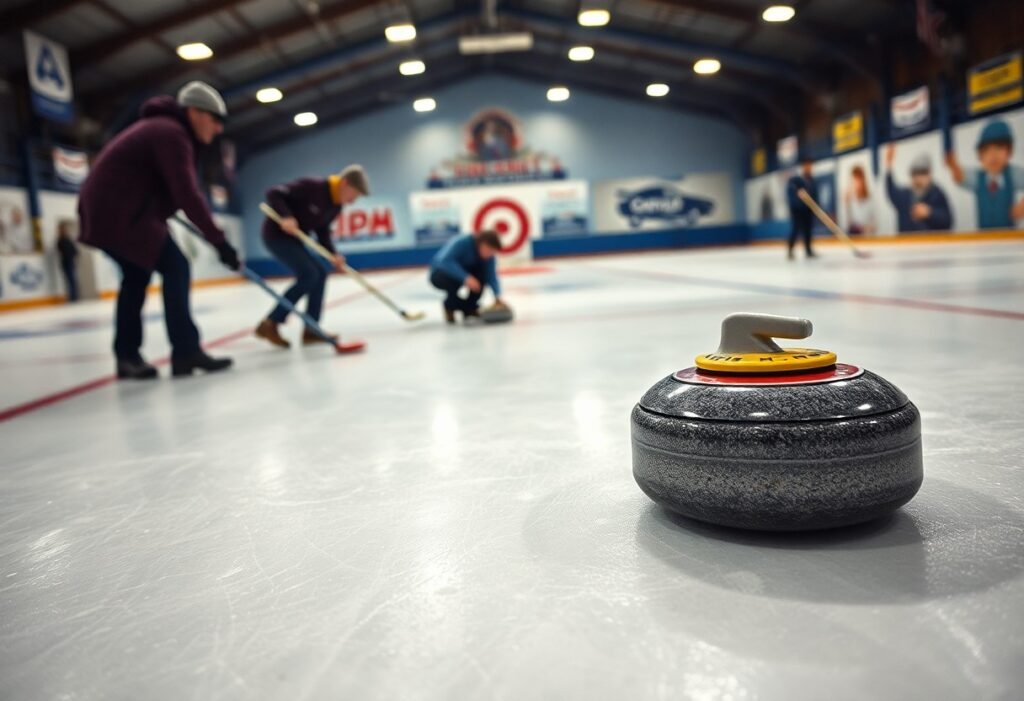
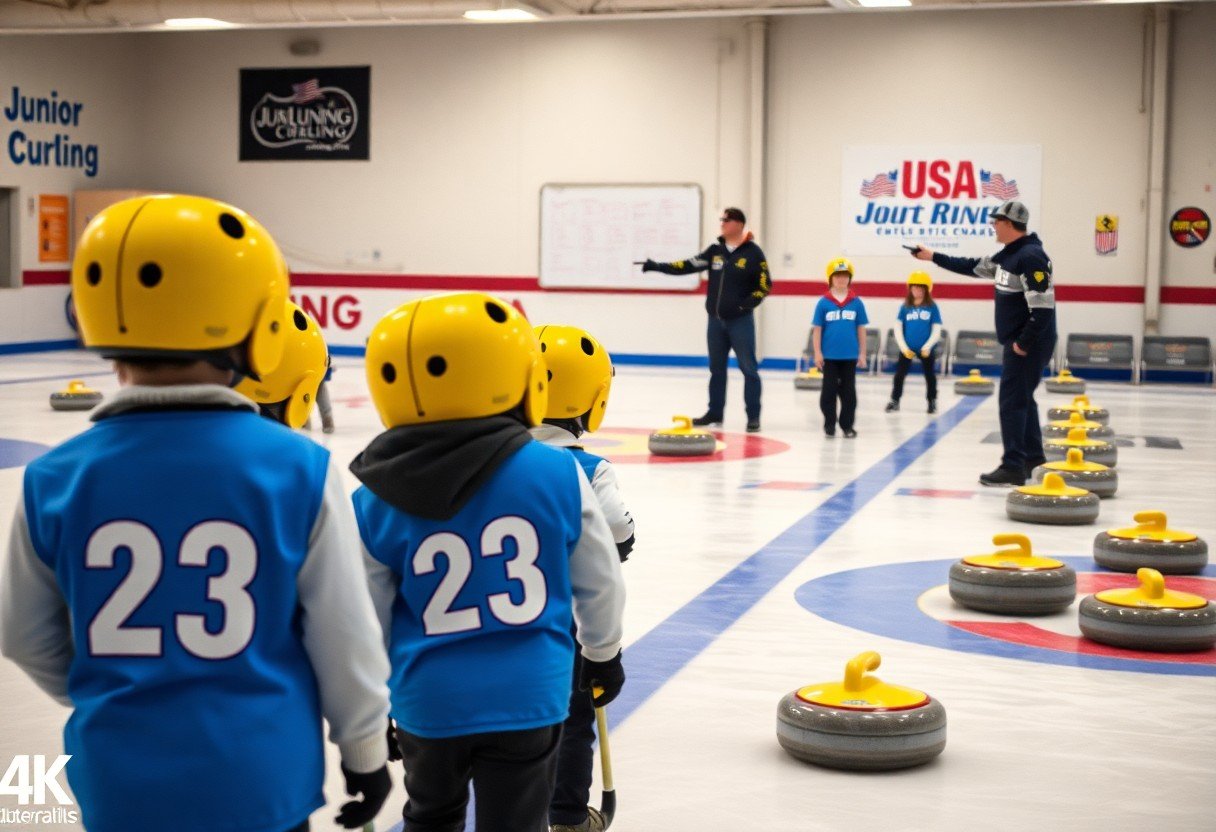
You’ll see two teams of four players alternate sliding 16 granite stones toward a target called the house; each stone weighs about 42 lb (19 kg). Matches are typically eight or ten ends, while junior programs often use shorter games and drills. Sweeping by teammates alters a stone’s speed and curl, so you learn technique, communication, and ice reading quickly. Many clubs run 6-12 week learn-to-curl sessions with loaner shoes and brooms to get your child on the ice fast.
History of Curling
Originating in 16th-century Scotland on frozen ponds, curling migrated to Canada and the northern U.S. with settlers in the 1800s and became organized through clubs and regional associations. It gained global visibility through the Winter Olympics and was restored as a permanent Olympic medal sport in 1998, helping spur junior initiatives and national junior championships that now feed collegiate and national teams.
Benefits of Curling for Children
You develop balance, core strength, and coordination while learning strategy and sportsmanship; curling’s emphasis on communication builds teamwork and leadership in small groups of four. Weekly practices of 1-2 hours improve endurance and decision-making, and adaptive programs include kids with differing abilities. Watch for the ice slip risk-proper grippers and instruction cut injuries dramatically.
For example, many clubs schedule two drills-focused sessions and one scrimmage per week so you see measurable progress in 6-12 weeks: consistent draws, effective sweeping, and tactical shot-calling. Juniors who compete in regional bonspiels gain tournament experience and time-management skills, while coaches track improvement with simple stats (shot percentage, sweep effectiveness) to guide personalized coaching. Strong adult supervision and certified coaches reduce hazards and accelerate skill gains.
Junior Curling Programs
National Programs Overview
USCA runs structured pathways including the U.S. Junior Championships (U21), High Performance camps, and selection events that lead to World Junior representation. You can enter through regional qualifiers; teams of four typically play 8-end games at Nationals each February. Many juniors progress via summer development camps and the HPP, where elite athletes receive sport-science support, on-ice coaching, and travel funding for international events.
Local and Regional Opportunities
Local clubs and state associations run weekly junior leagues, Learn-to-Curl sessions for ages 8-18, and weekend bonspiels; you’ll find these listed on the USCA club directory. Programs in Minnesota and Wisconsin regularly field multiple teams into sectionals, while new programs in Colorado and Utah are growing quickly. Safety is emphasized-use grippers and helmets for beginners.
Typical regional programs schedule practices twice weekly from October through March, mix skill drills with game play, and enter 4-person teams in interclub bonspiels and sectional qualifiers; you’ll often play 8-end games with clocks at higher levels. Coaching ranges from volunteer parents to certified coaches supported by state grants, and attending regional bonspiels plus USCA junior camps gives you the best exposure to HPP scouts and college recruiters.
Equipment Needed for Curling
Equipment covers the sheet, stones and footwear: a curling sheet is about 146 ft long with a 12 ft house, and stones weigh roughly 38-44 lb (17-20 kg), so handling demands care. You’ll use brooms, sliders, grippers and sometimes a delivery stick for younger players; many clubs rent shoes and brushes. Check your local Junior Curling Program for rental policies and start-up lists.
Essential Gear for Kids
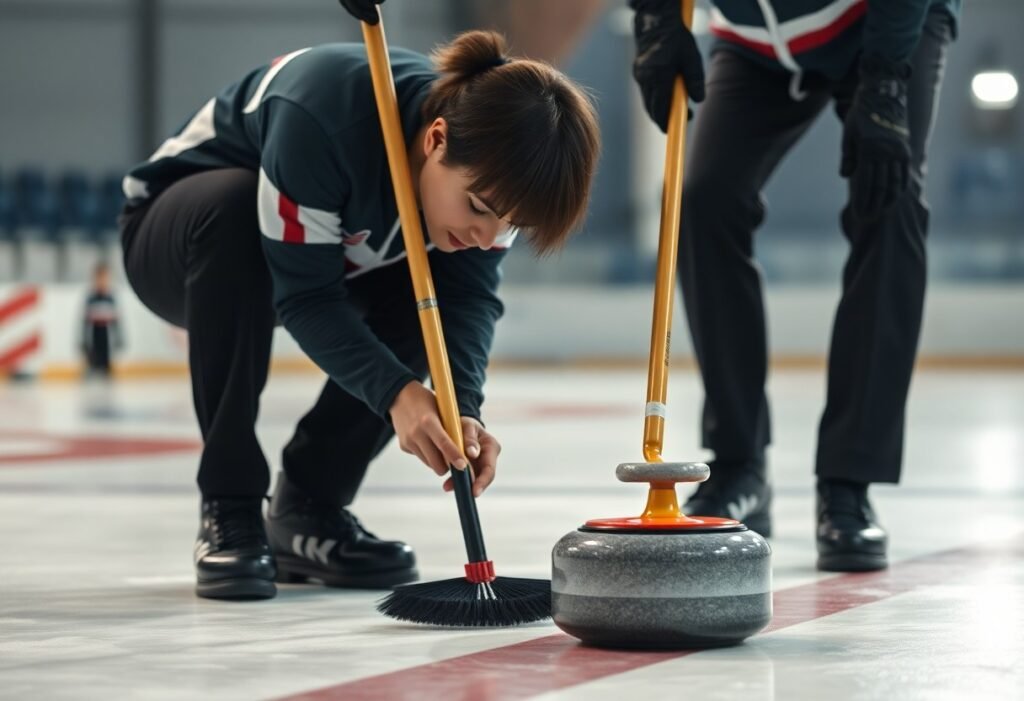
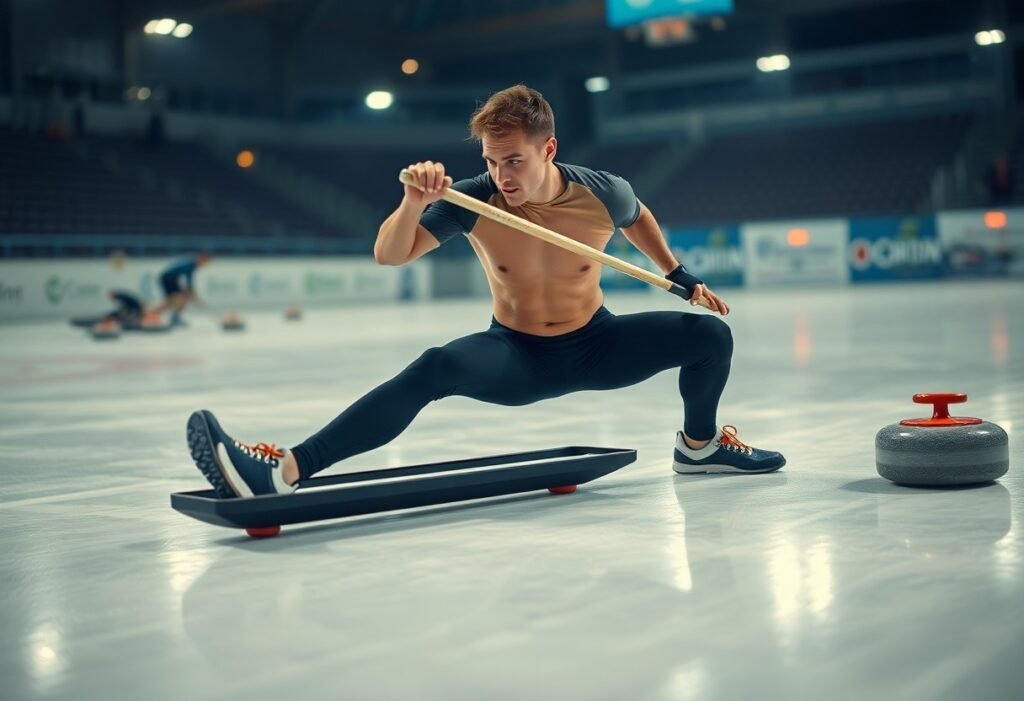
Your child should have curling shoes (one slider, one gripper) or rentals, a slider for delivery, a mid-length broom or youth push-broom, and layered, non-restrictive clothing. For players under 12, a delivery stick and soft-soled shoes speed progression. Bring lightweight gloves and optional knee pads for practice. Coaches often prefer horsehair or synthetic brush heads-ask what your club supplies. Proper shoes and a helmet significantly reduce fall risk.
Safety Considerations
On ice you’ll face slippery surfaces and moving stones; supervise closely and enforce the gripper on the non-sliding foot. Many clubs require helmets for under-12s and recommend them for all juniors, and eyewear protects against stray chips. Warm-ups and balance drills lower injury rates; sweeping can be intense-about 60-90 seconds of exertion-so hydrate and rotate sweepers. Emphasize slow, controlled delivery and staying clear of running stones.
Program safety commonly includes a coach-to-player ratio of 1:8-10, on-ice spotters and an accessible first-aid kit with concussion procedures. Verify instructor certification and whether staff have youth CPR/first-aid training. Teach kids to move with the gripper on, drop the slider when stepping off ice, and practice safe-fall techniques during dryland sessions. Clubs post emergency exits and rink boundaries-adhere to them to minimize risks and speed response if a mishap occurs.
Learning and Training
Training often follows 8-12 week blocks with 1-2 on-ice sessions per week (45-90 minutes) plus off-ice balance and strength work; you’ll move from basic delivery to game strategy and situational ends. Little Rocks programs for ages 6-11 feed into U18/U21 junior squads, and many clubs run weekend clinics and holiday camps. Be aware that stones weigh ~38-44 lb and icy surfaces increase slip risk, so focused warm-ups and fall-safety drills protect you and your teammates.
Skill Development Programs
Progressions center on repetition, measurable targets, and game simulation: you’ll practice delivery ladders, guard placement, and takeout accuracy with shot charts and video review. Clubs commonly set goals like achieving 80-90% draw accuracy within one meter in club drills and use 8-12 week modules to track gains. Expect mixed sessions of technical drills, timed sweeping intervals, and full-end scrimmages to build both skills and decision-making.
Coaching Resources
You can tap USCA coach clinics, online modules, and local mentor programs for structured lesson plans and certification pathways; many clubs require background checks and SafeSport training for anyone working with juniors. Coaches often use on-ice drills, whiteboard strategy sessions, and slow-motion video to diagnose release and sweep timing, so check your club’s coach development offerings and mentor matches.
For deeper support, look for a coach-to-player ratio near 1:6 so you get frequent, specific feedback; your coach should hold first-aid and concussion training and ideally a formal coaching credential from your regional association. Technology such as smartphone slow‑motion, shot-tracking sheets, and periodic performance assessments (monthly or after each block) helps you and your coach quantify progress and prioritize the next skills to master.
Competitive Opportunities
Regional leagues, club bonspiels, and national events create a clear ladder you can follow from beginner play to elite junior curling. US Junior Nationals (U21), U18 events, and college leagues offer regular competition; winning Junior Nationals sends the team to the World Junior Championships. Expect travel weekends, round-robin formats of 6-9 games, and mixed doubles and skills bonspiels to sharpen specific techniques.
Junior Championships
At the U.S. Junior Championships (U21) you’ll face top teams after regional playdowns, often in fields of 8-16 teams. Winners represent the USA at the World Juniors and mixed doubles nationals send pairs to world qualifiers. Coaches use statistics-shooting percentages and hammer efficiency-to set lineups, so your consistency and game stats directly affect selection.
Building a Competitive Team
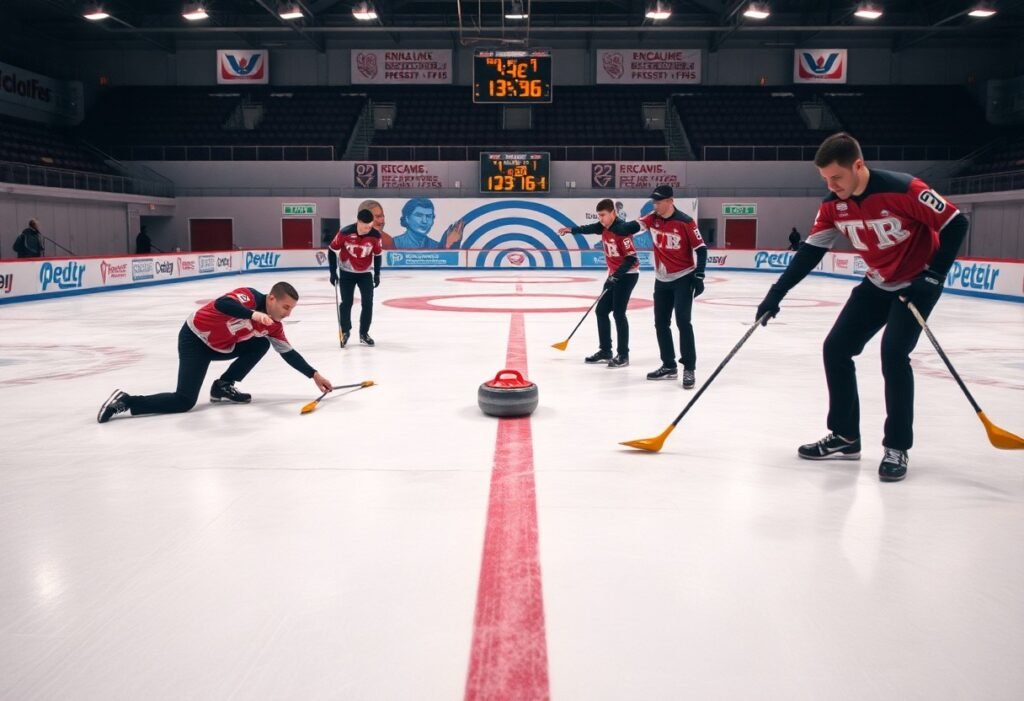
Assemble a roster of four plus an alternate, assign roles (lead, second, third, skip), and set a training plan of 8-12 hours per week on-ice plus fitness and video review. You’ll benefit from a certified coach, regular mixed-team scrimmages, and clear communication protocols; consistent practice and role clarity overcome raw talent gaps.
Run structured tryouts with measurable drills-draw-to-the-button, hit-and-roll, and takeout accuracy-and track percentages to compare candidates. Plan for travel budgets of $1,500-$5,000 per season and build fundraising or club sponsorships. Use video analysis, shot charts, and weekly performance reviews; many successful junior squads pair analytics with a USA Curling-certified coach to accelerate tactical growth.
Community and Social Aspects
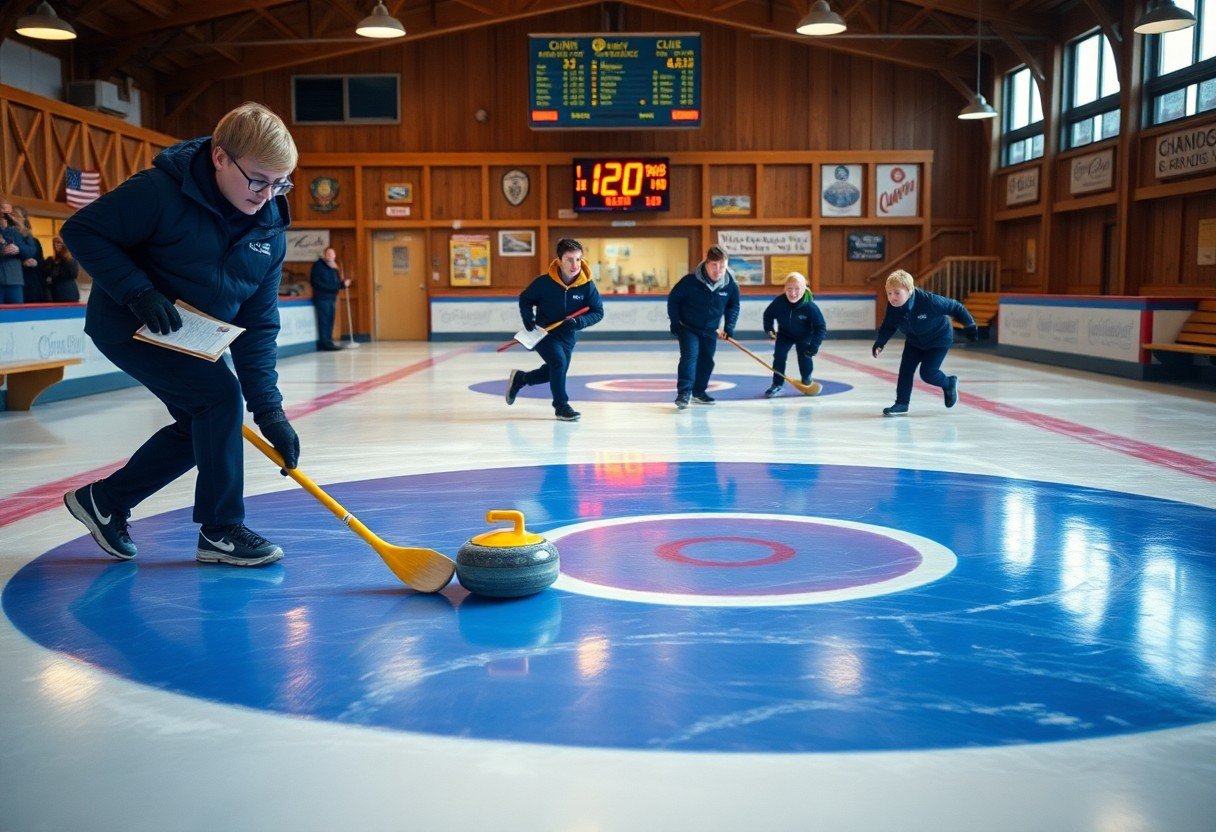
You’ll find junior curling centers become social hubs where friendships and teamwork form during weekly practices and weekend bonspiels. Many clubs run junior nights with 8-20 participants, and teams of four rotate positions so you interact with different peers every session. Clubs also emphasize safety-use of helmets and grippers reduces risks from ice slips-while post-game socials, fundraisers, and family potlucks strengthen local connections.
Making Friends through Curling
You bond quickly because curling requires constant communication: as a four-person team you call shots, sweep together, and share wins or tough losses. At most junior bonspiels you play 3-5 games over a weekend, meeting peers from other clubs and often exchanging contact info for future practices. Mixed-age teams let older juniors mentor younger ones, so you gain both teammates and near-peer role models.
Family Involvement in Curling
Your family often becomes part of the club ecosystem-parents volunteer for scorekeeping, timing, and chaperone duties, while siblings attend clinics or join learn-to-curl nights. Clubs commonly ask families for volunteer shifts (often 4-8 hours per season) and host family nights, which helps you feel supported both on and off the ice.
Parents can take specific roles like assistant coach, ice prep helper, or bonspiel coordinator, and many clubs offer family memberships or sibling discounts to reduce costs. Expect a typical junior schedule of 1-3 practices per week plus 2-4 weekend bonspiels each season; your family’s help with transportation, gear checks (helmets, grippers), and snack logistics makes regular participation feasible.
Final Words
Upon reflecting, you see that junior curling programs in the USA give your child structured coaching, age-appropriate skill progression, and competitive pathways so you can foster technical ability, strategic thinking, teamwork, and sportsmanship in a safe, community-driven environment that supports continued advancement and enjoyment of the sport.
FAQ
Q: What are junior curling programs in the USA and who can join?
A: Junior curling programs introduce children and teens to the sport of curling through age-appropriate instruction, practice sessions, and supervised play. Programs commonly split participants into Little Rocks (approx. ages 6-12) for basic skills and play, and junior teams or clinics for teens (often up to under-21 for competitive pathways). Local clubs, community recreation centers, and school-affiliated programs offer sessions for beginners through competitive juniors; many welcome newcomers with no prior experience.
Q: How do parents and kids find the right program and what factors should they consider?
A: Start by checking the U.S. Curling Association’s club directory, local ice rinks, and community recreation listings. Consider session frequency, coach experience, coach-to-player ratio, emphasis on fun versus competition, travel expectations for tournaments, and cost. Visit a session or open house to see coaching style and safety practices, ask about equipment availability, and verify whether the program has youth protection policies and clear communication for parents.
Q: What equipment and clothing do children need to participate safely?
A: Basic needs include clean, flat-soled athletic shoes or curling shoes (many clubs loan or rent sliders and grippers), warm layered clothing that allows movement, a non-bulky glove for better broom grip, and a helmet for very young beginners or those learning delivery balance if the club recommends one. Clubs often provide stones, brooms, and sliders for introductory sessions; check with the program about what to bring and whether loaner gear is available before the first session.
Q: What safety rules and coaching practices help keep juniors safe on the ice?
A: Good programs teach proper sliding technique, falling safely, and how to move on the ice (no running, controlled entry/exit from rinks). Coaches should provide progressive drills, supervise all on-ice activity, conduct warm-ups, and enforce helmet or protective gear policies when appropriate. Clubs should have adult supervision ratios, emergency procedures, and coach background checks. Communication with parents about health issues and physical limits is also standard practice.
Q: What is the pathway from recreational play to competition, and what commitments are required?
A: Many juniors start in learn-to-curl or Little Rocks sessions, progress to interclub leagues or youth clinics, then form teams for bonspiels and regional events. Competitive juniors may aim for state championships and the U.S. Junior Championships (age-limited national events), which can lead to international junior play. Commitment increases with competition level: expect more frequent practices, travel for events, higher coaching fees, and fundraising. Clubs typically outline expected time and cost commitments before competitive seasons begin.