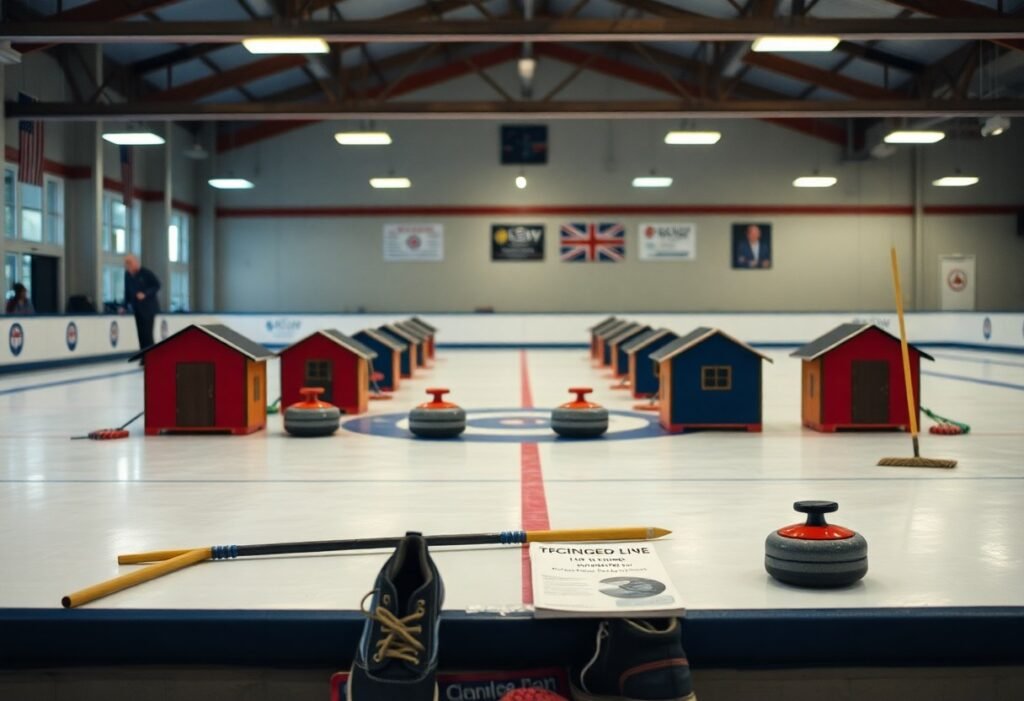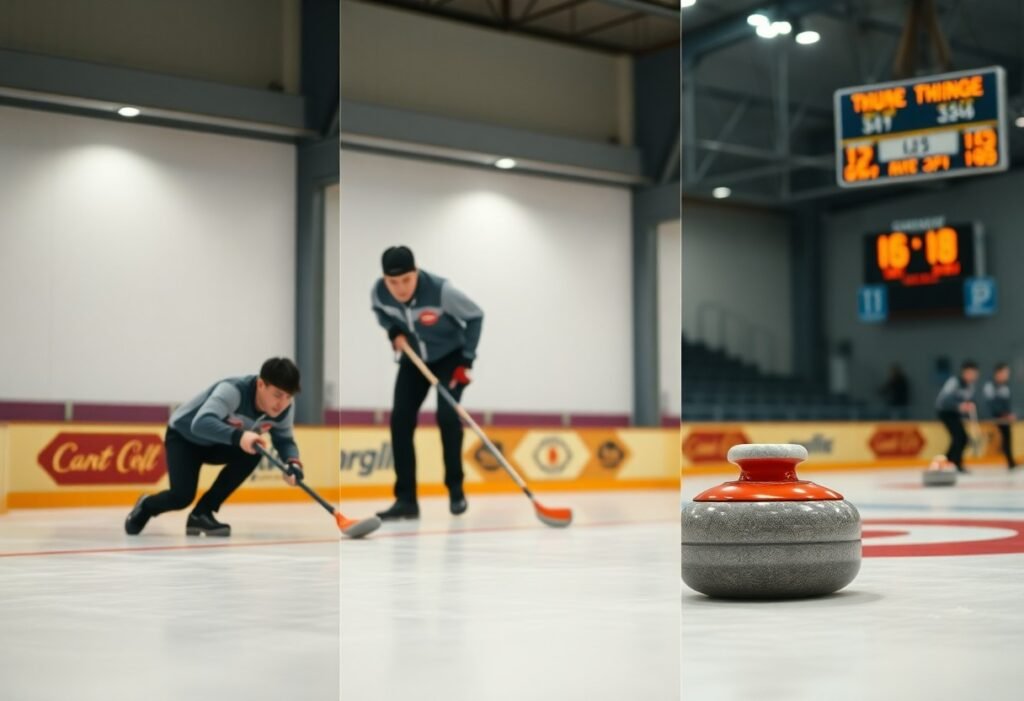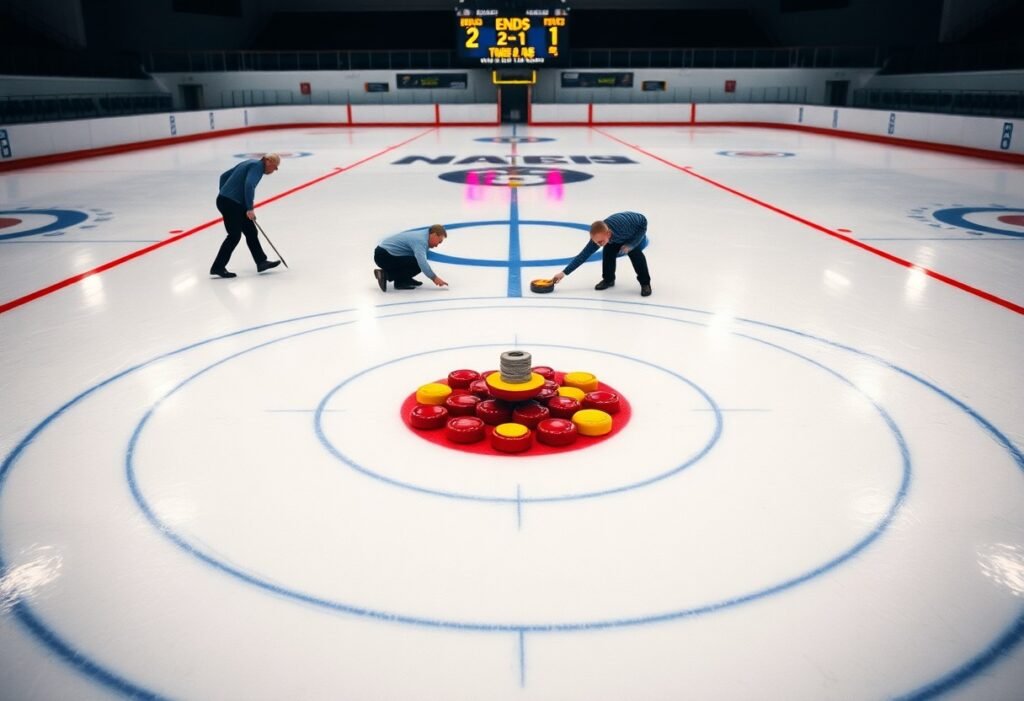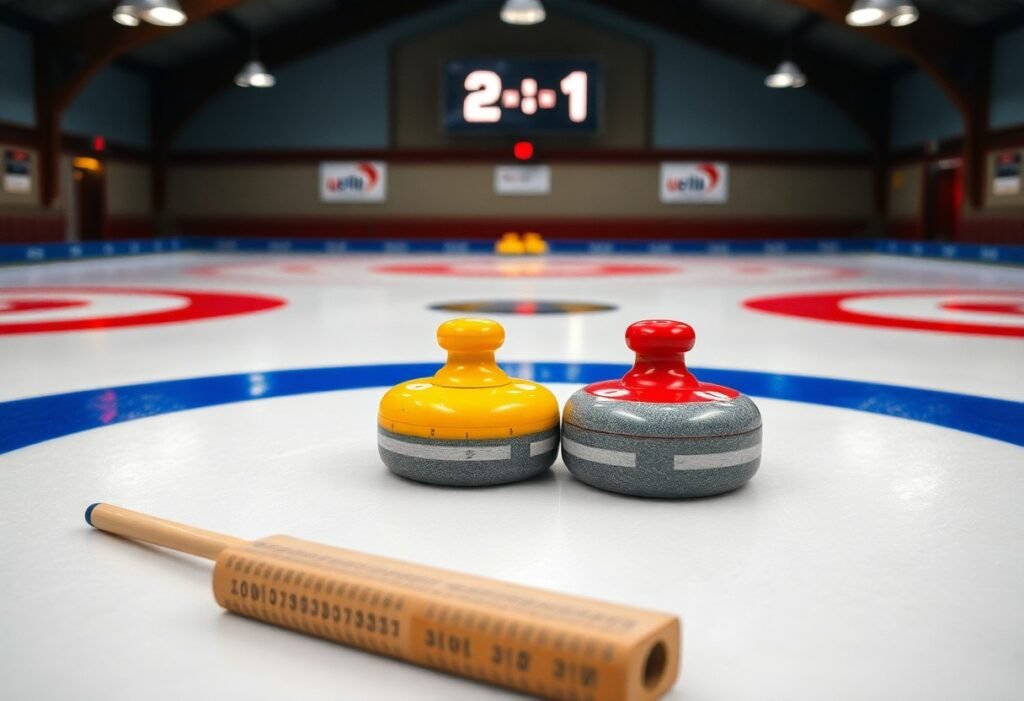

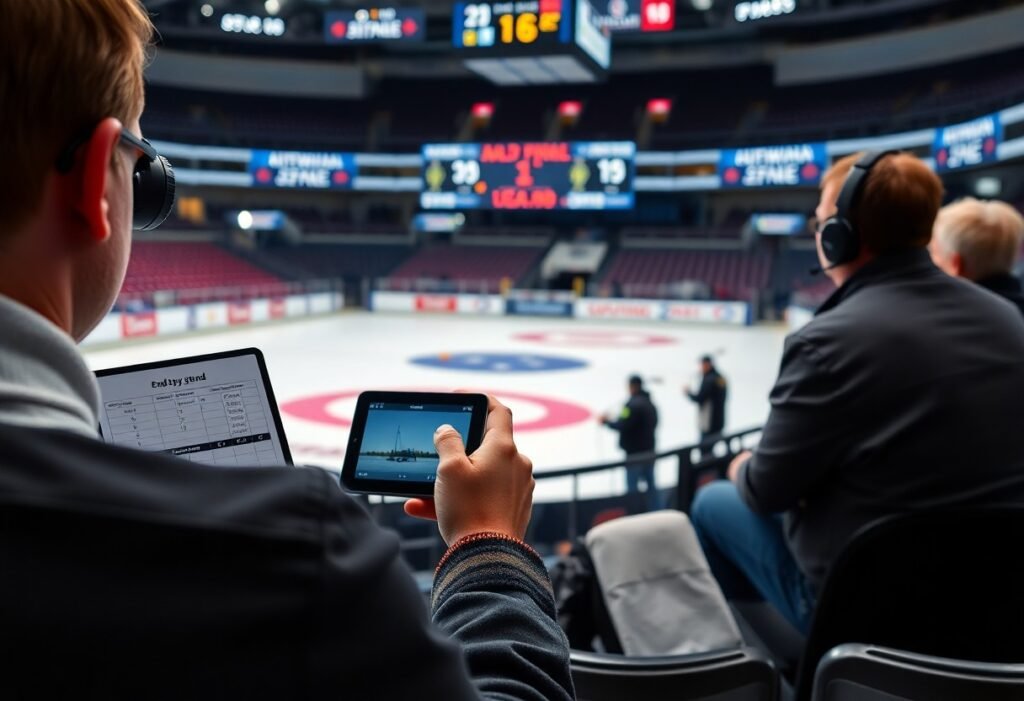
Pro-level viewing trains you to read line, weight and strategy so you can predict shots and appreciate tactics; watch the skip’s broom and rock rotation. Pay attention to hog-line releases because missed releases are fouls, notice that sweeping can dramatically change a stone’s path, and track the scoreboard to grasp end strategy-spotting momentum shifts will make your viewing far more rewarding.
Key Takeaways:
- Watch stone speed and sweeping: stone pace affects how much it curls, and sweepers control distance and curl by altering ice friction-follow sweeping intensity to gauge shot success.
- Track the hammer and scoreboard: the team with the hammer dictates offensive options; blank ends, steals, and when teams play tight versus aggressive reveal strategic intent.
- Read shot types and skip cues: identify draws, guards, takeouts and the skip’s broom placement and voice calls to anticipate shot selection and likely outcomes.
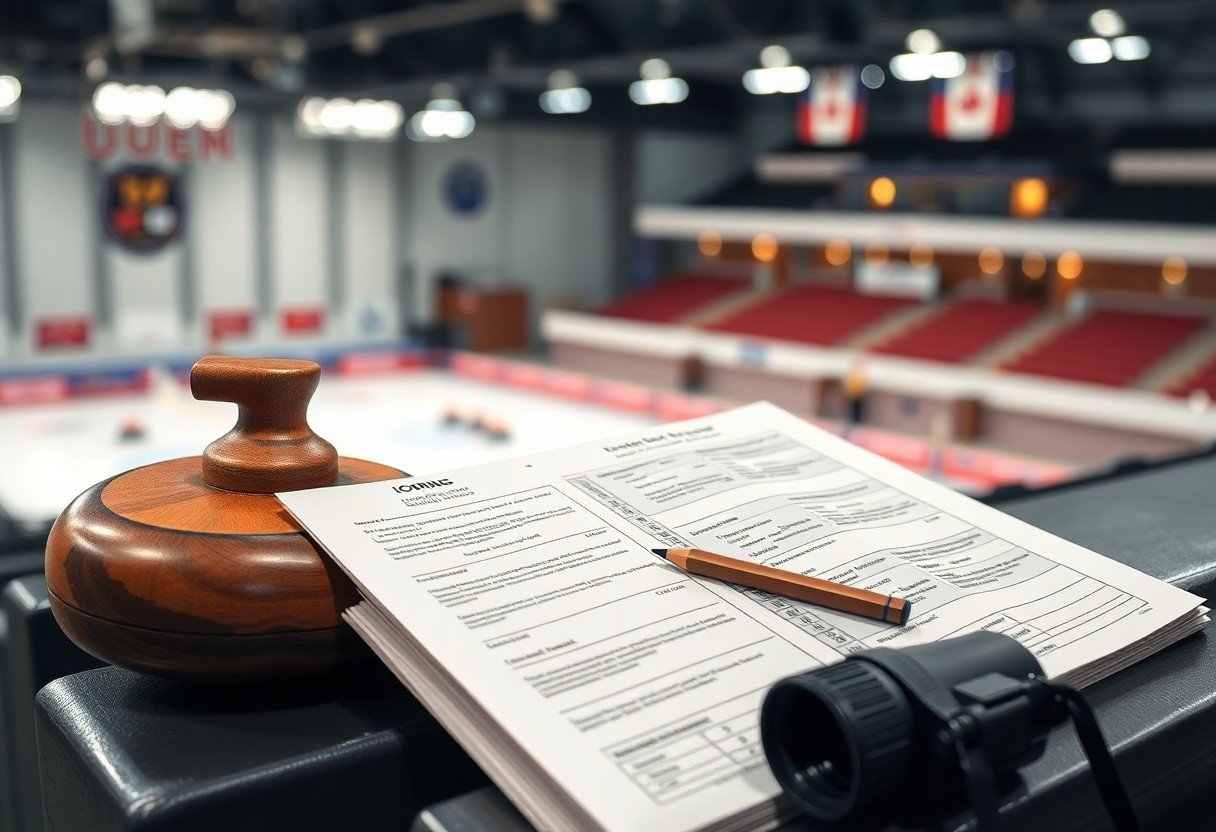
Understanding the Basics of Curling
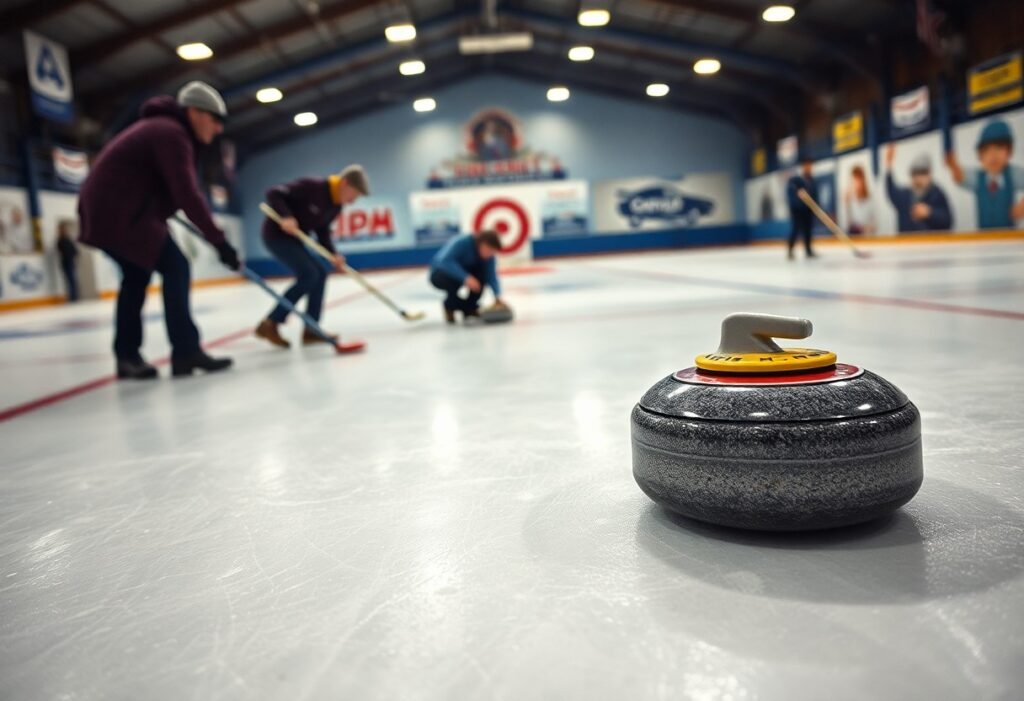
On the sheet, two teams of four alternate sliding granite stones-each weighing 38-44 lb-toward a 12-foot-diameter house while teammates sweep to influence distance and curl; you watch line, weight and sweeping timing to judge whether a stone will finish in scoring position or be removed by a takeout.
The History of Curling
Tracing its roots to 16th-century Scotland, with the earliest written reference around 1541, curling evolved into organized play under the Royal Caledonian Curling Club in 1838; you’ll notice modern international growth culminated in curling’s Winter Olympic return in 1998 (Nagano), which popularized tactics like the corner guard.
Rules and Objectives
The objective is simple: you score when your stones lie closer to the button than the opponent’s after an end; only one team scores per end, games are usually 8 or 10 ends, and holding the last-shot advantage-the hammer-is often decisive, while a hog-line release or failure to cross the far hog line results in the stone being removed.
For example, if you have three stones closer to the button than any opponent stone, your team scores 3 points that end; a perfect eight-ender is extremely rare and celebrated, while teams often intentionally blank an end to retain the hammer as part of strategic play.
Essential Equipment for Watching Curling
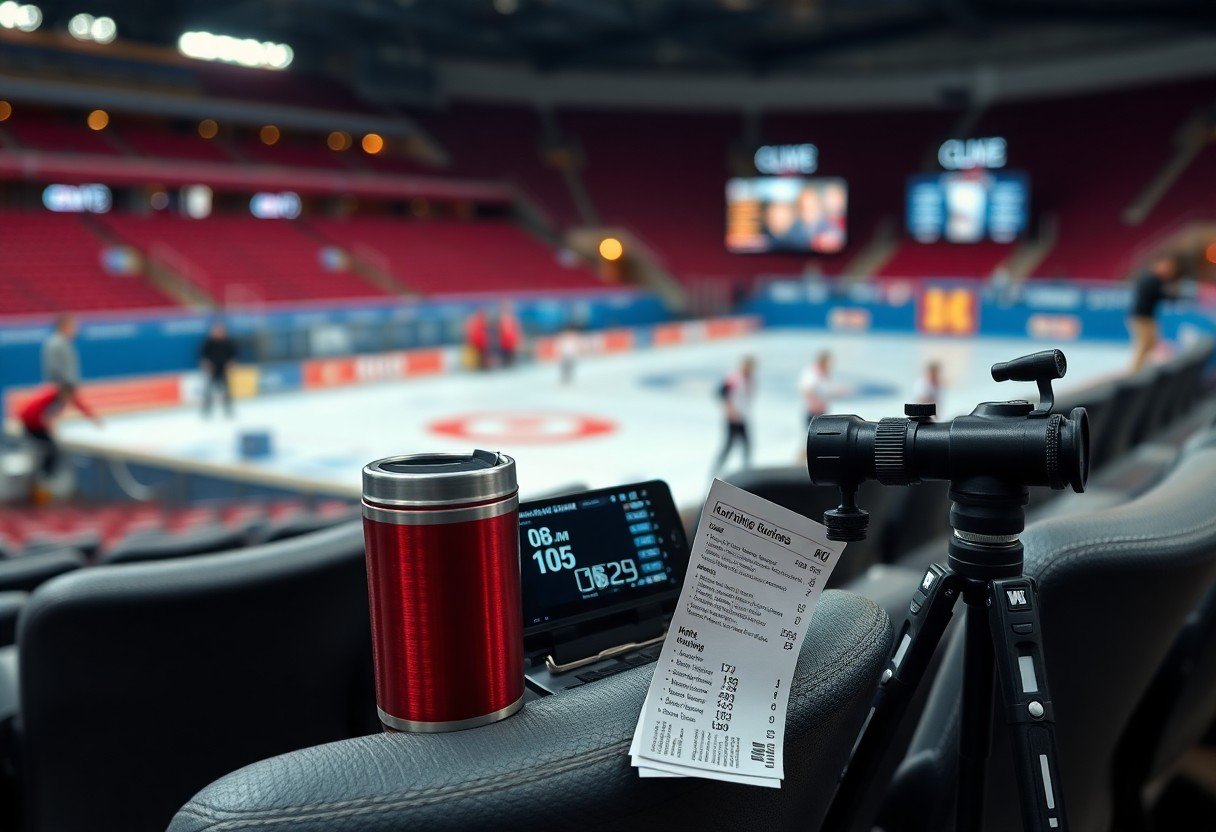
You’ll want binoculars (8×42 or 10×42) to read line and rotation from 10-30 meters, a warm layer because arenas often sit near 5°C (41°F), and a seat cushion for long ends. Bring the event program or live stats app to follow percentages and shot history; sweeping can change stone travel by up to ~3 feet (0.9 m). For technique study, consult Curling Technique – Curling.
What to Look for in Curling Gear
You should prioritize binoculars with 8x-10x magnification and a 42mm objective for brightness, polarized lenses to cut rink glare, and a compact program or tablet to track ends. Add rechargeable hand warmers and noise-cancelling earbuds so your focus isn’t broken by crowd noise. Seats with clear sightlines let you judge stone line and curl quickly; live-score apps keep shot percentages and hammer status at your fingertips.
Best Viewing Locations and Settings
Sit mid-ice, about halfway down the sheet, to judge angles and weight, or choose higher rows (roughly 5-15) for a strategic overhead perspective that shows guard lanes and stone corridors. Being near the hog line gives release-angle clarity-the hog line sits about 21 feet (6.4 m) from the tee-so you can see rotation and sweeping effects; maintain silence during deliveries to catch verbal cues from skips and sweepers.
When you watch on TV, favor the center-ice or overhead feed for corridor and guard patterns; at the rink, position yourself behind either skip to read line and ice-speed shifts between ends. Use the scoreboard app to monitor shooting percentages and end-by-end outcomes-those stats let you predict strategy changes and value when teams use timeouts or aggressive calls.
Key Factors to Observe in a Game
Watch how stone speed, release rotation and sweeping combine to decide whether a shot bites or over-curves; you should note angles off the tee-line and how guards shift options for the skip. Pay attention to who controls the hammer and how scoreboard pressure changes risk tolerance. This gives you a short-hand to predict end-by-end decisions.
- Line – angle and curl relative to broom
- Weight – pace of the stone and hog-to-hog time
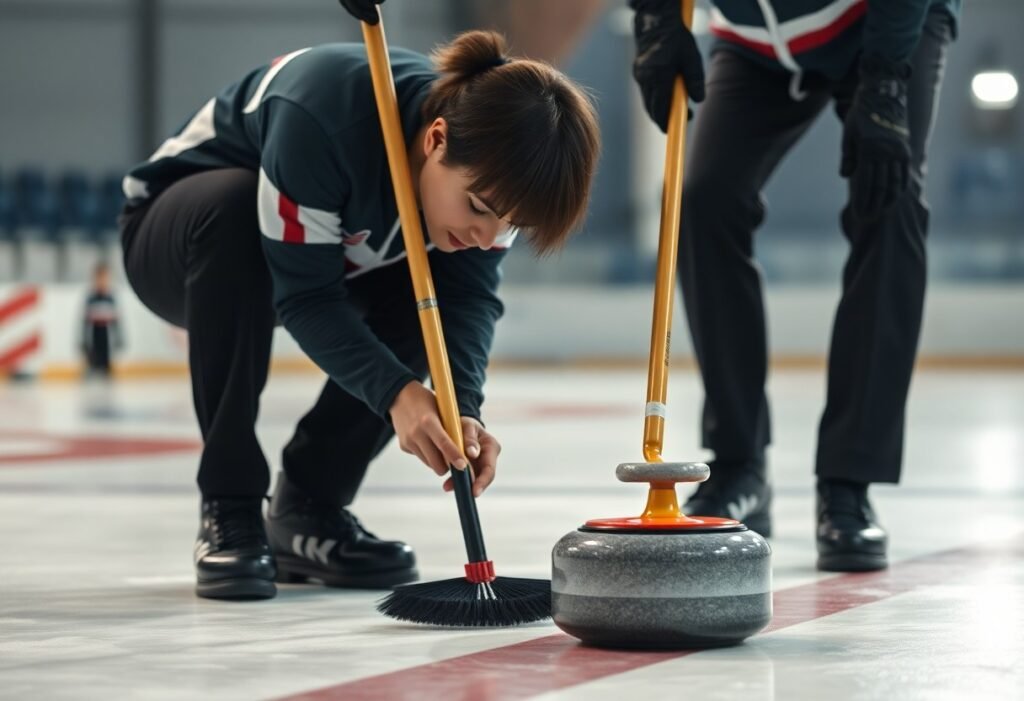
- Sweeping – influence on distance and curl
- Strategy – use of hammer, guards, and freezes
- Ice – sheet speed and pebble condition
Strategy and Team Dynamics
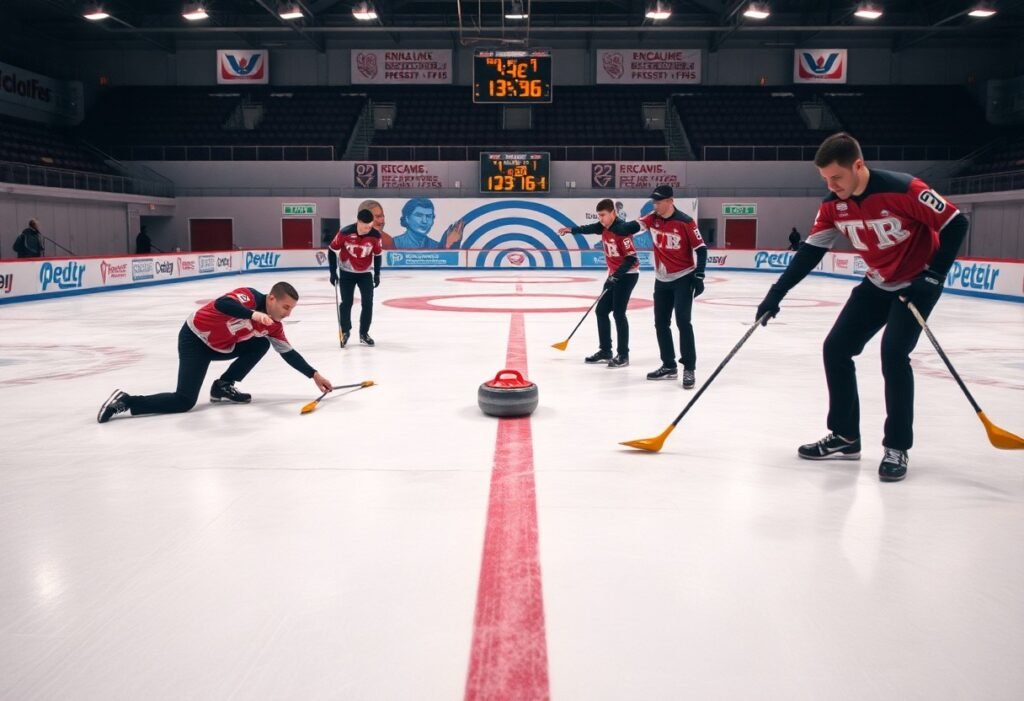
You should watch how teams plan 2-4 shots ahead: with the hammer they often trade peel or blank ends to set up a big score, while without it they force singles and clutter the house; elite squads communicate shot-calls in under a second and rotate leads to manage stamina across 8-10 ends.
Ice Conditions and Its Impact on Play
Notice hog-to-hog times and pebble wear-fast sheets show roughly hog-to-hog 3.5-4.5s, slow over 5s; worn pebble reduces curl late-game and forces more aggressive sweeping to regain distance. This affects whether draws finish or require hits.
In practice, sweepers can alter distance by about 1-2 meters (3-6 ft) and change curl noticeably, so you should track how teams adjust pressure and broom angle as ends progress; for example, at major championships ice often slows after 5-7 ends, prompting skips to switch from finesse draws to more takeouts to mitigate unpredictable late-game curl.
Tips for Engaging with Curling Broadcasts
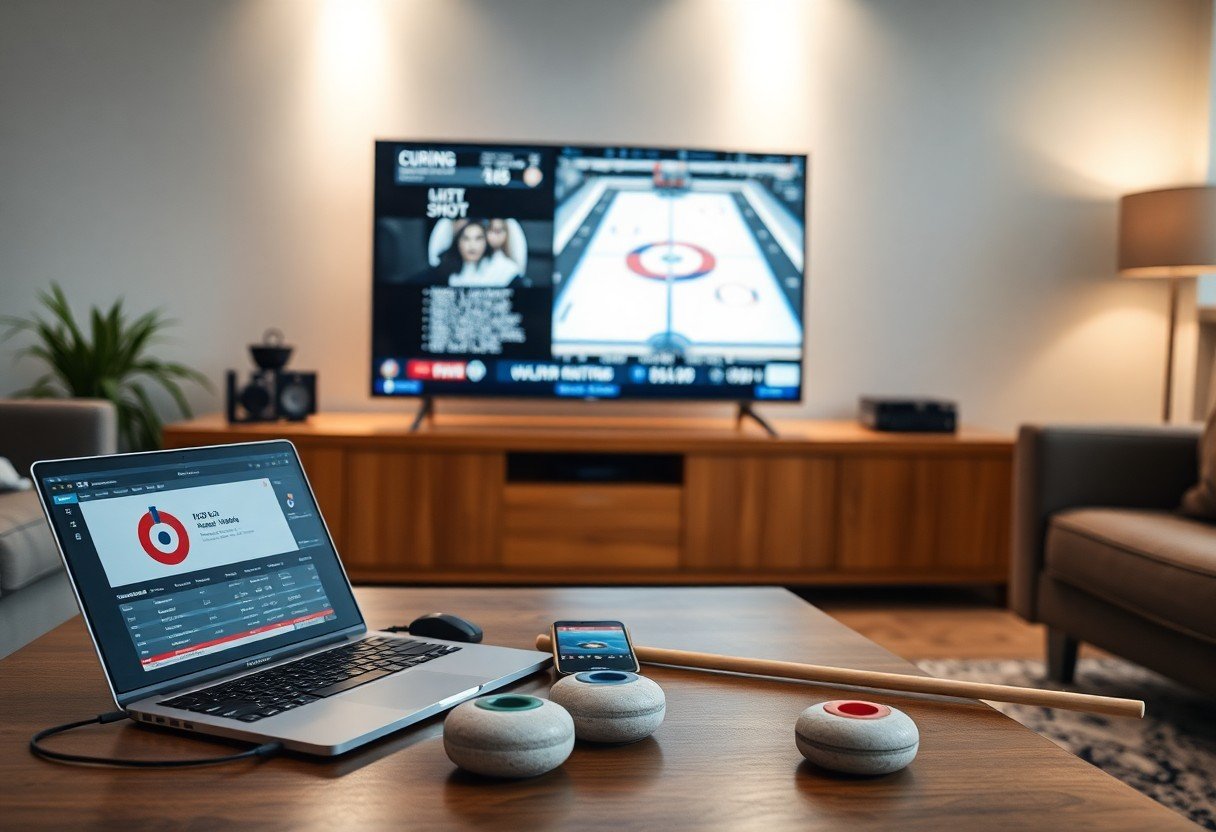
During broadcasts you should track the hammer, time left on the shot clock, and the scoreboard to value risk vs reward; most championship matches are 10 ends and each team throws 8 stones per end. Use split-screen replays and on-screen shot% to compare players, and watch how sweeping changes stone distance and curl. Pay attention to commentators’ mention of ice quirks and pairings-those details signal tactical shifts. Recognizing patterns in team communication and ice behavior will help you predict shots and appreciate strategy.
- hammer – who has last rock
- guards – front-rock protection
- takeout vs draw – shot selection
- shot% – player and team efficiency
How to Read the Game as it Unfolds
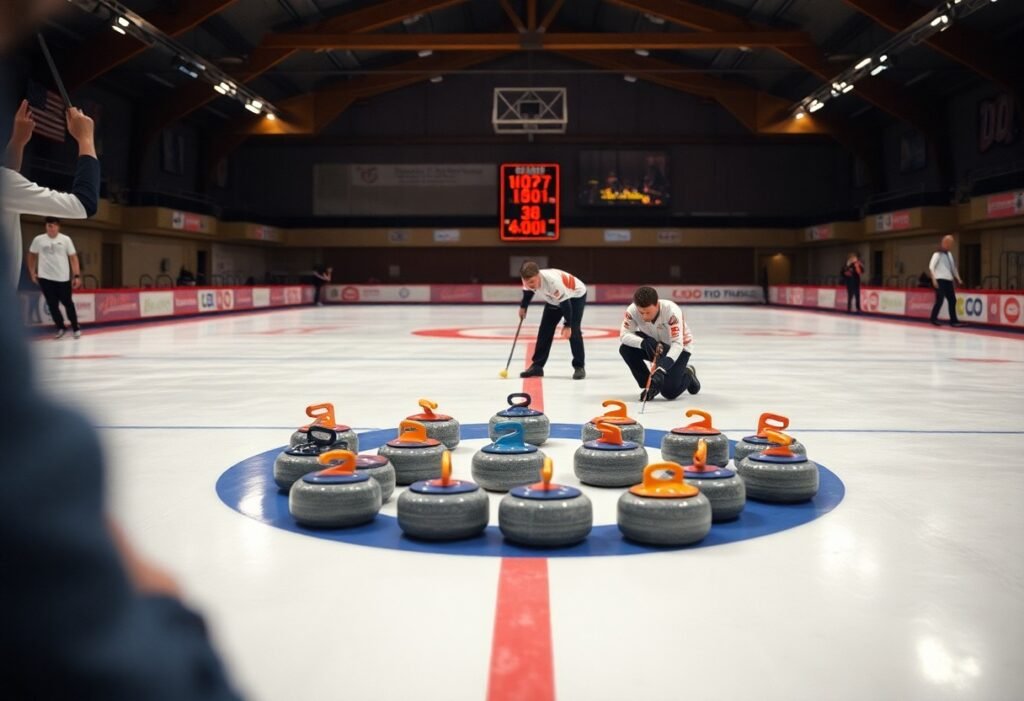
You should watch stone trajectories and placement relative to the button: early ends often feature guards and spacing battles, while ends 7-10 typically shift to scoring or forcing tactics. Note which team controls the center line, how many stones are frozen to the button, and whether skips prefer aggressive takeouts or precision draws; those choices reveal intent. Use the scoreboard math-ends remaining and points differential-to anticipate when teams will gamble versus protect.
Understanding the Commentary and Analysis
When commentators cite numbers like a player’s shot% or a team’s hammer conversion, you gain context for a single shot vs season form; listen for phrases like “line’s perfect” or “tight rotation” to decode immediate ice and rotation info. Analysts will explain why a skip chooses a freeze or peel, and you should match those calls to the scoreboard and stone count to see the larger plan.
Dig deeper by tracking recurring analyst themes: if they reference a team’s end-game statistics, cross-check the on-screen stats (player percentages, ends-stealed, hammer efficiency) and note examples-such as a team that stole in two consecutive ends after forcing pressure-so you learn how specific plays shift momentum. Familiarize yourself with common shorthand (in-turn/out-turn, peel, tap) and the typical outcomes commentators expect from each to turn color commentary into predictive insight.
Enhancing Your Curling Experience
Use broadcast tools and rink-side cues to level up: follow the shot clock and sweep sounds, watch hog-line and overhead cams for line reading, and track who has the hammer each end. You can compare commentators’ strategy to the scoreboard and replay angles, and note that top competitions run 10 ends while many bonspiels play 8, which changes late-game tactics.
Hosting Curling Watch Parties
When you host, seat 6-10 friends facing a 50-65″ screen or projector and route audio to a single Bluetooth speaker. Prepare a one-page cheat sheet explaining scoring, the hammer, and common terms, and assign someone as stat keeper or ‘sweep caller’ to call strategy pauses. Keep quiet during shots, dim lights for camera visibility, and offer simple handheld foods to avoid spills near electronics.
Joining Curling Communities
Find your local club online or via Curling Canada and World Curling Federation listings, then try a Learn to Curl session or drop-in practice; many clubs run 6-12-person beginner groups. You can also follow dedicated forums and local Facebook groups for leagues, spare lists, and bonspiels, which often post 8- to 16-team events that welcome newcomers.
By joining a league you’ll experience formats from four-person teams to mixed doubles (2 players), and you can enter bonspiels with 8-32-team fields; volunteering at events connects you to organizers and often nets free ice time. Clinics and junior programs accelerate skills, and using spare lists or club apps helps you play regularly. Bring clean indoor shoes and follow rink etiquette to stay safe around heavy stones and fast ice; stones weigh ~40 lb and move quickly, so give players room.
Resources for Further Learning
For deeper study, combine official rulebooks, coaching manuals and match analysis to sharpen your eye for line and weight. Start with the World Curling Federation Rulebook and Curling Canada’s coaching guides for definitions, measurement standards and free-guard-zone rules. Then review Olympic match reports and statistical breakdowns to see how those rules play out in high-pressure decision-making.
Recommended Books and Articles
Focus on authoritative references and long-form analyses: the WCF rulebook, Curling Canada coaching manuals, plus feature articles on curling.ca and worldcurling.org. Seek case studies of finals that include shot-by-shot diagrams and percentages so you can compare guard-versus-draw choices and learn how top teams convert strategy into measurable outcomes.
Online Tutorials and Videos
Watch motion-rich content to learn timing and technique: subscribe to the World Curling Federation and Curling Canada YouTube channels, and follow team channels like Team Homan or Team Gushue for in-ice mic’d sweeping and delivery angles. Combine 10-15 minute tactical breakdowns with full-game replays to connect calls, sweeping intensity and shot results.
Dive into drill playlists that show slow-motion releases, broom angles and ice overlays; prioritize videos that label rotations, rotation counts and line adjustments. If you study 5-10 focused drills plus 3-5 full matches, you’ll observe patterns-for example how different rotations alter curl and how aggressive sweeping can add up to 1-2 meters of extra distance when executed correctly.
To wrap up
Taking this into account, you can follow scoring, line, weight, and sweeping cues to anticipate shots and evaluate tactics, focus on end strategy and player roles to judge risk versus reward, and use replays and commentary to deepen tactical understanding; with practice your observational skills will let you appreciate the subtleties of shot selection and ice reading, making each game more engaging and insightful.
FAQ
Q: What are the basic rules and how is scoring determined?
A: Each game is divided into ends; teams alternate throwing eight stones each per end. The objective is to have your stones closer to the button (center of the house) than any of your opponent’s stones when the end is complete. Only stones that lie within the house (or touching the outer ring) are eligible to score. After all 16 stones are played, the team with the stone closest to the button scores one point for each of its stones that are closer to the button than the opponent’s nearest stone. The team with the last-stone advantage in an end is said to have the hammer; that advantage influences tactical decisions like whether to draw, blank, or play for multiple points. If scores are tied after the scheduled ends, extra ends are played until a winner is determined.
Q: How do I read the ice and anticipate how a stone will travel?
A: Watch where the sweepers start sweeping, which reveals speed and curl tendencies on different lanes; faster ice means less curl and longer travel, slower ice increases curl. Note whether stones tend to curl more from the hog line to the tee or late in the slide – that tells you when to expect break. Observe patterns in how stones cross the tee line and how they interact with guards and parked stones; clustered curl or frozen stones indicate predictable angles for freezes and raises. Also pay attention to pebble wear and temperature indicators from commentators or ice crews, since those change during a draw and between ends.
Q: What should I focus on during delivery and sweeping to identify high-quality shots?
A: During delivery watch the thrower’s slide, broom target, release point and rotation; a consistent release axis and smooth follow-through usually produce predictable curl. For sweeping, note intensity, placement and timing: firm, quick sweeps in front of the stone reduce friction and can extend distance and straighten the line; softer or later sweeps influence only late curl. Listen and look for communication between skip and sweepers – calls like “hard,” “line” and “hurry” signal intent. On TV, replays and slow-motion often reveal subtle release errors or superb broom work that made the difference.
Q: What strategic concepts do professionals use that beginners often miss?
A: Pros think several shots ahead and manage the house to create favorable angles: they use guards to protect center stones, freezes to neutralize opponent counters, and controlled takeouts to reshape the scoring area without opening access. They manage the score by deciding when to blank an end (to retain the hammer) or when to force a single point from the opposition. Shot selection balances risk and reward; a high-percentage draw that secures a point can be better than a low-probability double for two. Also watch how teams vary aggression through the match based on the scoreboard, ice conditions and time left on clocks.
Q: How can I watch a match in person or on TV/streaming and spot the important moments like a pro?
A: In person, position yourself near the tee line or at the ends to see release, line and broomwork clearly; quiet zones during delivery help you catch communication and subtle cues. On broadcasts, learn the graphics: the scoreboard shows hammer, ends remaining and incremental scoring; shot probability meters and freeze frames highlight key choices. Track thinking time to gauge pressure moments, watch body language for confidence or hesitation, and follow the skip’s rock selection and broom placement to anticipate intended outcomes. Use live stats and shot charts available on event apps or websites to compare expected vs. actual outcomes and to understand why a particular shot shifted momentum.