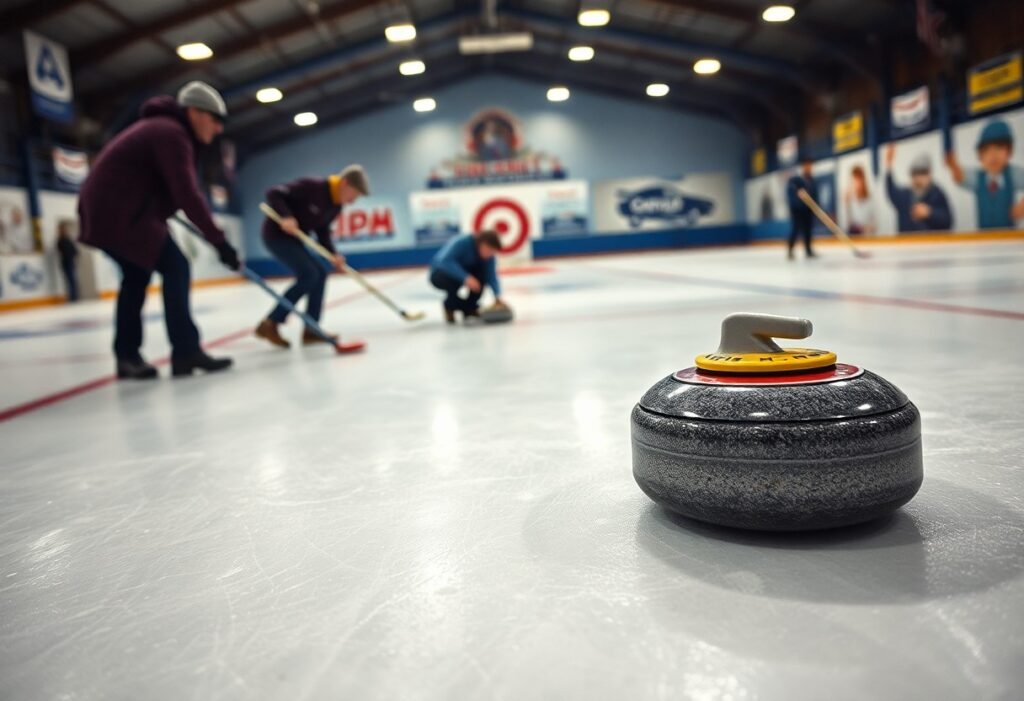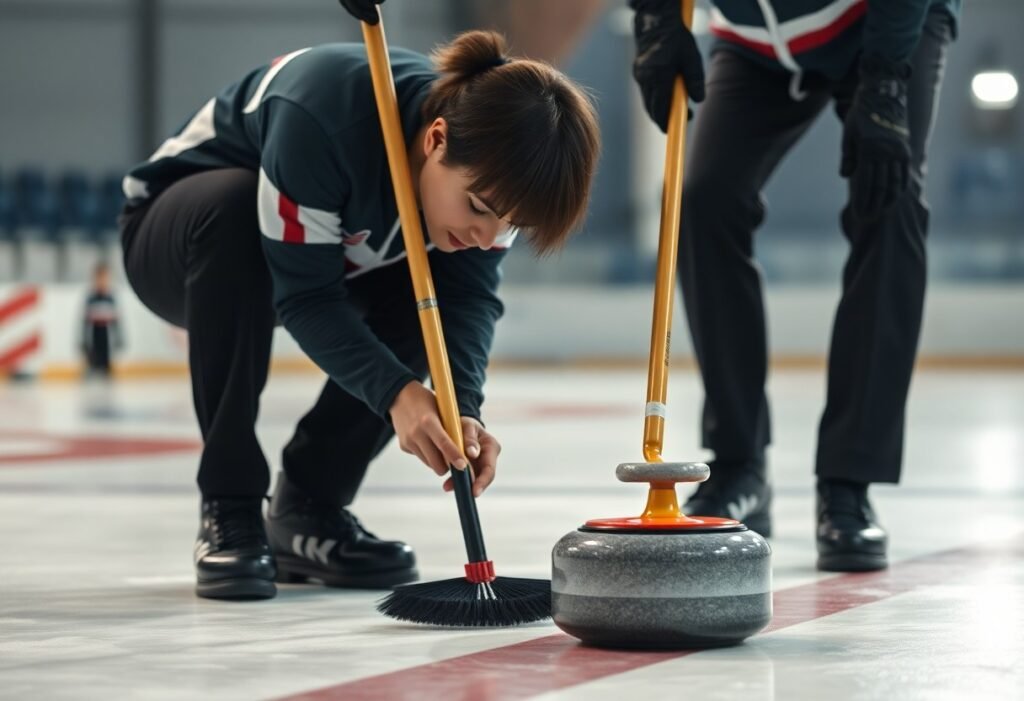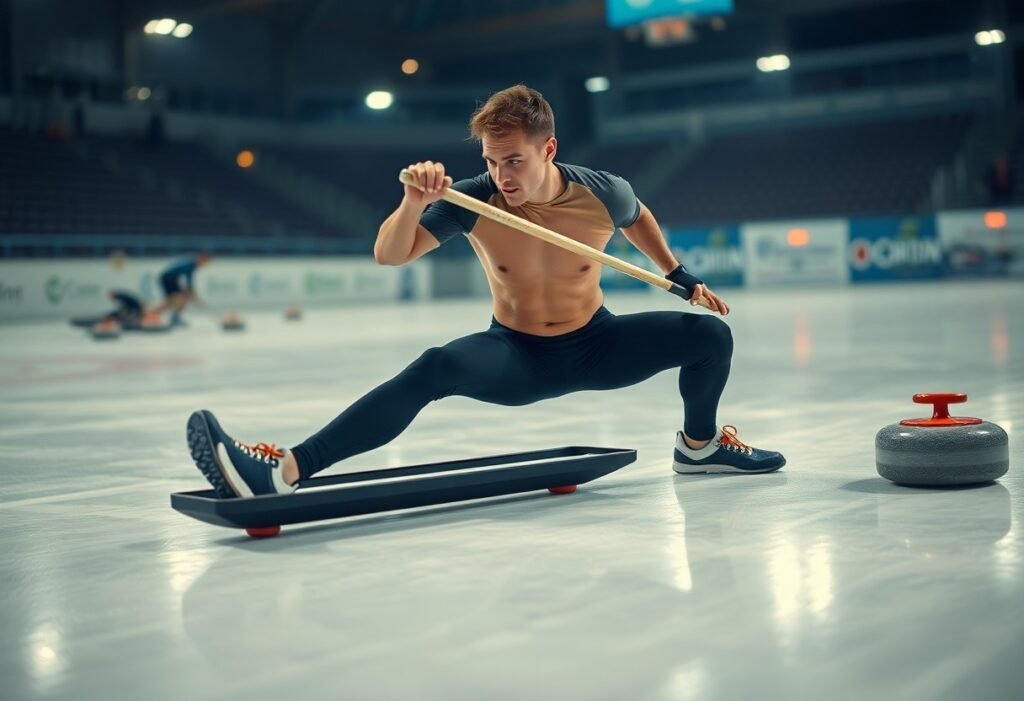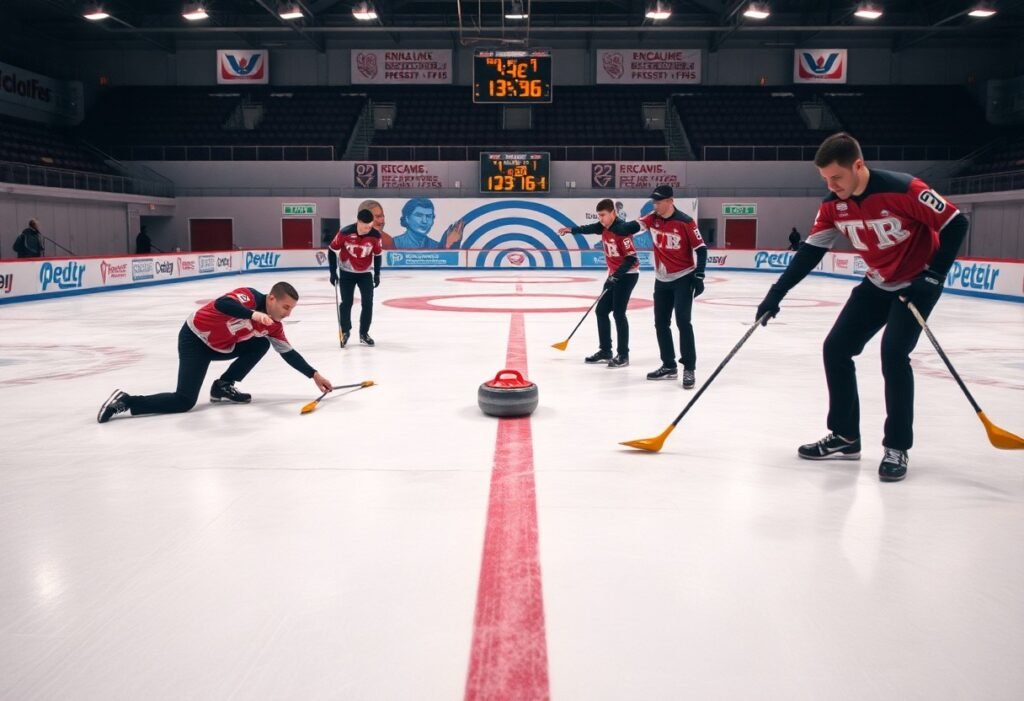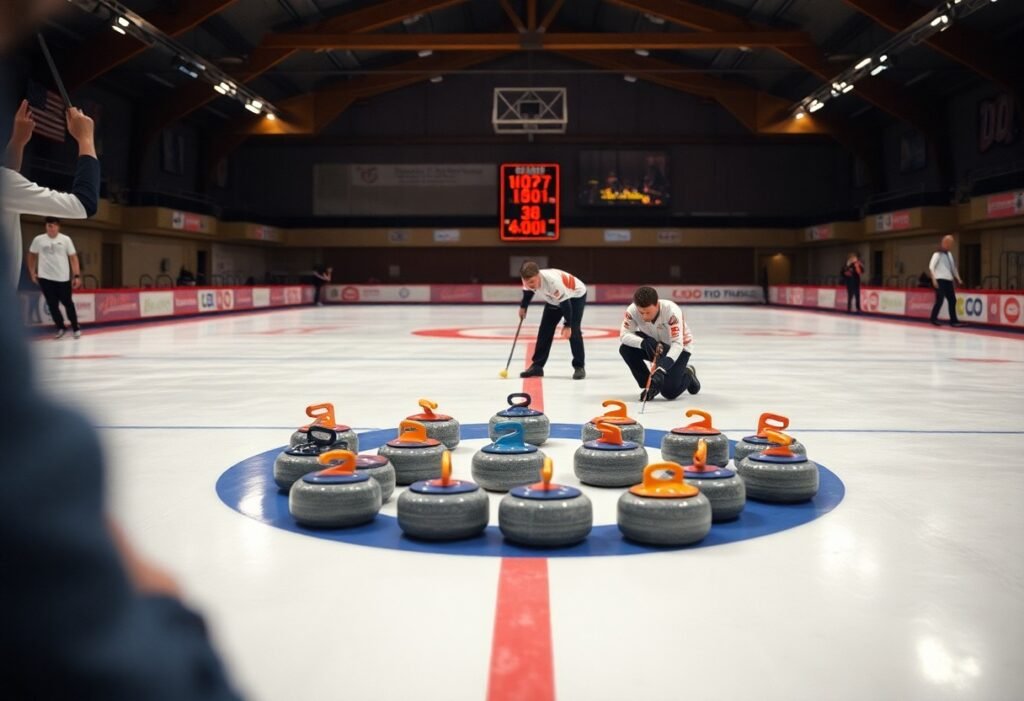

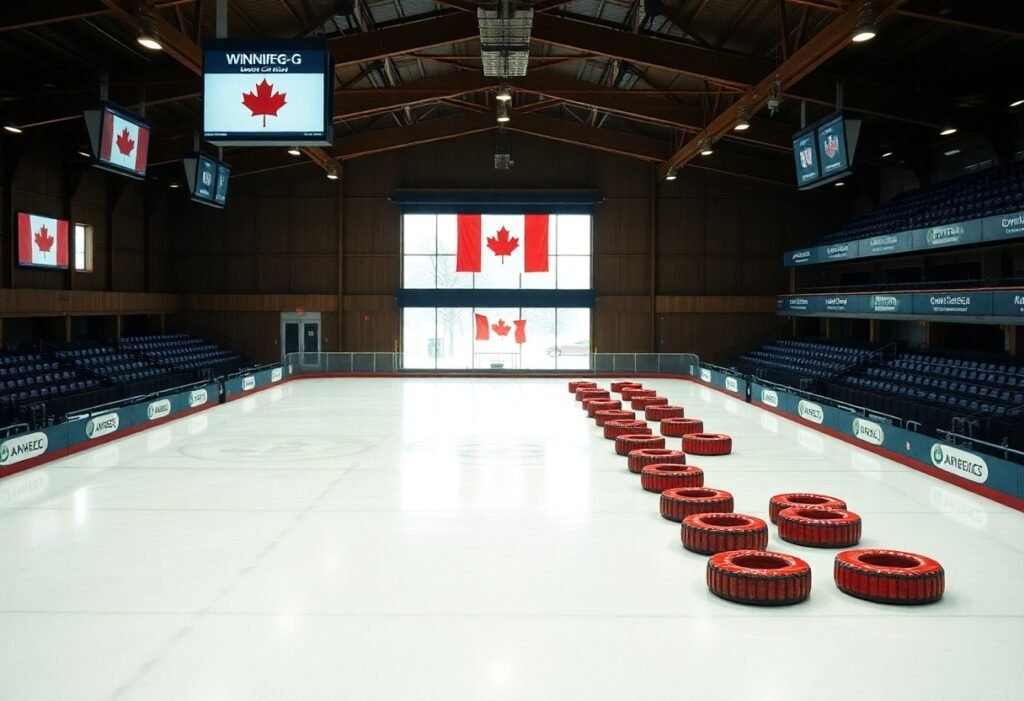
Travel to North America’s best curling destinations with a clear plan: you can visit world-class rinks and vibrant club culture from British Columbia to Newfoundland, but align your schedule with the prime winter months and book well in advance to secure arena time and coaching. Be aware of dangerous winter driving and icy conditions that can affect travel logistics, and pack gear so your trip supports both competitive and recreational play.

Key Takeaways:
- Winnipeg, MB and Ottawa, ON are top choices for authentic curling culture and major events (Brier/Scotties), with historic clubs and lively local leagues.
- Calgary and Edmonton, AB offer modern arenas and frequent international competitions, ideal for spectators seeking high-level play.
- Smaller Midwestern U.S. and Prairie Canadian towns (e.g., Duluth, Brandon) provide friendly, hands-on experiences-learn-to-curl sessions and community bonspiels.
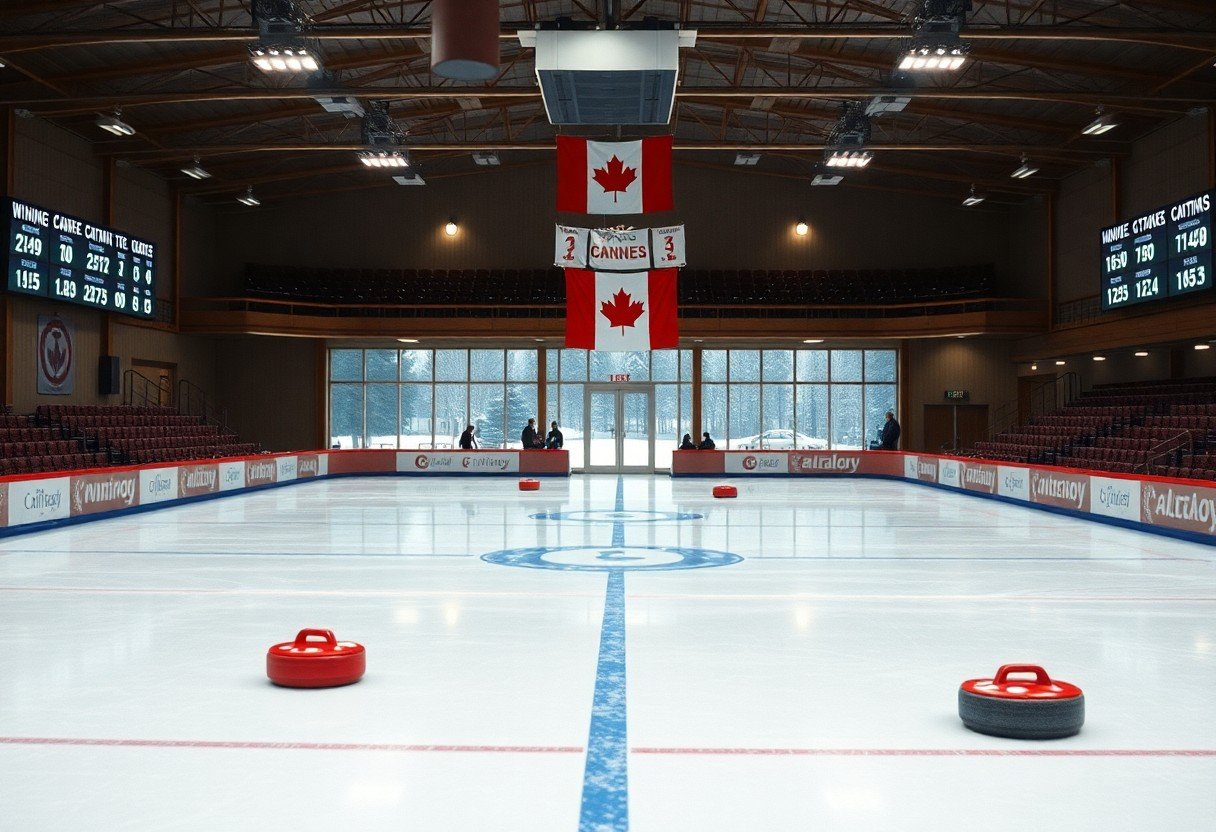
Top Curling Destinations in Canada
Across provinces you’ll find distinct competitive scenes: Alberta’s training hubs, British Columbia’s scenic bonspiels, and Ontario’s historic clubs. You can target specific experiences-elite coaching in Edmonton, Okanagan wine-country curlers, or Ottawa’s club culture-and plan logistics around travel times and event calendars. Book ice and accommodations early, and factor winter driving conditions into your itinerary to keep your trip smooth and safe.
Alberta
In Alberta you’ll focus on Edmonton and Calgary: the Saville Community Sports Centre and the Glencoe Club anchor high-performance play and regular provincial playdowns. You can drive between the cities in about a 3-hour trip, making multi-club visits practical. Expect top-tier coaching, frequent competitive bonspiels, and rinks used by national teams; reserve practice ice weeks ahead if you want a guaranteed sheet at peak season.
British Columbia
British Columbia blends mild coastal weather with mountain-access curling in Kelowna, Kamloops, and Vancouver, so you can pair a bonspiel with skiing or wine touring. You’ll find both community clubs and competitive arenas that host regional championships; ferry and highway links make island and interior combos feasible. Watch mountain passes in winter and plan extra travel time when scheduling consecutive rinks.
Digging deeper, Kelowna and Kamloops run busy winter calendars of mid-size bonspiels attracting western competitive fields, while Vancouver clubs emphasize year-round leagues and development programs. You can join mixed, masters, and junior events; Kelowna is roughly a 4-5 hour drive from Vancouver, so plan overnight stays for multi-day events and book bonspiel entries early to secure a spot.
Ontario
Ontario delivers density and history: Ottawa’s Rideau Curling Club and Toronto-area clubs like the Granite Club combine tradition with competitive depth, and you’ll encounter more than 100 clubs across the province. Travel times are short between urban rinks, which lets you sample different ice styles in a single trip. Check provincial playdown schedules to align your visit with Scotties/Tankard qualifiers and major bonspiels.
For extra detail, Rideau (founded in the 19th century) offers historic ice and frequent visitor leagues, while Toronto’s private clubs provide elite training and guest access options. You can time your trip to coincide with university and club championships in the fall/winter months, and should reserve guest slots and nearby hotels well in advance during tournament weekends.
Popular Curling Locations in the United States
Minnesota
You’ll find dozens of active clubs across Minnesota-Duluth, Bemidji and St. Paul stand out-so your options for leagues, coaching and weekend bonspiels are extensive. Many rinks run year-round programs that developed Olympic talent like John Shuster (2018 gold), and you can join open draws or competitive teams; expect strong youth programs, reliable ice maintenance, and frequent regional tournaments that keep your skills sharp.
Alaska
Anchorage and Fairbanks host the state’s main curling scenes, so you’ll travel to reach them but gain a unique northern curling culture; clubs welcome visitors and run seasonal bonspiels. Be aware of winter travel hazards-short daylight and possible road closures-and plan flights accordingly to avoid weather disruptions.
Getting there usually means flying into ANC (Anchorage) or FAI (Fairbanks); from Seattle flights are about 3-3.5 hours, and local schedules vary by season. Contact clubs before you go to confirm sheet availability, bring layered gear for sub-freezing waits, and consider joining a hosted bonspiel to meet locals and experience Alaska’s tight-knit curling community.
New York
Lake Placid is your go-to for elite ice-it hosted the 1932 and 1980 Winter Olympics-while regional clubs in the Hudson Valley and upstate offer accessible leagues. You can attend high-performance camps, enter open bonspiels, or play on historic sheets; the Adirondack setting gives reliable cold-season play and ample spectator culture for major events.
Expect roughly 5-6 hours by car from New York City to Lake Placid (about 275-300 miles), making it feasible for weekend trips. If you prefer urban curling, Brooklyn and other NYC-area programs run seasonal leagues and learn-to-curl sessions that let you combine city travel with organized practice and competitive opportunities.
Curling Events and Competitions
National Championships
You can plan trips around marquee national events like Canada’s Tim Hortons Brier and Scotties Tournament of Hearts, plus the U.S. Men’s and Women’s National Championships, which rotate host cities yearly. Many of these late-winter tournaments determine who advances to the World Championships or to Olympic Trials, so you’ll see top-ranked teams, packed arenas, and lively fan zones; expect intense matches and high demand for tickets and local accommodations.
International Tournaments
Major international fixtures include the World Men’s and Women’s Curling Championships (held annually) and the Olympic Winter Games every four years, both of which attract global attention and teams from around the world. You’ll also encounter invitational events like the Continental Cup and Grand Slam stops that bring elite international squads to North America, offering a chance to watch Olympic-level competition up close.
For more detail, note that Grand Slam events typically invite the top 16 teams, while World Championships feature roughly a dozen national teams and usually occur in March-April; Olympic curling peaks in February. If you want the best seats and reasonable hotels, book early-major events often sell out and drive local prices up substantially.
Tips for Curling Travelers
Plan around ice availability and local rules: check club websites for open draws and guest policies, and book rentals or lanes 24-48 hours ahead. Pack for changing conditions-bring a spare slider and a rubber-soled shoe to avoid slips on concrete. Confirm parking and payment methods; smaller clubs often accept cash only. Any time you arrive, call ahead to confirm warm-up windows and locker access so your visit runs smoothly.
- You should book rentals 24-48 hours in advance for busy rinks.
- Always check ice conditions and ask about pebble and temperature.
- Carry a spare slider and basic repair tape for quick fixes.
- Confirm parking and payment options-some clubs are cash-only.
- Consider travel insurance for equipment and medical coverage on long trips.
Equipment and Gear
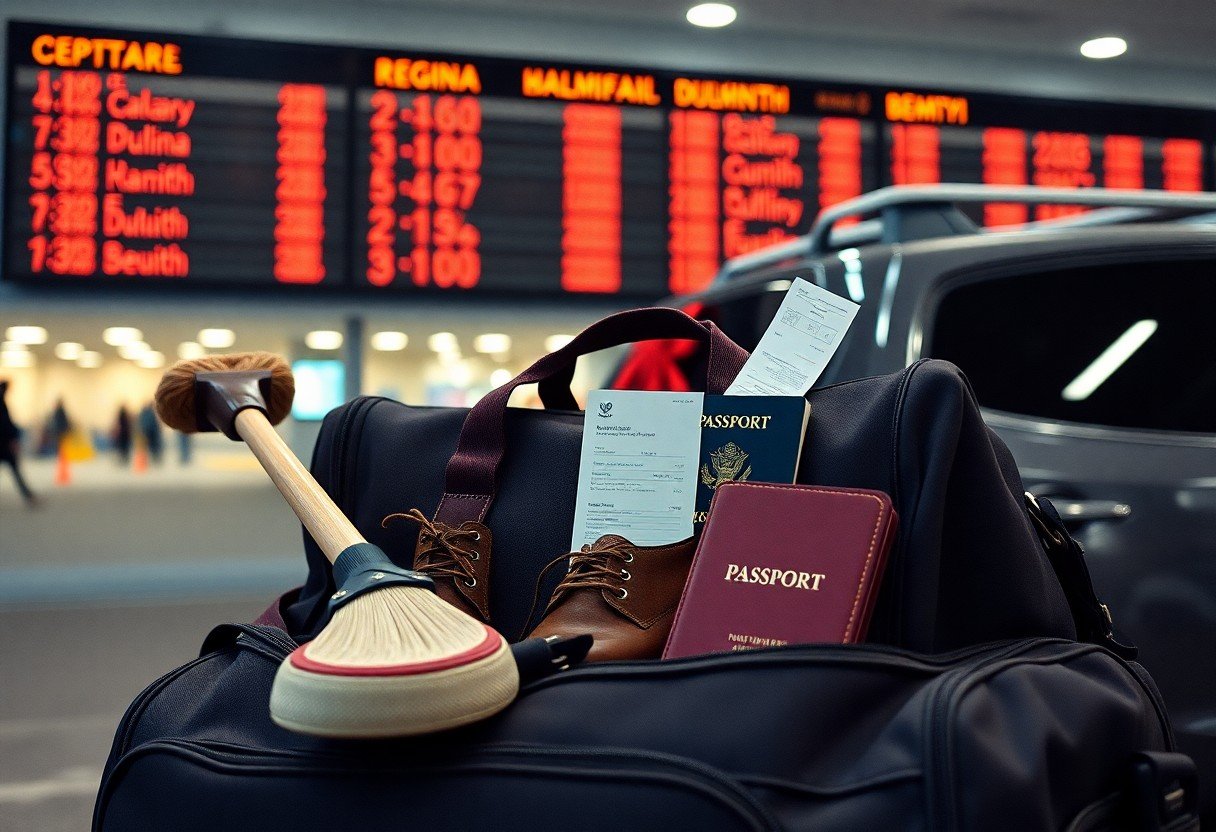
You should travel with a dedicated curling shoe, a padded gear bag for your broom, and a backup slider; many clubs loan shoes but fit is inconsistent. Airlines commonly limit checked bags to 23 kg (50 lb), so plan accordingly-full-size stones weigh 38-44 lb (17-20 kg) and are rarely transported by travelers. Protect delicate brush heads and seal blades in cloth to avoid damage during transit.
Local Etiquette
You should arrive about 15 minutes early, change into clean non-marking shoes, and sign the game sheet; many clubs expect a post-game handshake or broom-stack tradition, though some events use elbow taps. Keep bags off the ice, avoid walking on playing surfaces, and follow rink-specific warm-up rules. Any question about protocols, ask the club captain or ice tech before you step on the sheet.
You’ll find guest fees usually range from $5-$20 per draw-some Winnipeg clubs list $12 for open sessions-and many require a signed liability waiver. Buying a round at the canteen is a common way to thank hosts; tipping servers is less common. During championships, respect reserved ice and quieter warm-up periods, and clarify scoring calls like “light” or “heavy” with the skip to avoid disputes.
Planning Your Curling Trip
You should secure ice time and check club schedules early-many rinks fill for bonspiels and leagues months in advance; use resources like Where to See Curling in Northern New England to locate clubs and events. Account for winter travel: icy roads and limited parking can add hours to transit, while championship season delivers the best spectator action.
Best Times to Visit
Peak curling runs from late October through March, with national and provincial championships concentrating activity in February-March; you’ll find the most competitive bonspiels and higher-quality ice then. Off-peak summer months offer quieter practice sessions at dedicated ice centers and lower rates, while September-October is ideal if you want to join new-season leagues and clinics.
Accommodation Options
Consider hotels within 5-10 minutes of your target rink-chains offer predictable amenities while local inns and Airbnbs can be cheaper for teams. For major events expect rates between roughly $100-250 per night depending on the city; always check cancellation policies and parking availability before booking.
For teams you’ll often book two double rooms or a suite-many curling teams prefer rentals with a kitchen and mudroom for boots and wet gear. Search club websites for partner hotels that may offer group rates, and prioritize properties with on-site laundry and free parking; during large bonspiels those conveniences save time and reduce stress.
After-Curling Activities
Local Attractions
You can hit nearby highlights after a game: stroll The Forks in Winnipeg for riverside markets, take the Banff Gondola (about 8 minutes) to Sulphur Mountain for sunset views, or wander the Mall of America’s 520+ shops in Bloomington. Historic streets like Calgary’s Stephen Avenue and Duluth’s Lakewalk sit within easy walking distance of several rinks. Expect icy sidewalks outside arenas in winter and pack traction aids if you plan to explore on foot.
Dining and Nightlife
You’ll find lively post-game options steps from many curling centres: neighborhood pubs serving hearty plates-poutine in Quebec or bison burgers in Alberta-plus craft-beer taps and sports bars that keep the banter going. Live-music venues and late-night kitchens often fall within a 10-15 minute walk of major arenas, making it easy to turn one match into an evening out.
You should budget standard gratuities of 15-20% at restaurants and expect U.S. bar closing times commonly near 1-2 AM, so arrange rideshares or a designated driver because do not drink and drive. Opt for brewery tasting flights (usually 4-6 pours) to sample regional brews, book ahead for weekend openings during bonspiels, and call venues about dietary needs since popular spots fill quickly after big events.
To wrap up
Hence you should prioritize destinations in North America that match your skill level and interests, from competitive rinks in Winnipeg and Ottawa to scenic clubs in Banff and Lake Placid. Consider event schedules, coaching availability, ice quality, travel season, and nearby amenities to maximize your experience and connect with local curling communities.
FAQ
Q: What are the top curling travel destinations in North America for scenic rinks and strong local scenes?
A: Standout destinations include Banff, AB (mountain scenery and boutique curling experiences); Winnipeg, MB (deep curling history, many clubs, passionate fanbase); St. Paul/Minneapolis, MN (dense club network and U.S. curling culture); Ottawa, ON (historic clubs and proximity to national events); and Calgary, AB (modern facilities and frequent major competitions). Each offers a mix of public learn-to-curl sessions, bonspiels, and nearby tourism like national parks or city attractions-pick Banff for scenery, Winnipeg for grassroots culture, and Calgary/Ottawa for event-heavy calendars.
Q: When is the best time to plan a curling trip to North America?
A: The core season runs October through April, with the busiest event months from November to March when leagues and major bonspiels take place. Grand Slam events and national championships typically fall in late winter; small-town bonspiels often cluster around holidays and weekends. Some clubs run summer or year-round ice programs-check club calendars and book in advance if you plan to travel during major events or festival weekends.
Q: How can a visitor join a local game or book ice as a tourist?
A: Contact the club ahead of your trip-many clubs list learn-to-curl sessions, drop-in nights, or “curling experiences” for visitors on their websites. Expect to pay a session fee and to be provided or rent shoes and stones; clubs will often supply instruction for beginners. Arrive early to get fitted for equipment, follow club etiquette (quiet on delivery, watch sweeping calls), and confirm dress code (clean, non-marking shoes and layered, flexible clothing).
Q: Which events and bonspiels should I plan around for the best spectator and participant experiences?
A: Major draws include The Brier and Scotties Tournament of Hearts (Canada), U.S. National Championships, and Grand Slam of Curling stops. For more intimate or participatory experiences, target regional bonspiels like the Banff Classic, local club bonspiels in prairie towns, and mixed or charity events that welcome visitors. Check event dates early-tickets and hotel rooms fill quickly during big tournaments.
Q: What non-curling activities and travel logistics should I consider when visiting curling destinations?
A: Combine rink time with local highlights-skiing or hiking near mountain clubs, museums and culinary scenes in larger cities, or small-town winter festivals. Plan transport (winter driving conditions in many regions), book lodging well ahead during events, pack layered clothing and footwear suited for ice-side chill, and confirm public transit or parking near the club. For families or accessibility needs, contact clubs in advance about junior programs, adaptive curling options, and facility accessibility.