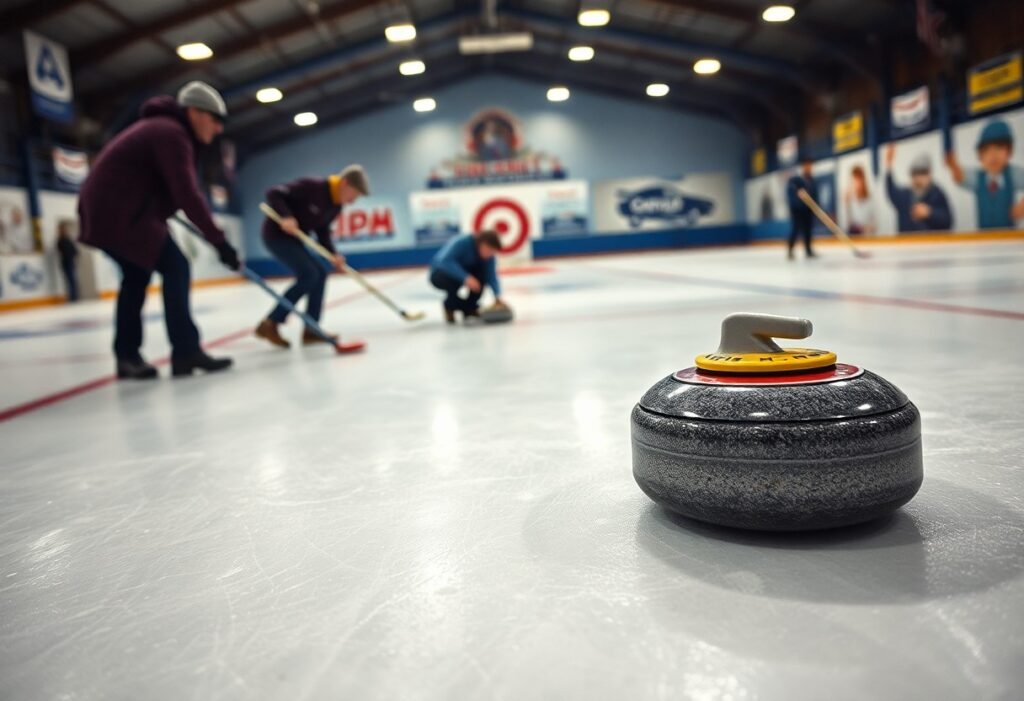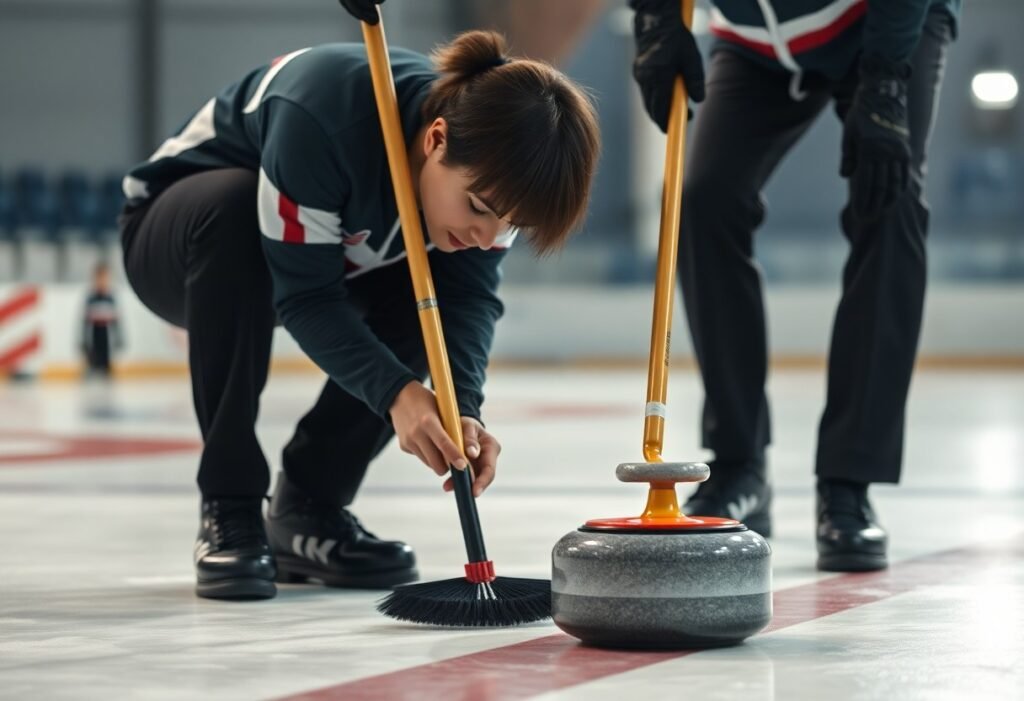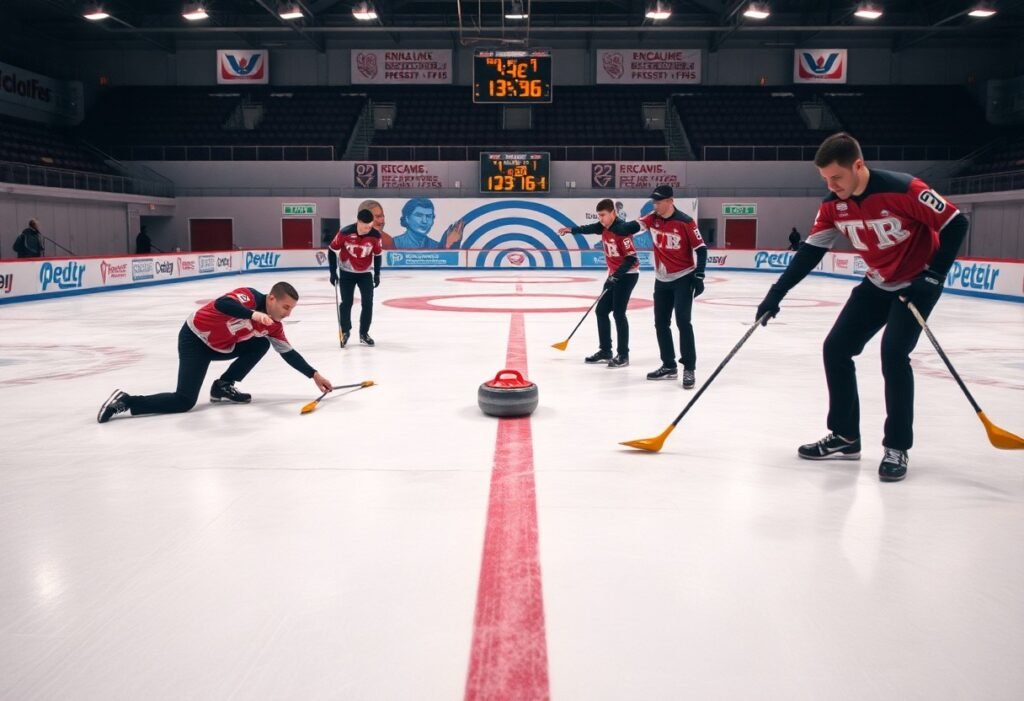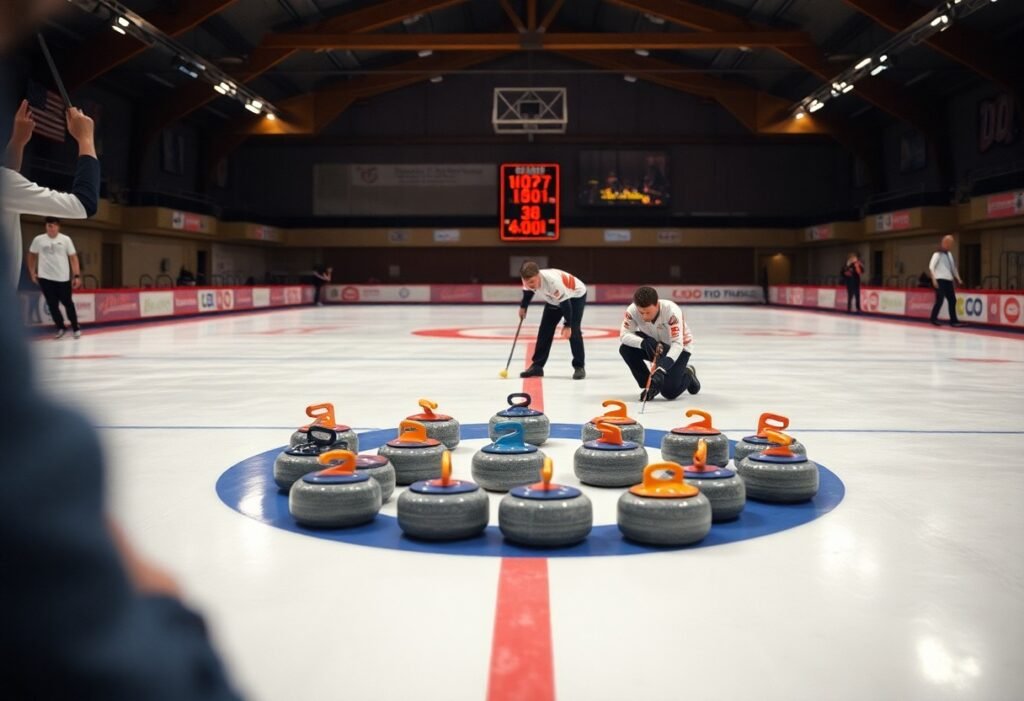


It’s crucial that you pick a curling team name that reflects your style, sparks laughs, and builds cohesion; your team’s identity drives recognition, poor choices can risk reputation or embarrassment on and off the ice, and the right name will boost morale and make you memorable while staying suitable for competition and promotions.
Key Takeaways:
- Use curling terms and puns for humor and memorability-stones, broom, hack, and house offer rich wordplay.
- Match the name to your team’s personality and keep it short, pronounceable, and easy to chant or print on gear.
- Check for uniqueness and social/league availability, and avoid names that could offend or alienate others.
Importance of a Team Name
Choosing a strong team name immediately signals who you are at club nights and bonspiels (often 8-32 teams), helps your jersey and scoreboard presence pop, and makes recruitment easier when new curlers scan results or posters. You can reinforce strategy and culture through a name-examples like “Stone Cold Sweepers” or “Granite Guardians” set expectations for grit and precision, while a catchy moniker boosts social media shareability and sponsorship chances.
Team Identity
Your team name becomes shorthand for playing style, roles, and reputation: the skip, third, second and lead are all tied to that brand. Pick a name that reflects whether you’re aggressive, strategic, or fun-loving-fans and opponents will infer approach from your moniker, and you’ll find it easier to design matching jerseys, warm-up routines, and promotional materials around a clear identity.
Motivation and Camaraderie
A unifying name gives you a rallying point before big ends and during long weekends on the ice; teams that adopt a shared identity report stronger cohesion because everyone connects to a common label and set of expectations. Incorporating rituals tied to the name-like a pre-game shout or patch-helps maintain focus and morale through tight matches and travel-heavy schedules.
Digging deeper, your team name can shape behavior: when you choose something that emphasizes resilience or humor, it nudges how members act under pressure and how they support each other after missed shots. Practical moves include printing the name on hoodies for travel, using it in team drills (call a “Granite” routine for weight control), and listing it on league pages to build recognition; playing together 2-3 times per week and keeping a consistent name across seasons fosters continuity, improves communication, and makes it simpler to onboard substitutes without losing team culture.

Categories of Curling Team Names
You’ll commonly see about 6-8 go-to categories for team names: Puns and Wordplay, Pop Culture, Animals, Local Landmarks, Playing Style (e.g., Sweepers, Stones), Historical or Inside-Joke references, and Sponsor-based names. Each category serves a different goal-some aim for laughs, others for local pride or branding-so you can pick based on how visible you want your team to be at bonspiels, leagues, or social media.
Puns and Wordplay
You can lean into clever twists like “Stone Cold Sweepers,” “Curl Power,” “Sweep Dreams,” “Rink and Roll,” or “The Rock Lobbers.” Short names (1-3 words) perform best on jerseys and signage, and memorable puns increase merch sales and crowd shout-outs. Keep the humor clean for league rules and to avoid alienating opponents or officials.
Pop Culture References
You might choose riffs such as “Game of Stones,” “Breaking Sweeps,” “Stranger Sweeps,” “Sweep Trek,” or “The Rolling Stones.” Pop culture names get fast recognition and social shares, and at many bonspiels you’ll spot 3-5 such teams. Watch out for trademark or copyright issues when using exact franchise names or logos.
When using pop culture, you should balance timeliness and longevity: newer hits boost immediate recognition but fade in 3-5 years, while classics remain relatable across age groups. Target references your league demographic-TV shows for younger crowds, classic films or bands for mixed-age leagues-and test names on teammates to avoid unintended associations or legal entanglements.

Funny Curling Team Names Ideas
You’ll find playful options that pair curling facts with puns-consider names like Sweep Dreams, Ice Ice Baby, or Broom Service. Because a curling stone weighs 38-44 lb, you can riff on strength with names like Rock Solidarity or Stone Cold Sweepers. For community-sourced inspiration check Clever/Punny team names? : r/Curling to see dozens of real examples used in leagues.
Hilarious Options
Pun-heavy names get big laughs when you use familiar references-try Sweepstakes, Curl Power, The House Arrests, Peeps on Ice, or Ice, Ice, Baby. Mixing pop-culture callbacks with broom and rock terminology makes your team memorable, often boosting social engagement; fans usually recall funny names faster than plain ones, which helps at tournaments and on social feeds.
Unique Suggestions
You can craft distinctive names by using local landmarks, club history, or unusual imagery-consider Granite Mavericks, Northern Lights Sweepers, Azimuth Curlers, or Fogline Flyers. Using an uncommon word like granite or geographic cues helps your team stand out in tournament listings and event programs.
When you finalize a unique name, pick a concise structure-aim for 2-3 words and under 20 characters for easy jersey printing and scoreboard visibility. Test it in searches and social media to avoid duplicates, run a quick teammate vote, and choose logo-friendly words so your branding works across jerseys, stickers, and event materials.
Clever Curling Team Names Ideas
When you aim for clever names, tie in mechanics and team identity: with four players per team you can riff on roles (Skip, Lead, Second, Third) – try “Hammerheads”, “Skip’s Orders”, “End Game Experts”, or “8-End Wonders”. Use numbers like “4 on the Ice” or “10-End Tacticians” to show knowledge, and lean on terms like the hammer or “takeout” for sharp wordplay that signals expertise.
Creative Concepts
You can combine local landmarks, material references, and pop-culture hooks-try “Granite City Rollers”, “Sweep Sisters”, or “Stone Cold Sweepers”. Mixing a number boosts credibility: “Four-Stone Strategy” signals a 4-player team while “2-End Wonders” plays on scoring quirks. Aim for brevity; names under three words like “Curl Power” or “Ice Architects” read stronger on jerseys and social profiles. Highlight local pride for fan connection.
Intellectual Humor
You can play smart with names that nod to strategy and science: “Curling Calculus”, “Endgame Theorists”, or “Quantum Brooms”. Incorporating terms like the hammer or “takeout” signals to opponents that your team understands last-stone advantage and shot selection. Short, witty names communicate both wit and on-ice seriousness to spectators and rivals alike.
Delve deeper by referencing numbers and tactics-“10-End Mathematicians” or “Four-Point Logicians” ties your name to game length and the four-player structure, while “Percentage Play” references shot-making stats teams track (often in the 60-90% range from club to elite play). Use subtle academic nods to show savvy without sounding pretentious.
Tips for Creating Your Own Team Name
When you craft a team name, aim for short, memorable options that fit on jerseys and scoreboards-2-4 words usually work best. Test pronunciation aloud, avoid offensive terms and potential trademark conflicts, and favor names that reflect play style or local identity. This helps you avoid surprises at bonspiels and on printed gear.
- Puns
- Pop culture
- Animals
- Local landmarks
- Team roles
- Inside jokes
Brainstorming Techniques
Set a 15-minute timebox to generate 50+ raw ideas, combine words (e.g., “Sweep” + “Storm”), use the fact of four players per team for role-based names, or apply SCAMPER to existing names; then pare down by testing pronunciation and visual fit for jerseys.
Involving the Team
You can collect suggestions via a quick Google Form, Slack thread, or paper slips at practice, then let everyone vote on a shortlist of five to build buy-in; prioritize names that most players can say easily and that avoid negative connotations.
Run a ranked-choice vote over 48 hours, require each player to nominate one name and give one veto, mock up jersey lettering to check length limits (aim for 3 words or fewer), and perform a basic trademark check plus a quick handle search to ensure the name is safe to use.
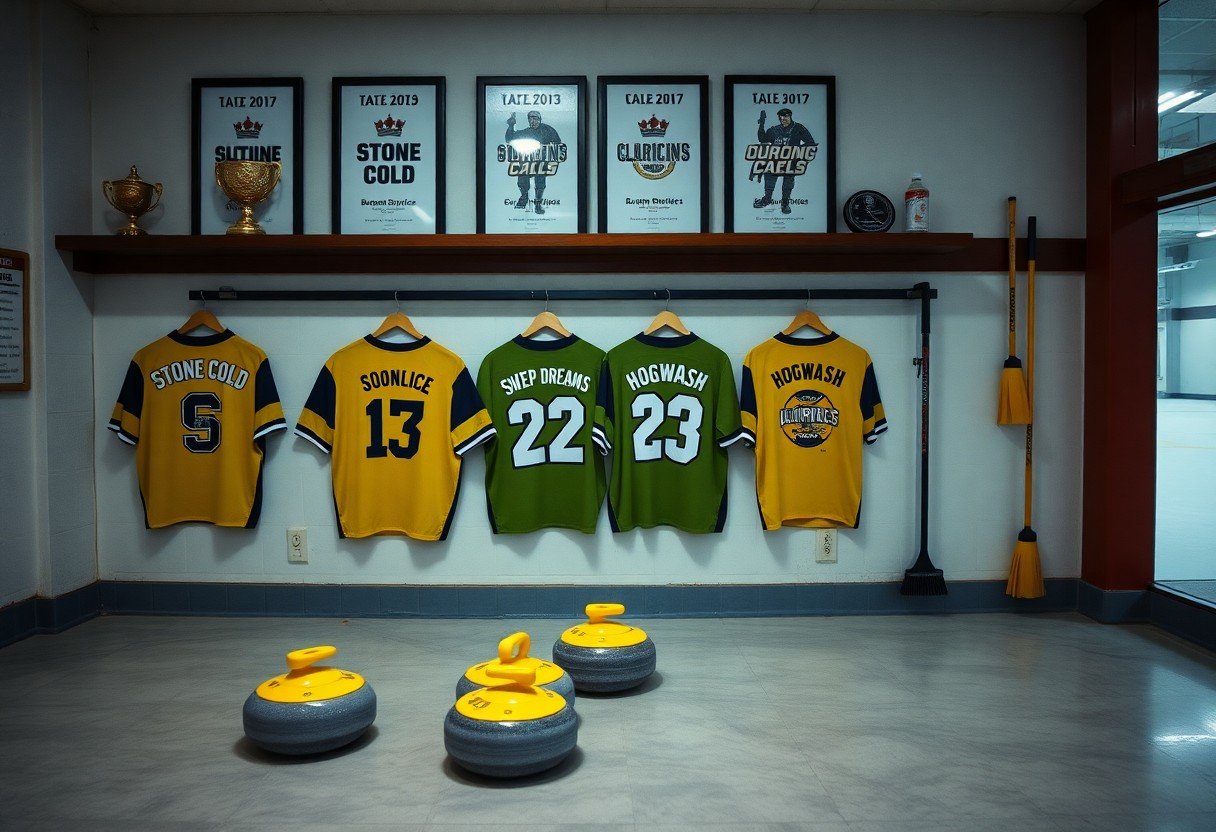
Examples from Real Curling Teams
Examples from real teams show you how naming choices vary by level: club names lean playful, while elite squads emphasize legacy and sponsors. You can gauge fit by comparing house-league favorites to entries in the Brier, Scotties, Grand Slams and Olympic fields, since those stages reward consistency and marketability. Studying actual team names helps you choose whether your name should be memorable for fans, friendly for club nights, or built for sponsor visibility.
Local Teams
Local teams frequently pick punny, short names-Ice Breakers, Stone Cold Sweepers, or The Rink Rats-that perform well on scoreboards and flyers. Given that club play typically uses 8-end games and weekend bonspiels often feature 8-32 teams, you want a name that’s easy to chant, hashtag, and print on jerseys; simple, humorous choices maximize recognition across league tables and social posts.
National Teams
At international events you’ll recognize surname-led teams like Team Gushue, Team Homan, or Team Edin and sponsor-branded entries in Grand Slam lineups. Broadcasters and fans rely on the skip’s name for clarity across seasons, while national and Olympic rosters emphasize consistent branding to track results and legacy-so your naming strategy should reflect whether you aim for local charm or national professionalism.
Naming conventions at the national level tend to favor the skip’s surname or a major sponsor; if you want a pro image you should mirror this. Sponsors typically expect logo placement, media mentions and activation, meaning your name choice can influence funding and exposure. Reviewing World Curling Tour and Olympic team lists gives you concrete examples of how names link to performance, sponsorship obligations, and long-term branding.
Final Words
Now you can confidently choose or craft a curling team name that reflects your team’s personality and strategy; lean on puns, local references, playing styles, or inside jokes to make it memorable, test options with teammates, and select the name that best projects your unity and competitive spirit.
FAQ
Q: How do I choose a funny or clever curling team name that fits our group?
A: Start by listing your team’s personality traits, inside jokes, and favorite curling terms (hog line, broom, rock, sweep). Mix those with pop-culture references, puns, or alliteration to generate options. Aim for brevity so the name fits on jerseys and social posts, test the top choices with teammates for tone and offensiveness, and verify the name isn’t already used by local rivals or league-registered teams.
Q: Can you provide specific funny and clever name ideas for different team styles?
A: Try these categorized examples: Punny-“Curl Power,” “Sweeping Beauties,” “Rock & Witty”; Classic-quirky-“House Invaders,” “Hogline Heroes,” “Button Bandits”; Pop-culture-“The Curlfather,” “Game of Stones,” “Stranger Sweeps”; Short & snappy-“Ice Mice,” “Frostbite,” “Broommates”; Feminine or mixed-“Sweeping Sirens,” “Chill Chicks,” “Glacial Alliance.” Mix elements (e.g., swap words or add your hometown) to make them unique.
Q: What practical checks should I run before finalizing a team name?
A: Verify league registration rules for profanity or offensive terms, search local and national curling directories for duplicates, check social media handles and domain availability if you plan a page, and do a quick web search for unintended meanings in other languages. If sponsors or clubs are involved, confirm the name aligns with their brand guidelines.
Q: How should we approach jersey, logo, and social graphics once we pick a funny name?
A: Design for visibility-high-contrast colors, bold fonts, and a simple icon that reads well at distance and small avatar sizes. Incorporate the name as a headline element and create a black-and-white version for varied printing. Get a few mockups before ordering apparel, ask teammates for size and placement preferences, and consider durable printing methods (screen print or embroidery) for repeated wear.
Q: Is it OK to change our team name mid-season, and how do we do it smoothly?
A: Yes-start with a team vote to confirm consensus, then notify your league or tournament organizers to update registrations. Update social media, schedule replacement or supplemental apparel orders, and inform any sponsors or affiliated clubs. Keep one person responsible for logistics (fees, artwork, and order tracking) so the transition is fast and consistent.