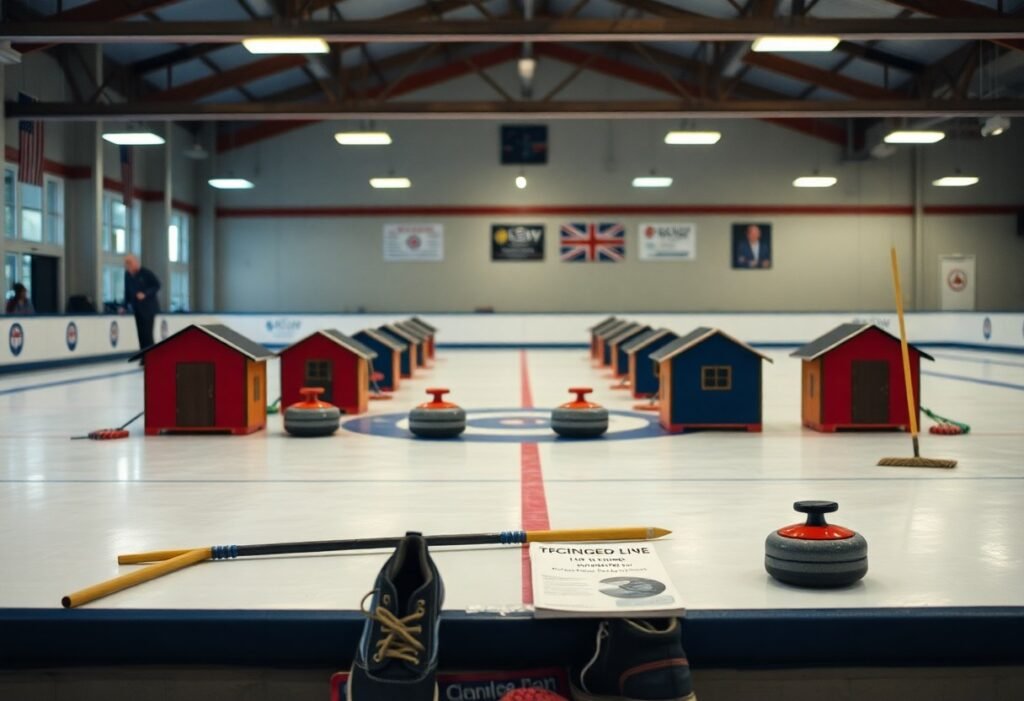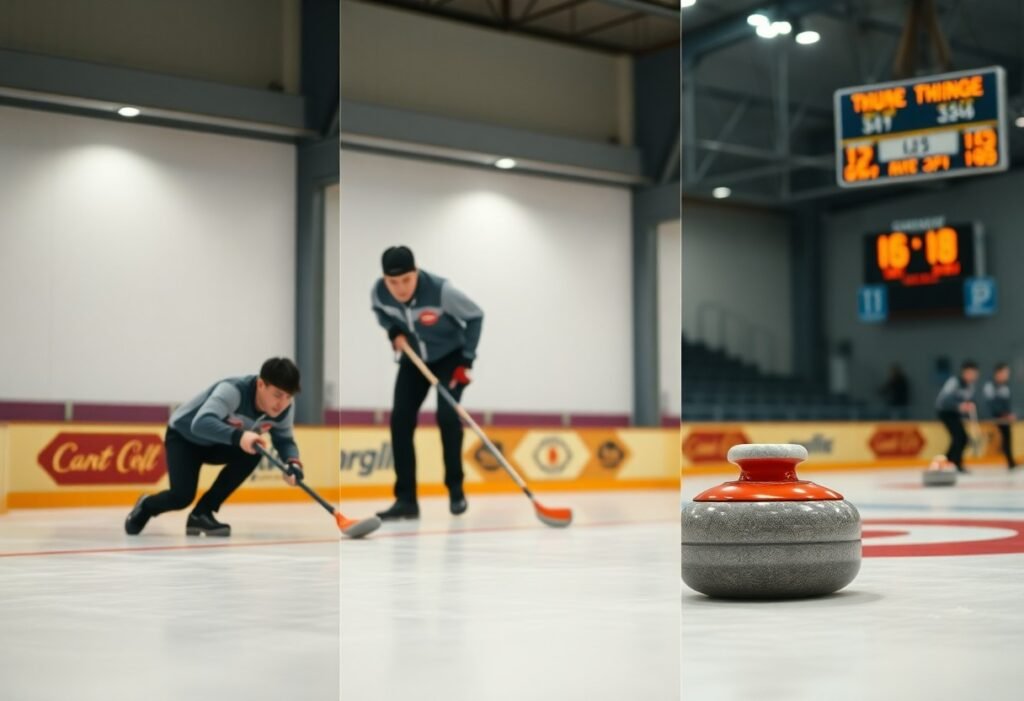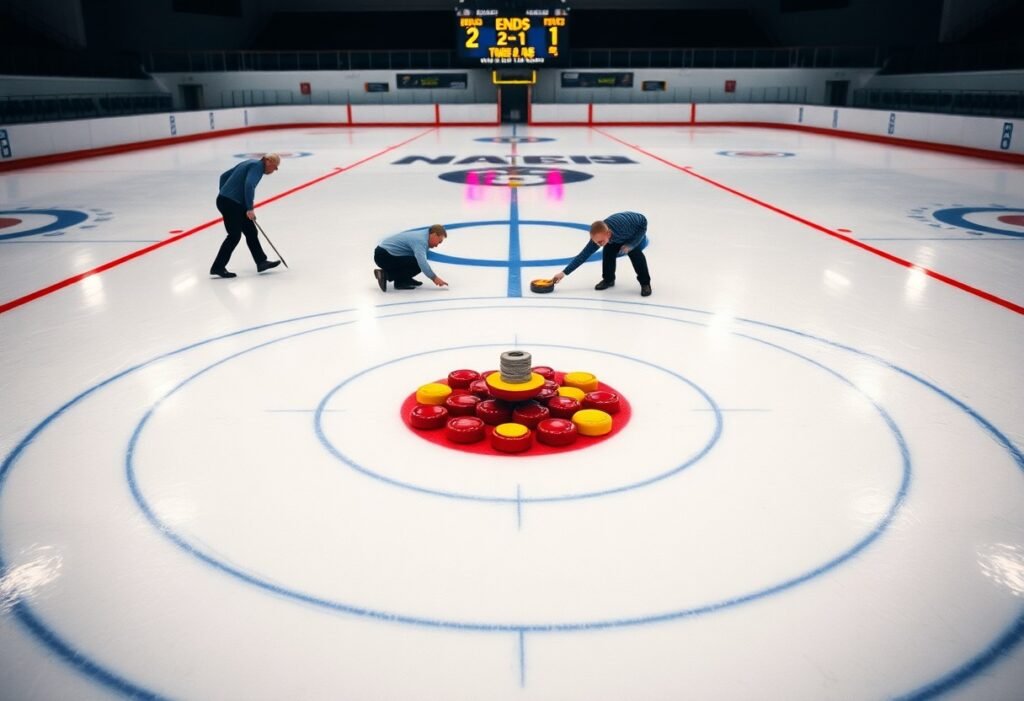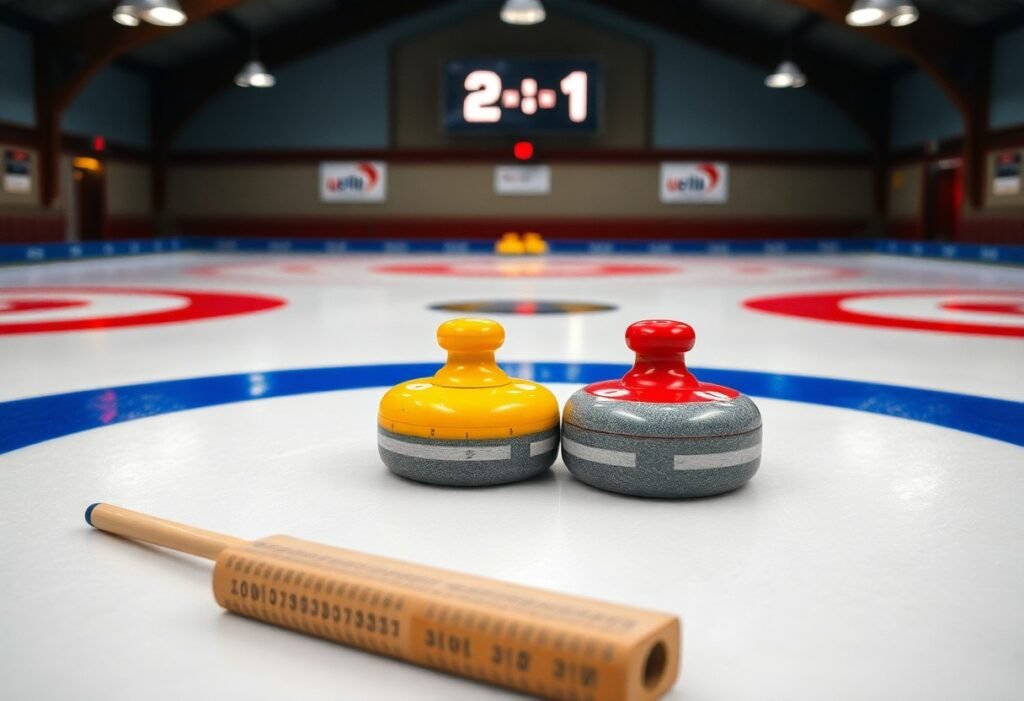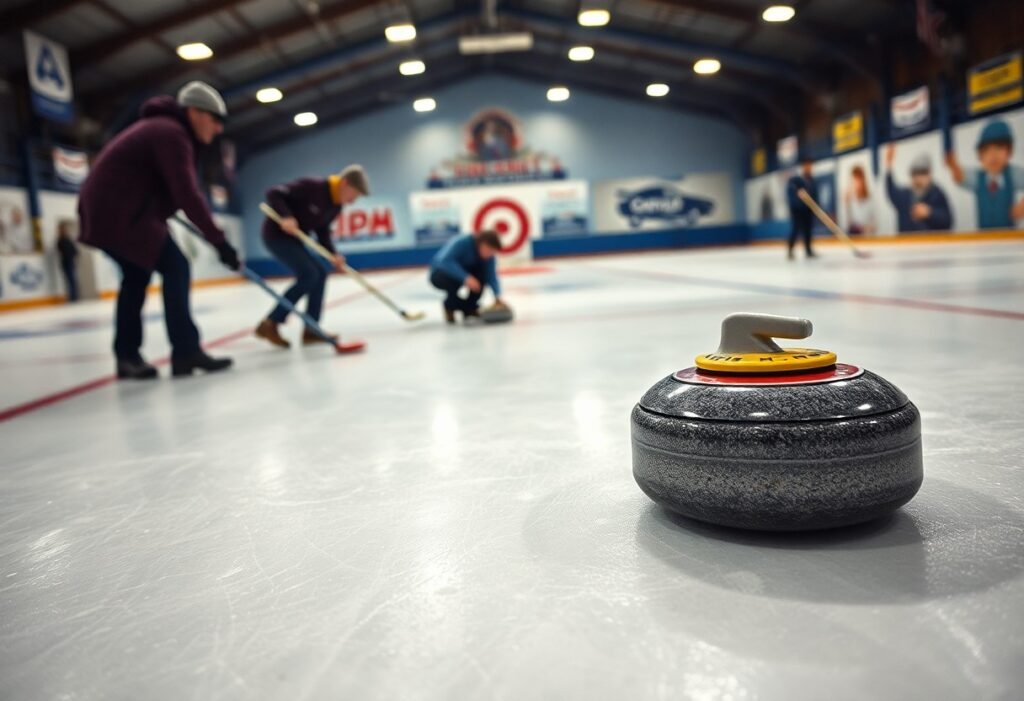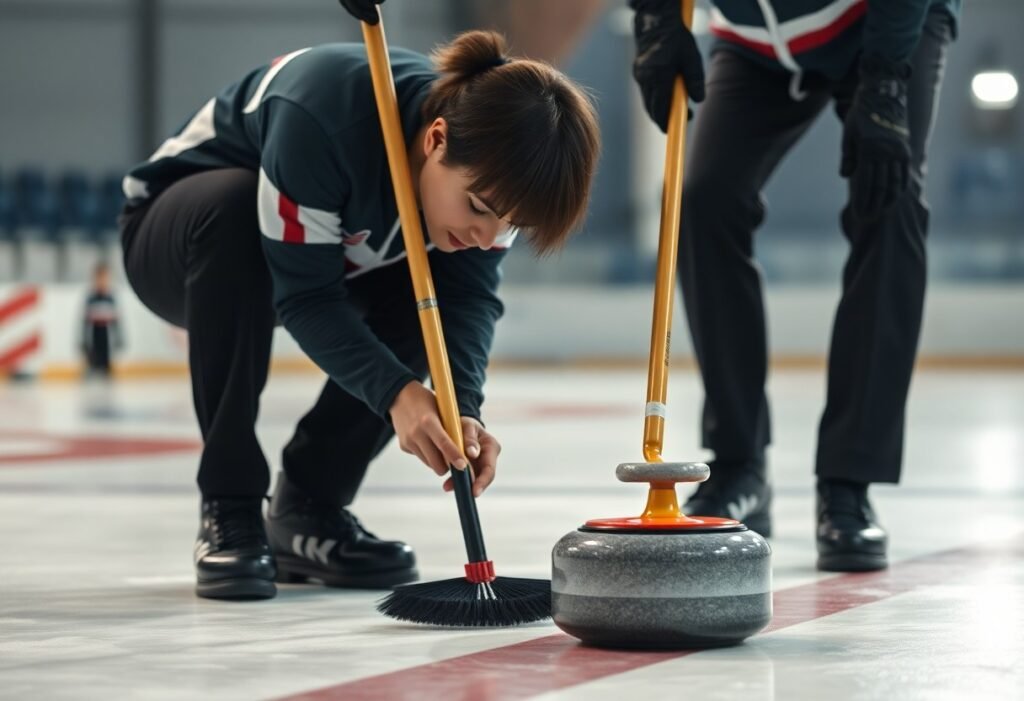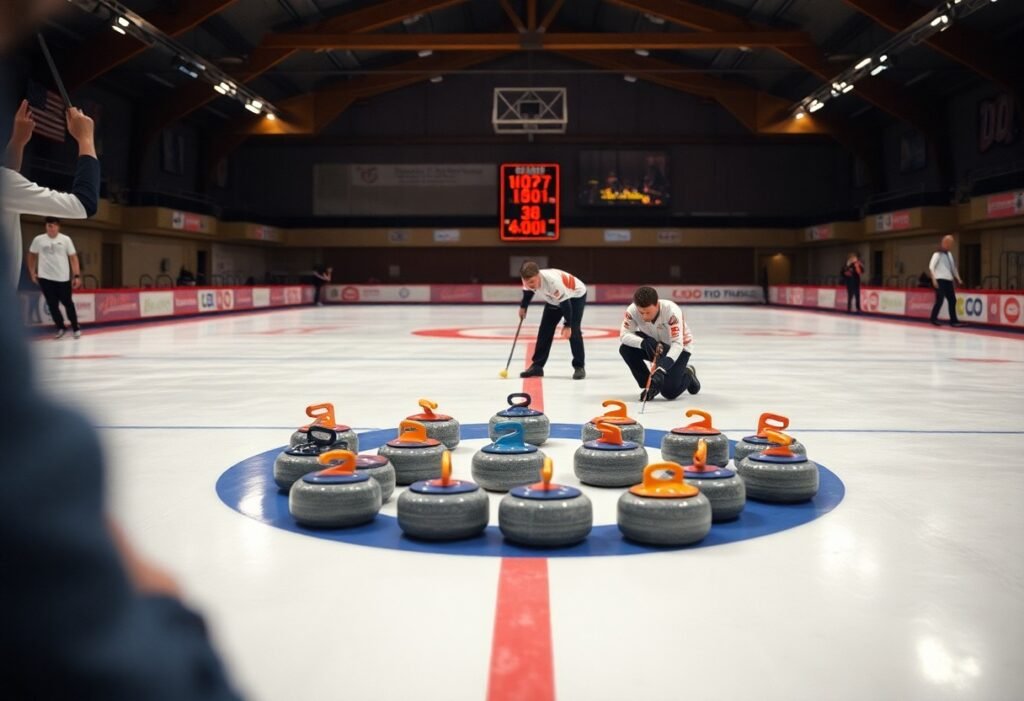

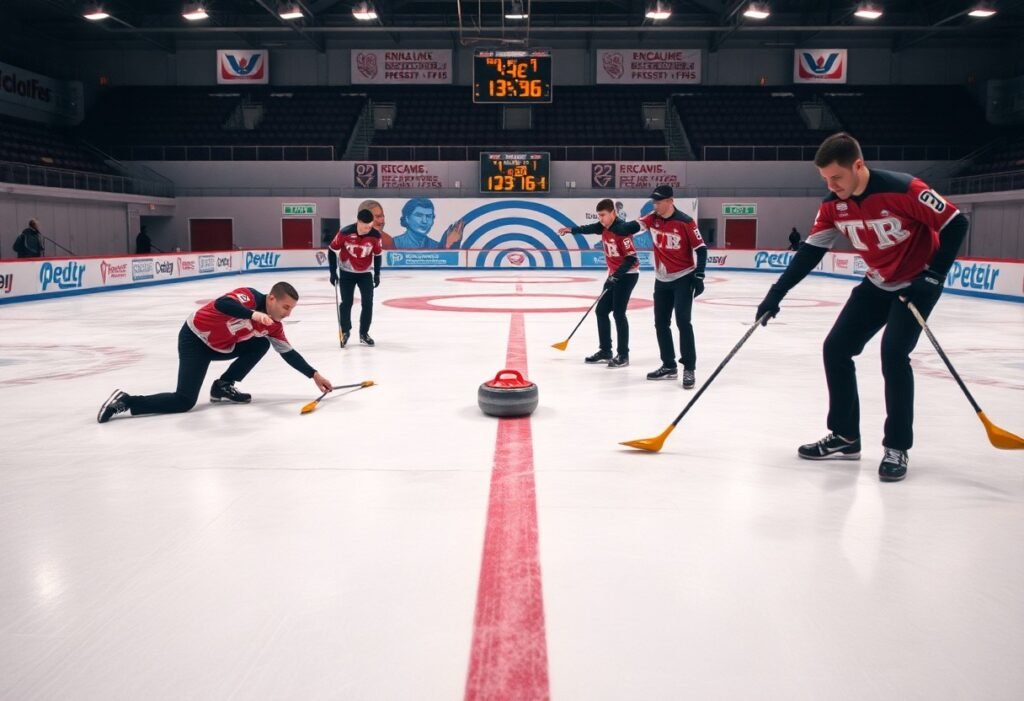
Roles define how lead, second, third (vice) and skip combine so you can execute each end: the lead sets pace with precise guards and draws, the second and third build shots with takeouts and setups, and the skip directs strategy and calls the final stones. You must master throwing accuracy, rely on sweeping technique to control distance and curl, and prevent missed communication that can cost ends.
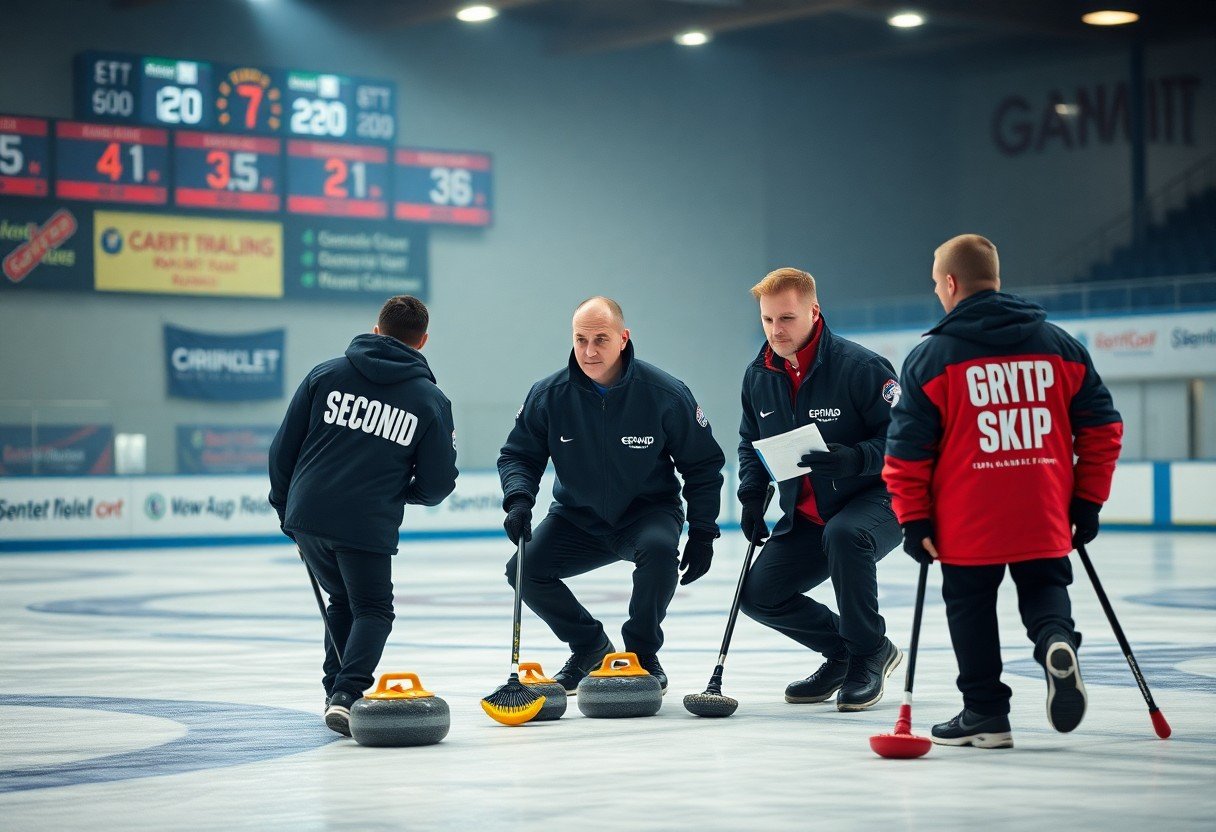
Key Takeaways:
- Distinct roles: Lead sets up ends with precise guards or draws; Second focuses on takeouts and heavy sweeping; Third (vice-skip) plays setup shots, reads the house, and advises strategy; Skip calls shots and throws the final stones.
- Sweeping and communication drive execution: Coordinated sweeping alters speed and curl, while clear calls and broom placement guide deliveries.
- Skills and adaptability matter: Accuracy, sweeping endurance, tactical awareness, and the ability to adjust lineups or shot selection to ice and opponents determine team performance.

Overview of Curling
You play with teams of four players, each delivering eight stones per end toward the target or house, a concentric-ring circle measuring 12 feet across. Games are usually 10 ends at elite levels, stones weigh about 19 kg (42-44 lbs), and the last-stone advantage-the hammer-shapes strategy. Sweeping by two teammates trims friction and can alter a stone’s path and distance by several meters, so shot-making, placement, and reading ice define outcomes.
History of Curling
You trace curling back to 16th-century Scotland, with written records from 1541 and frozen lochs used for play. The sport formalized as clubs formed; the Royal Caledonian Curling Club (founded 1838) helped standardize rules and equipment. Olympic involvement dates to 1924 and returned as a full medal sport in 1998, and today you see international events governed by the World Curling Federation with structured championships and ranking systems.
Basic Rules and Objectives
You score by placing more stones closer to the button than the opponent after each end; only one team scores per end and multiple stones can count. Each player delivers two stones per end, teams alternate, and the stone must be released before the near hog line and cross the far hog line to remain in play. Strategy revolves around draws, guards, takeouts, and controlling the hammer for the final shot.
You also contend with the free guard zone-early guards cannot be removed under many formats-and rules on mishaps like a burned rock (touching a moving stone), where officials may restore or remove stones. You must understand release timing, the five-rock FGZ used in most elite events since 2018, and measurement procedures for tied stones; these specifics shape end-to-end tactics and how you manage risk versus reward.
Team Structure in Curling
You operate a four-player rink where each player delivers two of the team’s eight stones per end, typically across 8 or 10 ends. Roles are organized so each position contributes specific shot types and sweeping duties, and clear role assignment minimizes overlap during high-pressure ends. Teams that map responsibilities tightly-who calls line, who takes the peels, who holds the broom-gain seconds when reacting to changing ice and opposition tactics.
Defining Roles within a Team
You expect the lead (stones 1-2) to set guards or precise draws and provide top-tier sweeping; the second (3-4) to execute peels and setup takeouts; the third or vice (5-6) to measure angles, advise the skip, and throw setup shots; and the skip (7-8) to call strategy and deliver the final, game-deciding stones. Strong communication about weight and line between thrower and sweepers is important for shot execution.
Importance of Team Dynamics
You get tangible advantage from synchronized sweeping, concise shot-calling, and trust in decisions; teams that practice communication patterns recover from misses faster. Miscommunication on line or weight can be dangerous, turning a probable score into a steal for the opponent. Teams that rotate responsibilities in practice build the flexibility needed late in tight ends.
For more depth, you should run targeted drills: simulate 9th-10th end pressure with planned hammer/no-hammer scenarios, film and review communication on each shot, and rehearse sweep timing so both sweepers move as one. Emphasizing these routines creates the positive habits-calm shot-calling, synchronized sweeping, and rapid decision-making-that consistently win close games.
The Player Positions
When you examine the four roles, each player delivers two stones per end-stones 1-2, 3-4, 5-6, and 7-8-in 8- or 10-end matches. You also share sweeping, line-calling and tactical duties; clear assignment of those tasks improves shot selection, ice management and scoring opportunities throughout the game.
Lead
As lead you throw stones 1 and 2, typically setting guards or drawing into the house to define the opening shape of an end. You must combine precise draw weight with powerful, sustained sweeping-good leads often determine whether the end develops offensively or defensively for your team.
Second
Delivering stones 3 and 4, you balance between heavy takeouts and setup shots like taps or rolls; your sweeping contribution remains high and your hits should clear paths for the back end to capitalize. Effective seconds make the transition from staked guards to open scoring lanes.
For more depth, drill center-line peels, hit-and-rolls and guarded takeouts in game-like scenarios; practicing situations where a single takeout flips a potential two-point swing into parity sharpens situational judgment. You should also build explosive sweeping endurance to complete long peels and multi-stone clears.
Vice-Skip
As vice (third) you throw stones 5 and 6 and serve as the skip’s deputy-holding the broom, discussing tactics and executing setup shots such as freezes, taps and split-takes. Your ice-reading and communication directly influence the skip’s final choices.
When the skip delivers, you control the house: measure angles, call sweeping and judge weight thresholds. Practice high-pressure misses-and-makes; a precisely placed freeze or tap by the vice often forces the opponent into a single-point outcome rather than a multi-point swing.
Skip
The skip throws stones 7 and 8, calls the entire end and executes final shots-draws, doubles or raises that decide scoring. You must combine mental composure, precise weight and angle control, and continuous ice observation because your stones carry decisive consequence.
In more detail, you manage risk versus reward-opting for a draw to the button or a double that can swing the score by two or more points. Study opponent tendencies, log ice-speed changes and rehearse pressure scenarios, since your last two stones are the most consequential each end.
Skills and Responsibilities of Each Position
Essential Skills for Team Members
To execute game plans you need precise delivery, stamina for repeated sweeping, and quick ice-reading; each player throws two stones per end so consistency matters. Elite teams often aim for shooting percentages above 80% in round-robin play, and sweeping can extend a stone’s travel by up to 4 meters (≈13 ft), affecting placement dramatically. You also rely on clear communication, weight control, and split-second judgement when deciding guards versus hits.
Specific Responsibilities of Each Role
The lead must place early guards or draws to shape the end, while the second focuses on heavy hits and setup plays; you’ll see the third (vice) make versatile shots and consult on strategy, and the skip calls the game, reads the ice, and throws the last two stones that often decide an end. Strong shot-making, sweep coordination, and precise broom placement separate effective roles from weak ones, and miscommunication can cost an entire end.
For practical examples, when you’re the lead, prioritize a 90-95% accuracy on guards to give your team options; as second, practice takeouts with varying angles and speeds to remove stones from the four-foot and eight-foot rings. The third should master runbacks and double-takes, plus math for score scenarios, while the skip drills pressure draws and doubles-training across these specifics sharpens execution in 8- or 10-end matches.
Strategies for Effective Team Play
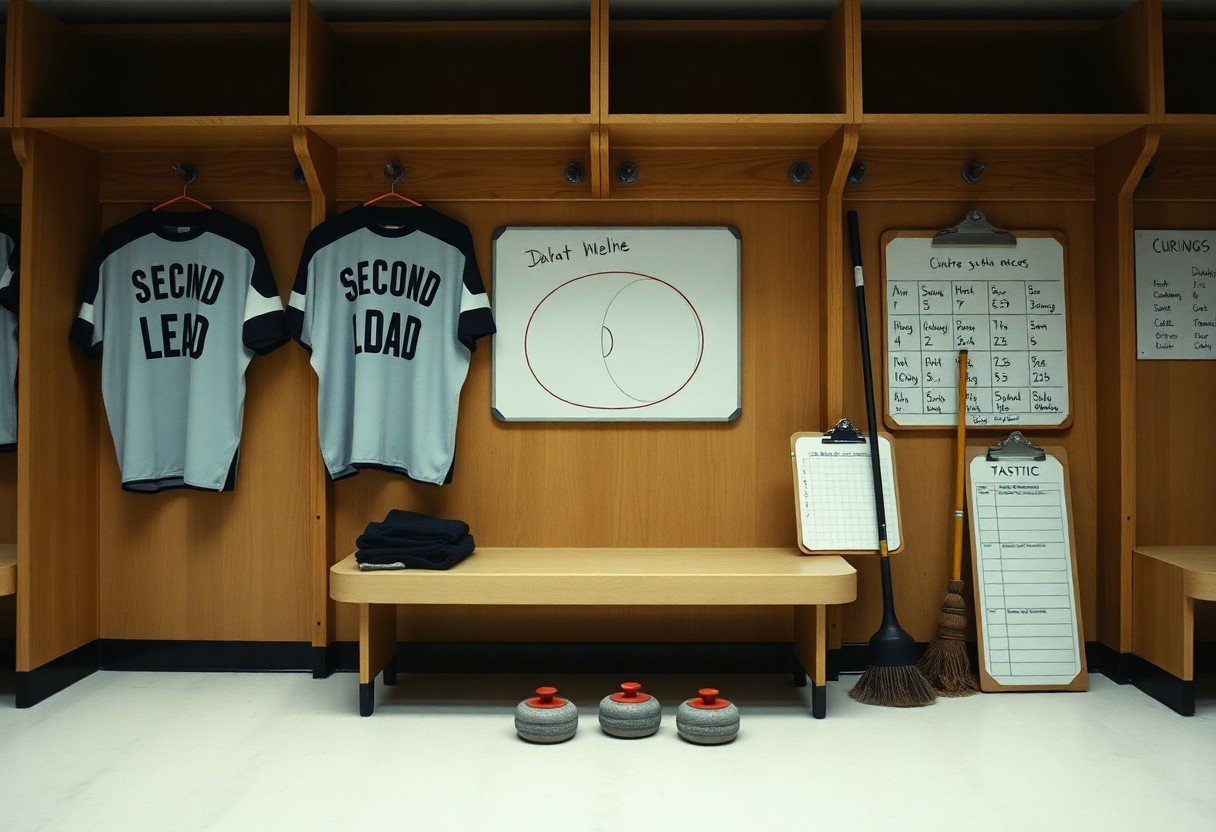
You coordinate shot selection, sweeping, and strategy with your skip calling lines; teams of four each throw two stones per end, so in an eight-end game you each deliver 64 stones total, making consistent roles vital. Prioritize clear communication, weight control, and reading ice; a missed call can cost a point or more. Use the Curling Basics to align terminology and shot selection across the crew.
Communication on the Ice
Use concise calls like “line”, “weight”, “clean” and confirm with eye contact; you should rehearse a three-word vocabulary for sweepers and skip. Practice a drill where the skip calls 40 consecutive shots and sweepers adjust pace to maintain 90% draw-weight accuracy. Strong, consistent signalling prevents burned stones and missed sweeping windows that can swing an end by 1-2 points.
Developing Game Plans
When you plan an end, decide aggressive versus defensive lines early: with the hammer aim to set up a two-point opportunity, without it aim to force a single. Map shot sequences (guard → draw → runback) and assign contingency calls for ice shifts. Teams that rehearse options and mid-end pivots outperform ad-hoc decisions in close matches.
Analyze opponent tendencies: if they struggle on takeouts (below ~70% success), you should favor guards and draws; if their draw accuracy is strong, plan stick shots and runbacks. Allocate ~30 minutes pre-game to run two end-scenario simulations and build simple play-calling templates-e.g., “Hammer: guard-draw; No Hammer: peel-force”-so you execute under pressure.
Final Words
Presently you can use your understanding of curling positions and team roles to shape strategy, direct teammates, and execute shots with greater consistency, as clarity about each role-lead, second, third, and skip-enables you to anticipate play and make decisive calls under pressure.
FAQ
Q: What are the main curling positions and how do they differ?
A: A standard team has four on-ice positions: Lead, Second, Third (Vice-Skip), and Skip. The Lead throws the first two stones and focuses on draws and guards to set up the end. The Second throws stones three and four, often executing takeouts and peels to open the house or clear guards. The Third throws stones five and six, supports tactical decisions, and takes the house when the Skip is delivering. The Skip directs overall strategy and normally throws the final two stones to score or defend. An Alternate can substitute for any player and a Coach provides tactical guidance off the ice.
Q: What does the Lead’s role require during an end?
A: The Lead must deliver consistent weight and line on draws and guards to establish the opening shape of an end. After delivering, the Lead usually sweeps for the next five stones, providing strong, sustained sweeping to influence distance and curl. Accuracy with simple shots, fast transition to sweeping, and clear communication with sweepers and the Skip are key responsibilities.
Q: How does the Second contribute to team strategy and shot execution?
A: The Second plays a hybrid role: executing heavier shots like takeouts, hits with rolls, or peels, while also making occasional draws. Physical strength and sweeping stamina are important because the Second sweeps much of the end and often must change shot types quickly based on evolving strategy. The Second helps transition from setup established by the Lead to the more tactical phase handled by the Third and Skip.
Q: What are the Third (Vice-Skip) responsibilities during play?
A: The Third throws the fifth and sixth stones and acts as the Skip’s lieutenant. When the Skip delivers, the Third holds the broom in the house, judges line and weight, and discusses tactical options with the Skip between shots. The Third must be proficient at both hits and precise draws, read angles, measure ice speed changes, and communicate clearly to coordinate shot selection and sweeping calls.
Q: What does the Skip do, and how do other players support the Skip’s decisions?
A: The Skip is the team leader on strategy, calls each shot, reads ice conditions and angles, and usually throws the final two stones to determine the scoring outcome. Support from teammates includes executing the shots called, giving accurate sweeping feedback, making honest line and weight assessments, and maintaining consistent shot-making so tactical plans can be carried out. The Alternate steps in when needed and the Coach provides broader strategic input between ends or during timeouts.