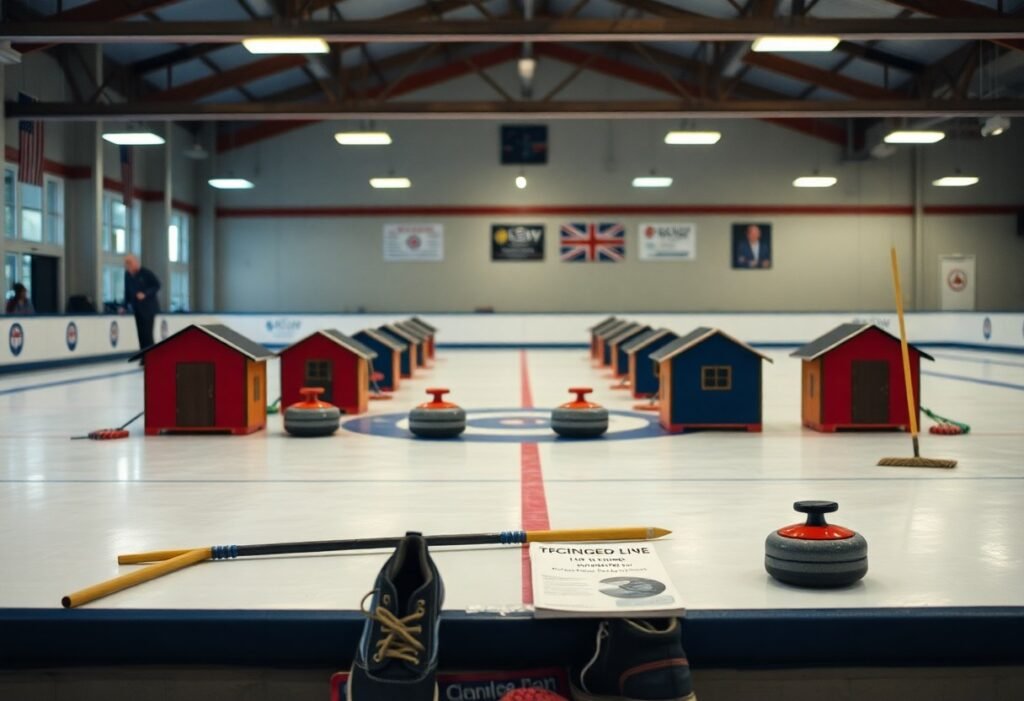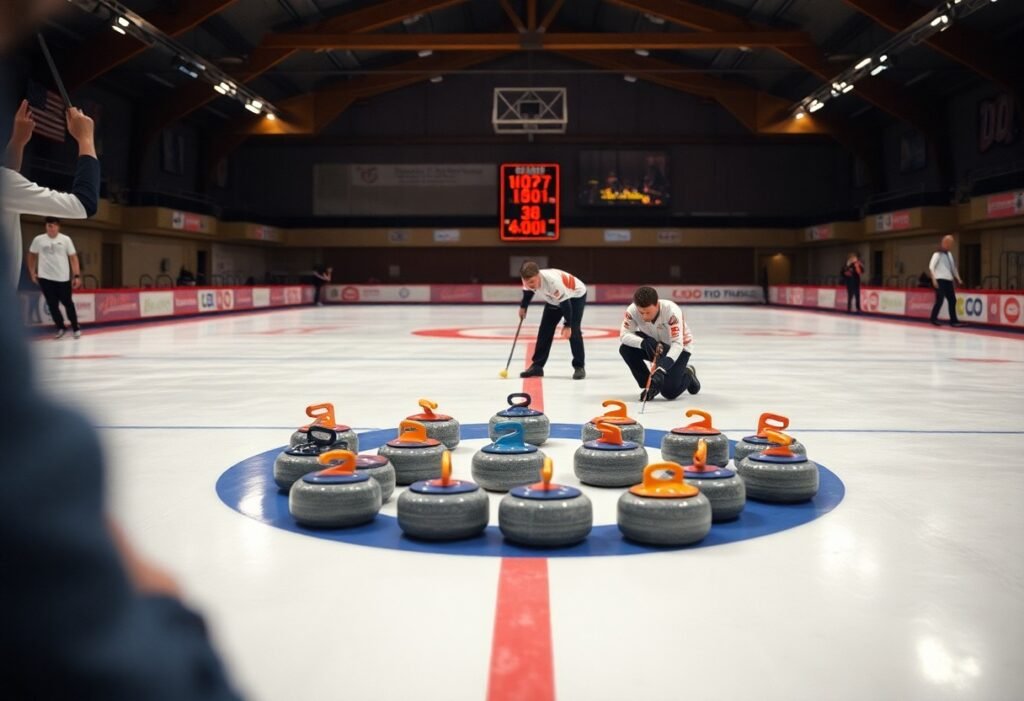

History of curling in the USA and Canada traces its Scottish origins and 19th-century expansion into community rinks; its Scottish roots and migration north established rules, clubs, and regional styles you can still observe today. Along the way, players face dangers like slips, strains, and hard-stone impacts, while the sport’s community-building ethos and Olympic success remain defining positives for your understanding of curling.
Key Takeaways:
- Originated in 16th-century Scotland and was brought to North America by Scottish immigrants, taking strong root in Canada and northern U.S. communities.
- Canada built an extensive club and championship system (including the Brier and Scotties) and has been a dominant force at world championships and the Olympics.
- The United States grew from immigrant-run clubs to a national organization, achieving increasing international success – including Olympic medals – and rising participation in recent decades.
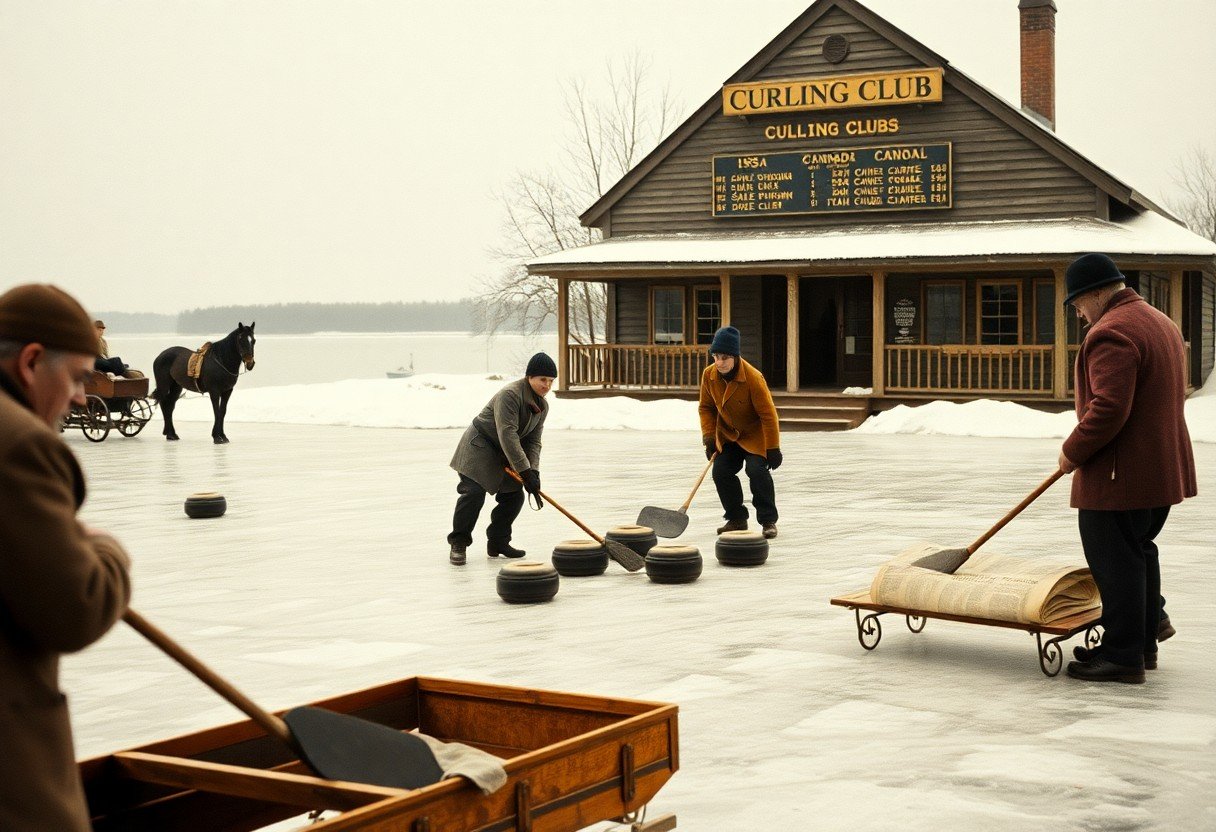
Origins of Curling
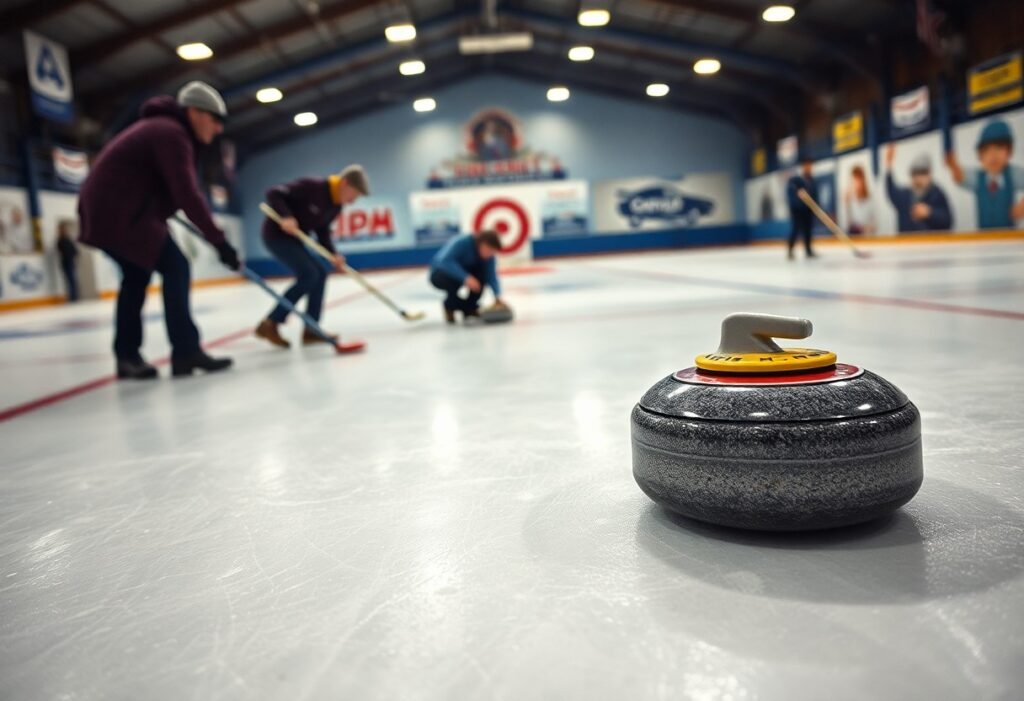
Emerging from frozen Scottish lochs in the 16th century, curling evolved as a winter pastime using river cobbles and later the famed Ailsa Craig granite for durability; you see the legacy in today’s equipment. Clubs formalized play-most notably the Royal Caledonian Curling Club (1838)-and stones standardized to roughly 38-44 lb, a weight that defines technique and risk on the ice.
Early Beginnings in Scotland
From the 1500s, villagers slid stones across communal lochs, with records and paintings attesting to organized matches; you can trace rules and etiquette back to 18th-century club minutes. Innovations like handles and pebbled ice appeared over time, and by the 1800s the sport had formal governance, shaping the delivery and sweeping techniques you recognize today.
Introduction to North America
Scottish emigrants carried curling to Canada and the U.S. in the early 19th century: the Royal Montreal Curling Club (1807) is often cited as North America’s oldest, while American organization coalesced with bodies like the Grand National Curling Club (1867). You’ll find that bonspiels and club rivalries established regional strongholds, especially in eastern Canada and northern U.S. states.
Indoor rinks and the prairie migration accelerated growth-Manitoba and Saskatchewan became hotbeds producing national champions-and curling’s profile rose when it returned as an Olympic medal sport in 1998, increasing your access to coaching, year-round play, and competitive pathways across both countries.
Development of Curling in Canada
You can trace rapid growth from the early 1800s-Royal Montreal Curling Club (1807) is North America’s oldest-through mass Scottish immigration that seeded rinks across Ontario, Manitoba and the Prairies. By the 20th century, provincial associations standardized rules and bonspiel culture, and your local rink became both a social hub and a training ground as Canada produced world-class teams and institutionalized national competitions.
Establishment of Curling Clubs
You’ll see clubs founded as community anchors throughout the 19th and early 20th centuries, offering leagues, junior programs and weekend bonspiels. Historic institutions in Montreal, Toronto and Winnipeg set examples, and your membership typically provided coaching, club championships and travel-team pathways. Indoor ice innovations converted seasonal pond play into year-round competition, expanding participation among women and youth.
Major Tournaments and Championships
You recognize the national calendar is anchored by the Brier (est. 1927) for men and the Scotties Tournament of Hearts (national women’s championship, dating to 1961), which channel provincial champions to Worlds and Olympic trials. Televised bonspiels and provincial playdowns raised visibility, so your regional winners could become household names almost overnight.
You can point to concrete examples: Brad Gushue (Olympic gold 2006), Kevin Martin (gold 2010), and Jennifer Jones (gold 2014) show Canada’s Olympic strength. The professional Grand Slam series, launched in 2001, increased purses and rankings, giving your top teams year-round circuits, sponsorships and consistent televised exposure that reshaped competitive priorities.
Growth of Curling in the USA
Key Milestones in American Curling
You saw Pete Fenson’s 2006 Olympic bronze lay groundwork, and John Shuster’s 2018 PyeongChang gold substantially raised the sport’s profile. Membership and facility counts expanded, with more than 150 dedicated U.S. clubs now serving regions beyond traditional strongholds. Collegiate programs-such as at the University of Wisconsin-and youth camps multiplied, while increased media coverage and domestic championships drove participation year-round.
Evolution of Competitive Curling
Professionalization picked up in the 2000s as you watched teams join the World Curling Tour and compete internationally throughout the season, prompting full-time coaches, specialized fitness regimens, and sport-science support. The 2018 Olympic addition of mixed doubles changed team selection and tactics, and Grand Slam-style events increased prize purses and competitive depth.
Today you encounter high-performance centers using video analysis, ice-mapping and data-driven strategy to refine delivery and shot calling. Teams routinely hire strength coaches and sport psychologists; a standout case is Team Shuster’s overhaul after 2014, which blended analytics and targeted training to achieve Olympic success.
The Role of Curling Associations
You rely on national bodies to standardize rules, certify coaches, and run elite pathways; the organizations also coordinate grassroots outreach, referee training, and ice-tech programs so your club can compete nationally. National championships and development grants connect local clubs to international play, and you can read about equipment origins in The fascinating history of curling and the mystical isle from …. These structures keep over 1,000 Canadian clubs and roughly 150-200 U.S. member clubs aligned with global standards.
Canadian Curling Association
You see the Canadian Curling Association run flagship events like The Brier and the Scotties Tournament of Hearts, plus junior, U21 and senior nationals; its coach certification and ice-tech apprenticeships fund a high-performance pipeline that supports more than 1,000 clubs and roughly 300,000 players, keeping Canadian teams consistently competitive on the world stage.
United States Curling Association
You count on the United States Curling Association to stage the U.S. National Championships, manage junior and mixed doubles programs, and certify officials; it sanctions about 150-200 member clubs, runs development grants, and maintains a high-performance program to prepare teams for world championships and Olympic qualifying.
You can track USCA growth through expanded youth leagues, collegiate curling, and regional training camps that pushed membership and participation beyond a decade of steady increases; the association also invests in ice technician education, referee development, and targeted funding for underrepresented regions so your local rink can access national-level coaching and competition pathways.
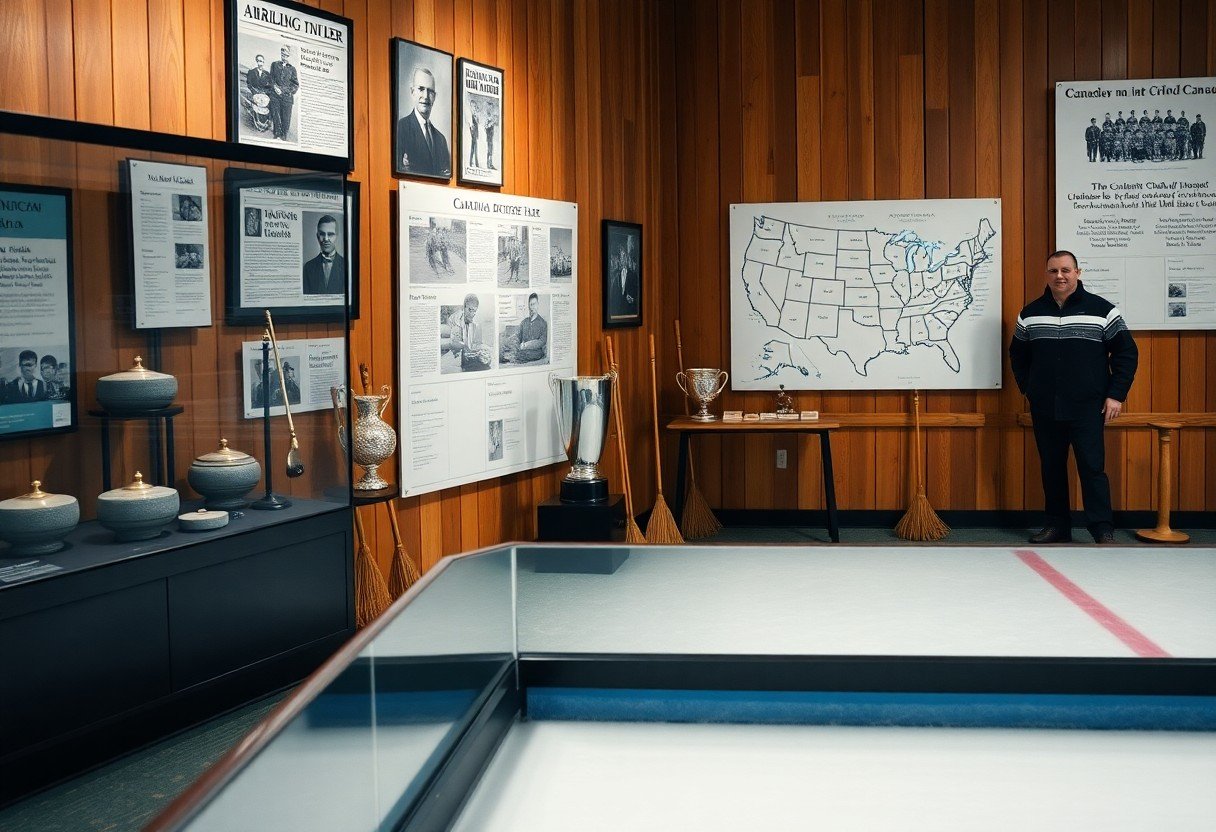
Influence of Curling on Culture
Curling in Popular Media
You’ve seen curling in major broadcasts and films; after its reintroduction as an Olympic medal sport in 1998, coverage by CBC/TSN in Canada and NBC in the U.S. brought the game to millions of viewers. Films like Men with Brooms (2002) and festival documentaries highlighted curling’s humor and strategy, while live streams and social clips have directly driven spikes in youth registrations at grassroots clubs following Olympic and World Championship runs.
Community and Social Aspects
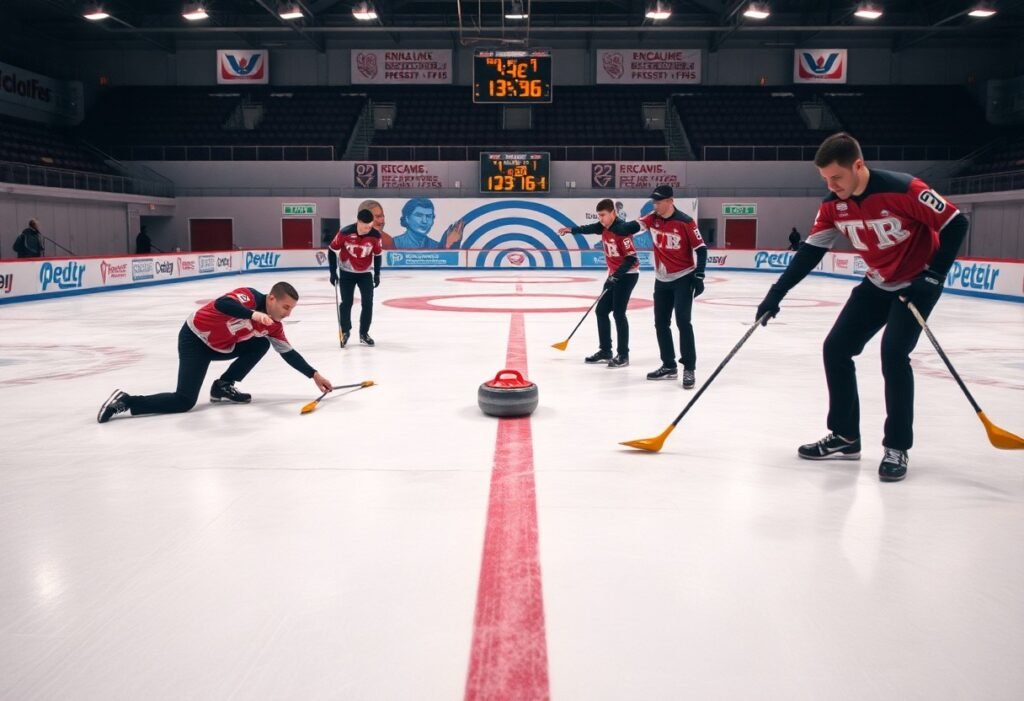
You find curling’s social fabric in weekly house leagues, charity bonspiels and club nights where inclusion and etiquette define play. Canada supports over 1,000 clubs and the U.S. has hundreds, with many local leagues running 8-12 teams per season; volunteers handle ice care, scorekeeping and junior instruction, so your rink functions as a local social hub as much as a sports facility.
Seasonal play generally runs October to March, and bonspiels span 16-team weekend events to elite Grand Slam stops; you can join beginner clinics, mixed doubles nights or stick-curling for older adults. Clubs commonly log thousands of volunteer hours annually, fund junior scholarships and host fundraisers, giving concrete examples of how your participation strengthens intergenerational ties and civic engagement.
Modern Era of Curling
Television exposure after curling’s 1998 Olympic return accelerated professionalization: you now see sponsored teams, national development programs, and the Grand Slam series (est. 2001) raising competitive and financial stakes. Club facilities modernized, coaches adopted analytics, and national bodies invested in year-round training, producing deeper fields and more televised, strategic finals that attract broader audiences.
Technological Advancements
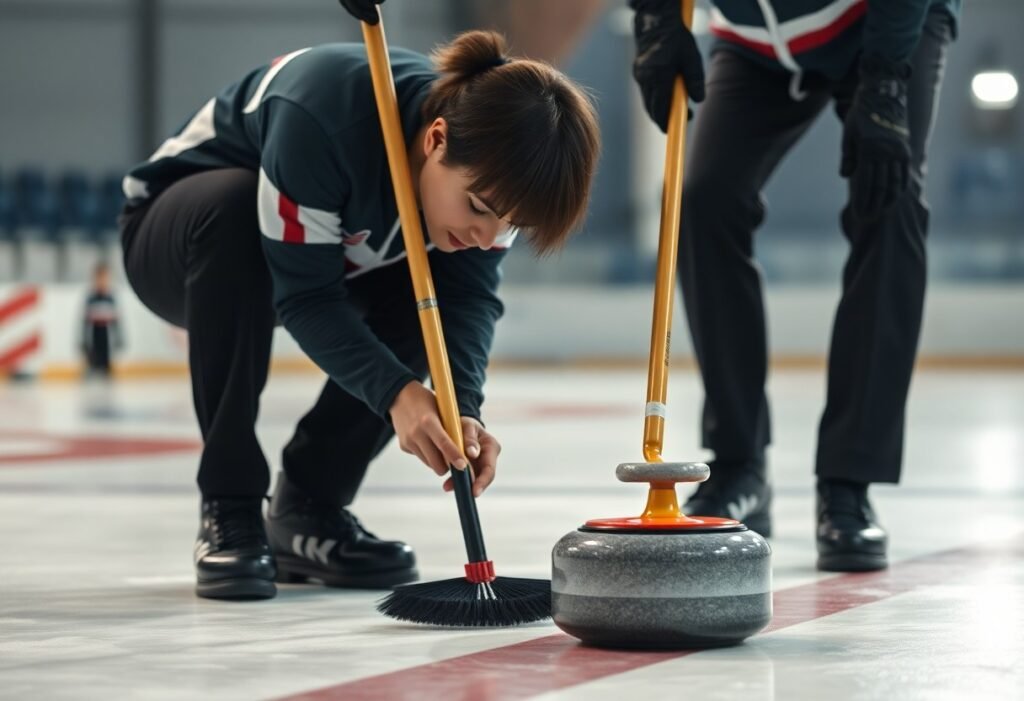
Ice technology, pebbling precision, and equipment evolution changed how you play and coach; the 2015 World Curling Federation ban on certain brush-head fabrics followed widespread sweeping effects, while carbon-fiber brooms, high-speed video, GPS tracking, and analytics now inform stone weight and line decisions. Stones still rely on Ailsa Craig granite for predictable curl and durability.
International Competitions and Achievements
With men’s Worlds from 1959 and women’s from 1979, international prestige grew; you witnessed moments like Jennifer Jones’ 2014 Olympic gold and John Shuster’s 2018 U.S. Olympic gold that reshaped national funding and coaching priorities. Increasing parity means Canada, the U.S., Sweden, and Switzerland regularly trade podiums at Worlds and Olympics.
National championships such as the Brier (est. 1927) and Scotties (est. 1961) remain primary talent pipelines, while the Grand Slam circuit and World Curling Tour sharpen elite competition; you track round-robin form, head-to-head records, and ice reports between events. The Olympic addition of mixed doubles in 2018 forced federations to develop new specialists and scouting analytics to secure podium chances.
Final Words
So you can trace how curling in the USA and Canada evolved from Scottish settlers to organized national systems, with Canada shaping international standards and the U.S. expanding the sport’s reach; your appreciation of regional rivalries, community clubs, and Olympic achievements will deepen as you explore archives, oral histories, and competitive records.
FAQ
Q: Where did curling originate and how did it arrive in the USA and Canada?
A: Curling originated in Scotland, with written records and carved stones indicating play by the 16th century. Scottish immigrants brought the game to North America in the late 18th and early 19th centuries; frozen ponds and lake surfaces in eastern Canada and the northern United States provided natural venues. Organized play and clubs formed as immigrant communities clustered, adapting local materials and building indoor rinks as interest grew.
Q: What are some of the earliest clubs and milestones for curling in Canada and the United States?
A: In Canada, the Montreal Curling Club (often cited as founded in 1807) is among the oldest continuously operating clubs in North America, and club-based play spread rapidly through Ontario and the prairie provinces. In the United States, several mid-19th century clubs-most notably clubs in the Great Lakes region-established curling as a local winter sport; clubs such as the Milwaukee Curling Club (dating to the 1840s) are among the oldest U.S. institutions. By the late 19th and early 20th centuries both countries had regional associations and regular interclub competition, setting the stage for national championships.
Q: When and how did organized championships and national competition develop?
A: National-level competition grew in the 20th century: Canada established marquee events like the Brier for men (first held in the 1920s) and the national women’s championship (the precursor to today’s Tournament of Hearts) in the mid-20th century, creating a high-profile domestic championship structure. In the United States regional play consolidated into national championships and international qualification pathways across the mid-20th century, with national governing bodies coordinating selection for world events. The development of organized championships increased standards of play, coaching, and rivalry between provinces and states.
Q: How did Olympic inclusion and media exposure change curling’s profile in both countries?
A: Olympic exposure had a major impact: curling returned as an official medal sport at the 1998 Winter Olympics, after earlier demonstration appearances and later recognition of early Olympic events, which dramatically increased television coverage and public interest. In Canada the sport already had deep cultural roots, and Olympic visibility reinforced grassroots participation and professional opportunities; in the United States Olympic success and telecasts spurred growth in nontraditional markets, youth programs, and facility investment. Broadcast-friendly rule changes and the rise of high-profile international events further raised the sport’s spectator appeal.
Q: How have equipment, rules, and ice technology evolved, and how do Canadian and American curling cultures differ today?
A: Equipment shifted from field stones and corn brooms to precision granite stones (many still sourced from traditional quarries), synthetic brush heads, and standardized shoes, while ice-making advanced from natural sheets to climate-controlled, pebbled ice allowing consistent speed and curl. Rule changes-most notably Free Guard Zone rules adopted in the late 20th century-encouraged more offense and strategic complexity. Culturally, Canada maintains widespread grassroots depth and community rinks across many provinces, making curling a national winter staple; the U.S. scene is concentrated in northern states and expanding rapidly, driven by Olympic momentum and investment in dedicated facilities and youth development. Both countries now field highly competitive national programs with strong club systems and international ambitions.