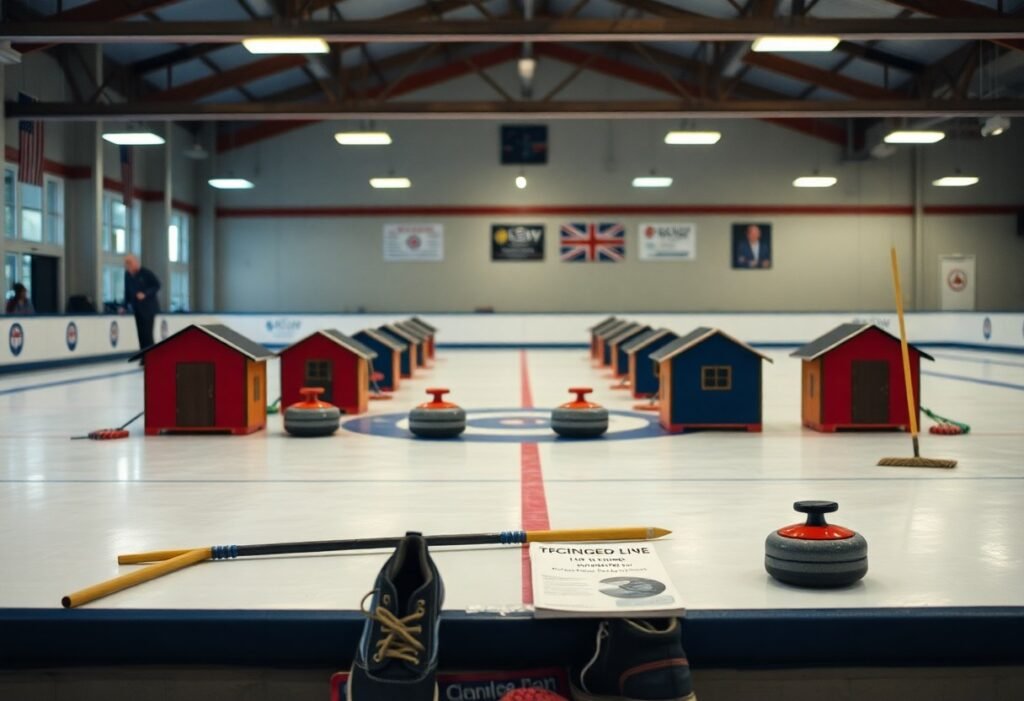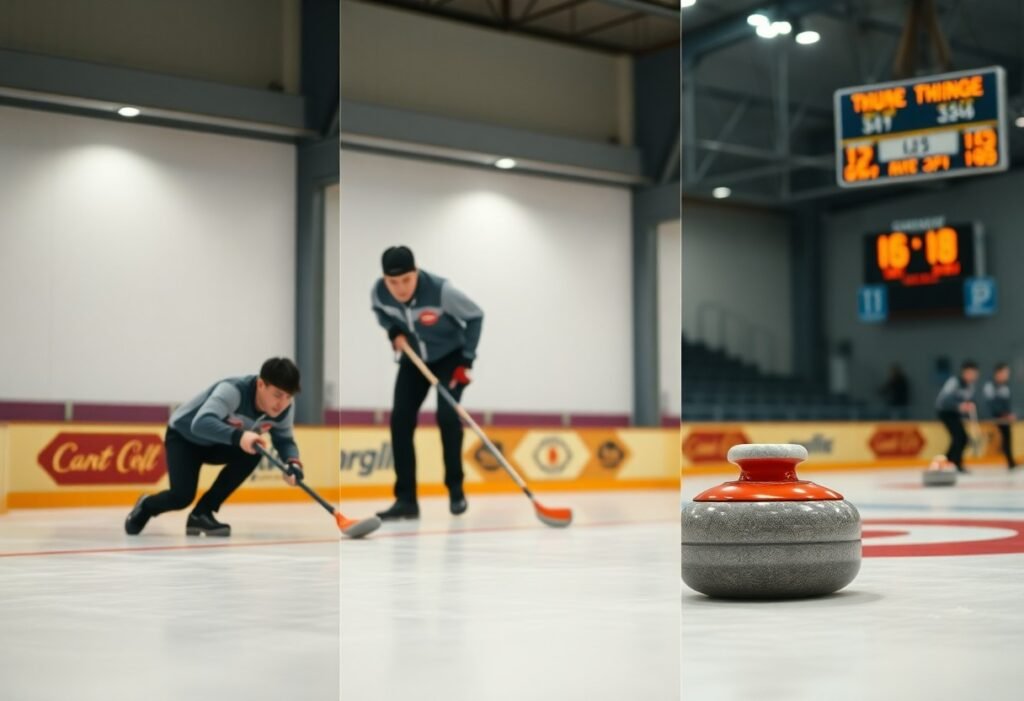

Just as you rely on equipment to win ends, this guide helps you choose the best curling broom for 2025 by assessing brush performance, shaft stiffness, and build quality; you’ll learn which models deliver superior grip and faster ice glide and which pose risk of slipping or shoulder strain if bristles or handles fail, so you can pick a broom that maximizes control, longevity, and safety for your game.

Key Takeaways:
- Choose broom head by play style: microfiber heads give precise, consistent sweeping; directional/polypropylene heads deliver more aggressive ice clearing.
- Handle weight and material affect control and fatigue: carbon-fiber handles are lightweight and responsive; heavier composite or wood handles add stability.
- Replaceable heads, adjustable handles, and midrange pricing offer the best value; top picks balance durability, performance, and serviceability.
Understanding Curling Brooms
You need a broom that matches how you sweep, read ice, and manage line calls: head material affects friction and longevity, shaft length changes leverage and balance, and weight distribution alters fatigue over a 10-20 minute game. Prioritize durability for league play and grip for wet conditions; worn heads can cut stopping power and increase injury risk. Tune your setup to your role-lead, second, or skip-and test on your rink for best results.
Types of Curling Brooms
Different heads deliver distinct results: microfiber gives consistent glide and heat retention, directional/polypropylene bites harder for aggressive sweeping, and traditional push/hair heads remain economical for practice. Shaft designs range from rigid carbon to flexible composite, affecting feedback and control. Any choice should match your sweeping intensity, club rules, and whether you value precision over raw friction.
- Microfiber – precision, good for high-level sweeping
- Directional/Polypropylene – higher bite, used for aggressive line changes
- Hair/Push – lower cost, forgiving for beginners
- Hybrid – combines microfiber and directional fibers for versatile performance
| Microfiber | Best for consistent, championship-level sweeping |
| Directional | Best for maximum ice bite and aggressive placement |
| Hair/Push | Best for practice and budgets |
| Hybrid | Best for mixed-play styles and changing ice |
| Shaft Types | Carbon for lightness; aluminum/composite for durability |
Key Features to Consider
Focus on head material, weight, shaft length, and handle grip: head widths commonly span 9-12 inches (23-30 cm), and adjustable shafts often cover roughly 36-52 inches (91-132 cm). You should also check replacement head availability and approved competition specs; worn heads reduce control and can increase slip risk. Assume that you’ll replace heads every 1-2 seasons with weekly play.
- Head material – microfiber vs directional affects friction and stone speed
- Shaft length – affects leverage; shorter for control, longer for reach
- Weight – lighter shafts reduce fatigue; heavier heads increase momentum
- Grip – tactile surfaces improve handling in cold, wet conditions
- Replaceability – ease of swapping heads and part availability
When you evaluate brooms, compare laboratory or club tests where a microfiber head reduced stone deviation by measurable margins versus worn hair heads; teams often swap heads mid-season after 50-100 hours of ice time. Inspect seams and backing material-failure there is the most common problem that degrades performance quickly. Assume that seasonal ice variability and your sweeping cadence will dictate how often you refresh parts.
- Durability – expected head life (hours of ice) and warranty
- Performance delta – measurable change in stone distance/line with new vs worn head
- Regulation compliance – meets club/competition equipment rules
- Serviceability – availability of spare heads, screws, and grips
- Cost per season – initial price plus replacement head frequency
Top Curling Broom Reviews
You’ll see brooms with carbon-fiber shafts and adjustable lengths (85-110 cm); community tests like Broom reccomendations : r/Curling highlight trade-offs between microfiber and hair heads. Many competitive models weigh ~300-350 g, which reduces arm fatigue. Check balance and secure attachment-loose heads can flip during delivery-and favor replaceable pads and a comfortable grip to keep your sweeping efficient.
Best Overall Curling Broom
Choose a model with a carbon shaft, hybrid microfiber/horsehair head, and an adjustable handle (90-110 cm); top picks weigh ~320 g and give consistent ice pickup across small temperature shifts. Many club champions use these for 8-12 games per week. Expect a replaceable head and roughly 2-3 years of dependable service with regular play; consistent ice pickup is the single biggest performance win.
Best Budget Curling Broom
Budget picks under $60 typically use aluminum shafts and nylon or basic microfiber heads and weigh 350-420 g, making them fine for beginners and casual leagues. You’ll get decent sweeping power but faster pad wear and occasional loose stitching. Aim for models with a replaceable head and a rigid shaft to avoid mid-season failures.
When you opt for a budget broom, expect head replacement every 6-12 months with weekly club play; replacement pads generally cost $10-30 and can double the broom’s useful life. Inspect the shaft for bends-cheap aluminum can deform after falls-and tighten attachments monthly. Playing 1-3 times weekly, a solid budget model should last a season; if you play more often, plan on upgrade timing or carrying a spare head. Prioritize replaceable pads and secure fittings to maximize value.
Performance Factors
Weigh trade-offs between weight, balance, and brush material. Consider brush design, shaft stiffness, and pad type. These factors determine sweep speed, ice melt, and shot control.
Community tests show adjustable shafts change leverage. Lighter carbon shafts often weigh 400-500 grams for optimal swing speed.
Subtle shifts in any factor alter your timing and pressure. Perceiving these changes will guide your best choice.
- Weight
- Balance
- Brush material
- Brush design
- Shaft stiffness
- Pad type
Weight and Balance
You’ll feel differences immediately: a broom in the 400-500 g range gives solid momentum for long, powerful sweeps while lighter models speed up wrist recovery. Head-heavy setups increase applied pressure and ice friction-useful for aggressive sweeping-whereas handle-forward balance improves finesse for delicate shots. Try a 95 cm shaft at practice to see how a 20-30 mm shift in balance point changes swing cadence and consistency.
Brush Material and Design
Choose between synthetic microfiber, traditional horsehair, or hybrids. Microfiber picks up debris faster and dries quicker. Horsehair offers more tactile feedback.
Pad shape and tuft density affect water dispersion across a roughly 25-30 cm head. Flatter profiles favor even pressure. Domed heads concentrate force for targeted melt.
Maintenance matters for brush pads. Replace microfiber pads after visible wear. Many competitive curlers swap pads every 20-40 games depending on ice conditions. Clean pads after each session to avoid glazing.
Firm pads create quicker, shorter melting with more immediate rock movement. Medium pads balance distance and control. Soft pads are safer for delicate draws.
Check manufacturer replacement kits. Match pad hardness to your team’s typical ice temperature for best results.
Maintenance and Care
You should inspect shafts, head mounts and pads after every few matches: tighten loose screws, test adjustable lengths (85-110 cm) and swap worn pads. Replace brush heads or pads after roughly 30-50 hours of heavy use and avoid prolonged exposure to direct sun or heat. Pay attention to loose stitching or compressed bristles that reduce sweep power, and oil metal threads sparingly to prevent corrosion.
Cleaning Your Broom
When you detach the pad, hand-wash synthetic or corn pads in lukewarm water with mild soap, rinse until clear and reshape the nap before air-drying 18-24 hours; never tumble-dry or use water hotter than 60°C. Inspect the velcro and comb out debris from corn-style heads to restore loft. Thou always air-dry fully to prevent mildew and glue failure.
- Pad washing
- Velcro check
- Synthetic vs corn
Storage Tips
Store your broom vertically or hang it by the handle in a cool, dry space to keep the shaft straight and head shape intact; avoid car trunks and temperatures above 40°C that can warp shafts or melt adhesives. Rotate heads periodically to even wear and never let the pad rest flat under weight for long periods. Thou avoid leaning heads against walls for extended storage.
For longer-term care use a padded wall rack or floor stand that supports the shaft near the head and handle, keep pads in breathable bags if damp, and separate wet gear from dry equipment to prevent mold; teams that implemented labeled racks and monthly rotating schedules extended broom life by about 30%. Store carbon-fiber shafts away from solvents and heavy impacts to prevent hairline damage. Thou will see more consistent performance and fewer mid-season replacements with these steps.
- Vertical storage
- Padded racks
- Separate wet/dry
Expert Recommendations
You should match shaft length to your posture-most players use adjustable carbon-fiber shafts in the 85-110 cm range-so the handle sits near your wrist when sweeping. Prioritize a lightweight, stiff shaft for power and a replaceable pad system for consistency; worn pads cause excessive friction and unpredictable stone movement. Test heads on both wet and dry club ice before committing to a full-season setup.
Advice from Professional Players
Many pros travel with two brooms: a stiffer shaft for heavy, late-game sweeping and a softer-head option for finesse. You’ll see them tweak handle length by about 5-10 cm between delivery and sweeping positions, and switch to dense microfiber on wet, slow ice to maximize glide. Watch club champions: they change pads mid-event if glazing appears to maintain consistent feel.
Choosing the Right Broom for Your Style
If you sweep aggressively, opt for a firmer shaft and a wider, dense pad to convert more body weight into rapid ice heating; if you play a finesse role, a lighter, more flexible shaft with a softer microfiber pad gives better touch. Match head shape to your wrist motion so you maintain full contact through the sweep and avoid hopping that reduces effectiveness.
To dial it in, run three controlled throws on practice ice: no sweep, standard sweep, and your preferred sweep, then mark where each stone stops. You should see a measurable difference-use that data to choose pad density and head width. Also swap shafts and pads during a single session to compare how much force you need to reach the same endpoint; that practical test reveals the best fit for your technique.
Where to Buy Curling Brooms
You’ll find options across marketplaces and brick-and-mortar shops, with pro-level carbon-fiber brooms from Goldline or Hardline often priced between $90-$220, while entry-level models run $60-$100. Online reviews and community tests highlight adjustable shafts (85-110 cm) and pad material as game-changers; beware cheap knockoff pads that reduce grip and can scuff ice.
Online Retailers
Order from large marketplaces like Amazon and specialty sites such as Goldline or Hardline for extensive catalogs, user reviews, and 30-day return policies; expect shipping in 2-7 days and possible import duties. You can compare specs side-by-side, read community test results, and often find bundles (broom + head + bag) discounted by 10-25% during sales events.
Local Sporting Goods Stores
Visiting a local shop or rink pro shop lets you test shaft length, weight (typically 300-600 g), and pad feel in person; staff often hand-fit handles and recommend pads based on ice conditions. You’ll pay similar prices but gain immediate pickup and expert advice, especially during the curling season when inventories expand.
Ask the shop to let you swing 2-3 lengths (try 85, 95, 105 cm) and compare pad types-horsehair for a traditional feel, microfiber for superior grip-while noting weight differences: a 50-200 g change affects fatigue. Also check pro-shop services like pad replacements ($15-$40), shaft repairs, and used-broom racks where quality models sell for $25-$75; many clubs restock between September and February.
To wrap up
Hence you can select the broom that best fits your technique and ice by weighing head type, shaft balance, fiber material and grip; the 2025 reviews highlight options for lightweight control, high-sweeping power, and versatile all-round performance. Use the care and comparison guidance to maximize your broom’s lifespan and confidence on the ice.
FAQ
Q: What factors should I consider when choosing a curling broom in 2025?
A: Consider head type (microfiber pad, horsehair, or hybrid) and how aggressive the fabric is for gripping pebble; handle material (carbon for lightness and stiffness, aluminum for durability); shaft length and grip shape to match your sweeping stance; overall weight and balance for fatigue management; pad replaceability and availability of spares; whether the broom meets governing‑body equipment rules for competitive play; and your role (skip, lead, second) and ice conditions-different setups suit heavy pebble versus fast, thin ice.
Q: Which broom head material performs best on modern pebble?
A: Microfiber heads generally give the strongest, most consistent friction on modern pebble and dry faster after washing, making them the top choice for many competitive sweepers. Horsehair generates steady heat with a gentler feel and can be preferred for subtle sweeping, while hybrid heads (combining fibers) offer a balance of bite and control for club players who face varied ice. Choose based on how much abrasion you need, how often you can maintain the pad, and whether you value durability over maximum initial bite.
Q: How should I maintain and clean my curling broom to keep it competition-ready?
A: Wash microfiber pads regularly (gentle machine cycle or hand wash with mild detergent) and air‑dry; avoid heat or tumbling that damages fibers. Brush out debris from horsehair with a soft comb and rotate pads to extend life. Inspect and tighten fasteners, check telescoping locks and grips, and replace worn pads or loose heads before events. Store the broom dry and off the floor to prevent mildew and deformation. Keep a spare pad on hand for quick swaps at tournaments.
Q: Are adjustable-handle brooms or fixed-handle brooms better for competitive play?
A: Fixed-handle brooms provide maximum stiffness and a consistent feel, preferred by many elite sweepers who value stability and precise feedback. Adjustable-handle brooms add versatility for mixed‑use teams, rental programs, and junior players because they accommodate different heights and transport needs. For high-level competition, players often choose fixed or high‑quality locking adjustable shafts that minimize play; for club or multi-user environments, adjustable options offer practical advantages.
Q: What broom types topped 2025 reviews and who should choose them?
A: Top‑rated options in 2025 fell into these categories: 1) Elite microfiber competition brooms – best for provincial/national competitors needing max bite and quick drying; 2) Hybrid heads with reinforced cores – ideal for club skaters who want versatility across varied ice; 3) Lightweight carbon‑shaft brooms – suited to sweepers who prioritize low fatigue and fast response; 4) Durable budget models with replaceable pads – recommended for beginners and recreational leagues; 5) Adjustable youth/utility brooms – practical for mixed teams and junior development. Pick the category that matches your skill level, frequency of play, and the typical ice you sweep on.