
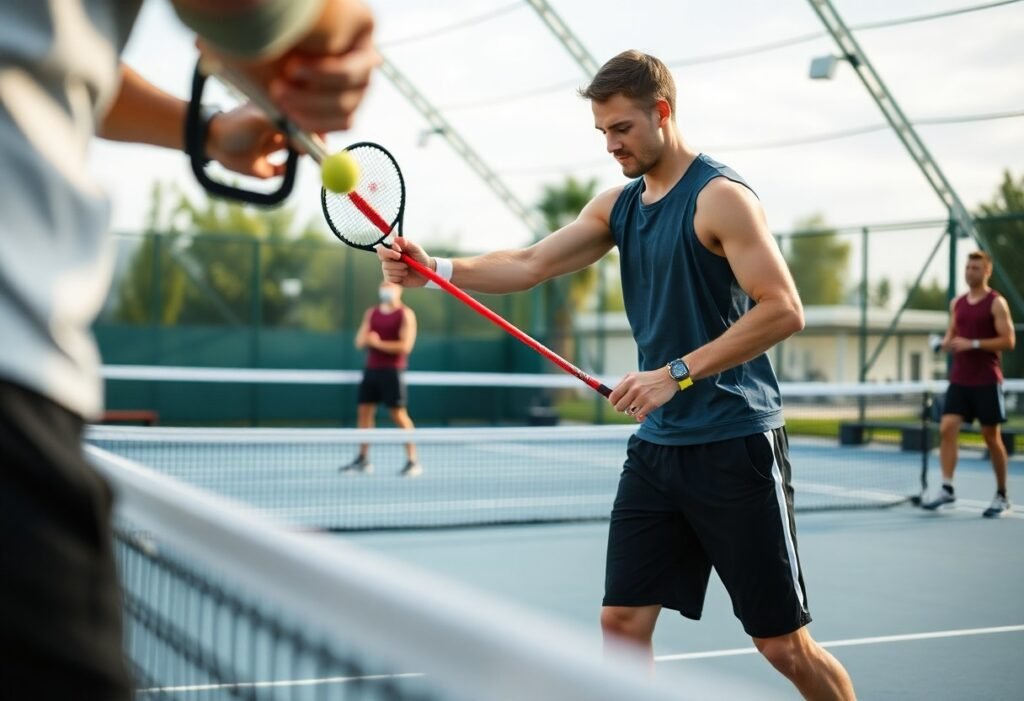
You can safeguard yourself from injuries while enjoying padel by mastering vital prevention techniques. Incorporating proper warm-up routines, using suitable footwear, and maintaining good form during play can significantly reduce your risk. Stay aware of your body’s signals and prioritize rest and recovery to prevent overuse injuries. By following these guidelines, you not only enhance your performance but also ensure a longer, injury-free playing experience.
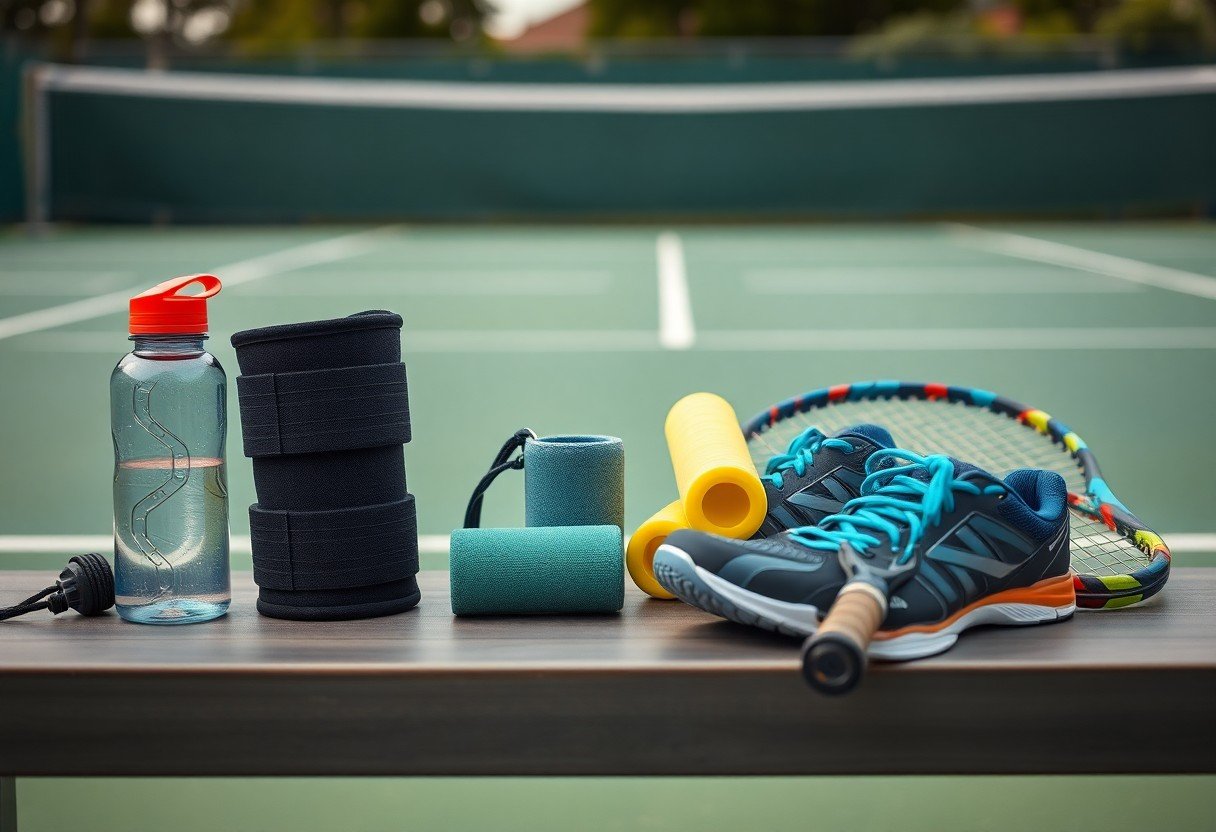
Key Takeaways:
- Proper warm-up and stretching routines can significantly reduce injury risk.
- Using the correct footwear and equipment ensures better stability and support.
- Incorporating strength and conditioning exercises aids in improving overall resilience.
Understanding Padel Injuries
Common Padel Injuries
In padel, the most frequent injuries include ankle sprains, shoulder strains, and tennis elbow. Ankle sprains often occur due to rapid lateral movements, while shoulder strains can result from repetitive overhead shots. Furthermore, tennis elbow is typically caused by the continuous use of the forearm muscles during play. These injuries not only affect your performance but can also sideline you for weeks if not properly addressed.
Risk Factors for Injuries
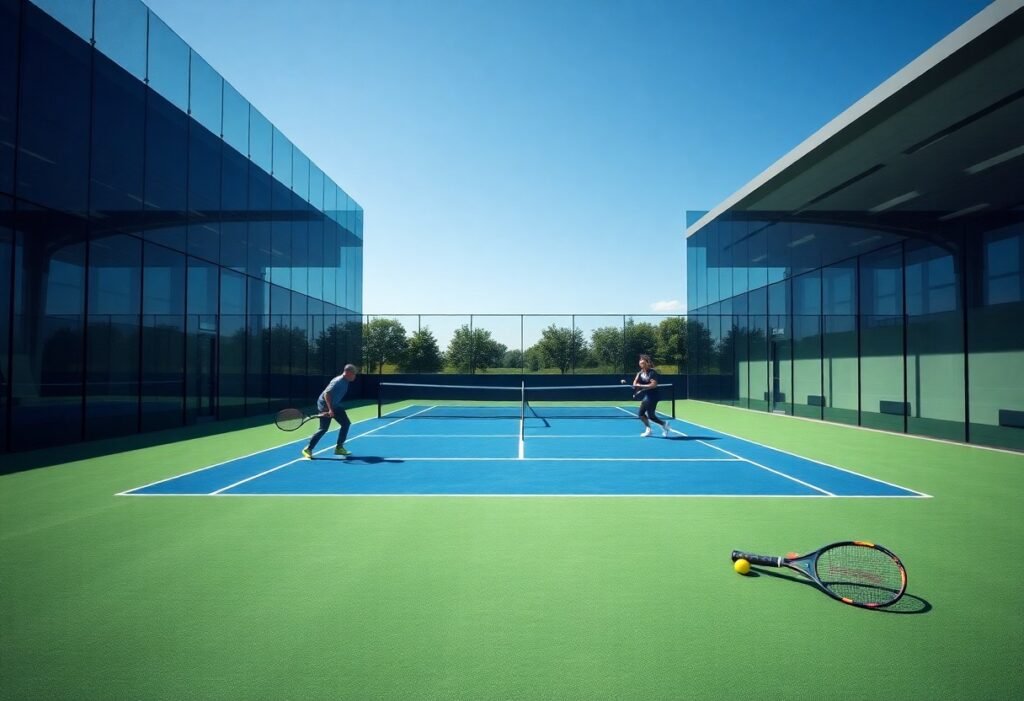
Certain factors increase your likelihood of experiencing injuries in padel. These include improper technique, lack of physical conditioning, and inadequate warm-up routines. You are more vulnerable if you play on uneven surfaces or wear unsuitable footwear. Additionally, playing without sufficient rest can lead to fatigue, further heightening injury risks. Recognizing these factors early can help you formulate a proactive strategy to mitigate injury possibilities.
- improper technique
- lack of physical conditioning
- inadequate warm-up routines
- uneven surfaces
- unsuitable footwear
Physical preparation is vital in preventing injuries. Engaging in targeted strength training and flexibility exercises can significantly reduce susceptibility to common injuries. You should also take note of your playing style and adapt your technique where necessary, focusing on maintaining proper form. Additionally, giving your body the necessary recovery time will keep it primed for optimal performance. Recognizing these elements can greatly enhance your playing longevity.
- targeted strength training
- flexibility exercises
- proper form
- recovery time
Importance of Proper Warm-Up
Dynamic Stretching Techniques
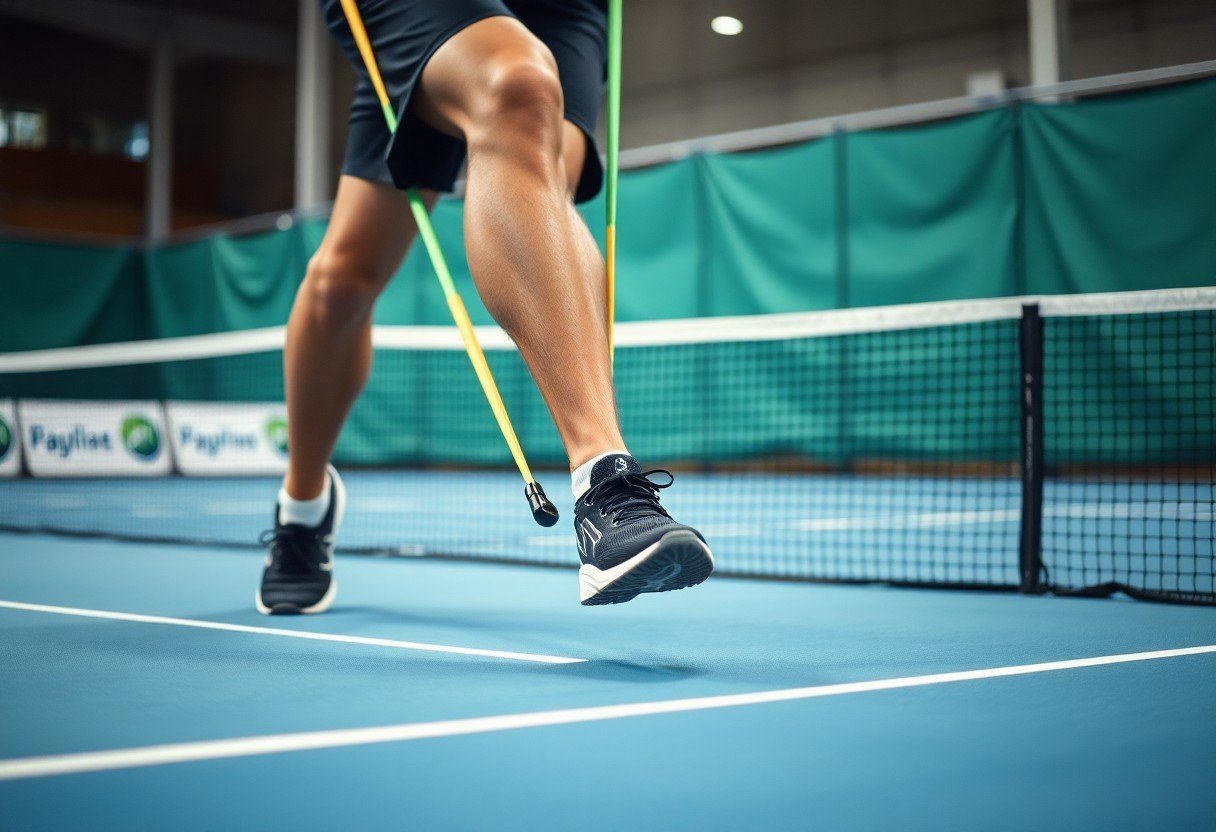
Incorporating dynamic stretching techniques into your warm-up is vital for enhancing blood flow and flexibility. Movements like leg swings, arm circles, and torso twists prepare your muscles for the quick, explosive actions required in padel. Aim for a minimum of 10 minutes of dynamic stretches to effectively increase your body temperature and range of motion, ensuring your muscles are ready for the demands of the game.
Specific Warm-Up Exercises for Padel
Engaging in specific warm-up exercises for padel enhances your performance while significantly reducing injury risk. Include activities such as lateral shuffles, shadow swings, and footwork drills tailored to the unique movements in padel. These exercises mimic the sport’s demands, ensuring that your muscles and joints are adequately prepared for rapid directional changes and powerful shots.
For a targeted warm-up, focus on lateral shuffles to activate your hip flexors and improve your side-to-side movement. Integrate shadow swings to practice stroke mechanics, ensuring your shoulder and arm are properly warmed up. Additionally, perform footwork drills that simulate on-court actions like quick sprints and short bursts of speed, optimizing your readiness for highly competitive gameplay. This thorough warm-up routine is crucial for reducing the risk of injuries associated with sudden movements and exertion during matches.
Choosing the Right Equipment
Selecting Appropriate Footwear
Your choice of footwear plays an important role in injury prevention during padel. Look for shoes specifically designed for court sports, which provide stability, traction, and support. Ensure they have adequate cushioning to absorb shock and protect your joints. A well-fitted shoe can significantly reduce the risk of ankle sprains and provide a solid base for quick lateral movements integral to the game.
Importance of Racket Choice
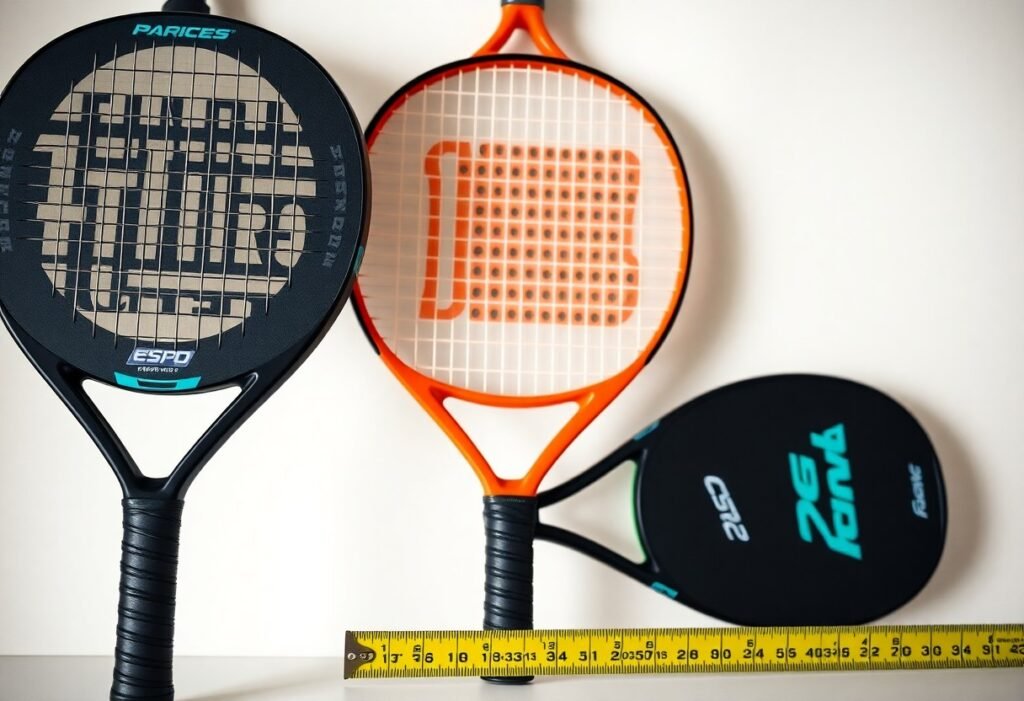
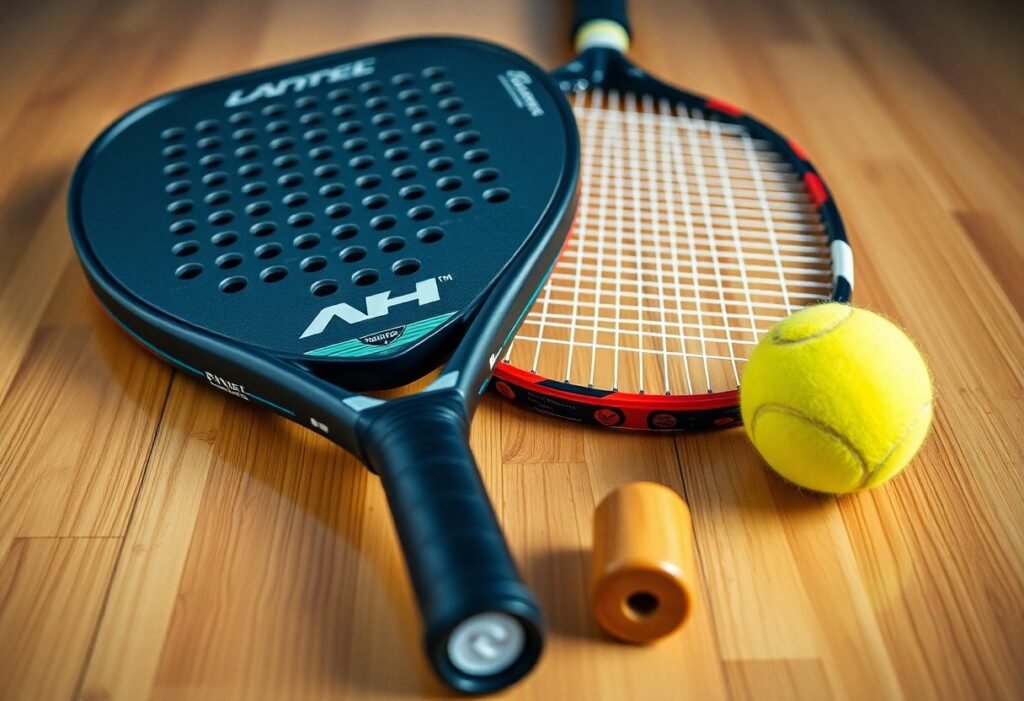
Selecting the right racket is vital for both performance and safety in padel. A racket that matches your style of play, whether it’s a more forgiving model for beginners or a precision tool for advanced players, can influence your overall effectiveness on the court. Using a racket with the correct weight and balance directly impacts your ability to execute shots correctly, reducing unnecessary strain on your muscles and joints.
When choosing your racket, consider the grip size, which affects your control and comfort. A grip that’s too small can lead to tennis elbow, while one that’s too large may cause excessive tension in your hands and shoulders. Opt for a balanced racket that suits your playing style; lighter rackets enhance maneuverability, whereas heavier models can generate more power. Testing different rackets before committing to a purchase can make a significant difference in your performance and help prevent injuries.
Techniques to Enhance Playing Form
Correct Stance and Positioning
Your success on the padel court starts with maintaining a strong stance and optimal positioning. Stand with your feet shoulder-width apart and slightly bend your knees, allowing you to react quickly. Focus on keeping your weight balanced on the balls of your feet. This prepares you to move swiftly in any direction, reducing the risk of awkward falls and injuries while ensuring better response times to your opponent’s shots.
Effective Shot Techniques
Utilizing effective shot techniques can significantly enhance your performance and minimize strain. Concentrate on ensuring your racket’s contact zone aligns with the ball at an appropriate height and angle. This helps you generate power without unnecessary effort. Pay attention to your swing path; a fluid, controlled motion reduces the risk of shoulder and elbow injuries. Proper follow-through is equally important, allowing your body to naturally decelerate after each shot.
Effective shot techniques involve not just your stroke mechanics but also strategic shot selection. For example, employing topspin can control the ball’s bounce, making it easier for you to set up the next play while preventing overexertion. Additionally, practicing shots like volleys and smashes in drills reinforces muscle memory, giving you confidence in high-pressure scenarios. By fine-tuning these aspects, you enhance your playing form and reduce the likelihood of injuries associated with improper technique.
Strengthening and Conditioning
Key Muscle Groups for Padel Players
For optimal performance in padel, you should focus on strengthening your core, legs, and shoulders. The core stabilizes your movements, while strong legs enhance your agility and power during matches. Your shoulders play a vital role in your swing and overall upper body strength, which is imperative for effective ball striking. Proper conditioning of these muscle groups can significantly reduce the risk of injury and improve your playing efficiency.
Recommended Strengthening Exercises
Incorporating a variety of exercises will help fortify the key muscle groups engaged in padel. You should consider exercises like squats, lunges, planks, and shoulder presses. These movements focus on both strength and stability, ultimately enhancing your performance on the court. Additionally, employing resistance bands or weights can elevate the intensity of your workouts.
When engaging in strengthening exercises, focus on compound movements that work multiple muscle groups simultaneously. For example, squats not only build leg strength but also engage your core for stability. Lunges improve both your strength and balance, imperative for quick directional changes during matches. Planks are excellent for core stabilization, while shoulder presses enhance upper body strength specifically for your swinging arm. Ensure that you integrate these exercises into your routine at least 2-3 times a week to see substantial improvements in your strength and injury resilience. For further guidance, explore resources like the Top 5 Padel Injuries & How to Prevent Them.
Recovery Strategies
Importance of Rest and Recovery
Rest is crucial for your body to heal and rebuild after the physical demands of padel. Adequate recovery time helps to reduce the risk of overuse injuries, allowing muscles and joints to regain strength. Prioritizing recovery can lead to improved performance on the court and helps prevent prolonged periods away from the game.
Stretching and Foam Rolling Techniques
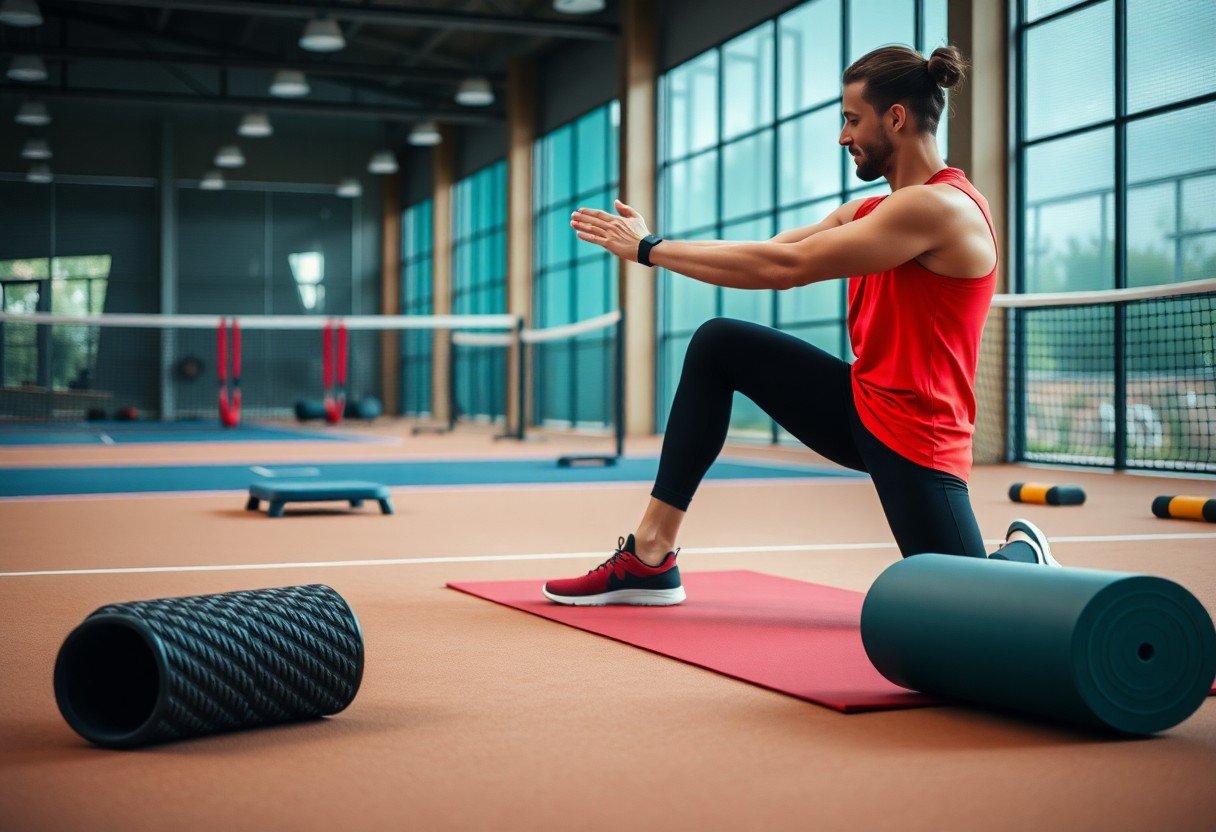
Incorporating stretching and foam rolling into your routine can significantly enhance recovery. These techniques help improve flexibility, increase blood flow to the muscles, and reduce tension. Regular practice can also assist in preparing your body for the next session, minimizing the likelihood of injury.
To implement effective stretching, focus on dynamic stretches before playing and static stretches post-match. For foam rolling, target areas such as quads, hamstrings, and the upper back. Spend about 1-2 minutes on each muscle group, applying moderate pressure to break down knots and relieve soreness. Consistency in these techniques yields substantial benefits in overall performance and injury prevention.
Final Words
Summing up, to prevent common padel injuries, you should prioritize proper warm-ups, stretching, and cooldowns. Invest in quality footwear that provides support and grip, and pay attention to your playing surface. Incorporate strength and flexibility training into your routine to enhance your physical resilience. It’s also vital to listen to your body; if you feel pain or discomfort, take a break. By adopting these practices, you can enjoy padel while minimizing your risk of injury.
FAQ
Q: What are the most common injuries in padel?
A: Common injuries in padel include ankle sprains, tennis elbow, shoulder injuries, wrist strains, and muscle pulls, particularly in the legs and back.
Q: How can I warm up effectively before playing padel?
A: Effective warming up should include dynamic stretches, light jogging, and sport-specific movements like lunges and arm circles for at least 10-15 minutes to increase blood flow and reduce injury risk.
Q: What kind of footwear is recommended for playing padel?
A: Proper padel shoes with good grip, cushioning, and lateral support are recommended to provide stability on the court and help prevent ankle and foot injuries.
Q: How important is hydration in preventing padel injuries?
A: Staying well-hydrated before, during, and after play is important to maintain muscle function and reduce the likelihood of cramping and fatigue-related injuries.
Q: What are some tips for proper technique to avoid injuries?
A: Focus on maintaining correct posture, using proper grip and swing mechanics, and avoiding excessive force during strokes to minimize strain on muscles and joints.