
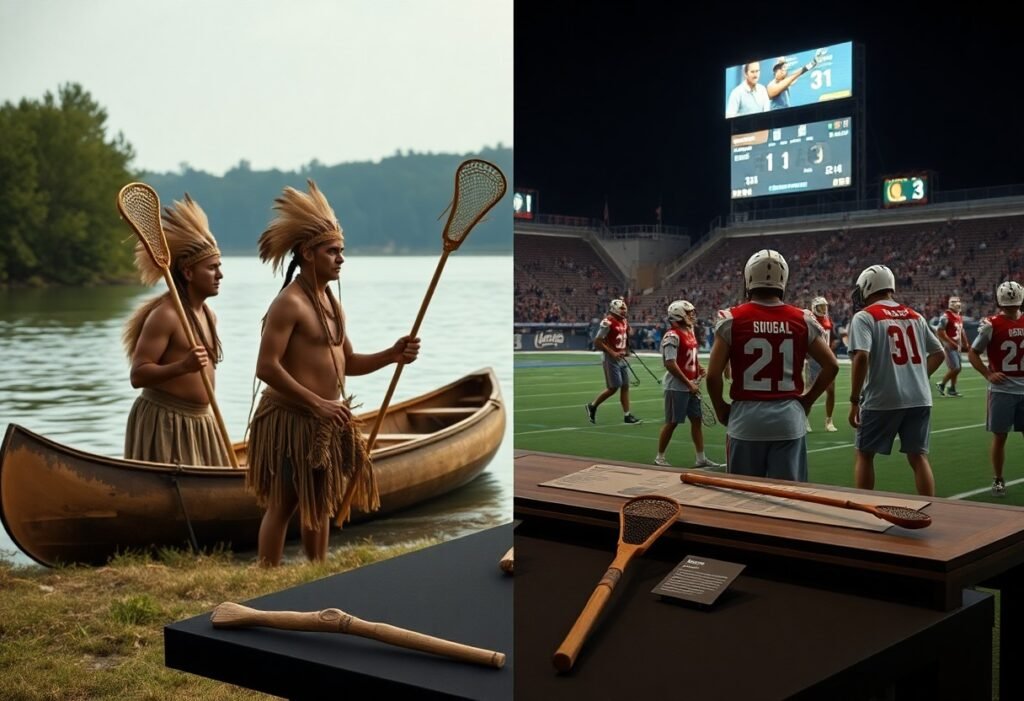
With origins among Haudenosaunee and other Indigenous nations as spiritual, diplomatic, and training practices, lacrosse shapes how you see teamwork, ritual, and athleticism today; its history includes violent, sometimes deadly intertribal contests and the resilience and cultural revival that restored Indigenous stewardship and recognition, informing your rules, equipment, and respect for the game’s deeper meanings.
Key Takeaways:
- Many Native nations developed lacrosse as a ceremonial, diplomatic, and communal game that established the stick-and-ball mechanics, field concepts, and deep social meanings behind play.
- 19th-century settlers codified and commercialized Indigenous games into modern organized sport, adapting rules and equipment while retaining core elements like teamwork and skill with the crosse.
- Modern lacrosse faces issues of cultural appropriation and erasure; Indigenous athletes and organizations are reclaiming history, advocating for recognition, and revitalizing traditional practices and stewardship.
The Origins of Lacrosse
You encounter 17th-century accounts-most notably Jean de Brébeuf’s 1636 report-describing Haudenosaunee matches with 100-1,000 players, wooden sticks and stitched deerskin balls, played on fields miles long and lasting days; these contests worked as social governance, war training, and communal ceremony, blending athletic skill with high-stakes social outcomes.
Early Forms of the Game
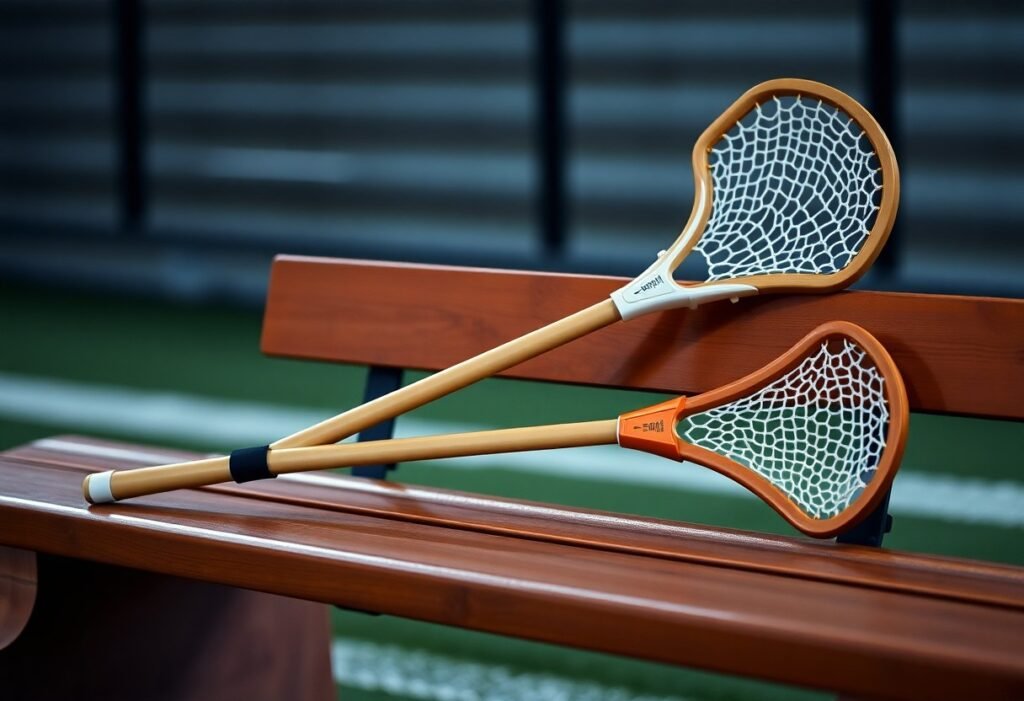
You learn that regional variants shaped equipment and scale: Mohawk and Onondaga matches used long-handled sticks while Algonquin games favored shorter clubs; French explorers recorded balls of sewn leather, and some contests stretched several miles, forcing different tactics, stamina, and communal logistics than modern bounded fields.
Cultural Significance in Native American Tribes
In many nations lacrosse served as law, medicine, and prayer: you see it called Tewaaraton by Mohawk speakers-“little brother of war”-used to heal, settle disputes, and honor the Creator; participants observed songs, fasting, and ritual that made each match a spiritual communal event with tangible social consequences.
Contemporary echoes make that significance visible: the Iroquois Nationals-the only indigenous team recognized in international play-use competition to assert sovereignty and revive traditions, and you’ll still find tobacco offerings, pre-game prayers, and storytelling woven into community matches to transmit values and language across generations.
The Evolution of Lacrosse
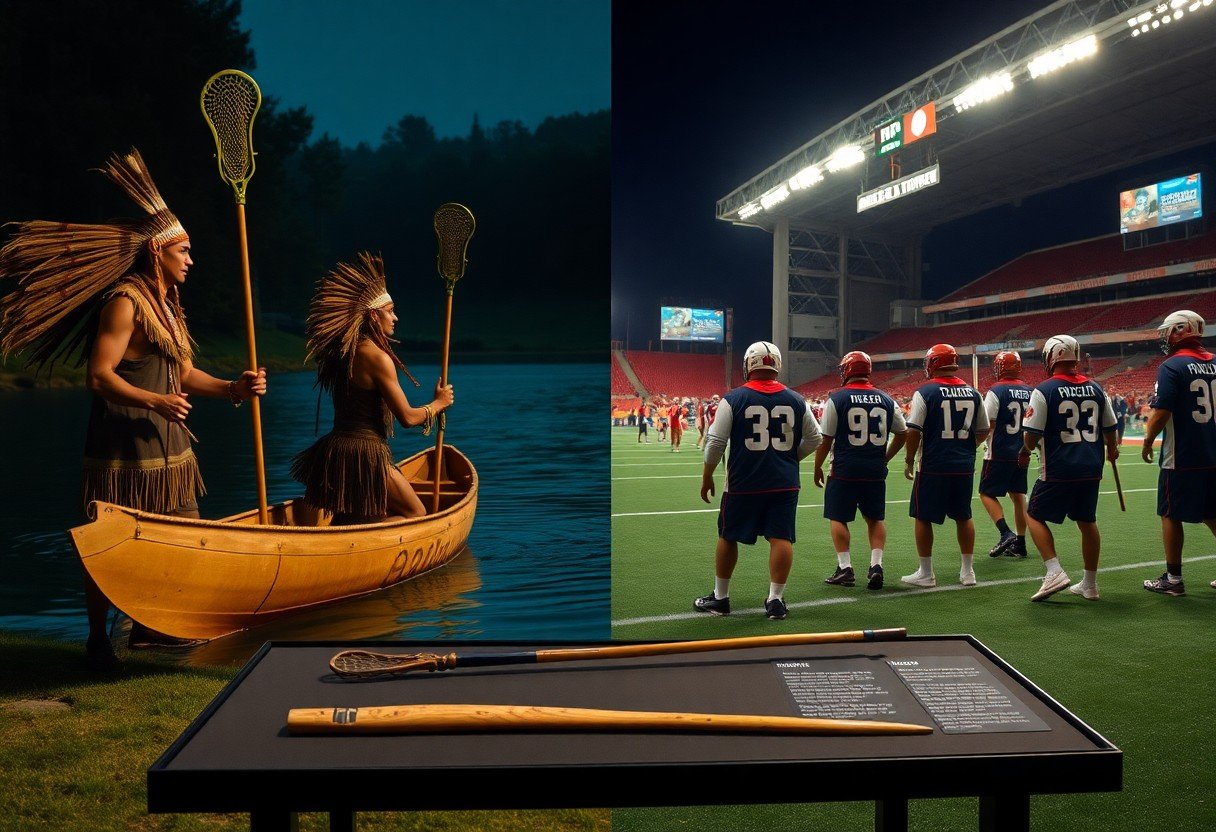
You witness the sport’s shift from communal, ritual contests-often involving up to several hundred players across fields miles long-to regulated matches with standardized rules introduced in the 1860s by figures like Dr. William George Beers; today men’s field lacrosse uses 10 players per side, timed quarters, and league statistics that drive strategy, while equipment moved from carved hickory sticks and deerskin balls to lightweight composite shafts and engineered heads.
Changes in Gameplay and Equipment
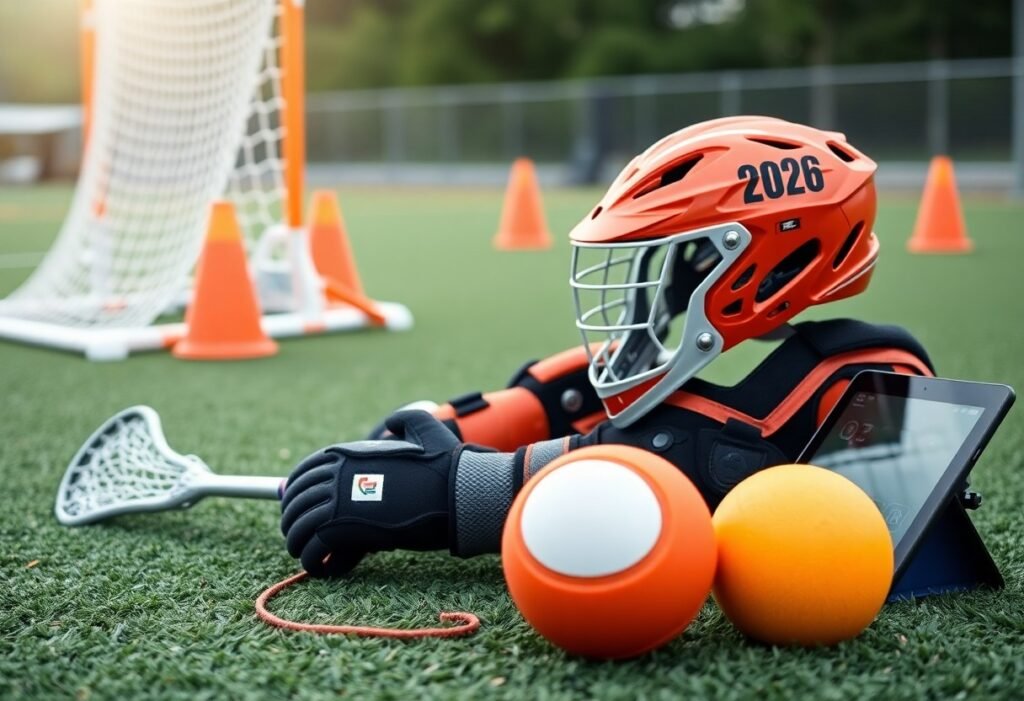
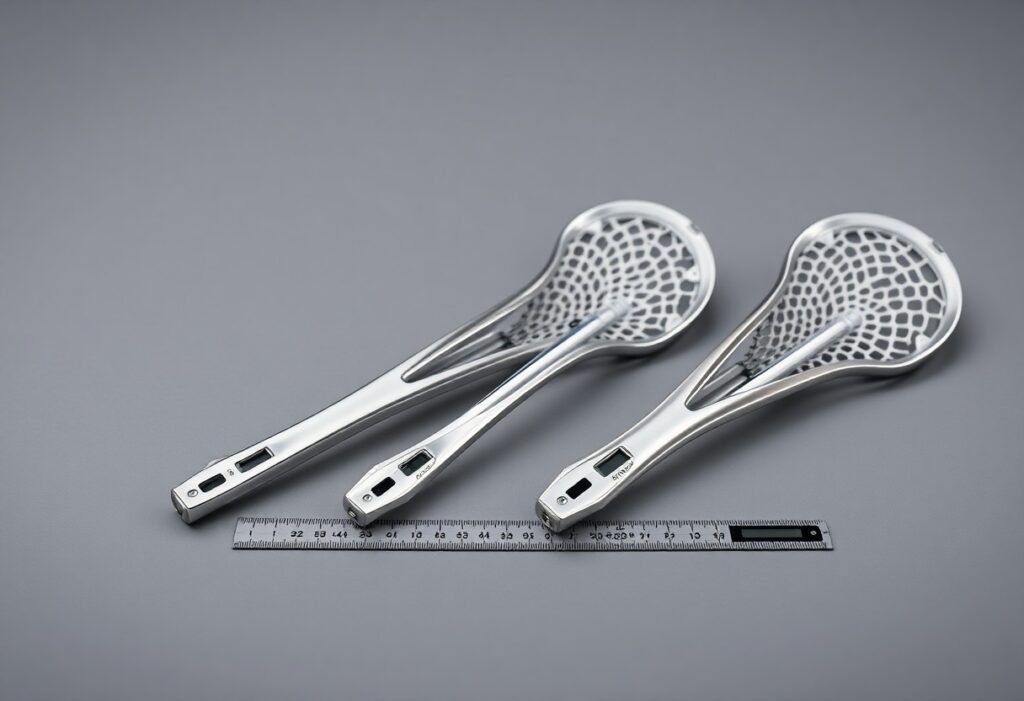
You notice gameplay sped up as stick design and materials evolved: carved wooden sticks with leather pockets gave way to molded plastic heads and synthetic mesh in the 1970s-1980s, enabling shots and passes with greater accuracy and velocity-elite shot speeds can exceed 100 mph-and shifting tactics toward faster transition play and specialized positions (attack, midfield, defense, goalie).
Influence of European Colonization
You confront how colonization reshaped lacrosse: missionaries and officials often discouraged or banned Indigenous games, while settlers adopted and codified lacrosse into a commercialized sport, with the 1860s rulebook standardizing play and removing many spiritual elements; this process produced both broader recognition and erosion of cultural context that Indigenous communities had to resist.
You should note concrete consequences: land dispossession and boarding-school policies limited community gatherings needed for traditional matches, and yet lacrosse entered international arenas-appearing at the 1904 and 1908 Olympics-which complicated identity, as Indigenous players sought both to compete and to reclaim ceremonial meanings, leading to contemporary movements that emphasize cultural education alongside competitive play.
The Role of Lacrosse in Native American Identity
Community and Spiritual Aspects
When you watch or play, you step into ceremonies where lacrosse once united villages for healing, diplomacy and celebration; many Haudenosaunee games historically involved hundreds of players and lasted days. Known as baggataway or tewaarathon, the sport blends physical skill with ritual, songs and prayer, so your participation often reinforces kinship, moral teaching and a living link to ancestors through shared choreography and sacred meanings.
Revitalization Efforts in Modern Communities
You now see tribes reclaiming lacrosse through youth leagues, school curricula and festivals on reserves like Six Nations and Akwesasne, with the Haudenosaunee Nationals serving as a high-profile symbol of cultural resilience. Community-run camps teach stick-making and philosophy, while tribal tournaments rebuild intergenerational ties and offer pathways for cultural leadership.
More specifically, your local program might combine language lessons with stick-crafting workshops, reviving terms such as tewaarathon alongside techniques for wooden-head sticks. Case studies include community clinics that have lowered youth violence and improved attendance rates, and the 2010 Haudenosaunee passport dispute – which highlighted sovereignty and spurred international advocacy – demonstrating how sport, policy and identity intersect in tangible ways.
Lacrosse in Contemporary Society
You encounter lacrosse in K-12 gyms, suburban high schools and urban community centers, with the NFHS listing it among the fastest-growing scholastic sports; this rapid growth translates into expanded youth leagues, club circuits and media coverage, so your local field now hosts travel teams, spring clinics and regional tournaments that feed college recruiting pipelines and sustain year-round play.
NCAA and Professional Lacrosse
You follow NCAA play where roughly about 75 Division I men’s programs compete alongside dozens of Division II and III teams, and the NCAA tournament (held since 1971) fuels scouting. Professional strides include the Premier Lacrosse League, which launched in 2019 and absorbed Major League Lacrosse around 2020, creating a unified pro field circuit that increased player compensation, national broadcasts and a touring model that brings elite matchups to you across markets.
The Game’s Global Reach
You see lacrosse expanding internationally under World Lacrosse, which now includes more than 60 national federations; the quadrennial World Lacrosse Championship and the distinct, internationally recognized Iroquois Nationals (Haudenosaunee) team emphasize both global competition and Indigenous sovereignty, while box and field variants cross borders through national programs and diaspora communities.
You can spot concrete growth in England, Australia, Canada, Japan, Israel and Germany, where national federations run youth-to-senior pathways, coach education and domestic leagues; box lacrosse’s physicality fuels Canada’s dominance in indoor play, while field lacrosse expansions-club circuits, university scholarships and international qualifiers-give your national team opportunities to rise on the world stage.
Comparisons with Other Traditional Sports
Comparative snapshot
| Traditional Sport | Key comparison |
|---|---|
| Haudenosaunee lacrosse | You encounter games historically with hundreds of players, goals miles apart and multi-day matches; the game’s spiritual role contrasts with modern timed play. See context on Native American origins of lacrosse game. |
| Irish hurling | Both use sticks and fast ball play; hurling has standardized teams of 15 and pitches ~130-145m long, while lacrosse evolved variable team sizes into today’s formats. |
| Scottish shinty / Maori ki-o-rahi | These use stick-and-ball mechanics and tribal/community ties; shinty emphasizes continuous play, ki-o-rahi blends target scoring and territory, showing varied cultural rules you can compare. |
Similarities and Differences
You notice shared mechanics-sticks, aerial passing, and physical contact-yet critical differences appear: lacrosse retained ritual elements and once hosted matches with hundreds of participants, while hurling and shinty standardized to fixed team sizes and regulated fields, with hurling now played by 15 per side under GAA rules, which changed pacing and strategy.
Influence on Modern Sports
You can trace modern lacrosse equipment and tactics back to Indigenous practice: the original curved wooden sticks informed modern shaft design, and early European accounts influenced codified rules; lacrosse also featured in the 1904 and 1908 Olympics, marking international recognition that shaped later governance.
For example, modern innovations-like synthetic mesh pockets introduced in the late 20th century and organized leagues such as the MLL (founded 2001) and the PLL (founded 2018)-built on play styles you can link to Indigenous techniques; the Haudenosaunee national teams and their advocacy have also pressured governing bodies to respect Indigenous heritage while expanding the sport globally, a positive, ongoing cultural impact.
Legacy of Native American Contributions
You see Native influence embedded across lacrosse: the game’s role as a medicine game for healing and diplomacy, traditional stick craft techniques, and the Haudenosaunee’ ongoing presence in international competition. Since William George Beers codified modern rules in 1867, those Indigenous practices shaped equipment, terminology, and ethics you still encounter in college and pro programs, while communities use the sport to assert cultural identity and address sovereignty and land issues.
Key Figures and Their Impact
You encounter names like Gaylord Powless and collective leaders from the Haudenosaunee who changed how the sport is played and perceived; Powless’s skill in box and field lacrosse inspired a generation, and the Haudenosaunee Nationals forced international bodies to confront Indigenous representation. Their influence shows up in coaching philosophies, recruitment pipelines, and the dozens of Indigenous players who have become stars in the NLL and NCAA.
Continuing Traditions in the Sport
You’ll find tradition carried in youth programs, community tournaments, and ceremonial practices: reservation leagues that teach stick-making, pre-game prayers, and rules passed down for centuries. Annual gatherings draw hundreds of players and spectators, and grassroots camps keep traditional craftsmanship and language tied to play, ensuring that the sport remains a living vector for culture, education, and intergenerational mentorship.
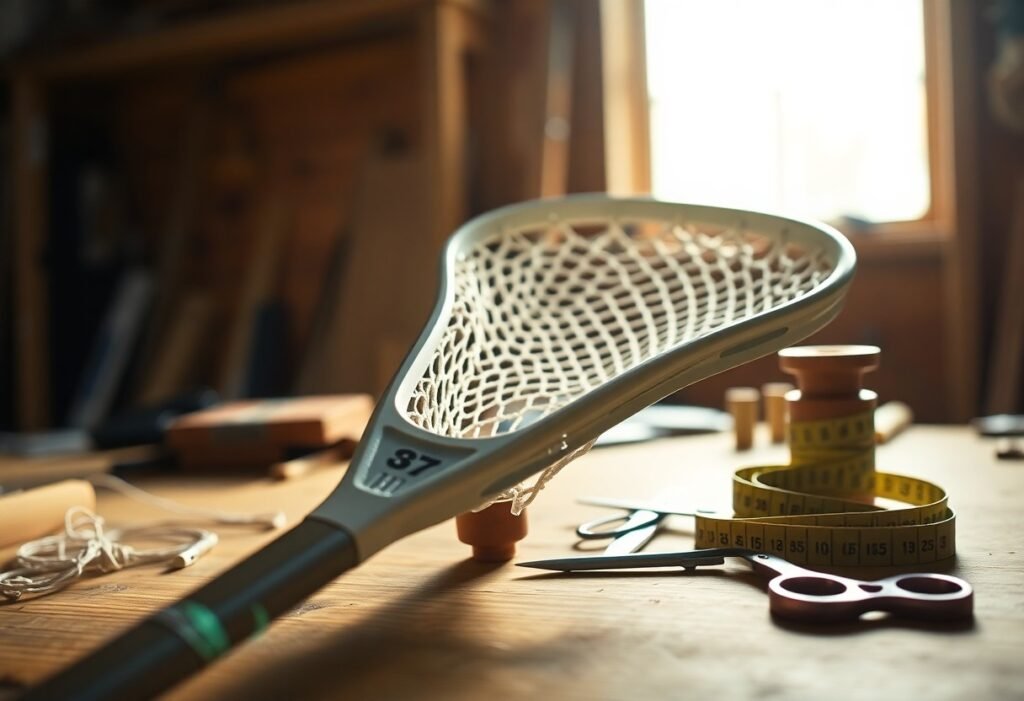
You can witness specific craft continuity when artisans still shape sticks from ash or hickory, braid heads by hand using sinew or modern substitutes, and teach knotting methods over a full-day workshop. Community case studies-like Six Nations youth leagues feeding talent into collegiate programs-show how those skills translate into competitive success, while policy flashpoints such as the 2010 Haudenosaunee passport travel dispute highlight ongoing intersections of sport, identity, and sovereignty.
Summing up
Summing up, you can trace how Native American spirituality, community leadership, and gameplay traditions formed lacrosse’s rules, values, and cultural significance, shaping how you encounter the sport today and guiding efforts to restore Indigenous names, governance, and your support for equitable representation in modern play.
FAQ
Q: What are the Indigenous origins of lacrosse?
A: Lacrosse originated among many Eastern Woodlands and Great Lakes Indigenous nations-most famously the Haudenosaunee (Iroquois) and Algonquian peoples-under names such as tewaarathon, bagataway and aya:de. Games were community events with spiritual, social and practical purposes: healing ceremonies, conflict resolution, training for war, and diplomacy. Matches could involve dozens to hundreds of players, goals set miles apart or marked by posts, and play that lasted hours or days. The stick-and-ball format, team structure, and ritual elements of these traditional games are the foundation of the modern sport.
Q: How did Indigenous gameplay and customs shape modern rules and style of play?
A: Core skills-cradling, passing, catching, and using a netted stick to carry a ball-derive directly from Indigenous play. When European settlers and codifiers encountered the game in the 19th century, they adapted but kept central elements: defined fields, goal scoring, and team-based play. William George Beers and other codifiers standardized play into modern field lacrosse rules (fixed team sizes, timed periods), but many strategic and technical practices-fast ball movement, off-ball running, the importance of stick skills and space creation-trace to Indigenous techniques. Women’s lacrosse evolved under different social norms, reducing contact and emphasizing skillful stickwork, an adaptation of core passing and positioning principles.
Q: In what ways did Indigenous material culture influence lacrosse equipment?
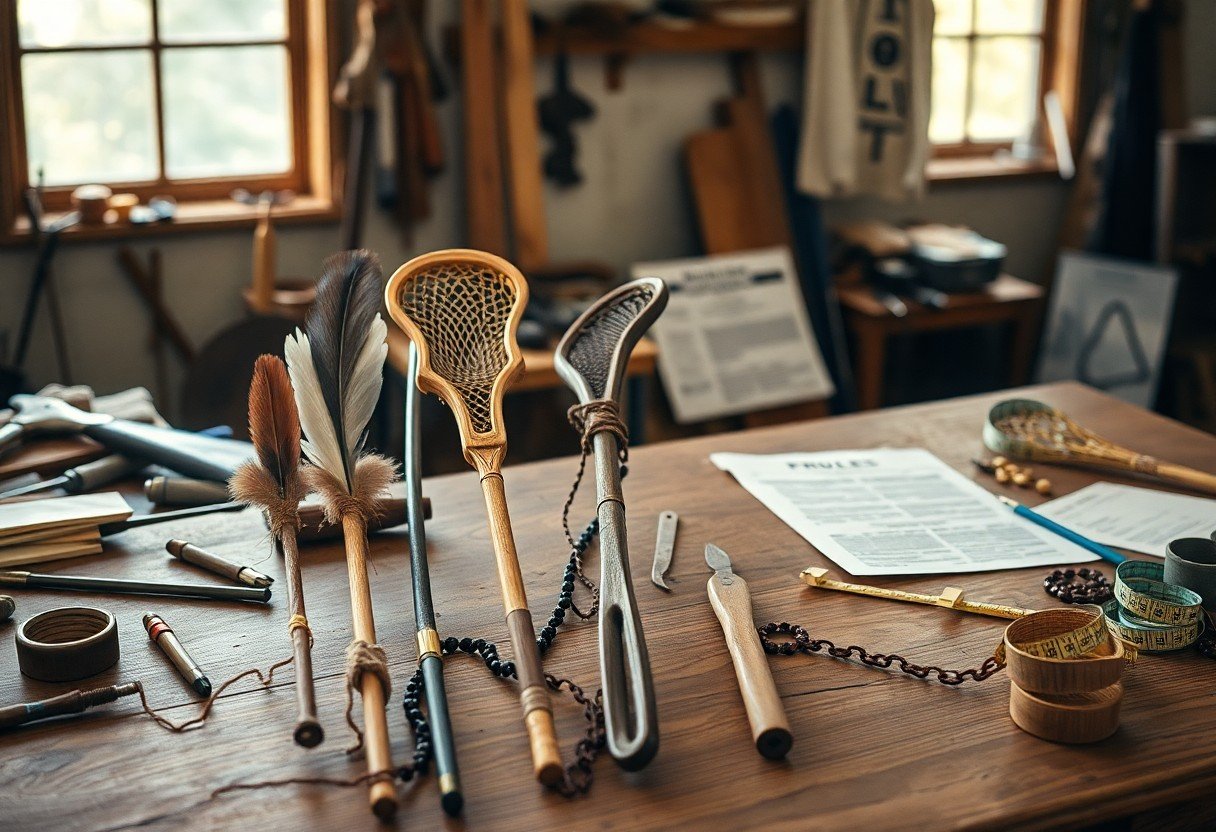
A: Traditional sticks were hand-carved from hardwood with leather or sinew webbing to form a pocket-designs optimized over generations for control and durability. European observers and later manufacturers preserved the U-shaped head and pocket concept while transitioning materials: from wood and leather to laminated wood, plastic heads and synthetic mesh, improving consistency and strength. Even modern terminology reflects Indigenous roots filtered through colonial languages-the French word “crosse” influenced English usage-while contemporary protective gear developed in response to increased speed and organized contact play.
Q: How do Native nations continue to shape lacrosse today culturally and politically?
A: Native nations remain active as players, coaches, organizers and cultural stewards. The Haudenosaunee Nationals compete internationally under Indigenous passports and assert sovereignty through sport, drawing attention to treaty and recognition issues. Ceremonial practices-prayers, songs, medicine work, and pipe ceremonies-are regularly incorporated into team routines and tournaments to honor origins. Indigenous-led initiatives advocate for accurate histories, cultural protocols at events, and stewardship of lacrosse’s spiritual dimensions, ensuring the game remains a living cultural transmission rather than only a commercialized pastime.
Q: What are the main challenges and practical steps to properly honor Indigenous origins of lacrosse in the modern game?
A: Challenges include cultural appropriation (names, mascots, commodification), erasure of Indigenous histories in coaching curricula, and limited Indigenous representation in governance. Practical steps: teach accurate histories at youth and collegiate levels; involve Indigenous leaders in policymaking and event planning; respect and accommodate ceremonial practices at tournaments; support Indigenous teams and grassroots programs financially and logistically; reject stereotyped imagery and secure proper permissions for cultural uses. These measures help restore agency to Indigenous communities and preserve the sport’s original meanings while supporting its ongoing growth.